Last updated November 17, 2026
Free written scope consultation - allowances, timeline, and change-order rules on paper before a single trade is scheduled
The Complete Home Additions & ADU Guide for North Miami Beach Homeowners
Here’s the part that surprises almost every homeowner we talk to: in North Miami Beach, the hardest part of an addition or ADU usually isn’t the building. It’s the paperwork and the flood rules that come before a single wall goes up. North Miami Beach sits inside a FEMA Special Flood Hazard Area, so your project triggers elevation requirements, insurance questions, and construction standards that don’t exist in most of the country. Most online guides ignore all of it because they were written for nowhere in particular. This one covers the local picture: zoning, flood compliance, the Miami-Dade permitting timeline, honest cost ranges, and the property-tax math.
Styles & brands we work with
- Kitchen remodeling
- Bathroom remodeling
- Home additions & ADU
- Roofing
- Windows & doors
- Driveway & pavers
- Fence
Quick Answer
A home addition in North Miami Beach generally runs $180 to $400 per square foot, and a detached ADU often lands between $150,000 and $350,000 depending on size, foundation type, and flood elevation requirements. The two things that most affect your final number aren’t design choices – they’re your property’s flood zone and how much of your lot coverage the city will let you use. Get those two answers before you draw anything.
Table of Contents
- North Miami Beach zoning: setbacks, lot coverage, and ADU rules
- FEMA flood compliance and what it does to your budget
- The Miami-Dade permitting process for additions vs. detached ADUs
- Comparing addition types and honest cost ranges
- How an addition or ADU affects homestead exemption and property taxes
- Common mistakes to avoid
- When to call a professional
- Frequently asked questions
North Miami Beach Zoning: Setbacks, Lot Coverage, and ADU Rules
North Miami Beach’s land development regulations control three things that decide whether your project is even possible: how close you can build to your property lines (setbacks), how much of your lot can be covered by buildings (lot coverage), and whether an ADU is allowed on your parcel at all. Most single-family lots in North Miami Beach fall under a residential zoning district with a maximum lot coverage that typically lands between 35% and 45%, though that varies block to block. If your house already eats up most of that allowance, a large addition may not fit, no matter how good the design is.
Setbacks also matter more than people expect. A typical side setback in the city’s residential districts runs 5 to 7.5 feet, with rear setbacks often around 15 to 20 feet. A primary addition can sometimes be approved through a variance if it slightly intrudes, but variances add months to the schedule and aren’t guaranteed.
What “by-right” actually means for ADUs
When someone says an ADU is “by-right,” they mean the city must approve it if it meets the written code – no public hearing, no discretionary review, no neighbor objections required. In North Miami Beach, an accessory dwelling unit is generally permitted as an accessory use on a single-family lot when it meets the code’s size, setback, and parking requirements. But “by-right” is not a magic phrase. It still means you must match the code exactly, and inspectors will check that you did.
The rules that trip people up
- Owner-occupancy: Many Florida ADU rules require the property owner to live on-site. If you’re planning this as a pure rental investment, confirm with the city before you commit money.
- Size caps: Municipal codes typically cap ADU square footage relative to the primary home (often 40% to 50% of the main structure, or a fixed maximum).
- Height and stories: Detached ADUs are usually limited to one story; a two-story garage conversion may need extra review.
- Parking: An ADU may add a required parking space – and that space has to fit somewhere that doesn’t blow your lot coverage.
This is the stage where most homeowners discover their dream plan doesn’t match the code. A contractor who regularly builds Home Additions & ADU in North Miami Beach can usually tell you within a day of reviewing your survey whether your plans are realistic.
FEMA Flood Compliance and What It Does to Your Budget
This is the section most guides skip. North Miami Beach has significant portions of its residential area mapped into FEMA Special Flood Hazard Areas – Zones AE and VE most commonly – and that mapping changes how you build, what insurance costs, and how much foundation work you can expect.
The core rule in a Special Flood Hazard Area is the Base Flood Elevation (BFE): the height water is expected to reach in a 1-in-100-year flood. In a mapped flood zone, the lowest floor of a new addition or ADU generally must sit at or above the BFE. In practical terms, that means a raised foundation – typically a stem wall, pier-and-beam, or fill dirt to elevate the build pad. That’s not just a line item; it’s a structural design decision that affects the whole project.
How elevation requirements show up in your cost
- Foundation type: A slab-on-grade foundation may not be permitted; a raised stem wall or engineered fill typically adds $12,000 to $40,000 over a standard slab, depending on footprint.
- Finished floor elevation: You’ll need a surveyor and an elevation certificate to certify your flood elevation – typically $500 to $1,500 for the certificate alone.
- Flood vents and breakaway walls: Enclosed areas below BFE need compliant flood vents (roughly $40 to $150 each, commonly 1 square inch per square foot of enclosure) and, for VE zones, breakaway wall design.
- Insurance impact: A properly elevated ADU may actually lower your overall flood insurance risk profile for that structure – but a non-compliant one can spike premiums, which is why the certificate matters.
In our experience working North Miami Beach properties, the flood zone question is where projects gain or lose $30,000 in a hurry. Pull your property’s flood zone determination before you design anything. If you’re building near the waterways or the low-lying blocks that see street flooding during king tides, plan for the stricter side of the rules.
The Miami-Dade Permitting Process for Additions vs. Detached ADUs
Realistic timeline expectations matter, because almost everyone underestimates this stage. In our experience, an addition or ADU in North Miami Beach typically takes 3 to 6 months from permit application to approval, and detached ADUs often run longer than additions because they include a new address, utilities, and a separate inspection track.
Step-by-step: the permitting path
- Property survey and flood zone verification. Pull the boundary survey, flood zone letter, and any elevation certificate on record. One to two weeks.
- Site plan and zoning review. Confirm lot coverage, setbacks, and ADU eligibility with the city before you draw a floor plan. One to three weeks.
- Design and engineering. Architectural drawings plus structural engineering, and a wind mitigation/HVHZ (High-Velocity Hurricane Zone) detailing review – Miami-Dade’s hurricane code is a genuine budget factor in every addition. Four to eight weeks.
- Permit submittal. A submittal package typically includes the site plan, structural plans, HVAC, electrical, plumbing, and a signed contractor/owner authorization. Submit through Miami-Dade County’s online permitting portal.
- Plan review. The county and city review concurrently in many cases. Expect anywhere from 30 to 120 days, with revision rounds adding time.
- Permit issuance and inspections. Once the permit is in hand, inspections are typically scheduled at foundation, framing, roof, insulation, drywall, electrical, plumbing, and final. Each inspection can take 2 to 7 business days to schedule.
- Certificate of Occupancy. You can’t occupy or rent an ADU until the CO clears. Detached ADUs with new utility meters can add 30 to 60 days to the final step.
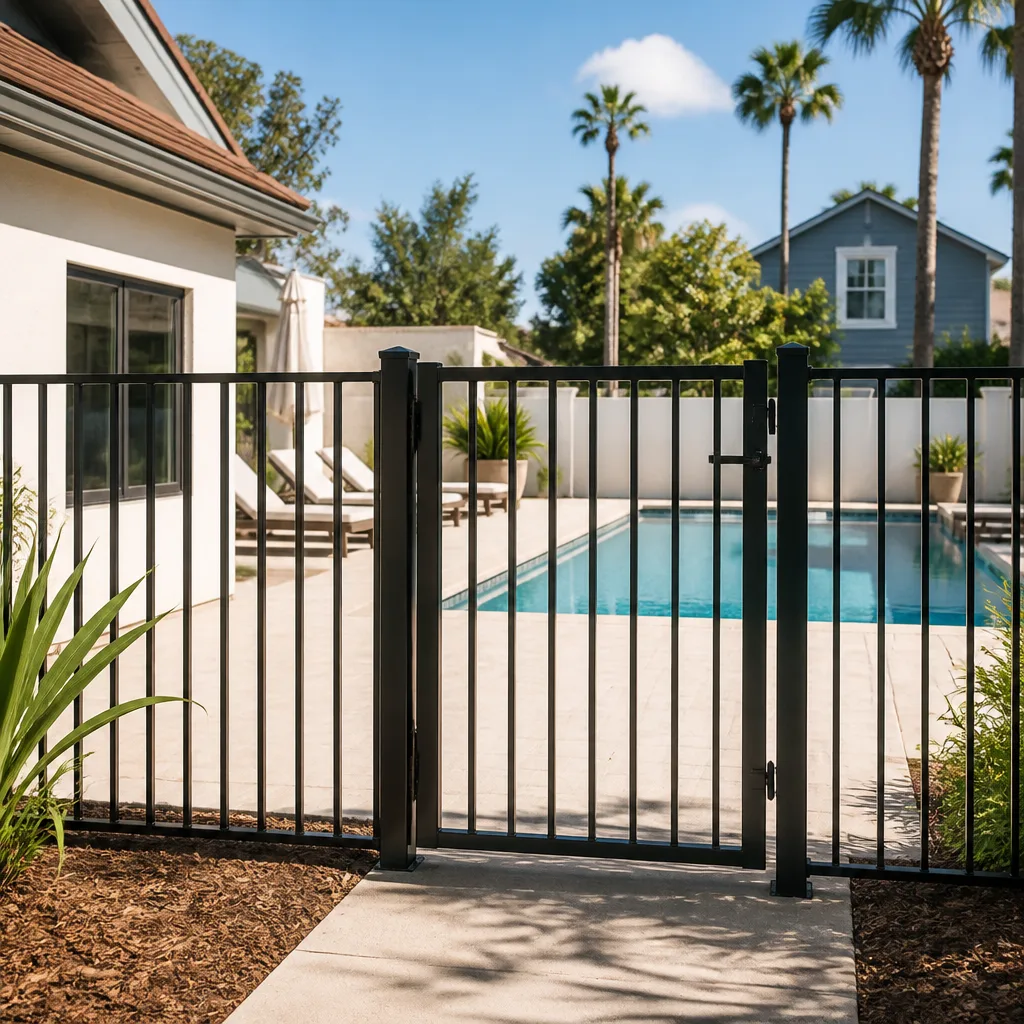
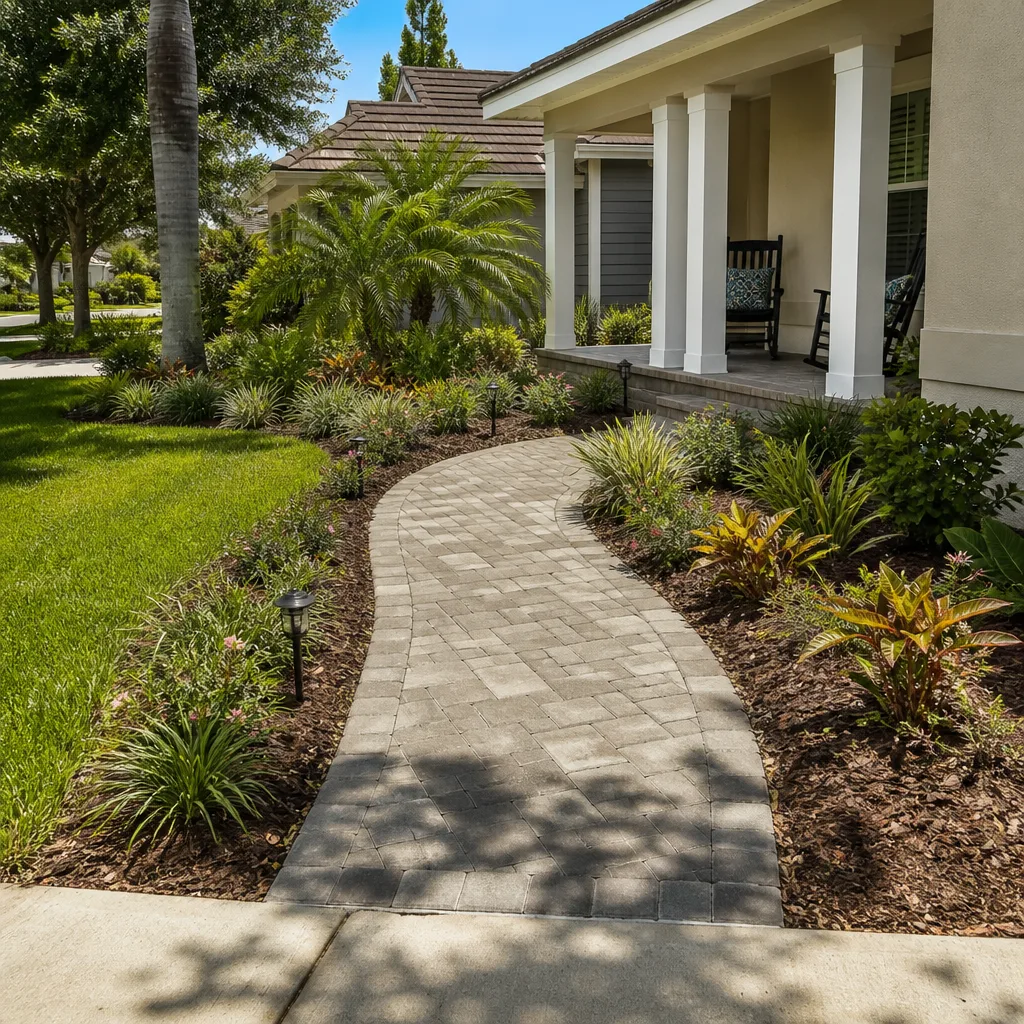
One practical note: many North Miami Beach properties fall under both the city’s review and the county’s, and small deviations – a fence that goes up without a permit during construction, a change order that skips a revision – can stall the whole inspection sequence. We pull permits and schedule inspections as a single continuous process so nothing stalls. If you’re also replacing driveway pavers or a fence as part of the project, those get their own permits, and it’s worth doing Driveway & Pavers in North Miami Beach and Fence Installation in North Miami Beach with the same team so the site stays clean under one schedule.
Comparing Addition Types and Honest Cost Ranges
Not every addition is equal, and the numbers below reflect local labor and material costs in Miami-Dade, flood elevation requirements, and finishes at a mid-to-high range. These are ranges, not quotes – real pricing depends on your lot, your flood zone, your finish choices, and the size of the build.
| Addition type | Typical cost | Best for | Local considerations |
|---|---|---|---|
| Bump-out (extending an existing room) | $250 to $400 per sq ft, typically $40,000 to $90,000 | Adding 150 to 400 sq ft to a kitchen, bedroom, or living area | May share an existing foundation line; keep the bump-out within your lot coverage allowance |
| Second-story addition | $300 to $450 per sq ft, typically $120,000 to $250,000 | Lots with no room to build out but plenty of value above | Requires structural reinforcement of the existing frame; hurricane height limits may apply |
| Garage conversion to living space or ADU | $80,000 to $160,000 (conversion and finishes) | Converting underused covered space into a rental, in-law suite, or home office | Flood vents and below-BFE rules matter here; homeowners sometimes forget a garage conversion can still trigger elevation requirements |
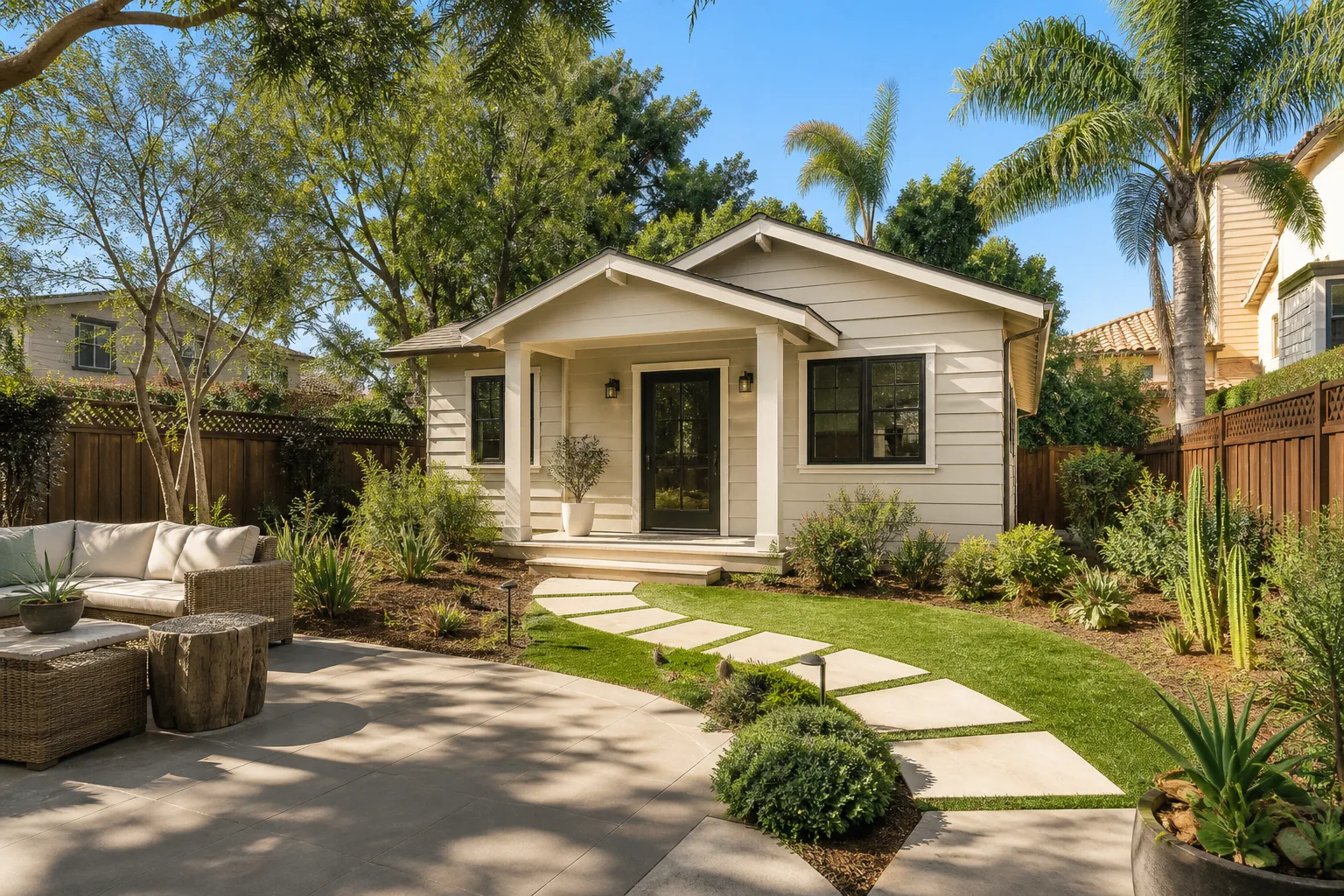
| Detached ADU (new construction) | $150,000 to $350,000 for a 500 to 900 sq ft unit | Rental income, multigenerational living, or a separate home office | New address, new utility meters, full FEMA elevation compliance, and independent permitting |
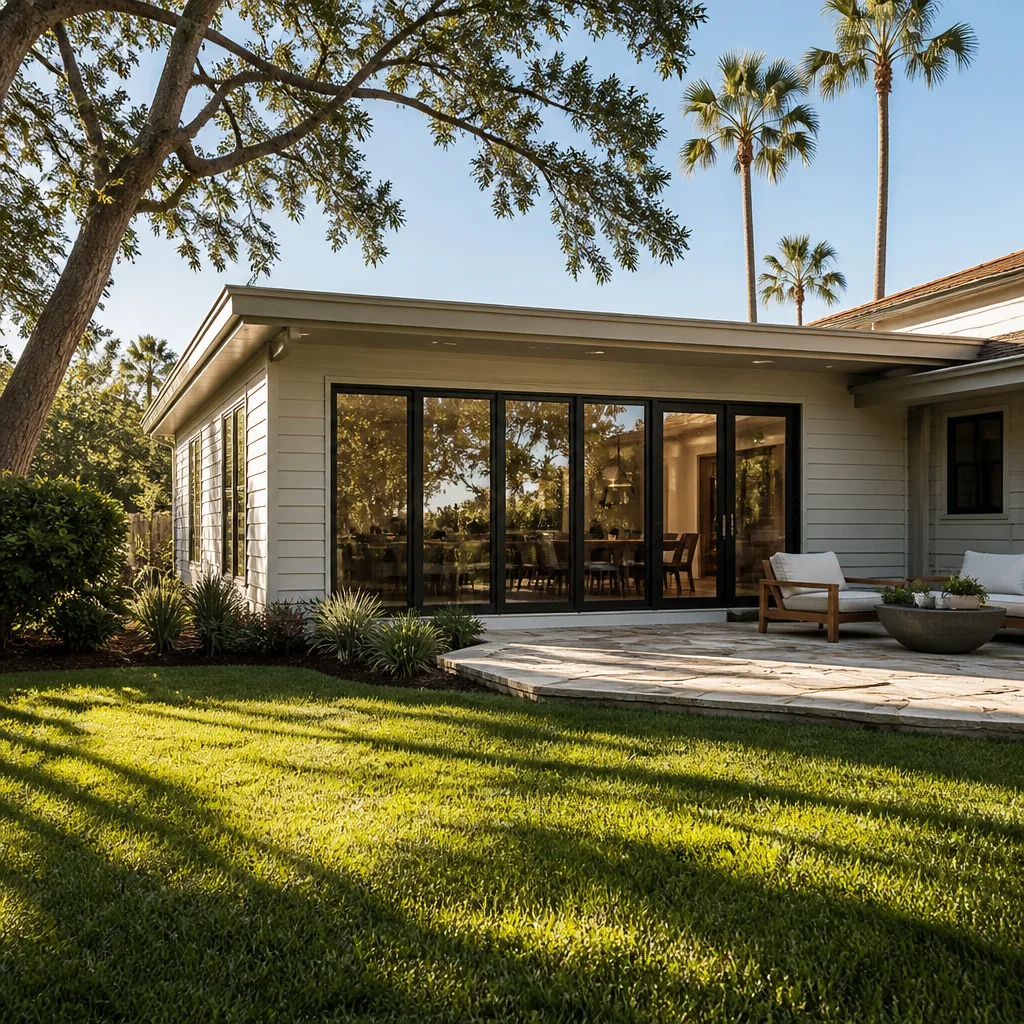
| Attached ADU (addition with a kitchen and bath) | $220 to $380 per sq ft, typically $180,000 to $320,000 | Adding a full secondary living suite under one roof | May avoid the separate-address and new-meter complexity of a detached ADU |
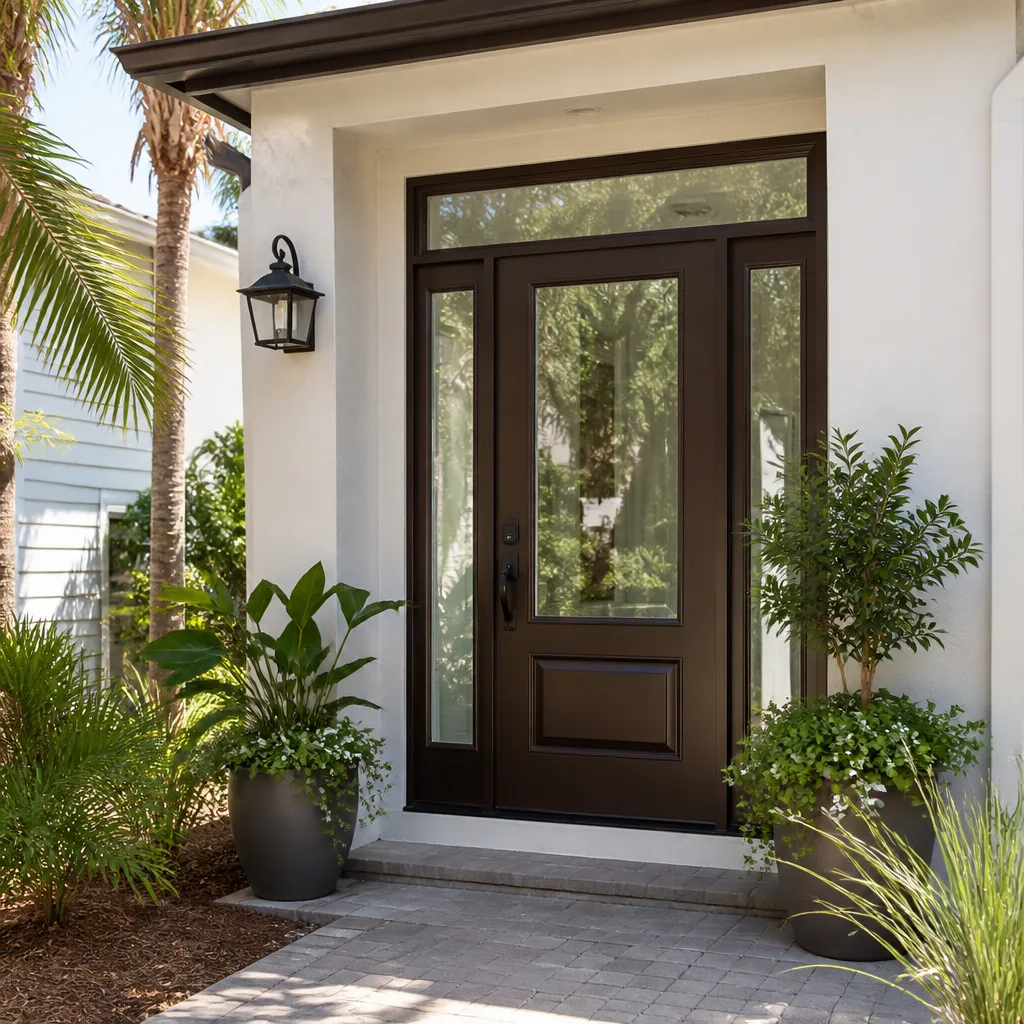
Two local factors push these numbers around more than anything else. First, HOA and condo associations: many North Miami Beach neighborhoods have design review, and getting an approval before permit submittal saves weeks of resubmission. Second, material choices for the envelope. Impact-rated windows and doors are effectively mandatory in Miami-Dade’s high-wind zone, and the brands we install – ES Windows and ECO Window Systems for impact glazing, Therma-Tru for entry and side doors – are specified because they carry the Florida product approvals and testing data your permit reviewer will expect to see. Cheap substituted products can wipe out both your inspection and your insurance discount.
The other thing worth saying plainly: 0% financing for 18 months and $1,000 off projects over $10,000 exist because additions are five-figure-to-six-figure projects. There’s no way around the size of the number. There is a way to avoid it arriving in changing pieces. A written line-item estimate with no change orders is how pricing should work.
How an Addition or ADU Affects Homestead Exemption and Property Taxes
An addition or ADU increases your property’s assessed value, which means your property tax bill will go up. That’s the simple part. The complex part is the interaction with Florida’s homestead exemption and the Save Our Homes cap.
If the property is your primary residence and you claim homestead exemption, your assessed value is currently protected by the Save Our Homes cap, which limits annual increases to the lower of 3% or the rise in the Consumer Price Index. When you add square footage, the new construction is added to the assessment at full market value – the cap doesn’t protect it – and from there the new total grows under the cap going forward. The practical impact: your tax bill in year one after the addition jumps more than in a typical year, then settles into the capped growth pattern again.
Where an ADU gets complicated
- Rental income doesn’t change homestead eligibility as long as you still live on the property as your primary residence, but the ADU improvements get assessed as new value, not capped value.
- A detached ADU may be assessed separately or as part of the whole parcel – which depends on how the county property appraiser records it, and that depends on how the ADU is deeded and whether it gets its own address.
- Your homestead exemption doesn’t transfer to the ADU. The exemption is a fixed amount off the assessed value of the homestead property – a new ADU adds value but doesn’t add exemption.
- Non-homestead rental property loses the Save Our Homes cap entirely, which is why owner-occupied ADUs usually make much more sense financially in Florida than separate rentals.
We’re not tax advisors and don’t pretend to be. What we can do is hand you the project values and construction documentation the appraiser needs. Talk with a Florida property tax professional before you commit to the design – a short consultation is worth far more than a surprise tax bill.
Common Mistakes to Avoid
- Skipping the flood zone check. Designing an addition and finding out during permit review that it requires an elevated foundation at $30,000 extra costs you both time and money. Pull the flood zone letter first.
- Assuming lot coverage is unlimited. North Miami Beach’s residential lot coverage cap is the most common reason additions get cut down or denied – run the math before you fall in love with a plan.
- Starting construction before the permit clears. It happens. It’s also how homeowners end up with a stop-work order, a fine, and an inspection sequence that never gets finished.
- Forgetting impact-rated windows. In Miami-Dade’s high-wind zone, non-rated glazing will fail inspection. Choose products with the Florida product approval on file – ES Windows, ECO Window Systems, and similar rated brands make permit review smoother.
- Overlooking the ADU owner-occupancy rule. Some homeowners design a detached ADU purely as a rental and only find out about the requirement after the plans are drawn.
- Using a contractor who doesn’t pull permits. It sounds obvious. It’s still the number one reason additions become uninsurable, unsellable, or require demolition.
- Hiring on price alone without a written scope. The low bid you accept is usually the one with the most “not included” line items once work starts.
When to Call a Professional
An addition or ADU is the wrong project to run as a weekend DIY effort – not because homeowners lack ability, but because Florida’s hurricane code, FEMA elevation rules, and the county permit process all want licensed, insured, permitted, documented construction. Call a professional when your project involves any of the following: new foundation work, any change to the building envelope, anything touching the electrical panel, any plumbing or gas line work, a second story, or a detached ADU that needs a new address and utility meters. Those aren’t tasks to test yourself on.
Groundwork Construction Co. of North Miami Beach offers free estimates in North Miami Beach – call (844) 797-4868 and we’ll walk your property, pull the flood zone and lot coverage numbers, and give you a written line-item estimate with no change orders. Every addition and ADU we build is covered by our 730-Day Done Right Promise – if it isn’t done right, we make it right.
Frequently Asked Questions
A detached ADU in North Miami Beach typically costs $150,000 to $350,000 for a 500 to 900 sq ft unit, and an attached ADU usually runs $180,000 to $320,000 depending on finish level and flood elevation requirements. The biggest variable is your flood zone – properties in a Special Flood Hazard Area often need an elevated foundation that adds $12,000 to $40,000. Call (844) 797-4868 for an exact quote – estimates are free.
Yes, every addition and ADU requires a permit through Miami-Dade County and the City of North Miami Beach. The permit package includes a site plan, structural plans, and mechanical, electrical, and plumbing drawings, and the process typically takes 3 to 6 months from submittal to approval. We pull permits and schedule every inspection as part of the project – permits are never an extra.
Yes, the new construction is added to your assessed value at full market value, and from that point it grows under Florida’s Save Our Homes cap – so your bill jumps in the first year and settles into capped growth after. Rental income from an ADU doesn’t disqualify your homestead exemption as long as you still live on the property. Call (844) 797-4868 and we’ll walk you through the project documentation your property appraiser will need.
Often, yes – accessory dwelling units are typically permitted as an accessory use on single-family lots that meet the code’s size, setback, parking, and lot coverage requirements. But “by-right” still means matching the written code exactly, and many North Miami Beach lots are already close to their coverage cap. Pull the survey and confirm your specific parcel before you draw plans.
From permit approval to certificate of occupancy, a typical addition takes 5 to 9 months of construction time, and total project duration from first consultation to final CO usually runs 10 to 15 months. Detached ADUs can run longer because of new utility meters and independent inspection tracks. Call (844) 797-4868 to get a realistic schedule for your specific site.
Not with a proper written line-item estimate – that’s the entire point of upfront pricing. We give you a written scope with every line item priced before the work begins, and we don’t issue surprise change orders mid-project. If something unforeseen comes up (as it sometimes does on older properties), we discuss it with you before any additional work begins. Call (844) 797-4868 to schedule your free estimate.
The Bottom Line
An addition or ADU in North Miami Beach is a construction project wrapped in a permitting and flood-compliance puzzle. The zoning side decides what you’re allowed to build. The FEMA side decides what it takes to comply. The permitting side decides how long it takes. And the property tax side decides what you’ll pay for the next ten years. Get those four answers before you commit to a design, and the rest of the project goes a lot smoother than it does for the homeowners who skip them. Whether you’re converting a garage, adding a bedroom, or building a rental ADU, that checklist is the difference between a smooth build and an expensive surprise – and a professional who brings you those answers up front is worth every dollar.
If you’re thinking about an addition or ADU in North Miami Beach, we’re glad to walk your property, pull the numbers, and give you a written estimate. Reach Groundwork Construction Co. of North Miami Beach at (844) 797-4868 and we’ll get started on a plan that fits your lot, your flood zone, and your budget. Take a look at our services and see how we cover Groundwork Construction Co. of North Miami Beach home.
Written by the team at Groundwork Construction Co. of North Miami Beach.
See the difference
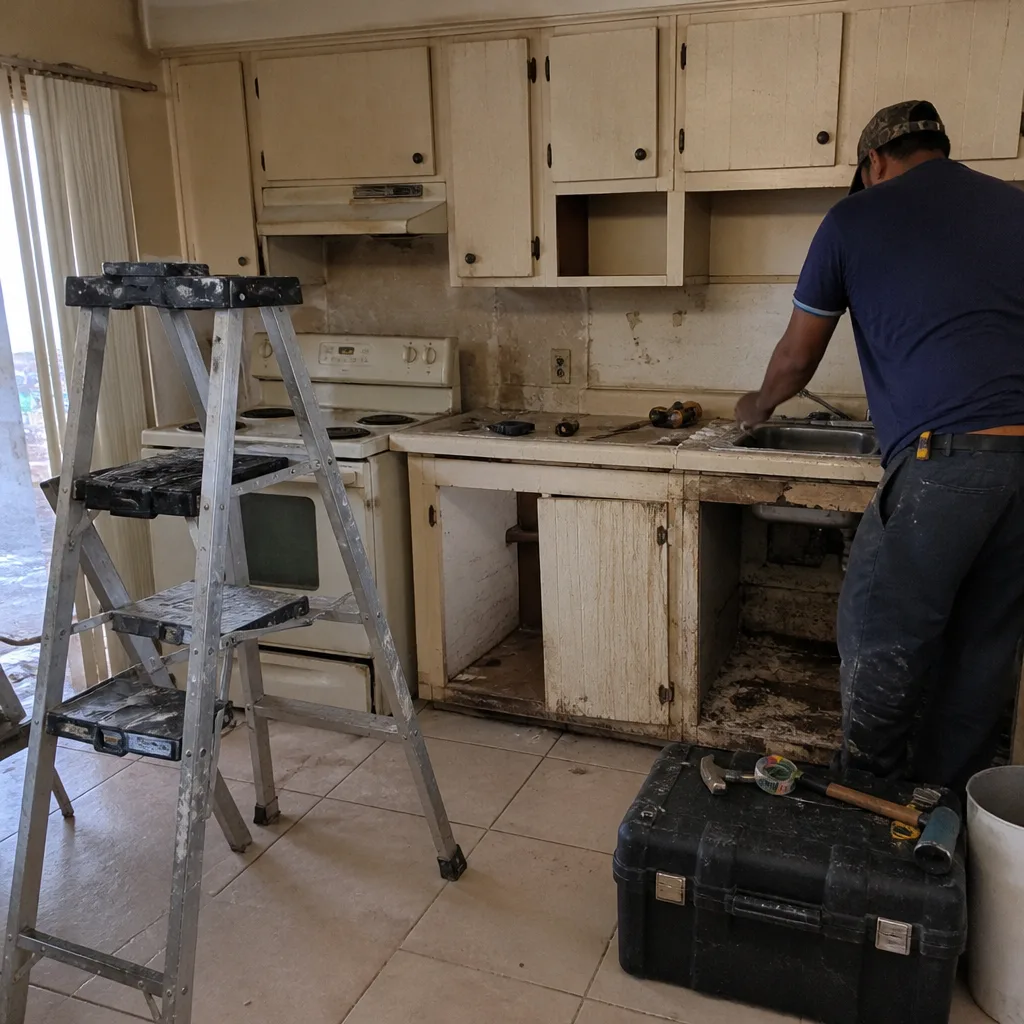 Before
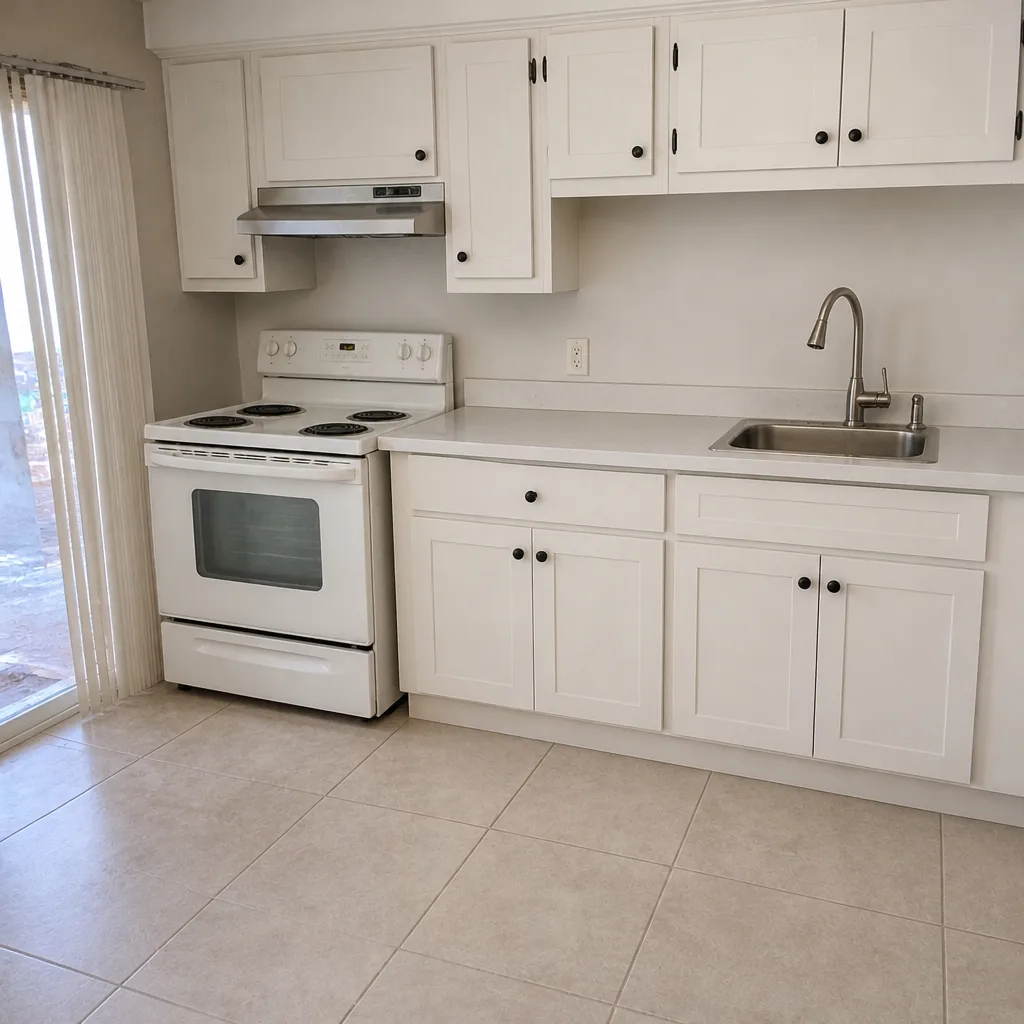 After
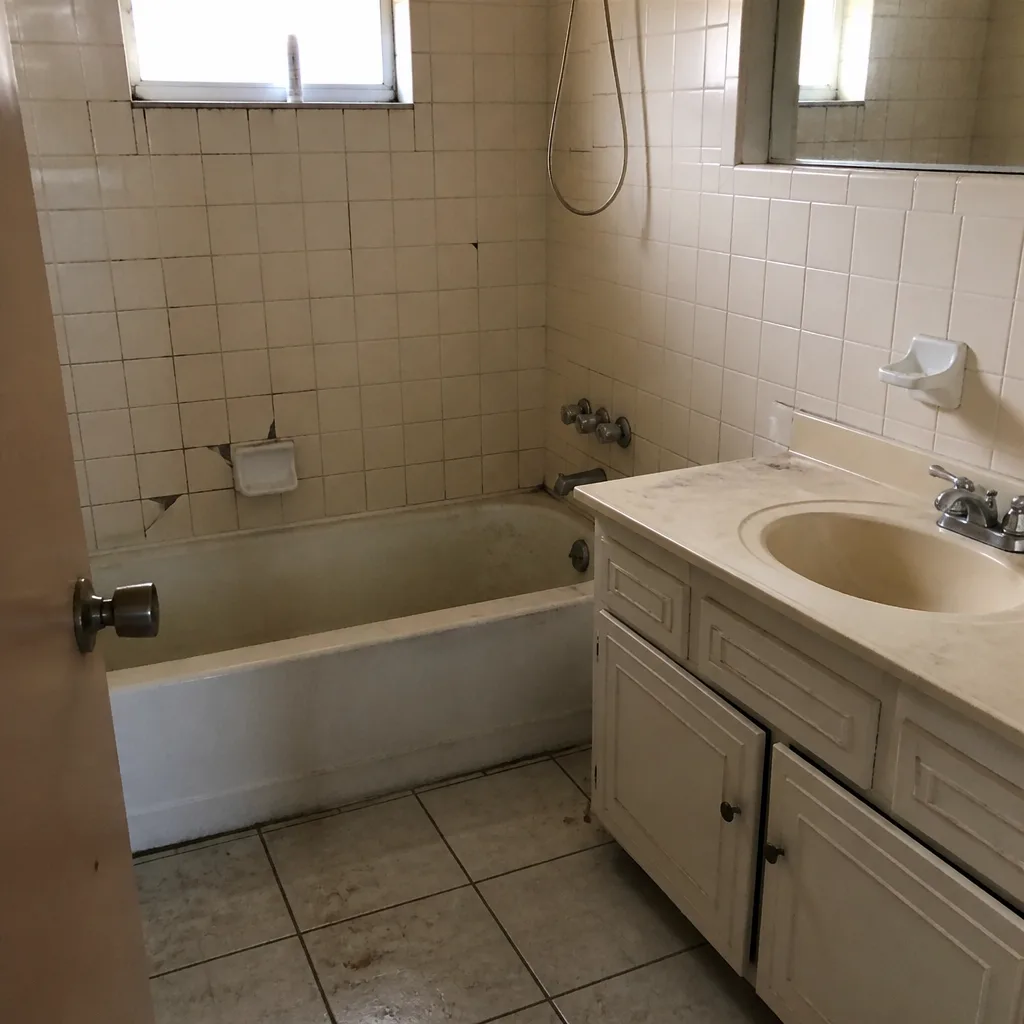 Before
 After
 Before
 After