Last updated November 17, 2026




Free written scope consultation - allowances, timeline, and change-order rules on paper before a single trade is scheduled
Home Additions & ADU Maintenance Schedule: What to Do and When
South Florida punishes a structure. Salt air eats fasteners and metal flashing. Humidity keeps wall cavities damp for months. UV light cooks caulk joints until they crack and pull away. Then hurricane season arrives and tests everything at once. A home addition or ADU in North Miami Beach takes more weather stress in twelve months than the same structure would see in five years in Atlanta or Charlotte. Buildings that get ignored here don’t fail dramatically. They fail slowly, in the seams, until a small leak becomes a rotted header. This guide lays out a month-by-month maintenance calendar built for our climate, flags the systems that break first, and separates what you can handle yourself from what needs a licensed contractor.
Quick Answer
The core of an ADU or addition maintenance schedule in South Florida is a seasonal rhythm: inspect roof-to-wall flashing and caulk joints every spring before hurricane season (April-May), clear mini-split condensate lines quarterly, check impact window seals twice a year, and do a full post-storm inspection in October. Roofs, HVAC, windows, and waterproofing all have known lifespans, so a capital reserve plan built around those numbers prevents surprise expenses.
Styles & brands we work with
- Kitchen remodeling
- Bathroom remodeling
- Home additions & ADU
- Roofing
- Windows & doors
- Driveway & pavers
- Fence
Table of Contents
- Why an Addition or ADU Depreciates Faster Than You Think
- The North Miami Beach Month-by-Month Maintenance Calendar
- The Four Systems That Fail First in Florida Additions
- What You Can Check Yourself vs. What Requires a Licensed Contractor
- Maintaining a Tenant-Occupied ADU: Landlord Responsibilities and Documentation
- Component Lifespan Reference Chart for Capital Planning
- Pre-Hurricane Season Prep: April and May Checklist
- Post-Storm Inspection: The October Walkthrough
Why an Addition or ADU Depreciates Faster Than You Think
A home addition or ADU is a capital asset. It also decays. The difference between an asset that holds value and one that quietly loses it is usually not the quality of construction. It’s the maintenance routine after the certificate of occupancy. In our experience across North Miami Beach, additions that get a consistent seasonal walkthrough last noticeably longer than identical structures that only get attention when something visibly breaks.
The reason is climate-specific. A few of the stresses working on every addition here:
- Salt air accelerates corrosion on metal flashing, fasteners, aluminum window frames, and HVAC condenser coils. Coastal properties in North Miami Beach and nearby communities see this faster than inland ones.
- High humidity keeps wood framing and wall cavities damp, which is exactly the condition mold and wood-destroying organisms need. Small roof leaks that would dry out in a dry climate stay wet here.
- Intense UV degrades exterior caulk, sealant, and window gaskets faster than in almost any other U.S. climate. Caulk that lasts five to seven years up north may only last three to four here.
- Hurricane season delivers wind-driven rain that finds every gap. A poorly sealed joint that stayed dry all spring will fail during the first tropical system.
Put those four together and the maintenance that matters most is not the visible cleaning. It’s the seals. The roof-to-wall flashing, the caulk lines, the window perimeters, the penetrations. Those are the failure points, and they’re the ones most homeowners neglect because they don’t look like they’re failing until water is already inside. If your addition was built through our Home Additions & ADU in North Miami Beach service, that structure represents a meaningful share of your property value. Protect it accordingly.
The North Miami Beach Month-by-Month Maintenance Calendar
Here’s the calendar we recommend for any addition or ADU in North Miami Beach. It’s timed to our dry season and wet season, not a generic national schedule. Set calendar reminders for each entry and the routine becomes automatic.
- January: Walk the perimeter after a dry week. Look for hairline cracks in stucco, loose flashing, and any gaps where the addition meets the original house.
- February: Clean gutters and downspouts. March and April are when dry-season debris builds up; clearing now prevents overflow during the first spring rain.
- March: Inspect impact window seals and gaskets. Test window operation. Check the mini-split drain lines for visible buildup.
- April: Pre-hurricane season prep begins. Refresh exterior caulk joints, verify roof-to-wall flashing, check storm shutter function or impact glass condition.
- May: HVAC tune-up before summer loads hit. Service the mini-split or central AC, replace filters, verify condensate drain flow.
- June: Trim tree limbs back from the addition roof. Wind-driven limbs are a top cause of impact window and roof damage in North Miami Beach.
- July: Mid-season check on condensate lines. In peak humidity, a clogged line can overflow and cause water damage in an afternoon.
- August: Inspect the structure after any storm. Photograph anything that looks off.
- September: Peak hurricane season. Verify you have the tools and documentation to respond to a leak or damage.
- October: Full post-storm inspection. Roof, flashing, window seals, exterior. Document everything in writing.
- November: Exterior paint and caulk touch-ups before the dry season.
- December: Year-end review. Log what you found, what you fixed, and what needs a professional quote.
This calendar is deliberately front-loaded around hurricane season. In North Miami Beach, a maintenance plan that doesn’t peak in April and May is missing the point. The prep exists to reduce storm damage; the October inspection catches what the storms did anyway.
The Four Systems That Fail First in Florida Additions
Not every part of an addition needs equal attention. In our experience, four systems account for the majority of costly failures on North Miami Beach additions and ADUs. Check these first, every time.
1. Roof-to-Wall Flashing
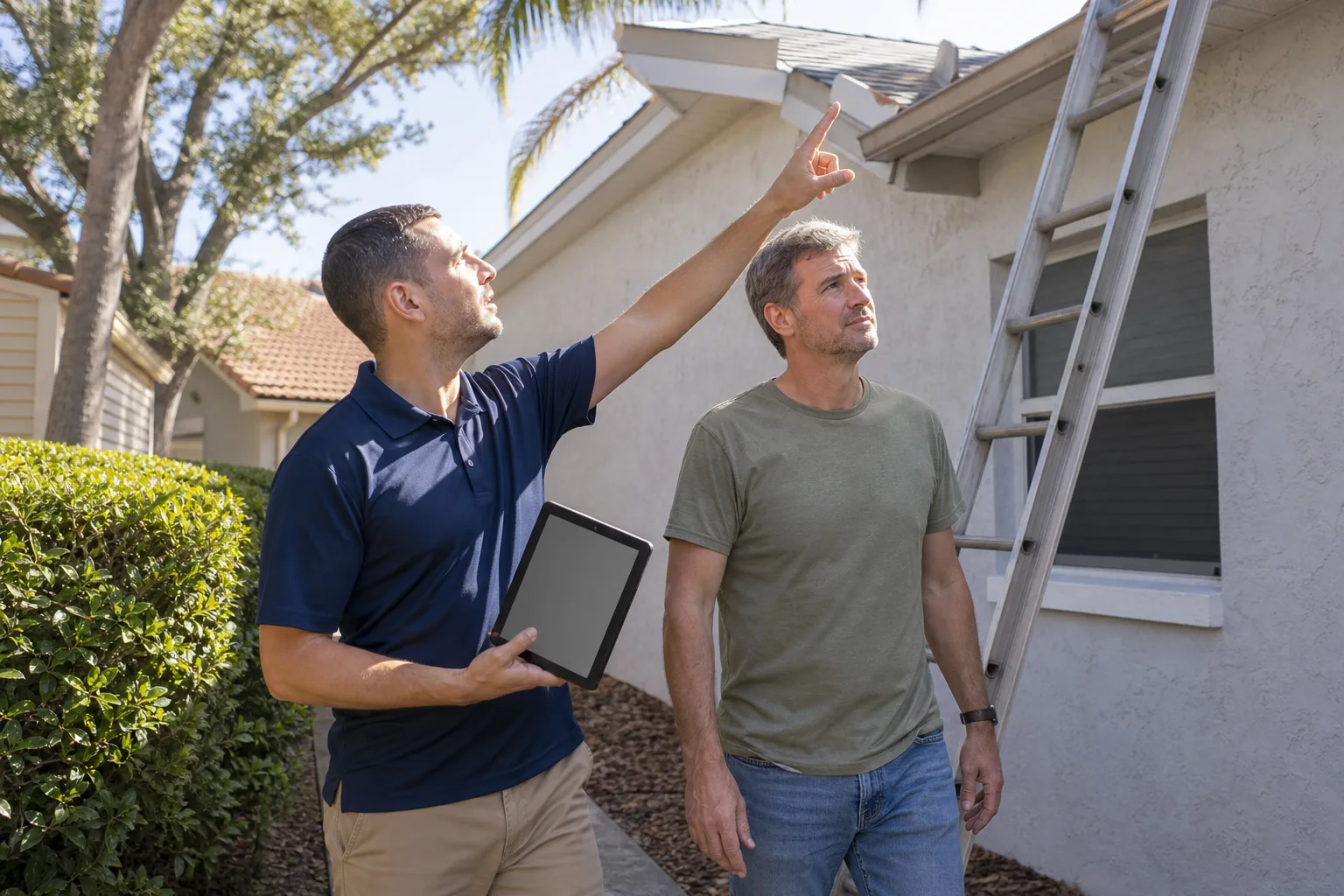
This is where the addition roof meets the original house wall. It’s the most vulnerable joint on the structure because it’s a transition between two different planes, and water pooling there is inevitable if the flashing isn’t intact. The biggest warning signs are staining in the interior ceiling near the joint, peeling paint on the exterior at the transition, or visible gaps or lifted edges in the metal. You can walk the perimeter and look up at the joint from the ground. What you cannot do is inspect the flashing up close on a steep-pitch roof. That’s a licensed roofer’s job, and we cover why in the safety section below.
2. Exterior Caulk Joints
Caulk is a wear item. In South Florida’s UV environment, exterior caulk typically lasts three to four years before it needs refreshing. When it fails, water gets behind it and you’ll see bubbling or peeling paint before you see interior damage. The good news: caulk inspection is ground-level work. Walk the perimeter once a year, press lightly on the joints at the window corners, around penetrations, and at control joints. If the caulk feels hard, cracks, or peels away, it’s time to recaulk.
3. Impact Window Seals
Impact-rated windows perform as well as their seals. The frame-to-wall joint, the gasket between sash and frame, and the seal at the sill are all potential water entry points. Test the windows each spring by opening and closing them (they should operate smoothly) and inspecting the perimeter gaskets for cracks or compression. Windows with a failing seal will fog between the panes, or you’ll find water on the interior sill after a hard rain. If your addition has brand-quality windows – from Andersen or Pella, for example – those are worth repairing rather than replacing when seals fail, since the glass and frame typically outlast the seal by a wide margin.
4. Mini-Split Condensate Lines
If your ADU is conditioned by a mini-split system (common in North Miami Beach ADU builds), the condensate drain line is a chronic problem area. The line moves moisture out of the unit; when it clogs, water backs up and can soak drywall or the interior wall within hours. In summer humidity, algae grows inside the line faster than you’d expect. Check the drain line quarterly by verifying water is flowing out the discharge point when the unit runs. Have a pro clear the line annually. This is a small, cheap maintenance item that prevents a very expensive water damage claim.
What You Can Check Yourself vs. What Requires a Licensed Contractor
Homeowners can and should do a lot of routine maintenance. Some tasks, however, carry real safety risk or legal exposure when done wrong. Here’s a clear split.
Safe for the homeowner to check
- Gutter and downspout clearing
- Exterior caulk inspection at ground level
- Impact window operation and gasket inspection
- Condensate discharge verification (visually)
- Air filter replacement
- Tree limb trimming from roof height (with a proper ladder and spotter)
- Visual roof inspection from the ground with binoculars
- Post-storm documentation with photos and dates
Requires a licensed contractor
- Roof and roof-to-wall flashing: Steep-pitch roofs and anything involving the roof deck require a trained professional. Falls from roof height are a leading cause of serious injury on residential properties. Do not attempt to inspect or service flashing from the roof.
- Electrical work in the addition or ADU: Panel work, breaker changes, outlet replacement, and any wiring work should be done by a licensed electrician. Electrical faults are a leading cause of house fires and cannot be safely diy’d.
- Waterproofing membrane repair: The membrane under tile, under stucco, or in the ADU wet areas is the barrier that keeps water out of the structure. Improper repair can eliminate the warranty and cause a much bigger leak.
- HVAC refrigerant and condensate line service: Refrigerant handling requires licensure. Condensate clearing should be done by an HVAC tech to prevent line damage.
- Structural repairs of any kind: Cracks in framing, header repairs, foundation settling, and load-bearing modifications all require engineering and licensed construction.
The line here is simple. If it’s at ground level, visible from the ground, or involves a filter or a caulk tube, you can probably handle it. If it’s up high, behind a panel, or structural, call a professional. For the repairs beyond routine checks, Groundwork Construction Co. of North Miami Beach offers free estimates.
Maintaining a Tenant-Occupied ADU: Landlord Responsibilities and Documentation
An ADU generating rental income becomes both an asset and an obligation. When the unit is tenant-occupied, the maintenance schedule has to run through the tenant relationship. In Florida, landlords are responsible for keeping the property in a habitable condition – meaning working plumbing, functioning HVAC, safe electrical, and a weather-tight structure. If the ADU has issues that would make it unlivable, the landlord has to address them, and delays can become legal matters.
The practical answer is a written schedule and a documentation trail. Here’s the framework we recommend:
- Build the schedule into the lease. Specify that you’ll conduct a maintenance walkthrough on a defined cadence – typically twice per year, at the start of dry season and at the end of hurricane season. Give the tenant proper notice per Florida law.
- Use a written maintenance log. Every walkthrough should record what you inspected, what you found, what you repaired, and the date. Photos are the strongest record.
- Give the tenant a short punch list. Tenants can report leaks, condensate overflow, or window seal failure faster than you’ll notice them. Make it easy to report issues in writing.
- Respond to habitability issues immediately. HVAC failure in July, no hot water, an active leak. Document your response and the repair date.
- Track warranty terms on any repairs. If you had the ADU roof or windows installed by a contractor backing the work, keep that documentation accessible. A recognized workmanship warranty protects you when a repair becomes necessary years down the road.
If you own a tenant-occupied ADU in North Miami Beach and the maintenance routine has gotten ahead of you, a free estimate from our team at Groundwork Construction Co. of North Miami Beach is a good starting point. Trained technicians have up to 12 years of experience and can spot issues a routine walkthrough would miss.
Component Lifespan Reference Chart for Capital Planning
Every component of an addition or ADU has a finite life. Knowing the typical lifespan lets you build a capital reserve fund instead of reacting to failures. The figures below are typical ranges for South Florida conditions; actual life varies with maintenance quality and exposure.
- Asphalt shingle roof: 15 to 20 years. Salt air and UV shorten the upper end. Hail or hurricane damage can cut it shorter.
- Metal roof: 30 to 50 years. Coastal salt air affects fastener corrosion; inspect annually.
- Tile roof: 25 to 30 years. Underlayment, not the tile, is the failure point; budget for underlayment replacement first.
- Impact windows (whole unit): 20 to 25 years. Seals and gaskets wear faster (5 to 7 years) and are the recurring maintenance cost.
- HVAC condenser (mini-split or central): 12 to 15 years in Florida. Coastal salt accelerates coil failure in condensers.
- HVAC air handler: 10 to 15 years.
- Exterior caulk: 3 to 4 years. Refresh proactively.
- Exterior paint: 5 to 7 years. Fiber-cement siding from James Hardie can hold paint longer with proper prep.
- Waterproofing membrane (shower and wet areas): 20 to 30 years if not disturbed.
- Foundation and structural frame: 50+ years, provided water is kept out.
A simple capital reserve rule: set aside roughly 1% of the addition’s replacement cost per year for the first ten years, then bump to 1.5% for the next ten. That fund covers the natural, predictable replacement cycle without drama. Exterior elements like fencing around the addition, paver patios, and hardscape add to the budget – if your property has those as well, our Fence Installation in North Miami Beach and Driveway & Pavers in North Miami Beach services run on the same seasonal walkthrough philosophy. Belgard and Tremron pavers, for example, hold up well to South Florida sun but need the occasional re-sanding and joint maintenance.
Pre-Hurricane Season Prep: April and May Checklist
June 1 is the traditional start of Atlantic hurricane season. The two months before that are the most valuable maintenance window of the year in North Miami Beach. Prep in April and May reduces damage risk and gives you time to schedule professional repairs before every contractor in the market is booked.
- Inspect roof-to-wall flashing. Ground-level visual. Can you see lifted edges, corrosion, or gaps where the addition roof meets the house? If yes, schedule a licensed roofer for repair before June.
- Refresh exterior caulk. Walk the perimeter. Remove any caulk that’s cracked, hard, or peeling. Reapply with a high-quality exterior sealant rated for Florida UV. Give it a full cure before storms.
- Verify impact window seals and storm shutter function. Test every window and door. If you have accordion shutters or panels, test deployment once before season starts. If you have impact glass only, verify the gaskets are intact.
- Clear gutters and downspouts. A blocked gutter during a tropical system will overflow and dump water right at the addition’s foundation.
- Trim trees. Remove limbs within 6 to 8 feet of the roof. Loose limbs become projectiles in wind.
- Service the HVAC. Pre-season tune-up catches refrigerant issues and clears the condensate line before summer strain.
- Verify flood and wind insurance coverage. Different addition structures may need separate riders. Document with photos.
- Check the yard and driveway drainage. If water pools against the addition during a rainstorm, you’ll want it addressed before a storm tests it. Our Driveway & Pavers in North Miami Beach team can advise on drainage-critical hardscape issues.
Complete those eight items by Memorial Day and your addition is prepared for the season. If April and May are already behind you and nothing has been done, call us – trained technicians have up to 12 years of experience and can prioritize what needs attention immediately.
Post-Storm Inspection: The October Walkthrough
Once hurricane season winds down, the October inspection catches storm damage before it becomes a bigger problem. Do this walkthrough after every named storm and once more in October regardless.
- Walk the entire exterior. Look for displaced or damaged roof shingles or tiles, lifted flashing, and dents in gutters or downspouts.
- Photograph everything that looks new or different. A dated photo record is your friend if you ever file a claim.
- Inspect caulk around windows and doors. Wind can open small gaps even without visible impact damage.
- Check the interior ceilings of every room in the addition. Water stains, sagging drywall, or bubbling paint all point to a leak that started at the roof or flashing.
- Open and close all impact windows. If any feel different than before the storm, have them serviced.
- Verify the mini-split or HVAC runs normally. Post-storm humidity is a load on the system.
- Document and repair anything minor. Small fixes in October prevent the bigger issues that would otherwise surface in June.
The North Miami Beach area sees its share of storm systems, and additions that get the October walkthrough consistently need fewer emergency repairs than those that don’t. Trust a structure that’s been inspected: it’s the difference between a reactive cycle and a planned one. If you’d rather not do the walkthrough yourself, our team at Groundwork Construction Co. of North Miami Beach can do it for you – call (844) 797-4868 for a free estimate.
Common Mistakes to Avoid
- Skipping the spring caulk inspection because it “looks fine.” Caulk failure starts as bubbling paint before it becomes visible water. In North Miami Beach, UV damage happens underneath the surface well before you see it.
- Clogged condensate line treated as a small issue. A plugged mini-split line can dump water into an interior wall within hours during peak summer. It’s the highest-cost-per-dollar-of-maintenance failure on the list.
- Doing roof flashing work from a ladder. Roof-height work on a steep pitch is how homeowners get seriously hurt. Flashing inspection belongs to a licensed roofer, every time.
- Treating an ADU like a self-maintaining rental. Tenant-occupied units need a written inspection schedule and documentation log. Failing to fix a habitability issue in Florida carries real legal risk.
- Ignoring post-storm documentation. Storm damage that isn’t photographed and dated within days of the event is harder to claim and harder to repair accurately.
- Skipping the pre-season HVAC tune-up. In South Florida, a burst of summer heat without a serviced system is one call to a contractor – and the call queue is long in June.
- No capital reserve budget. Roofs, HVAC, windows, and waterproofing all have replacement timelines. Property owners who plan for them avoid scrambling when they fail.
If you want an outside view on whether your maintenance plan is calibrated for this market, start with our Groundwork Construction Co. of North Miami Beach home page and reach out. The team at Groundwork Construction Co. of North Miami Beach answers live, 24/7.
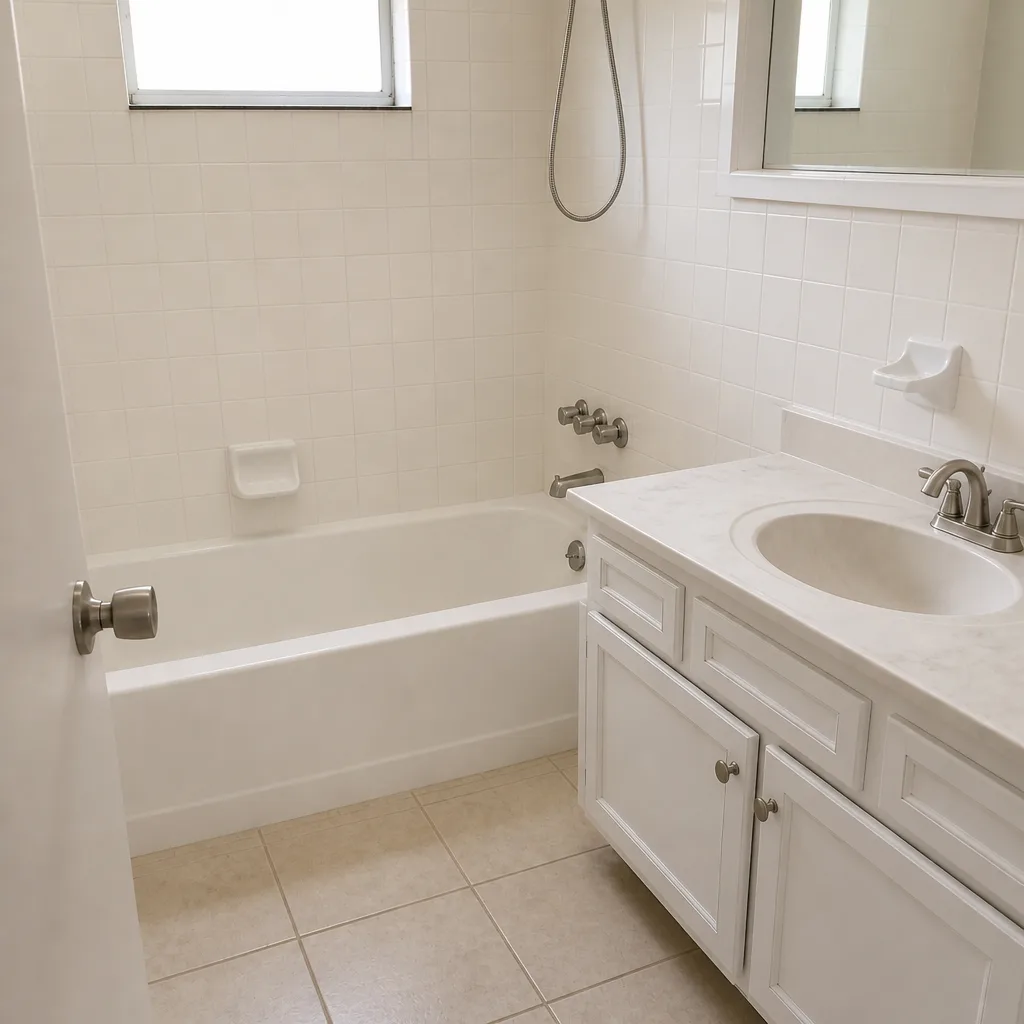
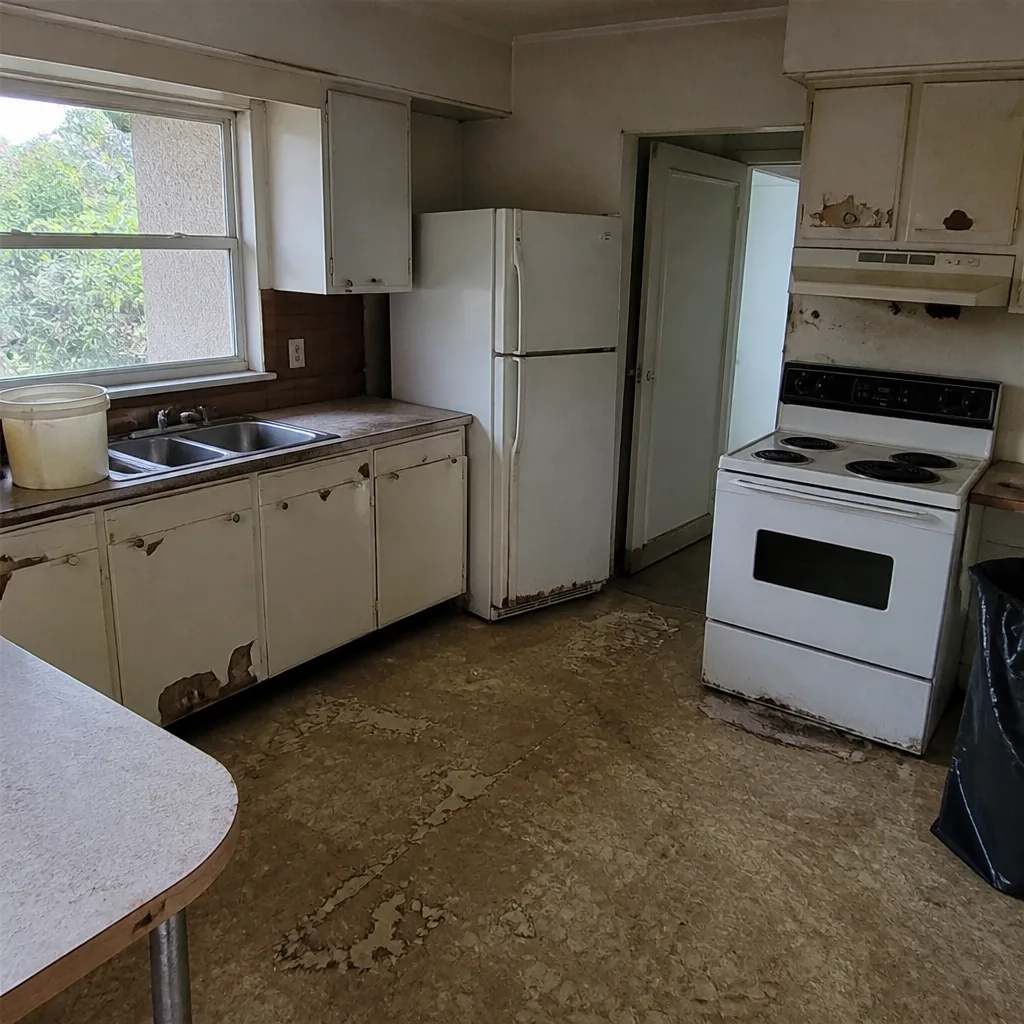
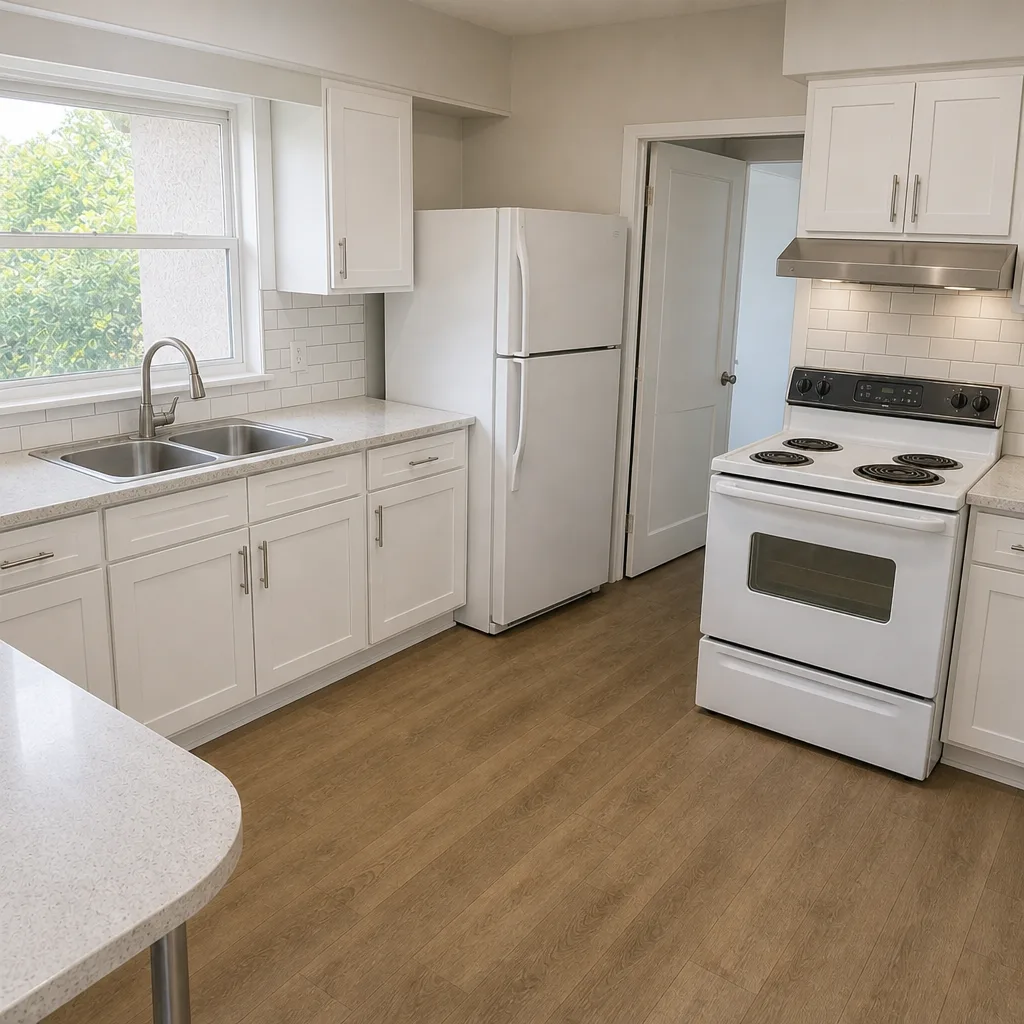
See the difference
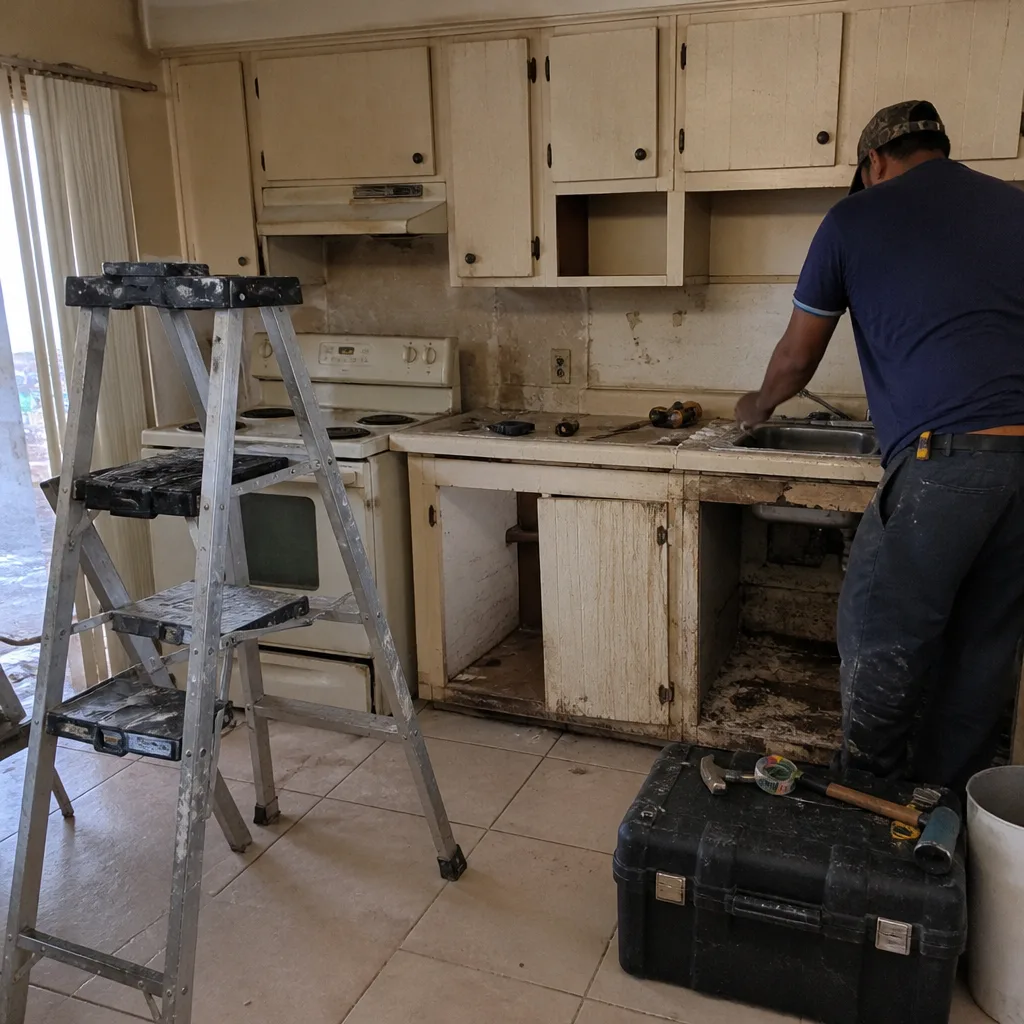 Before
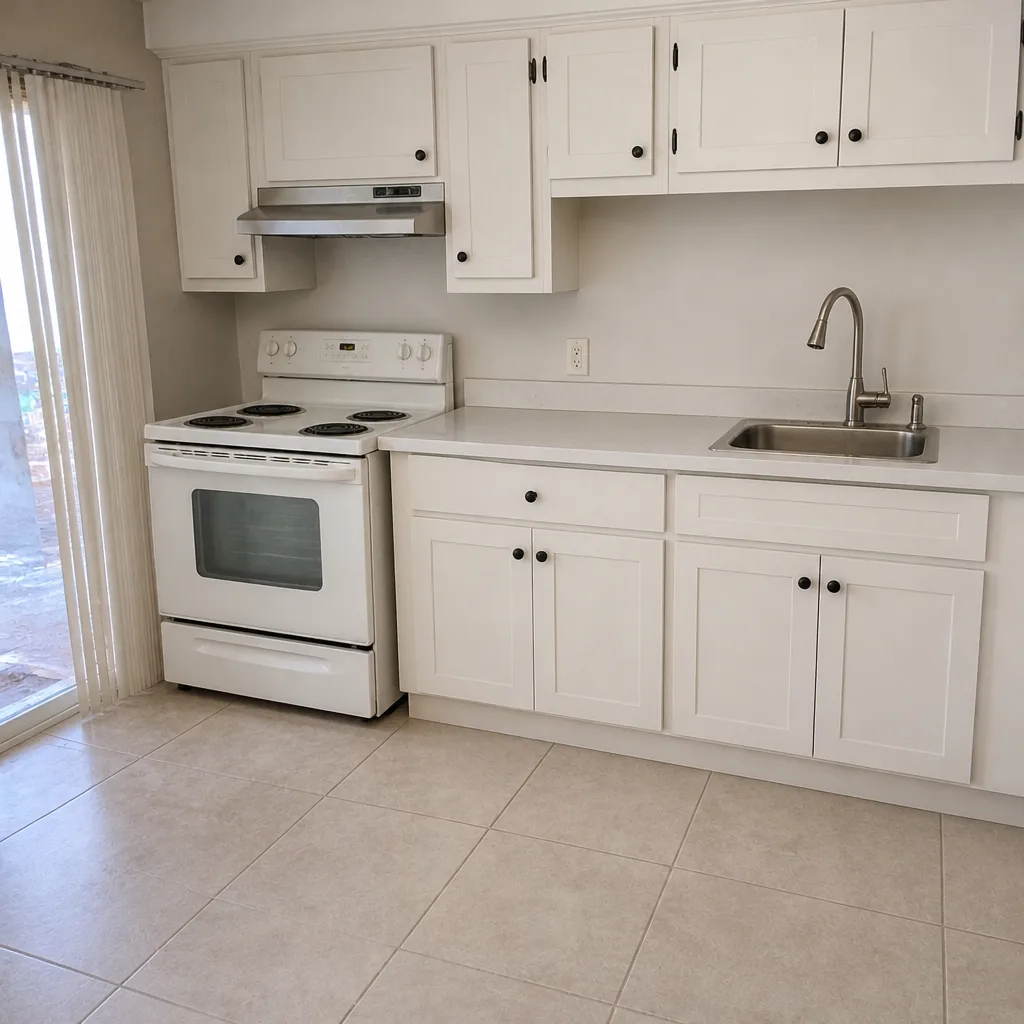 After
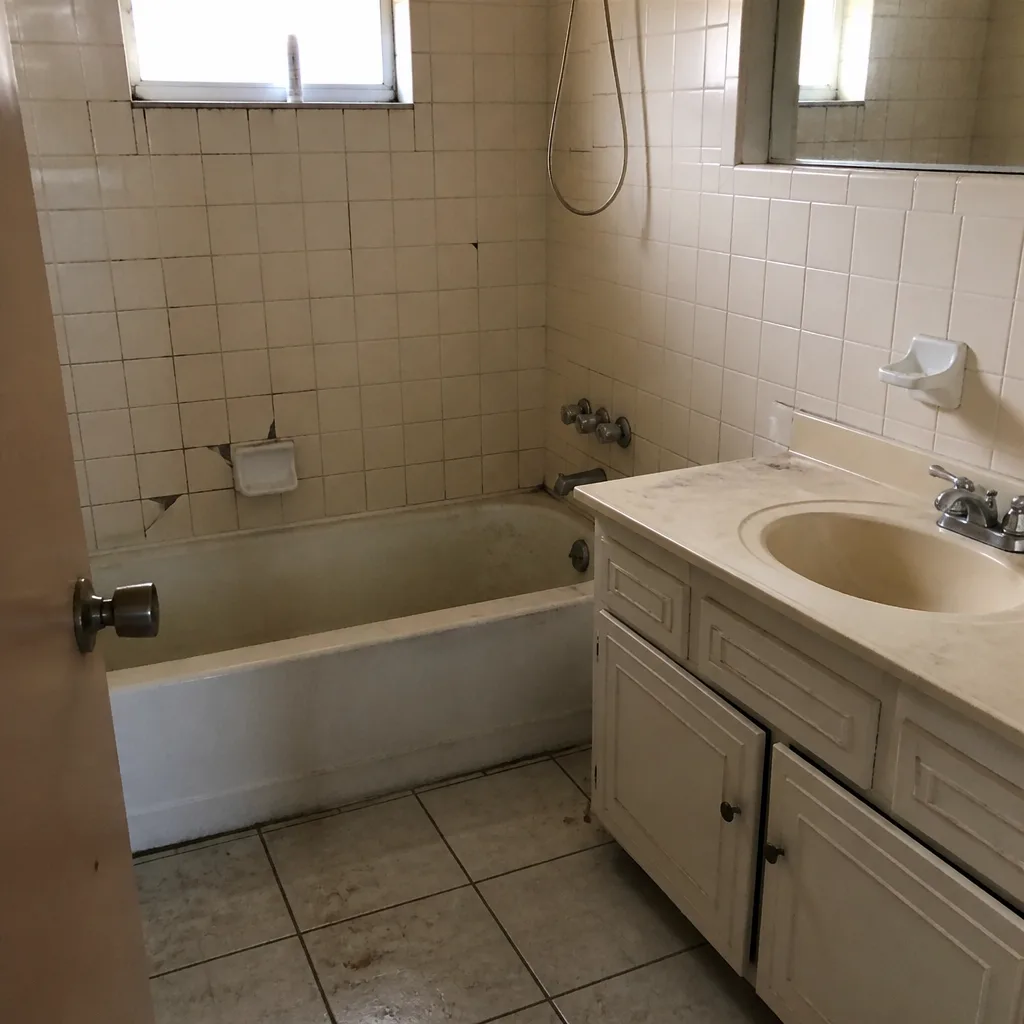 Before
 After
 Before
 After
When to Call a Professional
Routine checks you can do. Repairs on these systems need a licensed contractor: roof-to-wall flashing, waterproofing membrane repair, electrical work in the addition or ADU, HVAC refrigerant or condensate line service, any structural repair, and window glass replacement. Do not talk yourself into a roof repair as a weekend project – the fall risk is real and the potential for a botched flashing repair is high.
For those repairs, Groundwork Construction Co. of North Miami Beach offers free estimates in North Miami Beach – call (844) 797-4868. Trained technicians have up to 12 years of experience, arrive background-checked and in uniform, and every project is backed by the 730-Day Done Right Promise. Calls are answered by a live person, 24/7. No-hassle upfront pricing means the number you see is what you pay. Free project estimates are standing policy, and 0% financing for 18 months is available to spread the cost of large repairs.
Frequently Asked Questions
At minimum, four times per year: a spring pre-hurricane inspection (April-May), a summer mid-season check (July), a post-storm inspection (October), and a winter walkthrough (December). The single highest-value inspection is the April one – it prepares the structure before storm season. Call (844) 797-4868 if you’d like a professional to do the April inspection for you.
The most common failure we see is roof-to-wall flashing combined with failed exterior caulk joints at window perimeters. Both allow wind-driven rain to enter the structure during a storm, and both start as small leaks before they show up as interior damage. Inspect flashing and caulk every spring before June. If you suspect an issue, call (844) 797-4868 for a free estimate.
Impact window units typically last 20 to 25 years. The seals and gaskets around them, however, wear out every 5 to 7 years and are the recurring maintenance item. Seal failure shows up as condensation between the panes or water on the interior sill after a rain. The window glass and frame often outlast the seal – brands like Andersen and Pella units are worth re-sealing rather than replacing. Call (844) 797-4868 to schedule a window inspection.
Yes. Florida landlords are responsible for keeping the property in a habitable condition, which includes functioning plumbing, HVAC, electrical, and a weather-tight structure. The maintenance schedule doesn’t go away when there’s a tenant – it gets formalized. Document each walkthrough, respond to habitability issues immediately, and keep repair records on file. Our team at Groundwork Construction Co. of North Miami Beach can help you build a documented maintenance plan – call (844) 797-4868 for a free estimate.
Professional maintenance for the major systems (roof flashing, HVAC, waterproofing, electrical) usually costs less than the repair that a DIY miss causes. A typical professional maintenance visit for a major system runs a few hundred dollars; the repair it prevents often runs in the thousands. Our team offers free project estimates – call (844) 797-4868 and we’ll walk you through the realistic range.
Start the post-storm walkthrough within 24-48 hours: photograph any visible damage, check interior ceilings for water stains, verify caulk and window seals, and note anything that’s changed from before the storm. Then call a professional for anything beyond ground-level visual inspection. Groundwork Construction Co. of North Miami Beach answers live, 24/7 – call (844) 797-4868 to schedule an inspection.
The Bottom Line
Home additions and ADUs in North Miami Beach hold their value when they’re maintained on a calendar calibrated to our climate. Spring prep in April and May (flashing, caulk, window seals, gutters) is the highest-value window of the year. Quarterly checks on the mini-split condensate line prevent the most expensive cheap failures. Post-storm inspection in October catches what the storms did, while it’s still cheap to fix. Tenant-occupied ADUs need a documented maintenance log and Florida habitability compliance. The capital reserve chart sets your replacement budget before the roof, HVAC, or windows force the conversation. Do these things and the addition you built keeps its value; skip them and every year of neglect narrows the gap between your structure and the one down the block that has been cared for. Call (844) 797-4868 for a free estimate from Groundwork Construction Co. of North Miami Beach – trained technicians, upfront pricing, and the 730-Day Done Right Promise on every project.
Written by the team at Groundwork Construction Co. of North Miami Beach.