Last updated November 17, 2026


Free written scope consultation - allowances, timeline, and change-order rules on paper before a single trade is scheduled
DIY vs Professional Bathroom Remodeling: What’s Safe to Do Yourself
Here’s a number worth sitting with: in Florida, pulling a permit for unpermitted bathroom work done by a previous owner can cost more than the original remodel did. And “I did it myself” is not a legal defense when it comes to plumbing and electrical inspections. That’s the trap a lot of North Miami Beach homeowners don’t see coming. They buy a house where the last owner tiled a shower or moved a toilet over a weekend, and years later they’re the ones writing the check to make it legal.
The question isn’t whether you’re handy. Plenty of people reading this can hang drywall and set tile better than a paid crew. The real question is whether the specific task in front of you has a legal, structural, or waterproofing consequence you can’t undo with a video tutorial. This guide draws the line by task, not by skill level, so you know exactly which pieces of your bathroom project are safe in your hands and which ones are a liability.
Quick Answer
Cosmetic work in a bathroom is genuinely safe to do yourself: painting, swapping a vanity light fixture, regrouting tile, replacing a faucet or showerhead, and hanging mirrors or shelving. Anything that touches the waterproofing membrane, the plumbing supply or drain lines behind the wall, the electrical circuits inside a wall, or requires a permit is where DIY goes from smart to expensive. In Florida, moving or adding plumbing fixtures, relocating a toilet drain, replacing a shower pan, and running new electrical circuits all require permits and licensed trade work, regardless of how confident you feel.
Styles & brands we work with
- Kitchen remodeling
- Bathroom remodeling
- Home additions & ADU
- Roofing
- Windows & doors
- Driveway & pavers
- Fence
Table of Contents
- The Florida Permit Reality Most DIY Guides Skip
- The Waterproofing Membrane: Where DIY Bathrooms Fail
- Tiered Task Breakdown: Safe, Risky, Never
- How DIY Bathroom Mistakes Hit Your Insurance and Resale
- What to DIY Before the Contractor Arrives to Save Money
- What a Professional Bathroom Remodel Actually Costs in North Miami Beach
- When to Call a Professional
- Frequently Asked Questions
The Florida Permit Reality Most DIY Guides Skip
Florida doesn’t regulate DIY home improvement by how good you are at it. It regulates by whether the work falls into a trade category the state wants inspected. The Florida Building Code and local municipal permitting rules treat bathroom plumbing and electrical work differently from cosmetic finish work, and the line is clear once you know where to look. In North Miami Beach, the building department enforces these rules through inspections that happen in stages, and skipping the permit doesn’t make the work disappear. It just makes it an eventual problem for whoever owns the house when the work surfaces.
Here’s what requires a permit in a typical North Miami Beach bathroom remodel:
- Any change to plumbing fixtures – relocating a toilet, moving or adding a sink, relocating a shower or tub, replacing a shower pan or tile shower assembly
- New or moved electrical circuits – adding a GFCI outlet, relocating switches, installing recessed lighting, upgrading the exhaust fan circuit
- Structural changes – removing or moving a wall, widening a doorway, changing the size of a window opening
- Water heater replacement – even a like-for-like swap usually requires a permit and inspection in Florida
- Changing the bathroom footprint – extending into a closet or hallway, converting a half bath to a full bath
What typically does not require a permit: painting, replacing flooring without changing the subfloor or moving plumbing, replacing a vanity without moving plumbing connections, swapping a light fixture for a same-location fixture, swapping a faucet or showerhead, regrouting, and replacing a toilet valve with a matching part. Those are the safe-zone tasks we cover below. If you’re not sure whether your task is on the permit list, call the North Miami Beach building department before you buy materials. A two-minute phone call has saved more than a few homeowners from an expensive correction down the road.
The other piece worth understanding: unpermitted work that a previous owner did can hang over your head even if you had nothing to do with it. When you sell, a buyer’s inspector will often spot sloppy plumbing behind a wall or an exhaust fan that isn’t vented properly. A real estate attorney in Miami-Dade can require you to correct the work before closing, and the cost to open a wall, fix the problem, and re-inspect routinely runs higher than the original project did. The lesson is simple: whoever pulls the permit gets inspected, and the inspection trail is what keeps the work defensible. “I did it myself, but I did it right” doesn’t carry the same legal weight.
The Waterproofing Membrane: Where DIY Bathrooms Fail
If we had to name the single most consequential DIY failure point in a bathroom, it’s the waterproofing behind the tile. Not the tile itself. Not the grout color. The membrane. When a shower pan or tub surround starts leaking into the wall or subfloor, the damage is invisible for months and often years, and by the time it shows up as a bubbling baseboard or a loose tile, you’re looking at a full tear-out.
In North Miami Beach, this problem gets worse faster than it would in a drier climate. The subtropical humidity means any moisture trapped behind tile or under a floor has a longer window to sit and grow before it evaporates. That’s not a scare tactic. It’s the climate reality that any bathroom contractor working in this area has to plan for, and it’s why proper waterproofing here needs to be done to spec rather than to “close enough.”
Here’s what a properly built shower involves, so you can tell the difference between a professional job and a hopeful one:
- Sloped pre-pan – the subfloor is built with a slope toward the drain before the waterproof membrane goes down, so water moves out instead of pooling
- Waterproof membrane or coating – a continuous, sealed membrane over the entire pan and up the walls, overlapping the seams correctly, with penetrations and corners treated with proper reinforcement tape
- Flood test – the pan is filled with water for a set period and inspected before tile goes down; if the pan holds water, it will hold water when you shower
- Proper drain installation – the drain weeps and clamping are set correctly for the specific membrane system
- Backer board or membrane system – the correct product for the shower walls, installed to the manufacturer’s spec so it doesn’t wick moisture laterally
What we see repeatedly on DIY showers that fail: the pan was built with no slope or a slope in the wrong direction, the membrane wasn’t carried high enough up the wall, seams were tacked instead of sealed, or the wrong backer board was used behind the tile. None of those failures look like failures on day one. They show up as a soft spot, a smell, or a leak into the room below, typically 12 to 30 months later. Once you’re in the tear-out stage, the cost of fixing the shower equals or exceeds the cost of doing it correctly the first time. If your project includes a shower, the waterproofing is the one part of the job we’d strongly recommend leaving to a contractor who will do a flood test and put their warranty behind the assembly. There’s no undo for a failed pan.
Tiered Task Breakdown: Safe, Risky, Never
Here’s the honest breakdown, organized by task rather than by how skilled you are. If you’d genuinely enjoy a weekend project and want to save money without introducing a legal or structural risk, the safe tier is where you should live.
Tier 1: Safe to DIY
- Painting walls, ceiling, and trim (use a bathroom-rated paint that handles humidity)
- Replacing a faucet, showerhead, or toilet valve with an identical matching part
- Swapping a vanity light or sconce for a same-location fixture
- Regrouting tile or re-caulking the tub and shower surround with a proper silicone or mold-resistant silicone-acrylic
- Installing a new toilet seat, towel bars, mirror, shelving, vanity knobs or pulls
- Replacing a bathroom vanity cabinet without moving the plumbing connections (if the sink and supply lines stay in place)
- Adding a peel-and-stick underlayment or a floating tile floor over a sound subfloor (check first whether your city requires any permit for floor replacement)
Tier 2: Risky but Possible for an Experienced DIYer
These tasks are legal for a homeowner to perform on their own property in many Florida jurisdictions, provided you pull the required permit and pass the inspection yourself. That second part is where a lot of people get off track. If the only thing standing between you and a legal, insurable bathroom is a permit and an inspection, it’s worth doing properly, but it’s also worth being honest about how much you’ll actually enjoy it.
- Tiling a floor (the subfloor and any waterproofing below it is the risk, not the tile)
- Hanging drywall or cement board (mudding and taping is a craft, but the structural risk is low)
- Installing a new exhaust fan on an existing circuit (if you’re replacing a fan in the same location)
- Removing old tile for prep work, provided you don’t damage the framing or plumbing behind it
Tier 3: Never DIY
Every item on this list has a legal, structural, or waterproofing consequence you cannot undo with a tutorial:
- Any plumbing rough-in behind a wall: moving a toilet, relocating a sink or shower drain, running a new supply line
- Building or rebuilding a shower pan or tile shower
- Any new electrical circuit, GFCI installation, or panel work
- Removing or altering a load-bearing wall
- Moving or extending the bathroom footprint into another room
- Gas line work if your home has a gas water heater or gas fixture
- Water heater replacement (Florida requires a permit and inspection even for a like-for-like swap)
If you’re planning a bathroom project in North Miami Beach and want a straight read on which tier your task falls into, that’s part of what our team walks through during a free project estimate and design consult. Nobody on the team has any interest in talking you out of a job you can safely handle. The interest is in making sure the parts you can’t undo are done right the first time. That’s why every project is backed by our 730-Day Done Right Promise, and it’s one of the reasons we walk through the permit and inspection scope with every homeowner before work begins.
How DIY Bathroom Mistakes Hit Your Insurance and Resale
Two of the most expensive consequences of a DIY bathroom mistake never show up in the bathroom itself. They show up in your insurance and resale files, and by then the cost has already compounded.
Homeowner’s Insurance
Most Florida homeowner’s policies cover sudden, accidental water damage. They routinely do not cover damage caused by faulty workmanship, and that distinction becomes the fight you don’t want to have after a failed shower pan. If a leak from a DIY shower destroys a ceiling below, the insurer can point to the poor installation as the cause and deny the claim, or pay it and then cancel the policy. The same logic applies to an unpermitted electrical alteration that causes a fire. In a market where carriers have become noticeably more selective along the Florida coast, a denied water claim is a bigger problem than it was five years ago. A bathroom remodel with a documented permit and inspection closes the workmanship gap that leaves a homeowner exposed.
Resale and Inspection
When you sell a home, the buyer’s inspector will often spot clues that a bathroom was redone: recent tile, a new vanity, fresh paint in a corner. If there’s no permit on file with the city for that work, and the work falls into one of the permit-required categories, the buyer and their agent will raise it. Common outcomes:
- The buyer asks you to obtain a retroactive permit (not always possible) or correct the work
- An appraiser or lender flags unpermitted work and the sale is held up pending correction
- A real estate attorney negotiates a credit that runs higher than the original job cost
In Miami-Dade, the permit history for a home is not hidden. Anyone can pull it. A bathroom renovation that was done to code and inspected is worth its weight in the seller’s disclosure packet, and it’s the difference between a closed sale and a stalled one.
What to DIY Before the Contractor Arrives to Save Money
The best place for a homeowner’s effort in a bathroom project is before the crew is on site. Demolition and prep are real money savers when they’re done safely, and they don’t carry the mistakes that live behind a wall. Here’s what we recommend you take on yourself to reduce the labor hours you’re paying a contractor for.
- Clear everything out – remove the vanity, mirror, shelving, and personal items. Empty the room to the studs of anything that isn’t permanently attached.
- Carefully remove tile and finish materials – a chisel and a pry bar, taking care not to cut plumbing lines that may be embedded behind the wall. If you’re not sure where the supply lines are, stop and let the crew handle it.
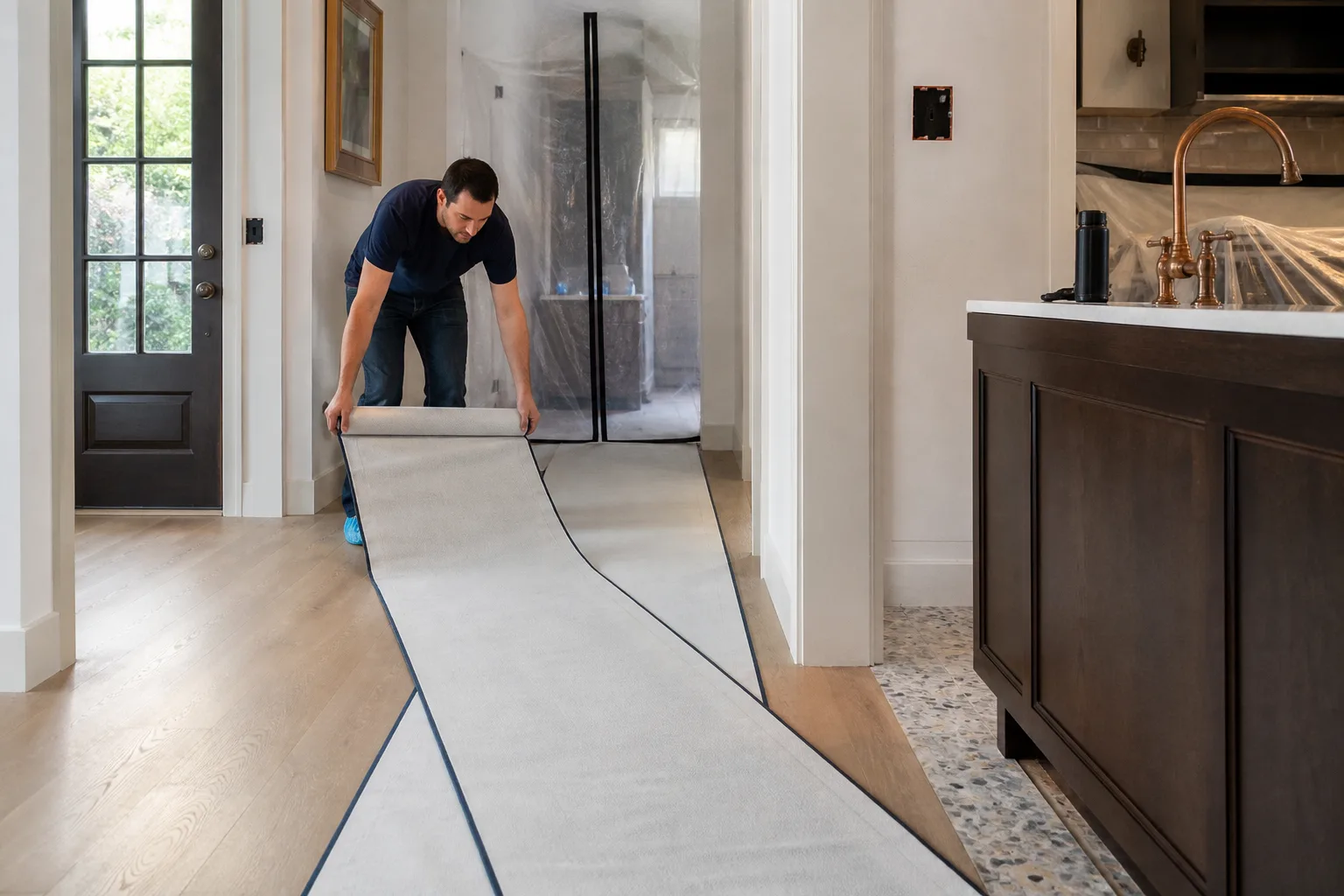
- Protect the rest of the house – plastic sheeting over doorways, painter’s tape on adjacent floors, and a path for materials. Dust infiltration into the rest of the house is the number-one complaint in remodeling, and a homeowner who preps well saves the crew from spending hours doing it.
- Haul the debris – in North Miami Beach, construction and demolition debris has to be disposed of at an approved facility, and it’s not something you can put out with the household trash. Ask before the demo how your contractor wants debris handled.
- Choose and order your materials – tile, vanity, fixtures, and lighting. Waiting on materials is the single biggest cause of project delay, and having everything on site before the crew arrives is money in your pocket.
- Coordinate the parking and building access – North Miami Beach has narrow residential streets and shared driveways in a lot of neighborhoods, and giving the crew a clean drop-off point and clear staging area speeds up the job.
Between demolition and material selection, a homeowner who plans well often saves a meaningful chunk of the contractor’s labor and project-management hours, without ever touching the plumbing or electrical. That’s the smart division of labor: you take on the low-risk, high-effort work and leave the high-stakes work to the trades.
What a Professional Bathroom Remodel Actually Costs in North Miami Beach
Here’s a practical pricing map, so you can compare your potential DIY savings against the value of the finished project. Every quote is different because the scope, tile, and fixtures differ, but these ranges reflect what we see in the North Miami Beach market.
| Scope | Typical Range | Notes |
|---|---|---|
| Cosmetic refresh (paint, fixtures, re-caulk, new vanity without moving plumbing) | $3,000 to $7,000 | Highly DIY-friendly; the range reflects a mix of materials and how much you take on yourself |
| Mid-range full remodel (new tile, new vanity, one fixture relocation, new exhaust fan) | $15,000 to $30,000 | Pulls a permit; professional waterproofing is essential |
| High-end full remodel (custom shower, freestanding tub, layout changes, tile to the ceiling) | $35,000 to $65,000+ | Pulls a permit; waterproofing, plumbing rough-in, and electrical all in scope |
| Shower-only rebuild (pan and tile) | $6,000 to $14,000 | The waterproofing is the value here; a failed DIY pan runs more than this to correct |
For context on the North Miami Beach end of the market specifically: pre-war and mid-century homes in neighborhoods like Eastern Shores, Sky Lake, and the areas near Greynolds Park often need plumbing rough-in work once you open a wall, because original galvanized or cast iron lines are at end of life. That’s not a contractor upcharge. It’s a reality of the housing stock, and it’s why a remodel in a 1950s home can run higher than a similar remodel in a newer build. In the newer condos and townhomes closer to the eastern corridor, on the other hand, plumbing rough-in is usually not the issue, but the pressure is on getting tile and waterproofing right in a smaller footprint where a leak has fewer places to escape before it reaches a neighbor.
If you want a fixed quote with a written line-item scope so you can compare it against your DIY savings, that’s exactly what our free project estimate and design consult is for. Every number we quote is the number you pay, and every project is backed by the 730-Day Done Right Promise. Call (844) 797-4868 to schedule your estimate.
When to Call a Professional
The safe-DIY tier is genuinely a great way to save money. The scenarios where you should call a professional are the ones where a problem can’t be corrected later:
- Any plumbing rough-in behind a wall – moving a toilet, sink, or shower drain, or running a new supply line. A hidden leak will fail through your subfloor, not on day one.
- Any shower rebuild – the pan and waterproofing assembly is the highest-consequence part of a bathroom, and in South Florida humidity there’s no forgiving a bad install.
- Any electrical work inside a wall – new circuits, GFCI installation, or panel work.
- Any layout change – opening a wall, moving a doorway, or extending the footprint.
- Any water heater replacement – Florida requires permit and inspection even for like-for-like swaps.
- Any project where you’re less than confident – a permit is only protection if the work behind the permit is done right.
If you’re in North Miami Beach, Groundwork Construction Co. offers free estimates in North Miami Beach and a written scope that tells you what’s permitted work, what’s trade work, and what you can safely do yourself to shave labor. Call (844) 797-4868. Our team is on the phone around the clock, and we’ll tell you straight which pieces of your project you should keep on your list and which ones you should hand over.
Frequently Asked Questions
Yes, for anything beyond cosmetic work. Florida requires permits for changes to plumbing fixtures, new electrical circuits, structural work, and water heater replacement. Painting, replacing a faucet or showerhead, regrouting, and swapping a light fixture in the same location typically do not require a permit. When in doubt, call the North Miami Beach building department before you buy materials. If you’d rather have a contractor scope and pull the permit for the trade work, call (844) 797-4868 for a free estimate.
You can, but the waterproofing membrane behind the tile is the part that will fail and the part you can’t see. Failed shower pans and improperly installed waterproofing membranes in South Florida humidity typically show up as leaks into the room below within a year or two, and correcting them costs as much or more than doing the shower correctly the first time. If your project includes a shower rebuild, we’d strongly recommend professional waterproofing with a flood test and a written warranty.
Painting, re-caulking, regrouting, replacing a faucet or showerhead with a matching part, swapping a vanity light fixture in the same location, installing a new mirror or vanity mirror, and hanging shelving are all safe for a typical homeowner. Demolition, material selection, and prep work before the crew arrives are also high-value and low-risk. These save real money without touching the parts of a bathroom that carry permit, plumbing, or waterproofing consequences.
On cosmetic work, yes – typically you’ll save the labor portion of the cosmetic scope, which is a meaningful chunk of the total. On plumbing, electrical, and shower waterproofing, the math flips the moment something goes wrong, because unpermitted work can block a sale, trigger an insurance denial, and cost more to correct than the original job did. Do the cosmetic tier yourself, budget the trade work to a contractor with a permit and a warranty, and you’ll save the most money without the risk.
It can. Most Florida homeowner’s policies exclude damage caused by faulty workmanship, so a failed DIY shower pan that leaks into a ceiling below can lead to a denied claim or a policy cancellation. A remodel done under permit and inspection is the more defensible position. If you’re buying a home with recent bathroom work, ask for the permit history before you close.
Yes. In Miami-Dade, the permit history for a home is a public record, and a buyer’s inspector and appraiser will typically flag work that doesn’t match. Correcting unpermitted plumbing, electrical, or shower pan work often costs more than the original remodel did, and a real estate attorney can require you to correct it before closing. If you’re planning to sell, pulling the permit for any new bathroom work is the smart path.
The Bottom Line
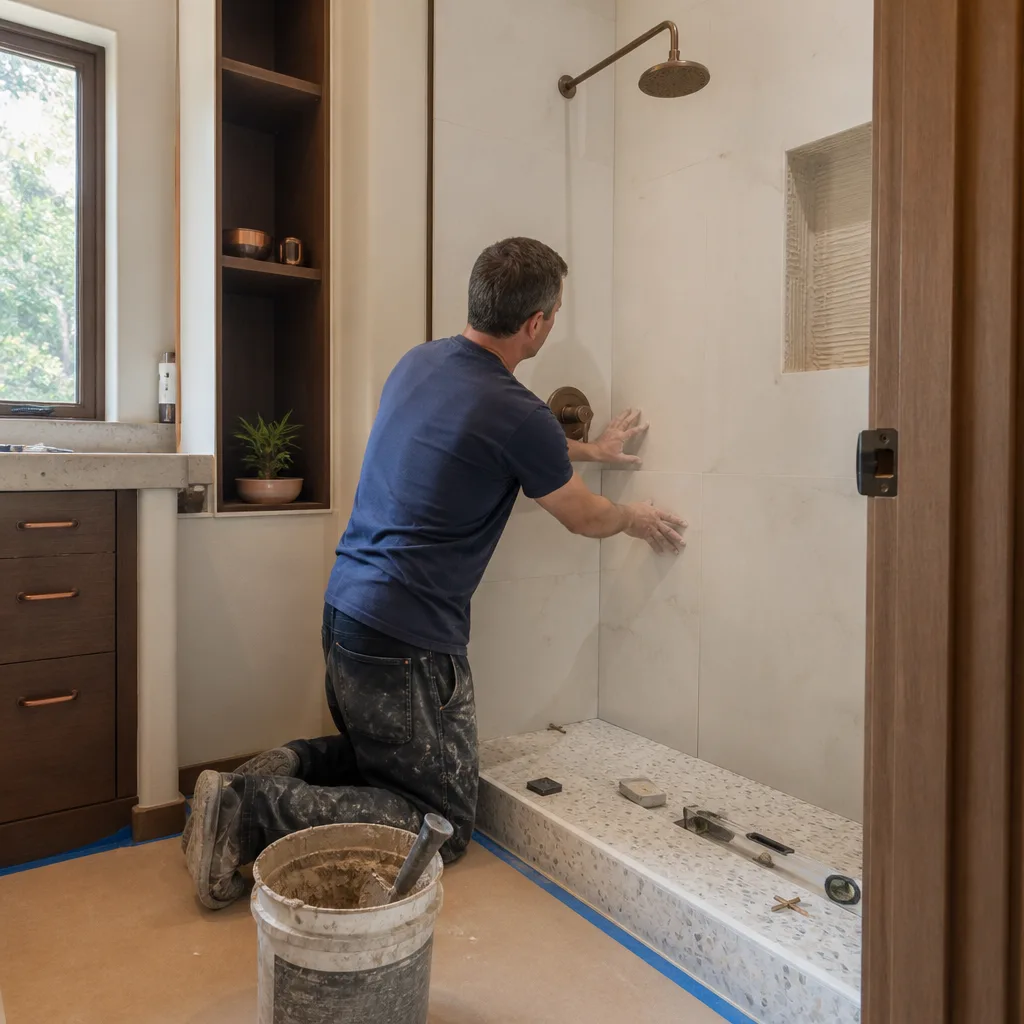
The safe-DIY tier of a bathroom remodel is real, and it’s the smart place to save money in a North Miami Beach project. Painting, re-caulking, regrouting, swapping a faucet, and doing your own demolition and prep are all worth your time. The tasks that live behind a wall – plumbing rough-in, electrical circuits, shower pan and waterproofing, and any layout change – are where a mistake can’t be undone, and where the cost runs higher than the original job. In Florida, the permit trail is the difference between a defensible remodel and one that stalls a sale or kills an insurance claim. Do the low-risk work yourself, hire for the high-stakes work, and let a contractor put a written warranty behind the assembly. That’s the honest division of labor, and it’s the one that makes a bathroom project worth doing.
Everything above is what our team walks through with homeowners on every bathroom project we scope. The 730-Day Done Right Promise is how we back the work we do, because the parts of a bathroom you can’t see deserve the same confidence as the parts you can. From foundation to finish line, we build bathrooms that hold up to North Miami Beach humidity and stand behind them in writing.
If you’ve weighed the tiers and want a scoped, fixed-price quote for the trade work in your project, our team is ready. Free estimates, written line-item scope, no surprises. Call (844) 797-4868.
Written by the team at Groundwork Construction Co. of North Miami Beach.
See the difference
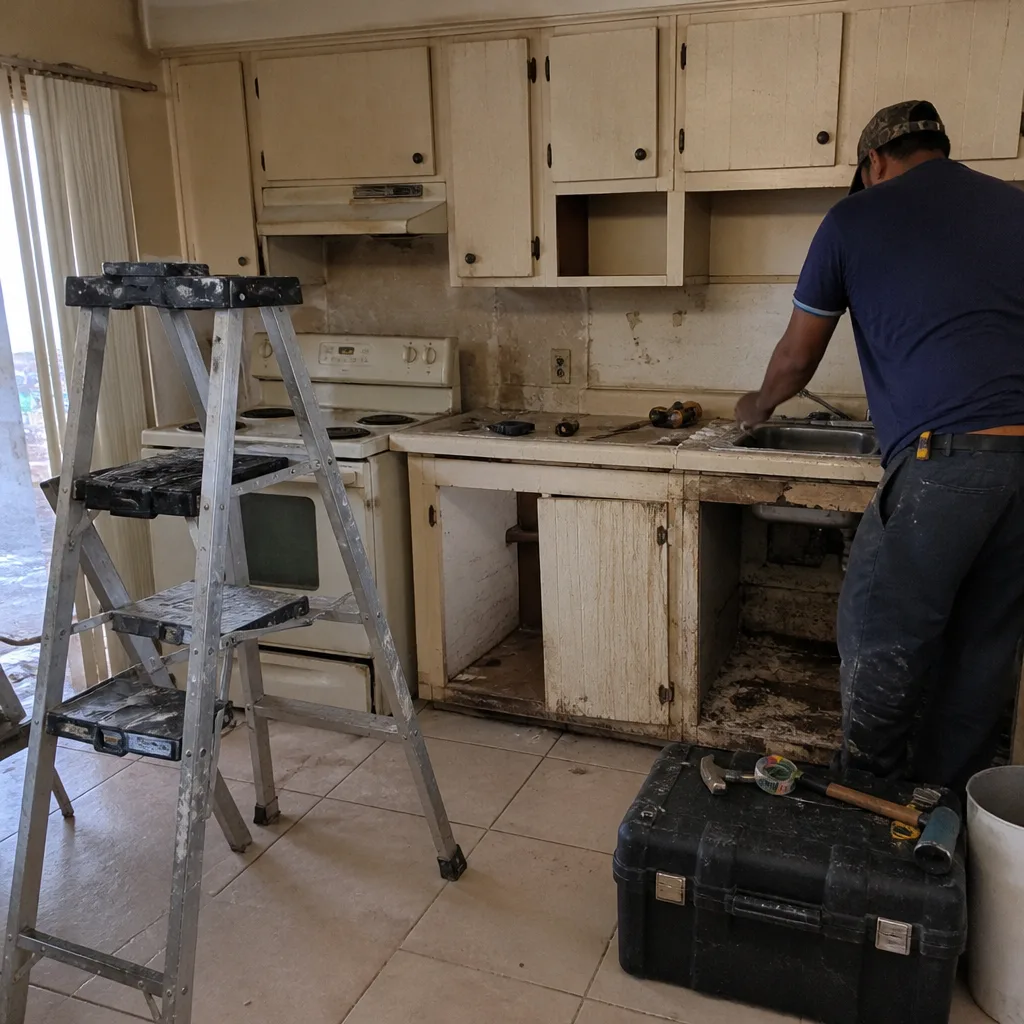 Before
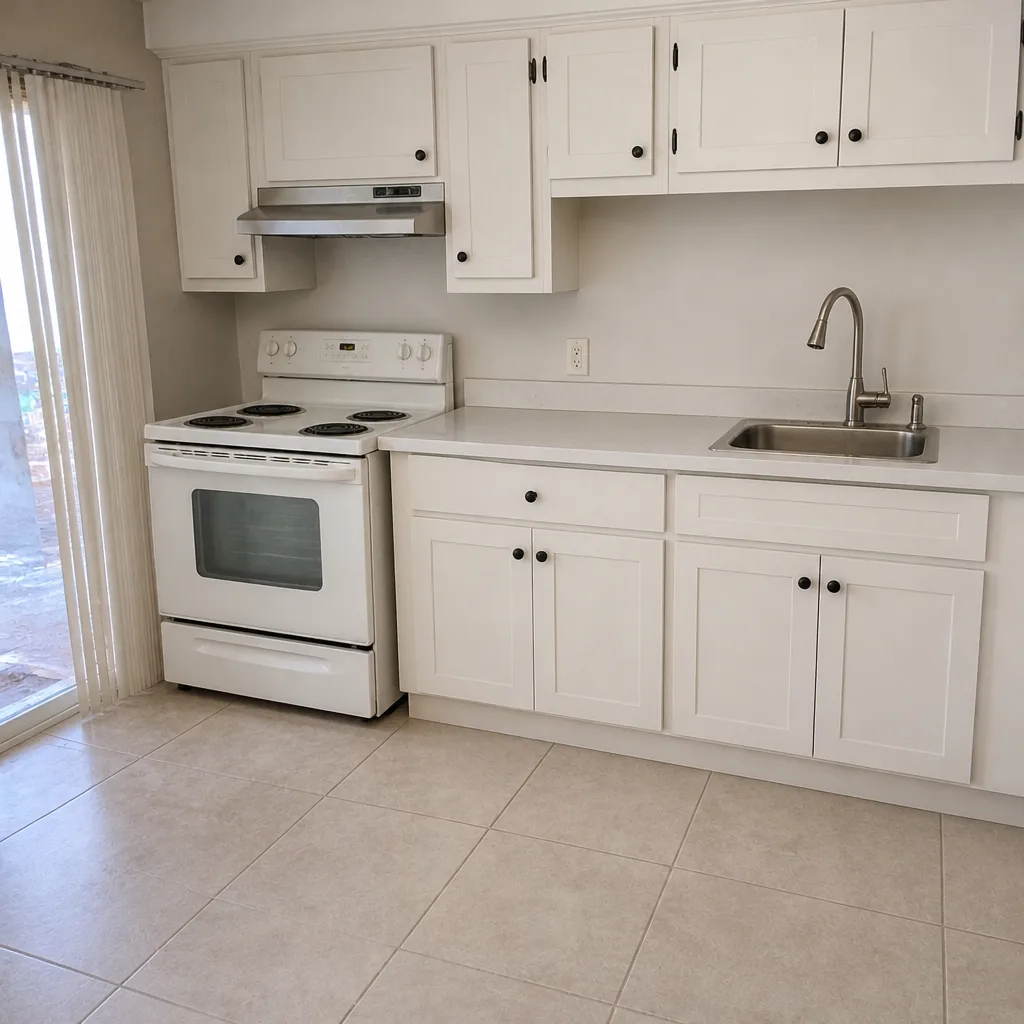 After
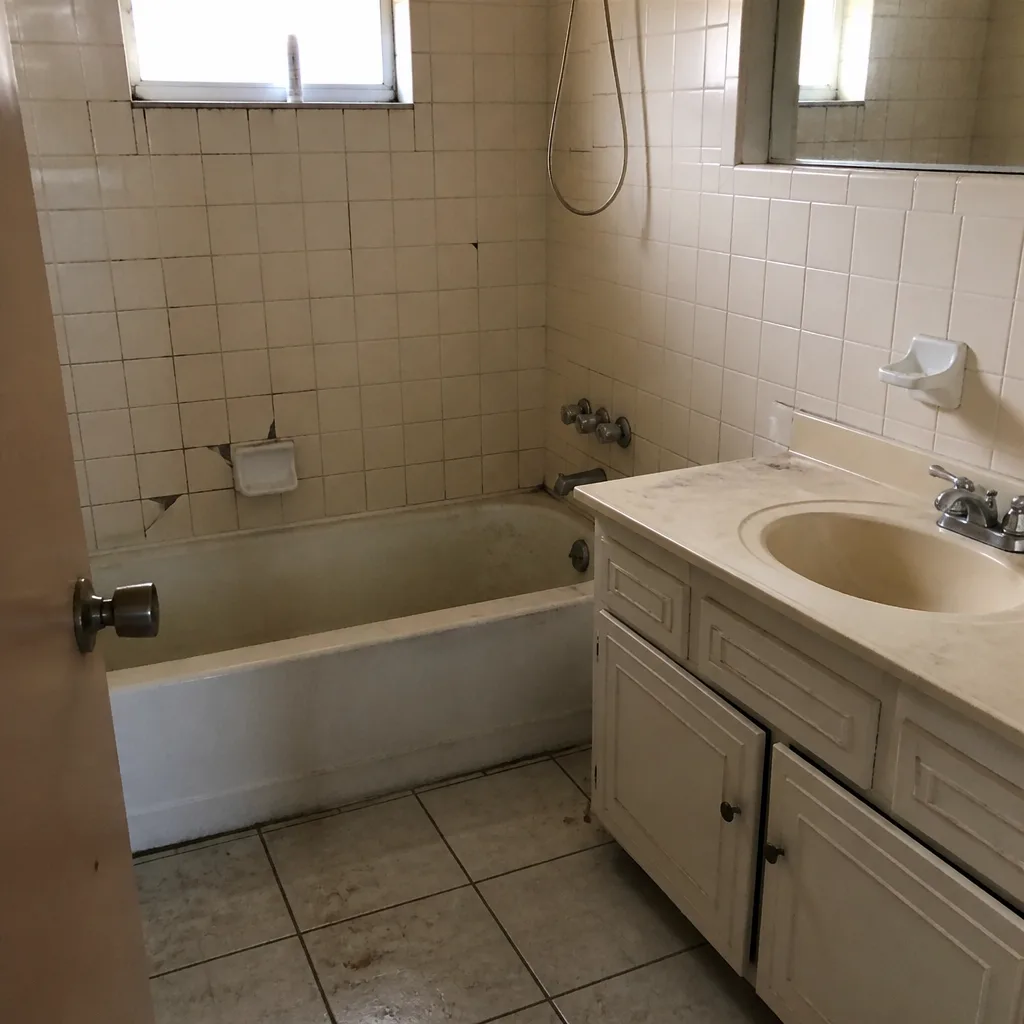 Before
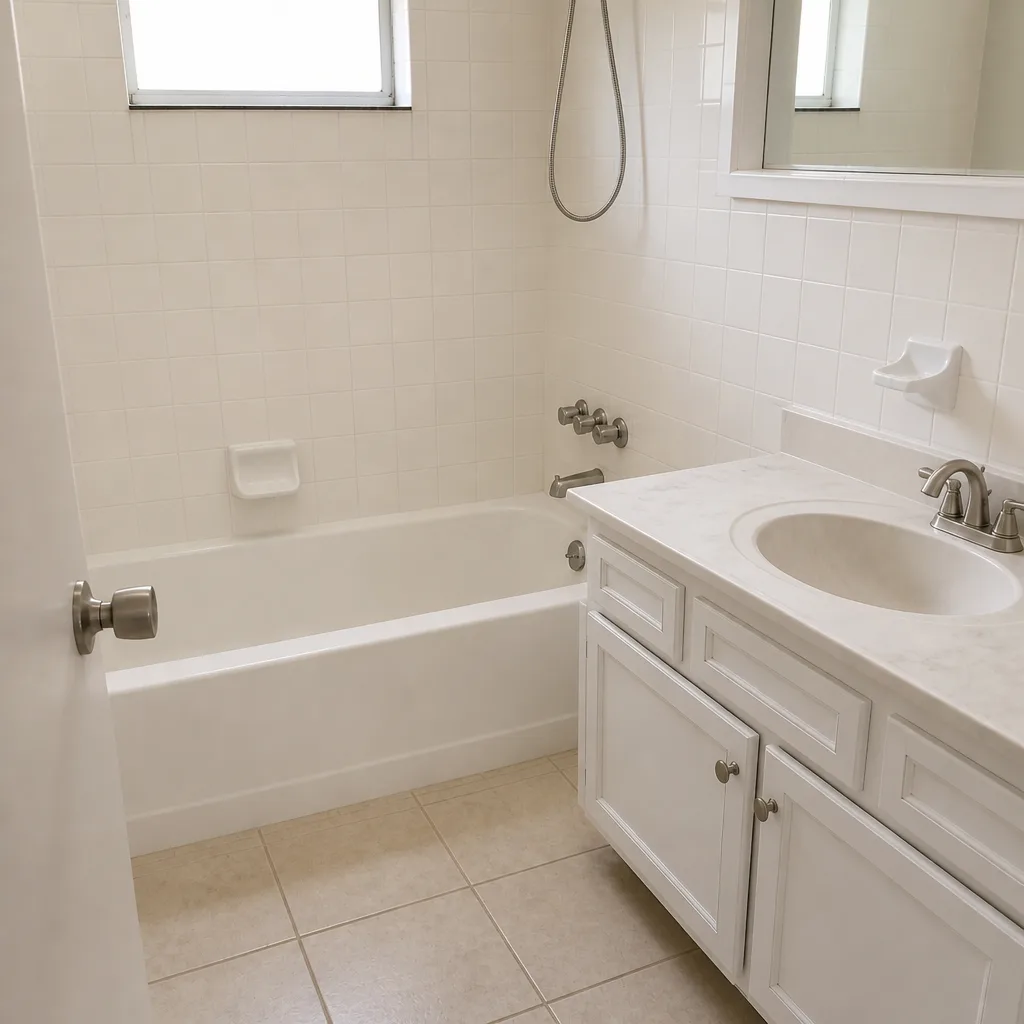 After
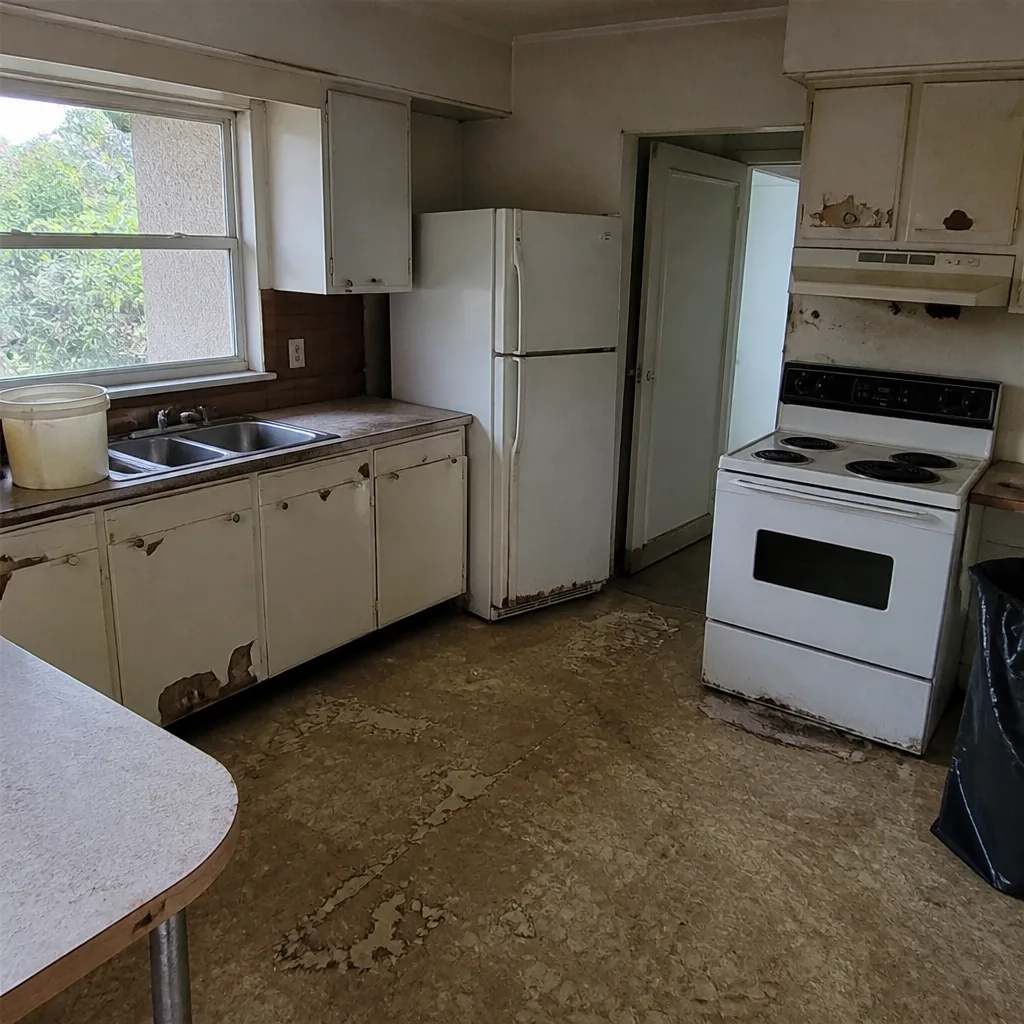 Before
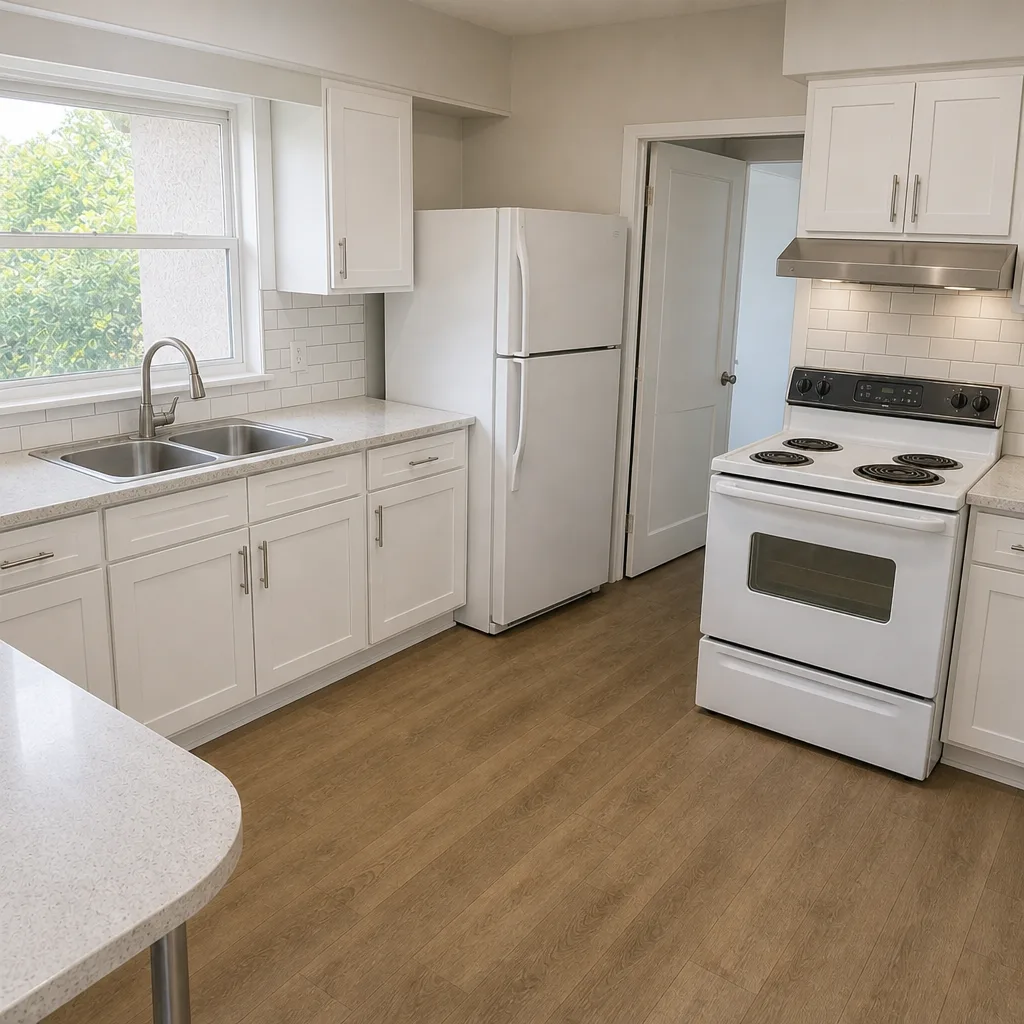 After