Last updated November 17, 2026







Free written scope consultation - allowances, timeline, and change-order rules on paper before a single trade is scheduled
Bathroom Remodeling Warning Signs Every Homeowner Should Know
A soft spot near your toilet base isn’t a cosmetic issue. It’s almost always subfloor rot, and by the time you can feel it through the floor, the damage has already spread well past what’s visible. In our experience across North Miami Beach, the costliest bathroom projects we walk into are the ones where a homeowner sat on a small warning sign for months. Bathrooms fail from the bottom up and from the inside out, and they telegraph the failure long before a tile pops loose. This guide teaches you to read your bathroom the way a contractor does, so you make decisions from information instead of from panic. You’ll learn the difference between harmless aging and structural trouble, how to run a 10-minute self-inspection, and which red flags mean “plan a remodel” versus “stop using this room.”
Quick Answer
The warning signs that matter most in a bathroom are soft or spongy floors near the toilet and tub, caulk that keeps failing no matter how often you replace it, musty smells that return after cleaning, and water stains on ceilings below or above the room. These point to hidden moisture, which is the root cause behind most major bathroom remodels. Cosmetic wear like dull grout or a dated vanity is not a warning sign. Anything soft, wet, or persistently damp is.
Styles & brands we work with
- Kitchen remodeling
- Bathroom remodeling
- Home additions & ADU
- Roofing
- Windows & doors
- Driveway & pavers
- Fence
Table of Contents
- Cosmetic Aging vs. Structural Warning Signs
- The 10-Minute Bathroom Self-Inspection by Quadrant
- Warning Signs That Are Contractor Problems, Not Yours
- South Florida Warning Signs: Humidity, Mold, and Sea Air
- The Triage Framework: Plan Now or Stop Using It
- Hidden Water Damage Most Homeowners Miss
- When to Call a Professional
- Frequently Asked Questions
Cosmetic Aging vs. Structural Warning Signs
Most homeowners can’t tell the difference between a bathroom that’s simply old and one that’s quietly failing. That confusion is expensive. A 1990s vanity with starting-to-wear laminate is cosmetic. A floor that flexes when you step out of the shower is structural. The line between the two comes down to moisture.
Cosmetic issues live at the surface. Structural warning signs point to water where it doesn’t belong. Here’s how to sort them:
- Cosmetic: faded caulk lines that are still fully adhered, dated tile color, a chipped sink edge, worn grout that’s intact but discolored, a vanity door that sticks because of humidity swings.
- Structural: soft spots in the floor, bubbling or peeling paint near the shower or tub, a toilet that rocks even after the bolts are snug, grout that crumbles when you touch it, a baseboard that pulls away from the wall, or a persistent musty smell that returns days after a deep clean.
Those structural signs always come back to trapped water. A tile wall can look fine while the cement backer board behind it is saturated. In North Miami Beach, where we deal with high groundwater and storm-driven humidity, water has an easier path into every gap than it does in drier climates. A grout line that would stay cosmetic in Arizona can wick moisture all the way to the subfloor here. That’s why we treat any soft spot as structural until proven otherwise. If you’re already seeing the structural signs, it’s worth reading our breakdown of Groundwork Construction Co. of North Miami Beach home services before you commit to a fix, since the scope of a water problem can change the whole project.
The 10-Minute Bathroom Self-Inspection by Quadrant
You don’t need tools or a contractor’s eye to catch the early warning signs. You need ten minutes and a willingness to press, test, and smell. Divide the room into four quadrants: floor, walls, ceiling, and fixtures. Work through each one methodically.
- Floor. Stand where you normally stand at the sink, then at the toilet, then in the shower. Press your weight into each spot through your socks. Any give, flex, or crunch is a problem. Check the base of the toilet for movement by nudging it gently side to side – a properly set toilet doesn’t rock.
- Walls. Run the back of your knuckles along the wall behind the shower and tub. Sound a low, hollow tap in the shape of the wall. A dull thud or a spot that feels cool to the touch means moisture is trapped behind the tile. Look for paint that’s bubbling or peeling anywhere near wet zones.
- Ceiling. Look up. In homes with a bathroom upstairs, examine the ceiling directly below the bathroom for brown rings, sagging, or paint that’s wrinkling. In single-story homes, a rust line or water stain on the bathroom ceiling hints at roof or plumbing above.
- Fixtures. Run water at every sink, the tub, and the shower, then look under each. A single drop under a supply line or drain is a warning. Touch the caulk at every seam – if it peels away cleanly with a fingernail, it’s failed. Finally, close the door and smell. A musty or earthy odor that’s stronger after the room sits closed is mold.
Write down what you find. Even minor issues become useful data when you sit down with a contractor, and they’ll tell you whether you’re looking at a small repair or a project.
Warning Signs That Are Contractor Problems, Not Yours
Sometimes the warning sign isn’t a failing building – it’s a failing installation. We’ve walked into plenty of North Miami Beach bathrooms where a previous crew cut corners and the homeowner has been quietly living with the consequences for years. These are the signs that tell you the original work was done wrong, not that your bathroom is simply aging.
- Tile that’s loose in one square patch. This usually means the tile wasn’t bonded properly to the substrate, or the substrate itself is failing. It’s a workmanship issue, not wear.
- Grout joints that never match up. Misaligned grout lines mean the tile was set without proper layout planning. It looks sloppy and often signals other shortcuts.
- A shower that doesn’t drain completely. Standing water in the pan means the slope was built wrong – a common problem we correct in bathroom remodeling in North Miami Beach. Fixing it takes demolition, not a drain snake.
- Caulk that fails within months of a fresh application. When a seam won’t hold caulk no matter how many times you reapply it, there’s movement behind the wall or ongoing moisture. A good caulk job on a sound surface lasts years.
- An exhaust fan that’s undersized or vented into the attic. A fan that vents into the attic instead of outside dumps moisture into your structure. That’s a definite installation failure.
- Silicone smeared over a bad grout job. A previous crew covering up a real problem with sealant is one of the clearest red flags we see. When the sealant fails, the underlying issue resurfaces.
When several of these appear together, you’re not looking at normal aging. You’re looking at a bathroom that needs to be opened up and rebuilt correctly.
South Florida Warning Signs: Humidity, Mold, and Sea Air
Bathrooms in North Miami Beach face conditions most remodeling guides never account for. The climate here is brutal on the interior of a home. Three local forces do the most damage:
- Year-round humidity. Summer dew points above 75°F mean a bathroom never really dries out between showers. Trapped moisture in a wall cavity gets no seasonal break the way it would farther north.
- Salt-laden air. Sea air corrodes metal trim, faucets, hinges, and shower hardware faster than people expect. If you’re seeing pitting or green-blue crust on brass or chrome, that’s accelerated corrosion, not just age.
- Seasonal storms. Wind-driven rain during hurricane season finds its way into roof and window gaps, and a bathroom near an exterior wall often takes the hit.
Mold in South Florida has a pattern. It tends to bloom low on walls first – near the floor line, inside the shower surround, or on the ceiling corner opposite the exhaust fan, since that’s where humid air collects. If you see dark crawling spots along a baseboard or inside a shower grout line, treat it as a moisture problem, not a cleaning problem. In North Miami Beach we also deal with a lot of homes on slab foundations, and a slab keeps moisture very close to the subfloor. The upshot: warning signs here show up faster and go deeper than they do in drier climates. A small amount of interior humidity during a Florida summer is normal; a wall that feels damp to the touch is not.
The Triage Framework: Plan Now or Stop Using It
Every warning sign belongs in one of three buckets. Sorting them now saves you from emergency decisions later. Here’s the framework we use with homeowners.
Bucket 1: Plan a Remodel in the Next 6 Months
- Floor has one soft spot but the toilet is stable
- Caulk fails every couple of years despite reapplication
- Cosmetic wear, dated tile, or a vanity that’s begun to swell
- Exhaust fan is undersized but still vents outdoors
- Faint musty smell after the bathroom sits closed for a day or two
These signs are telling you a remodel is coming. Put it on the calendar and start budgeting. In most cases, planning now means you can do the job right the first time instead of repairing twice.
Bucket 2: Address Within 30 Days
- An active drip under the sink or behind the toilet
- Visible mold spreading along a wall or ceiling seam
- Grout that crumbles to the touch below the shower line
- Pyramid-shaped paint peeling in a corner near the shower
- A toilet that rocks when leaned against
These need prompt attention but not necessarily a full remodel. In our experience, catching these at the 30-day point often means you’re looking at a targeted repair instead of full demolition.
Bucket 3: Stop Using This Bathroom Now
- Water pooling on the floor from a tub or shower leak
- A ceiling below the bathroom bowing or active dripping
- Sewage smell that returns after cleaning
- Floor so soft you can feel it give underfoot near the toilet
- Any sign of a supply line leaking inside a wall
These aren’t maintenance issues. They’re active water entering the structure and often indicate a plumbing failure. Stop using the room and call a professional before the damage moves into the floor joists or the ceiling below. That’s the point at which a small fix turns into a much larger project.
Hidden Water Damage Most Homeowners Miss
Most of the water damage we find in North Miami Beach bathrooms started somewhere the homeowner couldn’t see. Hidden water damage is the single most common reason a small repair becomes a full remodel. A few specific culprits do the most damage:
- Behind the shower wall. A failed shower valve, a cracked supply line inside the wall, or a compromised vapor barrier all leak slowly into the cavity. You won’t see it until the tile pops, the paint bubbles on the opposite side of the wall, or the baseboard pulls away.
- Under the toilet. The wax ring is the weakest link in any bathroom, and when it fails, water seeps into the subfloor and eventually to the ceiling below. The first sign is often a soft spot – by then the ring has been failing for a while.
- Inside the tub surround. Fiberglass surrounds crack at the seams. Water gets behind them and soaks the drywall. You’ll smell it before you see it.
- The ceiling below an upstairs bathroom. Water finds the path of least resistance – a through-wall seam, a plumbing penetration, a floor drain. Brown rings on the ceiling below mean water has been traveling for a while.
- Exhaust fan ducting. An improperly ducted fan that dumps into the attic leaves moisture in the structure. The bathroom air feels fine; the attic doesn’t.
Once hidden water gets into the structural framing or the subfloor, the fix shifts from cosmetic to a rebuild. That’s why we tell North Miami Beach homeowners to trust their nose and their hands more than their eyes. If a wall feels cool or a floor gives a little, there’s water behind it.
Common Mistakes to Avoid
- Painting over water stains. Paint hides a stain for a few weeks; it never stops the source. The leak continues, and you’ve now added a paint job to the eventual repair.
- Re-caulking a seam that keeps failing without finding out why. New caulk won’t stick to a wet or moving surface. When a seam fails repeatedly, the real problem is behind it.
- Assuming a mold spot is just grime. In a North Miami Beach bathroom, mold comes back after cleaning because the moisture never went away. Treating the surface without drying the source is wasted work.
- Waiting for a bathroom ceiling below the room to sag before you investigate. A brown ring is the early warning. A bowing ceiling is structural. Investigate at the first ring.
- Skipping the exhaust fan upgrade because the existing one “works.” A fan that can’t clear a shower in South Florida humidity leaves moisture in the room every day. The bathroom fails quietly over years because of it.
- Accepting the lowest bid on the fix. A cheap repair that misses the source of the moisture is the most expensive option in the long run. Upfront written pricing beats a low number you can’t verify.
- Ignoring the subfloor because the surface looks fine. Tile over a failing subfloor feels solid from above. The failure is structural, not visible, and it’s the one that bites hardest.
Any one of these mistakes costs a few hundred dollars to correct early. Ignored, they’re all reasons for a full remodel. If you’re also planning exterior work around the same time, our guide to Driveway & Pavers in North Miami Beach covers similar early-warning thinking for hardscape.
When to Call a Professional
Call a professional the moment a warning sign moves from cosmetic to structural. That means soft floors, active leaks, recurring mold you can’t clear, a ceiling stain, or a smell that returns after cleaning. Those are signs of trapped moisture and almost always need a licensed contractor to open the wall, inspect the subfloor, and find the source. The same is true when a shower pan won’t drain, a toilet keeps rocking, or a previous installation starts to fail. A targeted repair handled early stays a small job. Left alone, a North Miami Beach bathroom takes on humidity faster than most homeowners expect. Groundwork Construction Co. of North Miami Beach offers free estimates in North Miami Beach – call (844) 797-4868. We answer live, seven days a week, and every estimate is written line by line so you can see exactly what’s being repaired and why.
Frequently Asked Questions
The first sign is usually a soft spot in the floor near the toilet or tub, because that’s where hidden moisture starts. If you press a floor and feel give, you’re likely looking at subfloor damage that’s already spread. Call (844) 797-4868 for a free estimate – we’ll tell you exactly what’s happening under the floor.
Hidden water damage shows up as a cool or damp-feeling wall, a musty smell that returns after cleaning, or paint bubbling near the shower. A ceiling stain below the bathroom and a toilet that rocks are also strong signals. These mean water is behind the wall or under the floor, and a professional inspection is the way to confirm the scope.
Yes. Year-round high humidity means a North Miami Beach bathroom never gets a seasonal dry-out, so moisture trapped in a wall cavity stays there. That’s why we see mold and rot progress faster here than in drier climates. If a seam fails repeatedly or a wall smells musty, treat it as a local moisture problem and get it looked at.
Small signs like failed caulk, worn grout, or a dated fixture are usually repair-only. Structural signs like soft floors, active leaks, or recurring mold almost always justify a remodel because the fix requires opening the wall and floor. Written estimates are free, so get a professional opinion before you decide.
Most bathroom remodels take a few weeks from demo to final walkthrough, depending on scope and material lead times. The exact timeline depends on what’s found when the floor and wall are opened. We give you a written schedule before work begins so there are no surprises. Call (844) 797-4868 for a free estimate.
Not on our jobs. The number you see on the estimate is the number you pay, and any hidden condition we find during demolition is documented and priced before we proceed, never after. Upfront pricing, no surprises – that’s the standard. Call (844) 797-4868 to schedule a free estimate and design consult.
The Bottom Line

Bathroom warning signs are a language. Soft floors, failing caulk, returning smells, and ceiling stains are all telling you moisture is where it shouldn’t be. Learn to read them in your self-inspection and sort them into the triage framework: plan in six months, address in thirty days, or stop using the room now. Cosmetic issues are mild. Structural ones cost real money, and they get more expensive by the week. Trust your hands and nose, not just your eyes, and get a written estimate the moment something feels off. In North Miami Beach, humidity makes every warning sign more urgent, so act early.
Groundwork Construction Co. of North Miami Beach handles every bathroom project from foundation to the finish line, backed by the 730-Day Done Right Promise and brand partners like KraftMaid and Kohler. If your bathroom needs a rebuild, a threshold, or a paver walkway outside the back door, our team covers that too. That’s what we mean by Fence Installation in North Miami Beach and Home Additions & ADU in North Miami Beach sitting alongside our bath work – one contractor, no handoffs. Ready to stop guessing and start pricing? Call (844) 797-4868 to schedule your free estimate. A live person answers 24/7, background-checked technicians arrive in uniform, and the number on your estimate is the number you pay.
Written by the team at Groundwork Construction Co. of North Miami Beach.
See the difference
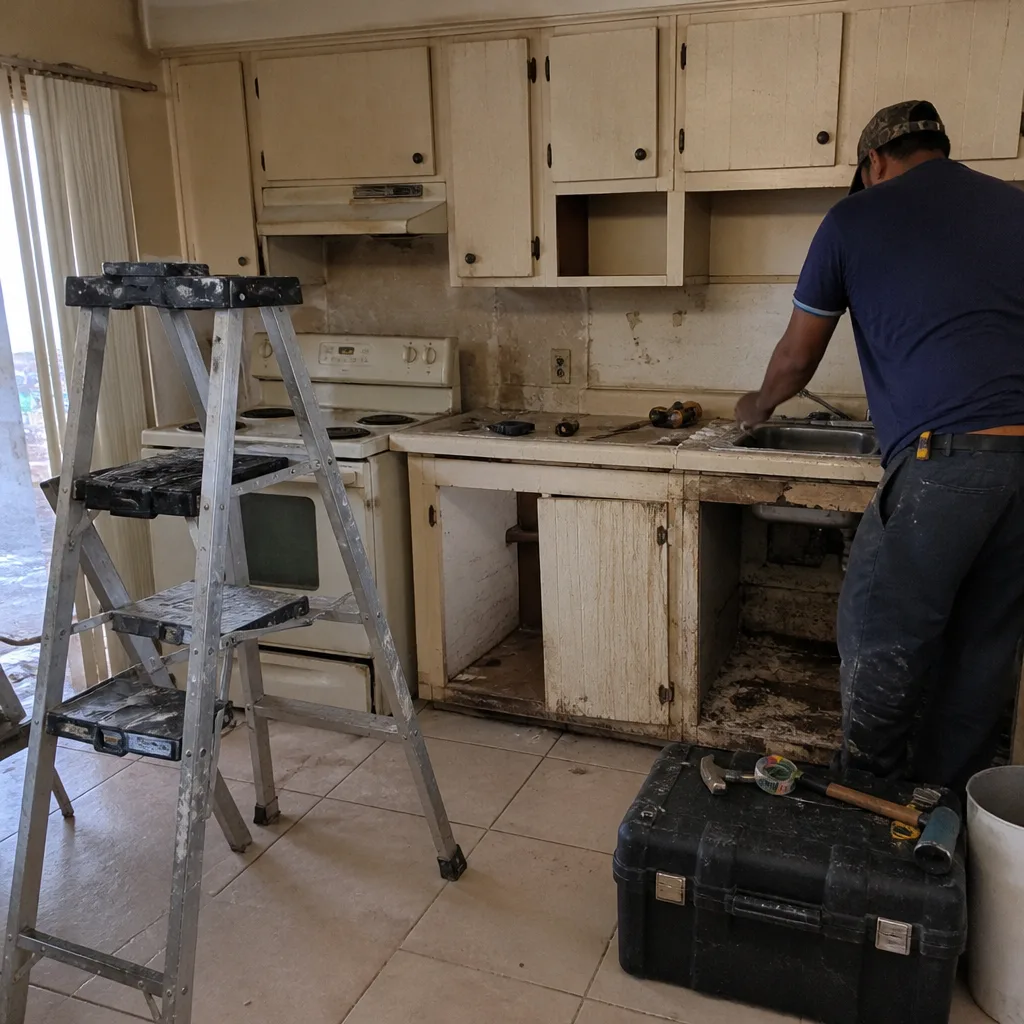 Before
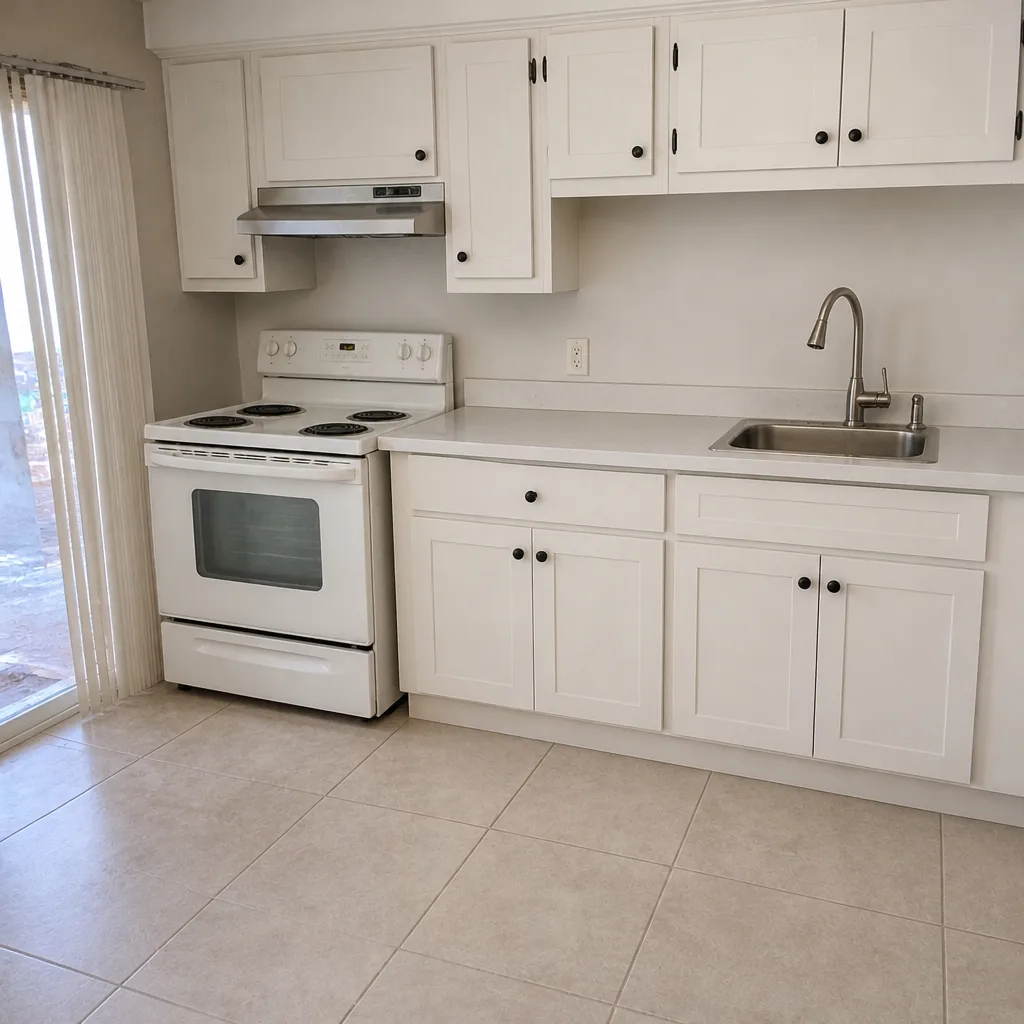 After
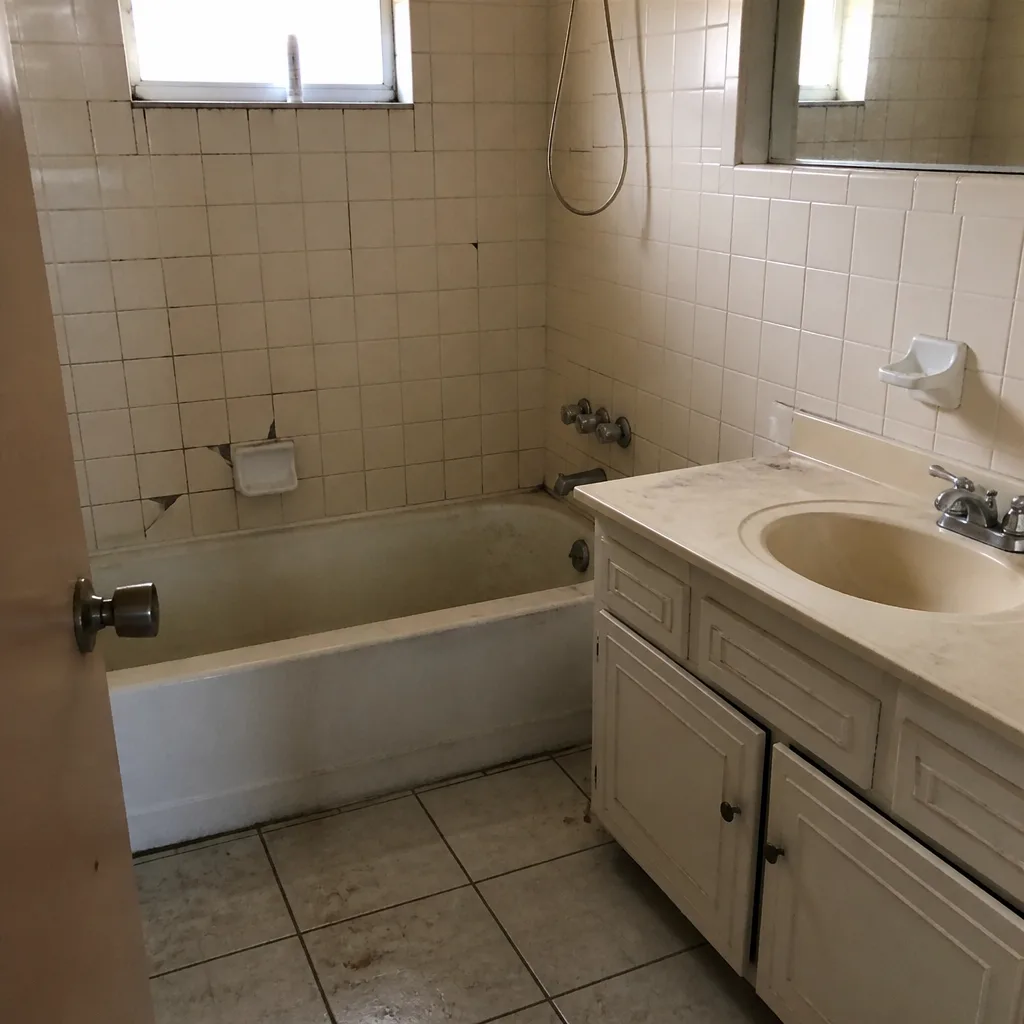 Before
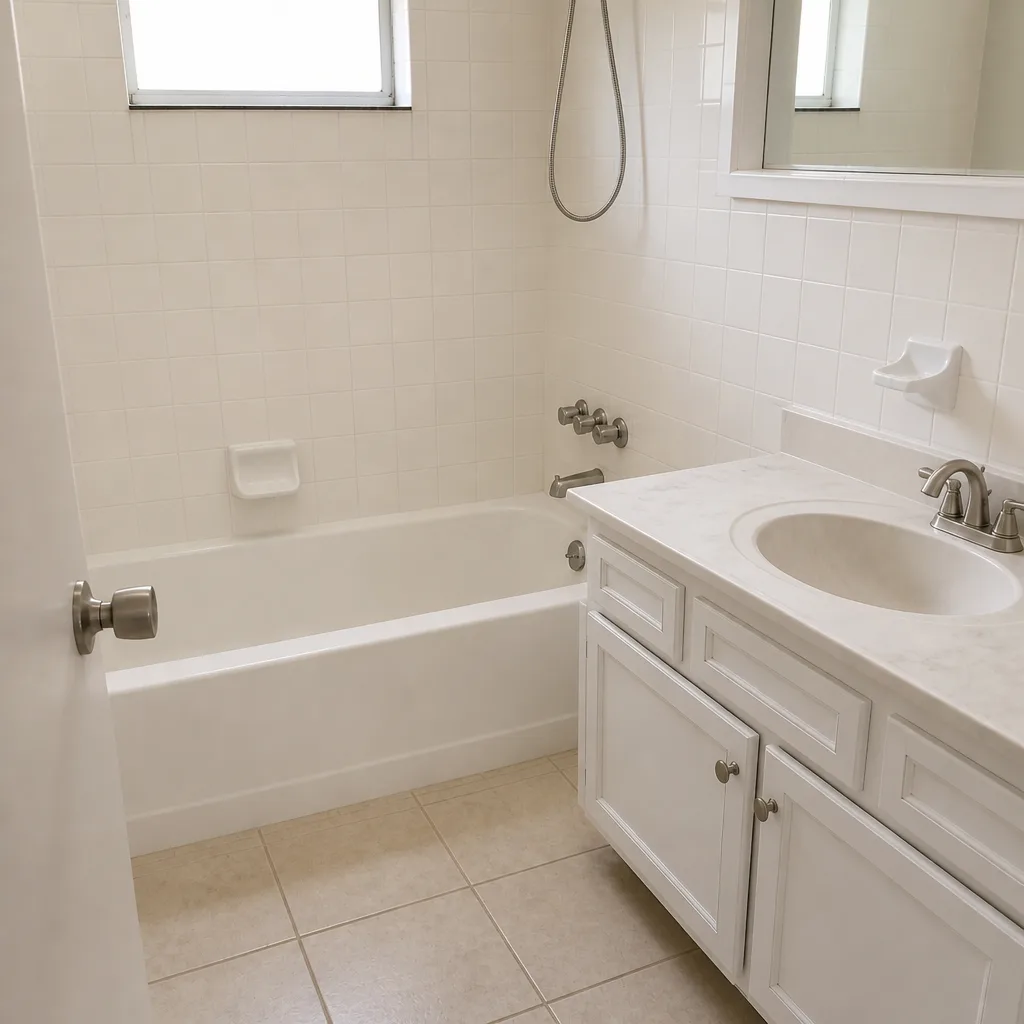 After
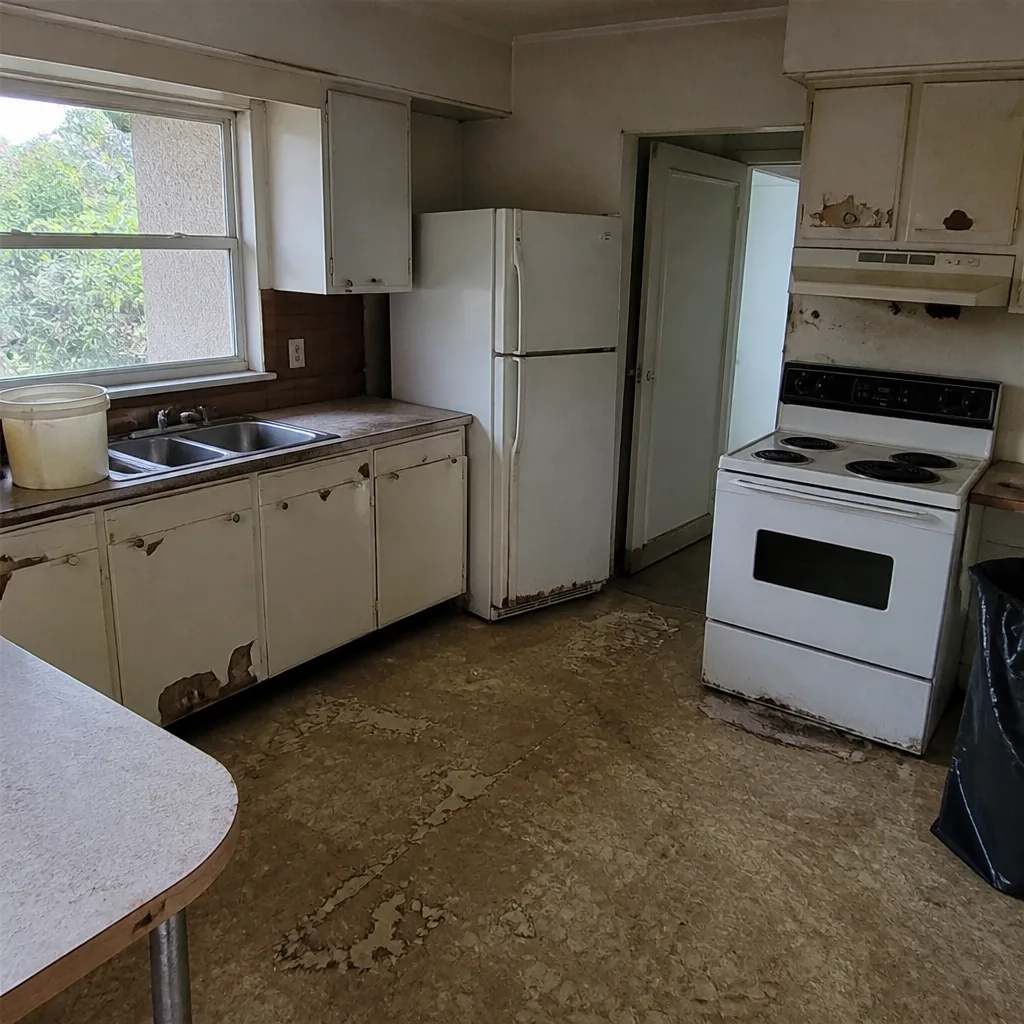 Before
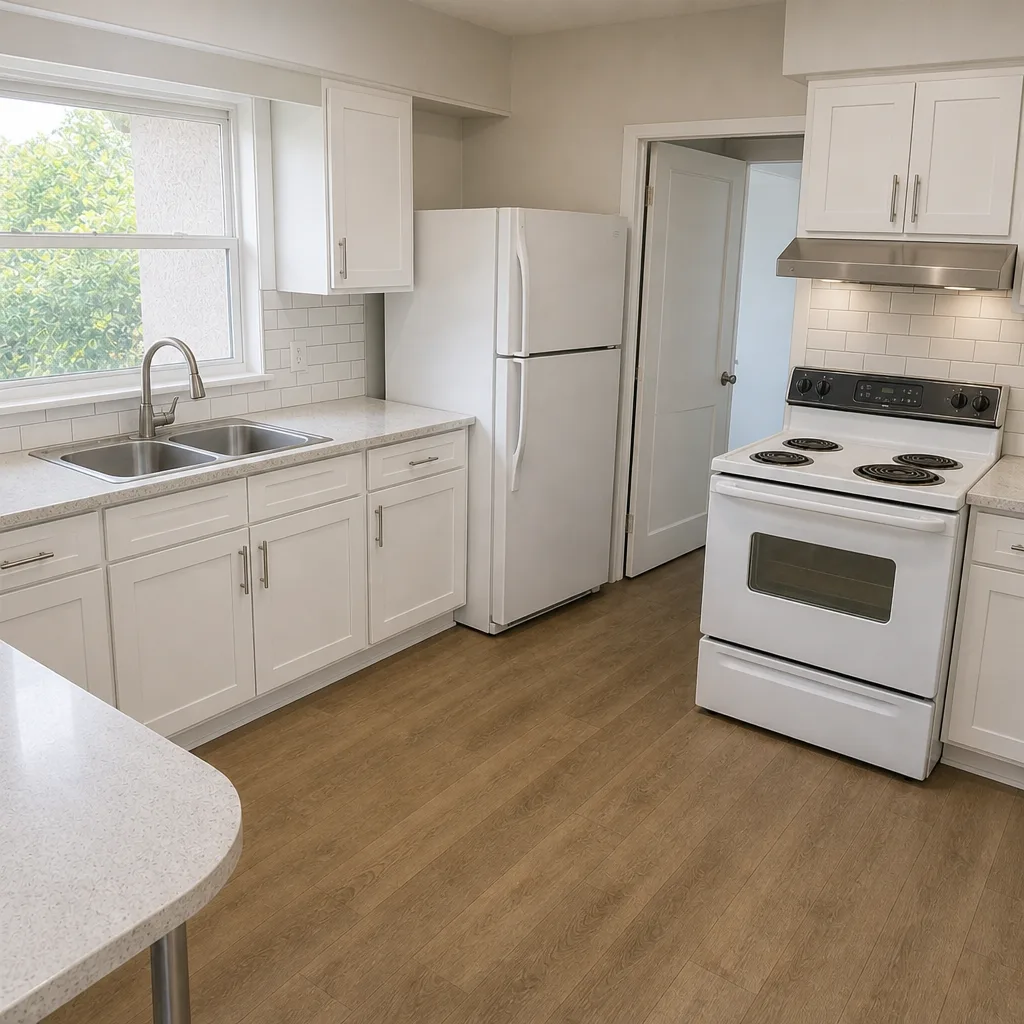 After