Last updated November 17, 2026


Free written scope consultation - allowances, timeline, and change-order rules on paper before a single trade is scheduled
The Complete Windows & Doors Guide for North Miami Beach Homeowners
Miami-Dade County has the strictest window and door code in the United States, and spending $20,000 on impact-rated glass does not make you compliant if the product lacks a valid Miami-Dade Notice of Acceptance. We’ve walked into North Miami Beach homes where a contractor installed shutter-rated windows without the paperwork, and the homeowner found out at insurance renewal time – not at installation. This guide covers the NOA system, how your window choices move your Citizens Insurance premium, the honest comparison of impact glass versus shutters versus film, the full replacement process in Miami-Dade, and the exact questions that separate real window contractors from quote-chasers.
Quick Answer
Windows and doors in North Miami Beach are a code and insurance decision before they’re a comfort decision. You need products carrying a current Miami-Dade NOA (Notice of Acceptance), installed under a permit that passes Miami-Dade inspection, and ideally with impact ratings that influence your Citizens Insurance wind-mitigation credit. Choose wrong and you’ll spend real money on glass that doesn’t protect you or lower your premium.
Styles & brands we work with
- Kitchen remodeling
- Bathroom remodeling
- Home additions & ADU
- Roofing
- Windows & doors
- Driveway & pavers
- Fence
Table of Contents
- What Is a Miami-Dade Notice of Acceptance and Why Does It Matter?
- How Do Windows and Doors Affect Your Citizens Insurance Premium in North Miami Beach?
- Impact Windows vs. Hurricane Shutters vs. Window Film: The Honest Comparison
- Choosing the Right Window and Door Materials for South Florida Humidity and Salt Air
- The Full Replacement Process in Miami-Dade County, Step by Step
- Questions That Separate Legitimate Contractors from Quote-Chasers
- What to Know About Doors in North Miami Beach: Entry, Patio, and Slider Decisions
- Common Mistakes to Avoid
- When to Call a Professional
- Frequently Asked Questions
- The Bottom Line
What Is a Miami-Dade Notice of Acceptance and Why Does It Matter?
A Miami-Dade Notice of Acceptance, or NOA, is the county’s formal certification that a specific window, door, or shutter product passed lab testing for wind pressure, large-missile impact, and cyclic wind loading to Miami-Dade standards. It is not the same as an ASTM or AAMA certification, and it is not the same as a Florida Product Approval. The NOA is the local document, and it’s the one your inspector, your insurer, and your final sign-off depend on.
Here’s the part that trips people up: a window can be “impact-rated” and still fail a Miami-Dade inspection if the exact model, glass make-up, and mounting configuration don’t match an active NOA. Manufacturers revise listings. Products get superseded. Glass suppliers get substituted. A compliant window installed with the wrong anchor spacing is not compliant.
What to verify before you sign anything:
- NOA number and expiration date. NOAs expire and get renewed. Confirm the number is current on the Miami-Dade County product approval search.
- Exact model match. The model on the sticker on your window must match the model on the NOA. If it doesn’t, you have a problem.
- Installation method listed. The NOA specifies anchoring, substrate, and framing. Read the installation section – it exists.
- Size range covered. Large windows and sliders often have different NOAs than smaller units. A 6-foot-wide slider is not the same approval as a 3-foot casement.
We’ve seen homeowners in North Miami Beach pay for premium impact glass and get a red tag at inspection because the installer used a discontinued model that had been dropped from the county list six months earlier. Twenty grand in glass and a failed inspection is a bad way to learn what an NOA does. If you’re planning a bigger remodel alongside your window replacement – an addition, an ADU, or a full envelope upgrade – it’s worth reading our guide on Home Additions & ADU in North Miami Beach because the NOA requirements stack when you’re adding new openings.
How Do Windows and Doors Affect Your Citizens Insurance Premium in North Miami Beach?
Impact-rated windows and doors installed to NOA standard can reduce your Citizens Insurance wind premium by a meaningful margin, sometimes in the range of 15% to 45% depending on the structure, roof age, and opening protection credits your insurer applies. That’s not a marketing line – it’s a code-driven credit schedule that a licensed insurance agent or the Florida Office of Insurance Regulation can walk you through with actual numbers for your home.
North Miami Beach sits in a wind-borne debris region, and that classification matters. Homes inside this region get credit for opening protection, and the type of protection you choose determines how much. Shutters qualify for credit only if they’re deployed at the time of an event or pre-installed in a way your insurer recognizes. Impact windows and doors carry the credit year-round without you hanging anything.
Three things we tell every North Miami Beach homeowner to do before signing a window contract:
- Get your current wind mitigation inspection report. If you don’t have one, order it. It lists exactly what credits you’re already getting so you know what’s missing.
- Call your insurance agent with the product NOA number. Ask directly what the premium delta is if you install that product across all openings.
- Get the installation documented. The insurer will want the NOA number, the permit, and the final Miami-Dade inspection sign-off. Keep all three in a folder.
We’ve had customers in the Skylake and Eastern Shores neighborhoods tell us their premium dropped enough over five years to offset a third of the project cost. That math only works when the paperwork is clean. A permit with no final inspection is worth close to nothing to an adjuster.
Impact Windows vs. Hurricane Shutters vs. Window Film: The Honest Comparison
South Florida’s market pushes all three, and each has a place. Here’s the version we give to homeowners who call us after getting three conflicting bids.
- Impact windows and doors – highest upfront cost, best long-term results. Protect against large-missile impact (a 9-pound 2×4 shot at 34 mph, which is standard Miami-Dade testing), keep the home sealed during a storm, and deliver the strongest insurance credit. Installed properly with NOA approval, they’re a permanent improvement that increases resale value in North Miami Beach.
- Hurricane shutters – lower upfront cost, more labor every storm. Accordion, roll-down, and panel shutters all require deployment or seasonal maintenance. They qualify for insurance credit in most configurations, but they don’t add interior comfort, and they offer nothing against a stray branch or lawnmower rock on a regular Tuesday.
- Window film – lowest cost, weakest protection. Solar film cuts heat and UV. Security film (the thicker, anchored version) provides some fragment retention. It does not carry a NOA as a large-missile-impact product on its own, and insurers in Florida generally do not credit film as opening protection. Film is a comfort upgrade, not a storm decision.
Where we see homeowners get talked into the wrong choice: film on a home they plan to own for 15 years, or shutters on a home where the wife is 5-foot-2 and the shutters weigh 40 pounds each. Both are technically legal and practically wrong.
Choosing the Right Window and Door Materials for South Florida Humidity and Salt Air
North Miami Beach’s climate decisions are different from almost anywhere else in the country. Salt air from the Intracoastal and Atlantic attacks the wrong metal fast. Afternoon thunderstorms slam the envelope with wind-driven rain twice a week from May through October. UV degrades cheap sealants and gaskets fast. Here’s what survives here, and what doesn’t.
- Aluminum frames with a thermal break – the standard for South Florida impact windows. Light, strong enough to hold large panes, and to hold an NOA for high design pressures. Choose thermally broken aluminum over solid aluminum; solid aluminum conducts heat inside and sweats in air-conditioning.
- Vinyl/uPVC frames – work in the climate and cost less than thermally broken aluminum. Choose a high-quality extrusion with a reinforced core. Cheap vinyl will yellow and warp on a west-facing wall in North Miami Beach.
- Wood and wood-clad – beautiful interiors, but exterior wood needs serious ongoing maintenance in this humidity. If you want the look, choose an aluminum-clad exterior with the wood grain on the interior face. Premium manufacturers like Andersen and Marvin make these, and we install them on the homes that want them.
- Fiberglass entry doors – the South Florida standard. They don’t rot, they don’t warp in the humidity, and modern fiberglass doors are finished to look like real wood.
- Steel entry doors – heavy and secure, but rust-prone near the salt air. If you want steel, plan on painting the exterior face more often.
We use Andersen and Marvin on premium projects and Pella on mid-market ones. We also work with prefabricated and modular building partners like Boxabl and Cover on accessory structures where the entire envelope is factory-built and shipped – a different game, but relevant if you’re reading this because you’re planning an ADU addition. The envelope partner on that kind of project has its own NOA stack, and we walk homeowners through both the manufacturer’s approval and the site-installed approval.
The Full Replacement Process in Miami-Dade County, Step by Step
Here’s what a professionally run replacement looks like from first measurement to final inspection. Most full-home window replacements in North Miami Beach take somewhere in the range of two to four weeks start to finish, with the installation itself typically two to four days for an average single-family home.
- Site measurement and product selection. A real measurement happens at the openings, not from a driving-around estimate. Every window and door gets measured individually. Sizes vary by fractions of an inch and impact frames are sized to the rough opening, not the drywall.
- NOA verification and product ordering. We pull the NOA for every distinct product configuration on the job and confirm it’s current before the order goes in. Lead times on impact windows typically run 6 to 12 weeks depending on manufacturer and model.
- Permit application with Miami-Dade County or the City of North Miami Beach. A permit is required for replacement of exterior windows and doors. On the application, you’ll include the product approvals, the manufacturer’s installation instructions, and the contractor’s license and insurance.
- Permit issuance and product delivery. Once the permit is issued, the products are delivered and staged. We verify the product labels match the NOA numbers before we touch the openings.
- Installation. Old units are removed, rough openings are prepped and flashed correctly, new units are set, anchored per the NOA’s installation specification, sealed, and finished trim is installed.
- Inspection. A Miami-Dade or North Miami Beach building inspector reviews the installation against the approved plans and NOA. The inspector needs visual access to anchors and flashing at that stage – which affects how trim gets staged.
- Final documentation and insurance submission. We hand over the permit, the final inspection card, the NOA copy, and the manufacturer’s warranty packet. That packet is what your insurance agent needs for the wind-mitigation credit.
If you’re also planning exterior work that has to be sequenced around the windows – a new driveway, hardscape, or pavers that shouldn’t get torn up by installation crews – it helps to plan the order of operations first. Our guide on Driveway & Pavers in North Miami Beach covers how we sequence that work.
Questions That Separate Legitimate Contractors from Quote-Chasers
We’ve answered these on our own jobs, so we’ll be blunt: a real window contractor will answer every one of them in writing before you sign.
- “What’s the NOA number for the specific model you’re quoting?” If they can’t tell you, they’re quoting a product they haven’t verified. That’s the whole ballgame.
- “Are you pulling the permit, and is your license active in Florida?” Ask for the CGC or specialty license number and verify it on the Florida DBPR website. The permit should be pulled in your name and the licensed contractor’s name.
- “Who is performing the installation, your technicians or a subcontractor?” Both are legal. What matters is knowing. Subcontracted installs often fail at the flashing stage because the sub wasn’t briefed on the NOA specifics.
- “What’s your workmanship warranty, in writing, and does it survive manufacturer changes?” Manufacturer warranties cover the product. Workmanship warranty covers installation. They are two different documents and both matter.
- “What happens if the final inspection fails?” A professional answer includes who pays for the re-inspection, the corrective work, and the delay. A vague answer means the answer is you.
- “How do you handle lead time variances if the manufacturer ships late?” Months of delay happen in this market. A contractor who tells you a firm 4-week delivery on a large impact order is telling you what you want to hear.
- “Can I see three recent North Miami Beach projects you’ve completed that have passed final inspection?” Ask to see the inspection cards, not just photos. Anyone can photograph a window.
- “Is your price fixed, or will it change once work starts?” No-hassle upfront pricing means the number you see is the number you pay. If there’s a change to scope, it gets documented and priced before anyone touches the wall.
The single question that separates the field fastest: “Show me the NOA number.” A legitimate window contractor has one on the phone in under ten minutes. A quote-chaser goes silent.
What to Know About Doors in North Miami Beach: Entry, Patio, and Slider Decisions
Doors present different code decisions than windows, and homeowners often don’t realize this until deep into a project. Here are the choices that come up most in North Miami Beach homes.
- Entry doors. Exterior entry doors to a wind-borne debris region need impact-rated or shutter-protected capabilities. A fiberglass impact entry door with a NOA is the standard solution. A single decorative steel door with no impact rating leaves the whole home non-compliant for insurance credit purposes – the rated envelope has to be complete.
- Patio and French doors. These are the largest openings in the envelope and often the most expensive line item. Impact French doors and impact single-swing patio doors are widely available; multi-panel sliding glass doors and lift-and-slide doors can be ordered with impact glazing and NOA coverage, at a higher cost and longer lead time.
- Sliders and pocket doors. Sliding glass door replacements often require the widest NOA coverage in the house. Sizes matter enormously – a NOA that covers a 6-foot slider doesn’t automatically cover an 8-foot or 12-foot unit. Verify.
- Garage doors. Only relevant if the garage is inside the conditioned envelope. In most North Miami Beach homes, the garage door is a wind-rated door, not an impact-glazed product. Make sure it carries the wind pressure rating the permit requires for your opening size.
Door hardware matters more than people expect down here. Cheap hinges and latches will fail at the corrosion stage faster than the door itself. Mariners and homeowners near the water know this – stainless hardware throughout is a small line item that saves you a lot of grief over twelve to fifteen years.
Should You Choose Modular or Prefabricated Window and Door Systems?

For a North Miami Beach homeowner adding a structure – an ADU, an addition, a sunroom – prefabricated and modular systems are worth understanding. Manufacturers like Dvele, Mighty Buildings, Cover, and Boxabl build the entire envelope in a controlled factory environment with their own pre-installed windows, doors, and approval stack.
Here’s the trade: prefab units typically arrive with their glazing installed and their structural approvals already in place. You get a no-hassle approval path for the shell. What you don’t get is a custom-fit for your exact lot, or the ability to swap in a specific Andersen or Marvin model because you want a particular look on the front of your home. For some homeowners that’s a fine trade. For others it’s a dealbreaker.
If you’re comparing an all-new modular addition against a stick-built addition with premium windows, it’s worth having that conversation early. We’ve written about this in our guide to Home Additions & ADU in North Miami Beach, and we’re happy to walk through the trade-offs for your specific lot.
Common Mistakes to Avoid
- Buying “impact-rated” without verifying the NOA. Impact-rated is a marketing claim. The Miami-Dade NOA is the legal standard. Match the model, size range, and installation method to a current NOA before you sign.
- Skipping the wind mitigation inspection. North Miami Beach homeowners routinely leave money on the table because their wind mitigation report is outdated or was never ordered. Get the inspection before and after the window project – the delta is your ROI.
- Using film as storm protection. Window film cuts heat and adds minor fragment retention. It doesn’t carry a large-missile-impact NOA and insurers in Florida generally don’t credit it as opening protection. Treat it as comfort, not code.
- Choosing a contractor who quotes from a phone call. Impact window sizing is measured at the opening, in inches. A contractor who tells you a per-window price without measuring is telling you a starting price, not your price.
- Not confirming the permit gets pulled and closed. Unpermitted window work in North Miami Beach can be discovered at resale or insurance renewal. The buyer’s inspector will look at the labels, and no permit means no compliant envelope for insurance purposes.
- Picking solid aluminum frames to save money. Solid aluminum in this climate conducts heat inside the wall and sweats. Thermally broken aluminum is worth the upcharge on any home that runs its AC more than six months a year.
- Leaving the installation scope open-ended. Stucco repair, trim, interior drywall patch, and paint are all parts of a window replacement. Get each one explicitly in the scope, in writing, before work starts. If it isn’t written, it isn’t included.
- Not checking lead time reality. Impact windows in Florida have real manufacturing lead times. A contractor quoting a 4-week delivery on a manufacturer order in this market is telling you what you want to hear.
When to Call a Professional
Call a professional when glass is failing (broken seal, fogging between panes, water intrusion at the frame), when a door no longer latches cleanly against its frame, or when you’re about to sell the home and the buyer’s inspector starts asking for permit history on the current windows. Call a professional before you sign anything with a window “sales specialist” who showed up in a leased SUV with a sample book – that’s not a serious window contractor, that’s a producer.
Call a professional for anything involving the exterior envelope, because window and door replacement is a permit-and-inspection process in Miami-Dade County, not a swap-and-go project. And call a professional before you buy impact glass that you haven’t verified against an active NOA. That $20,000 mistake is entirely preventable.
Groundwork Construction Co. of North Miami Beach offers free estimates in North Miami Beach. Our technicians are background-checked and arrive in uniform, every project is covered by the 730-Day Done Right Promise, and pricing is upfront with no surprises – the number you see is the number you pay. Call (844) 797-4868 to schedule your free estimate and design consult.
Frequently Asked Questions
Yes. Replacing exterior windows and doors in Miami-Dade County requires a building permit, and the product must be installed to a valid Miami-Dade NOA. The permit carries the product approvals and the contractor’s license, and the final inspection is what your insurance carrier ultimately needs to see. Call (844) 797-4868 to schedule a free estimate – we pull the permits and manage the inspection.
The Notice of Acceptance is Miami-Dade County’s formal certification that a specific window or door model has passed impact and wind-pressure testing to county standards. It’s the only local product approval that matters. A window can be advertised as “impact-rated” and still fail inspection if its exact model, size, and installation configuration aren’t covered by a current NOA. Verify the number on Miami-Dade County’s product approval database before you sign anything.
Yes, meaningfully. Impact-rated windows and doors with a valid NOA installed under permit can reduce your Citizens wind premium, often in the range of 15% to 45% depending on the home’s structure, roof age, and opening protection credits. North Miami Beach’s wind-borne debris region classification makes this more impactful than in most of Florida. Talk to your insurance agent with the specific NOA number before you sign – they’ll tell you the exact premium delta for your property.
A full-home window replacement typically takes two to four weeks from contract to final inspection, with the installation itself usually two to four days for a single-family home. Impact window manufacturing lead time is 6 to 12 weeks in most cases, and that’s often the longest stretch in the process. Call (844) 797-4868 for a project-specific timeline – estimates are free.
Impact windows cost more upfront and deliver more long-term: no storm prep, no deployment, strongest insurance credit, and full comfort benefits year-round. Hurricane shutters cost less upfront but require deployment or maintenance every storm and offer nothing against a lawnmower rock or stray branch in a normal week. In this climate, on a home you plan to keep, impact windows usually win on total cost of ownership. For a rental, a seasonal property, or a home you’ll sell within three years, shutters can make more sense.
Yes. Every window and door project we complete is permitted, installed to the product’s NOA specification, and inspected by the appropriate building department before we close the job. You receive the permit, the final inspection documentation, the NOA copy, and the manufacturer’s warranty packet at the end of the project – the complete documentation packet your insurer will want.
The Bottom Line
Windows and doors in North Miami Beach aren’t a cosmetic upgrade. They’re a code compliance decision, an insurance rating decision, and a storm protection decision, and all three have to line up at the same time. The short version: verify the Miami-Dade NOA on every product you buy, confirm the permit and final inspection are documented, choose materials suited to salt air and humidity, and pick a contractor who answers the eight questions above in writing. Do that, and your $20,000 goes into glass that earns you credits, survives a storm, and looks good doing it. Skip it, and you join the group of homeowners who found out at insurance renewal that the “impact” label didn’t mean what they thought it meant.
When you’re ready to move forward, Groundwork Construction Co. offers free estimates and design consults, 0% financing for 18 months, and $1,000 off projects over $10,000. Calls are answered by a live person 24/7 – no voicemail, no waiting until Monday. We’d be glad to walk your home with you. Call (844) 797-4868.
Written by the team at Groundwork Construction Co. of North Miami Beach.
See the difference
 Before
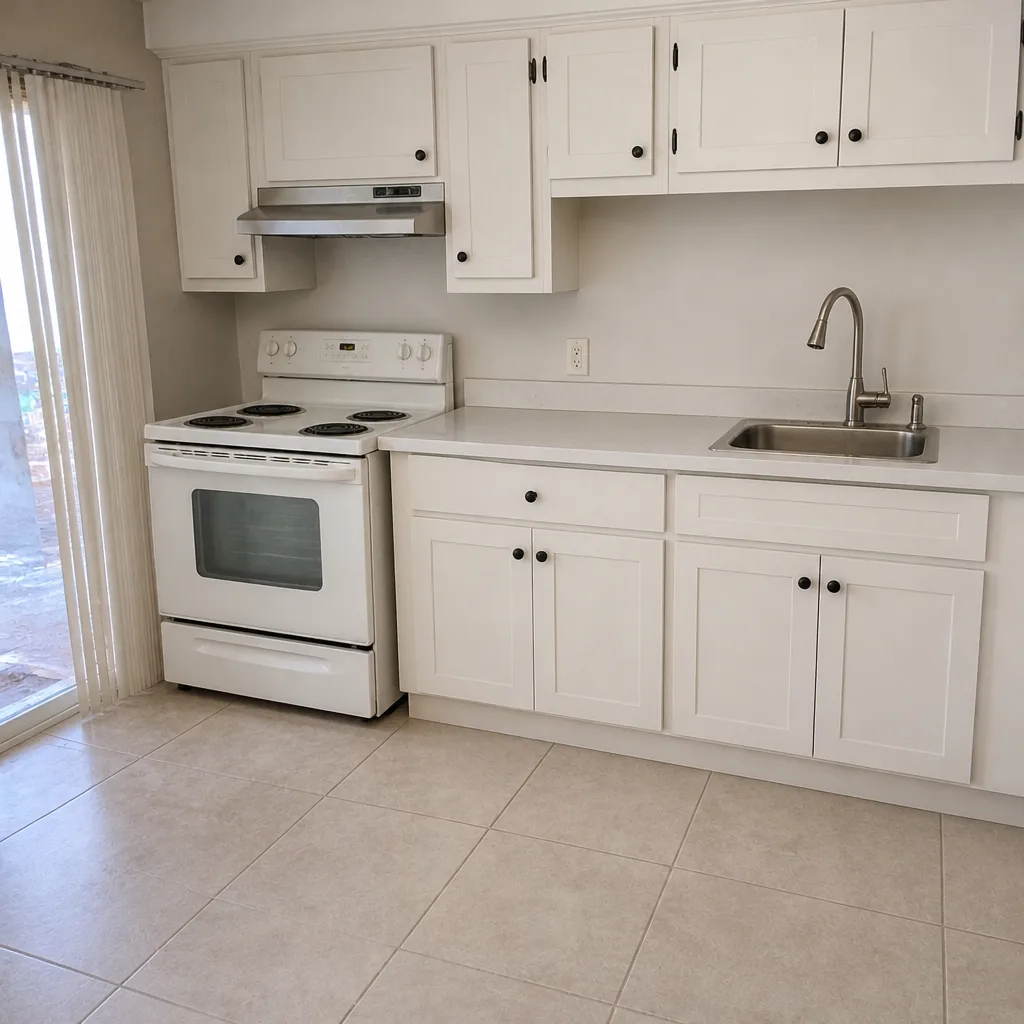 After
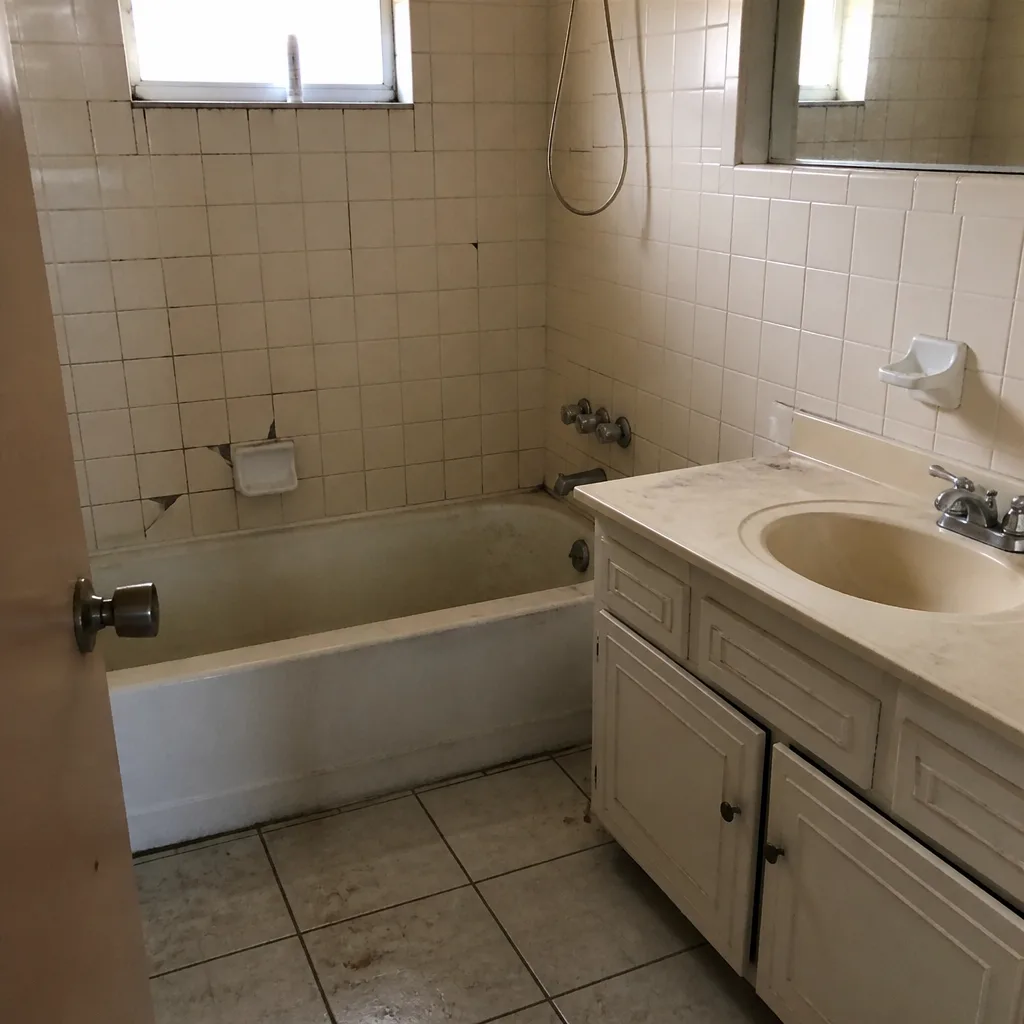 Before
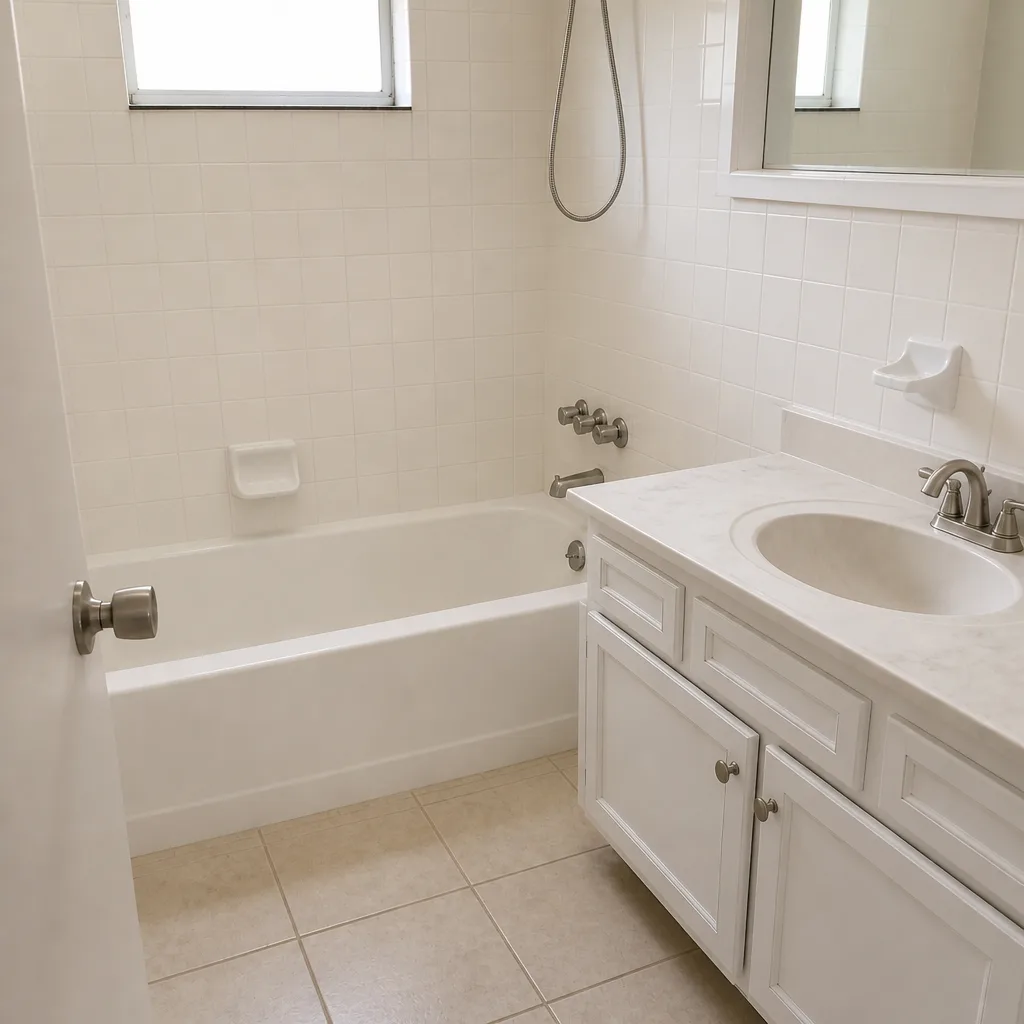 After
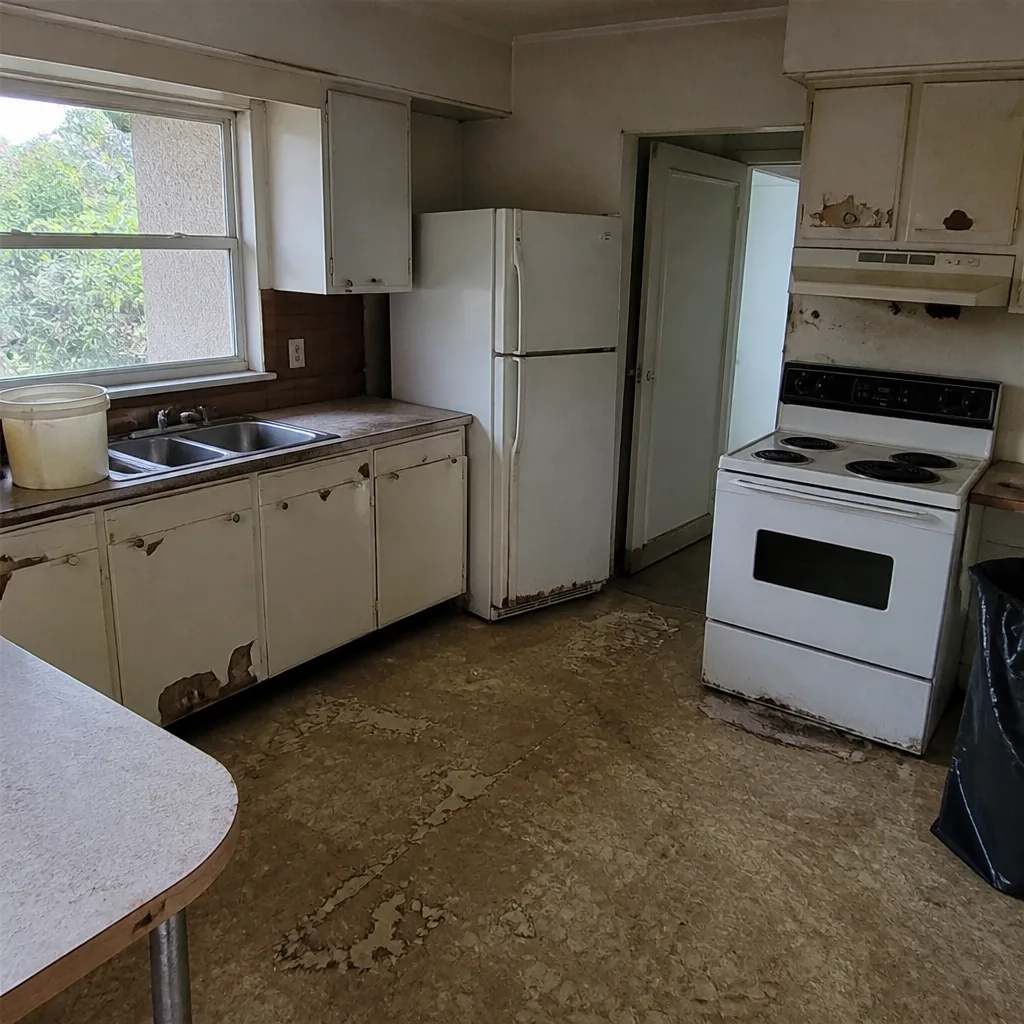 Before
 After