Free written scope consultation - allowances, timeline, and change-order rules on paper before a single trade is scheduled
Styles & brands we work with
- Kitchen remodeling
- Bathroom remodeling
- Home additions & ADU
- Roofing
- Windows & doors
- Driveway & pavers
- Fence
See the difference
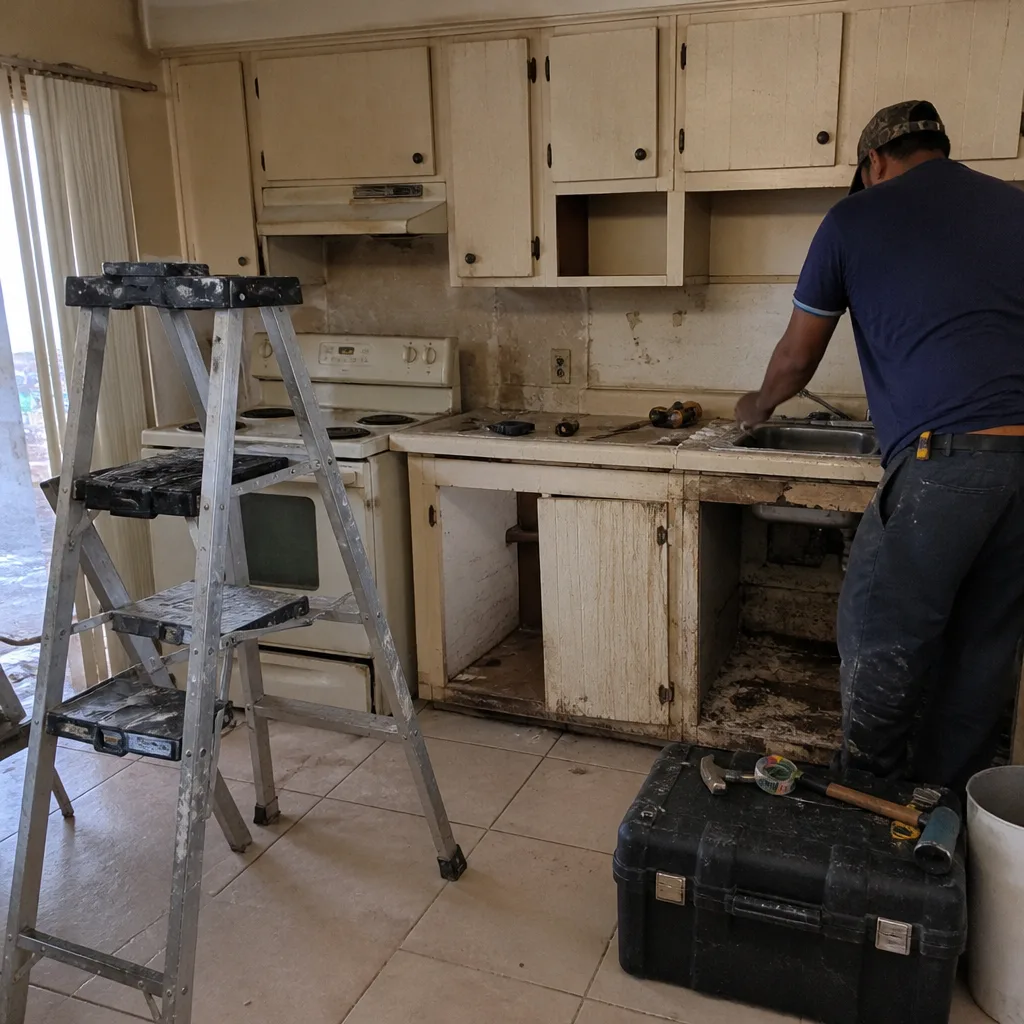 Before
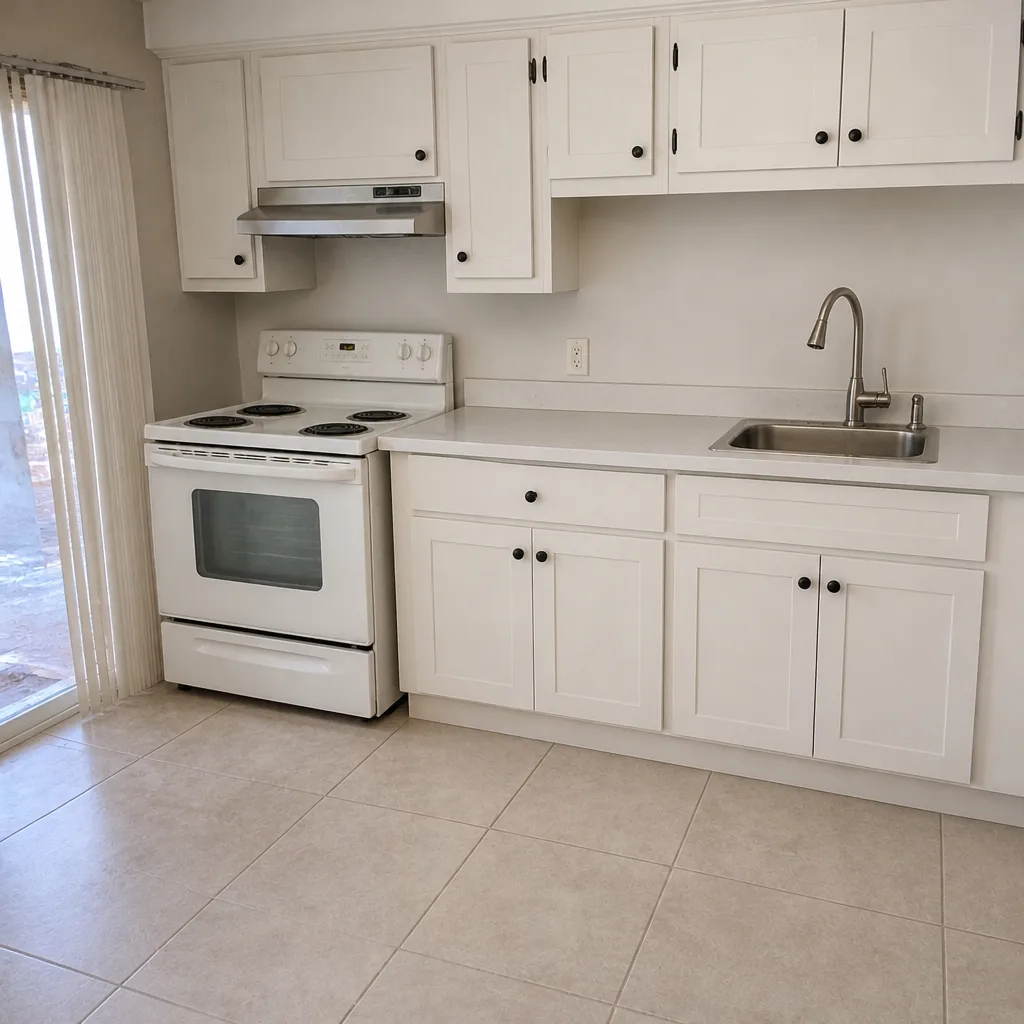 After
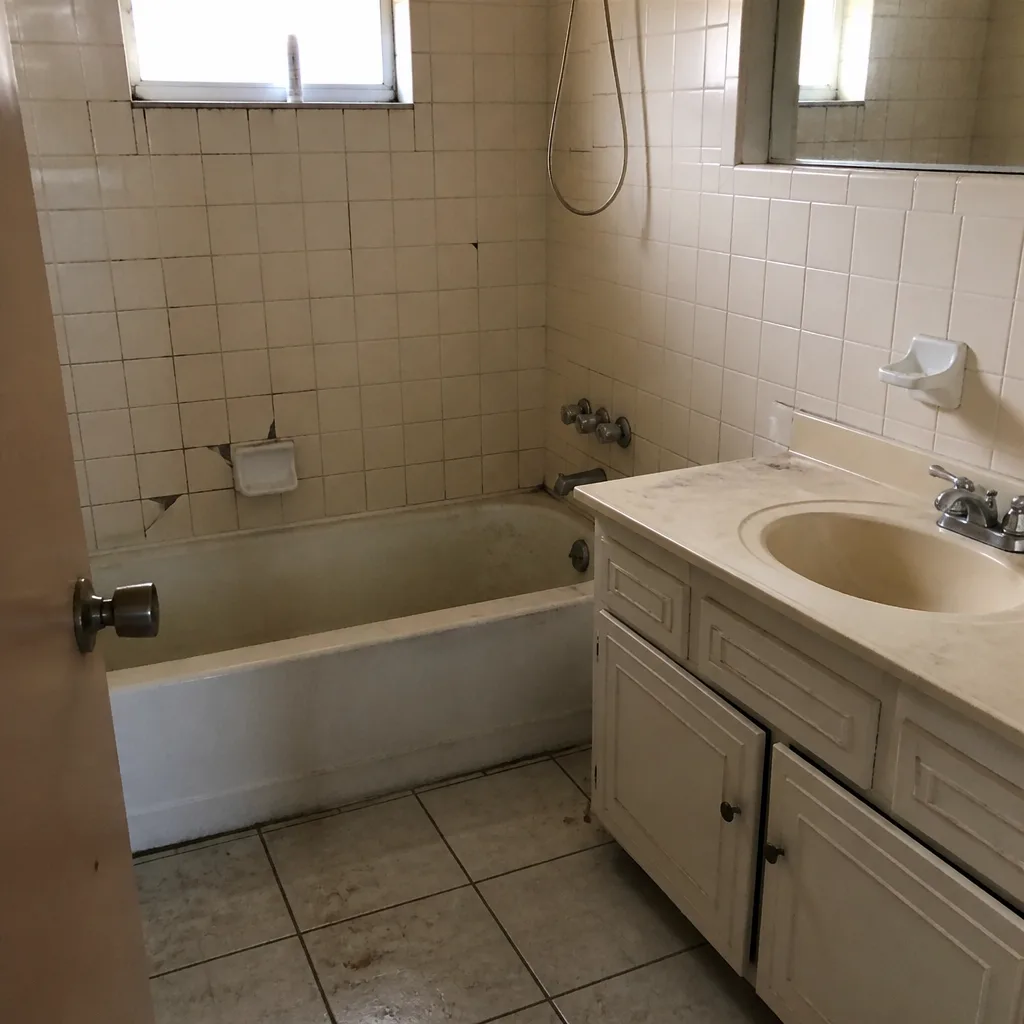 Before
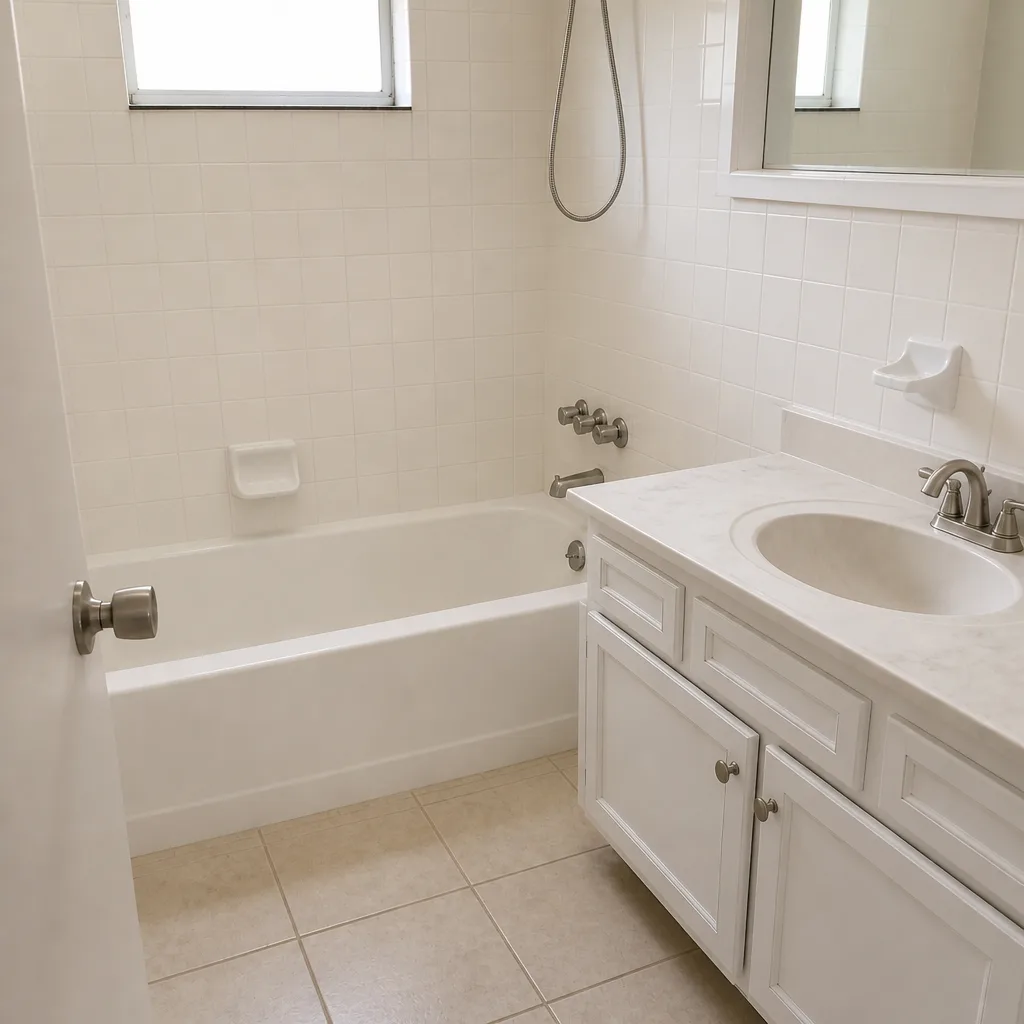 After
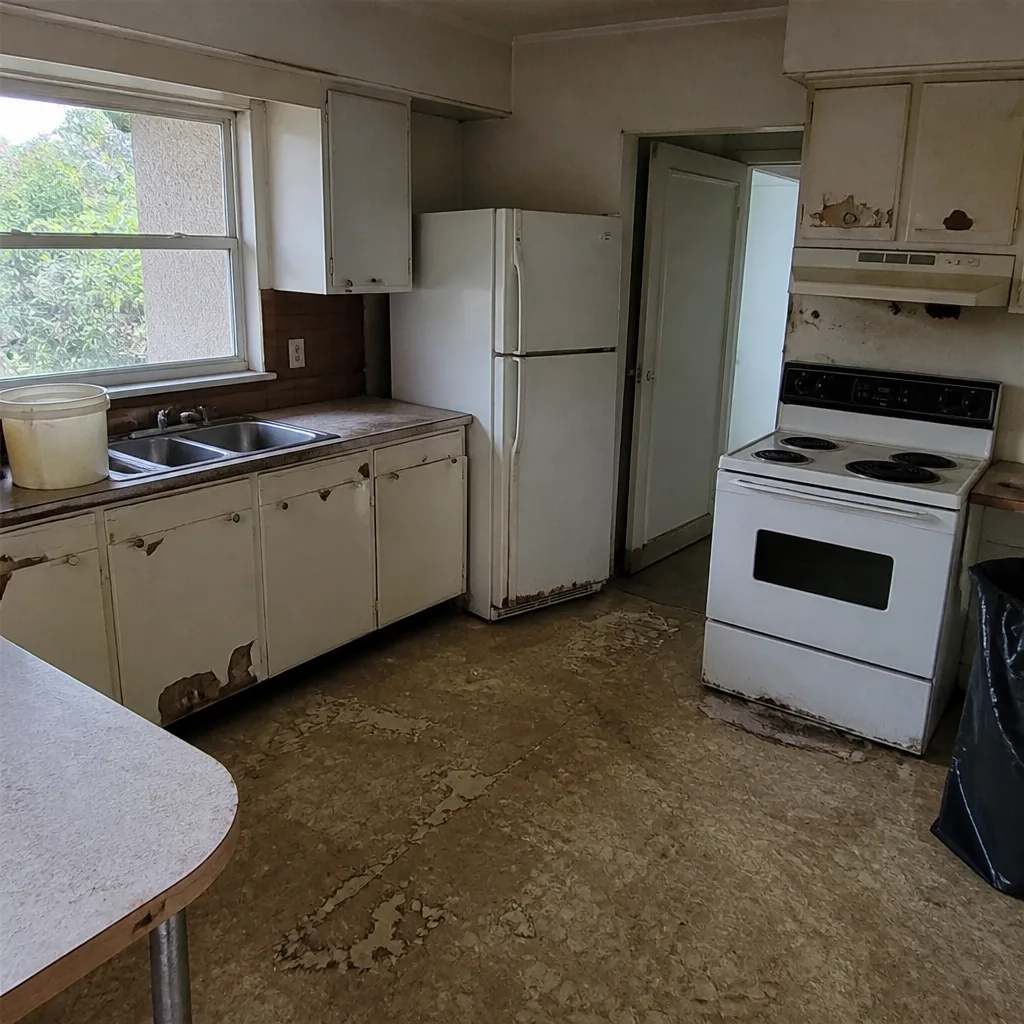 Before
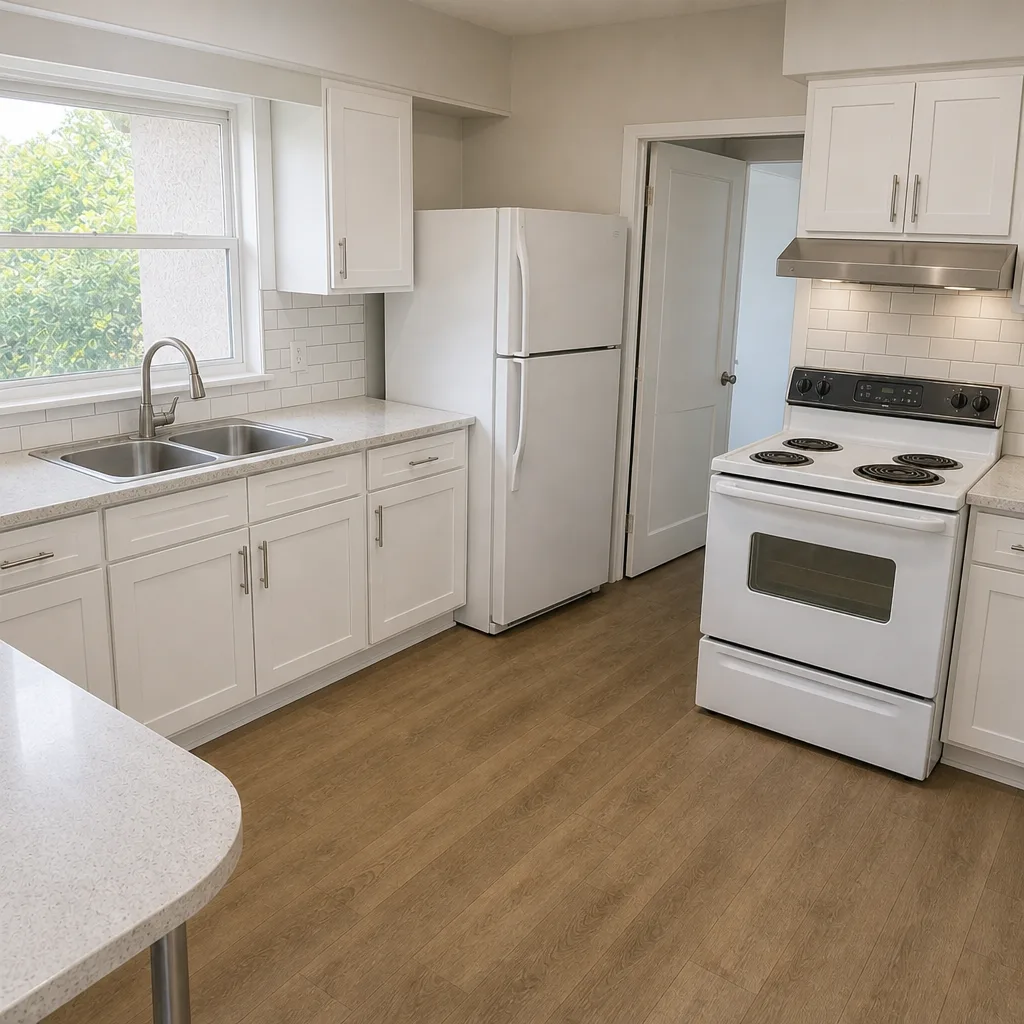 After
Home Addition vs ADU in North Miami Beach: Which One Actually Pays You Back?
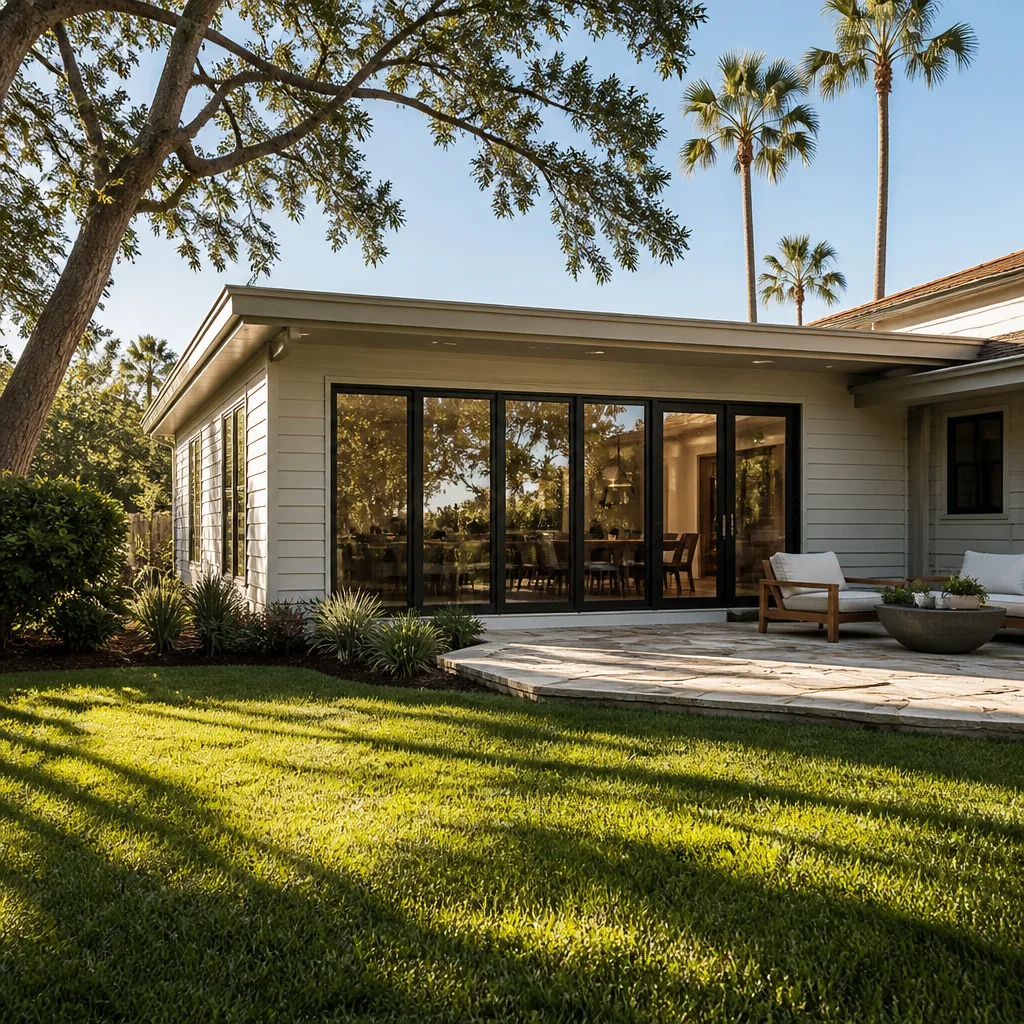
Choose a detached ADU if you want monthly rental income and you have a lot that clears North Miami Beach’s coverage limits. Choose an attached home addition if your goal is long-term resale value, more space for your own household, and no second dwelling policy on your insurance. That’s the short answer. The longer answer is where most homeowners get tripped up, because the two paths pull very different levers on Miami-Dade zoning, foundations, taxes, and monthly carrying costs. We build both, and we’ve watched plenty of homeowners talk themselves into the wrong one. If you want a straight read on your own property, call (844) 797-4868 and we’ll walk through it with you.
A home addition raises your assessed value and your property tax bill in the same tax cycle it’s completed. A detached ADU in North Miami Beach can rent for $1,800-$2,500 a month, but it also needs a standalone foundation engineered above the water table, a separate utility connection plan, and its own insurance policy. Neither path is automatically “the smart one.” The right call depends on your lot, your taxes, and how you feel about being a landlord.
The Real Financial Trade-Off Nobody Models For You
Most ADU-vs-addition calculators online were built for California or Oregon lots on dry, flat ground. They don’t fit North Miami Beach, and the numbers they spit out miss the costs that actually hit your bank account here.
Here’s the part that surprises people: Miami-Dade’s homestead exemption applies to your primary home, not to the rental income an ADU generates. So the ADU adds a rentable structure, but the income is taxable, and the structure itself changes your insurance picture. An attached addition usually folds under your existing homeowner’s policy after a simple endorsement. A detached ADU needs its own dwelling policy, which in this coastal market runs roughly $800-$1,500 a year in added carrying cost. That’s money out the door before you’ve fixed a single repair.
Run the net picture, not the gross. Rental income minus added insurance, minus the tax on that income, minus the extra utility load of a second dwelling. Some North Miami Beach properties come out well ahead with an ADU. Others don’t, once you’re honest about the carrying costs.
Side-by-side: what each path means in North Miami Beach
| Factor | Attached Home Addition | Detached ADU |
|---|---|---|
| Typical project range | $53,100-$153,400 | $106,200-$259,600 |
| Income potential | None directly (raises resale value) | $1,800-$2,500/month |
| Insurance | Usually folds into existing policy via endorsement | Needs a separate dwelling policy ($800-$1,500/yr) |
| Property tax | Raises assessed value right away | Raises assessed value; rental income is taxable, homestead doesn’t cover it |
| Foundation | Engineered footing if it extends past the existing slab | Standalone foundation engineered above the water table |
| Utilities | Ties into existing service | Separate connection plan |
| Lot coverage | Generally fits existing footprint rules more easily | May need a variance on tighter parcels |
When you look at the ranges, the ADU starts roughly double the addition. That gap is real, and it’s driven by the standalone foundation, the separate utilities, and the extra permitting layers. But the return paths are different, which is why the decision isn’t purely about the upfront number.
Why North Miami Beach Lots and Foundations Change the Math
This city sits on the Biscayne Aquifer and inside Miami-Dade County’s High Velocity Hurricane Zone, so every project here answers to some of the strictest wind-load and flood-proofing rules in the country. That’s the backdrop. The specific wrinkle for additions and ADUs is the ground itself.
Many of the mid-century homes west of Biscayne Boulevard sit on shallow footings just above the water table. That matters for both paths. If your addition’s footprint extends beyond the existing slab, the City of North Miami Beach building department will typically want a geotechnical report and an engineered footing before it issues a foundation permit. A detached ADU needs that standalone foundation no matter what, because it’s a new structure. On this one line item, the cost and timeline gap between an addition and an ADU narrows more than people expect. The addition isn’t automatically the cheap path if it has to pour new engineered footings over the same high water table.
North Miami Beach’s residential core is dominated by 1950s-1970s single-story concrete-block and stucco ranch homes, many with original plumbing and flat or low-slope roofs. Working on these means running into aging structural systems and non-conforming lot coverage that has to be brought up to current Miami-Dade code. That’s not a scare tactic. It’s just what a pre-project site review turns up again and again.
Lot Coverage: The Constraint That Decides It Before Design Even Starts
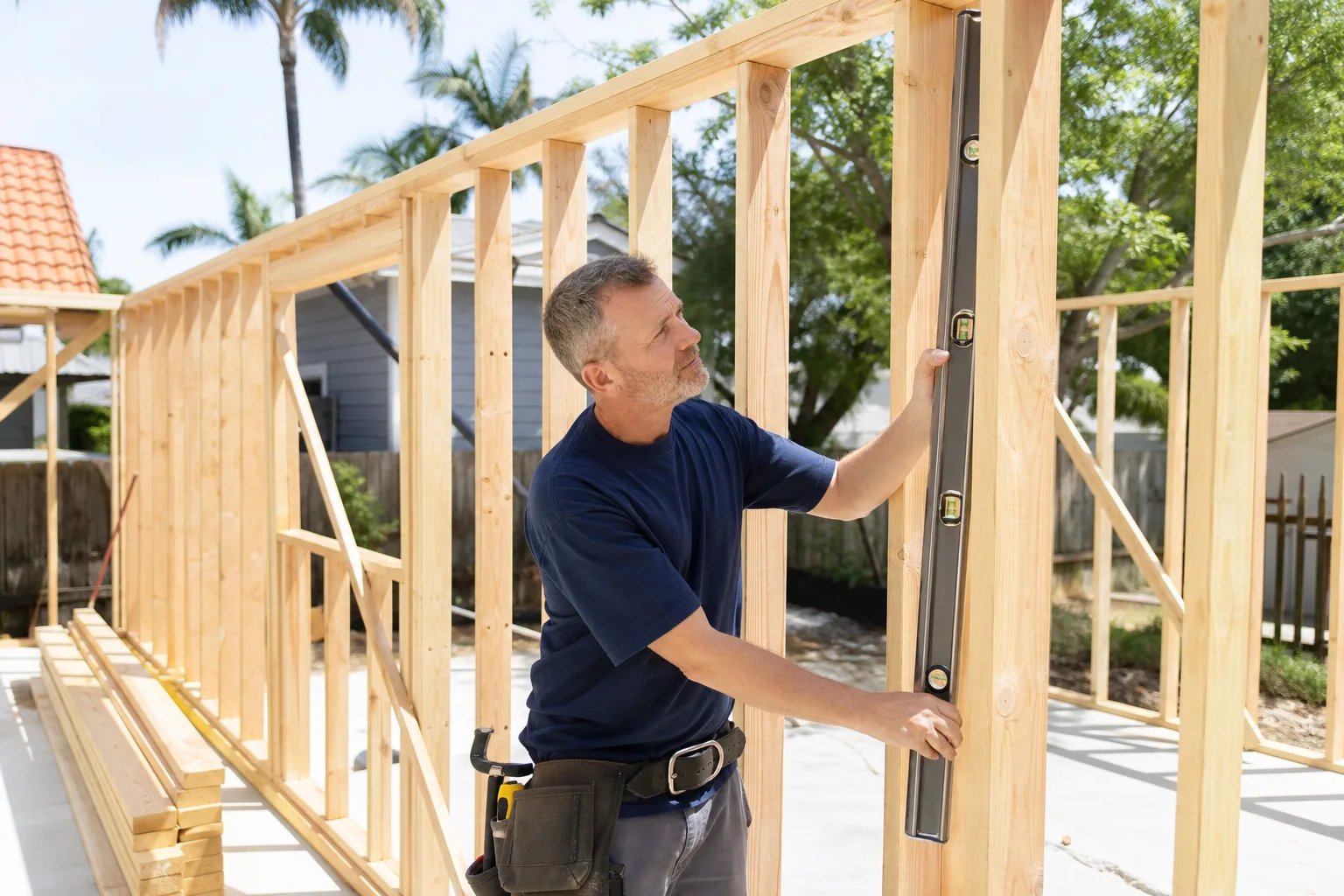
North Miami Beach enforces lot-coverage maximums, and some parcels simply can’t support a detached ADU without a variance. If your lot is already pushing its coverage limit with the house, a driveway, and a pool, a detached structure may not be allowed at all. That’s a fact worth knowing before you spend a dollar on design.
An attached addition often fits inside the existing footprint rules more comfortably. But not always. This is exactly why our pre-project site review happens first. We identify the coverage question before design dollars are spent, not after the architect has drawn something the city won’t approve. On more than a few North Miami Beach parcels, the “ADU is better” plan quietly becomes an addition once the coverage math is on paper.
Read our full breakdown of Home Additions & ADU in North Miami Beach for the permitting layers and timeline details specific to this city.
One Contract, One Point of Contact, Either Direction
We handle both paths under a single contract and a single point of contact. No juggling a general contractor for the addition and a separate ADU specialist for the cottage in the back. Same Home Additions & ADU team, same schedule, same accountability.
Whether you build out or build back, the work is covered by our 730-Day Done Right Promise: if it’s not done right, we make it right. That’s one of the longest workmanship guarantees in residential construction, and it applies to whichever direction you choose. Our technicians have up to 12 years of experience, they’re background-checked and arrive in uniform, and we use trusted brand partners like Andersen and Therma-Tru for the windows and doors that go into these projects.
Pricing is upfront, the number you see is the number you pay, and it’s backed by 0% financing for 18 months plus $1,000 off projects over $10,000. For a large-scope build, that financing removes a lot of the guesswork from the budget conversation.
Key Takeaways
- Choose an ADU for rental income of $1,800-$2,500/month; choose an addition for resale value and household space with no landlord duties.
- Model the net, not the gross: subtract the separate ADU insurance policy, the tax on rental income, and the extra utility load.
- Homestead exemption covers your primary home, not ADU rental income.
- Both paths often need engineered footings above the water table in North Miami Beach’s 1950s ranch neighborhoods.
- Lot-coverage limits can rule out a detached ADU before design starts. Confirm yours early.
FAQs
It depends on whether you want rental income or resale value. An ADU earns $1,800-$2,500 a month but costs roughly $106,200-$259,600 to build and carries a separate insurance policy of $800-$1,500 a year. An addition at $53,100-$153,400 raises your home’s assessed value and folds into your existing policy. Call (844) 797-4868 and we’ll model both against your actual property.
Sometimes, but lot-coverage maximums rule it out on many parcels without a variance. If your lot already uses most of its coverage with the house, driveway, and pool, a detached structure may not be permitted. We check this in a pre-project site review before design dollars are spent. Call us for a no-pressure assessment.
Yes. An ADU raises your assessed value, and the homestead exemption applies to your primary home, not to the rental income the ADU generates. That’s why the net financial picture matters more than gross rent. For an exact quote on the build, call (844) 797-4868. Estimates are free.
Often, yes. If an addition extends past the existing slab, or if you build a detached ADU, the city building department will typically want a geotechnical report and an engineered footing above the high water table. That narrows the cost gap between the two paths more than most people expect.
Ready to Decide?
If you’d rather have it looked at in person than guess from a calculator, Groundwork Construction Co. of North Miami Beach offers a no-pressure assessment in North Miami Beach. We’ll review your lot coverage, foundation picture, and the financial path that fits your goals, then give you an upfront number backed by the 730-Day Done Right Promise. Call (844) 797-4868 to schedule your free estimate.
Written by the team at Groundwork Construction Co. of North Miami Beach, serving North Miami Beach, FL.