Free written scope consultation - allowances, timeline, and change-order rules on paper before a single trade is scheduled
Styles & brands we work with
- Kitchen remodeling
- Bathroom remodeling
- Home additions & ADU
- Roofing
- Windows & doors
- Driveway & pavers
- Fence
See the difference
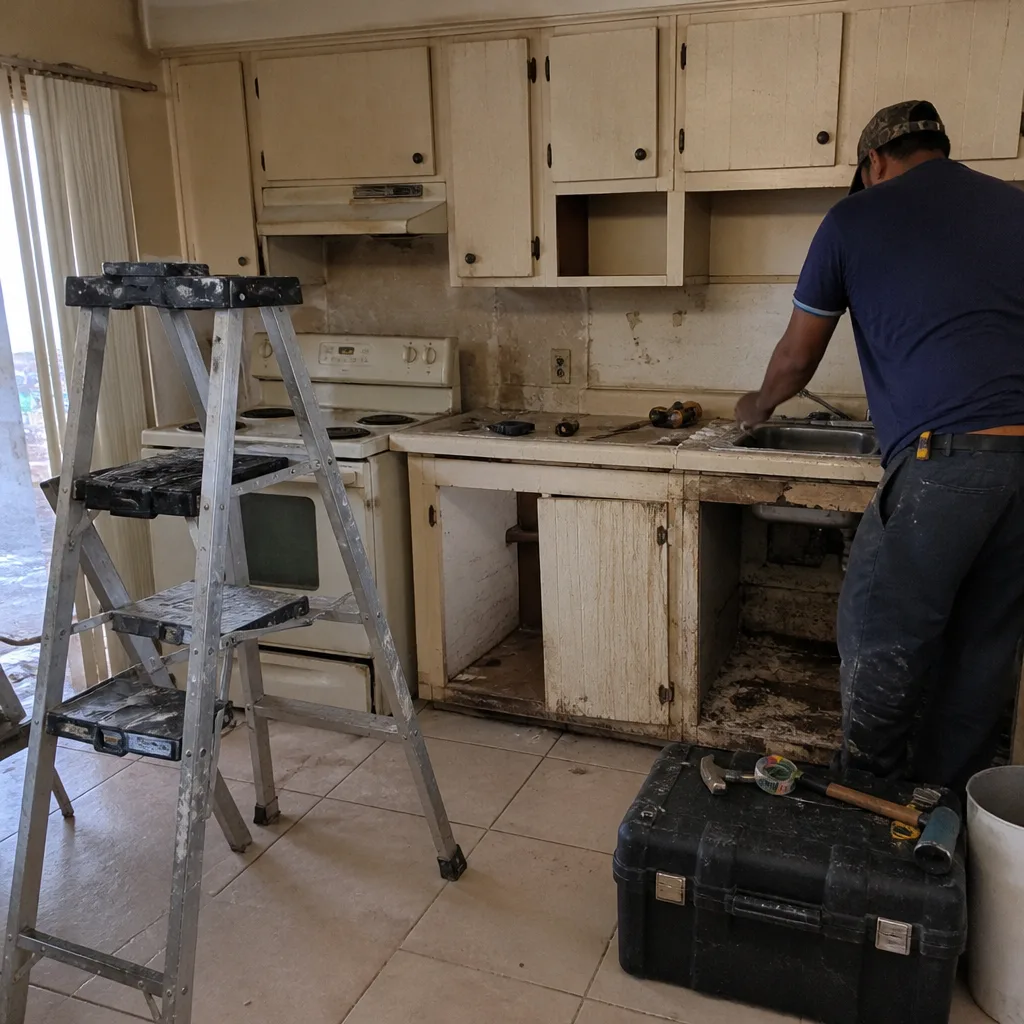 Before
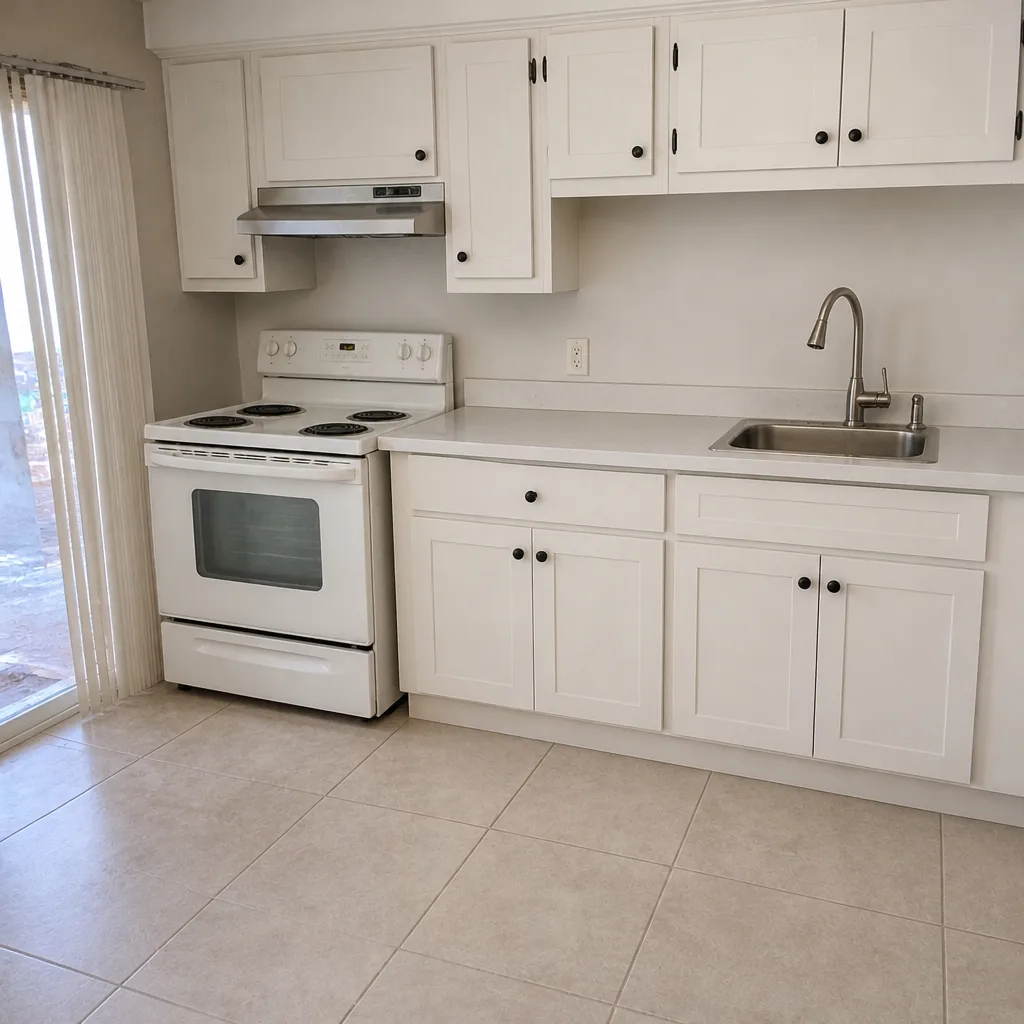 After
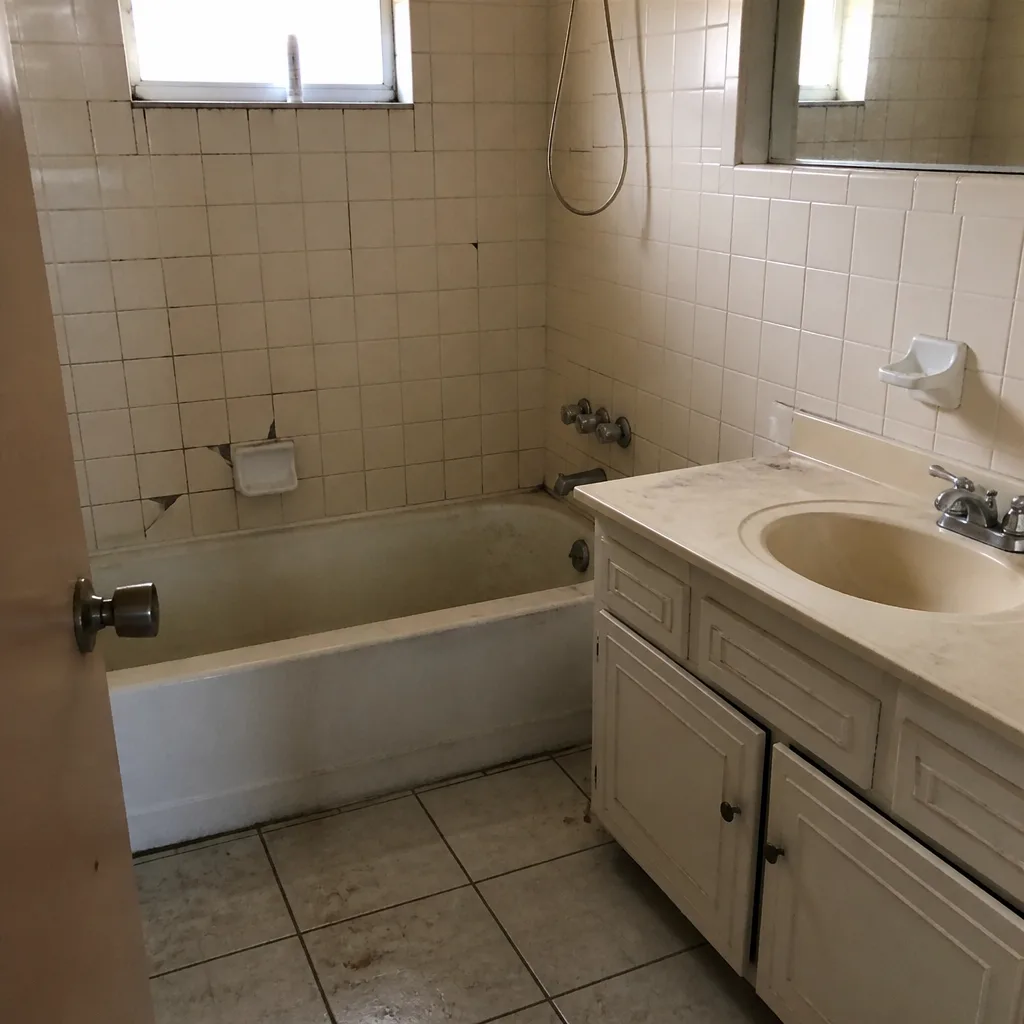 Before
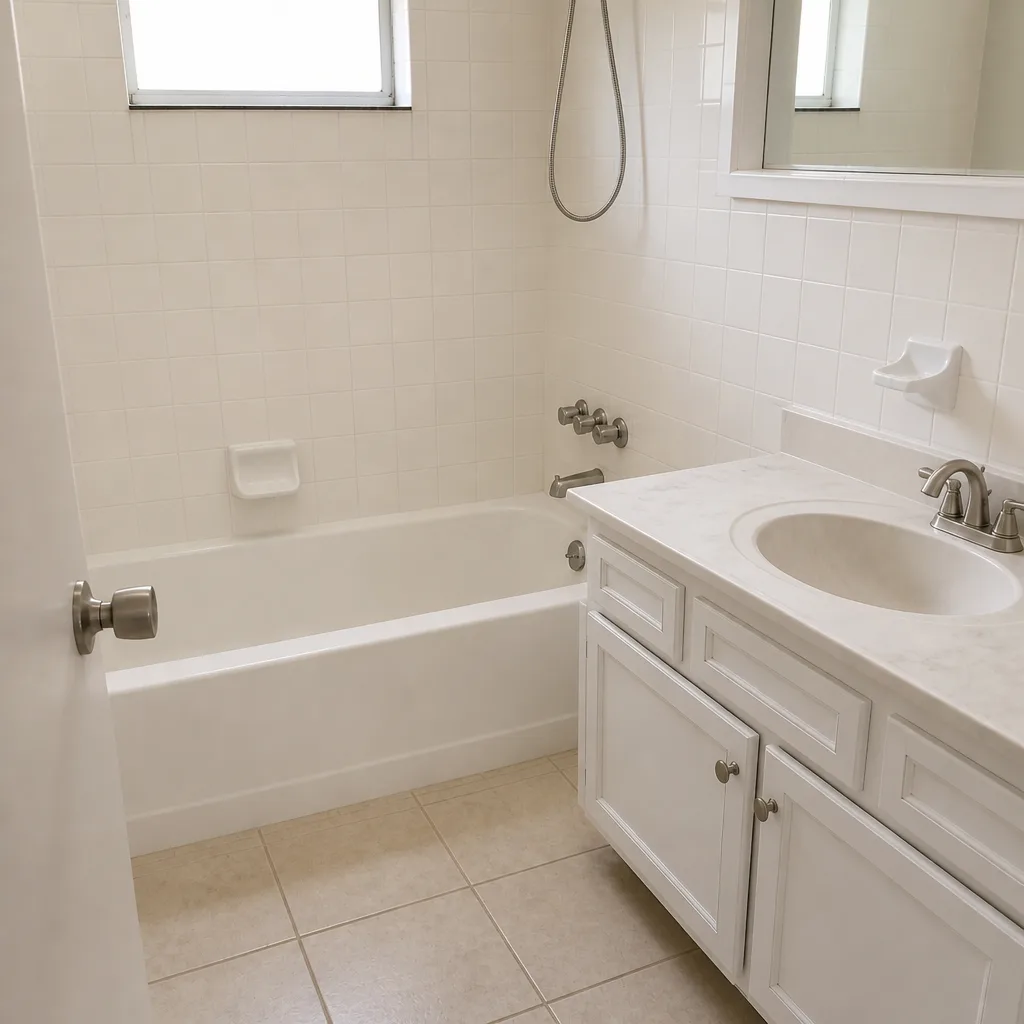 After
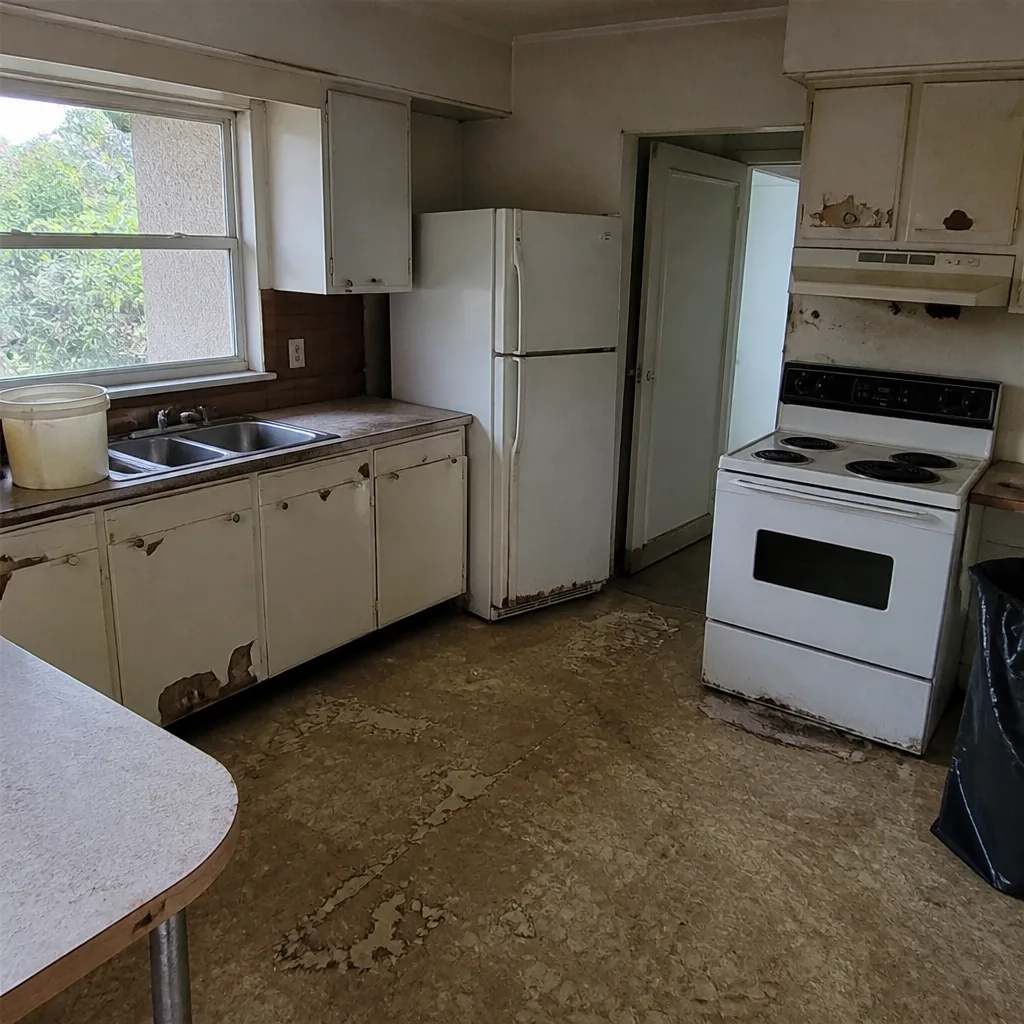 Before
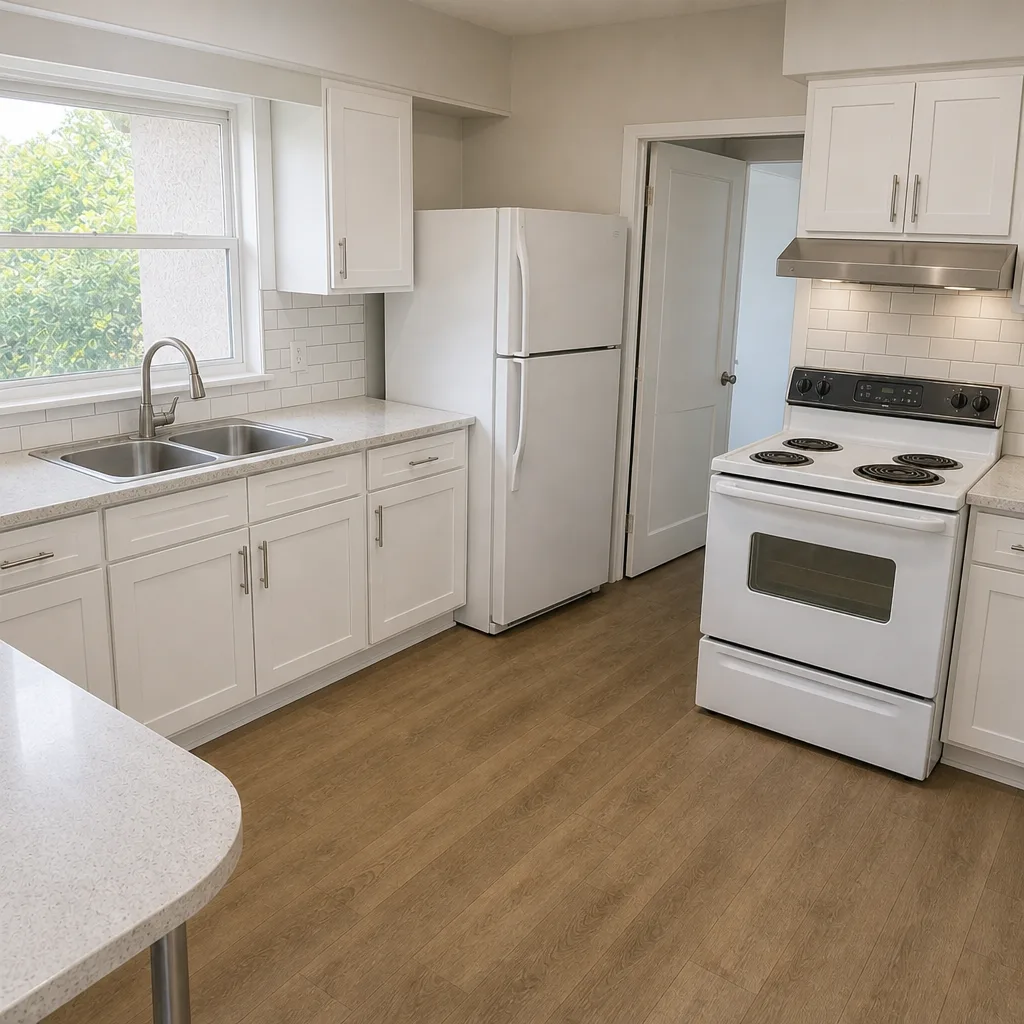 After
Acrylic vs Tile Shower in North Miami Beach, FL: Which One Actually Holds Up?
Choose a one-piece acrylic shower if you want a secondary bath upgraded quickly with no grout to fail, and choose tile only if the installer builds a proper waterproofing system behind it, extending past the shower footprint. In North Miami Beach, that “behind the wall” detail decides whether a tile shower lasts or turns into a mold problem. Mid-century concrete-block homes here absorb moisture differently than framed construction, and our humid, salt-air climate punishes shortcuts. If you’re weighing the call, ring (844) 797-4868 for a straight answer on your specific bathroom.
Key Takeaways
- Acrylic wins on speed, cost, and mold resistance for secondary baths; there’s no grout joint to fail.
- Tile wins on resale character and design freedom in a primary bath, but only with a full waterproofing membrane system over the concrete block.
- South Florida humidity runs 75-80% RH most of the year, which accelerates grout failure and hidden mold growth.
- A North Miami Beach bathroom remodel runs $10,620-$33,040; a walk-in shower alone is $5,310-$14,160.
The Concrete-Block Reality Nobody Mentions in National Comparison Articles
Most acrylic vs tile content online assumes wood-framed walls. That’s not what we’re working with in North Miami Beach. The homes in this city’s core are largely 1950s through 1970s single-story concrete-block and stucco ranches. Concrete masonry unit (CMU) block behaves nothing like a wood-stud cavity. It wicks moisture laterally through the block itself, so water that gets past a shower wall can migrate sideways into adjacent wall cavities, under the floor, or into the room next door.
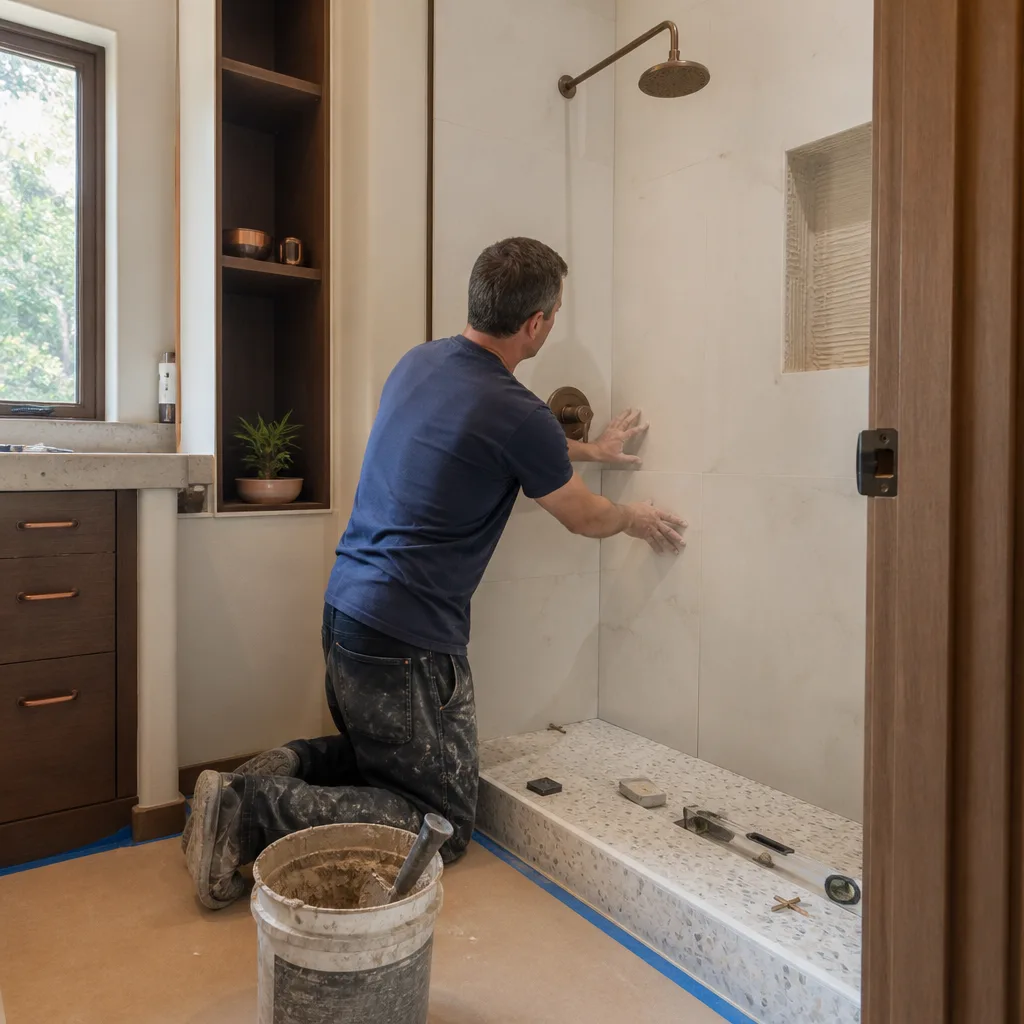
That single fact changes the whole comparison. With tile, the waterproofing membrane has to extend beyond the shower footprint – out past the curb, up the full wall water line, and onto the surrounding substrate – so moisture that reaches the block can’t travel through it. Skip that step and the block becomes a slow-growing reservoir. Within two South Florida rainy seasons you’re looking at mold behind the tile, and renovation crews find it after the tile face still looks perfect.
Acrylic sidesteps this problem entirely. A one-piece or multi-piece acrylic shower is a sealed shell. Water hits the surface and drains. There’s no membrane layer to get wrong, no grout line to seed mold, and no path for the block to wick anything into the wall assembly.
Why Humidity Makes Grout the Weak Point in a Tile Shower
South Florida humidity averages 75-80% relative humidity across the year, and that number stays high inside bathrooms that see daily showers and poor ventilation. Grout is porous. Even sealed grout reabsorbs moisture over time, and once it does, mold gets a home. In a tile shower, this isn’t a cosmetic problem – it’s the leading cause of failure we see when homeowners call about a shower that “looks fine but smells off.”
Proper waterproofing means a full system beneath the tile: a bonded membrane or an uncoupling membrane installed over the block, with seams and penetrations (drain, valve, niche) detailed correctly. A single roll-on coat of surface waterproofing compound isn’t the same thing as a full system, no matter how good the label looks. When our crews spec tile showers in North Miami Beach, they install full uncoupling membrane systems. That waterproofing layer – not just the tile face – is what the 730-Day Done Right Promise covers.
That’s a real difference. Most workmanship guarantees protect the visible finish. Ours reaches the layer you’ll never see, which is exactly the layer that fails first in this climate.
Acrylic Isn’t the Cheap Option – Tile Isn’t Automatically the Upgrade
Here’s where the local conversation diverges from national advice. Acrylic gets framed as the budget choice, and tile gets the premium label. In a North Miami Beach secondary bath, that’s backwards. A one-piece acrylic system has no grout joints, installs fast, wipes clean with a cloth, and won’t host mold behind the wall. For a guest bath or a hall bath used daily by kids, acrylic is the smarter functional upgrade, not a compromise.
Tile earns its premium price in the primary bath, where design and resale value matter and the budget supports a full waterproofing system. It’s worth the investment when the substrate work is done right – and not a dollar more if it isn’t.
Acrylic vs Tile Shower: Side-by-Side for North Miami Beach Homes
| Factor | Acrylic Shower | Tile Shower |
|---|---|---|
| Grout joints to maintain | None | Many; reseal annually |
| Mold risk behind the wall | Very low (sealed shell) | High without a full membrane system |
| Concrete-block moisture wicking | Not a concern | Membrane must extend past footprint |
| Install time | Often 1-2 days | 1-2 weeks with substrate work |
| Typical cost (walk-in) | Lower end of $5,310-$14,160 | Upper end of $5,310-$14,160 |
| Lifespan near Biscayne Bay | Colorants fade over 10-15 years from UV and salt air | Structurally indefinite if waterproofed correctly |
| Best suited for | Secondary bath, quick upgrade | Primary bath, resale-focused redo |
Salt Air and UV: The Longevity Factor Within a Mile of the Coast
If your home sits within a mile of Biscayne Bay or the Atlantic, salt-laden air and intense UV exposure do a number on acrylic colorants. The material itself holds up fine – it’s the finish color that degrades over 10 to 15 years, going chalky or uneven. Tile doesn’t have that problem; it fades with sun and salt far more slowly. Factor in where you live before locking in a material. A coastal condo owner might prefer tile for longevity; an inland homeowner with a shaded secondary bath gets full acrylic value with no downside.
This is also where brand and product selection matter. We work with a curated set of verified manufacturers across every trade, from KraftMaid and Kohler in the bath to Atlas and Tamko on surfacing-adjacent work, so you’re choosing quality, not just availability.
One more local wrinkle: North Miami Beach sits inside Miami-Dade County’s High Velocity Hurricane Zone. Bathroom work itself doesn’t face wind-load rules the way roofing does, but if your remodel touches exterior walls or windows, the city’s permit-heavy timeline kicks in, and everything has to meet current code. That’s why we handle permitting as part of the job – the whole project, from foundation to finish line.
When to Choose Acrylic and When to Choose Tile
The decision comes down to three questions, and the answer usually falls out fast:
- Is this a secondary bath? Acrylic. No grout, no mold, fast install, lower cost.
- Is this your primary bath and resale matters? Tile, with a full waterproofing system, no shortcuts.
- Are you within a mile of the coast? Weigh acrylic’s 10-15 year color lifespan against tile’s longevity.
For most North Miami Beach homeowners we talk to, a small bathroom remodel with a one-piece acrylic shower lands in the $5,900-$14,160 range, and a walk-in shower runs $5,310-$14,160 depending on size and fixtures. If we’re converting a tub to a shower, expect $4,130-$11,800. A full-tile primary bath brings the total Bathroom Remodeling in North Miami Beach project into the $10,620-$33,040 band, mostly because the substrate and waterproofing work adds labor. It’s the part nobody sees, and it’s the part that matters most.
Our Bathroom Remodeling team handles the whole scope: demo, plumbing rough-in, membrane, tile or acrylic install, and trim. Upfront pricing, no surprises, and every job backed by the 730-Day Done Right Promise. If the waterproofing ever fails, we make it right. Most jobs are completed in a single visit for acrylic; tile takes longer by design.
FAQs
Acrylic is generally better in North Miami Beach’s humidity because it has no grout joints to absorb moisture and no hollow cavity for mold to grow. Tile can work well too, but only with a full waterproofing membrane system installed over the concrete-block walls. Without that, grout failure and hidden mold are common within two rainy seasons. Call us to talk through your specific bathroom.
An acrylic walk-in shower or tile walk-in in North Miami Beach typically runs $5,310-$14,160, with acrylic landing toward the lower end and tile toward the upper end because of the substrate and membrane work. A tub-to-shower conversion is $4,130-$11,800, and a full bathroom remodel is $10,620-$33,040. For an exact quote on your bathroom, call (844) 797-4868 – estimates are free.
Yes. Every tile shower needs a continuous waterproofing layer behind the tile, and in a North Miami Beach concrete-block home that membrane must extend beyond the shower footprint so moisture can’t wick laterally through the block. A single surface coat isn’t enough. We install full uncoupling membrane systems and back the waterproofing layer with our 730-Day Done Right Promise.
Often, yes. A one-piece or multi-piece acrylic shower can typically be set in a single visit once the old unit is removed and the drain is in good shape. Tile showers take longer because of the waterproofing cure time and tile setting. Call (844) 797-4868 and we’ll give you a realistic timeline for your North Miami Beach home – we answer live, 24/7.
If you’d rather have it looked at, Groundwork Construction Co. of North Miami Beach offers a no-pressure assessment in North Miami Beach – call (844) 797-4868. We’ll look at your walls, your plumbing, and how the space actually lives, then tell you straight whether acrylic or tile is the right system for your home. No upselling, no guesswork.
Written by the team at Groundwork Construction Co. of North Miami Beach, serving North Miami Beach, FL.