




Free written scope consultation - allowances, timeline, and change-order rules on paper before a single trade is scheduled
Styles & brands we work with
- Kitchen remodeling
- Bathroom remodeling
- Home additions & ADU
- Roofing
- Windows & doors
- Driveway & pavers
- Fence
See the difference
 Before
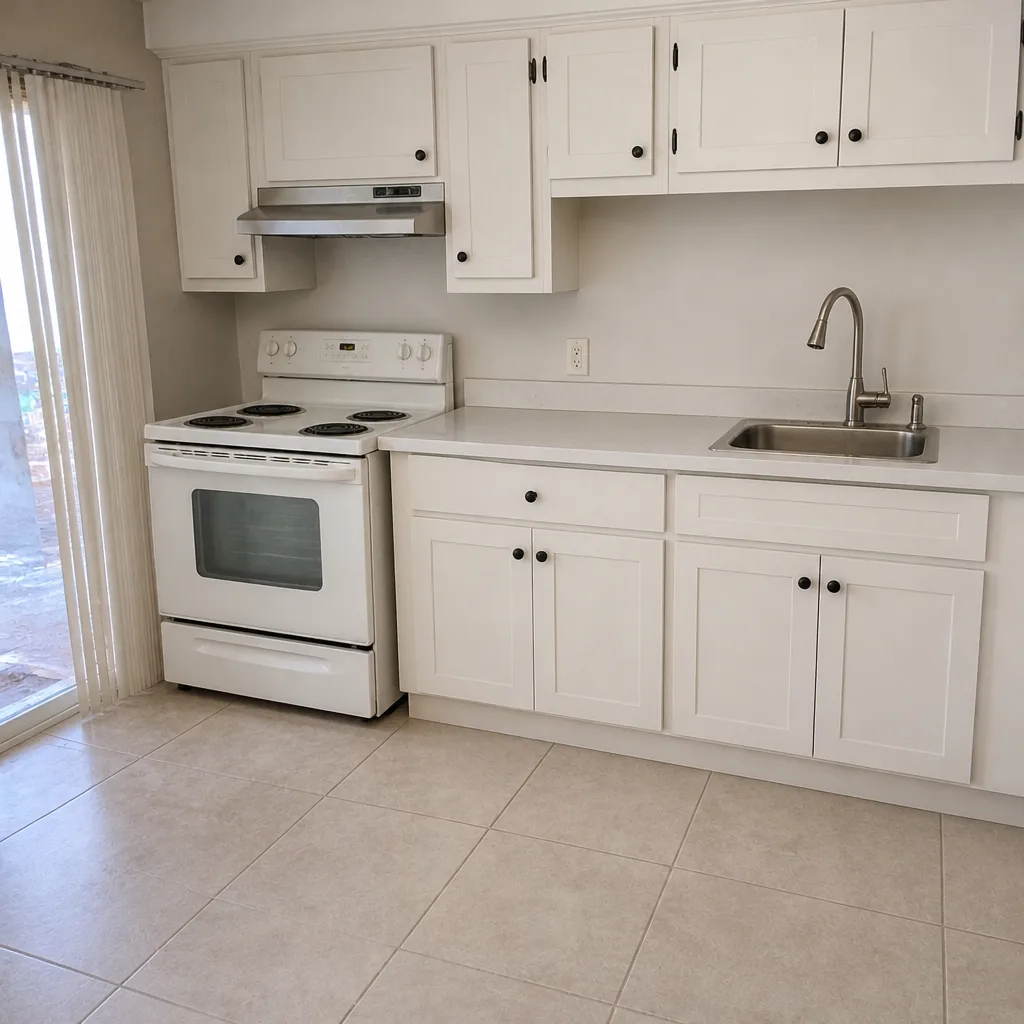 After
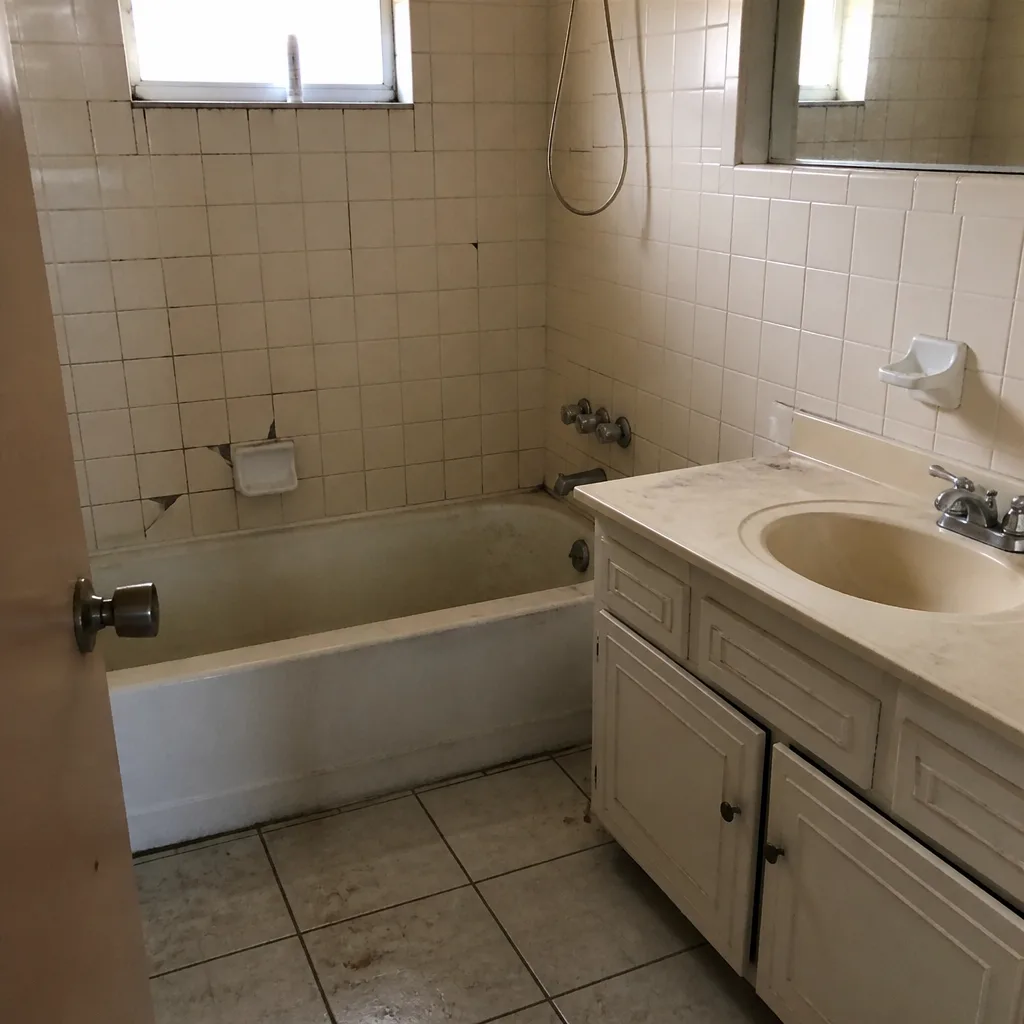 Before
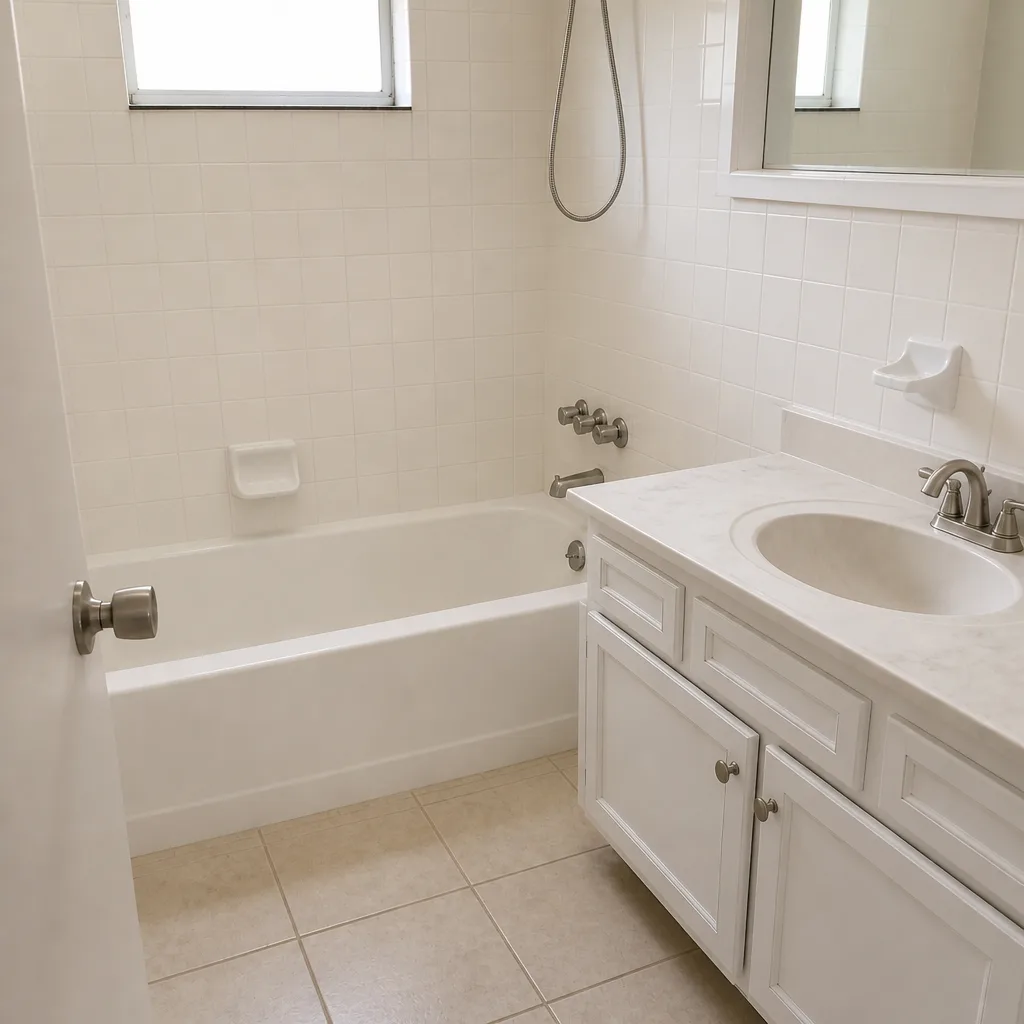 After
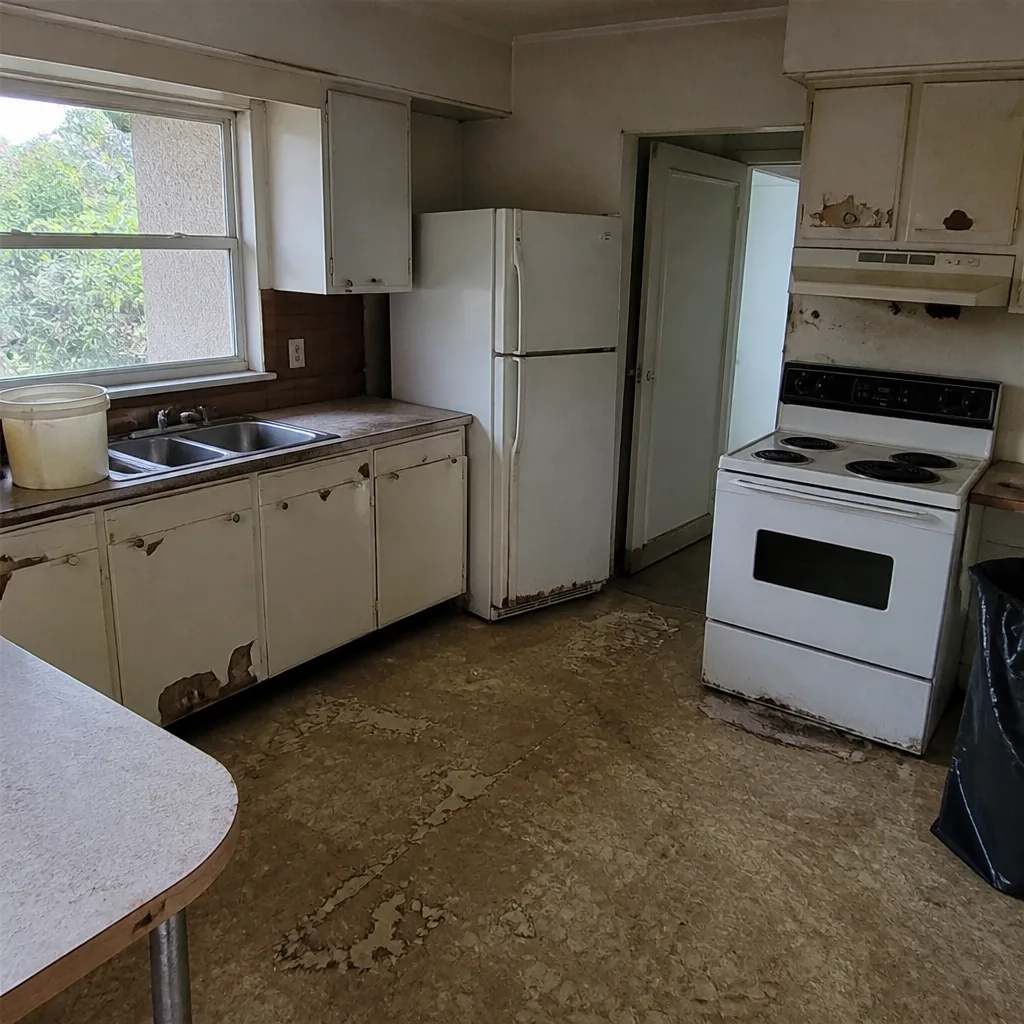 Before
 After
Roof Hail Damage Signs in North Miami Beach, FL: What Miami-Dade Adjusters Actually Look For
The signs of hail damage on a North Miami Beach roof are granule loss in circular patterns with exposed mat on shingles, cracked or hollow-sounding tiles, and punctures near the seams of flat TPO – and the ones that count for an insurance claim are the marks that compromise waterproofing, not the surface scuffs. South Florida hail is uncommon but intense when it lands, and Miami-Dade adjusters weigh claims against a specific functional damage standard rather than a visual checklist. Knowing what that standard measures, and how to document it, matters more than any generic list. If you’d rather have a trained eye on it, call Groundwork Construction Co. of North Miami Beach at (844) 797-4868.
Why South Florida Storms Hit Differently, and Why the Housing Stock Matters
North Miami Beach’s residential core runs to 1950s through 1970s single-story concrete-block and stucco ranch homes, many still carrying original roofs or first-generation replacements, alongside mid-rise buildings and commercial strips along the U.S. 1 corridor. That mix changes how hail shows up. On a low-slope or flat roof over a mid-century ranch, hail impact tends to concentrate along seams and drains rather than across open field. On a pitched shingle roof, damage clusters where the plane faces the storm’s approach. We see both constantly on the same street.
The city sits inside Miami-Dade County’s High Velocity Hurricane Zone, so nearly every roof here carries a product approval – a Notice of Acceptance, or NOA – tied to wind performance and, in some cases, to the integrity of the roof’s surface coating. That’s the part most homeowners never hear about. Hail that strips granule coverage from an HVHZ-listed shingle doesn’t just shorten the roof’s life. It can void the NOA certification, which means the roof is technically non-compliant even on a week when it isn’t leaking. When you file, that detail cuts both ways: it strengthens the argument that damage is functional rather than cosmetic, and it raises the stakes on doing the repair correctly.
Functional vs. Cosmetic Damage: The Distinction That Decides Claims in North Miami Beach
Under Florida insurance practice, functional damage means the hail impact compromises the roof’s ability to shed water or meet its rated performance. Cosmetic damage means the mark is visible but waterproofing is intact. A dent in a metal panel that breaks the sealant or coating is functional and typically covered. A surface scuff that doesn’t reach the mat or the membrane is cosmetic and routinely denied. The line between them turns on measurements and photo documentation, not opinion.
That’s where homeowners can help themselves before an adjuster ever climbs the ladder. What we ask clients to gather:
- Dated photos from the ground, taken right after the storm, showing the roof plane and any visible bruising.
- A written note of the storm date and time, plus any nearby reports of hail – adjusters compare your claim against regional storm data.
- Interior evidence, including fresh ceiling stains or daylight at flashing, photographed with a ruler for scale.
- Your roof’s NOA or product documentation if you have it – it establishes what the roof was rated to do before the damage.
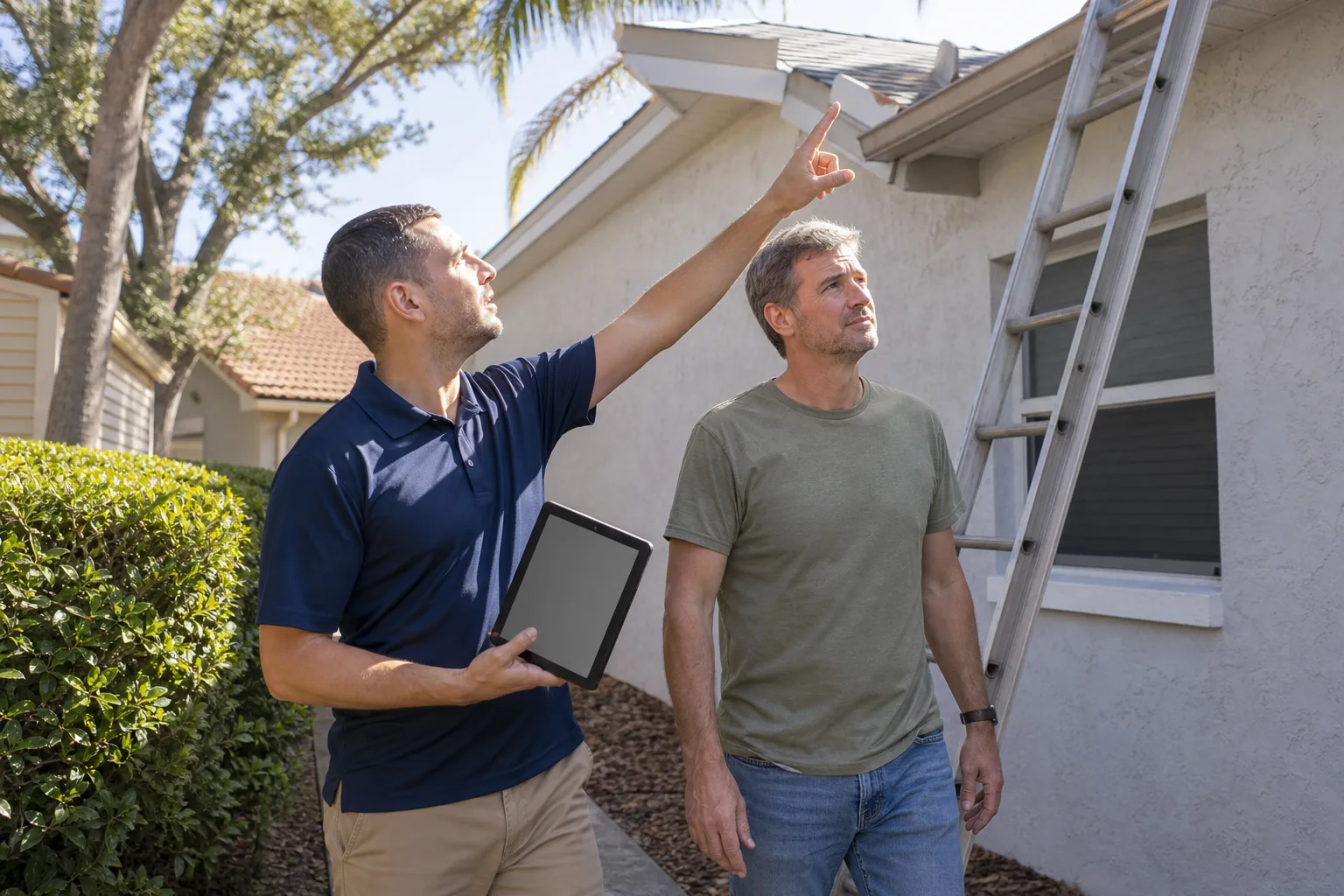
A credentialed inspection with measured, photo-documented findings is the foundation of a defensible claim. Our technicians are background-checked and arrive in uniform, and they’ve spent up to 12 years on Miami-Dade roofs learning exactly what an adjuster will and won’t accept. That’s the opposite of the unmarked van that appears in a neighborhood the week after a weather event.
What to Look For, Roof Type by Roof Type
The indicators shift with the material, and so does the standard an inspector applies. Here’s how we read each one on North Miami Beach homes.
Architectural Shingles
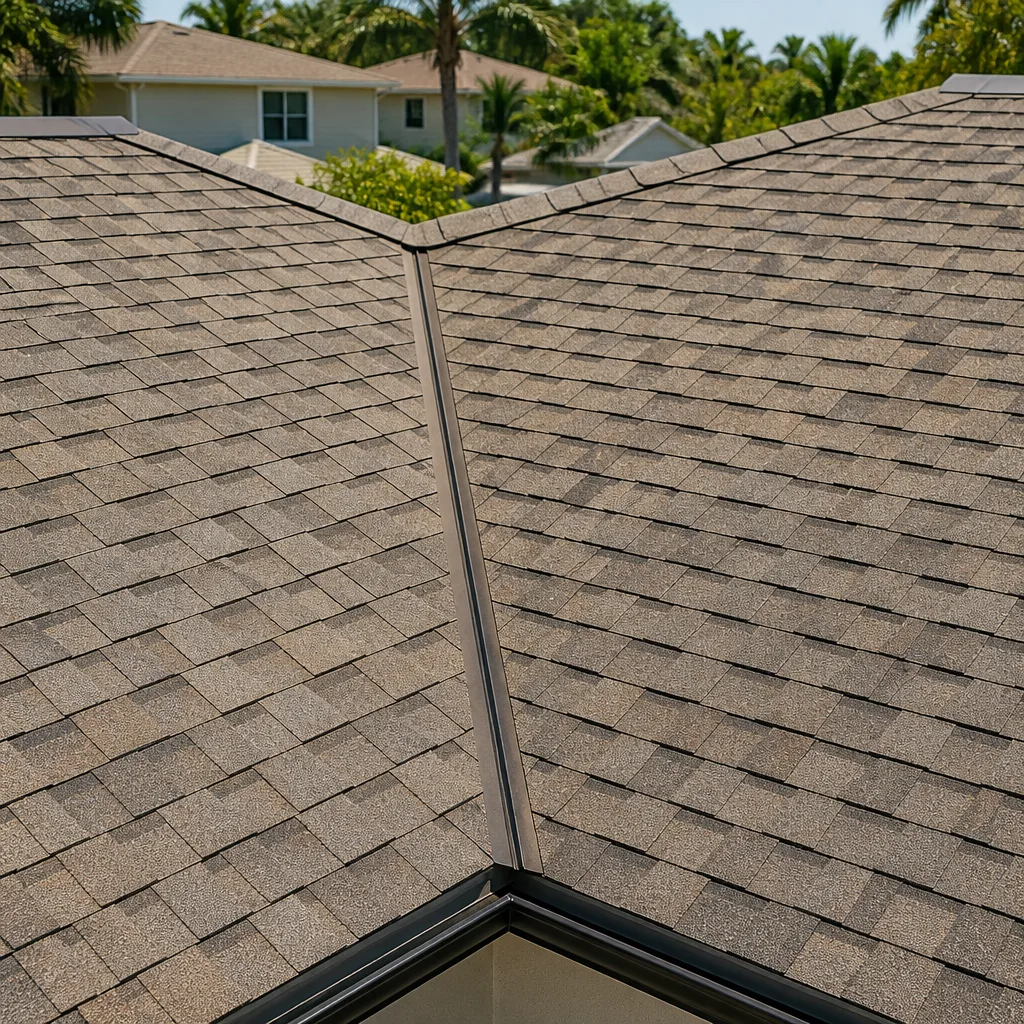
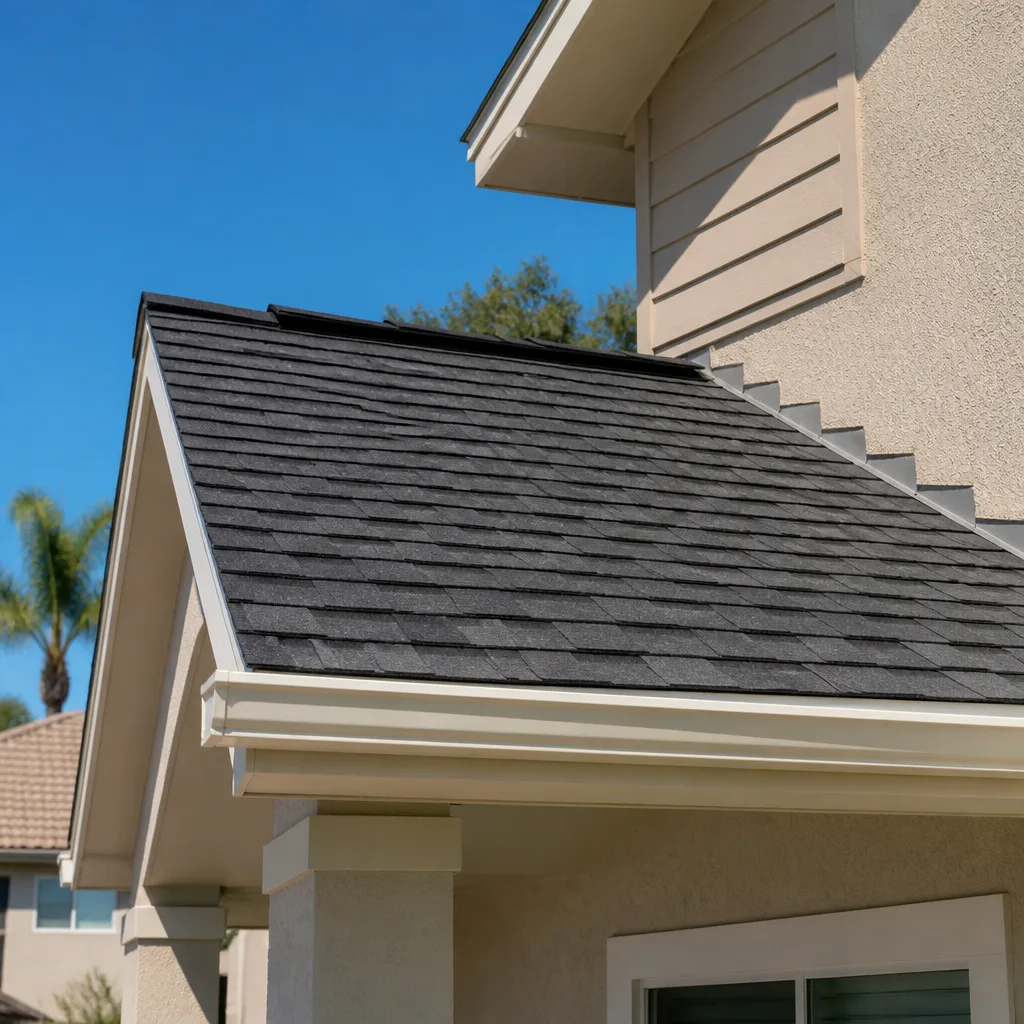
Look for granule loss in circular patterns with exposed mat showing through – not the even, gradual wear of an aging roof, but clustered spots where hail struck. Check the south and west-facing planes first; they take the brunt.
Clay and Concrete Tile
Tap tiles gently with a soft tool and listen. An intact tile rings clear; a cracked one sounds hollow or dull. Hail often fractures the underside without breaking the surface, so the sound is the tell. Tile roof repair in North Miami Beach runs $710-$2,950 depending on how many tiles are involved and whether underlayment was compromised.
Flat TPO and Modified Bitumen
Punctures near seams and around drains are the ones that matter, and they’re frequently invisible from standing height. A membrane that looks fine can be holding a pinhole that lets water into the deck for months. This is where a professional inspection earns its keep.
The Inspection Queue Is the Real Deadline After a Storm
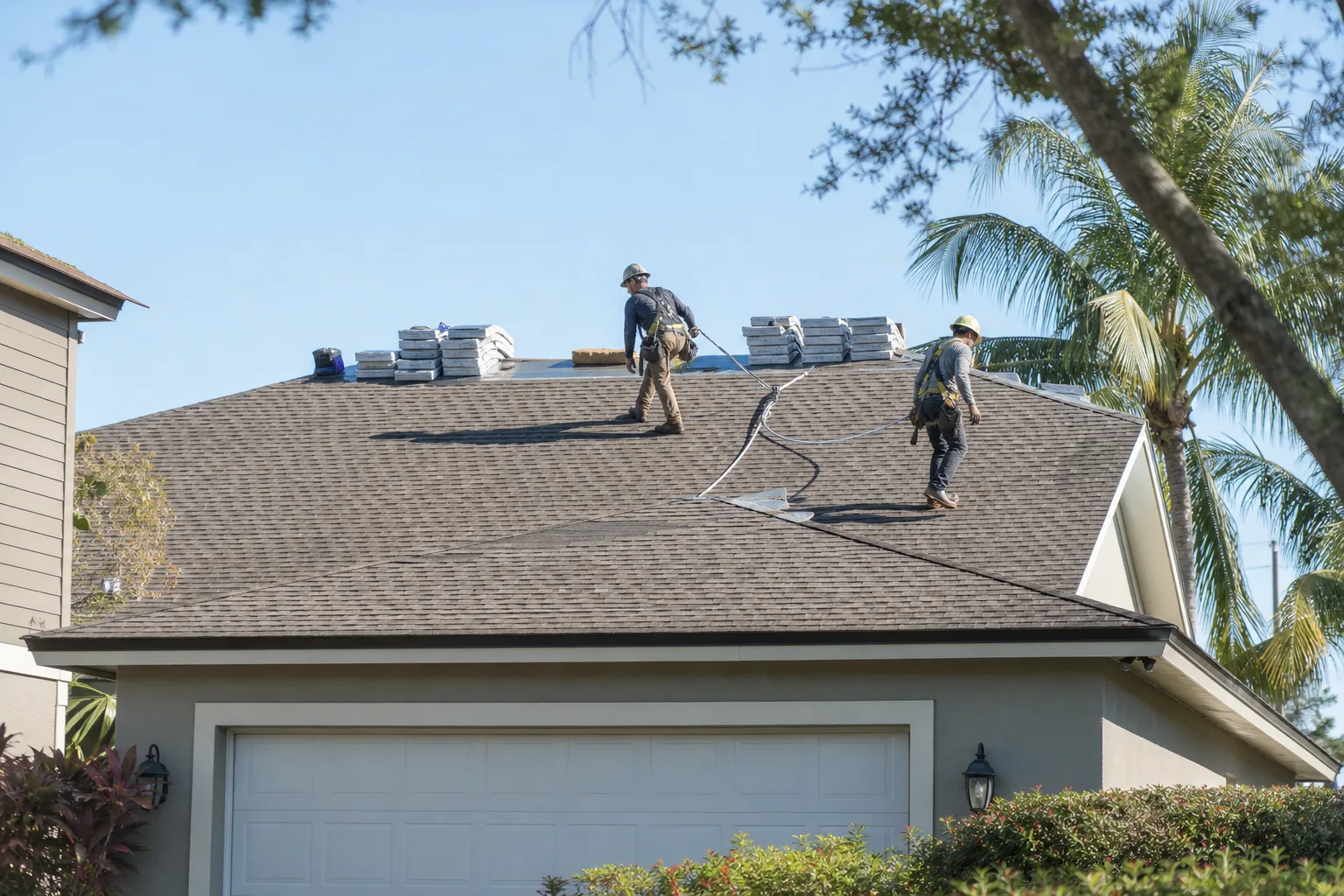
After a hail or wind event in Miami-Dade, licensed roofing inspectors and insurance adjusters book out three to six weeks. The homeowners who get into the queue within 48 hours are the ones filing a February claim; the ones who wait until the neighbor’s tarp goes up are filing in June. That gap is the single biggest practical variable in the whole process, and it has nothing to do with how bad the damage is.
Two things worth knowing about the wait. First, most policies require you to mitigate further damage – a tarp or emergency repair counts, and doing it promptly protects the claim. Second, a documented inspection from a credentialed contractor carries weight in the queue; it gives your insurer a complete file to work from instead of a two-line report from a storm chaser. Roof repair in North Miami Beach typically runs $470-$2,125, and roof replacement runs $9,440-$23,600, so getting the scope right before the adjuster arrives keeps the numbers honest.
| Service | Typical North Miami Beach Range |
|---|---|
| Roof repair (hail or impact) | $470-$2,125 |
| Tile roof repair | $710-$2,950 |
| Full roof replacement | $9,440-$23,600 |
| Metal roof installation | $17,700-$47,200 |
We install with GAF and CertainTeed systems so the replacement carries a real product warranty alongside our 730-Day Done Right Promise. From foundation to finish line, every project is backed in writing, and pricing is upfront with no surprises. Financing at 0% for 18 months and $1,000 off projects over $10,000 help when a covered repair turns into a full replacement. You can see the full scope of what we handle on our Roofing page and our home page, or explore the North Miami Beach service area for local details.
A Note on Who’s Doing the Looking
Hail claims get dismissed for the same reason every time: the documentation didn’t match the standard. A contractor who shows up in an unmarked van, points at the roof, and promises to “handle the insurance” is a liability, not a shortcut. Groundwork Construction Co. of North Miami Beach sends background-checked, uniformed technicians with cameras and clipboards, not sales pitches. A live person answers our phones 24/7, so when a storm rolls through at 9 p.m. on a Sunday, someone picks up and gets you on the calendar before the queue fills.
FAQs
The main signs are granule loss in circular patterns with exposed mat on shingles, cracked or dull-sounding tiles, dents or coating damage on metal, and punctures near seams on flat membranes. Interior water stains or daylight at flashing can confirm it. If you spot any of these, call (844) 797-4868 for a free inspection – estimates are no-hassle and upfront.
Coverage typically applies to functional damage – marks that compromise waterproofing or rated performance – while cosmetic scuffs are commonly denied. Miami-Dade adjusters measure rather than eyeball, so photo documentation and product records matter. Call us for an exact read on your roof before you file; the consultation is free.
Florida law generally gives homeowners a limited window, and many policies require prompt notice plus mitigation of further damage. That’s why getting a documented inspection within 48 hours of a storm matters more than waiting on your neighbor’s decision. Call (844) 797-4868 to get into the queue – a live person answers day or night.
Yes – on HVHZ-listed shingles, compromised granule coverage can strip the product’s NOA compliance even when the roof doesn’t leak yet. That makes the damage a code issue, not just a cosmetic one. We document it thoroughly so the claim reflects the real condition; call for a free assessment.
Get Your Roof Looked At Before the Queue Fills
If you’d rather have it looked at, Groundwork Construction Co. of North Miami Beach offers a no-pressure assessment in North Miami Beach – call (844) 797-4868. We’ll document what we find, explain the functional-versus-cosmetic distinction in plain terms, and give you upfront pricing before any work begins. Most inspections take under an hour, and the estimate is free.
Written by the team at Groundwork Construction Co. of North Miami Beach, serving North Miami Beach, FL.