Free written scope consultation - allowances, timeline, and change-order rules on paper before a single trade is scheduled
Styles & brands we work with
- Kitchen remodeling
- Bathroom remodeling
- Home additions & ADU
- Roofing
- Windows & doors
- Driveway & pavers
- Fence
See the difference
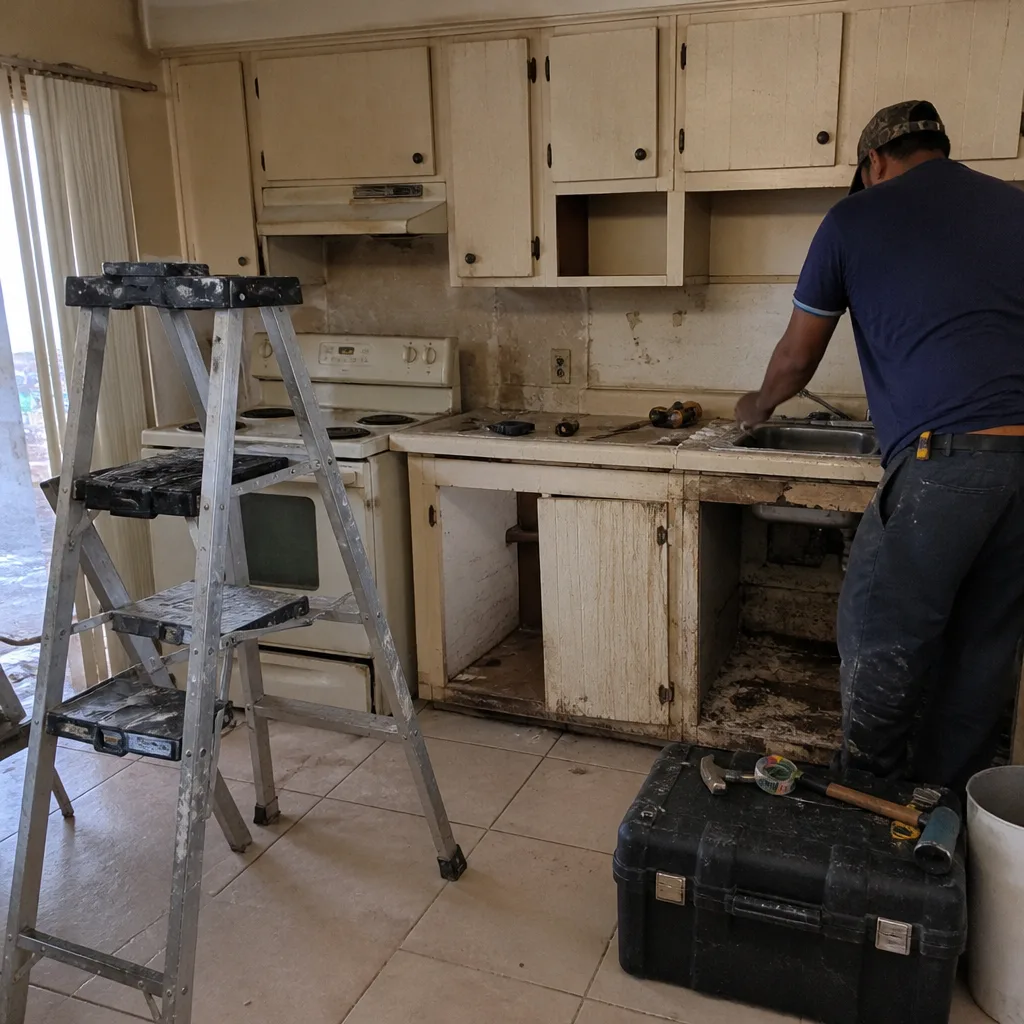 Before
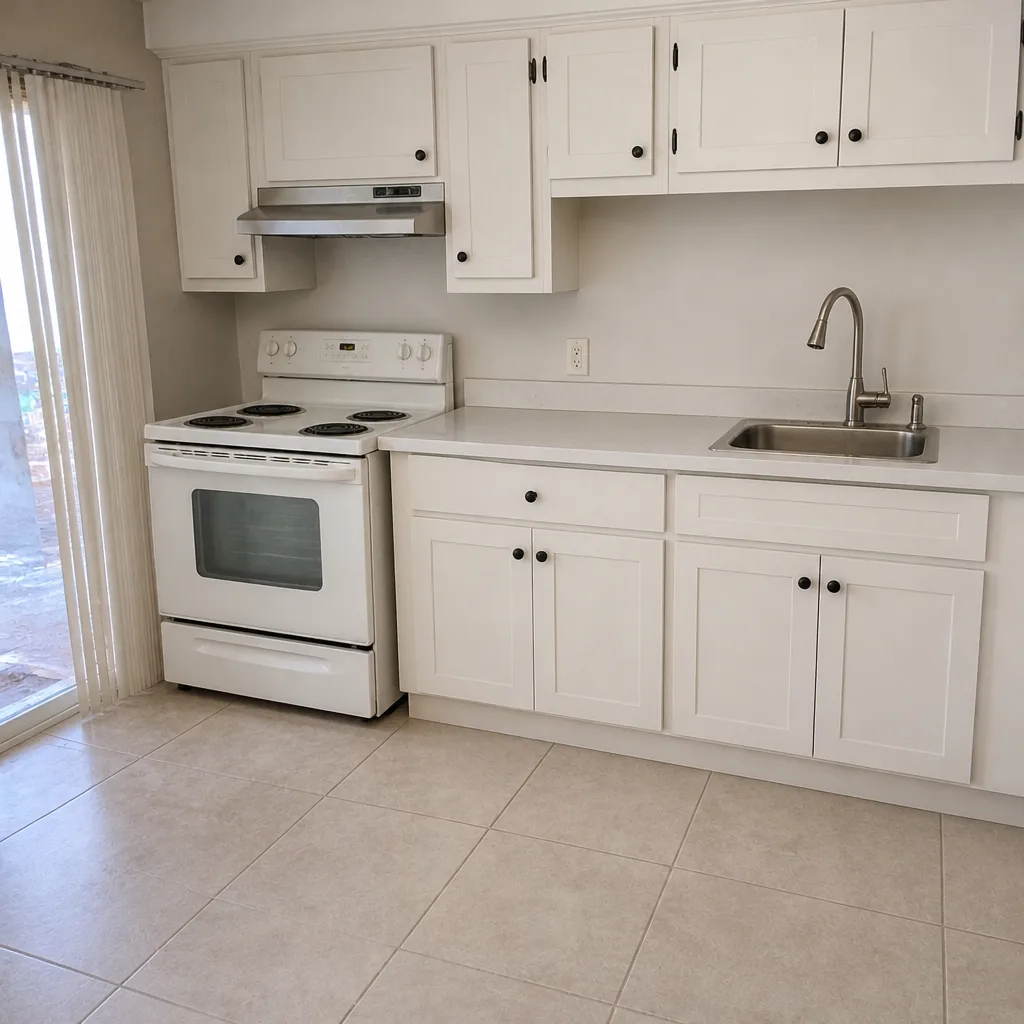 After
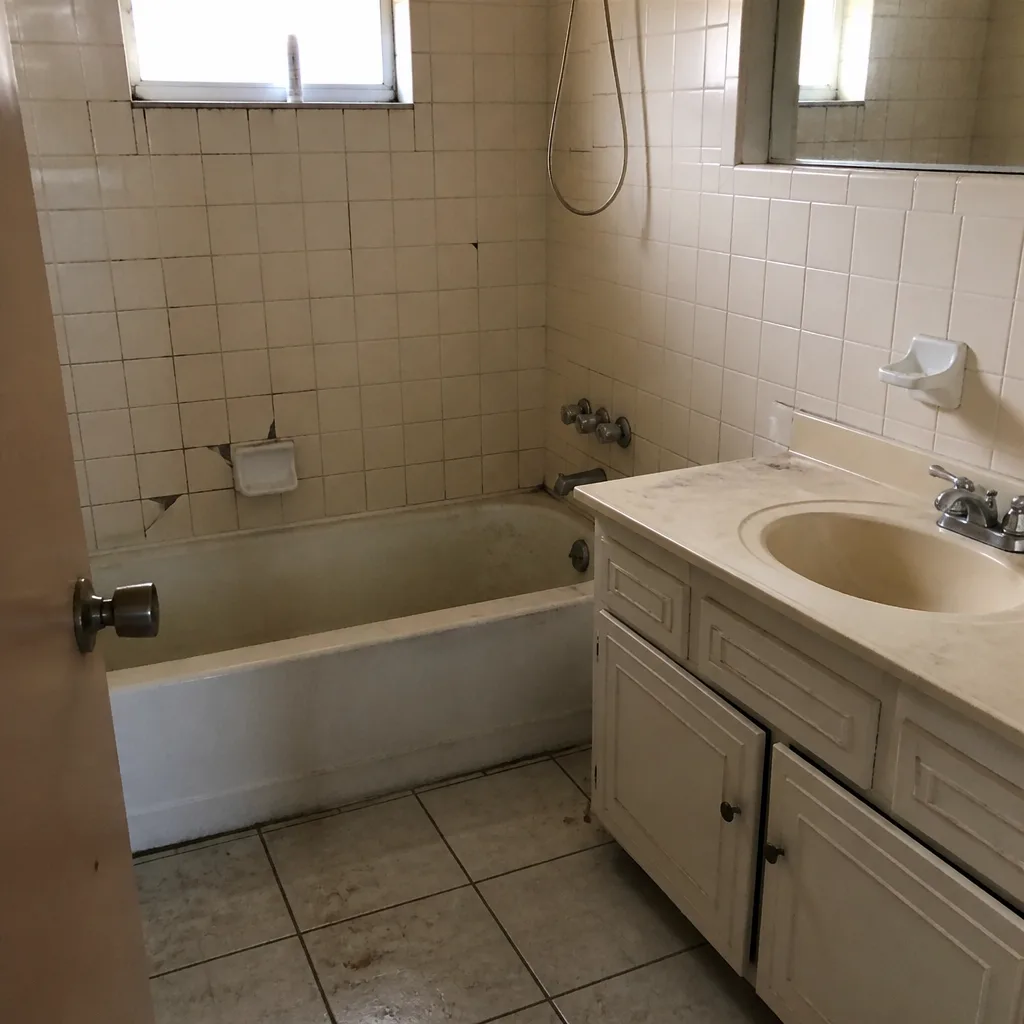 Before
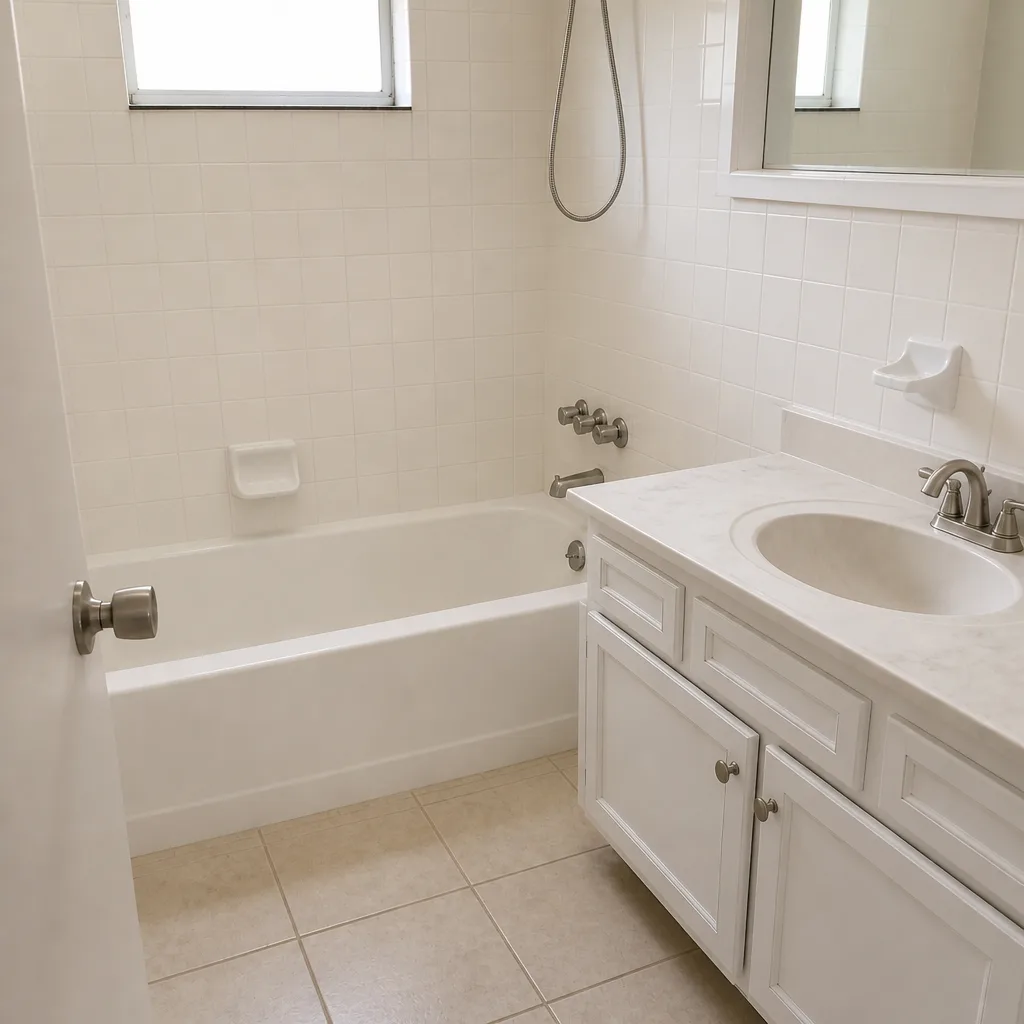 After
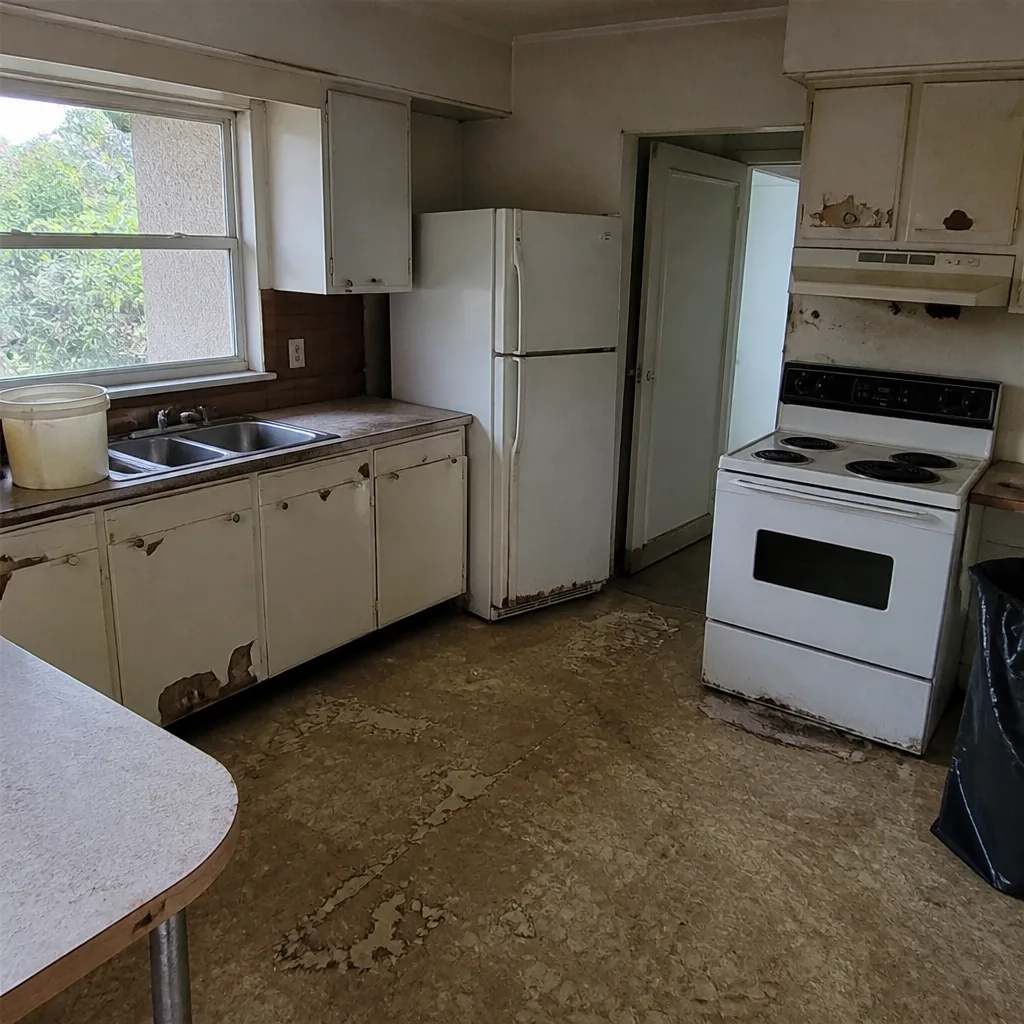 Before
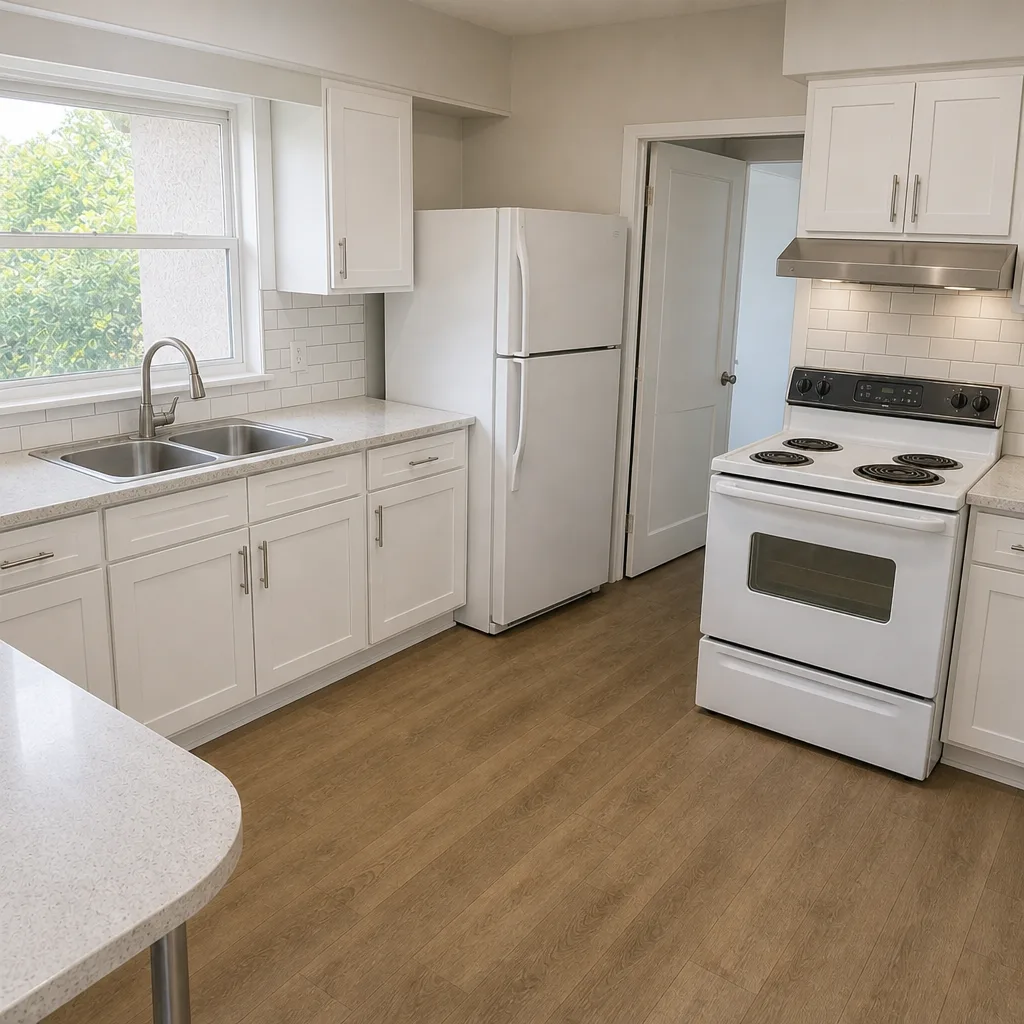 After
Double Hung vs Casement Windows in North Miami Beach: Which One Actually Fits Your Wall?
Choose casement windows if you want maximum airflow on a wall that catches the southeast breeze and you’re willing to verify the Miami-Dade NOA for the exact unit before you buy. Choose double-hung if you’re replacing like-for-like in an existing concrete-block opening, want the simpler hardware, or you’re on a tighter budget. For most North Miami Beach homes, the deciding factors aren’t style. They’re wall orientation, salt exposure, and hurricane certification. Call (844) 797-4868 and we’ll walk your specific walls before you commit to either.
Key Takeaways
- Casements open outward like a wind scoop and can move noticeably more air through the same opening than a double-hung on a southeast-facing wall.
- Outswing casement sashes take direct positive pressure in a hurricane, so the NOA (Notice of Acceptance) matters more than it does on a double-hung.
- Crank hardware corrodes faster than sash balances within a mile of the Intracoastal. Marine-grade hardware from Andersen or Marvin lines is not optional here.
- Swapping a 1950s single-hung opening to a casement often means revised rough-opening framing in concrete block, which needs a permit.
Why South Florida Changes the Answer
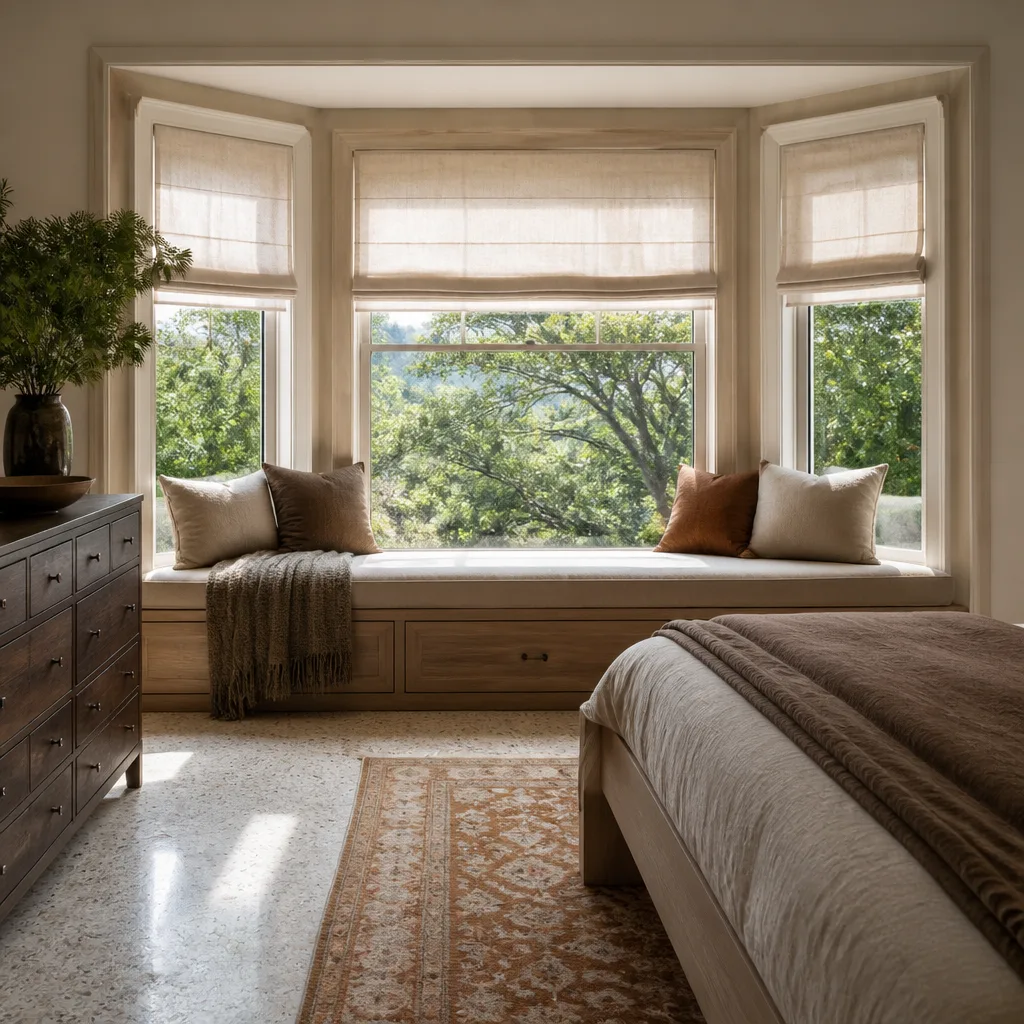
Double-hung windows ventilate vertically. Air enters through the lower sash and leaves through the upper one. That works fine when the wind is calm or coming straight at the wall. But North Miami Beach’s prevailing summer breeze arrives from the southeast at a horizontal angle to most front and side elevations. A double-hung catches only what slips past the sash edges. A casement that swings perpendicular to the wall acts like a scoop, pulling that angled wind inward instead of deflecting it.
Here’s the operator detail most comparison pages skip: you can feel this difference on a job site. In a 1950s block ranch off Northeast 15th Avenue with original aluminum single-hungs, the rooms on the windward side still run warm even with every window open, because the opening geometry fights the wind direction. Put casements on that same wall and the cross-ventilation changes. That’s not marketing. It’s basic fluid dynamics, and it shows up on your FPL bill because your AC runs 10 to 11 months a year in this climate.
That’s the case for casement. Now the catch.
Miami-Dade HVHZ: Casements Get Scrutinized Harder
North Miami Beach sits inside Miami-Dade County’s High Velocity Hurricane Zone. Every window that goes into a home here needs a valid NOA from Miami-Dade’s product control division. This is where a lot of budget casement units fail before the paperwork is even filed.
A double-hung’s sashes sit mostly inside the frame under wind load. A casement’s sash stands proud of the wall and faces direct positive pressure on its outboard face when a storm hits. The hardware, the hinge, and the sash-to-frame connection all carry more load. Many inexpensive casement units simply don’t hold a HVHZ approval for this application. Before you buy a single casement window, pull the specific NOA and confirm the model, size range, and installation method are listed. A contractor who can’t hand you that document on request is telling you something.
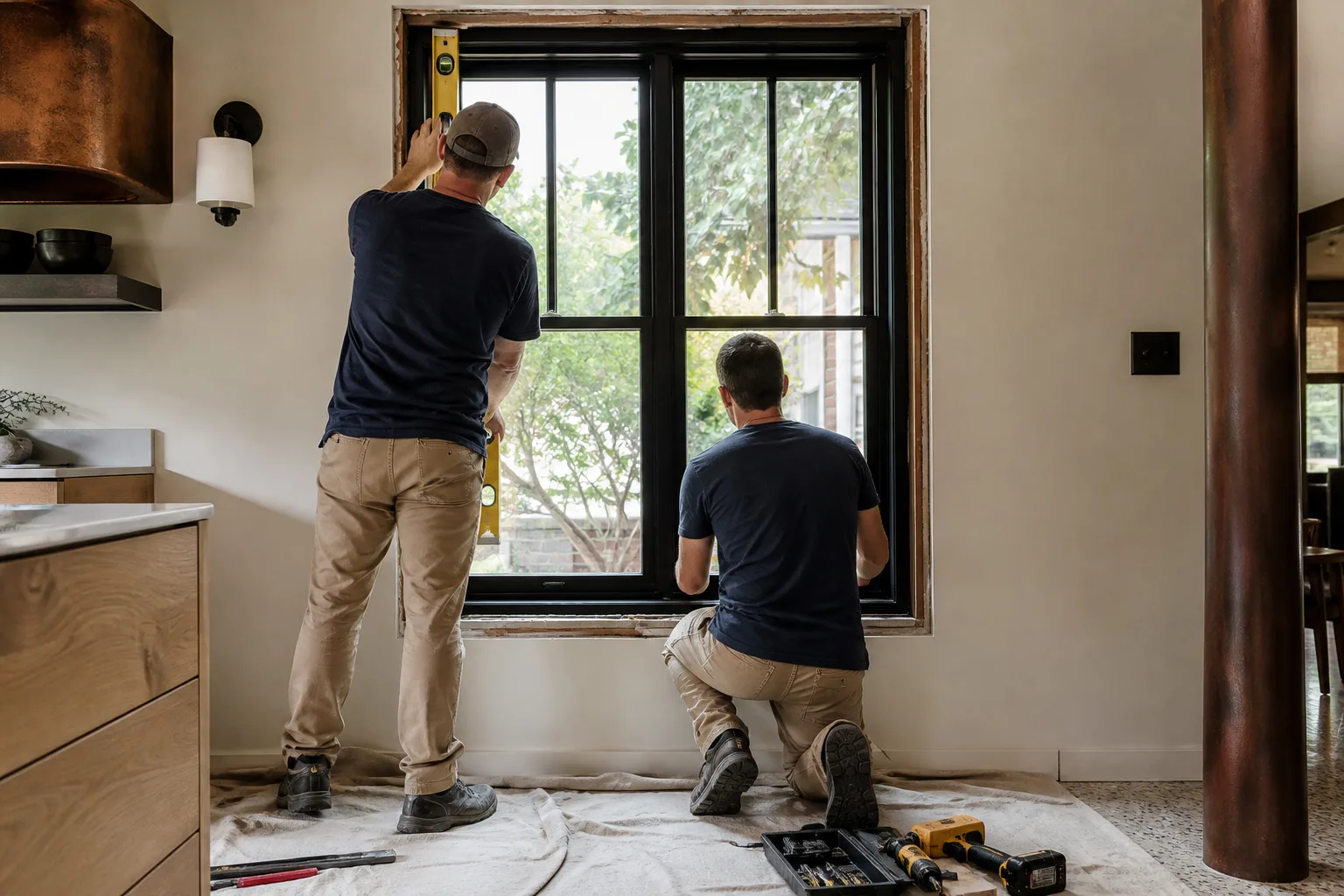
We treat NOA verification as a first step, not a footnote. If a unit you’re considering doesn’t have the approval for your opening, we’ll say so and show you what does. That’s part of the Windows & Doors work we do across the city.
Salt Air and Hardware: The Intracoastal Tax
Crank hardware is the weak point on a casement. Salt-laden air attacks the operator mechanism, the hinge points, and the finish far faster than it affects the simpler sash balances of a double-hung, which have fewer moving parts and sit protected inside the frame. For homes within a mile of the Intracoastal, this is a real maintenance line item, not a hypothetical.
For North Miami Beach coastal properties, we specify marine-grade hardware from Andersen and Marvin lines rated for coastal exposure. Stainless components, coastal-grade finishes. On an inland property west of Biscayne Boulevard it’s less urgent, though the salt still travels. This is where the material brand you pick matters as much as the window type. Cheaper casement hardware will work for a few years and then the cranks start fighting you. Marine-grade from a known line won’t.
| Factor | Double-Hung | Casement |
|---|---|---|
| Airflow on a southeast wall | Moderate | Strong (scoop effect) |
| Air infiltration seal | Two-sash sliding contact | Tight compression seal |
| HVHZ scrutiny | Standard NOA review | Stricter; verify NOA per unit |
| Salt/hardware durability | Fewer moving parts, more forgiving | Crank corrosion risk; needs marine-grade |
| Rough-opening retrofit | Usually like-for-like | Sometimes needs revised framing |
| Installed cost (typical) | Lower | Higher |
The 1950s Ranch Problem Nobody Mentions
North Miami Beach’s residential core is mostly 1950s to 1970s single-story concrete-block and stucco ranch homes. Those original window openings were framed and sized for single-hung units. Switching to a casement sometimes means revising the rough opening in that concrete block, and masonry work on a block wall needs a permit through the City of North Miami Beach building department. That adds cost before you’ve even compared the price of the windows themselves.
We quote rough-opening modification costs upfront when they apply, so the installed number on a casement upgrade is the number you plan around. No-hassle pricing, no surprises at the end of the job. If the existing opening is a clean like-for-like swap, we’ll tell you that, too.
Cost ranges for reference in North Miami Beach:
- Window replacement (like-for-like, existing openings): $5,310 to $17,700
- Impact window installation (incl. HVHZ-rated units): $9,440 to $29,500
Casement upgrades tend to land toward the upper end because of hardware and, when needed, the rough-opening work. Your specific wall, size, and opening decide the final figure. A free estimate and design consult gives you an exact number.
Common Local Scenarios We See
Every home on the block is a little different. Here’s how the decision usually shakes out:
- Windward wall facing southeast, inland lot: casement wins on airflow and comfort. This is the strongest case for the switch.
- Within a mile of the Intracoastal: casement is still viable, but only with marine-grade hardware from a coastal-rated line. Otherwise the cranks will age out fast.
- Existing 1950s single-hung opening, tight budget: double-hung is the practical recommendation. Like-for-like swap, no masonry, no rough-opening permit.
- West-facing wall that bakes in the afternoon: casement’s compression seal helps with air infiltration while the AC runs. Worth it if you’re already replacing.
- Mixed opening sizes across the front elevation: we’ll evaluate each wall rather than forcing one type everywhere.
Energy Performance, Honestly
In a climate with no meaningful heating load, the casement’s tight compression seal beats the two-sash sliding contact of a double-hung for air infiltration. Less air leaks in, less cool air leaks out, and the AC runs a little less. That’s a real, measurable difference over a year of usage. It doesn’t make double-hung a bad window. It just means the casement edges it on efficiency, and the scoop effect on the right wall adds to the comfort gain.
We combine that with the wider full-scope home construction work we handle, so window choices fit the rest of the envelope rather than sitting in isolation.
FAQs
Yes, on a southeast or west wall where airflow and a tight seal matter, casement windows are usually worth the added cost in North Miami Beach, provided the specific unit carries a valid Miami-Dade NOA and marine-grade hardware where you’re near the Intracoastal. On a like-for-like 1950s opening where a switch would trigger masonry work, a double-hung often delivers more value dollar for dollar. Call (844) 797-4868 for a free quote on your walls.
Yes, casement windows need their own specific NOA, and Miami-Dade holds them to a stricter standard than double-hungs because the outswing sash faces direct positive pressure in a hurricane. The NOA has to list the exact model, size, and installation method before the window can legally go in here. Always verify the document before buying. If you’d like help checking a unit you’re considering, call us at (844) 797-4868.
Often yes, because revising the rough opening in a concrete-block wall is masonry and structural work that the City of North Miami Beach building department permits. If the new casement fits the existing opening cleanly, no framing change may be needed. The only way to know is to measure. Call (844) 797-4868 and we’ll assess the opening before you buy.
A double-hung usually lasts longer without service in coastal air because it has fewer exposed moving parts, but a casement with marine-grade hardware from a coastal-rated line closes that gap. Near the Intracoastal, the hinge and crank are what wear first. Specifying the right hardware up front is the difference. Call (844) 797-4868 and we’ll spec the right unit for your location.
Get a Straight Answer on Your Windows
If you’d rather have it looked at, Groundwork Construction Co. of North Miami Beach offers a no-pressure assessment in North Miami Beach. We’ll check the wall orientation, the existing openings, the NOA, and the hardware so you pick the right window once. Call (844) 797-4868 for a free estimate.
Written by the team at Groundwork Construction Co. of North Miami Beach, serving North Miami Beach, FL.