



Free written scope consultation - allowances, timeline, and change-order rules on paper before a single trade is scheduled
Styles & brands we work with
- Kitchen remodeling
- Bathroom remodeling
- Home additions & ADU
- Roofing
- Windows & doors
- Driveway & pavers
- Fence
See the difference
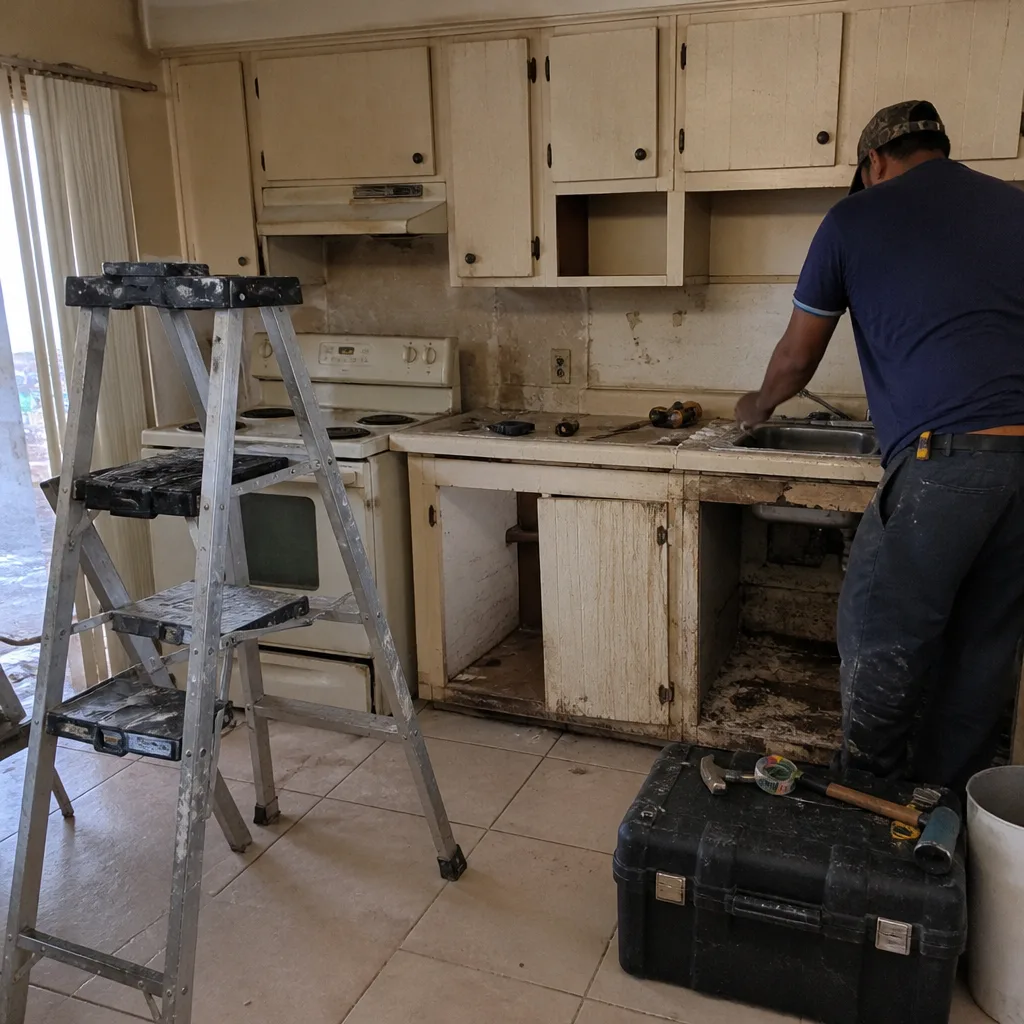 Before
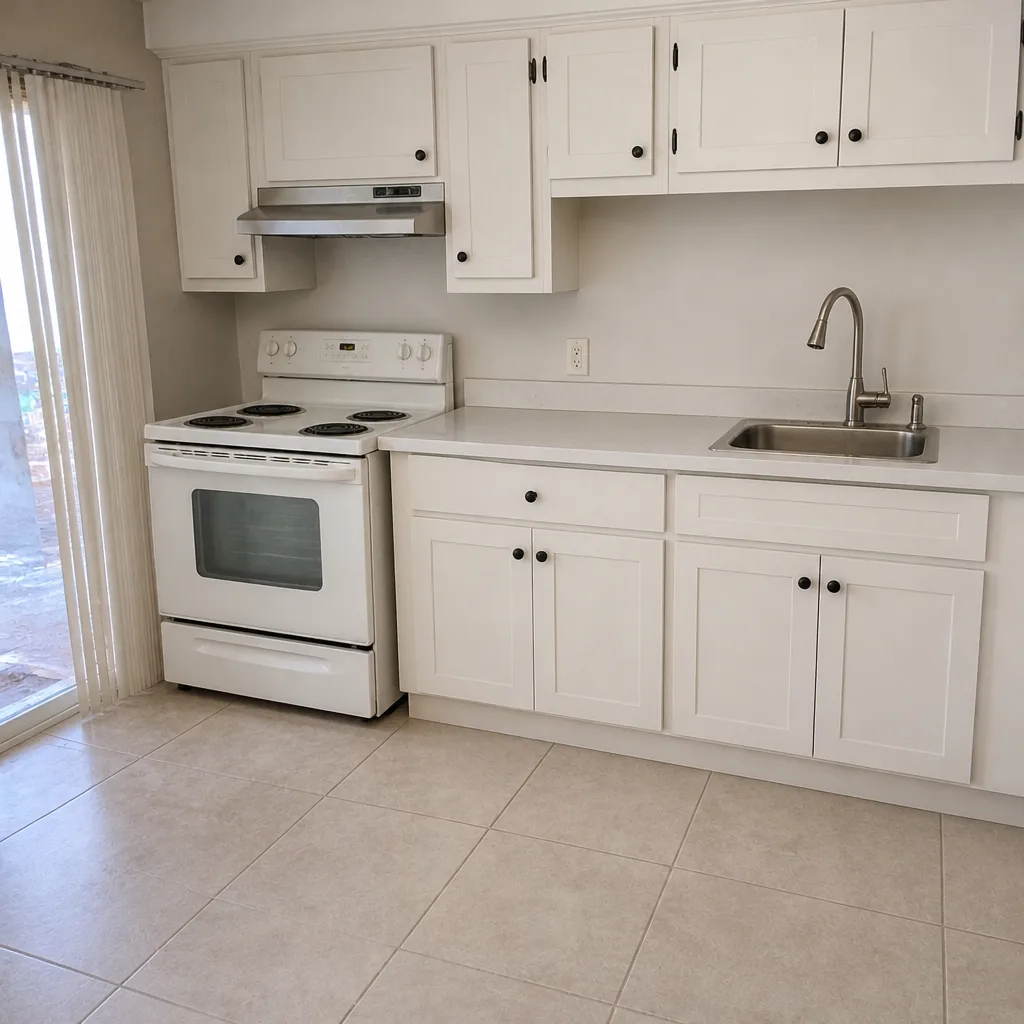 After
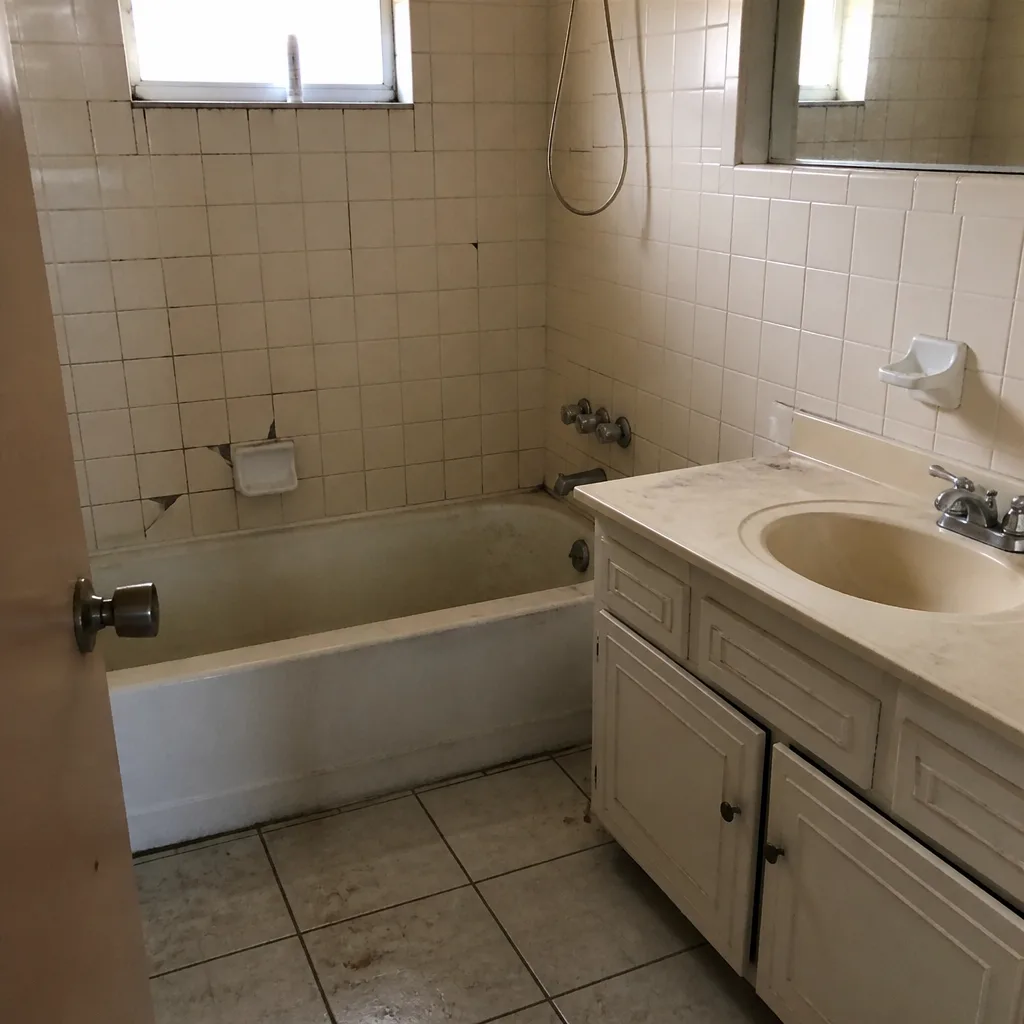 Before
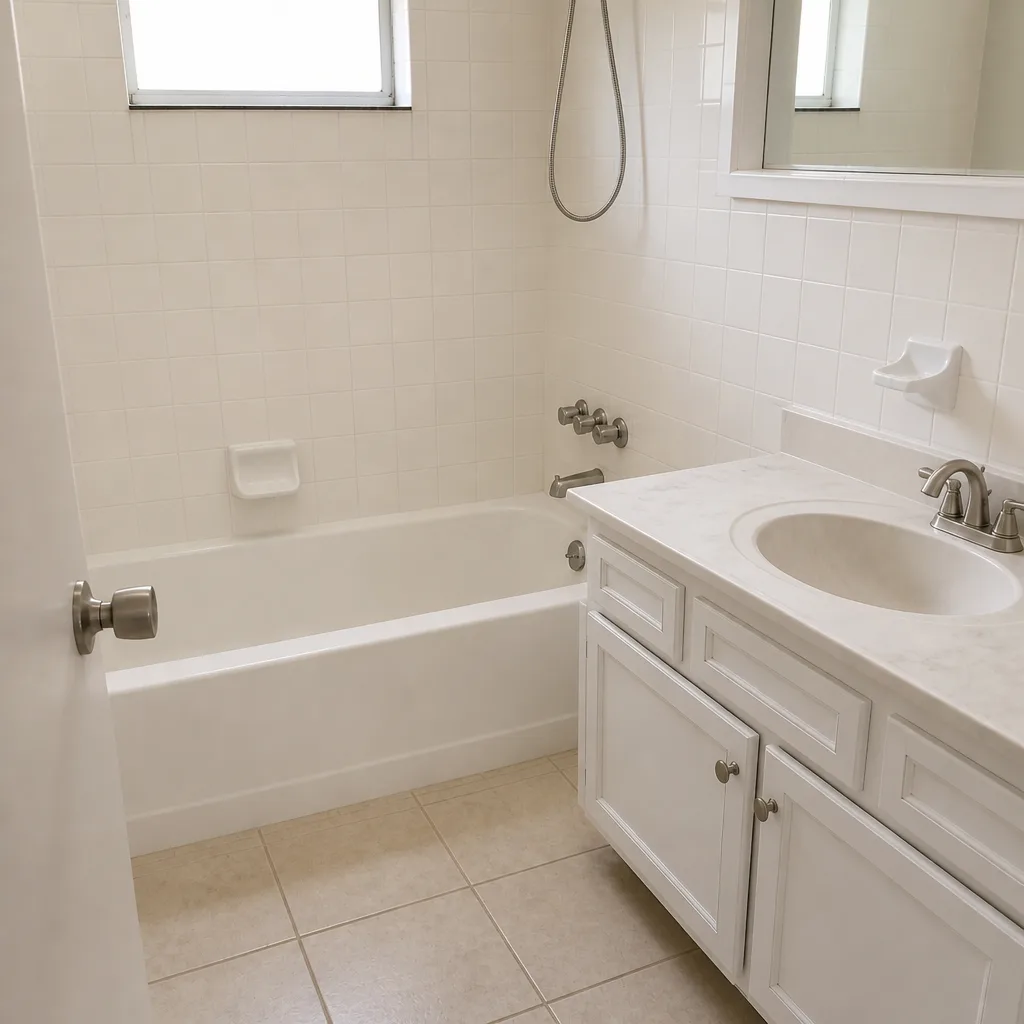 After
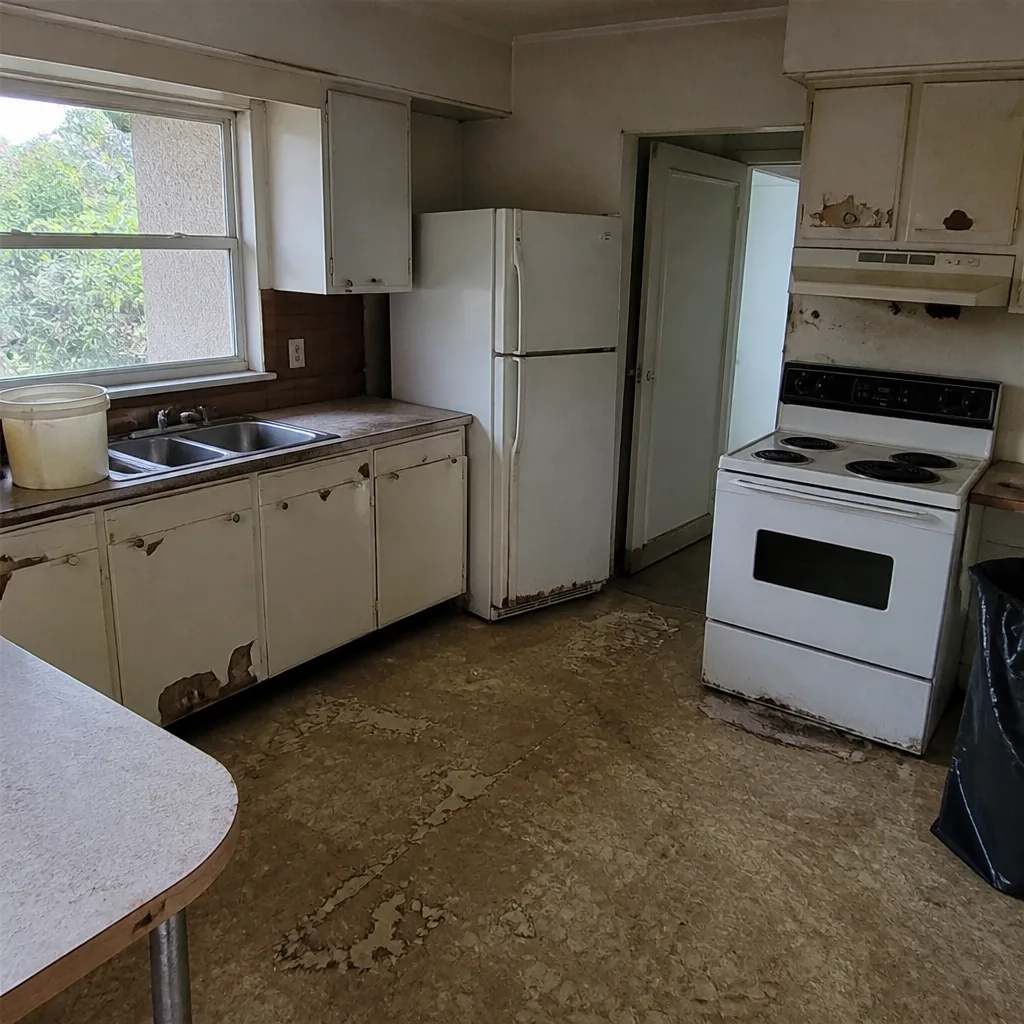 Before
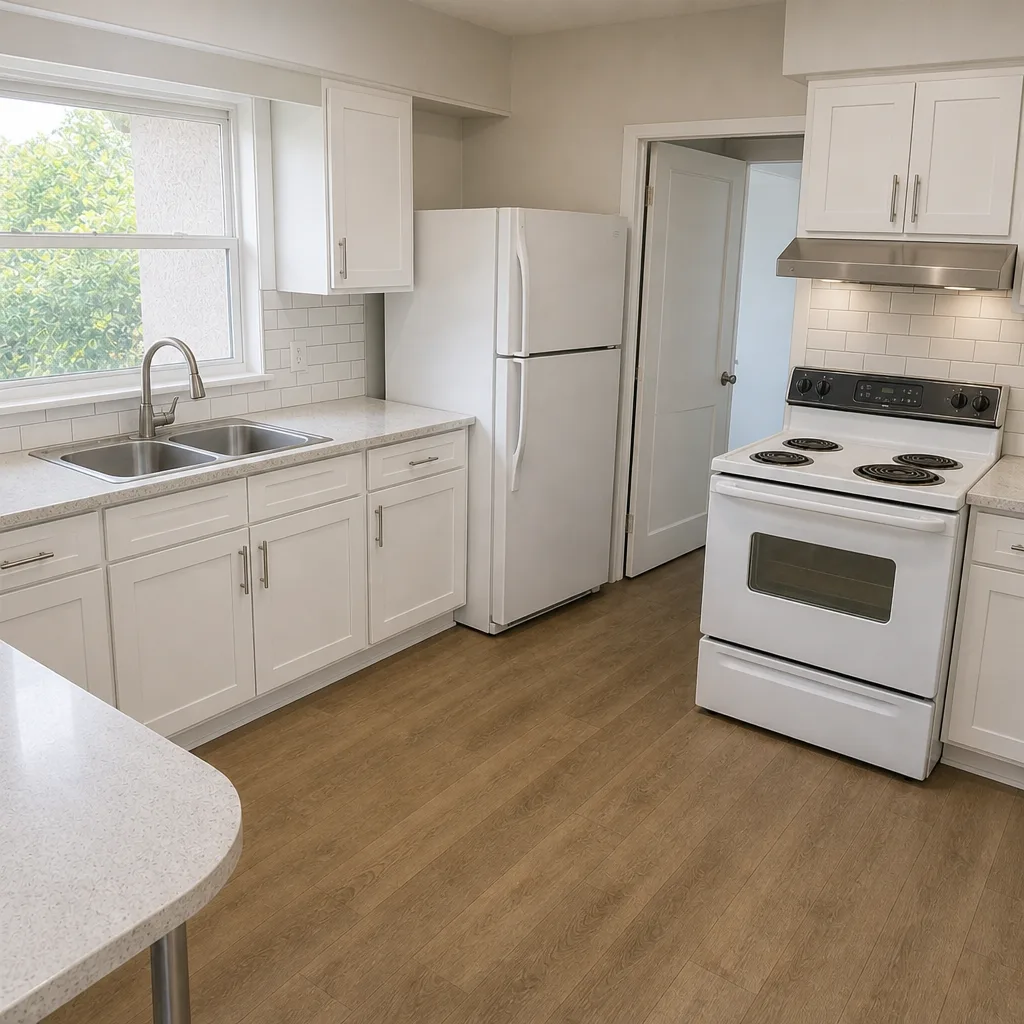 After
How to Repair a Chain Link Fence in North Miami Beach, FL
If your chain-link fence is leaning or has sections that feel spongy when you push on them, check the post at ground level first. In North Miami Beach’s salt-humid environment, galvanized steel corrodes fastest at the soil-air interface, and by the time you see surface rust the base may already be compromised. Most guides tell you to re-tension sagging mesh or swap bent rails; here the real culprit is often a rusting post base hidden under a splash collar or a cracked concrete footing. When a post is failing, no amount of tie-wire work will hold the fence straight – that’s a replacement job, not a patching one. Call Groundwork Construction Co. of North Miami Beach at (844) 797-4868 for a same-day assessment.
Key Takeaways
- Tension and tie-wire fixes only work if the posts are sound. Test the base before you touch the mesh.
- Vinyl-coated chain link and cold-galvanizing compound on every cut end slow rust in coastal air.
- Repairs touching more than 50% of the run, or requiring posts to be re-set, usually require a Miami-Dade permit.
- A spongy, wobbling post with a crumbling collar almost always means replacement, not repair.
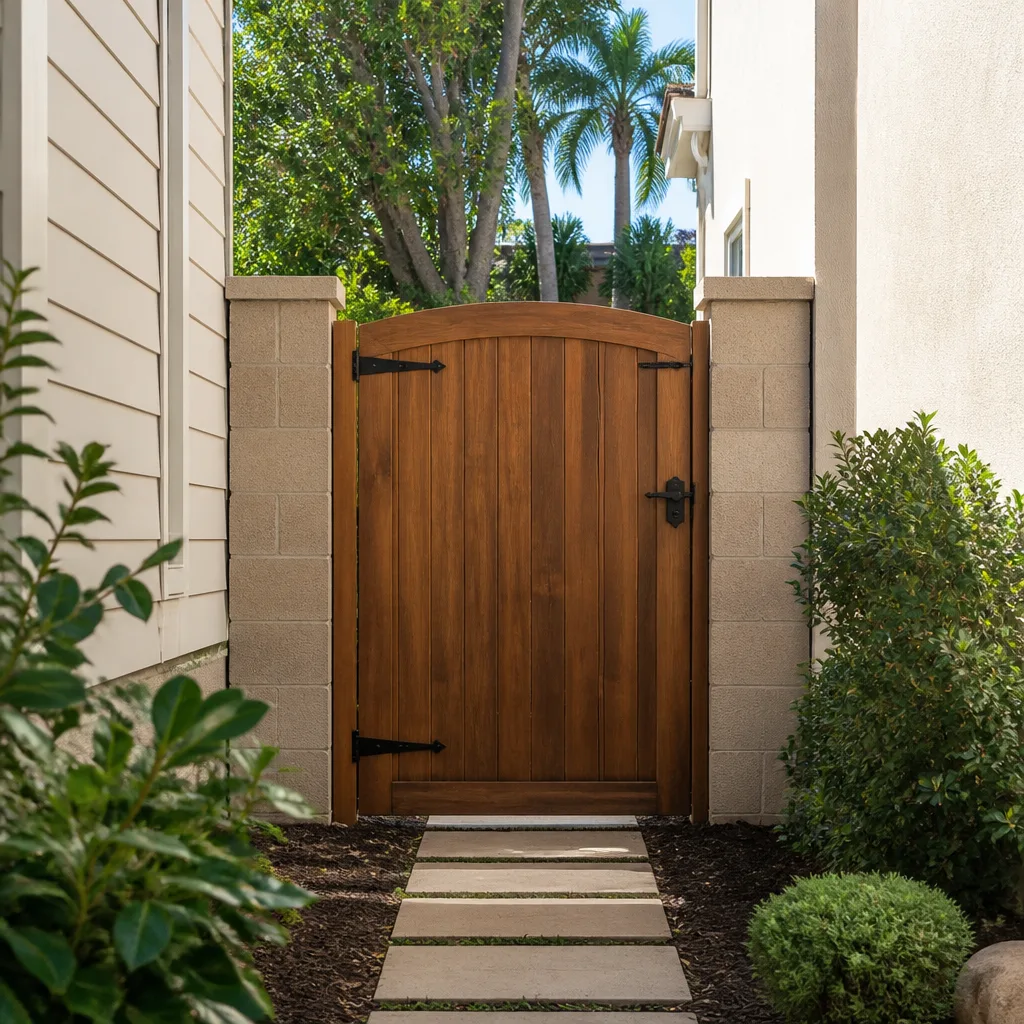
Why Chain-Link Fences Fail Faster in North Miami Beach
North Miami Beach sits on a high water table with sandy, moisture-holding soil and constant salt air off Biscayne Bay. That combination is rough on galvanized steel. The section of post just below grade never fully dries out, and salt speeds up the corrosion. The rust starts from the inside base and works upward – so the smooth gray pipe you see above ground can be hiding a paper-thin wall down at the concrete.
This is why generic repair advice misfires here. A guide written for inland conditions assumes a bent rail or torn fabric is the whole problem. On the 1950s and ’60s concrete-block ranch lots that make up much of the city’s residential core, we routinely pull a post that looks fine and find the bottom six inches flaking apart. The soil around those older lots also holds moisture longer after our summer downpours, and the June through November storm season pounds the same posts year after year.
One more detail most guides skip: the salt air doesn’t just hit the posts. It eats the tension bands, the rail ends, and the tie-wires too, so a “cheap” repair that only replaces the fabric can leave you with a fence that’s straight for a few months and sagging again by the next rainy season.
How to Tell Whether a Corroded Post Base Is Still Sound
Before any mesh or rail work, check the post itself. A post that’s structurally sound can be repaired around; a post that’s compromised has to come out. Here’s the assessment we run on every North Miami Beach fence call, and you can do a version of it yourself:
- Push test at the post head. Grab the top of the post and push. Fence should give a little and return. If the base wobbles or the post pivots, the footing is gone.
- Tap test with a screwdriver handle or small hammer. Tap the post just above and just below the soil line. A dull, hollow, or flaky sound means rust has thinned the steel wall.
- Probe the base. Scratch the metal at grade with a flathead screwdriver. If the coating flakes off and the steel underneath is pitted, the post is near the end of its life.
- Check the concrete collar. The concrete ring around the post should be intact and gripping the pipe. Cracks, gaps, or soil pulling away at the collar mean water is getting straight to the base – the classic North Miami Beach corrosion path.
If a post passes all four, you can move on to repairing rails and fabric. If it fails any of them, plan on pulling and re-setting that post before you do anything else. This is not a job to force with a sleeve or a splint; a post that’s hollow at the base will fail again after the next storm.

The Right Repair Spec for a Salt-Air Environment
Standard galvanized chain link is the default on most contractor trucks, and it will do the job inland. On a North Miami Beach property within a few miles of the water, vinyl-coated chain link over the galvanized core holds up noticeably longer. The vinyl adds a physical barrier against salt spray and stops the small scratches that become rust starting points.
Two more things make the difference between a repair that lasts a season and one that lasts:
- Treat every cut end. When a rail or post gets cut during a repair, the bare steel at the cut is where rust starts. We brush cold-galvanizing compound on every exposed end and fitting before assembly to stop rust migration at the repair point.
- Match hardware to the environment. Use vinyl-coated or stainless tension bands, rail ends, and tie-wires – not the standard zinc-plated bits that corrode in a couple of years here.
Typical Chain-Link Repair Pricing in North Miami Beach
Repair and small-project costs in this market generally run $4,130 to $10,620 depending on how many posts need replacing, fence run length, and gate work. A vinyl fence project in the same range is often worth comparing if you’re already pulling multiple posts. For a full run replacement, see our Fence Installation page.
| Scope | Typical Cost Range |
|---|---|
| Single post replacement (re-set in new concrete) | $450-$900 |
| Section repair (mesh, rail, or tie-wire) | $200-$650 |
| Multiple post replacement + hardware refresh | $1,200-$3,800 |
| Partial run rebuild (vinyl-coated chain link) | $2,500-$6,500 |
| Full chain-link or vinyl run (small yard) | $4,130-$10,620 |
These are our upfront-pricing ranges – the number you see is the number you pay, and the work is backed by our 730-Day Done Right Promise. If it’s not done right, we make it right. Financing at 0% for 18 months is available, and projects over $10,000 get $1,000 off.
When a Chain-Link Repair Needs a Miami-Dade Permit
Most homeowners don’t know this one: a chain-link repair can cross into permit territory. If the repair touches more than 50% of the fence run, or if it requires posts to be re-set or added, that’s typically treated as new fence work and will need a permit through the Miami-Dade County process. That threshold catches people off guard – a repair on a long run can quietly hit 50% before you realize it.
North Miami Beach sits inside Miami-Dade’s High Velocity Hurricane Zone, so fence work has to meet wind-load rules and post setting has to be inspected. It’s a permit-heavy process with a tight timeline, and skipping it can cost you at resale or after a storm-damage insurance claim. If you’re unsure where your repair lands, call us at (844) 797-4868 – we can tell you in a couple of minutes whether a repair stays a repair or has to go through the county.
Common North Miami Beach Scenarios We See
Every street brings its own version of the same failure. On the older ranch lots west of Biscayne Boulevard, we find posts set shallow in sandy soil about 18 to 24 inches down, with the base rusted thin from repeated wetting and drying. On properties closer to the Intracoastal, the salt spray is heavier and the hardware corrodes before the posts do. And after any tropical system moves through, we get a run of calls about gates that won’t latch and rails that pulled out at the post – usually because a post that was already weak let go under wind load.
That last point matters for timing. Our phone line is answered by a live person 24 hours a day, 7 days a week – so a post-storm chain-link call gets a real person who can dispatch a background-checked, uniformed technician for a same-day assessment. No voicemail that waits until Monday morning. When you’re dealing with a fence that’s down or leaning after a storm, that difference is real.
Our technicians carry up to 12 years of experience with coastal fence repair, and the team at Groundwork Construction Co. of North Miami Beach brings those same standards to every chain-link job in the city.
FAQs
Most jobs run $4,130 to $10,620 depending on how many posts are replaced and the fence length. A single post replacement is usually the smaller end of that range; a partial run rebuild sits at the top. Call (844) 797-4868 for an exact quote – estimates are free.
Repair is cheaper when the posts are still sound and only the mesh or hardware has failed. Once three or more posts need replacing, replacement is usually the smarter spend, since new vinyl-coated posts and hardware reset the corrosion clock. We’ll give you both numbers side by side so you can decide.
No – a post that fails the push test or probe has already lost structural wall thickness, and a sleeve or splint won’t bring it back. The right repair is to pull the post and re-set a new one in fresh concrete. Anything less fails again after the next storm.
Yes. A fence repair that needed a Miami-Dade permit but was done without one can surface at resale or after a hurricane claim. If your repair touches more than 50% of the run or involves re-setting posts, make sure the permit was pulled. Call (844) 797-4868 and we’ll tell you which side of the line your repair is on.
If you’d rather have it looked at than figure it out yourself, Groundwork Construction Co. of North Miami Beach offers a no-pressure assessment anywhere in North Miami Beach – call (844) 797-4868 and a live person will set it up. For full fence builds, visit Fence Installation in North Miami Beach or start from our home page.
Written by the team at Groundwork Construction Co. of North Miami Beach, serving North Miami Beach, FL.