

Free written scope consultation - allowances, timeline, and change-order rules on paper before a single trade is scheduled
Styles & brands we work with
- Kitchen remodeling
- Bathroom remodeling
- Home additions & ADU
- Roofing
- Windows & doors
- Driveway & pavers
- Fence
See the difference
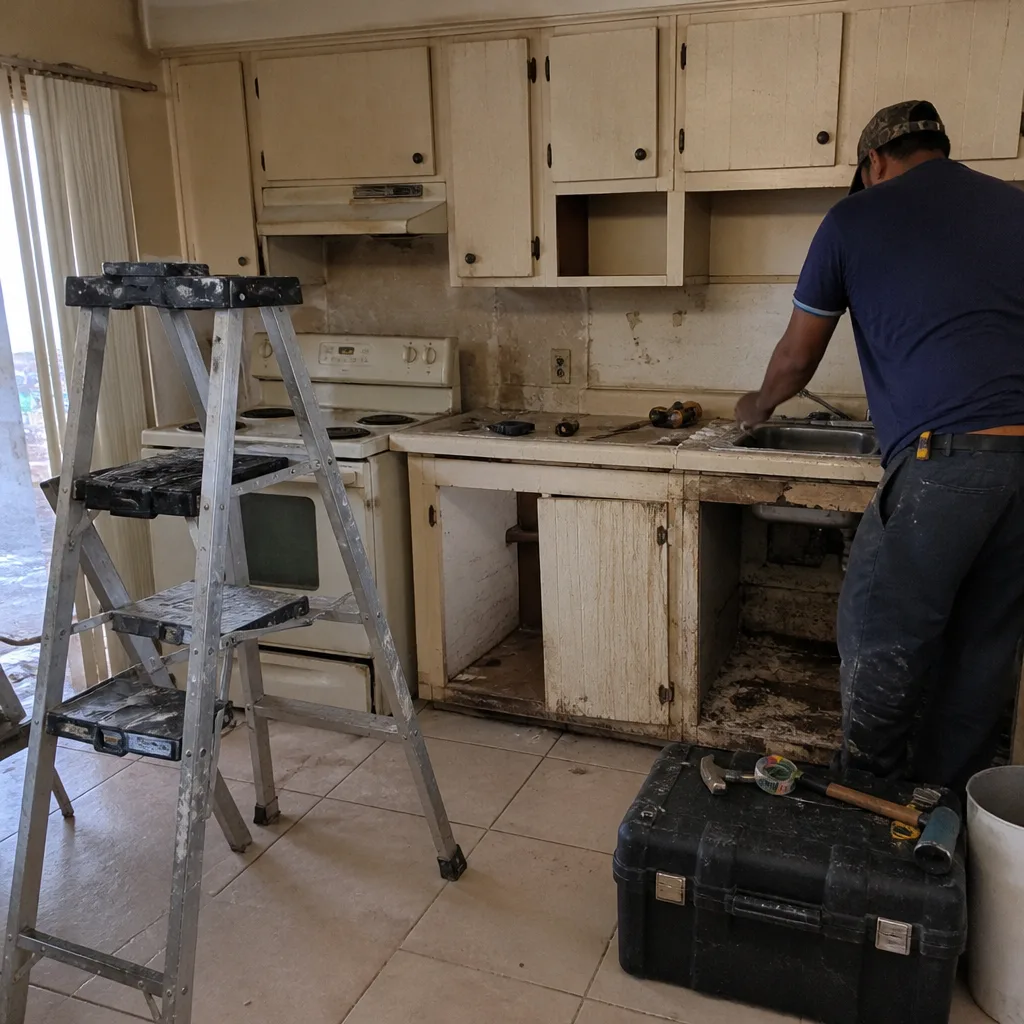 Before
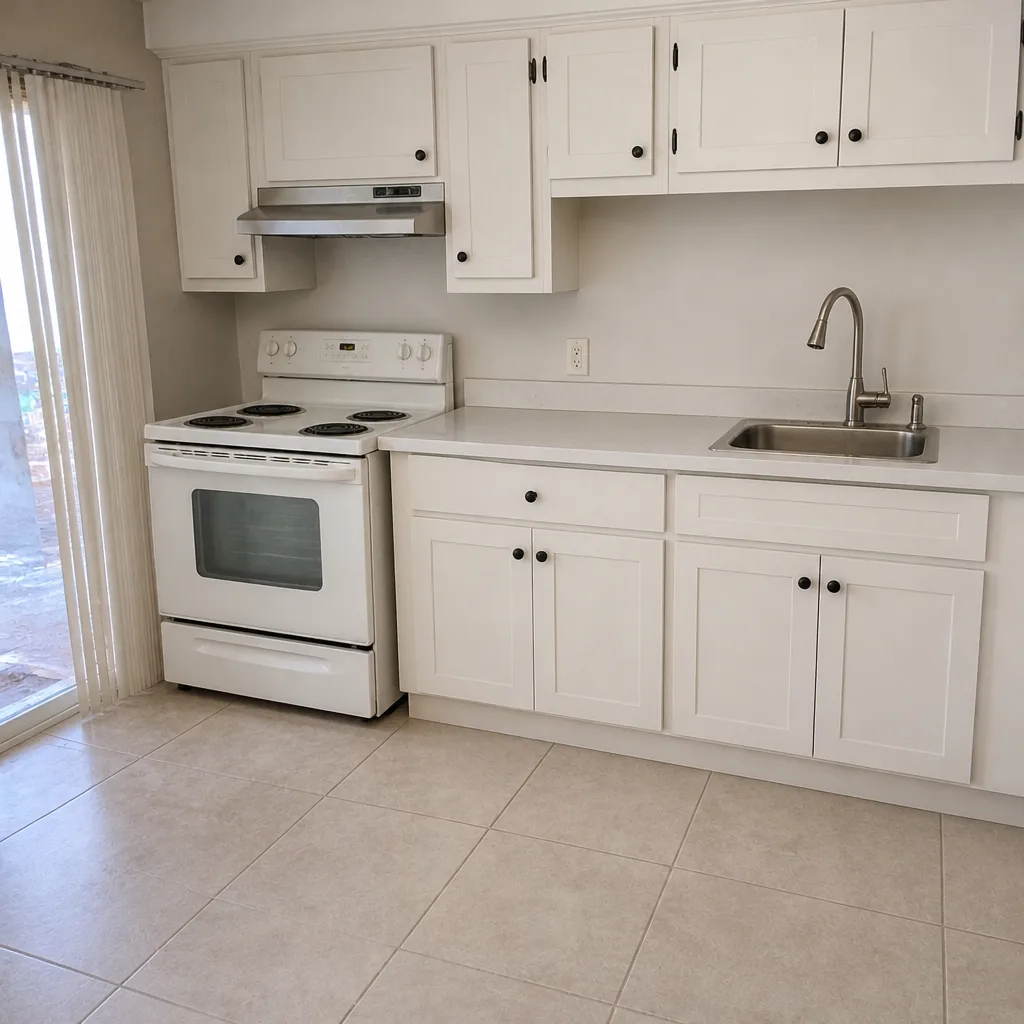 After
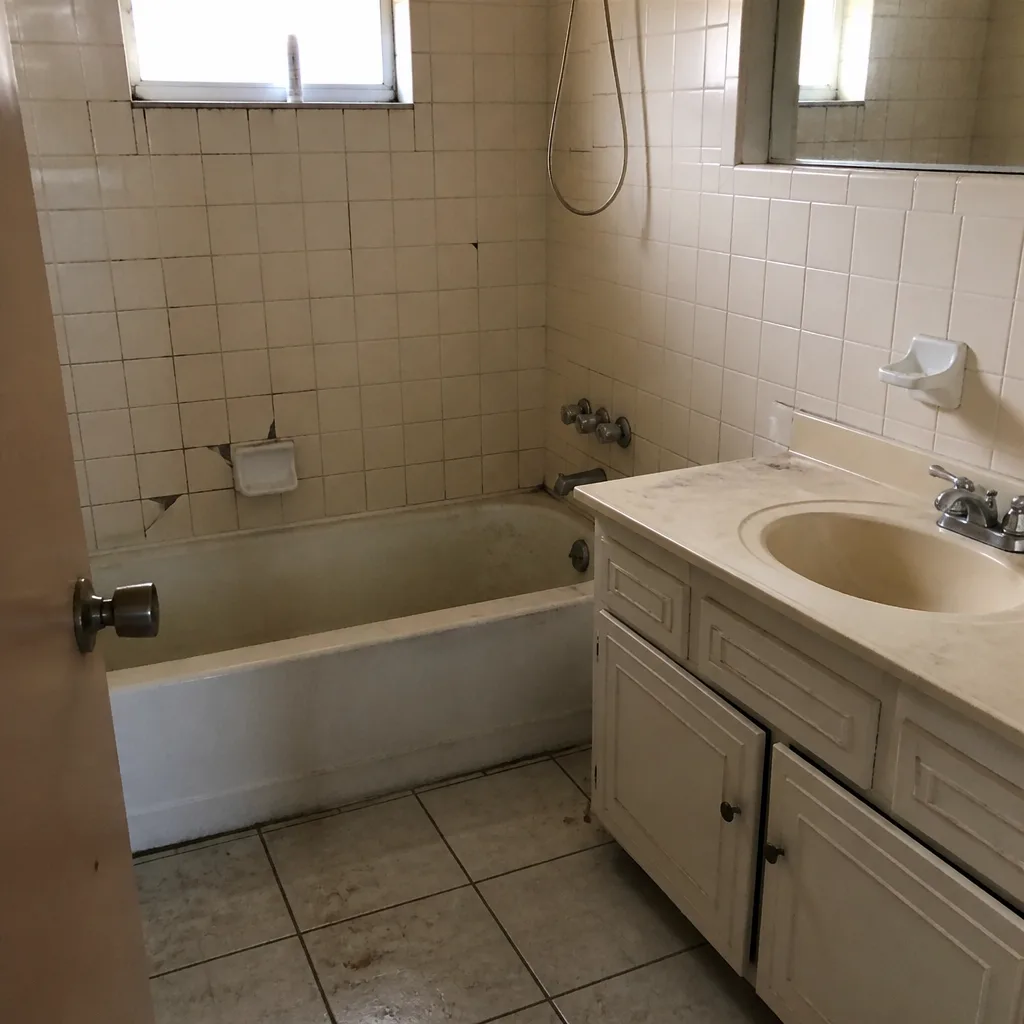 Before
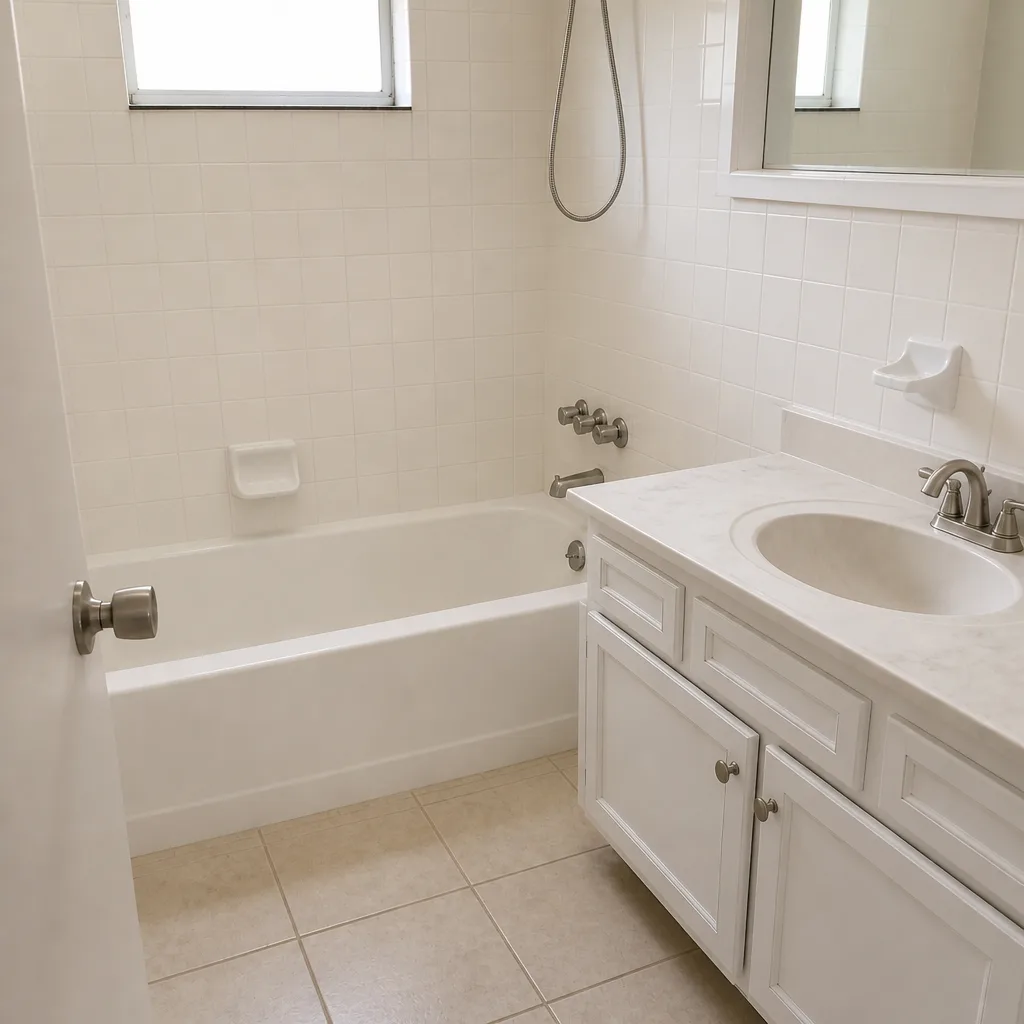 After
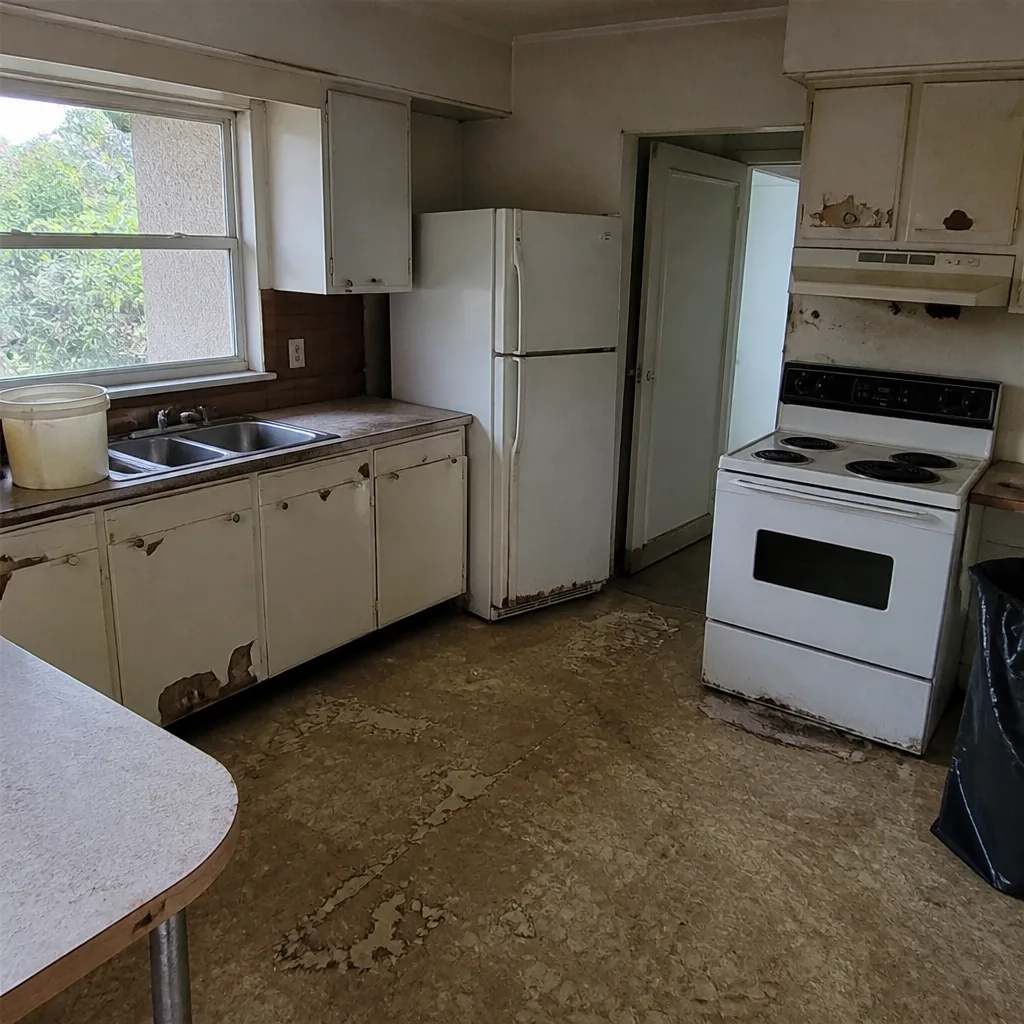 Before
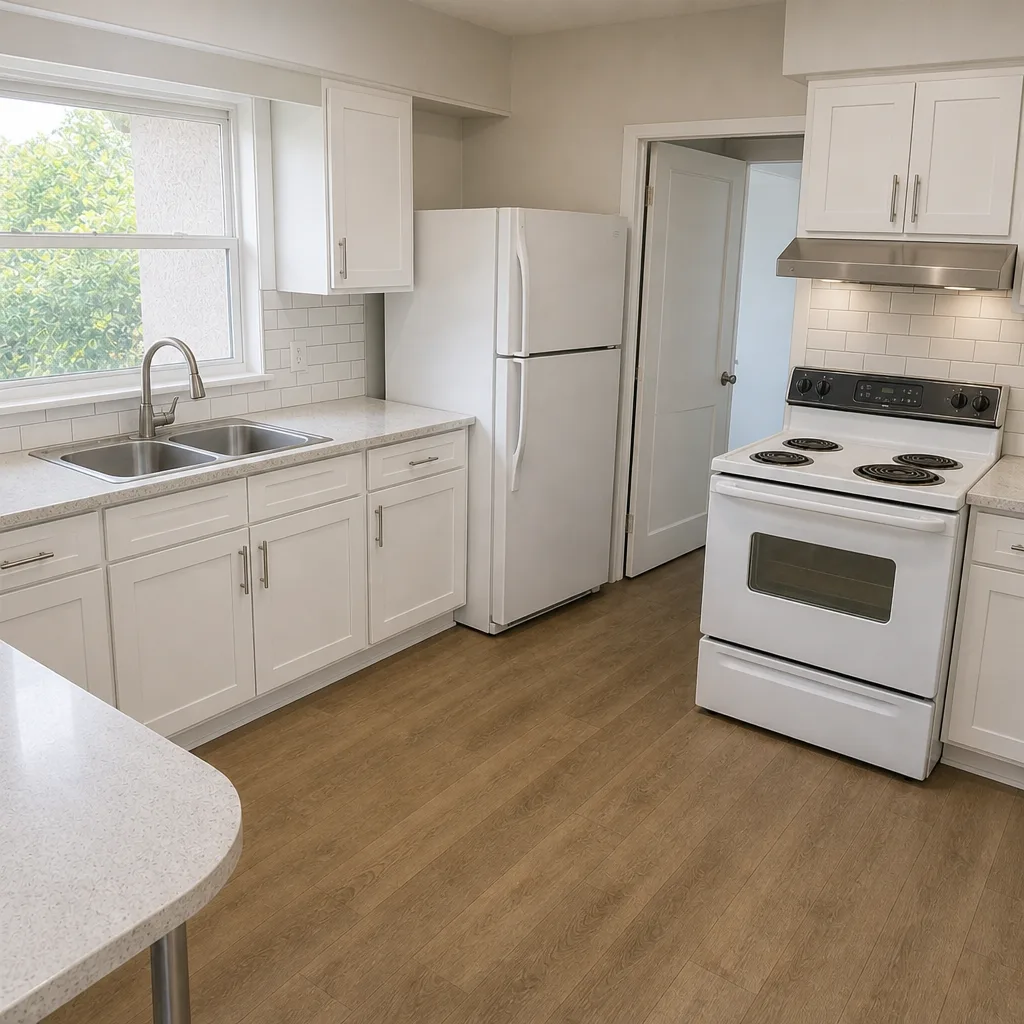 After
How Thick Should a Concrete Driveway Be in North Miami Beach, FL?
The short answer for North Miami Beach: 5 inches, reinforced with #4 rebar on 18-inch centers. Four inches is the national residential minimum and it holds up fine on firm, well-drained soil. Here, the sub-base sits just above the Biscayne Aquifer, and a slab that gets soft underneath stops behaving like a 4-inch slab at all. On saturated ground it acts closer to a 3-inch slab on solid dirt, which is not a slice of margin any driveway should be running without. If you want your slab spec reviewed line by line before you pour, call (844) 797-4868 and we’ll walk through it.
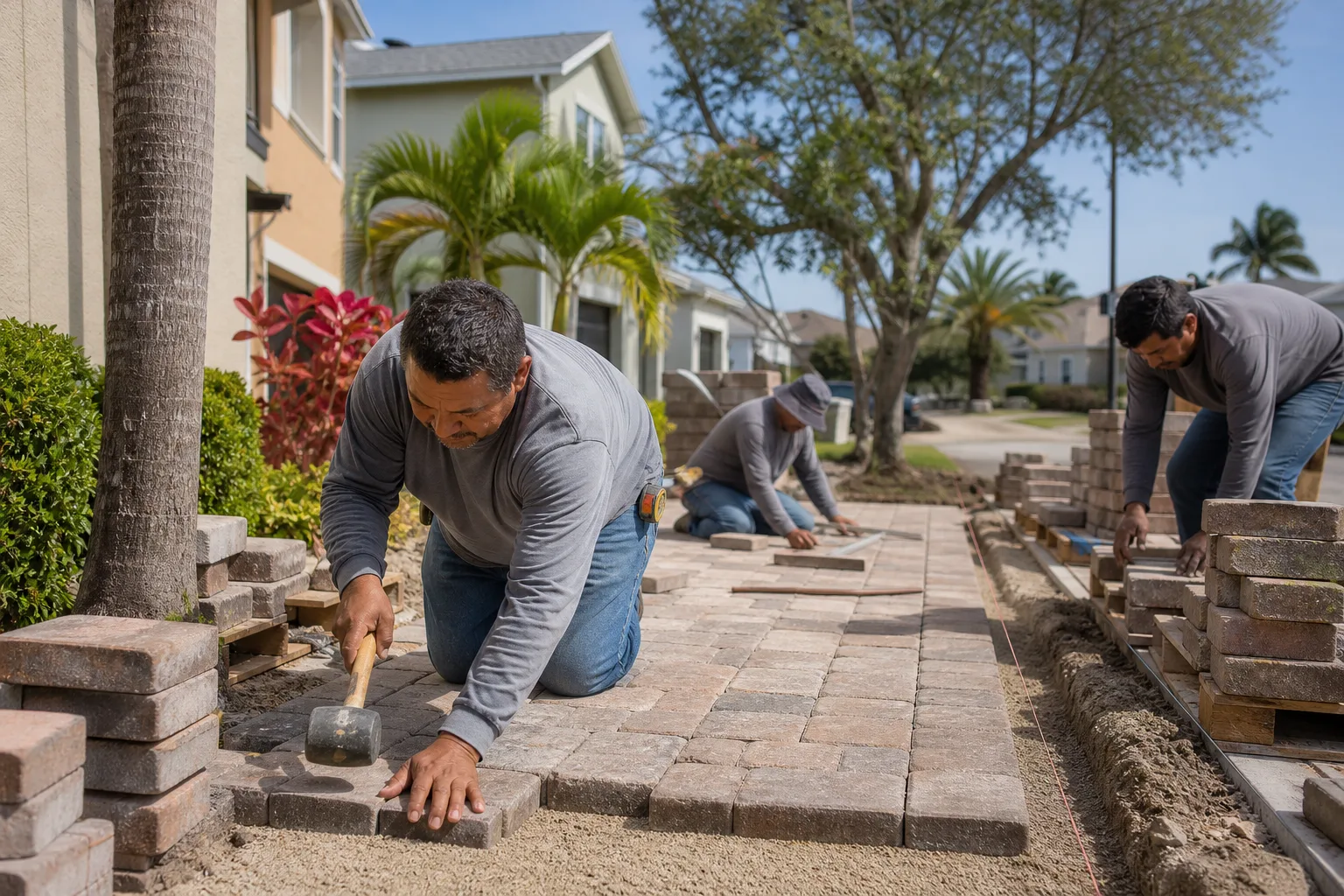
Why Four Inches Is the Wrong Number Here
A slab doesn’t carry load on its own. It hands that load down to the sub-base, and the sub-base hands it back up. When the ground beneath stays firm, four inches of concrete over a compacted base managed to hold passenger cars in most of the country for decades. That logic covers a lot of climates. It does not cover ours.
North Miami Beach sits on the Biscayne Aquifer with a high water table and a June through November rainy season that can drop several inches in an afternoon. During a heavy event, the base under a driveway can go from supportive to nearly liquid. Concrete that spans that kind of soft pocket is working with nothing underneath. Thickness and reinforcement become one decision, not two, because the rebar is what holds the slab together while the base temporarily stops doing its job.
We’ve seen this play out in the mid-century ranch blocks west of Biscayne Boulevard, where lots are tight and drainage is often whatever the original builder left in 1962. A driveway poured at four inches with mesh over that soil will look fine for two seasons and then start showing the tell: a crack that runs straight across the width, usually near where a wheel path sits.
Rebar vs. Wire Mesh: The Difference That Actually Matters
Wire mesh (welded wire fabric) is a crack-control product. It holds the concrete together after it cracks so the crack stays tight and doesn’t spread. That’s useful. What it does not do is add structural bending strength to the slab.
Rebar does. #4 bars on 18-inch centers, set on chairs at mid-slab depth, give the panel real tensile capacity. When the sub-base softens under a loaded tire, the steel bridges the gap. That’s the whole point of specifying it. If a bid quotes “concrete driveway installed” and says nothing about the reinforcement, the price isn’t comparable, and it usually means mesh.
Anatomy of a Correctly Spec’d Slab
- Thickness: 5 inches minimum over a compacted, properly graded base; 6 inches if you regularly park a heavy pickup or an RV.
- Reinforcement: #4 rebar on 18-inch centers, both directions, on bar chairs, not laid on the ground.
- Concrete mix: 4,000 PSI minimum, air-entrained, with a water-to-cement ratio held down. Misting and curing matter in this heat.
- Control joints: saw-cut within 12 to 24 hours, spaced roughly 2 to 3 times the slab thickness in feet.
- Base: compacted limerock or graded fill, moisture-conditioned before the pour. In North Miami Beach, drainage grading and the slab edge detail matter as much as the mix.
What SUVs and Pickups Do to a Slab
North Miami Beach driveways carry a lot of weight. The dominant vehicle classes here are SUVs and light pickups, and those load each axle at roughly 3,000 to 4,500 lbs. A 4-inch slab gets through that load under firm conditions. A 5-inch slab with rebar handles it with a safety factor somewhere in the range of 30 to 40% higher than a 4-inch slab over variable sub-base conditions.
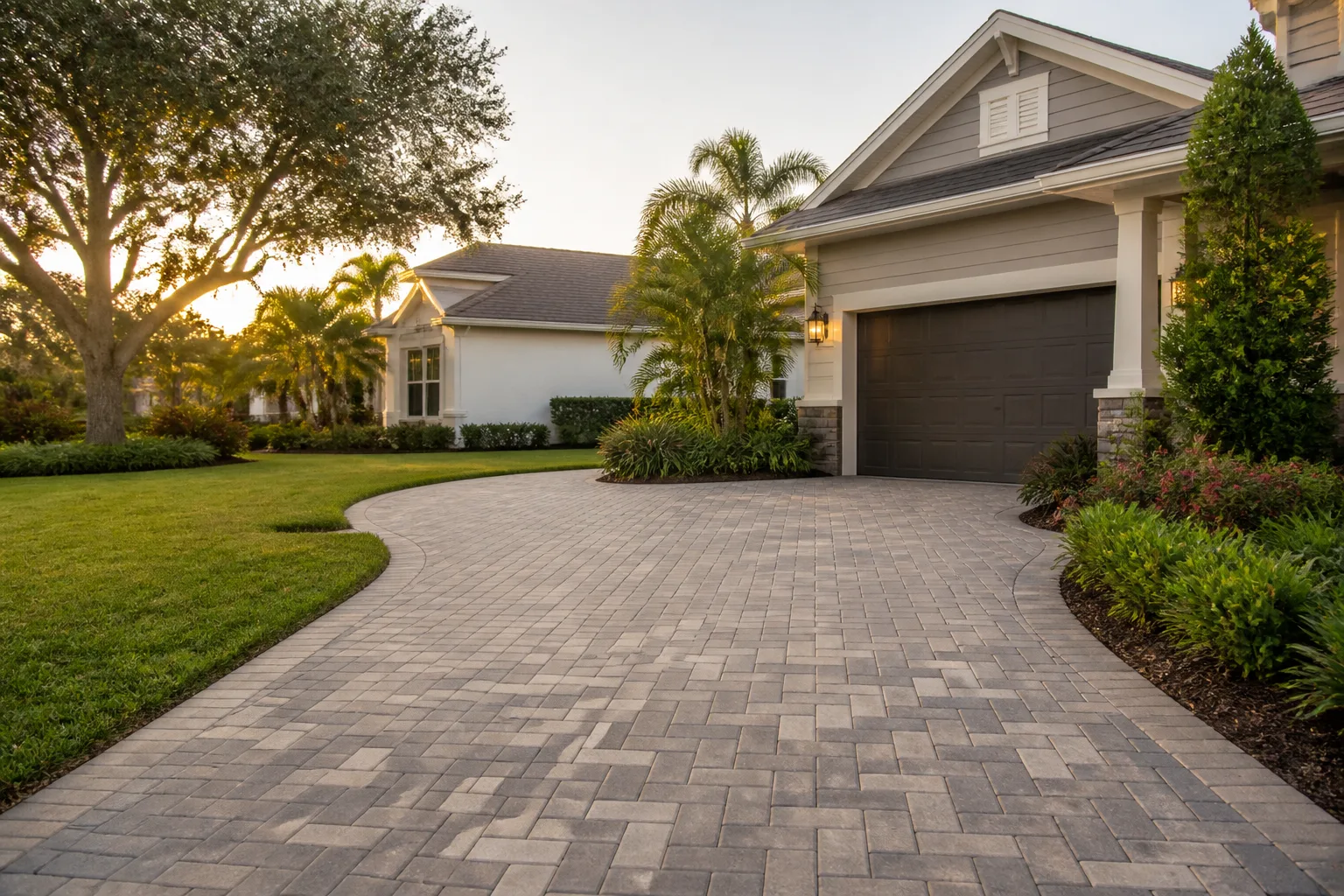
That’s a non-engineer’s version of the math, but the practical point is simple. The extra inch and the steel aren’t gold plating. They’re the difference between a slab that survives a saturated week in September and one that doesn’t. For the design details on finished surfaces once the slab is right, our Driveway & Pavers page covers the paver and finishing options on top of it.
Does Miami-Dade Code Require a Specific Thickness?
No. Miami-Dade County code does not set a residential driveway slab thickness in the way it regulates roof sheathing or wind-load ratings. But that’s not the whole story. If the driveway is tied to a larger permitted project (an addition, a garage conversion, a re-graded lot), the building department will review structural details as part of the permit package. North Miami Beach’s own department, working with a mix of 1950s and 60s ranch homes and denser commercial strips along U.S. 1, runs a permit-heavy timeline. A clean drawing submitted with a stated slab thickness and a rebar schedule goes through review faster than a plan set that leaves it vague.
How Much Does a Concrete Driveway Cost in North Miami Beach?
For a typical residential project, we see concrete driveway installation in North Miami Beach come in around $5,310 to $14,160, with the low end covering a straightforward replacement on a sound base and the high end covering thicker sections, additional grading, or decorative finishes. A full driveway replacement lands in the $5,900 to $16,520 range. Paver driveways run higher, at roughly $8,260 to $21,240.
| Scope | Typical Range (North Miami Beach) |
|---|---|
| Concrete driveway installation | $5,310 - $14,160 |
| Driveway replacement (full tear-out) | $5,900 - $16,520 |
| Paver driveway installation | $8,260 - $21,240 |
| Driveway sealing | $295 - $825 |
Two things should appear in any written estimate before you sign: the slab thickness and the reinforcement schedule. Groundwork Construction Co. of North Miami Beach writes the mix design, PSI rating, inches, and rebar spec directly into the estimate, so you can hold it side by side with the competitor bid that just says “concrete installed.” If the other bid says nothing about the steel, we can tell you what it’s specifying, and you can decide whether the price still looks like a price.
Three Local Scenarios We See Often
The failing mid-century driveway
Original 1960s slabs in the blocks just west of Biscayne Boulevard are often 3.5 to 4 inches with no reinforcement at all. When they crack across a wheel path or have settled into a low spot that holds water after a rain, the fix is a full replacement, not a repair. Patching a slab with no structural capacity underneath just delays the inevitable.
The new build with a lot that grades low
New construction along the U.S. 1 corridor often means a lot that fills and drains toward the street. That may require a thicker section and a sub-grade adjustment to push water off the slab. Dewatering during the pour is a routine part of the job here. An estimate that doesn’t address the grading isn’t finished.
The growing family and driveway widening
Two cars, a boat trailer, and a third vehicle parked half on the grass. Widening a driveway requires matching the existing slab height at the expansion joint and adding a clean new base. That’s a place where wire mesh finds its way into bids. We spec rebar on widening work too, because the wide slab shares load with the old one and that edge is where failure starts.
When to Call Before You Pour
If a contractor quotes a concrete driveway in North Miami Beach without a stated thickness, mix design, or reinforcement spec, that’s worth a second call before anything is poured. Concrete is poured once. Getting the spec right is far cheaper than tearing out and re-pouring, and it’s the reason our work is backed by the 730-Day Done Right Promise. If it’s not done right, we make it right.
FAQs
Go 5 inches with #4 rebar on 18-inch centers, and consider 6 inches if you regularly park a heavier truck or an RV. In North Miami Beach, the sub-base condition matters more than the load rating of the concrete alone. Call (844) 797-4868 for an exact quote – estimates are free.
Not reliably. Four inches works on firm, well-drained soil, but our high water table means the base can soften quickly during the rainy season. A 4-inch slab over a soft base behaves like 3 inches on solid ground. Call us at (844) 797-4868 to have your specific site assessed.
Rebar is the right call for a driveway that might span a briefly saturated sub-base, which is a real risk here during hurricane season. Mesh adds crack resistance but almost no structural strength. Call (844) 797-4868 and we’ll spec it for your lot.
Expect roughly $5,310 to $14,160 for installation and $5,900 to $16,520 for a full replacement, depending on grading and thickness. The number you see on our written estimate is the number you pay. Call (844) 797-4868 for a free estimate.
Get the Spec in Writing Before You Pour
If you’d rather have it looked at than guess at the numbers, Groundwork Construction Co. of North Miami Beach offers a no-pressure assessment in North Miami Beach. We’ll look at your base, your drainage, and your vehicle loads, and hand you a written spec you can compare against any other bid. Call (844) 797-4868 for a free estimate.
Written by the team at Groundwork Construction Co. of North Miami Beach, serving North Miami Beach, FL.