
Free written scope consultation - allowances, timeline, and change-order rules on paper before a single trade is scheduled
Styles & brands we work with
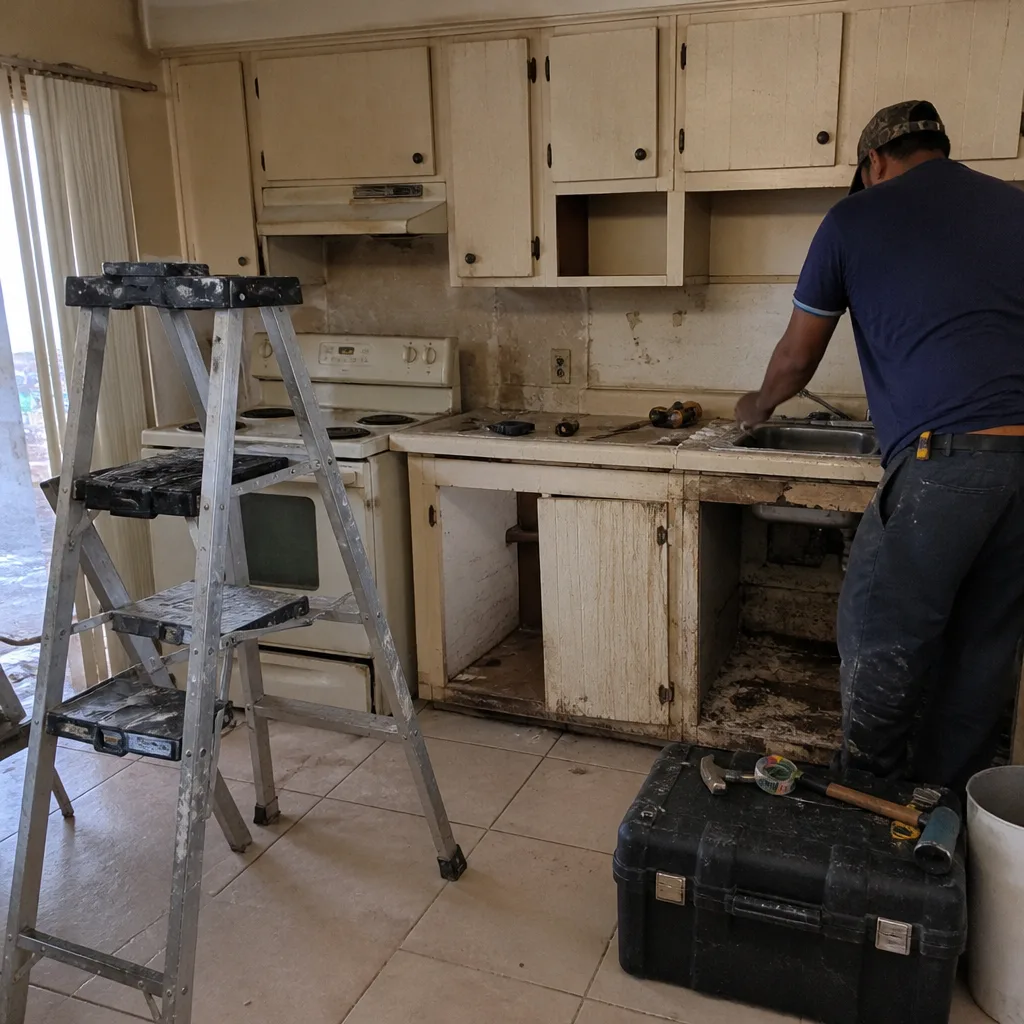
- Kitchen remodeling
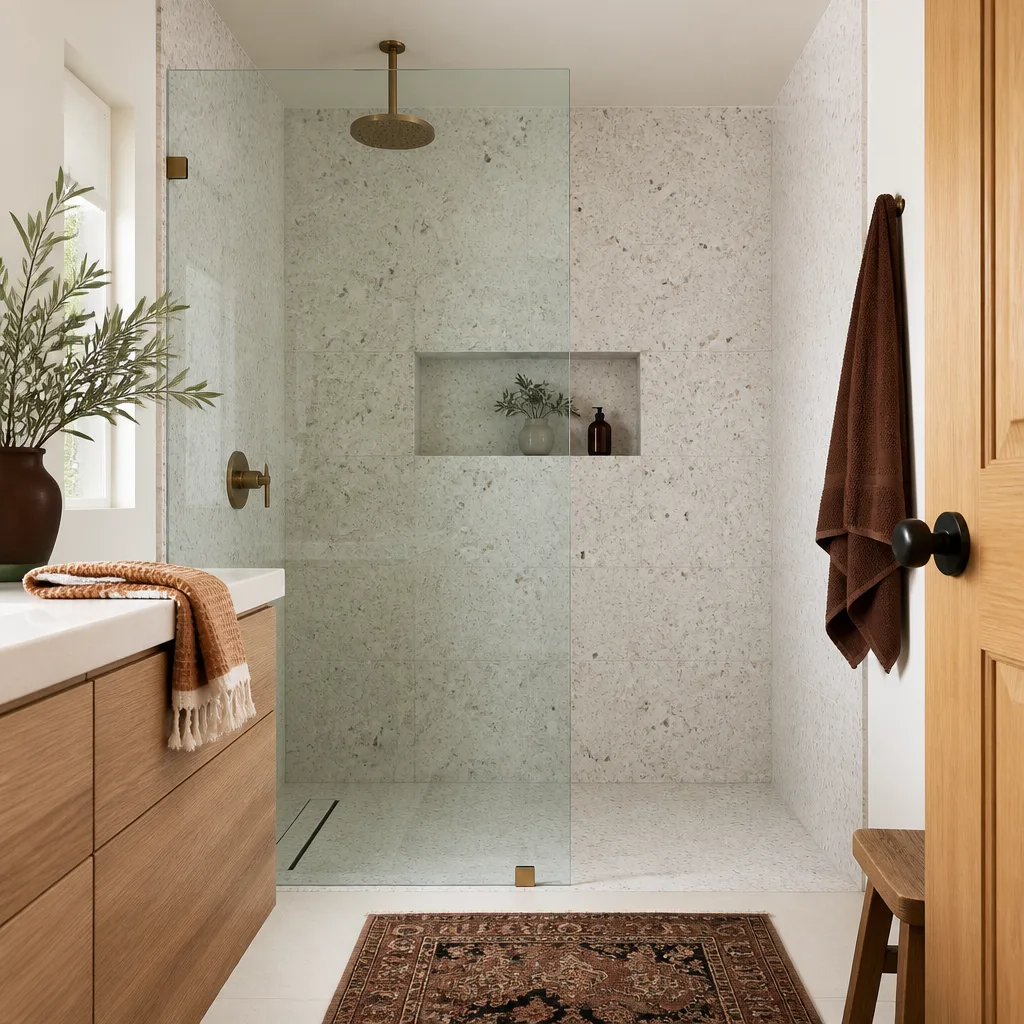
- Bathroom remodeling
- Home additions & ADU
- Roofing
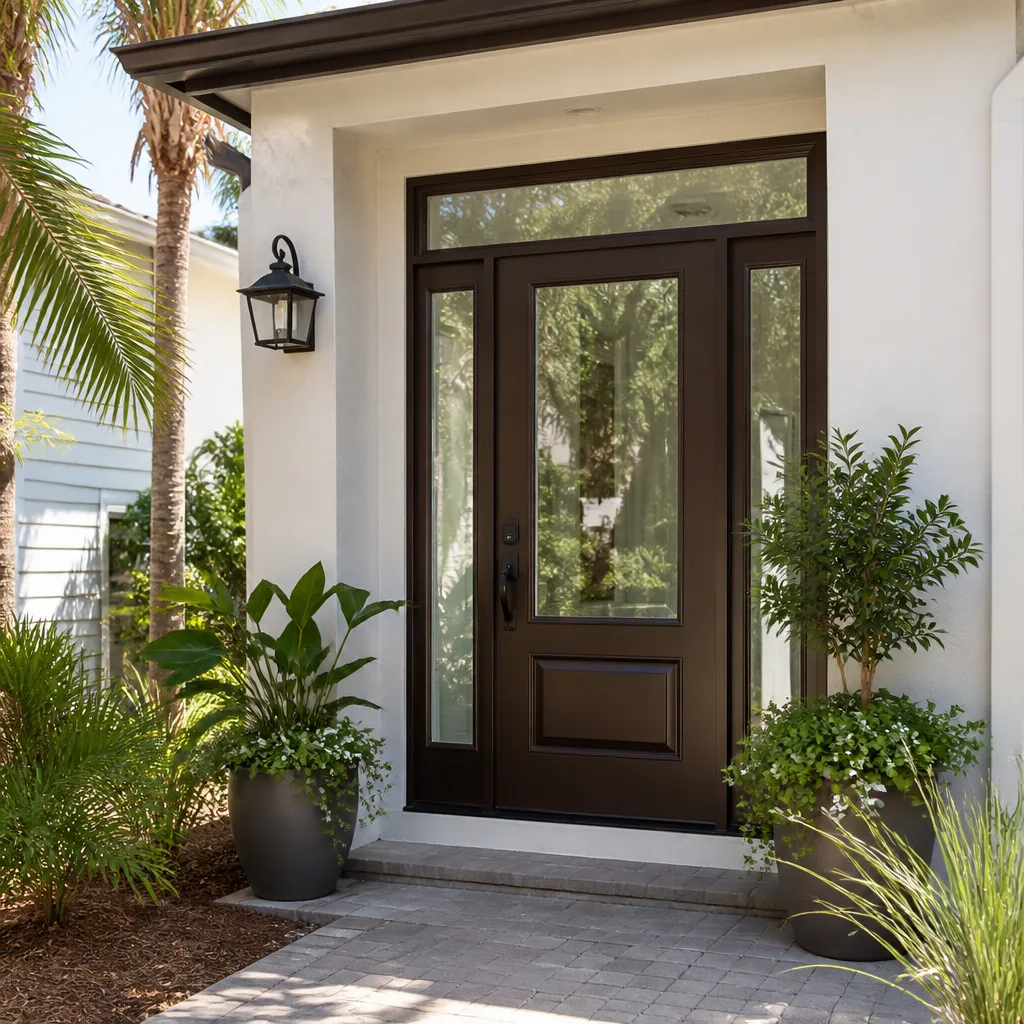
- Windows & doors
- Driveway & pavers
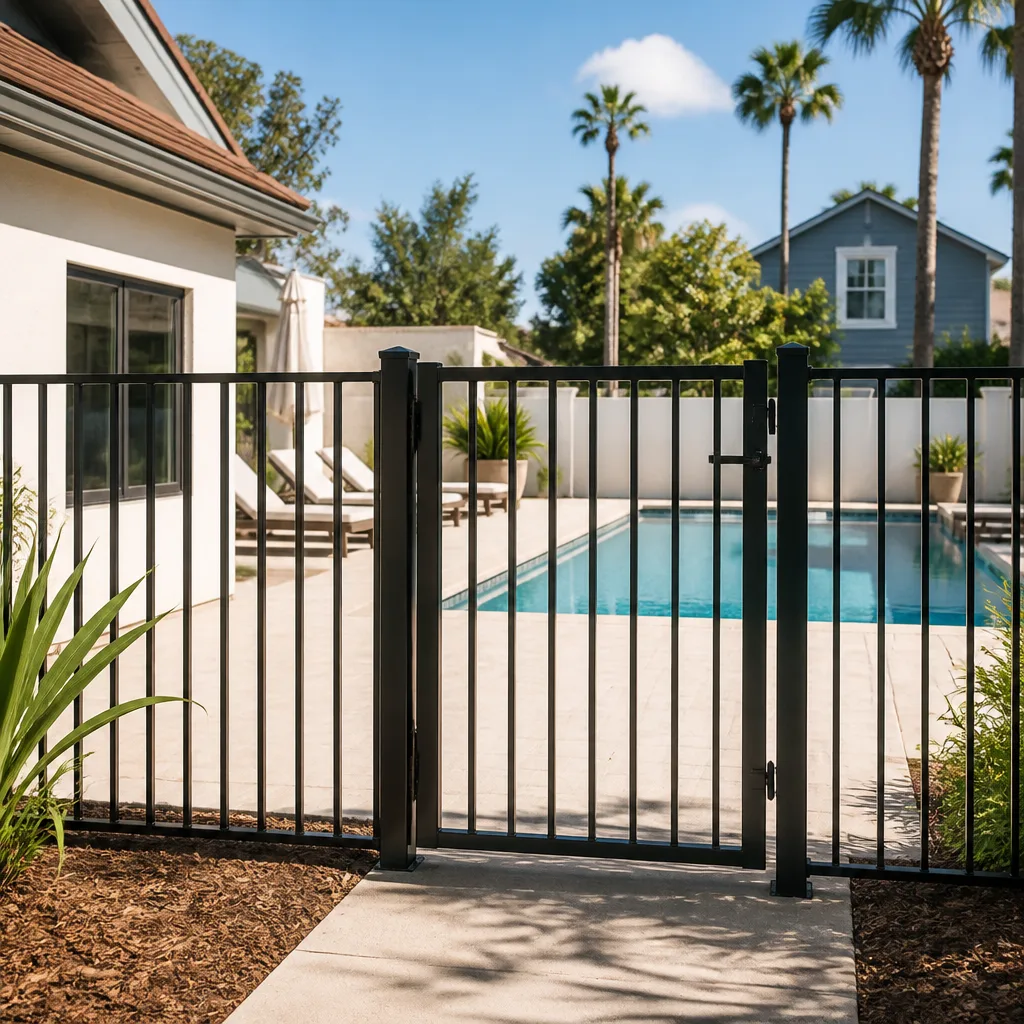
- Fence
See the difference
 Before
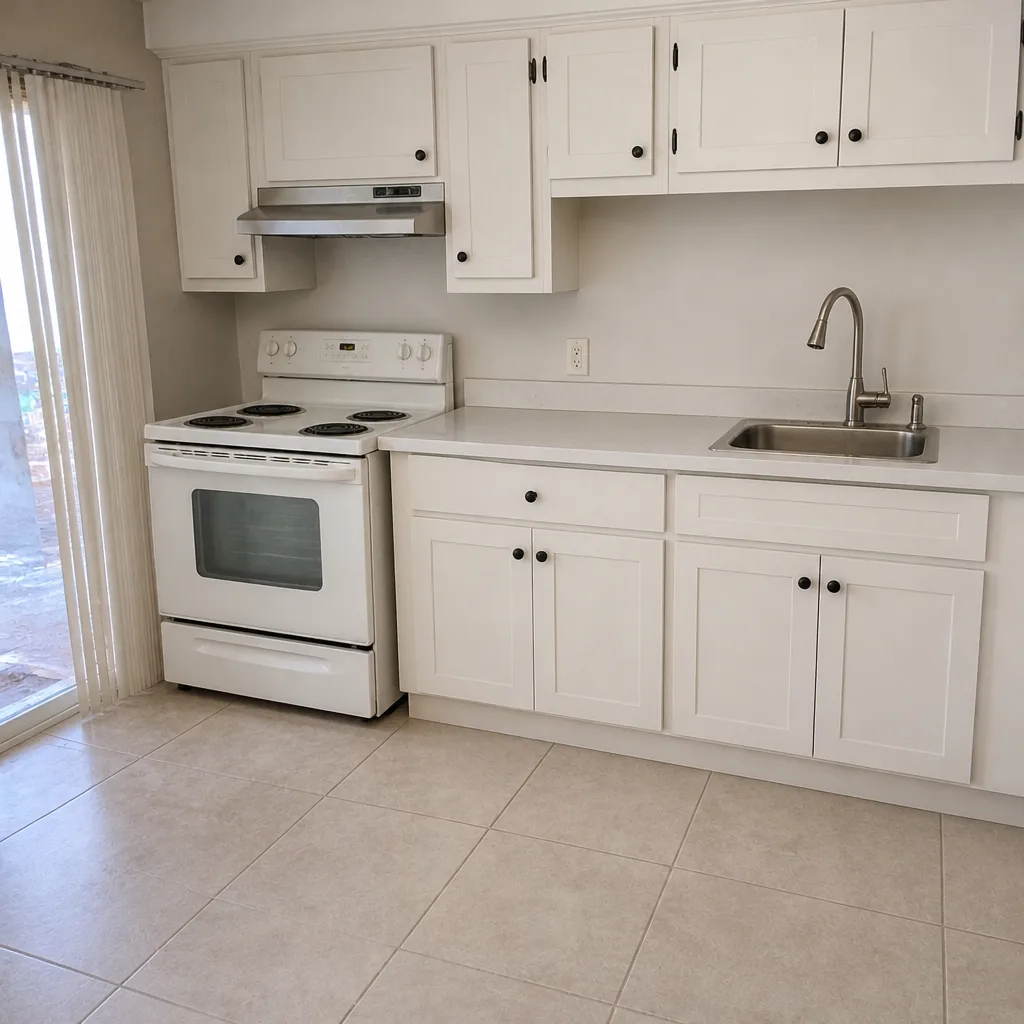 After
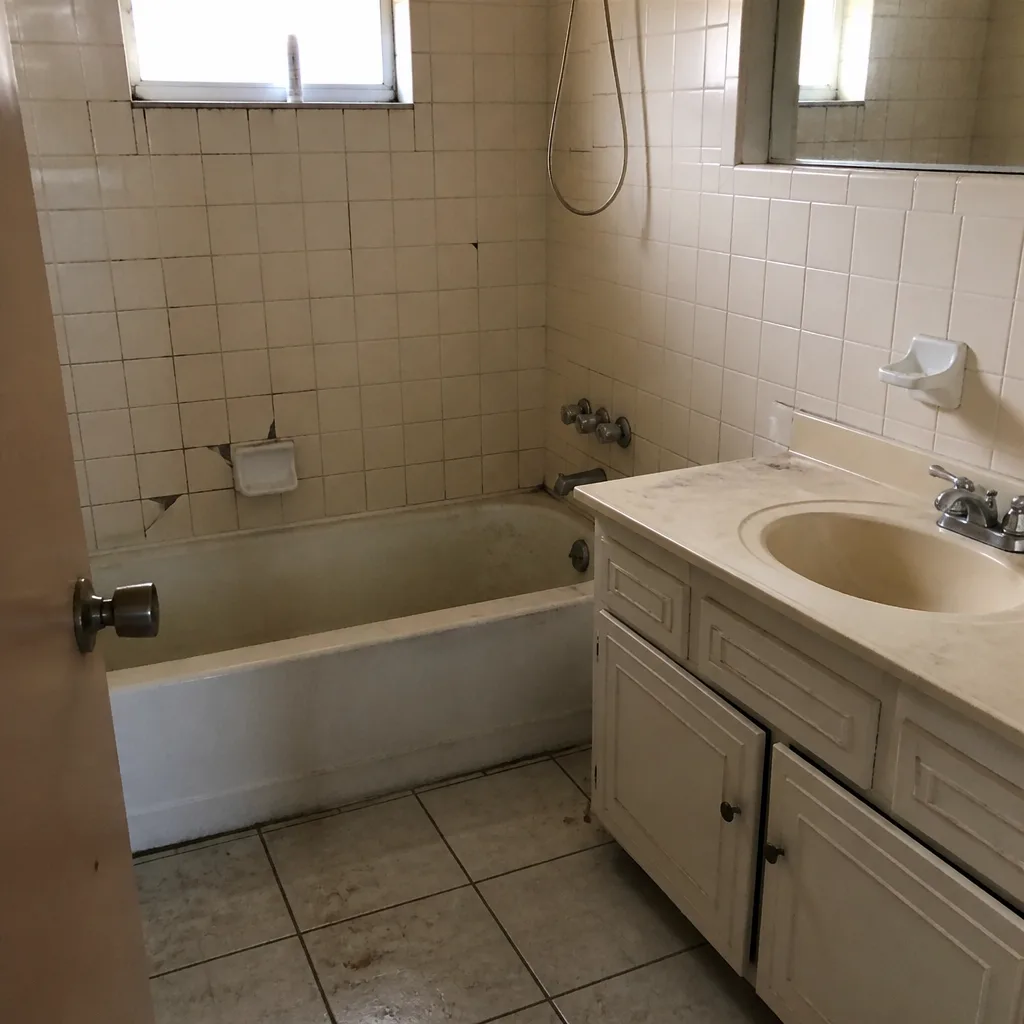 Before
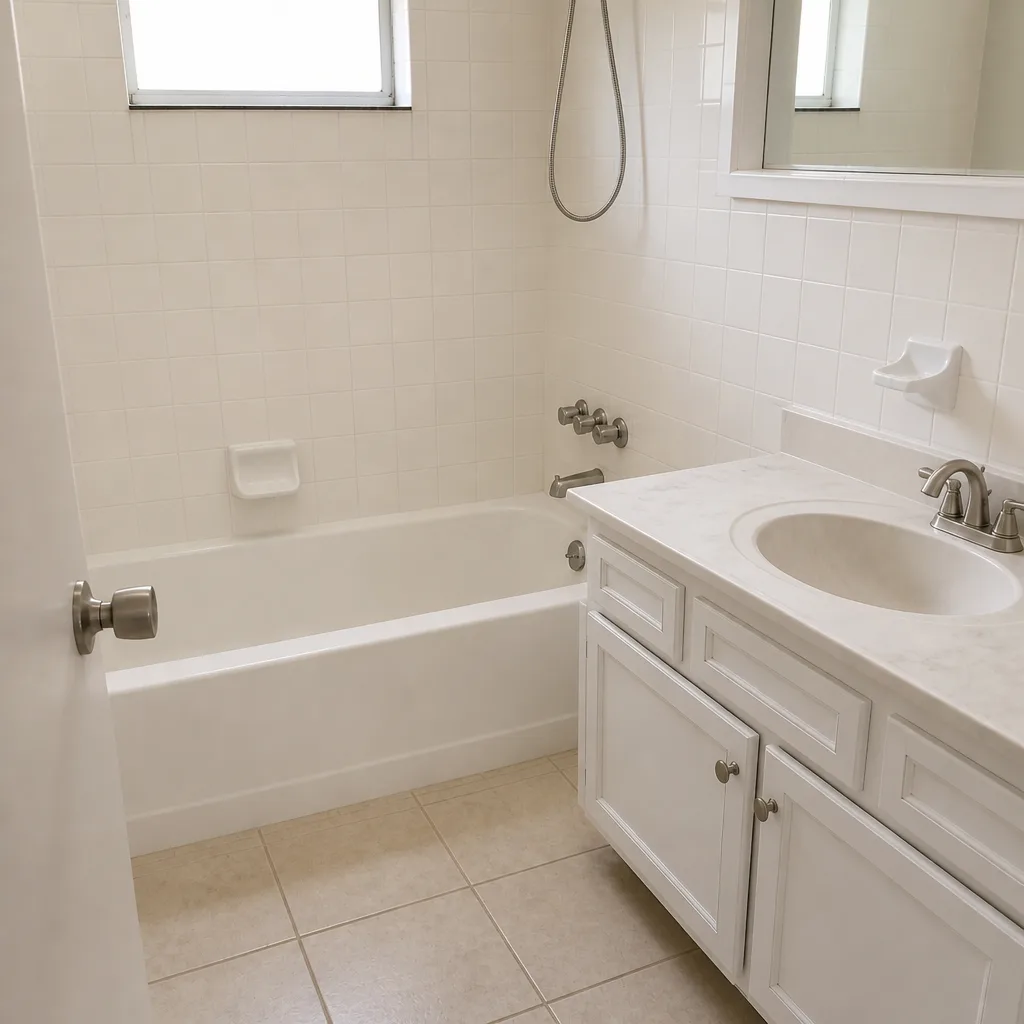 After
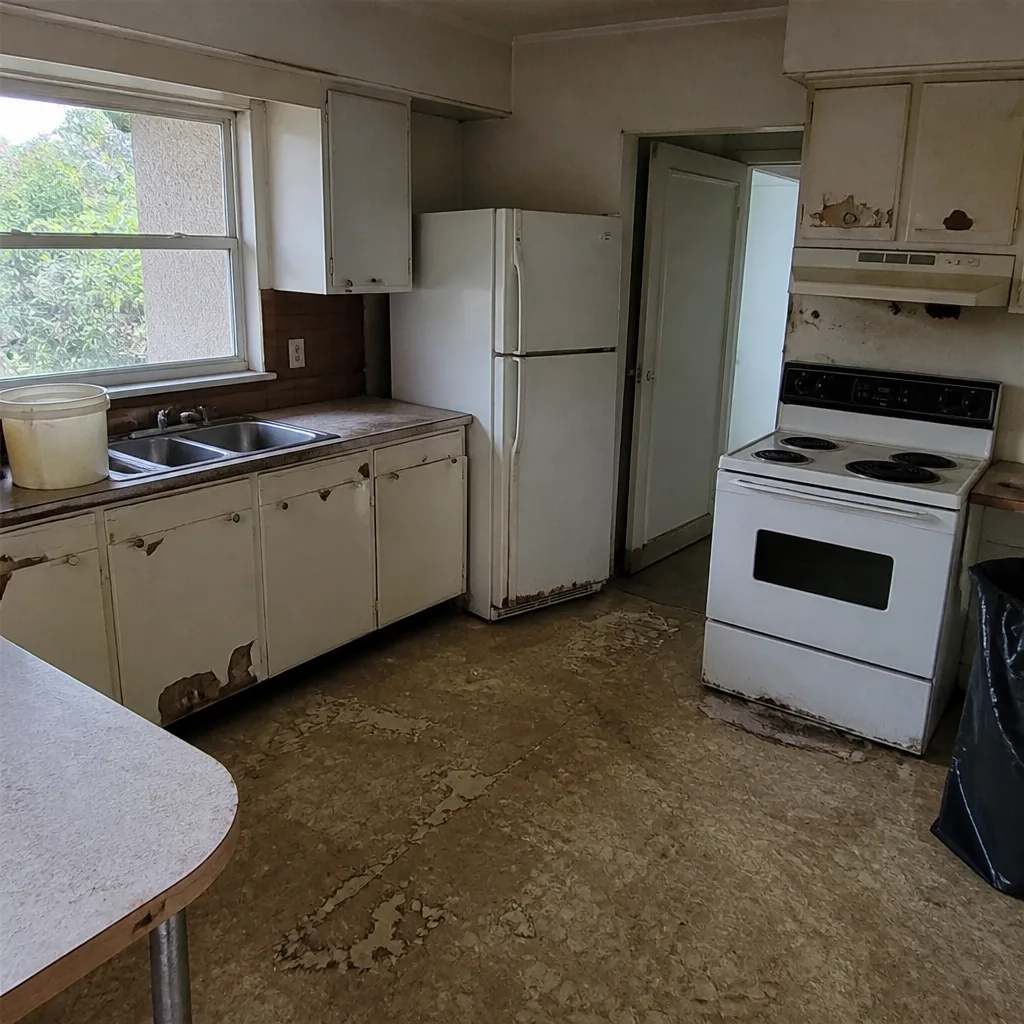 Before
 After
When to Seal a New Asphalt Driveway in North Miami Beach, FL
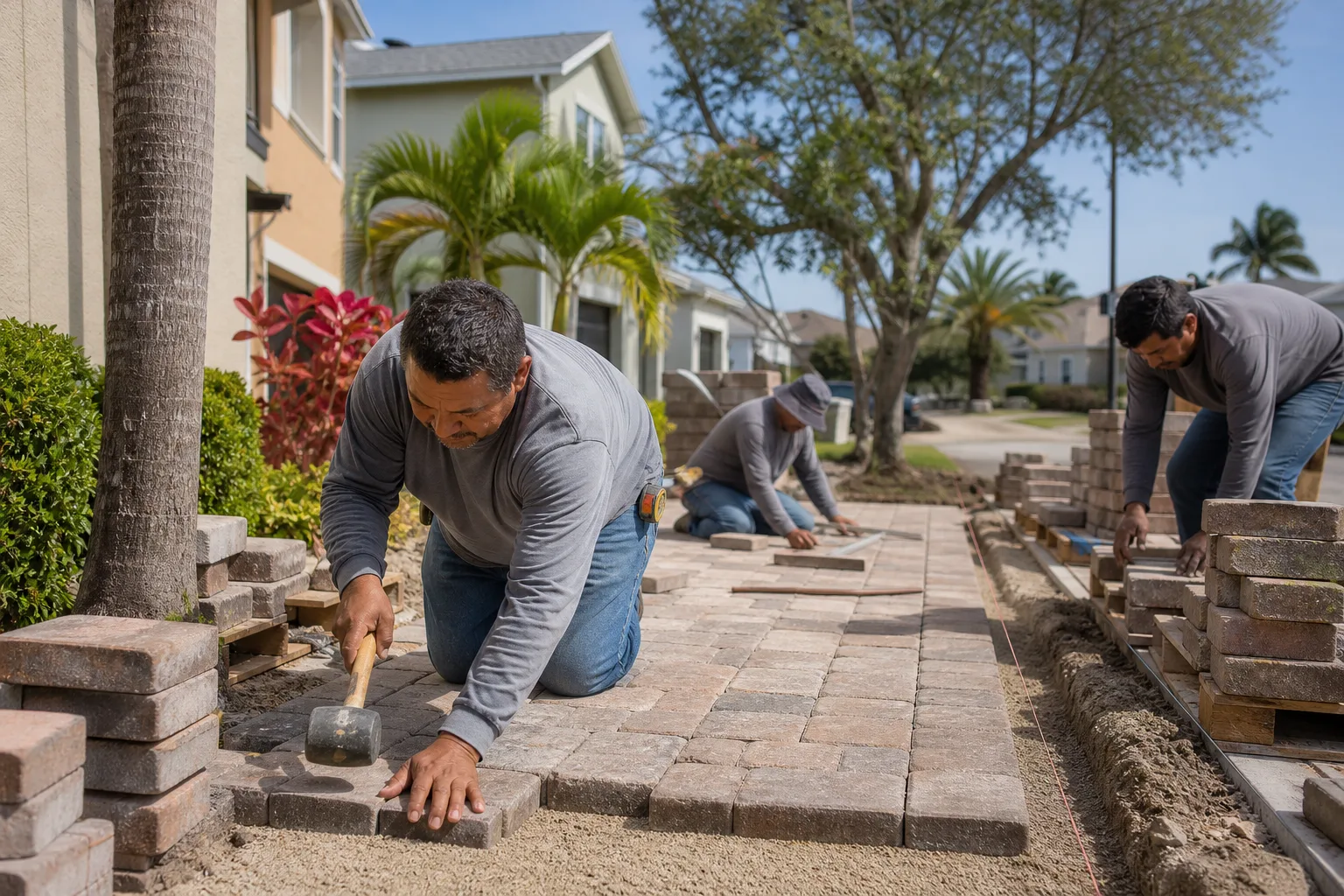
Wait 6 to 12 months before sealing new asphalt in North Miami Beach, not the 90 days you’ll read in most national guides. That longer window is deliberate. Fresh asphalt keeps curing for months, and sealing it before the light oils finish evaporating traps solvent that later shows up as soft spots and peeling. Up here in a coastal subtropical market, the surface has to cure through real heat and real rain before a sealer can bond to it. If it’s been less than six months since your pavement went down, hold off. If you’re unsure or the surface has started to gray, calling (844) 797-4868 gets you a straight answer before you spend a dollar on sealer.
Why the “90-Day Rule” Is Wrong for Coastal South Florida
Most sealing advice online was written for Ohio, Michigan, or the Northeast, where a new driveway cures through a mild spring and gets sealed before winter. North Miami Beach doesn’t give asphalt that kind of grace period. Our summers sit at 90°F and above, UV index stays extreme for months, and the afternoon sun hits a black driveway directly. Oxidation starts faster here.
There’s a real tension in that, and it’s the whole reason this page exists. Heat and sun cure your new driveway faster, but premature sealing locks in oils that haven’t finished escaping. You need the pavement fully cured and its light oils burned off, yet you don’t want to leave it bare so long that sun damage and salt air start working on it. In North Miami Beach, that sweet spot usually lands between 6 and 12 months, largely governed by how much direct sun the driveway catches and how it drains.
Salt-loaded sea air adds a second clock. On lots east of Biscayne Boulevard, near the beaches and the Intracoastal, airborne salt attacks the asphalt binder that holds the aggregate together. Unprotected binder gets brittle and grays out faster than it would twenty miles inland toward Hialeah or Doral. A sealed surface resists that salt attack, which is why the sealing decision matters more here than the national guides suggest.
When to Seal Around Miami-Dade’s Rainy Season
Timing your seal job to the calendar matters as much as counting how many months since paving. Miami-Dade’s rainy season runs June through November with reliable afternoon thunderstorms. A newly sealed driveway needs a dry cure window, and if a downpour lands within hours of application, the fresh sealer can lift, streak, or fail to bond.
Two windows work well:
- Late spring (April to early June): Seal before the storms settle in and you protect the surface ahead of the wet season. The trade-off is you must clear your cure-age requirement by then.
- Late fall into winter (November through February): The driest, most predictable stretch in North Miami Beach. Cure time is easier to predict and afternoon storms are rare.
What we avoid is sealing in the middle of August on a day that looks clear at 9 a.m. and floods by 3 p.m. Rain isn’t the only concern. Humidity slows the cure, and sealer applied to a damp or cool surface won’t adhere the way it should. A contractor who checks the forecast and the substrate before opening a bucket is doing the job right.
Coal-Tar, Asphalt Emulsion, or Acrylic? Picking a Sealer Chemistry That Fits the Coast
Sealer isn’t a commodity. The three main chemistries behave differently in a salt-air, high-UV market like North Miami Beach, and the pick should follow the site, not the price tag.
| Sealer type | Best for | Trade-off on the coast |
|---|---|---|
| Coal-tar | Maximum water and salt resistance, long wear | Restricted or banned in some municipalities; darker, harder to source |
| Asphalt emulsion | Everyday residential driveways, good flexibility | Reapplication more often under intense UV |
| Acrylic | Faster dry, easier low-VOC choice | Thinner film, less durable against salt spray long term |
Because North Miami Beach’s binder takes a beating from salt air, a quality asphalt-emulsion or coal-tar sealer usually outlasts a thin acrylic on exposed coastal lots. On highly sun-exposed driveways, plan on resealing every 2 to 3 years rather than the 3 to 5 years inland owners get away with.
Sealing a new asphalt driveway in North Miami Beach typically runs $295 to $825 for a residential driveway, depending on square footage, surface condition, and how much crack prep the job needs. If your driveway is pavers rather than asphalt, the timing and product logic differ entirely, and you’ll want to see our Driveway & Pavers in North Miami Beach page for how that surface is handled.
Drainage and Flat Lots: Why the Substrate Has to Be Ready
Plenty of North Miami Beach driveways sit nearly flat, or slope gently back toward the house or the street. On those lots, sealing too early or sealing over a substrate that’s still holding moisture does real damage. A sealer that beads water is only helpful if the water can run off. Trap it on a low-grade driveway and it works down through cracks, loosens the base, and accelerates alligator cracking from underneath.
That’s why the surface needs to be fully dry and its cracks filled before sealer goes down, and why the base under a new driveway must be settled first. North Miami Beach also sits above the Biscayne Aquifer with a high water table, so saturated ground after a heavy rain lingers longer than it would on higher ground. A good sealer crew will ask about the drainage before they ask for a check.
From there, timing becomes simple: confirm cure age, confirm the substrate is dry and stable, then pick a low-rain window. Get all three right and the sealer holds. Cut a corner and you’ll be back to square one in two years.
What Groundwork Does Differently When We Seal
Groundwork Construction Co. of North Miami Beach treats sealing as a documented job, not a quick pass with a sprayer. Before any sealer goes down, we record the substrate temperature, the pavement’s cure age, and the exact product spec used. That record lives with your file. Under our 730-Day Done Right Promise, if the sealer fails to cure or bond within that window, we make it right. It’s one of the longest workmanship guarantees in residential construction, and it only works because we can point to what went into the job and when.
Our technicians carry up to 12 years of experience on driveways and hardscape, arrive in uniform and background-checked, and answer the phone with a live person 24/7, so an urgent question about a failing seal never waits until Monday morning. Pricing is upfront, with the number you see being the number you pay. If your project runs above $10,000, there’s $1,000 off, and 0% financing for 18 months for larger work. Most residential seal jobs finish in a single visit.
Every driveway we touch, from home to the curb, is handled by the same crew that stands behind the Driveway & Pavers side of our business, built to last and backed in writing.
FAQs
Wait about 6 to 12 months after the asphalt is laid, longer than the national 90-day rule, because heat, sun, and salt air in North Miami Beach change how the pavement cures. Driving on new asphalt before then is fine; sealing it is not. Call (844) 797-4868 for a free estimate if you want a firm date based on your driveway’s sun exposure and drainage.
Seal before the June-November rainy season if you can, or wait for the drier stretch from November through February. Sealing in the middle of the wet season risks an afternoon thunderstorm lifting fresh sealer before it cures. Either window works as long as the pavement has fully cured.
Yes. Salt-laden coastal air attacks the asphalt binder faster than inland air, so east-side lots near the Intracoastal and beaches show wear sooner. A quality sealer slows that, which is why resealing every 2 to 3 years is a coastal necessity.
Sealing a residential driveway here runs $295 to $825, depending on square footage and crack prep. Call (844) 797-4868 for an exact quote, with free estimates and upfront pricing so there are no surprises.
If you’d rather have it looked at, Groundwork Construction Co. of North Miami Beach offers a no-pressure assessment in North Miami Beach, checking cure age, drainage, and the right sealer for your lot before recommending anything. Call (844) 797-4868 to set it up.
Written by the team at Groundwork Construction Co. of North Miami Beach, serving North Miami Beach, FL.