


Free written scope consultation - allowances, timeline, and change-order rules on paper before a single trade is scheduled
Styles & brands we work with
- Kitchen remodeling
- Bathroom remodeling
- Home additions & ADU
- Roofing
- Windows & doors
- Driveway & pavers
- Fence
See the difference
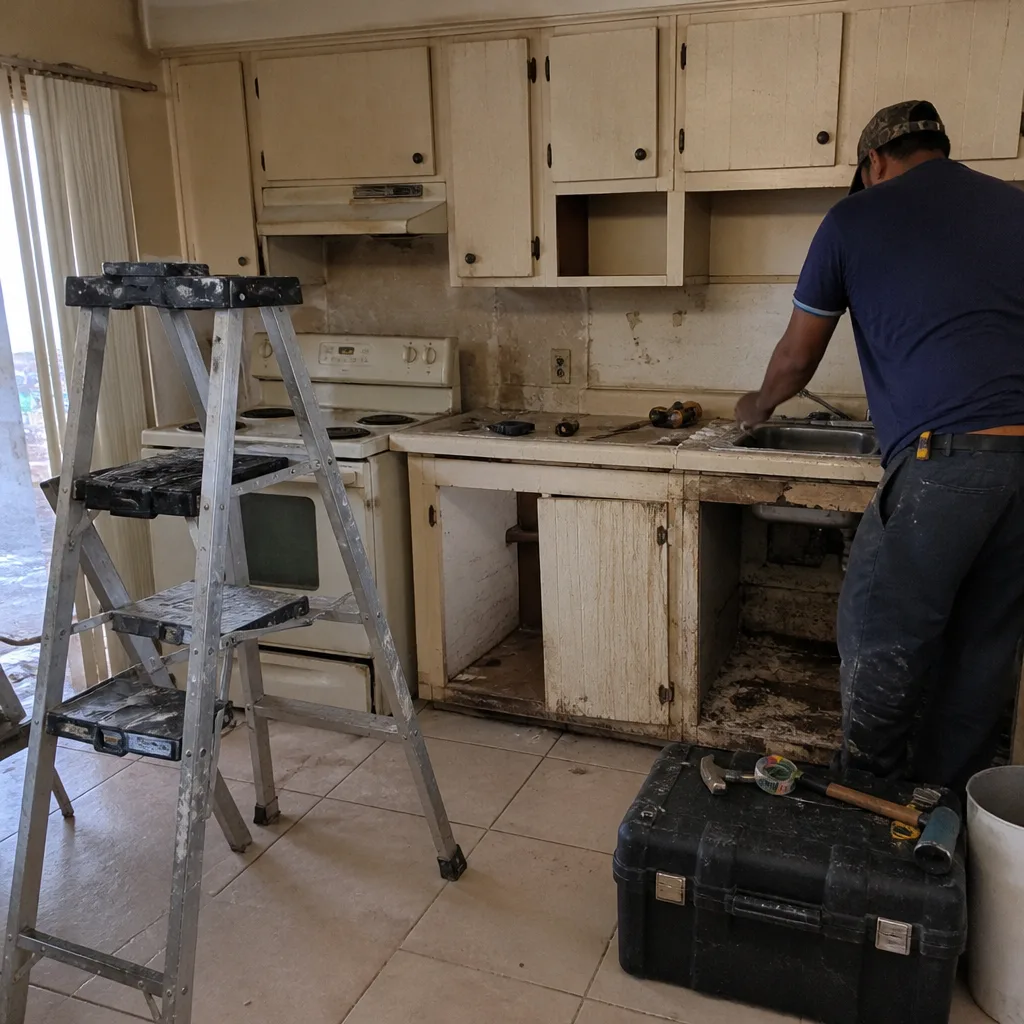 Before
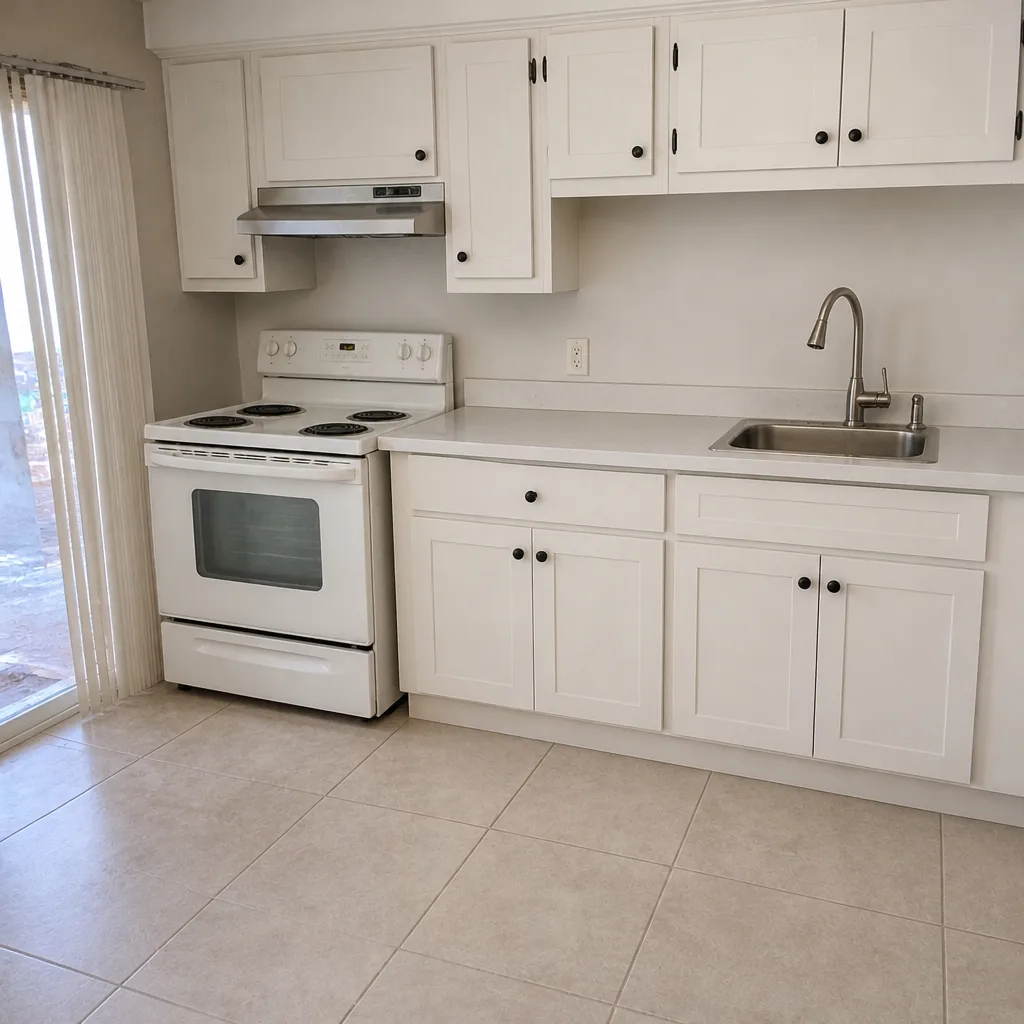 After
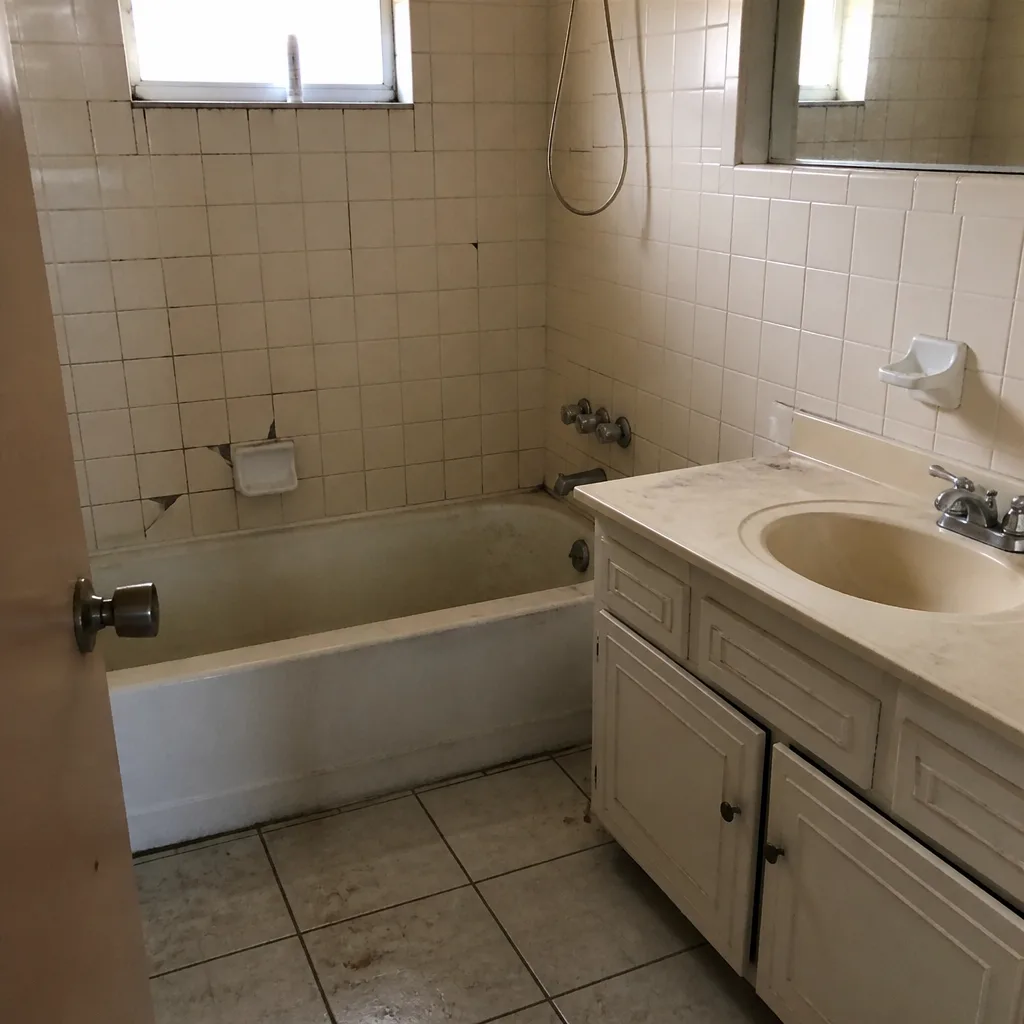 Before
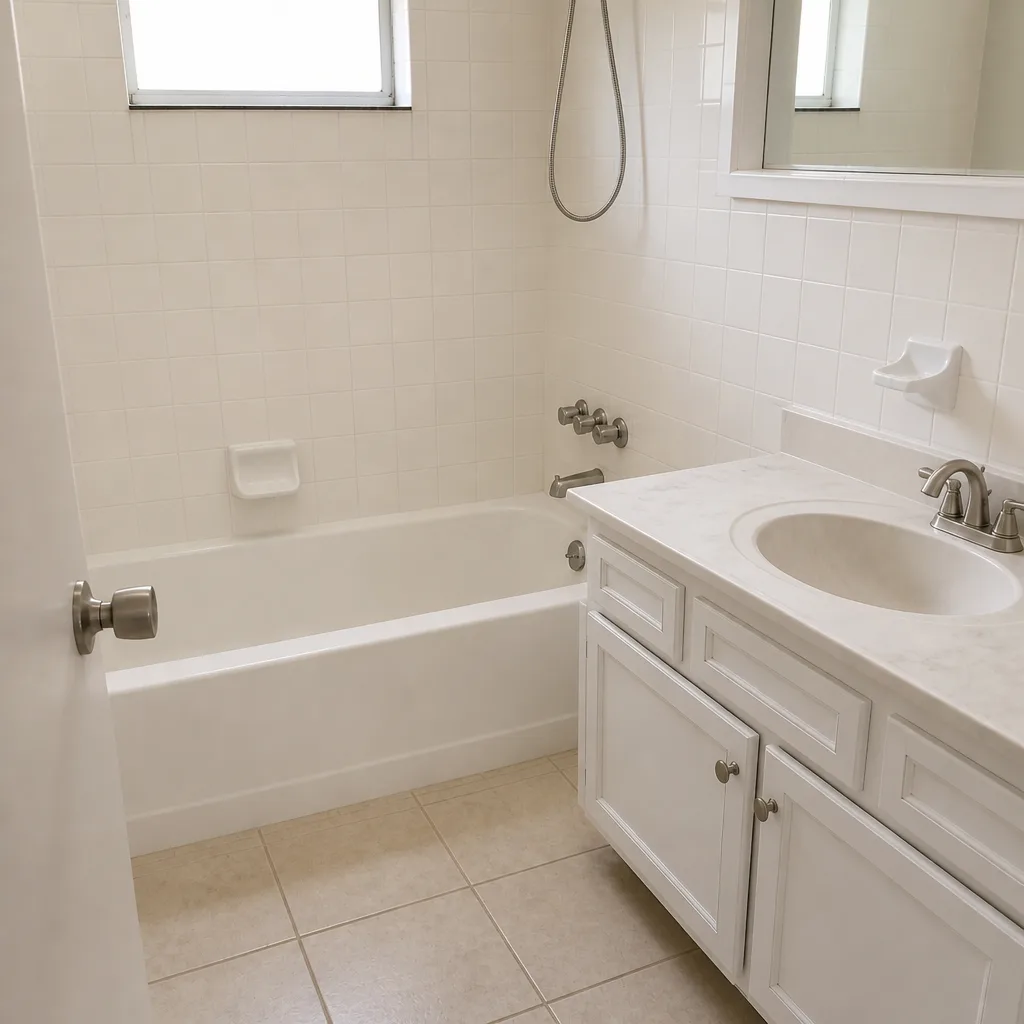 After
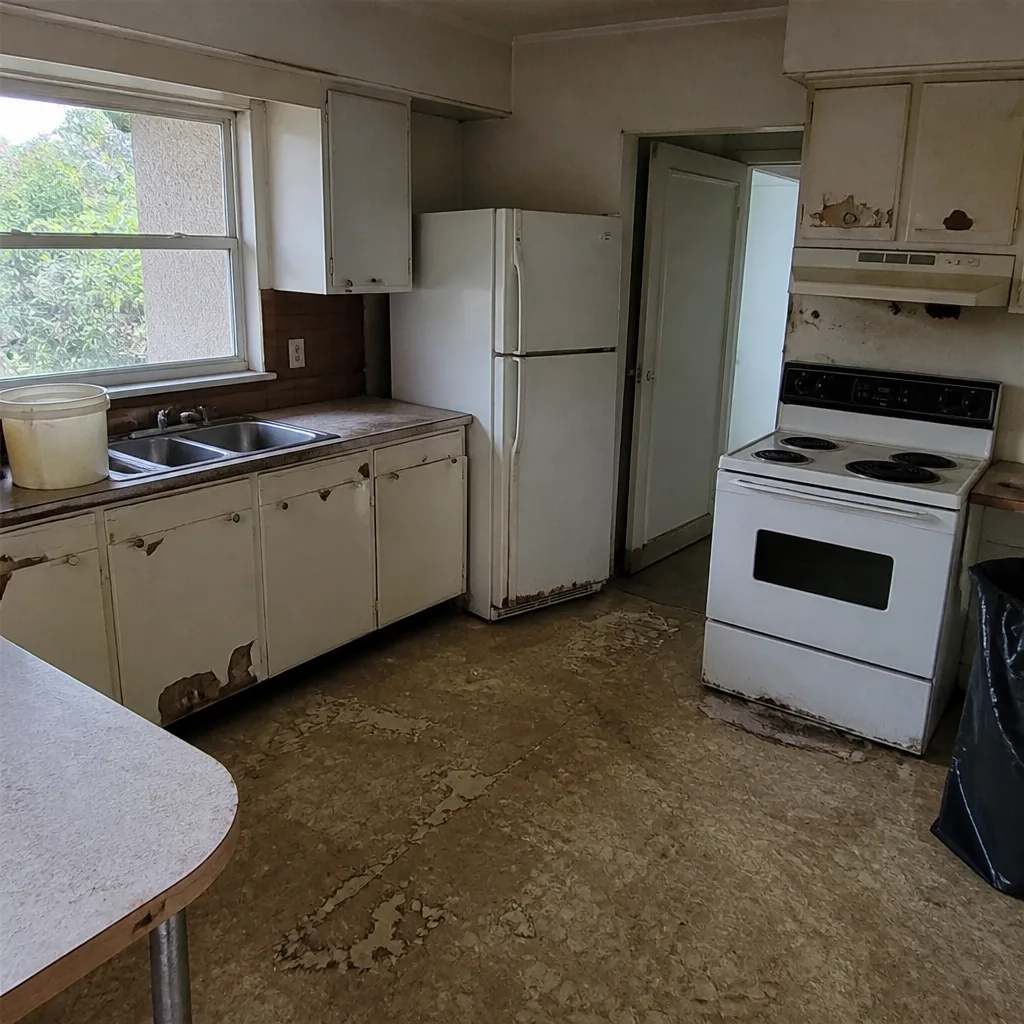 Before
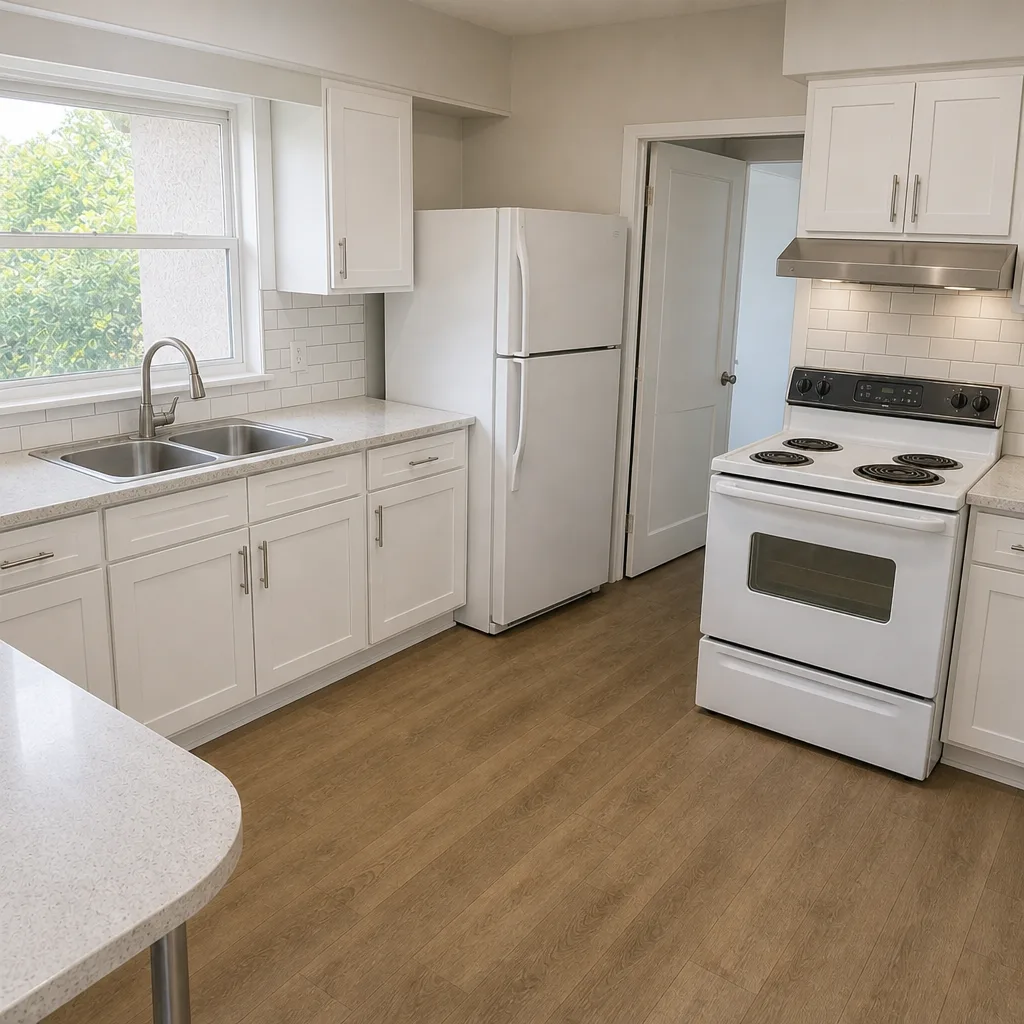 After
Asphalt vs Concrete Driveway in North Miami Beach, FL: Which One Actually Lasts?
Choose concrete unless budget is the hard ceiling and you’re willing to reseal every 18 to 24 months. In North Miami Beach, concrete is the better long-term buy because the sun and salt air here shorten asphalt’s working life to roughly 12 to 18 years, not the 20 to 30 years national guides promise. Asphalt still wins on upfront cost and on one narrow drainage scenario we’ll explain below. Everything else points to concrete. If you want a straight answer on your specific lot, call Groundwork Construction Co. of North Miami Beach at (844) 797-4868.
Key Takeaways
- Concrete costs more up front but typically outlasts asphalt in North Miami Beach by several years, closing the lifecycle gap.
- South Florida gets roughly 3,000 sun hours a year versus about 2,500 nationally, which speeds up asphalt oxidation and surface raveling.
- Asphalt surface temps in Miami-Dade routinely pass 150°F in summer, causing rutting under tire loads.
- Concrete only wins the coastal durability argument if the mix meets Miami-Dade’s exposure requirements. Cheap mixes don’t.
- Both materials need a City of North Miami Beach driveway permit. Concrete flatwork near drainage constraints can trigger a stormwater review that asphalt overlays usually avoid.
Why the National “Asphalt Lasts 20 to 30 Years” Number Doesn’t Hold Here
Walk any residential block in North Miami Beach, from the 1950s ranch homes west of Biscayne Boulevard down toward the U.S. 1 corridor, and you’ll see asphalt driveways that were poured a decade ago already going gray and raveling at the edges. That’s not a bad install. It’s the climate doing what it does.
South Florida averages roughly 3,000 sun hours a year. The national average is closer to 2,500. That extra ultraviolet load hits the asphalt binder directly, oxidizing it and breaking down the surface aggregate faster than northern lifespan charts account for. The result is a reseal schedule that lands closer to every 18 to 24 months instead of the every 3 to 5 years you’d budget up north. Over a 15-year window, that adds up to several thousand dollars in maintenance most homeowners never factor into the comparison.
Then there’s heat. Miami-Dade’s dense urban blocks trap heat, and asphalt surface temperatures routinely exceed 150°F in summer. Under that load, tire traffic causes rutting and shoving that you rarely see in cooler climates. Concrete doesn’t rut. It can crack, and we’ll cover that honestly, but it doesn’t deform under a parked car the way softened asphalt does.
The Salt-Air Advantage Nobody Explains Properly
Concrete outlasts asphalt in coastal environments, but only when the mix is right. Salt-laden air works on both materials, but concrete’s real enemy on the coast is chloride-driven corrosion of the embedded rebar. If the mix design skips Miami-Dade’s coastal exposure requirements, primarily the water-to-cement ratio and the cover depth over the rebar, you get a driveway that looks great for five years and then starts spalling. That’s a spec many low-bid contractors quietly skip because the concrete costs a few dollars more per yard.
When the mix and cover are specified correctly, properly finished concrete in North Miami Beach holds up significantly longer than asphalt under the same UV and salt load. This is the part of the comparison where a written spec sheet matters more than a bid price.

Asphalt vs Concrete Driveway: Side-by-Side
| Factor | Asphalt | Concrete |
|---|---|---|
| Typical installed cost (North Miami Beach) | $4,130-$10,620 | $5,310-$14,160 |
| Real-world lifespan here | 12-18 years before major resurfacing | 25+ years with a proper coastal mix |
| Reseal / maintenance schedule | Every 18-24 months in this climate | Seal every few years, joint care |
| Heat performance | Ruts and shoves above 150°F | No rutting; resists deformation |
| UV exposure | Oxidizes and ravels faster in high sun | Surface stays stable; color fades slowly |
| Salt-air performance | Degrades at edges and joints | Excellent if mix meets Miami-Dade exposure spec |
| Permit path | City permit; overlay often avoids stormwater review | City permit; drainage constraints can trigger stormwater review |
Read that table as a lifecycle cost, not an installation cost. An asphalt driveway at $6,000 that gets resealed four times over 15 years and then needs significant resurfacing isn’t cheaper than a $9,000 concrete driveway that just needs routine joint care. Compare bids on that basis, not on the first number on the page.
What About the Permit and Stormwater Question?
Both materials require a driveway permit from the City of North Miami Beach, and that’s the one place where asphalt can genuinely save you time and money. If your property sits on a lot with existing drainage constraints, a concrete pour can trigger a stormwater review before the foundation work is approved. An asphalt milling-and-overlay on top of an existing base often sidesteps that review. If your lot already drains poorly or you’re near the high water table west of Biscayne Boulevard, that’s worth knowing before you pick a material. It’s also the reason we walk the lot before quoting, not after.
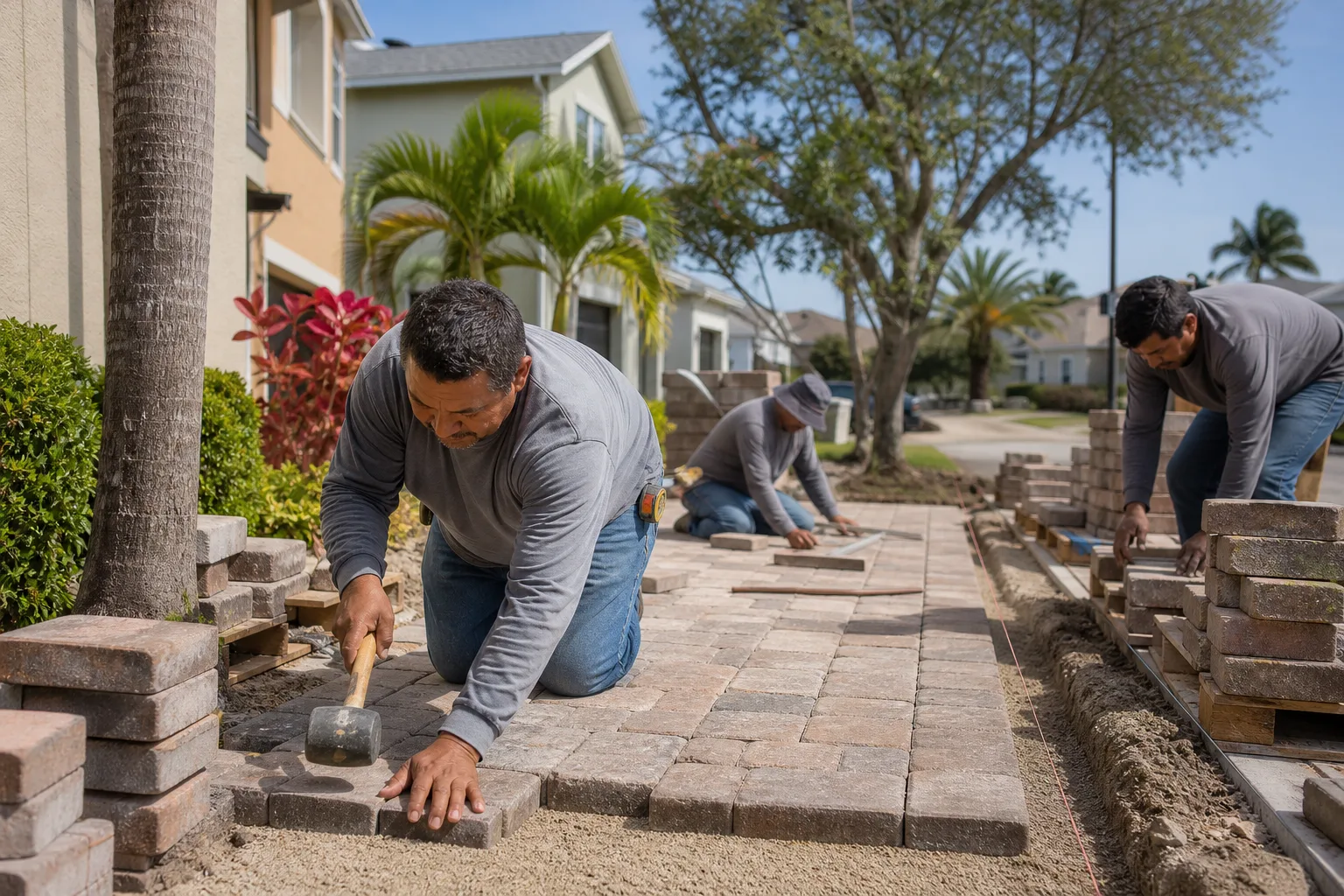
If you’re staying long-term and your drainage is sound, concrete is the answer. If you’re flipping a property or the drainage picture is complicated, asphalt may buy you a faster path to a paved driveway. That’s the honest decision framework. For the full range of paving options available, see our Driveway & Pavers in North Miami Beach page.
Compare Bids Apples-to-Apples, Not Dollar-to-Dollar
The single biggest reason homeowners overpay on a driveway is that they compare numbers without knowing what’s behind them. One bid says “$8,500 concrete.” Another says “$10,200 concrete.” Without specs, those prices are meaningless.
Groundwork Construction Co. of North Miami Beach provides a written material spec sheet with every driveway bid. For concrete, that means the PSI rating, the rebar schedule, and the water-to-cement ratio. For asphalt, it means the mix grade and compaction method. Any contractor worth hiring will put that in writing without being asked. If someone won’t, that’s your answer about their approach to the rest of the job.
Our technicians have up to 12 years of experience on driveway work, and every project is covered by our 730-Day Done Right Promise. If it’s not done right, we make it right. That guarantee applies whether the surface is asphalt, concrete, or pavers. All work is backed by a schedule we’ll walk you through before a single load of material arrives on site.
What Drives the Price in North Miami Beach
Concrete driveway installation in North Miami Beach typically runs $5,310 to $14,160 depending on square footage, thickness, and mix spec. Asphalt driveway paving runs $4,130 to $10,620. Concrete that meets the coastal exposure requirements sits at the higher end of that range because the mix costs more, and there’s no honest way to spec it correctly without paying for it.
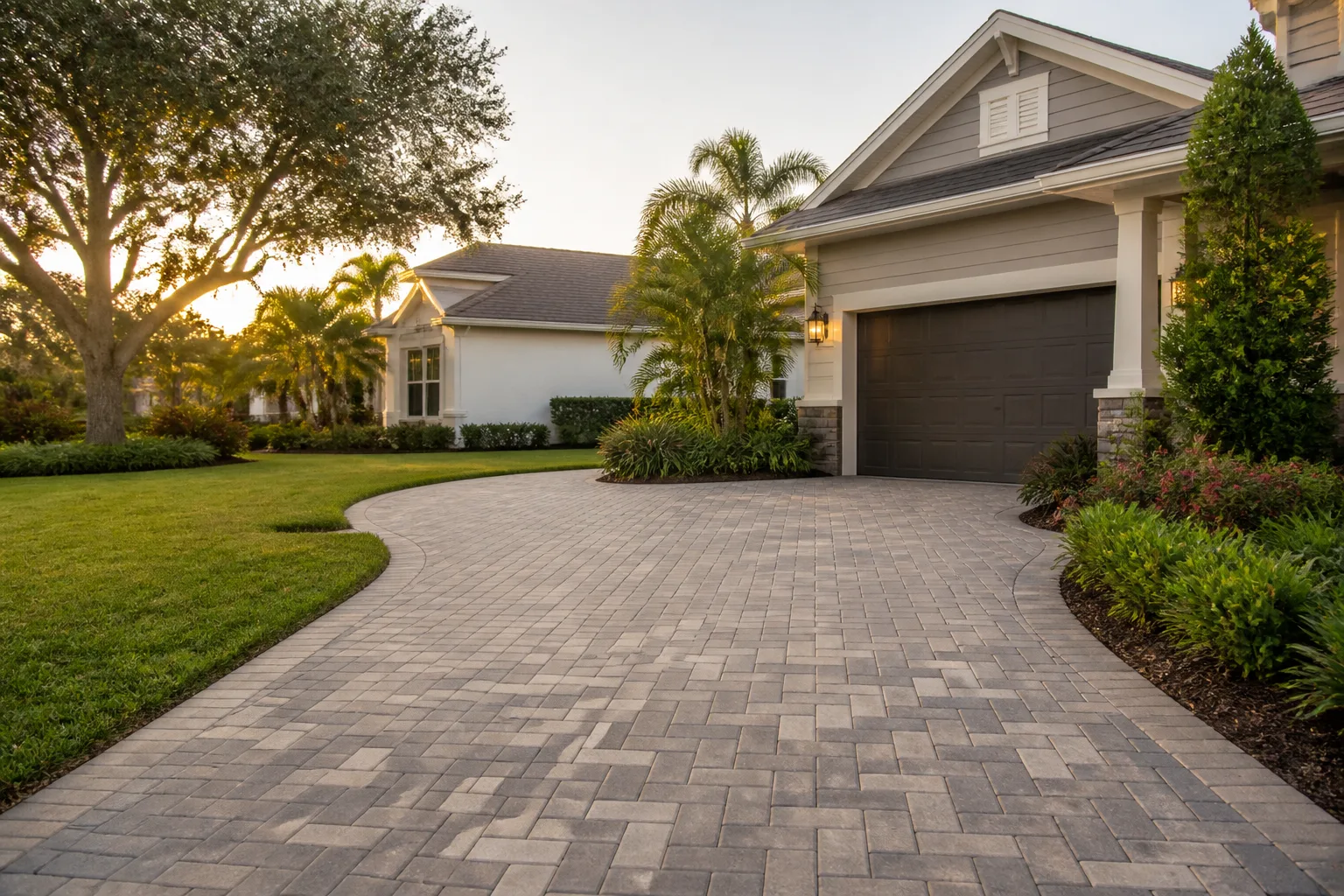
Driveway replacement, where you’re removing an existing surface and pouring fresh, runs $5,900 to $16,520. Sealing existing asphalt runs $295 to $825, and that’s the number to budget on an 18-to-24-month cycle if you go asphalt. Paver driveways run $8,260 to $21,240 if you want the look that gives you a decorative option between the two extremes.
We quote upfront. The number you see is the number you pay. If you’re comparing a kitchen remodel or other project alongside the driveway work, we can line up the scope and financing in one visit. The home page covers the full service lineup. For getting the driveway done specifically, see Driveway & Pavers.
FAQs
Asphalt is cheaper upfront, running $4,130 to $10,620 versus $5,310 to $14,160 for concrete. But asphalt needs resealing every 18 to 24 months here because of the UV load, and that recurring cost closes the gap over 15 years. If you plan to stay in the home long-term, concrete usually ends up cheaper per year of service. Call (844) 797-4868 for an exact quote on your lot.
Expect 12 to 18 years before significant resurfacing, not the 20 to 30 years national guides suggest. South Florida’s roughly 3,000 annual sun hours and summer surface temps above 150°F accelerate oxidation and rutting faster than northern benchmarks account for. Budget resealing every 18 to 24 months, and call us if you want a lifespan estimate specific to your driveway.
Yes, when the concrete mix meets Miami-Dade’s coastal exposure requirements for water-to-cement ratio and rebar cover depth. Skip that spec and concrete will spall and crack from salt-driven rebar corrosion within a decade. We include the mix spec in every written bid so you can see exactly what you’re getting before you sign. Ask for it in writing from any contractor you compare against.
Yes, both asphalt and concrete driveways require a City of North Miami Beach driveway permit. Concrete flatwork on a lot with drainage constraints may also trigger a stormwater review, which asphalt overlays typically avoid. We handle the permit path and walk you through what your specific lot requires before work begins. Call (844) 797-4868 and we’ll tell you what your property needs.
Ready to Stop Comparing and Start Planning?
If you’d rather have it looked at, Groundwork Construction Co. of North Miami Beach offers a no-pressure assessment in North Miami Beach. We’ll walk the lot, check the drainage, and put a written spec and price in front of you with no surprises. Call (844) 797-4868. Live person, 24/7.
Written by the team at Groundwork Construction Co. of North Miami Beach, serving North Miami Beach, FL.