
Free written scope consultation - allowances, timeline, and change-order rules on paper before a single trade is scheduled
ADU Site Prep & Utilities in West Little River: What It Takes and What It Costs
ADU site prep and utilities in West Little River runs $45,000 – $130,000 for the utility and sitework portion of a detached unit, covering grading, slab, water and sewer taps, electrical service, and inspections. Most jobs take 4 – 8 weeks from first shovel to passed rough-in inspections, with wet-utility trenching as the longest single phase. The number moves fast once you find out how deep the sewer lateral sits or how much of NW 27th Avenue’s right-of-way you’ll disturb. Call (844) 797-4868 and we’ll walk the lot with you.
How the work actually runs, stage by stage
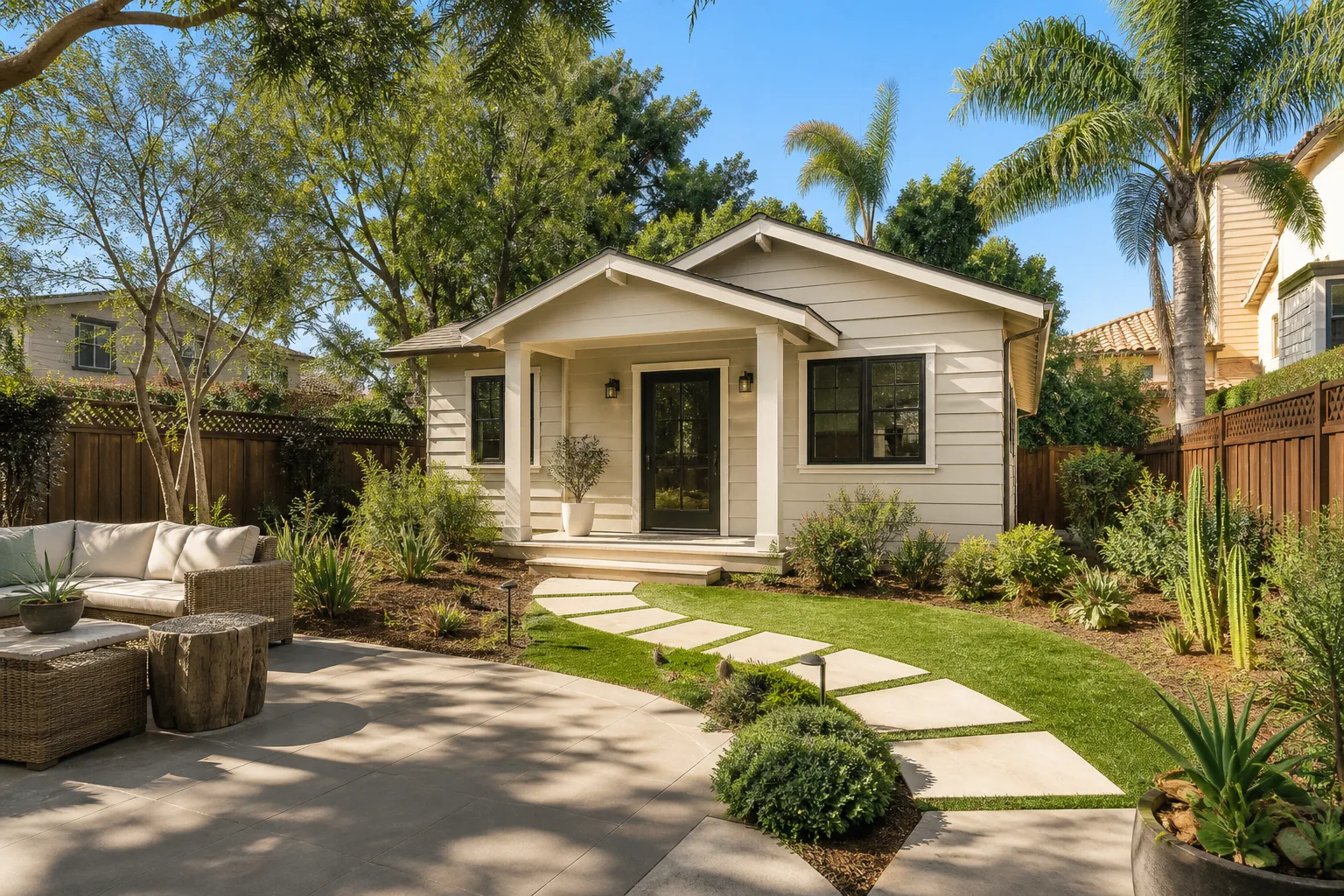
Site prep and utility work breaks into five phases, and each one carries a decision you’ll want to make before the crew shows up.
1. Lot survey and utility locate (Day 1 – 2)
We call in 811 locates for gas, electric, and communications, and cross-reference the survey to confirm setbacks and lot coverage under Miami-Dade County’s infill rules. You’ll need to confirm where the ADU footprint sits relative to the septic field, if any, and whether your existing water meter can carry a second service. Expect a 48-hour window for county locate clearance before any trench gets opened.
2. Demolition, clearing, and grading (Day 3 – 7)
Anything on the footprint comes out – old shed slabs, carport footings, overgrown root balls. We rough-grade to within a few inches of final and establish the drainage plane so stormwater moves away from both the ADU and the main house. This is where you approve the finish floor elevation, which matters more than most owners realize on West Little River’s flat, low-lying lots. On an infill lot with an existing concrete driveway, we staged access here and often rebuild the apron afterward with Concrete Driveways & Concrete Work in West Little River so truck traffic doesn’t leave ruts.
3. Underground wet utilities (Day 8 – 20)
This is the longest stretch. We trench the sanitary sewer lateral 12 – 24 inches below grade depending on the run to the main, set the water service line with a proper meter tap, and route graywater and condensate. Your decision: whether to tap the existing sewer main or install a small grinder pump and lift station because the ADU sits below the back-of-curb invert. A grinder adds cost and a maintenance item, but on some low lots it’s the only path. We handle the county inspection scheduling and keep the trench open until the plumbing rough passes.
4. Electrical and low-voltage service (Day 21 – 28)
We set the meter can, conduit, panel, and grounding electrode, then run feeder from the main panel or pull a separate service if load calculations demand it. You’ll pick panel capacity (100A is typical for a 500 – 700 sq ft unit; 200A if you’re going heat pump and EV charging). Miami-Dade requires surge protection and AFCI/GFCI on most circuits now, so the panel spec is not a guessing game. This stage overlaps the plumbing inspection window to save a week.
5. Slab, inspections, and final grade (Day 29 – 45)
Vapor barrier, termite pretreatment, rebar grid, and slab pour – typically a 4-inch slab reinforced on grade for a detached unit. Once the slab cures, we finish grade, tie in downspouts and French drains, and call the final site inspection. You’ll sign off on the drainage plan and get a copy of every inspection card. That pass book matters when you sell.
Styles & brands we work with
- Kitchen remodeling
- Bathroom remodeling
- Home additions & ADU
- Roofing
- Windows & doors
- Driveway & pavers
- Fence
The utility and site options you’ll actually choose between
- Sewer tap vs. grinder pump. A gravity tap to the county main is simplest and cheapest, but on low lots you may need a pump and basin. Trade-off: pump adds ongoing service, tap needs enough fall.
- Water service size. A ¾-inch line serves most 1-bedroom ADUs; step to 1 inch if you’re plumbing laundry plus a full bath. Undersizing is the classic bottleneck.
- Electrical service. Independent meter (separate bill for the tenant) or a sub-panel off the house. Separate service costs more upfront but cleanly splits utilities for rental.
- Impact-rated glazing on the ADU itself. Since West Little River’s hurricane-wind requirements run through Miami-Dade’s product-approval system, your windows need a NOA number or a Miami-Dade Notice of Acceptance covering the assembly. Brands like PGT and CGI are common; no shortcuts here.
- Roofing tie-downs and roof material. If the ADU’s roof is included in your utility-tied scope, you’ll see barrel tile (traditional Miami-Dade look, heavier structure) versus architectural shingle like IKO or Atlas (lighter load, lower cost, shorter life).
- Drainage. French drain and dry well vs. surface swale to the street. West Little River’s flat grade means swales can pond during summer downpours.
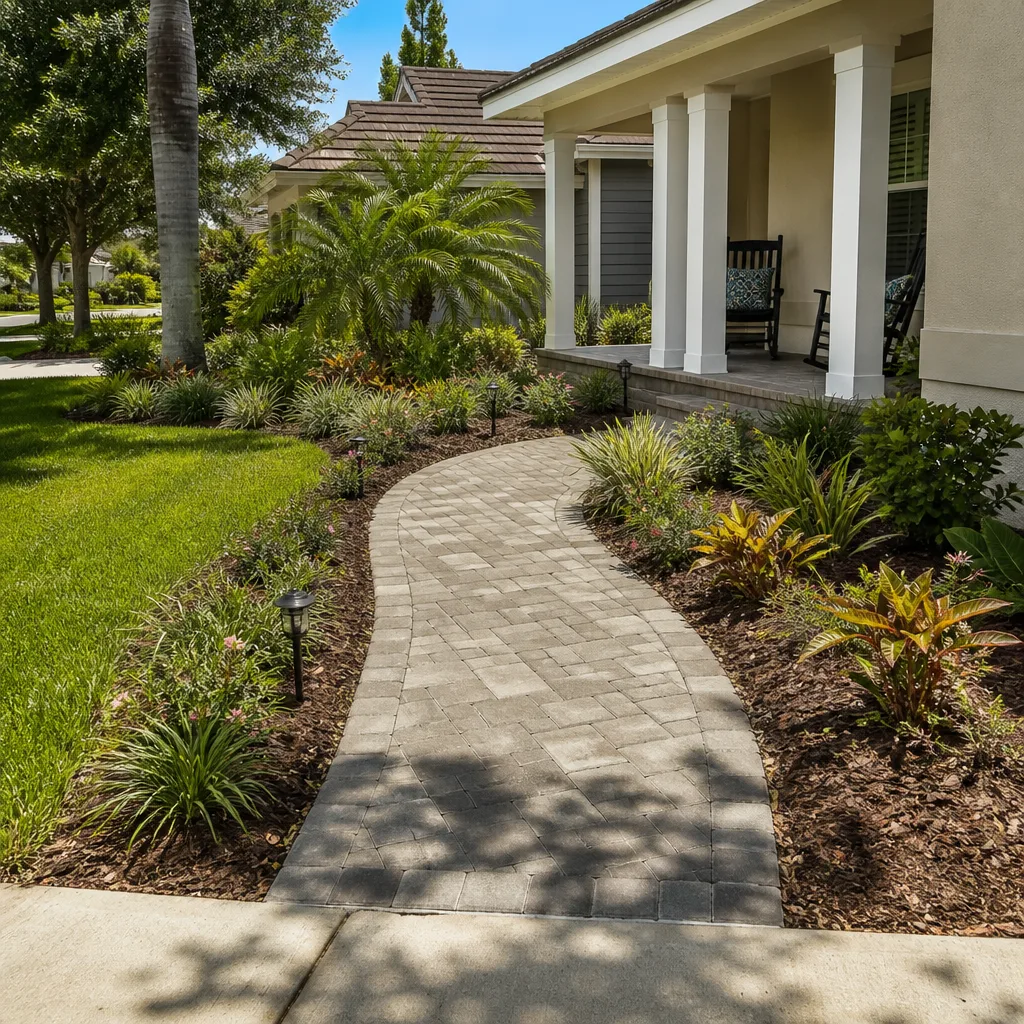
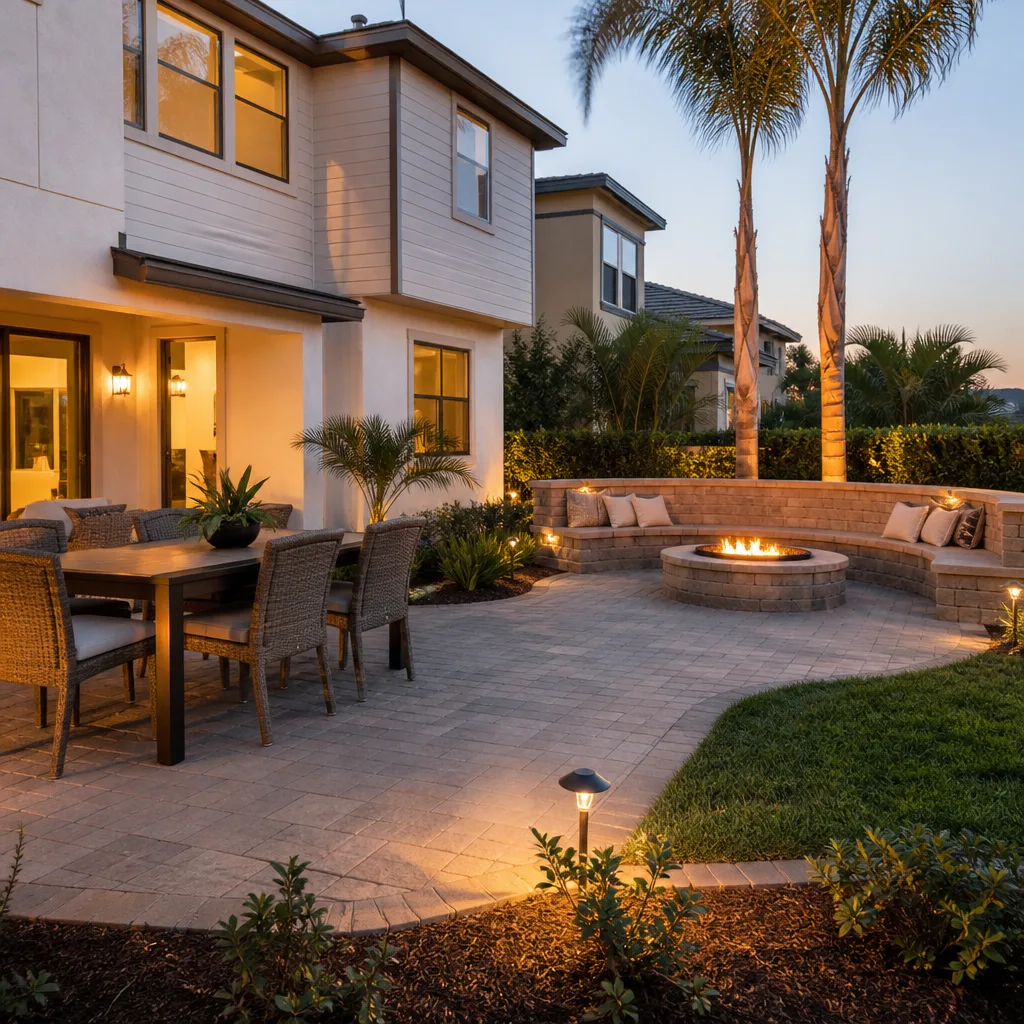
- Driveway apron and approach. Many owners pair the ADU’s driveway work with Paver Driveways in West Little River to match the front hardscape and hold up under utility trenching.
What ADU Site Prep & Utilities costs in West Little River, FL
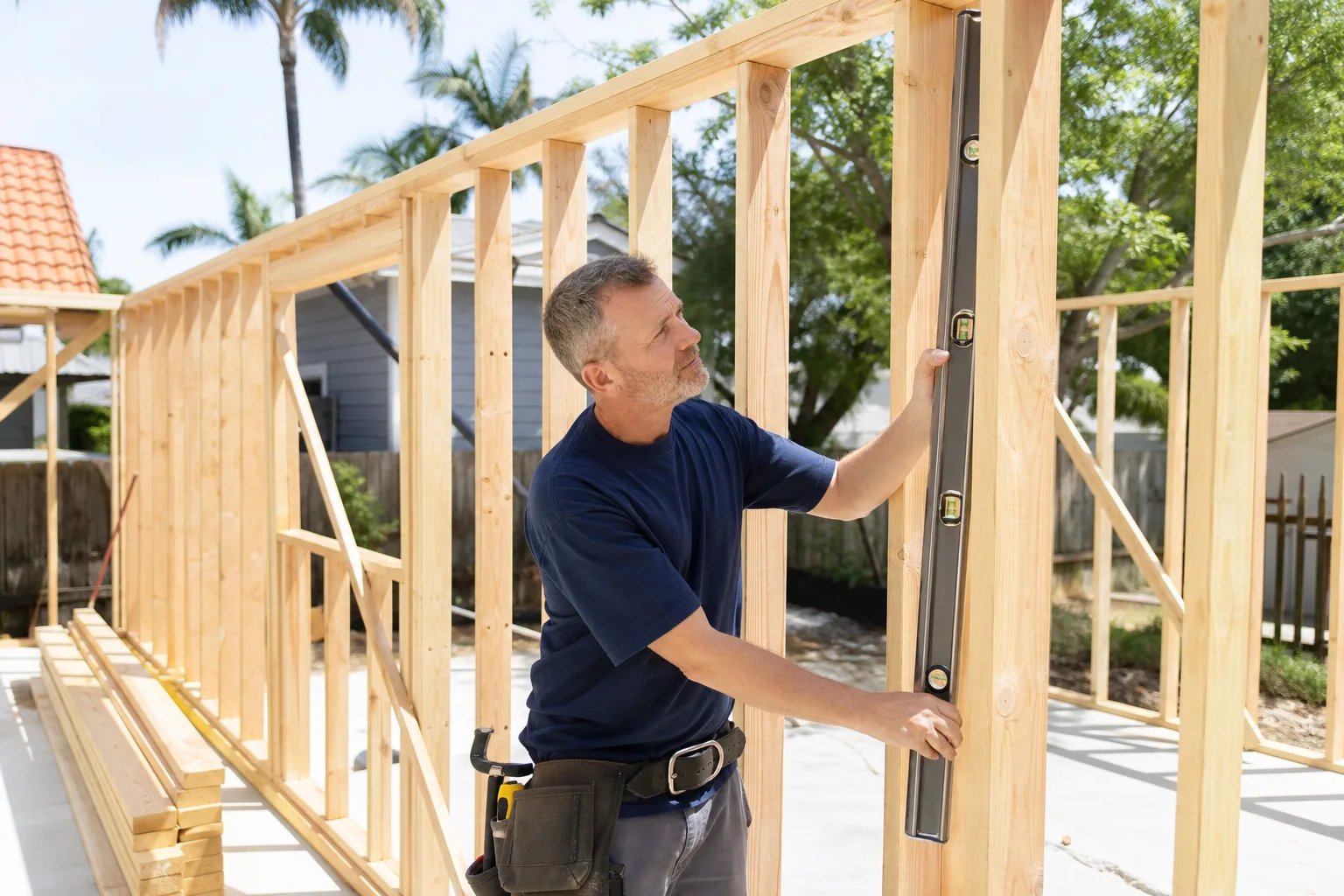
Expect $45,000 – $130,000 for the site and utility scope on a detached ADU here. That range covers grading, trenching, wet and electrical utilities, slab, and inspection coordination.
Four things push a job to one end or the other:
- Depth and distance to the sewer main. A short gravity tap stays near the low end; a deep main, lift station, or 100+ feet of new lateral climbs fast.
- Separate vs. shared electrical service. Tapping the house panel is cheaper; a full new service with meter and panel runs more.
- Existing site condition. Old slabs and footings to remove, root balls, or unmarked utilities can add several thousand in demo alone.
- Permit scope and inspection count. Site, plumbing, electrical, and final inspections in Miami-Dade add cost and time. Expired or missing prior permits on the main house complicate the ADU review.
Every written estimate from us breaks out each line item with the number you see being the number you pay, and we include the utility connection fees that many bids leave to a “TBD” line. What’s typically not included: the ADU structure itself, interior finishes, landscaping beyond finish grade, and any utility back-charges from Miami-Dade Water and Sewer that depend on meter size.
See the difference
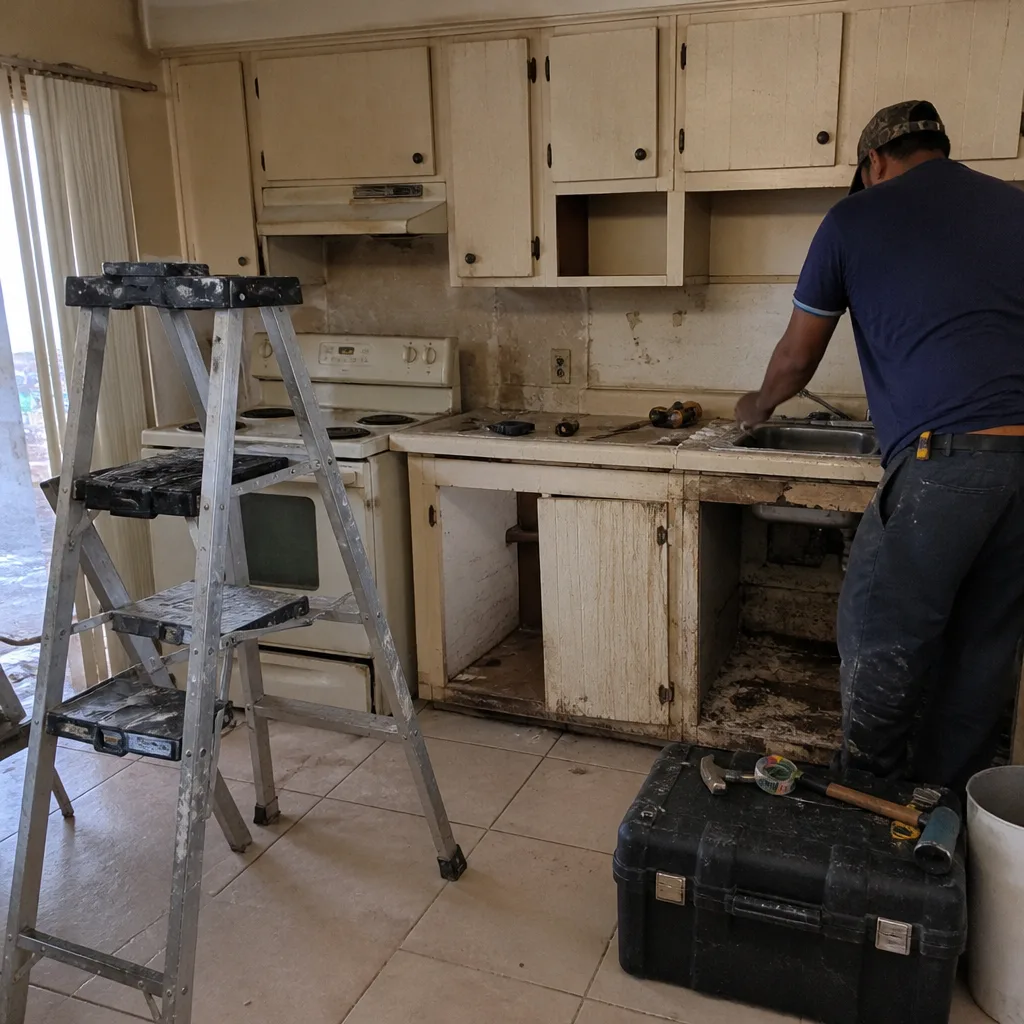 Before
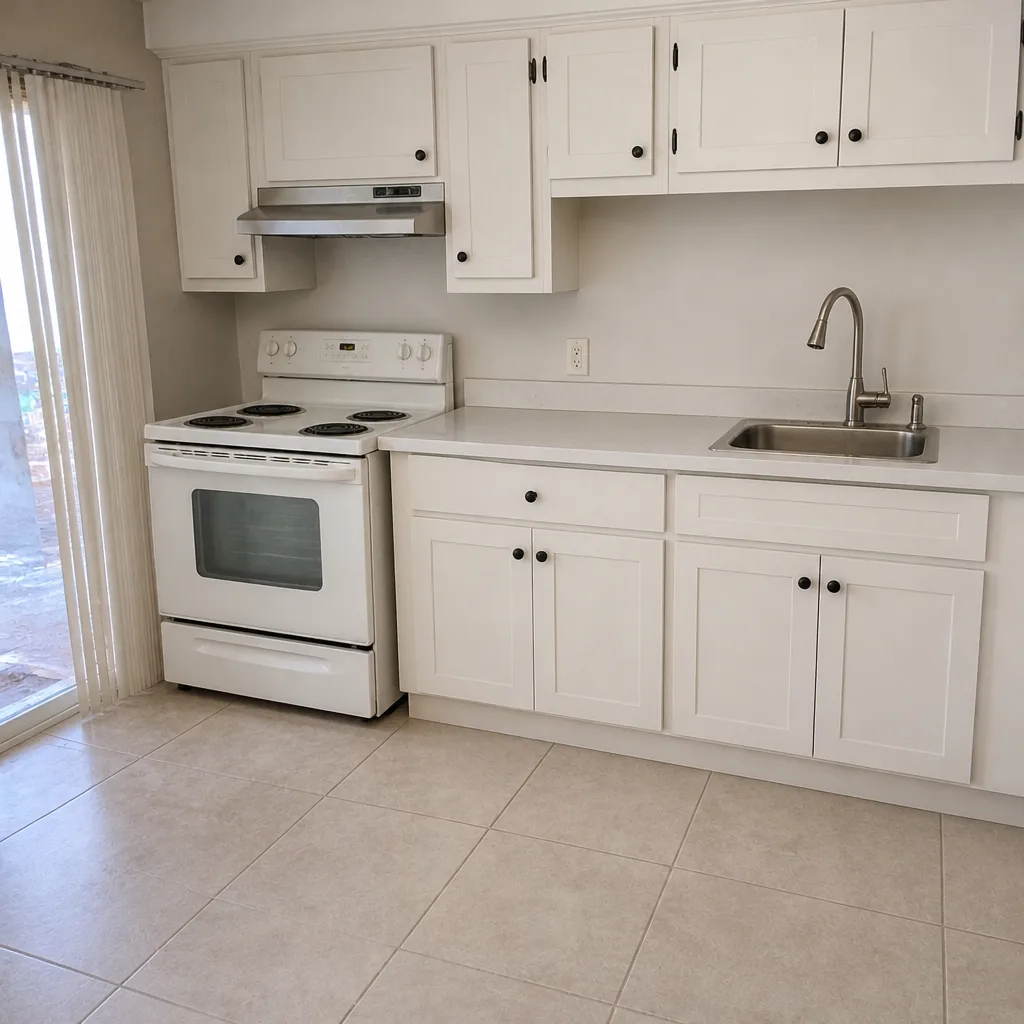 After
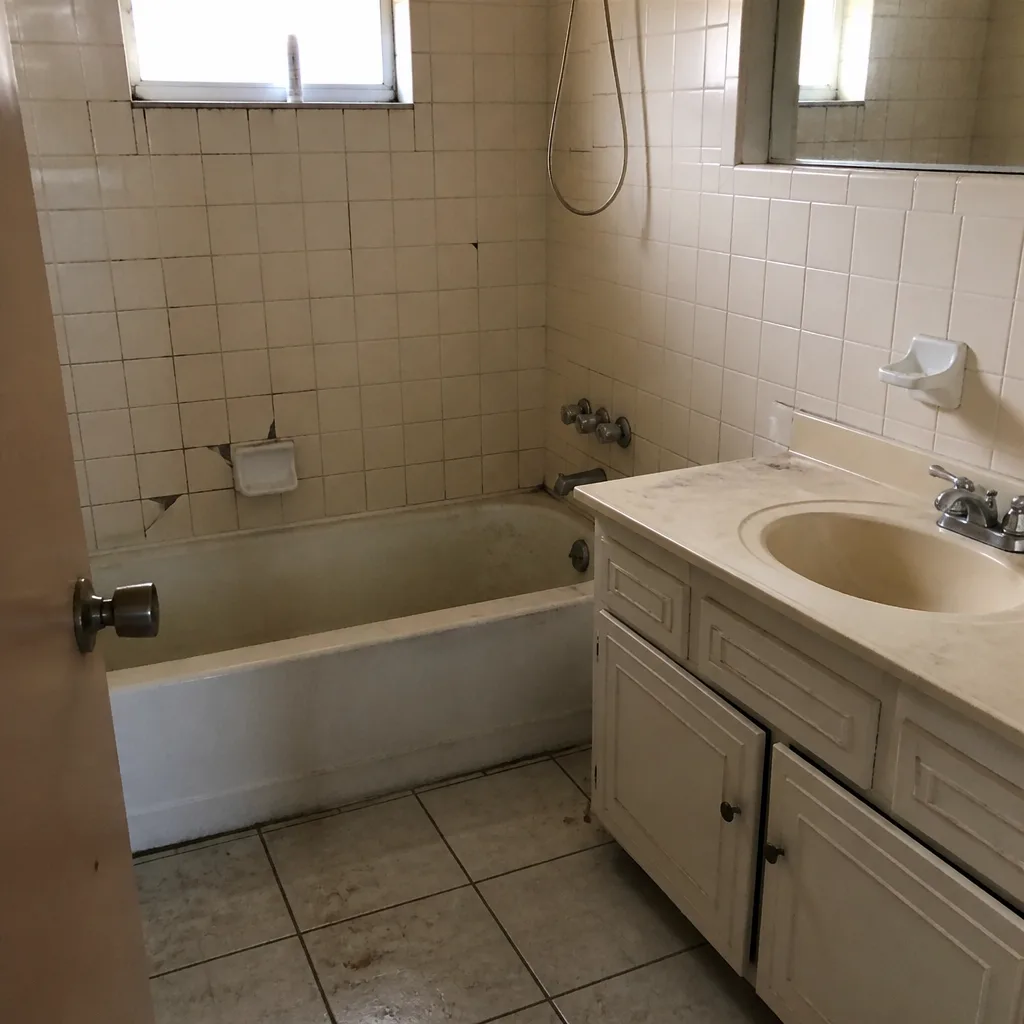 Before
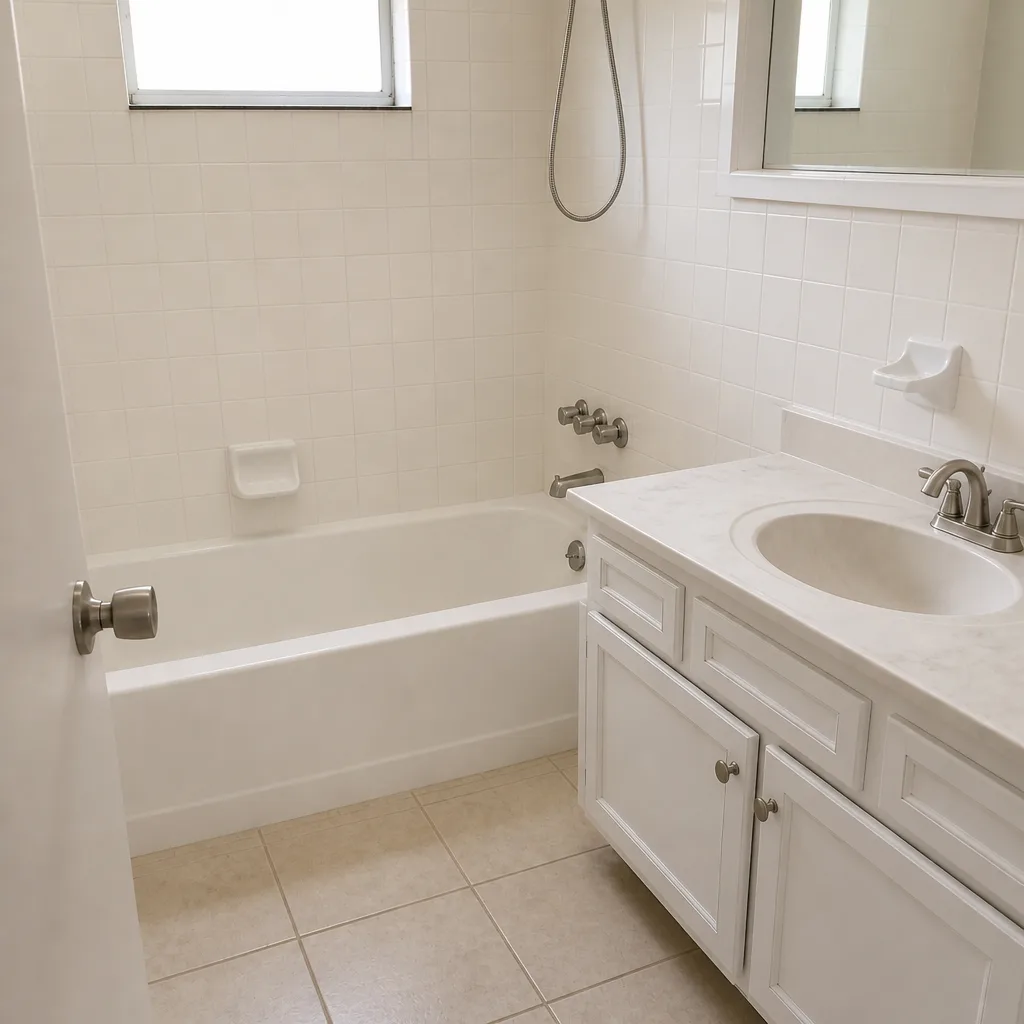 After
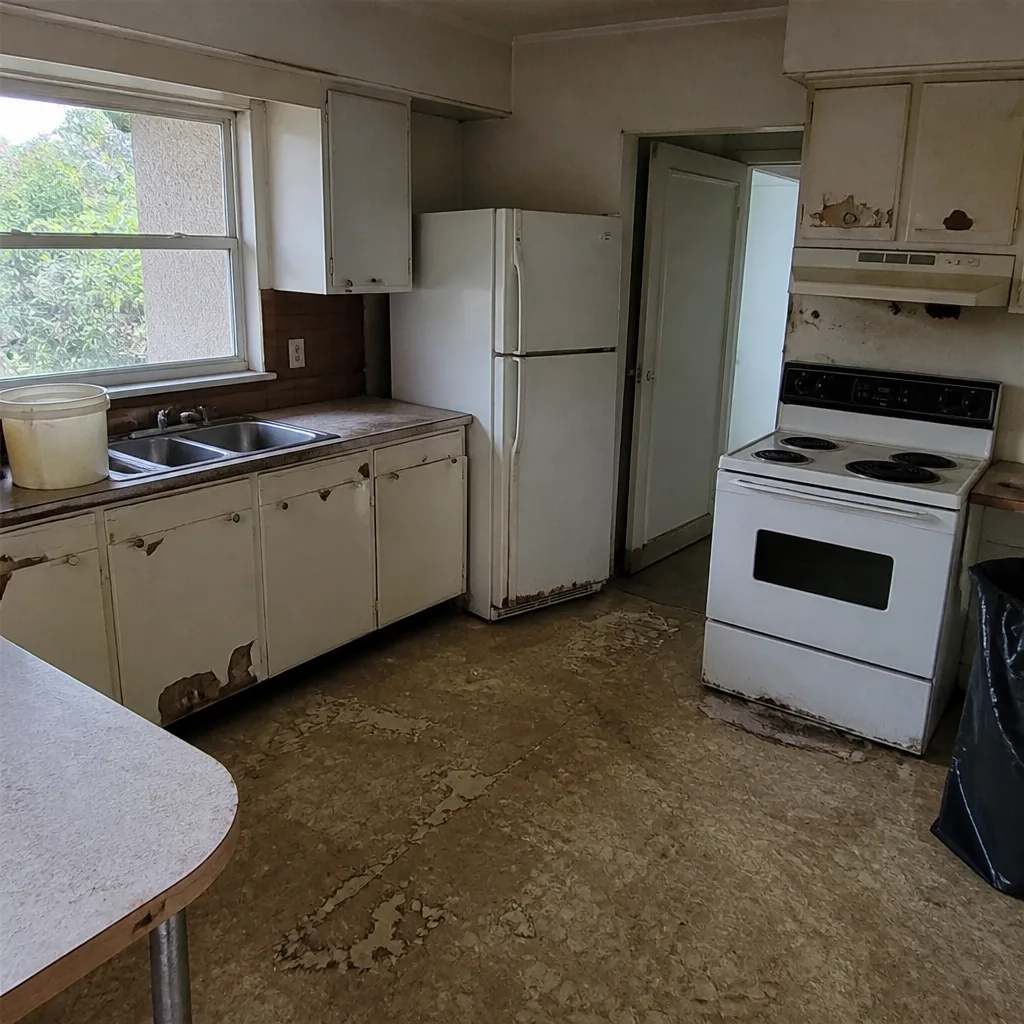 Before
 After
What West Little River homes specifically do to this job
West Little River (33147) is unincorporated Miami-Dade, and that changes the whole paperwork path. Your ADU permit runs through the county Building Department, not the City of Miami’s counter, and every product from windows to tie-down strapping needs a Miami-Dade NOA or product-control approval. Contractors used to city-only jurisdictions routinely miss this. Because the community is built out, virtually every job here is infill on a narrow post-war lot – tear-downs, rebuilds, and additions squeezed between existing 1950s – 1970s concrete-block homes and duplexes with barrel-tile or flat roofs and jalousie windows. That means the first conversation is about lot coverage, setbacks, and where utilities can physically enter, not about clearing vacant land. Salt-laden air and hurricane-season rain also drive mold-resistant assemblies and robust flashing as default spec, not upgrade. When an ADU is part of a full Home Additions & ADU in West Little River plan, utility routing gets coordinated with the parent footprint from day one.
Serving West Little River, FL – Our Local Coverage Area
We serve West Little River and nearby communities. Use the map below to see the area we cover. If you’re nearby, we can almost certainly help.
Frequently asked – ADU Site Prep & Utilities in West Little River
Plan on 4 – 8 weeks for the site and utility scope, with the longer end when a sewer main must be chased or a grinder pump is needed. Inspection scheduling through Miami-Dade drives much of the timeline. Call (844) 797-4868 to get a schedule against your address.
Yes. Any excavation, plumbing tap, or electrical service for an ADU requires a Miami-Dade County permit and inspections, and the plans and materials must carry county product approvals. We pull the permits and coordinate inspections as part of our Home Additions & ADU service. Call us for the permit path for your lot.
Rarely, because a new ADU needs its own water, sewer, and power regardless of what’s already on the property. The only real shortcut is tapping the existing house panel and meter, which still requires electrical permits. How much gets relocated depends on your lot, so we walk it before quoting. Call (844) 797-4868 for an on-site look.
The range is $45,000 – $130,000, driven mostly by sewer depth and distance, electrical service size, existing demolition, and inspection count. Call (844) 797-4868 for a free line-item estimate against your specific lot.
Our 730-Day Done Right Promise covers the workmanship on the site and utility scope – if it’s not done right, we make it right. Calls are answered by a live person, 24/7. Call (844) 797-4868 to talk through the guarantee and what it covers.
Get a free estimate for your West Little River ADU utility scope
We walk the lot, check utility access, and hand you a written line-item estimate with permit costs broken out. No vague numbers. Our technicians have up to 12 years of experience, and every job is covered by our 730-Day Done Right Promise. We cover West Little River and the surrounding communities. Call (844) 797-4868 – a live person answers, 24/7 – and we’ll set a time to look at your site.
Written by the team at Groundwork Construction Co.