Last updated November 17, 2026





Free written scope consultation - allowances, timeline, and change-order rules on paper before a single trade is scheduled
The Complete Guide to Construction in North Miami Beach
North Miami Beach sits in Miami-Dade County’s highest-risk wind and flood corridors, yet most construction guides read as if this were suburban Ohio. That gap between generic advice and local reality is exactly where budgets blow up and timelines collapse. A homeowner on NE 19th Avenue and one in Eastern Shores are working under the same strict High-Velocity Hurricane Zone code, the same salt-laden air, and the same permit office, but their flood zones, soil, and exposure can be completely different. This guide maps the real decision points: code, flood zones, permitting, material selection, timelines, and cost. By the end, you’ll know what you’re actually walking into before you sign anything.
Quick Answer
Construction in North Miami Beach is governed by Miami-Dade’s High-Velocity Hurricane Zone (HVHZ) code, the strictest wind code in the country, and every project from a bathroom remodel to a new build must clear it. Flood zone designation (AE, X, or AH), salt air exposure near the Intracoastal and Salt Lake, and which department controls your permit all shape cost and schedule before a single nail is driven. Budget 20-40% above generic national pricing for materials and plan for permit review measured in weeks, not days.
Styles & brands we work with
- Kitchen remodeling
- Bathroom remodeling
- Home additions & ADU
- Roofing
- Windows & doors
- Driveway & pavers
- Fence
Table of Contents
- Why Miami-Dade’s HVHZ Code Changes Everything
- Flood Zones in North Miami Beach: AE, X, and AH Explained
- Who Controls Your Permit: North Miami Beach Building Division vs. Miami-Dade County
- How Salt Air and the Intracoastal Accelerate Material Failure
- Real Project Timelines in North Miami Beach
- What Construction Actually Costs Here
- How to Choose a Contractor in North Miami Beach
Why Miami-Dade’s HVHZ Code Changes Everything
Miami-Dade County is the only place in the United States with a High-Velocity Hurricane Zone code that applies countywide, and it’s the toughest wind standard on the books. Products installed here don’t just meet Florida Building Code; they must carry a Miami-Dade Notice of Acceptance (NOA) or a Florida Product Approval listing HVHZ compliance. That single requirement reshapes your entire material list.
What it means in practice:
- Windows and doors must be impact-rated and NOA-approved. Andersen and Pella both make HVHZ-compliant lines, but not every model qualifies. The wrong SKU gets rejected at inspection.
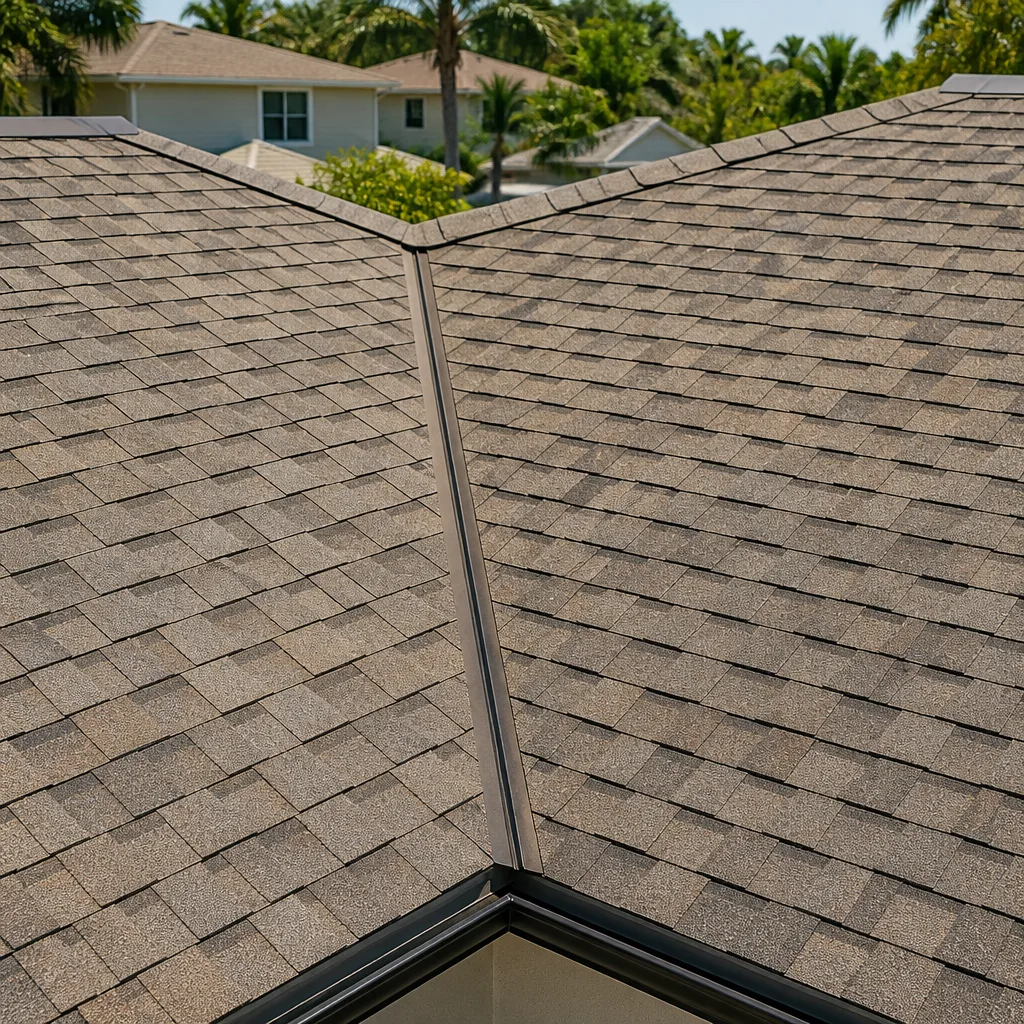
- Roofing requires a wind-rated system with the correct underlayment and fastener pattern. GAF and CertainTeed products used here must be installed to the manufacturer’s HVHZ specification, not the standard spec.
- Structural connections – straps, clips, anchors – are inspected and documented. A concrete pour in North Miami Beach gets more scrutiny than the same pour in Orlando.
- Labor costs rise because installers must be trained to HVHZ detail, and fewer crews carry that skill set.
In our experience, the NOA paperwork is where out-of-town contractors stumble. They bid a national product line, win the job, then discover at permit review that the window or roof system they specified isn’t approved for this county. Engineered plans, product data, and NOA numbers all have to line up before the North Miami Beach Building Division issues a permit. Getting that right up front is the difference between a two-week review and a two-month one.
Flood Zones in North Miami Beach: AE, X, and AH Explained
North Miami Beach contains a patchwork of flood zone designations, and the zone your property sits in drives real engineering decisions. Two houses on the same street can carry different designations when one backs onto a canal and the other sits on higher ground.
- Zone AE is a high-risk flood zone with a defined base flood elevation (BFE). New construction and substantial improvements must elevate the lowest floor to or above the BFE, and foundations, utilities, and enclosure details get engineered to that number.
- Zone X is a lower-risk area outside the base floodplain. Building there is simpler and cheaper from an elevation standpoint, but flood insurance and drainage still matter, and the county may still require engineering.
- Zone AH is a flood zone with shallow flooding and ponding, typically one to three feet. It forces its own elevation and drainage calculations, and it’s the designation many guides skip entirely because it’s less common nationally.
Here’s the part most homeowners miss: whether you need a full elevation certificate, a floodplain development permit, or engineered foundation plans depends on your exact designation plus how much of the structure you’re touching. A “substantial improvement” (renovation costs exceeding 50% of the structure’s market value within a set period) triggers the same elevation standard as new construction. Additions in North Miami Beach, especially on the eastern side near Eastern Shores and the Intracoastal, often cross that threshold without the homeowner realizing it. We’ve seen a planned second-story addition get reworked entirely once the flood zone and substantial-improvement math came back from the engineer. That’s not a delay you want to discover after demolition.
Who Controls Your Permit: North Miami Beach Building Division vs. Miami-Dade County
One of the most expensive mistakes in this city is assuming the wrong office issues your permit. North Miami Beach operates its own building division, and that division handles most residential construction permits within city limits. But some scopes, especially those tied to countywide infrastructure, right-of-way, or environmental rules, route through Miami-Dade County instead. Get the office wrong and you can lose weeks re-submitting.
Here’s a practical way to think about it:
- Confirm the authority first. Before you design, confirm which department has jurisdiction over your specific scope and address. Most single-family residential work in North Miami Beach goes through the city’s building division.
- Check for county or state overlays. Environmental, drainage, and right-of-way items may pull Miami-Dade County into the process even when the building permit is local.
- Submit with complete product data. HVHZ NOA numbers, engineered plans, flood zone documentation, and energy calculations all belong in the first submission. Missing one item restarts the clock.
- Plan for review cycles. The North Miami Beach permit backlog is real. A clean submittal moves faster than a corrected one, and corrections commonly add weeks.
- Book inspections in sequence. Structural, roofing, and final inspections each need sign-off. Skipping ahead gets you red-tagged.
The city is also mid-stream on development pressure across North Miami Beach. Newer multifamily and mixed-use projects mean the building division’s attention is divided, which is one more reason a complete, well-prepared application matters. A contractor who submits garbage and waits doesn’t serve you; one who knows the reviewers’ checklist does.
How Salt Air and the Intracoastal Accelerate Material Failure
Proximity to the Intracoastal Waterway and Salt Lake is a feature of living in North Miami Beach, but it’s a slow tax on every material on your property. Salt-laden air and humidity attack fasteners, flashing, metal roofs, and exterior finishes faster here than inland. Material selection isn’t a style choice; it’s a durability calculation.
What holds up, and what doesn’t:
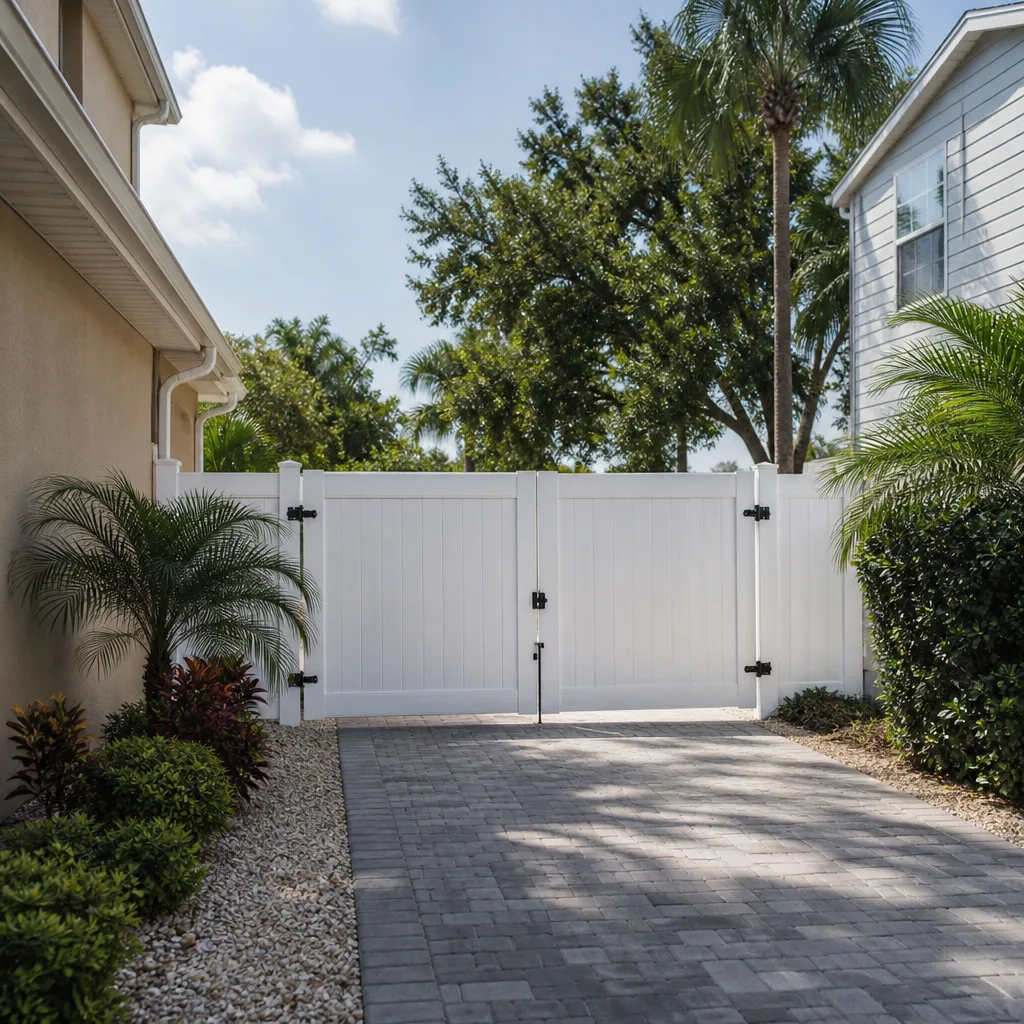
- Fencing and decking: vinyl, aluminum, and composite systems outlast untreated wood by years in this climate. ActiveYards and similar marine-grade vinyl lines are built for exactly this environment.
- Hardscape: pavers with a proper base and joint system handle salt and rain far better than poured surfaces that crack. Belgard, Tremron, and Unilock all make lines suited to coastal exposure.
- Fasteners and flashing: stainless or hot-dip galvanized hardware, not standard steel. Cheap fasteners rust through and fail at the worst moment.
- Exterior trim: fiber cement products like James Hardie resist moisture and salt far better than wood trim, which swells, rots, and needs repainting constantly.
We’ve seen the spray zone along the eastern edge of North Miami Beach eat through builder-grade hardware in under three years. If a bid doesn’t specify marine-appropriate fasteners and flashing, that’s a red flag, not a cost-saving. This is where picking the right brand partner matters: a fence from ActiveYards or hardscape from Belgard installed with the correct base and hardware will still look right a decade out, while the cut-rate alternative starts failing early and takes your budget with it.
Real Project Timelines in North Miami Beach
Generic timeline charts assume a permit issued in days. In North Miami Beach, permit review and inspection sequencing add real time to every project, and HVHZ product verification adds more. Here’s what we actually see for common scopes, from design sign-off to final inspection:
- Bathroom remodel: 4 to 8 weeks. Your biggest variable is inspection sequencing and product lead times, both of which vary by scope.
- Kitchen remodel: 6 to 10 weeks. Cabinet and countertop lead times drive the schedule; KraftMaid and Cambria orders are typically reliable but not instant.
- Roof replacement: 3 to 6 weeks including permit and inspection, with the actual tear-off and install often completed in a shorter window.
- Window and door replacement: 4 to 8 weeks, dominated by HVHZ product lead times and permit review.
- Addition or ADU: 5 to 9 months. Design, engineering, flood zone review, and permit review account for most of the front end.
- New build: 12 to 18 months. Foundation, framing, HVHZ envelope, and inspections stack up.
These ranges are honest, not reassuring. Permit review alone can swing by weeks depending on how complete your submittal is and how busy the building division is. The contractors who tell you they’ll pull a permit and be framing next week in North Miami Beach are either guessing or planning to skip steps, and both outcomes cost you more later.
What Construction Actually Costs Here
Costs run higher in North Miami Beach than in most of Florida for three reasons: HVHZ material and labor premiums, flood zone engineering, and permit review cycles. The line items below are the categories you need to budget for. Confirm current pricing with a written estimate, because material markets shift.
- HVHZ-rated windows and doors: a meaningful premium over standard impact products, driven by NOA-certified lines and installation spec.
- Roofing: higher per-square cost from HVHZ underlayment, fastener patterns, and product availability.
- Fencing: marine-grade vinyl or aluminum systems and approved hardscape run above inland pricing.
- Hardscape and pavers: base prep and drainage design add to the material cost of Belgard or Tremron systems.
- Flood zone engineering and elevation work: a real line item when your property is in AE or AH and you cross the substantial-improvement threshold.
- Permit fees: scale with project scope and valuation; these are fixed costs, not negotiable.
The single most common way budgets blow up in North Miami Beach is a bid that omits flood zone engineering or HVHZ premiums, then adds them back once work is underway. Upfront pricing means exactly which products, which NOA numbers, and which engineering hours are in the quote before you sign. That’s the number-you-see-is-the-number-you-pay approach. For larger projects, 0% financing for 18 months and $1,000 off projects over $10,000 help spread the cost without hiding anything.
How to Choose a Contractor in North Miami Beach
The contractor who wins your North Miami Beach project is the one who can prove they understand this county’s code before they start talking about finishes. Ask hard questions, and expect specific answers.
- Ask for their HVHZ experience directly. Which NOA-numbered products have they installed in Miami-Dade recently? A real answer names products and projects.
- Ask how they handle flood zone math. A good contractor knows substantial improvement, elevation certificates, and which zone designations require what.
- Ask which department will issue your permit. If they can’t name it, they don’t know this city.
- Demand a written, line-item quote. Products, grades, and engineering should be specified, not summarized.
- Ask what’s covered after the job ends. In a storm- and salt-exposed climate, the warranty matters as much as the install. Groundwork stands behind every project with the 730-Day Done Right Promise – if it isn’t done right, we make it right.
- Check that technicians are background-checked and arrive in uniform. Professional presentation is a proxy for how the crew treats your home.
We built our approach around these exact lines. Live people answer our phones around the clock, quotes are transparent, and our technicians bring up to 12 years of experience to every job, backed by a curated set of brand partners in each trade. You can start with our Groundwork Construction Co. of North Miami Beach home page or jump straight into a specific scope below.
Common Mistakes to Avoid
- Taking a national bid at face value. Out-of-town contractors routinely specify products that don’t carry a Miami-Dade NOA, and you find out at inspection. The fix costs you weeks and money.
- Ignoring your flood zone designation. Assuming Zone X when you’re actually in AE or AH, or skipping the substantial-improvement calculation, means your addition’s design can be scrapped mid-project.
- Underestimating permit review time. Budgeting for a fast review in North Miami Beach is a classic schedule killer. Clean submittals still take time; corrected ones take much longer.
- Letting budget pricing dictate materials in salt air. Builder-grade fasteners and flashing fail early near the Intracoastal. The “savings” turn into a repair bill in a few years.
- Skipping background checks and documentation. An unvetted crew with no written scope is a customer-service and liability problem waiting to happen.
- Accepting a verbal quote. If the contract doesn’t specify products, grades, and engineering, it isn’t a price. It’s a guess.
- Ignoring drainage and grading in a high-water-table neighborhood. Poor site drainage around Salt Lake and the Intracoastal turns a fine remodel into a moisture problem.
See the difference
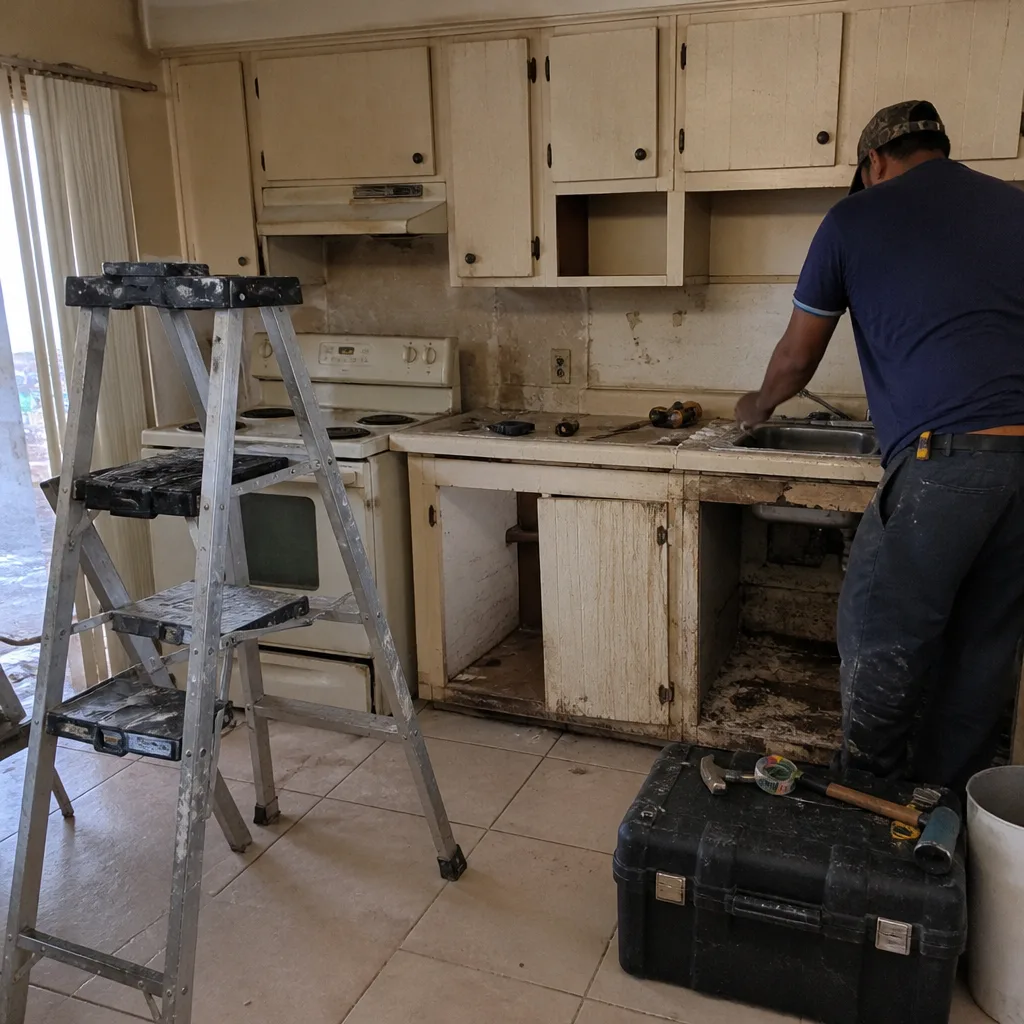 Before
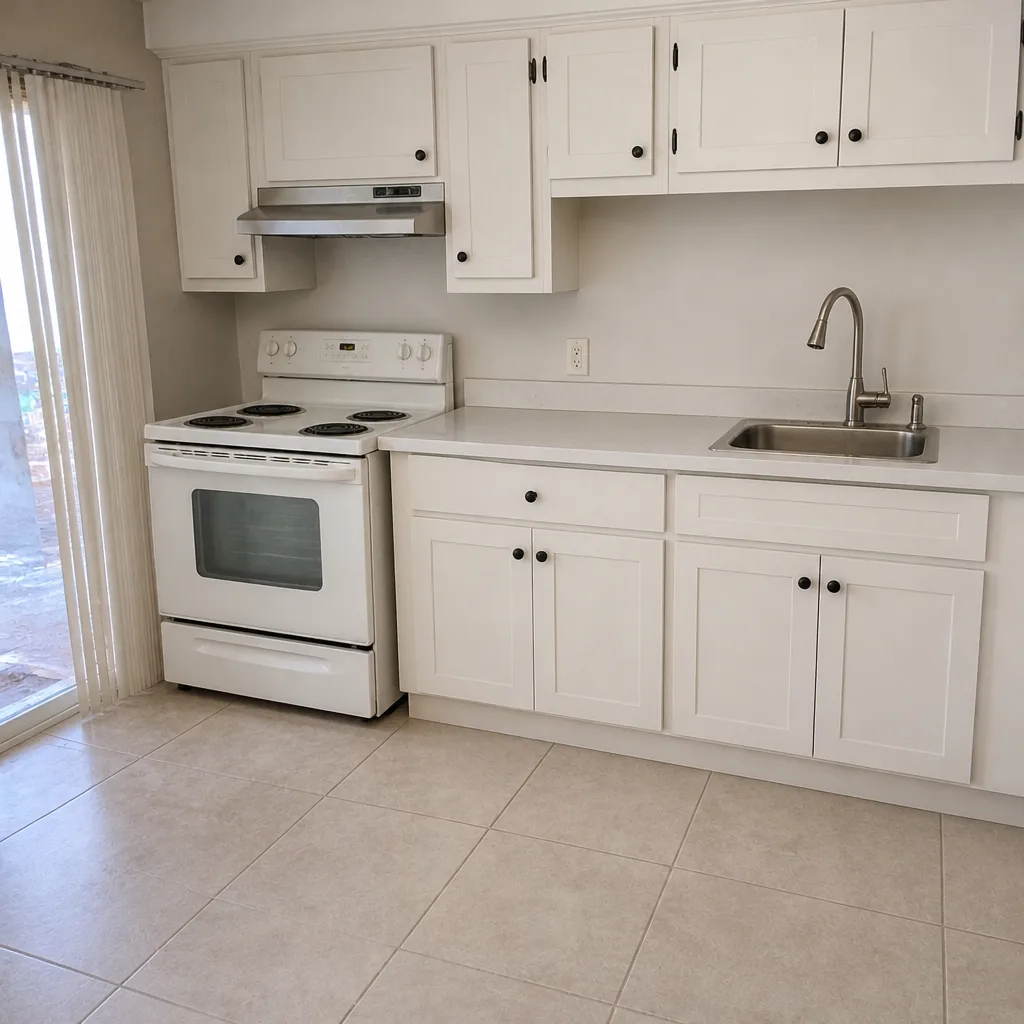 After
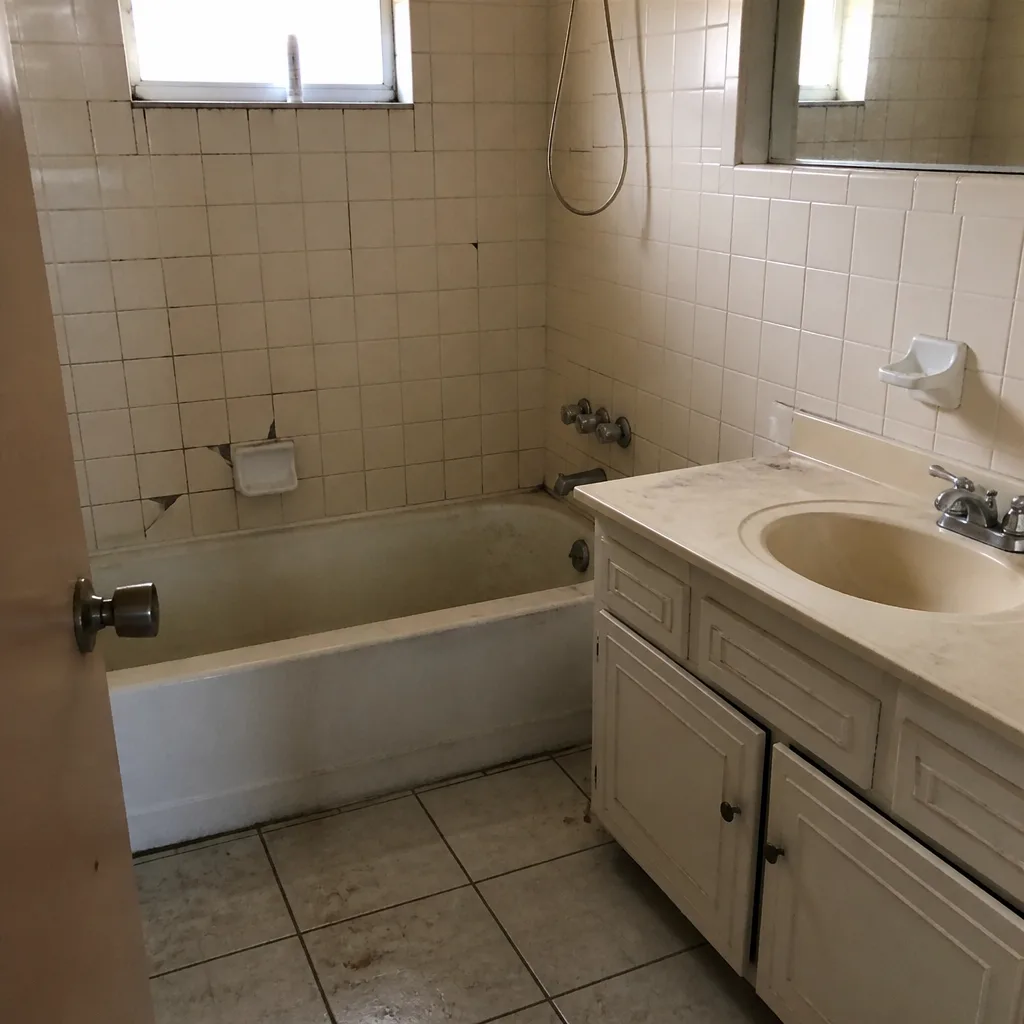 Before
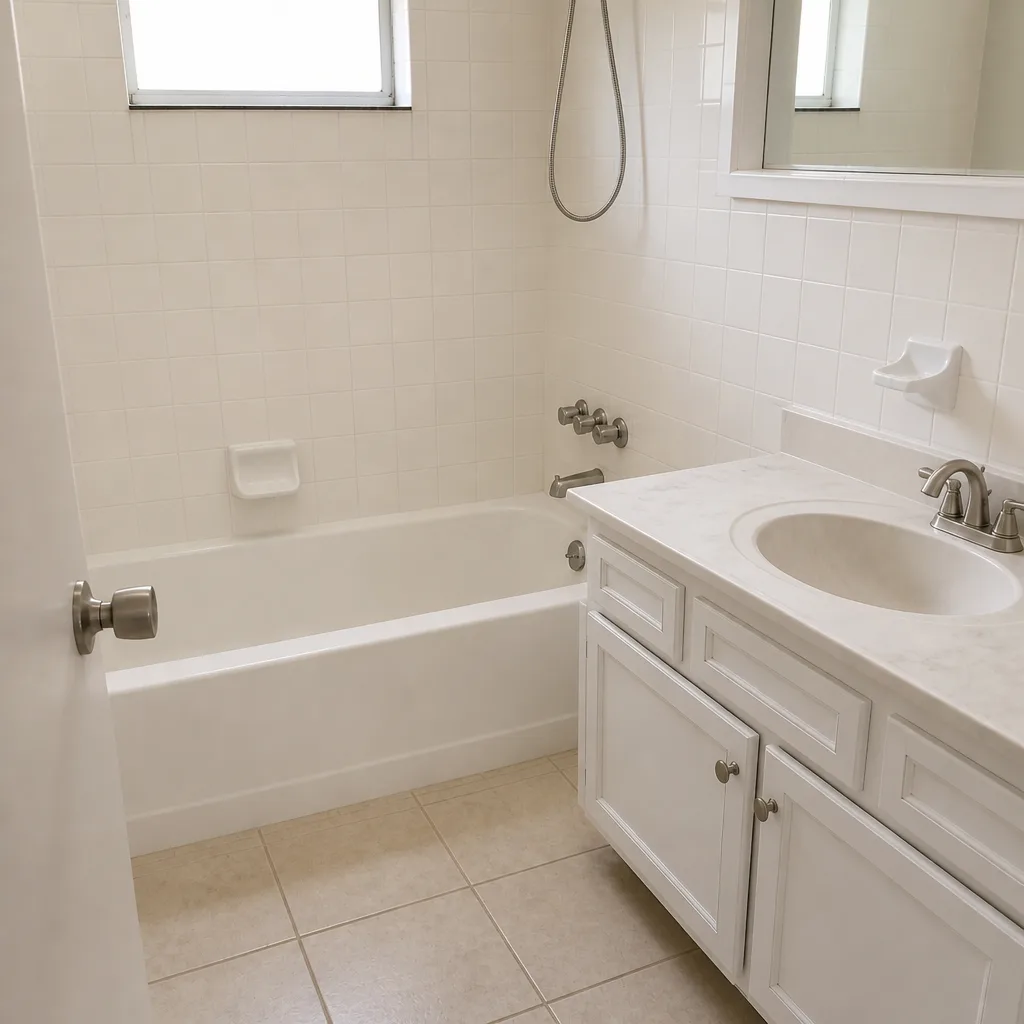 After
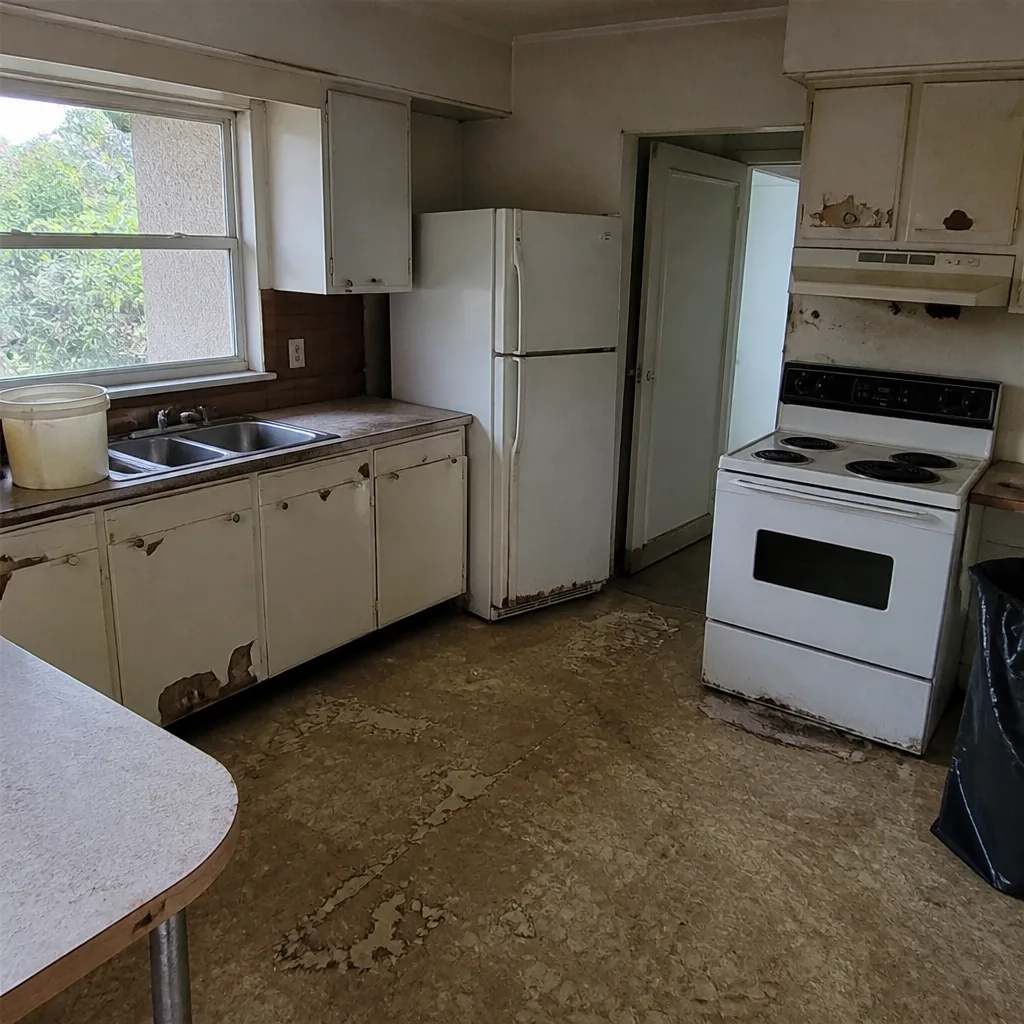 Before
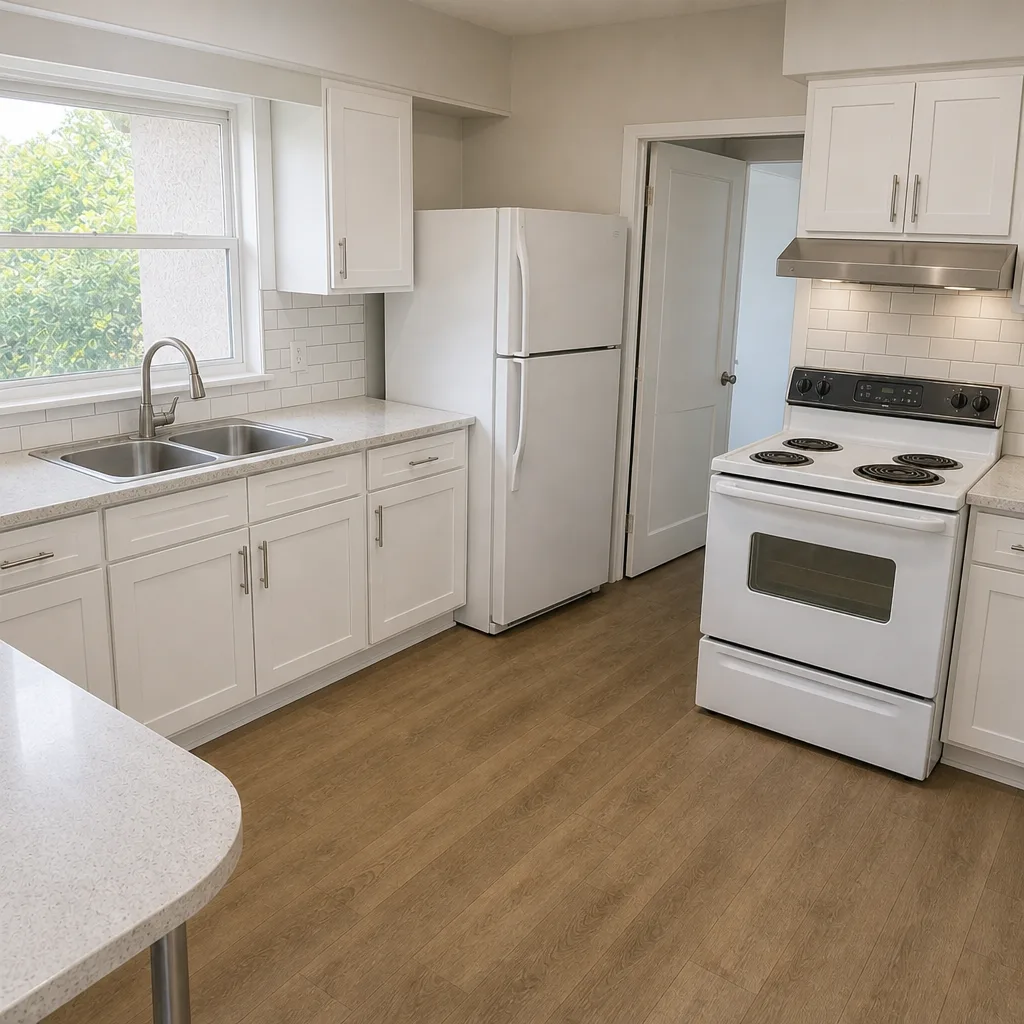 After
When to Call a Professional
Some work is safe to handle yourself, but a lot of North Miami Beach construction isn’t. If your project touches the building envelope, requires an HVHZ-rated product, involves a permit, or sits in a flood zone where elevation matters, call in a licensed professional. Same goes for anything structural, any work near the Intracoastal that affects drainage, and any scope that needs a NOA number to pass. Attempting this work without permit and inspection exposure is a fast way to make a home uninsurable or unsellable down the line.
Groundwork Construction Co. of North Miami Beach offers free estimates in North Miami Beach – call (844) 797-4868. We’ll walk your property, look at your flood zone, and put an upfront, line-item number on paper. Our technicians have up to 12 years of experience, every project is background-checked and uniformed, and it’s all covered by the 730-Day Done Right Promise.
Frequently Asked Questions
Yes, in nearly every case – any structural, electrical, plumbing, or envelope work requires a permit through the North Miami Beach Building Division, and some scopes route through Miami-Dade County. Even cosmetic work can require one if it touches the exterior or flood zone compliance. Call (844) 797-4868 for a free estimate and we’ll tell you exactly what your project needs.
The High-Velocity Hurricane Zone is Miami-Dade’s strict wind code, and yes, it applies to virtually every residential project in North Miami Beach. It requires NOA-approved products and specific installation details. Call (844) 797-4868 for an exact quote – estimates are free.
Permit review typically takes weeks rather than days, and the exact timeline depends on your scope, your submittal’s completeness, and current backlog. A clean application with all HVHZ product data moves fast; a corrected one can add weeks. Call us for a realistic schedule based on your actual scope.
You’ll likely need elevation documentation, and any substantial improvement must meet base flood elevation requirements. That affects foundation and design decisions from the start. Call (844) 797-4868 to review your zone and get a written estimate.
It shouldn’t. Upfront pricing means the written estimate specifies products, grades, and engineering before work begins, so the number you see is the number you pay. Call (844) 797-4868 for your free estimate.
Yes – we manage permitting through the correct department and schedule inspections in sequence. That’s part of the job, covered by the 730-Day Done Right Promise. Call (844) 797-4868 to get started.
The Bottom Line
Building or renovating in North Miami Beach is not like building anywhere else in Florida. HVHZ code, flood zone designations, salt air, and a backlogged permit office all add complexity and cost, and generic national advice breaks down at exactly those points. The homeowner who wins here is the one who confirms their flood zone, knows which department issues the permit, specifies NOA-approved products, and gets a written line-item number before signing. That’s less about luck and more about doing the boring homework up front. We’re here to help you do it.
Whether you’re planning a remodel, a roof, a fence, or a full addition, we’ve got the local knowledge to keep your project on track. Explore our scope-specific guides: Driveway & Pavers in North Miami Beach, Fence Installation in North Miami Beach, and Home Additions & ADU in North Miami Beach.
Ready to price your project? Call (844) 797-4868 to schedule your free estimate. Live people answer around the clock, our technicians have up to 12 years of experience, and every project is backed by the 730-Day Done Right Promise – if it isn’t done right, we make it right. Upfront pricing, no surprises, from foundation to finish line.
Written by the team at Groundwork Construction Co. of North Miami Beach.