Last updated November 17, 2026




Free written scope consultation - allowances, timeline, and change-order rules on paper before a single trade is scheduled
Construction Warning Signs: A North Miami Beach Homeowner’s Reference Guide
The most common complaint filed against Florida contractors isn’t abandonment or outright fraud. It’s work that looked fine when the crew packed up, then failed within 18 months. A hairline crack in the stucco that let in a season of Biscayne Bay humidity. A “hurricane-rated” window that turned out to be a knock-off. A roof that passed inspection on paper but was never actually inspected. The warning signs were there the whole time. Most North Miami Beach homeowners just didn’t know what they were looking at. This guide fixes that: the on-site red flags, the material tells, the permit gaps, and the crew behaviors that predict a failure months before you can see it.
Quick Answer
The biggest warning signs on a North Miami Beach construction project are: a jobsite with no posted permit, crews who rotate out every week, materials that don’t match your contract spec, inspections you can’t independently verify, and stucco or waterproofing shortcuts during framing. Any one of these is worth a conversation. Two or more together usually means the project is already in trouble, and the fix gets more expensive the longer you wait.
Styles & brands we work with
- Kitchen remodeling
- Bathroom remodeling
- Home additions & ADU
- Roofing
- Windows & doors
- Driveway & pavers
- Fence
Table of Contents
- What a Legitimate North Miami Beach Jobsite Actually Looks Like
- The Permit Inspection Gap: How to Verify Inspections Were Really Called
- Material Substitution Tells in South Florida Construction
- Subcontractor Turnover: Why Repeated Crew Changes Matter
- Stucco, Waterproofing, and Slab Warning Signs You Can See
- Behavioral Red Flags That Predict Payment or License Problems
- North Miami Beach-Specific Warning Signs Most Homeowners Miss
- What Good Documentation Looks Like (And Why It Matters Later)
What a Legitimate North Miami Beach Jobsite Actually Looks Like
Before we get into subtle signals, start with the obvious: a permitted construction site in Miami-Dade County is legally required to display the permit card and a Notice of Commencement where inspectors and neighbors can see them. If you walk past your own house and can’t find either one, that’s not a small oversight. Under Florida Statute 713, a Notice of Commencement must be posted before work begins on projects over $2,500. No NOC on a bathroom remodel means either the contractor skipped the filing or the job isn’t permitted at all, and both scenarios put you at risk for liens on your property.
Here’s what a real permitted North Miami Beach jobsite tends to show:
- Posted paperwork. Permit card, Notice of Commencement, and often a copy of the insurance certificate in a plastic sleeve stapled to a stud or window frame.
- Debris control. Construction waste in a designated pile or dumpster, not scattered across neighbors’ yards. In flood-zone properties near the Intracoastal, debris management is also a drainage concern.
- Portable sanitation. A porta-potty or clear arrangement with the homeowner. Crews working a multi-week job without one tend to use your yard or your bathroom.
- Protection of finished surfaces. Floors covered with rosin paper or ram board, cabinets wrapped, landscaping tarped before demolition. If the crew is cavalier about protecting your kitchen, they’ll be just as cavalier about your waterproofing.
- Published hours. North Miami Beach has municipal noise and construction-hour ordinances. A contractor working outside permitted hours is a contractor who isn’t getting inspections signed off.
We’ve walked onto plenty of North Miami Beach jobsites where the homeowner hired someone else first. The pattern is consistent: the site looks busy but not organized. Six workers, half of them unfamiliar with each other, no permit visible, no debris plan. That’s not a crew executing a project. That’s a crew reacting to one.
The Permit Inspection Gap: How to Verify Inspections Were Really Called
Here’s a scenario we hear almost weekly in North Miami Beach: the contractor sends a schedule update saying “rough-in inspection passed on Tuesday,” but the homeowner has no idea whether that’s true. In Miami-Dade, inspections are public record. You have the right, and really the responsibility, to check them yourself.
Florida’s building departments in Miami-Dade run through the online portal at the county or municipal level. For North Miami Beach properties, you’ll want to check with the city’s Building and Zoning Department or the Miami-Dade County Building Department, depending on jurisdiction. Every inspection that was actually called and passed shows up with a date, an inspector name, and a status. If your contractor claims a milestone inspection was passed but there’s no record, you have a problem.
Follow these steps on any project more complex than a fence:
- Get the permit number in writing. Not “we’ll get it,” not “it’s in the system.” The actual number. A legitimate contractor hands this over without blinking.
- Pull the record yourself. Search the permit number in the county or city portal. Confirm the scope on the permit matches the scope of work you’re paying for.
- Check the inspection log monthly. Rough-in, framing, insulation, and final are the four you care about. A project where the permit was pulled but no inspections are logged has a “paper permit,” which is worse than no permit because it looks legitimate until the certificate of occupancy is denied.
- Attend at least one inspection. You’re allowed to be there. Inspectors in Miami-Dade are used to homeowners asking questions, and their answers carry a lot more weight than your contractor’s schedule updates.
- Check the final inspection before you pay the last invoice. No passed final means no certificate of occupancy, which means no legal use of the addition or conversion, which can cause problems when you sell.
The permit gap is the single most common reason North Miami Beach remodels hit a wall six months in. The work is done, the paperwork isn’t, and the contractor has already moved to another job. If you’re planning a project that will need multiple inspections, like Home Additions & ADU in North Miami Beach, verify the permits before demo day, not after framing.
Material Substitution Tells in South Florida Construction
Material substitution is the quietest way a project fails. The kitchen looks great for two years. Then the cabinet boxes warp because the contractor substituted a lower-grade particleboard for the plywood specified in your contract. Or the “Andersen” windows turn out to be a distributor’s house brand with a similar name. In South Florida’s humidity and salt air, the wrong materials fail faster and more completely than almost anywhere in the country.
Watch for these tells:
- Unbranded packaging. A legitimate spec of Kohler or Moen fixtures arrives in branded boxes with model numbers you can match against the spec sheet. If the plumber shows up with fixtures in plain brown boxes, ask for the model numbers and email the manufacturer to confirm.
- Window stickers covered. Hurricane-rated windows and doors in Miami-Dade require a Notice of Acceptance (NOA) or Miami-Dade Product Control approval number on the label. A contractor who peels the label off during installation is either using a product without proper rating or hoping you won’t check. Verify the code matches what’s on your contract.
- Roof underlayment weight. Miami-Dade roof underlayments have minimum weight requirements, generally 30-pound felt or approved synthetic alternatives. If you see thinner material going down (often a 15-pound felt), someone is shaving cost. Groundwork Construction Co. of North Miami Beach home uses GAF and CertainTeed systems specifically because the underlayment spec is documented and traceable.
- Countertop edge. If your contract specifies Caesarstone or Cambria and the slab edge looks off, or the fabricator won’t share the slab’s serial number, the material is suspect. Request the slab tag before fabrication.
- Treated vs. untreated lumber. All framing lumber in contact with concrete or exterior exposure in Florida must be pressure-treated. Untreated lumber turns a slightly lighter color at the end grain. Look at the plate line where the wall meets the slab.
Request a labeled photo of every material delivery before it’s installed. Not because we assume contractors are dishonest, but because in a multi-crew job in North Miami Beach, materials get swapped by accident as often as on purpose, and having the photo saves an argument later.
Subcontractor Turnover: Why Repeated Crew Changes Matter
A residential job in North Miami Beach that cycles through more than two or three different crews for the same phase of work is a job in trouble. The reason isn’t usually laziness. It’s almost always money. A general contractor who pays subs promptly has a stable stable of subs. One who pays at 45 or 60 days (or not at all) has crews that quit as soon as the next opportunity shows up.
How to spot it:
- Nobody knows the plan. The tile guy shows up and asks you which room he was supposed to be in. Same for the drywall crew. In a well-run project, foremen have the scope in their hands.
- Different vehicles, different uniforms, different languages. Legitimate projects have a mix of crews, but the ones we’ve seen fail cycle through visibly unrelated teams every few days. Background-checked, uniformed technicians arriving in marked vehicles are the standard you should expect. It’s how we run every job in North Miami Beach.
- Trades showing up out of order. Drywall before rough-in inspection. Cabinets before the flooring. A tile setter mixing thinset under cabinets that still need plumbing. Someone is chasing payment, not following a schedule.
- “My guys are taking care of it” when you ask a specific question. Vague answers from a general contractor usually mean the sub who’d know the actual answer isn’t currently working on the job.
Ask your contractor early on how long their tile sub, their electrician, and their plumber have worked with them. Most honest builders will answer straight. The evasive ones have a reason.
Stucco, Waterproofing, and Slab Warning Signs You Can See
This is where North Miami Beach’s climate takes a standard warning sign and amplifies it. The combination of coastal humidity, intense UV, and summer driving rains that can dump two inches in an afternoon means that stucco, waterproofing, and slab work done wrong fails within a year or two instead of a decade. Most of this damage starts invisible and stays invisible until it becomes expensive.
Watch for these during construction:
- Stucco without a scratch coat. Exterior stucco in South Florida requires a three-coat system: scratch coat, brown coat, finish coat. Crews trying to save a day will apply a two-coat system. If you can see the lath pattern showing through the finish coat within a week of installation, the brown coat was too thin or skipped.
- Missing weep screed at the base. Every exterior stucco wall must have a weep screed or drip screed at the foundation line. Without it, moisture weeps into the wall cavity and wicks upward. In North Miami Beach homes on blocks near the Intracoastal, this is the number one cause of hidden wood rot in exterior walls.
- Waterproofing membrane gaps in wet areas. Showers and tub surrounds need a sheet or liquid waterproofing membrane behind the tile. If your tile guy is setting tile directly on backer board with no membrane, you’ll have mold within 18 months and a full tear-out.
- Slab cracks that widen over time. A hairline crack in a 4-inch slab is normal. A crack you can insert a business card into 30 days after the pour, especially near an exterior corner, suggests poor subgrade prep. Look for a visible soil-moisture line near the slab edge about 4 to 6 weeks after pour.
- Irregular window flashing. Look at the top corner of every window opening during framing. Proper flashing integrates with the weather-resistive barrier in a shingle-lap detail. If the flashing tape is cut short, or the barrier laps the wrong way, that corner is going to leak in the next named storm.
Stucco and flashing failures are usually visible during construction if you know where to look. Get your eye on the wall once, at the right stage, and you can save yourself a five-figure repair in two years.
Behavioral Red Flags That Predict Payment or License Problems
The boring, unglamorous warning signs are often the most predictive. Here’s what we’ve watched escalate into real trouble on jobs where the homeowner acted too slowly:
- Large deposits requested out of proportion. A 10% to 30% deposit is normal. Anything over 50% before materials are on site is a cash-flow warning. In Florida, a deposit that large often funds a different job.
- Payment pushed off-schedule. If you’re asked to pay the framing draw before framing inspection, or the cabinetry draw before cabinets are delivered and verified, you’re funding someone else’s corner-cutting.
- License number on the invoice that doesn’t match the license on the website. Cross-check the license at the Florida DBPR site. It takes two minutes.
- Text-only communication. Real contractors send invoices with addresses. They give you a written scope. A contractor who won’t put anything in email is a contractor building a defense.
- No written change orders. Every change, even small ones, gets a change order. If your GC says “don’t worry about it, we’ll settle up at the end,” you will absolutely settle up at the end, and the number will be higher than you expect.
- Promises about inspections. “We’ll take care of the inspections” is a phrase to worry about. You should be the one who sees the inspection record, not them.
Here’s our standard, and it’s on every job: the price you see is the price you pay, and a live person answers the phone 24/7. If your current contractor can’t match either of those today, that’s your signal.
North Miami Beach-Specific Warning Signs Most Homeowners Miss
Some warning signs are unique to North Miami Beach and the surrounding Miami-Dade geography. A contractor working in Coral Gables or Aventura knows these. One who arrived from out of state on a post-storm wave of work usually doesn’t.
- Wrong wind-load assumptions. North Miami Beach properties in certain zones near the Intracoastal and in higher wind-exposure areas of the county require specific product approvals for windows and roofs. A bid that specs standard windows on a home in a high-exposure zone is a bid that will fail inspection or fail in a storm. Ask for the NOA number in the original bid.
- Ignoring FEMA flood zone elevation. For substantial improvements on homes in a mapped flood zone, the 50% rule applies: improvements valued over half the structure’s value trigger elevation compliance. AGC who doesn’t bring this up before demo is a GC who hasn’t pulled the flood map.
- Salt-air corrosion on fasteners. All exterior fasteners within a certain distance of tidal water must be stainless steel or hot-dip galvanized. A crew using electro-galvanized nails on your fence or deck near the Oleta River or the Intracoastal is building something that will fail its first hurricane season. Check what’s in the nail guns on your Fence Installation in North Miami Beach project.
- Driveway slope and drainage direction. Most North Miami Beach lots drain to street or swale. If a new driveway or paver install slopes toward the house instead of away, you’re looking at standing water and slab moisture within a year. Ask the contractor to show you the slope profile before pour. Our Driveway & Pavers in North Miami Beach team runs a string-line slope check on every job that goes to permit.
- HVAC placement and attic insulation mismatch. In North Miami Beach’s climate, an air handler in an unconditioned attic needs specific insulation specifications. A contractor who doesn’t ask about your attic condition during a remodel is going to install a system that underperforms for years.
What Good Documentation Looks Like (And Why It Matters Later)
Every warning sign in this guide gets resolved faster if you have documentation. The inverse is also true: on a well-documented project, most of these problems never start. Here’s the paper trail that should exist on any meaningful North Miami Beach project.
- Signed contract with a line-item scope. Not a lump-sum number. Every material, every labor category, every allowance.
- Spec sheets and model numbers. Matched to the invoice at delivery. Keep the packaging boxes for at least six months.
- Permit number and portal screenshots. Every inspection record, saved with the date.
- Change orders with signed approval. Every change, even $200 ones.
- Daily or weekly photo log. Rough-in before drywall, framing before insulation, flashing before siding.
- Warranty documentation in writing. The 730-Day Done Right Promise, for example, is on paper, not verbal. That’s the standard to hold any contractor to. If they can’t state the duration in writing, treat it as zero.
- Final inspection and certificate of occupancy. Not negotiable. No final, no legal close-out.
The 80-20 rule applies here: 80% of the trouble on a North Miami Beach residential job can be preempted by documentation that takes a few hours to demand up front. The other 20% is the stuff even good contractors occasionally run into. You want to save your energy for that second category.
Common Mistakes to Avoid
- Waiting to raise a concern because you don’t want to be “difficult.” The good contractors on a North Miami Beach job welcome inspection questions. The ones who push back on documentation are showing you what the next twelve months will feel like. Raise the concern the day you see it.
- Paying a draw before the corresponding inspection passes. Common, and often the single decision that sinks a project. If your framing inspection hasn’t been logged in the county portal, the framing draw waits.
- Accepting verbal change orders. “We’ll figure out the difference at the end” is not a pricing policy. In South Florida, the “difference” number at the end tends to be 20% to 40% higher than the verbal estimate. Get it in writing every time, even for a $200 adjustment.
- Assuming a permit card means the job is permitted correctly. Pull the actual permit record and verify the scope matches yours. A “drywall permit” doesn’t cover a bathroom remodel with new plumbing and electrical.
- Skipping the notice of commencement. On any project over $2,500 in Florida, an NOC protects you from mechanic’s liens by subcontractors the GC never paid. It’s a legal filing, not a formality.
- Ignoring stucco and flashing details because they’ll be “covered anyway.” Every hidden defect in a wall cavity in North Miami Beach’s climate compounds for as long as it’s hidden. The flashing you can’t see at framing becomes the mold you can’t miss at year two.
- Holding the final payment out of principle. Hold the final payment because the final inspection isn’t passed or the punch list isn’t done. That’s leverage. Withholding it because you’re mad about a scheduling delay just invites a lien.
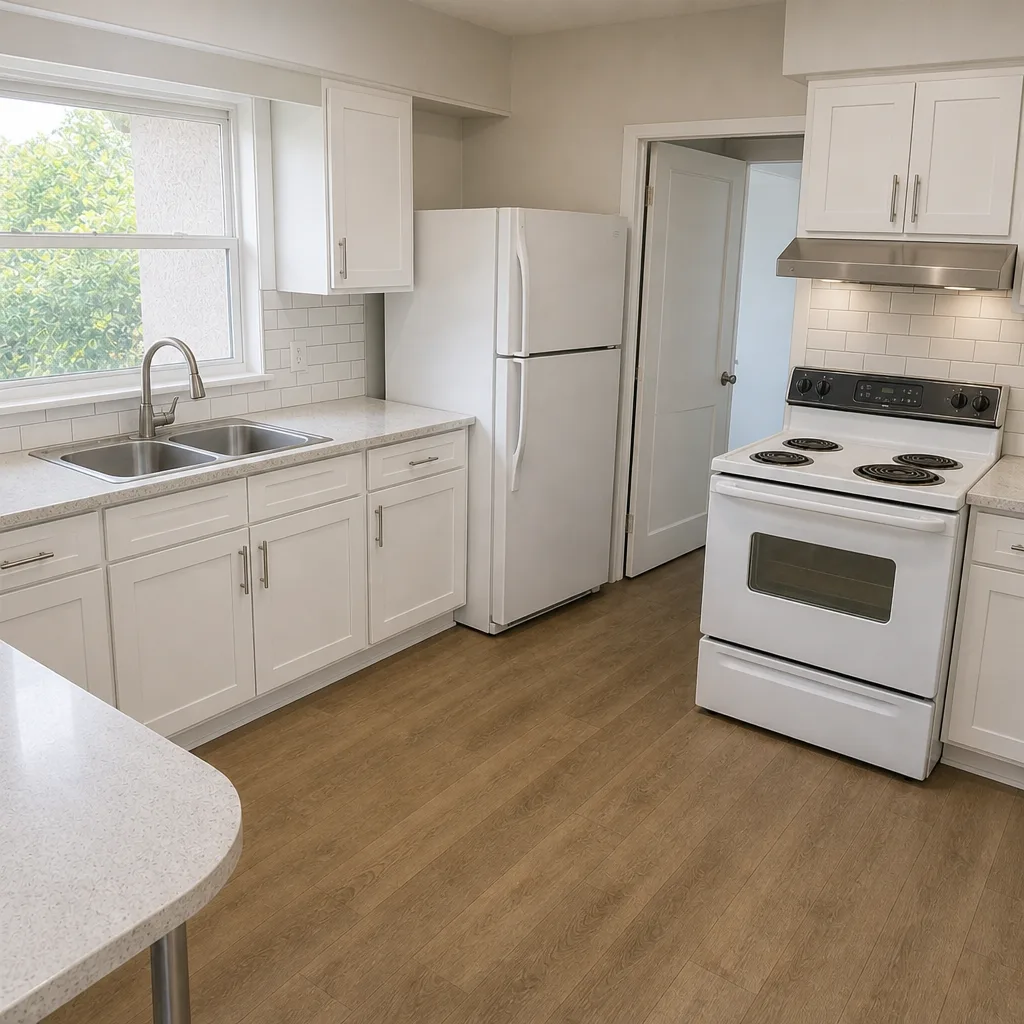
See the difference
 Before
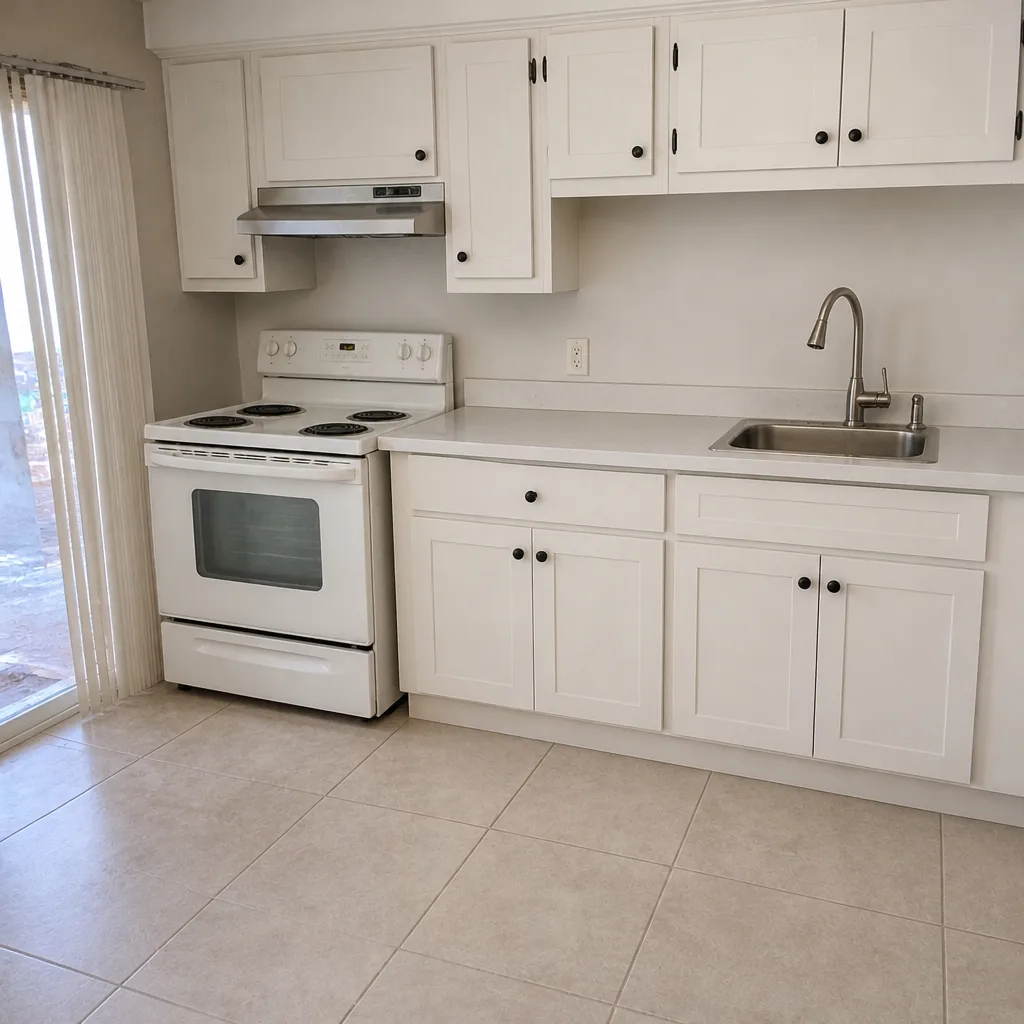 After
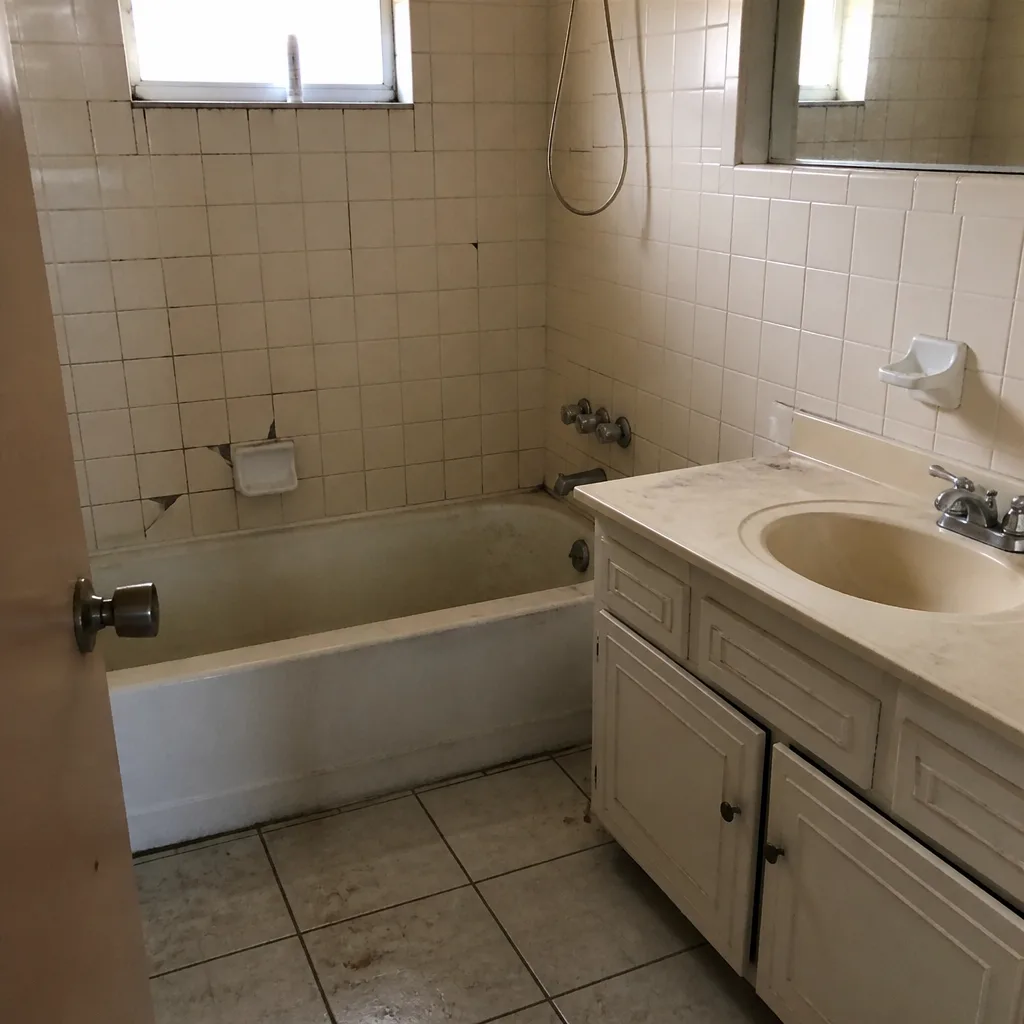 Before
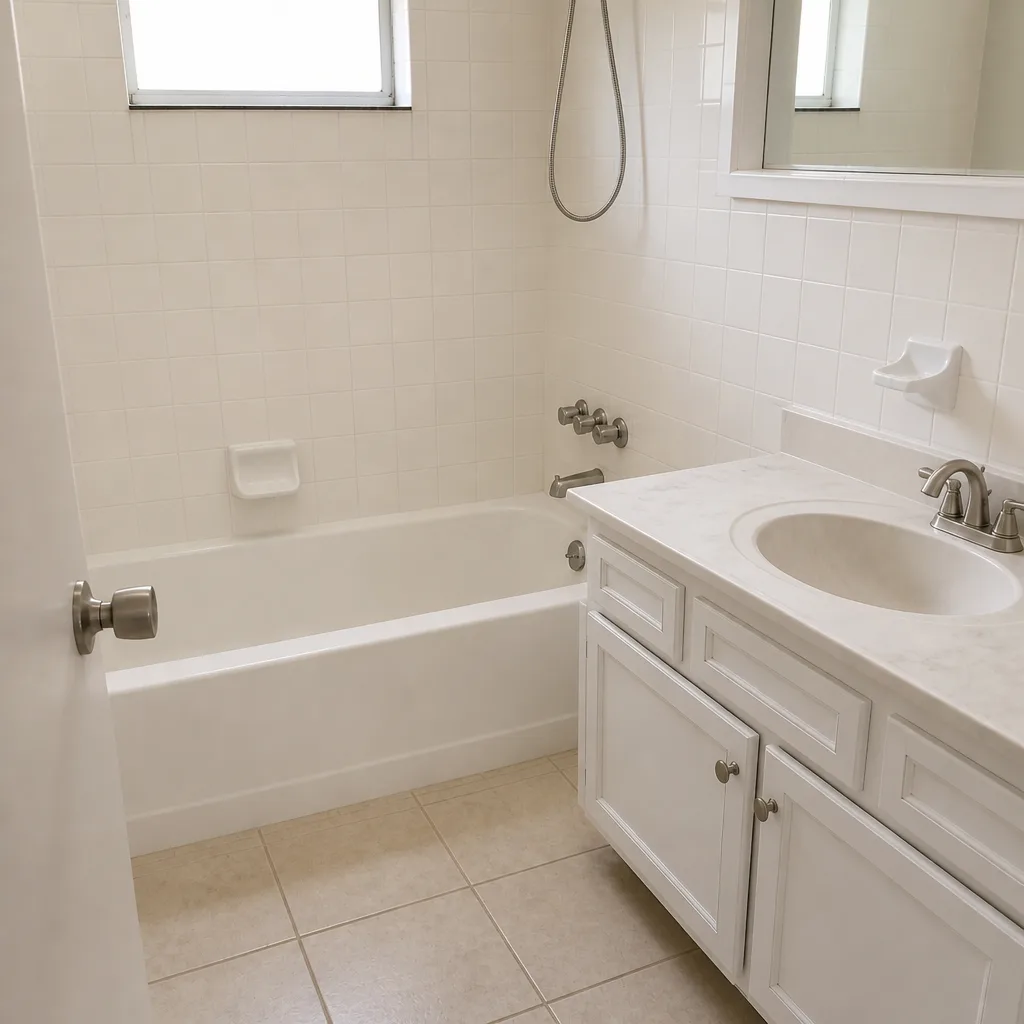 After
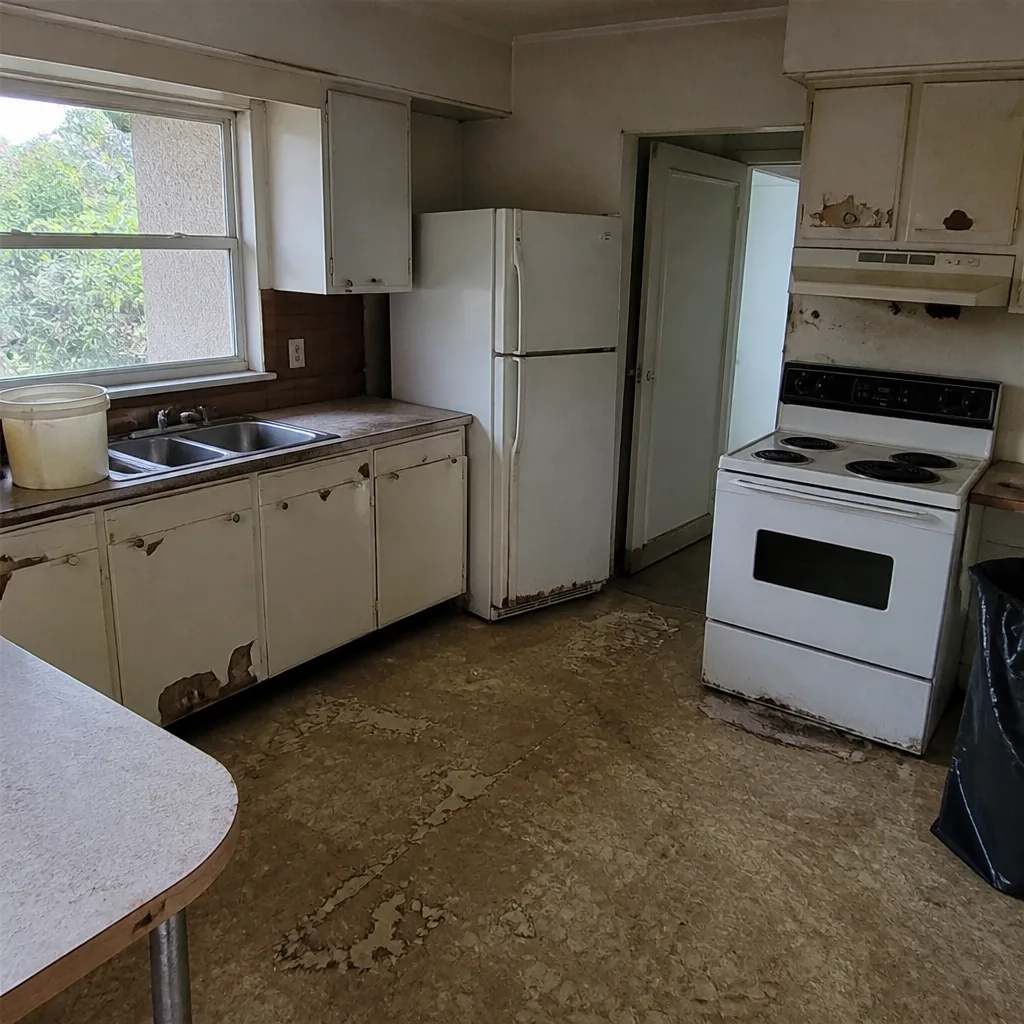 Before
 After
When to Call a Professional
Some warning signs you can address with your current contractor. Others mean it’s time to get a second opinion before the situation gets worse. Call a professional if: you can’t find a permit number on a job over $2,500; the inspection log in the county portal doesn’t match what your contractor is claiming; you’re seeing material substitutions that don’t match the contract; multiple crews are cycling on the same phase of work; stucco, flashing, or slab details look wrong; or the contractor is asking for draws out of order with the schedule. These are the moments where an hour of professional input often saves tens of thousands of dollars in rework. Groundwork Construction Co. of North Miami Beach offers free estimates in North Miami Beach. Call (844) 797-4868 and we’ll walk the site with you, no obligation. Our technicians have up to 12 years of experience, and every job we run is backed by the 730-Day Done Right Promise.
Frequently Asked Questions
A professional walkthrough on a mid-construction North Miami Beach home typically ranges from free to a few hundred dollars, depending on scope. Our free estimate and design consult costs nothing, includes an on-site walk, and gives you a written opinion on what to address before moving forward. If your current project has warning signs, getting that opinion now costs a fraction of catching the same problem after close-out.
It shouldn’t. At Groundwork Construction Co. of North Miami Beach, the number you see is the number you pay. A written, line-item quote with a fixed-price scope is the only construction quote format worth signing in South Florida. If your current contractor keeps finding reasons to change the number, that’s the warning sign this whole guide is about.
Yes. Every permitted job in North Miami Beach we run has a permit number you can verify in the Miami-Dade or city portal within a day of the contract signing. We send you the number, the inspection schedule, and the portal link. If you’re ever unsure an inspection was actually called, you can check yourself, and we explicitly encourage it.
A full kitchen renovation in North Miami Beach typically runs 6 to 10 weeks from demo to finish, and a bathroom usually lands between 4 and 7 weeks. Timelines stretch when inspections back up during the rainy season, or when materials ship late. The best predictor of how long your job actually takes is how organized the permit and material stages are before demo starts. Call (844) 797-4868 for a schedule estimate specific to your project.
Missing weep screed at the base of exterior stucco. It’s a $40 detail on a $4,000 stucco job, and skipping it is the number one cause of hidden wall rot in this climate. No homeowner can see it once the finish coat is on. The second most common is a paper permit with no inspection log, which looks legitimate right up until the certificate of occupancy gets denied.
Yes, and homeowners in North Miami Beach do it more often than you’d guess. The transition is a legal exercise more than a construction one: you need documented payment history, lien releases from every paid subcontractor, and a written notice of termination. Do it before final payment, not after. The longer you wait once warning signs appear, the higher the recovery cost tends to be.
The Bottom Line
The warning signs of a failing construction project in North Miami Beach are almost always visible during construction, not after. They show up as missing permits, unverified inspections, unbranded materials, rotating crews, thin stucco, and verbal change orders. Most homeowners miss them because they’re looking at the finished surfaces instead of the layers underneath. If you take one thing from this guide, make it the permit and inspection habit: pull the county record, watch the log, and don’t pay a draw until the corresponding inspection is passed. That single habit prevents more North Miami Beach project failures than any other. Estimates are free, and our team is always available if you want a second set of eyes on your project before it’s too late to change course.
Call (844) 797-4868 to schedule your free estimate with Groundwork Construction Co. of North Miami Beach. Live person, 24/7. Upfront pricing, no surprises. Backed by the 730-Day Done Right Promise.
Written by the team at Groundwork Construction Co. of North Miami Beach.