Last updated November 17, 2026


Free written scope consultation - allowances, timeline, and change-order rules on paper before a single trade is scheduled
Fence Installation Warning Signs Every Homeowner Should Know
A fence that looks perfect on day one can be structurally failing by month six, and the mistakes that cause it were visible at every stage if you knew what to look for. Most homeowners don’t. They judge a fence from the curb, hand over the final check, and discover the problem months later when the gate drags, the posts lean, or that contractor’s number rings straight to voicemail. In our experience, the failure was baked in long before the first sag appeared. This guide walks you through the warning signs before you sign a contract, while the crew is on site, and in the weeks right after the job wraps. It’s written for North Miami Beach homeowners who want to spot trouble early, not pay twice.
Quick Answer
The biggest fence installation warning signs are shallow post holes, no permit conversation, cheap or untreated materials, skipped concrete curing, and a contractor who vanishes after payment. In South Florida, posts set too shallow for wind loads and hardware that rusts in coastal air are the two most common causes of early fence failure. Watch the quote, the install, and the final walkthrough – every stage has its own tells.
Styles & brands we work with
- Kitchen remodeling
- Bathroom remodeling
- Home additions & ADU
- Roofing
- Windows & doors
- Driveway & pavers
- Fence
Table of Contents
- Pre-Hire Red Flags to Spot Before You Sign
- On-Site Warning Signs During Installation
- Material Warning Signs That Fail in Coastal Air
- What Florida Building Code Actually Requires
- The Post-Installation Inspection Checklist
- When a Contractor’s Answers Don’t Add Up
- Common Mistakes to Avoid
Pre-Hire Red Flags to Spot Before You Sign
Most bad fence jobs are decided before the first shovel hits the ground. The quote and the conversation are where you catch the problem. A contractor who skips the questions is telling you something.
Here are the pre-hire warning signs we’d want every homeowner to notice:
- No license discussion. A legitimate contractor will hand over a license number without being asked twice. If nobody brings it up, ask directly and verify it with the state.
- No permit talk. Fences over a certain height near a property line usually need a permit in North Miami Beach. A quote that never mentions permitting or inspections is a quote that plans to skip them.
- No soil or site assessment. South Florida soil varies block to block – sandy fill near the Intracoastal, firmer ground inland. A contractor who doesn’t ask about soil, drainage, or where your sprinkler lines run is guessing at post depth.
- A quote with one total and no breakdown. You want posts, panel material, hardware, concrete, gate hardware, and haul-away listed separately. A single number hides where corners get cut.
- Pressure to pay up front. A large deposit before materials arrive, especially in cash, is one of the oldest red flags there is.
- Vague on post depth. Ask point-blank how deep the posts go and how much concrete is in each hole. Hesitation tells you the answer.
Run these checks on any fence contractor in North Miami Beach before money changes hands. A few minutes of questions saves six months of aggravation.
On-Site Warning Signs During Installation
Once the crew arrives, the job is either going in right or going in wrong, and you can see it. You don’t need to touch anything. You just need to watch and know the standards.
Watch the post holes
Post depth is the single most important structural decision in South Florida. The holes should go significantly deep, and each hole should be filled with concrete, not just a shovel or two. If you see posts being set shallow because the crew hit roots or rock and decided not to deal with it, stop and ask. Underbuilt posts are exactly what lean in the first strong wind.
Watch the curing time
Concrete needs time to set before you hang panels and gates on the posts. A crew that pours the concrete and immediately builds on top of it is rushing the one step that holds everything together. Ask how long the posts will cure before assembly.
Watch for a string line
A proper install uses a string line to keep posts straight and panels even. If the crew is eyeballing alignment, the fence will wave. Walk the length of it at an angle and you’ll see the drift.
Other on-site tells
- Posts plumb-checked with a level, not eyeballed.
- Hardware in stainless steel or heavy galvanized, not thin zinc-plated.
- Gate posts heavier than line posts – gates take far more load.
- Site kept tidy; debris and packaging hauled away.
If you’re comparing this against a professional Fence Installation in North Miami Beach job, the difference is visible in the first hour.
Material Warning Signs That Fail in Coastal Air
North Miami Beach sits close enough to the coast that salt air and humidity attack everything. Materials that work fine in dry climates can fail here within a couple of years, and the warning signs show up in the quote.
Undersized posts for the fence height
A six-foot privacy fence and an eight-foot fence are not built with the same posts. Taller fences catch more wind and need heavier posts and deeper footings. If the quote pairs a tall fence with thin posts, the wind load math doesn’t work.
Untreated wood in ground contact
Any wood that touches the soil should be pressure-treated for ground contact, and treated to a grade that stands up to coastal rot and insects. Untreated or lightly treated wood at the base rots fast, and that’s the part buried out of sight.
Hardware that won’t survive the coast
Standard zinc-plated screws and hinges rust within a season or two of salt air. You want stainless steel or hot-dipped galvanized hardware and fasteners. Cheap hardware is one of the quietest warning signs – it isn’t visible from the curb, and it fails first.
Material brands worth asking about
For panel and gate systems, brands like Boral and PGT come up in serious conversations because they hold up in this climate. A contractor who can name the brands they use and explain why is a contractor who’s thought about coastal durability. Groundwork Construction Co. of North Miami Beach works from a curated set of material partners so choices are driven by quality, not just what a supplier has on hand.
What Florida Building Code Actually Requires
Having a factual standard to reference is powerful. When a contractor gives you a vague answer about depth and concrete, you can point to the code.
Florida Building Code treats fences as structures subject to wind load requirements, and Broward County and North Miami Beach apply those requirements through permitting and inspection. The core requirements homeowners should know:
- Post depth is driven by wind load and soil, not a guess. Posts need to be set deep enough that the footing resists overturning in high winds. Shallow holes are the most common failure.
- Posts are set in concrete footings. The footing needs a defined diameter and depth relative to fence height and post size. A scoop of concrete at the surface does not count.
- Fence height near property lines is regulated. Heights and set-backs are governed locally, and taller fences need engineering to prove they hold up. A quote that ignores this is a quote that ignores the permit.
- Permits and inspections apply. For permitted fences, an inspector checks footing depth and structure before the job is signed off. Skipping the permit skips the check.
Ask any contractor to show you the post depth and footing spec they plan to use, and how it ties to the code. A pro has the answer ready. For homeowners planning broader improvements, our guide to Home Additions & ADU in North Miami Beach shows how we apply the same code-first approach to bigger builds.
The Post-Installation Inspection Checklist
Before you make the final payment, run this checklist yourself. It takes fifteen minutes and catches most of what would otherwise show up months later.
- Walk the fence line at an angle. A fence with proper alignment looks straight from any viewpoint. Waviness means the string line was skipped.
- Push-test every third post. A properly set post doesn’t move. Any wobble is a footing problem.
- Open and close the gate several times. It should swing clear and latch cleanly with no drag or sag. A gate that sags on day one will get worse.
- Check the posts are plumb. A level held against two sides tells you in seconds.
- Look at the base of every post. Confirm concrete is present at each hole, and check that any ground-contact wood is treated.
- Inspect the hardware. Stainless or galvanized fasteners throughout. Rust streaks already showing means corners were cut.
- Confirm the permit sign-off. If the job was permitted, get the inspection record.
- Get the workmanship warranty in writing. This is the one most homeowners forget, and it’s the one that matters most.
If anything fails these checks, raise it before the final payment, not after. Getting a fence fixed once it’s paid for is a different conversation entirely.
When a Contractor’s Answers Don’t Add Up
Sometimes the warning signs aren’t in the work – they’re in the communication. A contractor who is hard to reach before the job is a contractor who’ll be impossible to reach after it.
Watch for these tells:
- Calls that go to voicemail. If you can’t reach anyone during the sales process, imagine trying to get warranty service six months in.
- No written warranty. A verbal “we stand behind our work” means nothing without a document. You want a clear, written guarantee with a defined term.
- No live person after hours. Problems with a fence don’t schedule themselves for business hours. A company that answers only Monday to Friday is a company you may not reach when you need to.
- Vague answers on who does the work. You want to know who shows up, whether they’re background-checked, and whether they arrive in uniform rather than an unmarked van.
Groundwork Construction Co. resolves this on the front end. Calls are answered by a live person around the clock, technicians are background-checked and arrive in uniform, and every project is covered by the 730-Day Done Right Promise – if it’s not done right, we make it right. That’s one of the longest workmanship guarantees in the residential construction space, and it’s in writing.
Common Mistakes to Avoid
- Skipping the permit to save time. Unpermitted fences in North Miami Beach can trigger problems at resale and skip the inspection that would have caught shallow footings. The permit is the check on the work.
- Choosing the lowest bid with no breakdown. The cheapest quote usually wins by cutting post depth, concrete, and hardware – the three things you can’t see. Insist on line items.
- Hanging panels before the concrete cures. Rushing cure time is one of the fastest ways to get a fence that leans within a season. Ask how long the posts will set.
- Using untreated or lightly treated wood at ground contact. South Florida rot and termites find that wood fast, and the damage is hidden below grade.
- Installing thin zinc-plated hardware by the coast. Salt air eats it within a season or two. Stainless and heavy galvanized cost a little more and last far longer.
- Paying in full before the walkthrough. Once the final check clears, your leverage is gone. Inspect against the checklist first.
- Accepting a verbal warranty. If it isn’t written with a defined term, it isn’t a warranty.
When to Call a Professional
Some fence decisions are worth handing to a pro outright. If your fence is taller than six feet, runs near a property line with permit requirements, needs to hold up to open coastal wind, or involves a wide gate that has to swing true, get a trained contractor involved. Post depth, footings, and wind load are where DIY fences fail, and a failed fence over a shared property line becomes a neighbor dispute fast. The same is true if a previous contractor left you with leaning posts or a sagging gate – it’s fixable, but it needs a real structural plan. Groundwork Construction Co. of North Miami Beach offers free estimates in North Miami Beach – call (844) 797-4868. We give you upfront pricing with no surprises and a written quote you can compare line by line.
See the difference
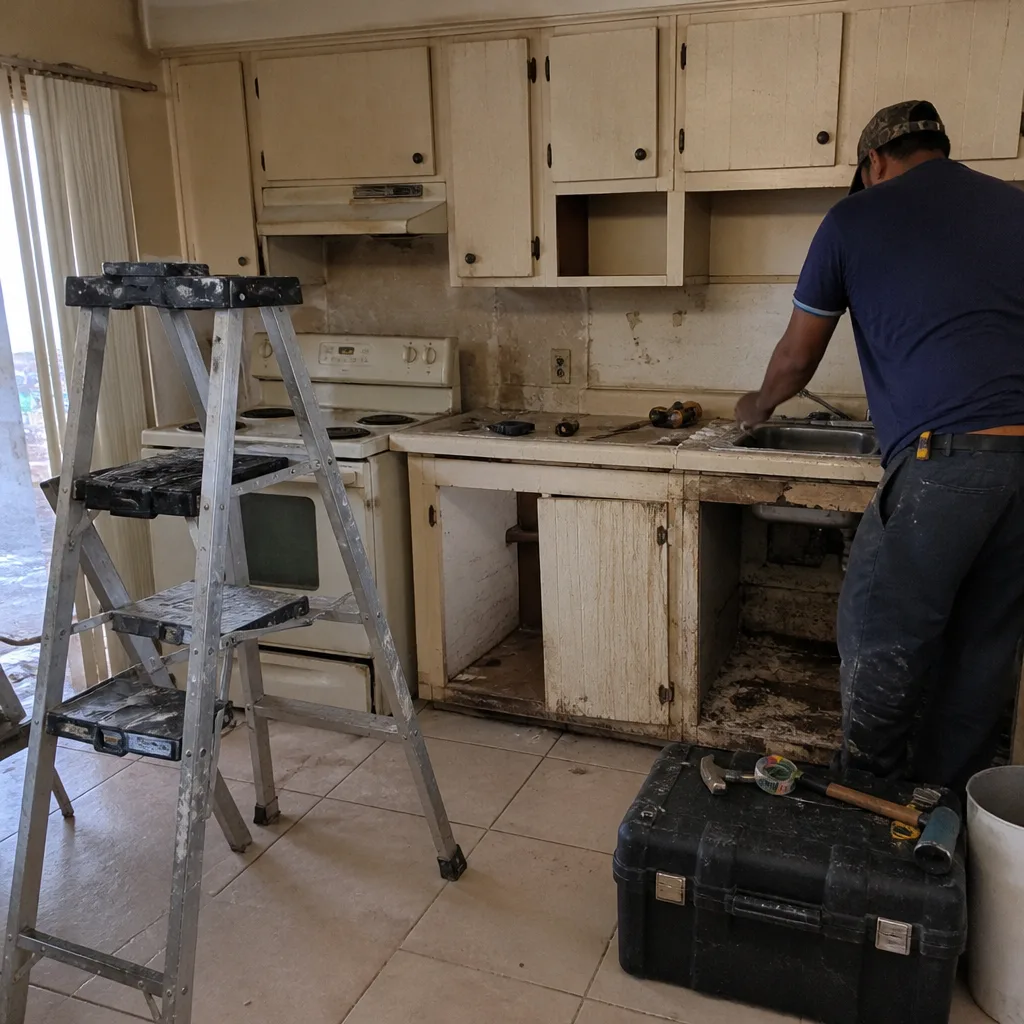 Before
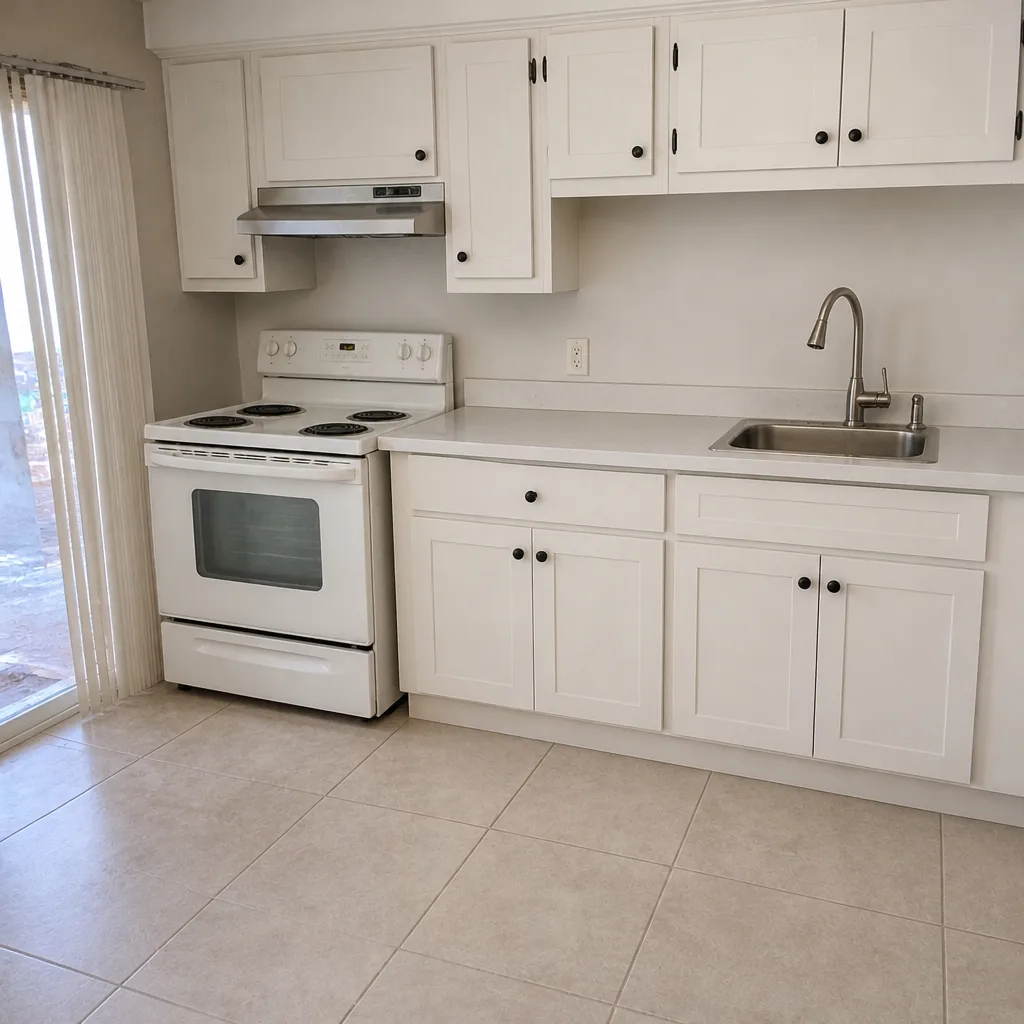 After
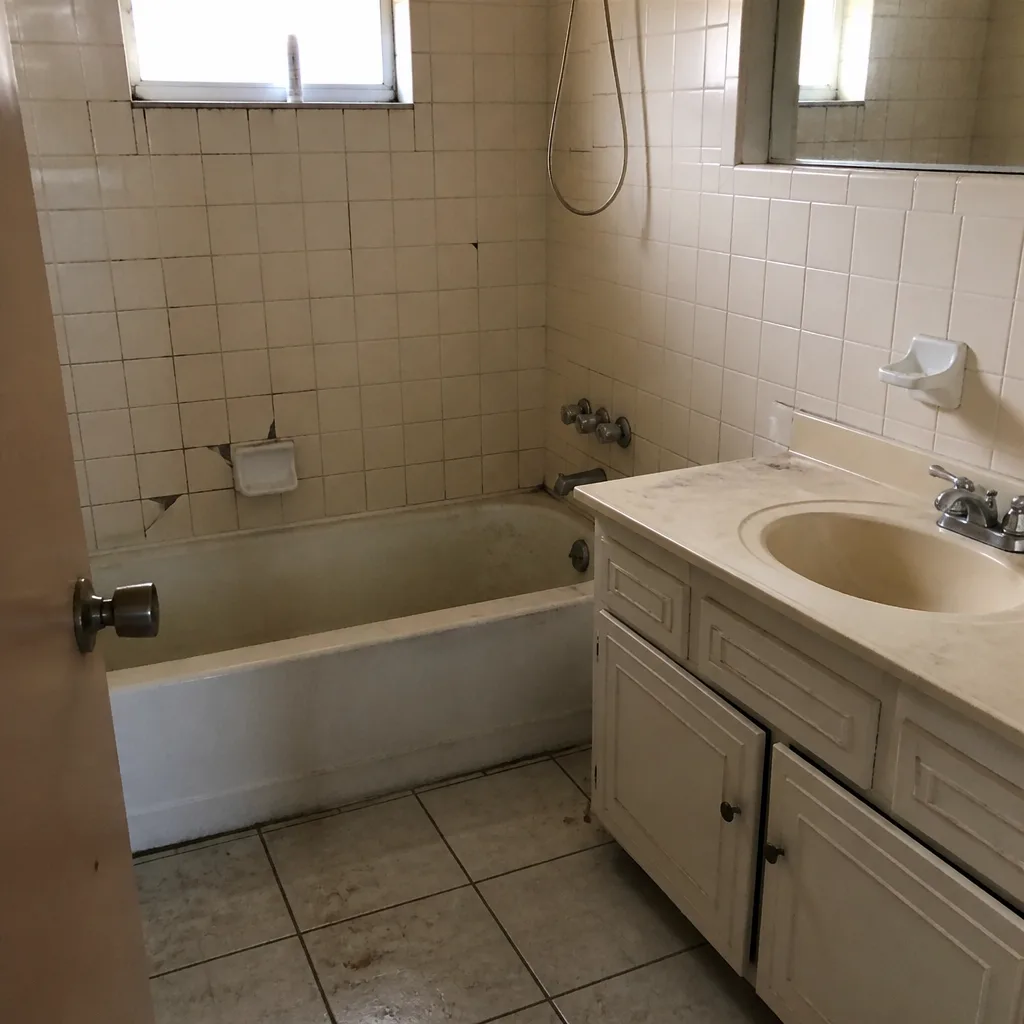 Before
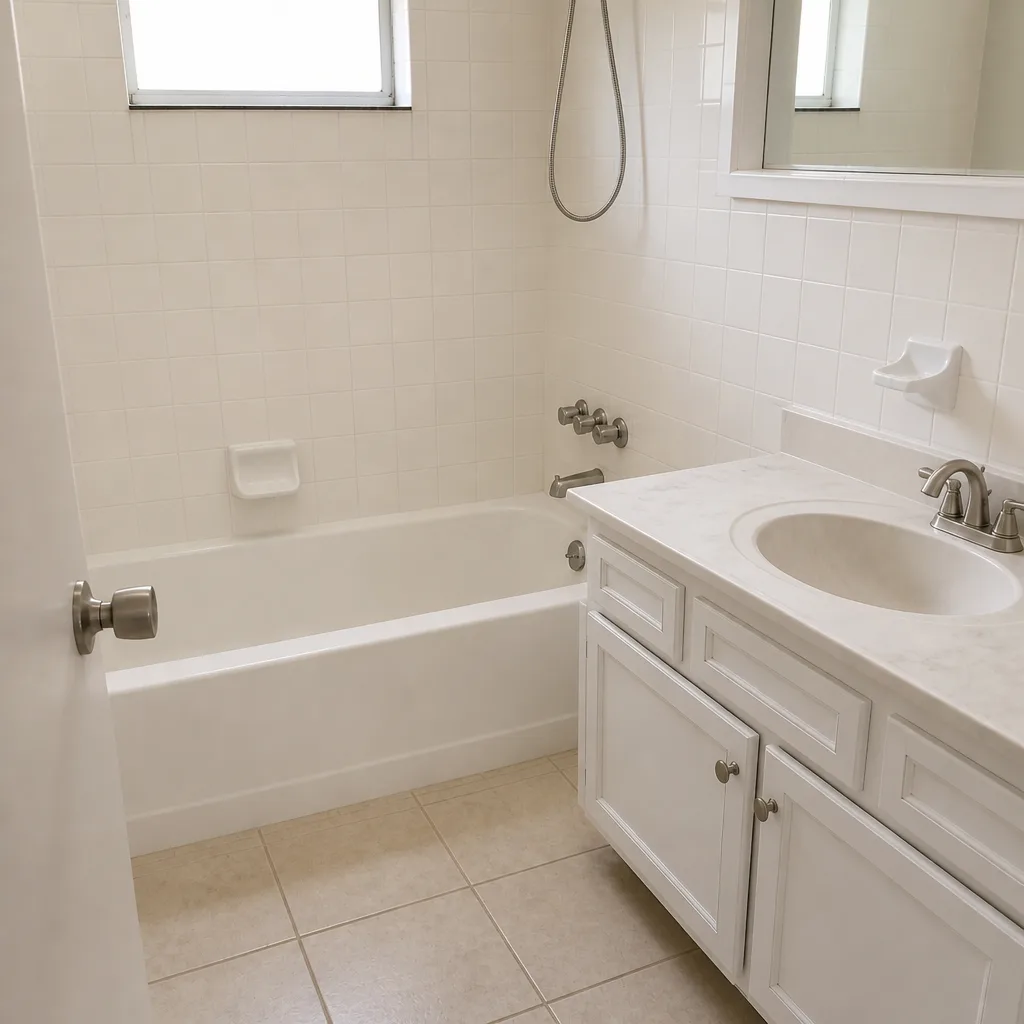 After
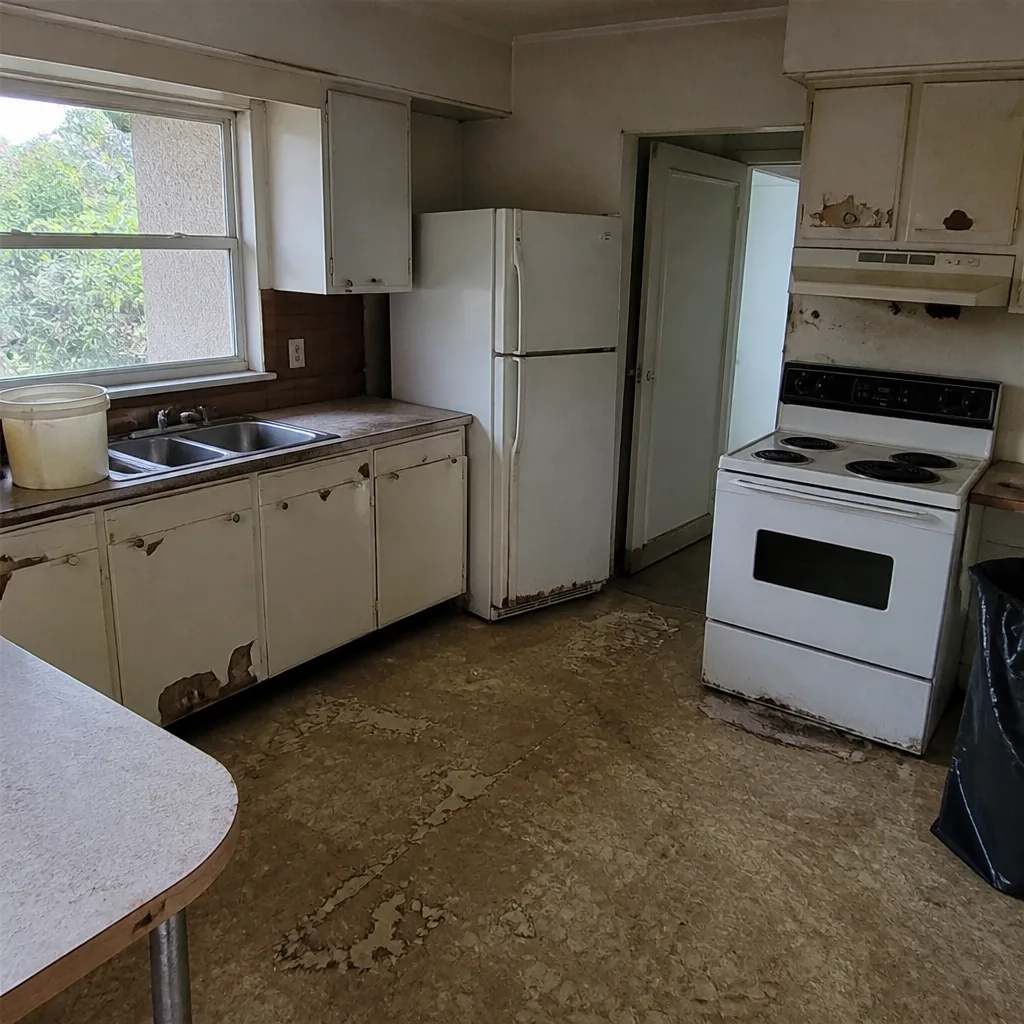 Before
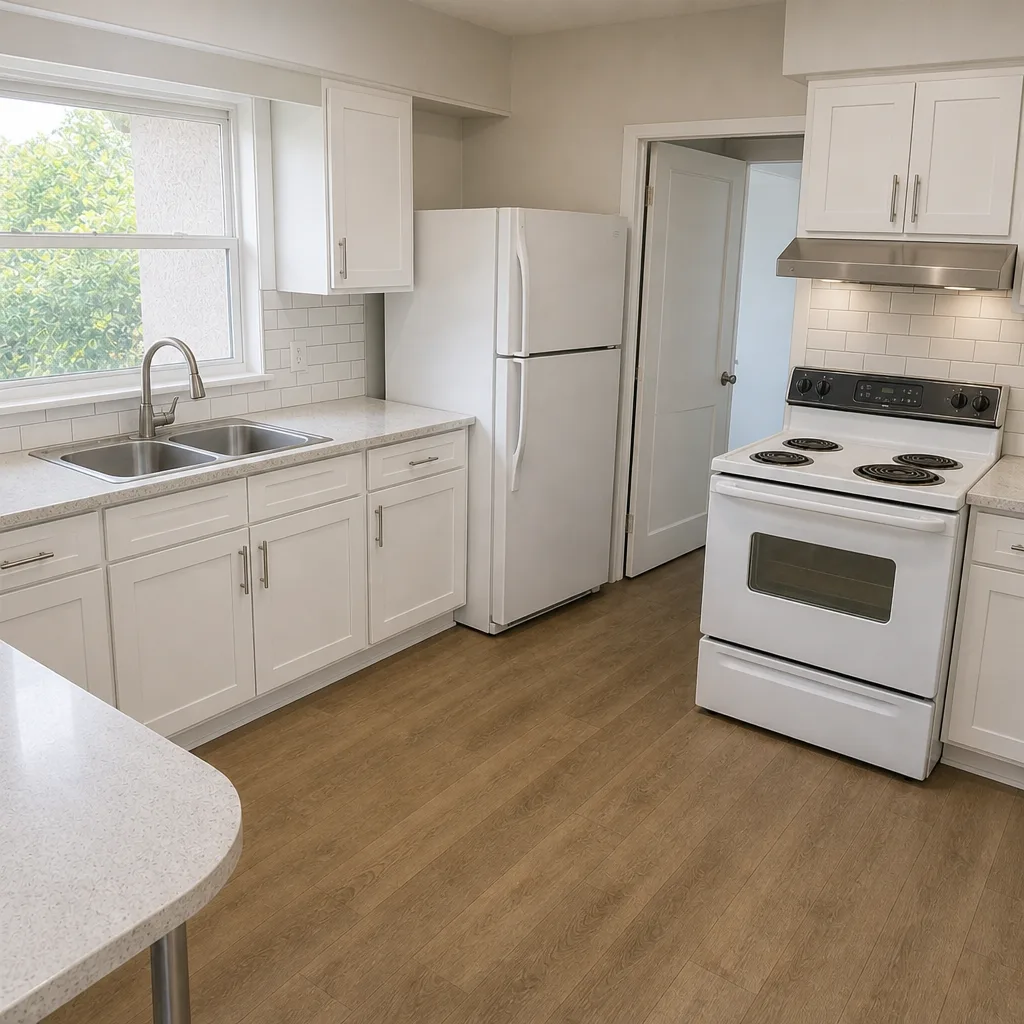 After
Frequently Asked Questions
Push-test the posts for movement, open and close the gate to check for sag, and walk the line at an angle to spot waviness. Rust streaks, leaning posts, and a dragging gate are the clearest early signs. Any of these showing within months of installation means the footing, curing, or hardware was rushed.
In many cases yes, especially for fences above a certain height or near a property line, because wind load and structural requirements apply. The exact rule depends on your fence height and where it sits. Ask the contractor to confirm and pull the permit, since the inspection is what verifies footing depth.
Post lean comes from shallow holes, too little concrete, skipped curing time, or moving soil – all made worse by high coastal wind loads. When the footing is undersized, the first strong wind pushes the post out of line. It’s a footing problem, not a panel problem.
Stainless steel or hot-dipped galvanized hardware and fasteners. Standard zinc-plated hardware rusts quickly in salt air, and a rusted hinge or bracket fails long before the fence itself does. Ask what fasteners are being used before the job starts.
Cost depends on fence type, height, length, gate count, and whether a permit is needed, which is why a single number with no breakdown is a warning sign in itself. You want a written quote broken out by posts, panels, hardware, concrete, and haul-away. Call (844) 797-4868 for an exact quote – estimates are free.
You want a written workmanship warranty with a defined term, not a verbal promise. Groundwork Construction Co. of North Miami Beach covers every project under the 730-Day Done Right Promise – if it’s not done right, we make it right. Get any warranty in writing before you sign.
The Bottom Line
Bad fence jobs are rarely a surprise on day one – they’re a slow reveal over the following months. The fix is to watch at every stage: the quote that skips permits, soil, and post depth; the crew that sets shallow holes or rushes the concrete; the materials that can’t survive coastal air; and the final walkthrough you should run before you pay. Use the Florida Building Code as your standard, run the post-installation checklist, and insist on a written workmanship warranty. Groundwork Construction Co. of North Miami Beach stands behind every job with upfront pricing, no surprises, and the 730-Day Done Right Promise. Planning a fence alongside other improvements? Start at our Groundwork Construction Co. of North Miami Beach home page, or explore Driveway & Pavers in North Miami Beach for a matching hardscape finish.
Ready for a Free Estimate?
Call (844) 797-4868 to schedule your free project estimate and design consult. A live person answers around the clock, we give you upfront pricing with no surprises, and we back every fence we install with the 730-Day Done Right Promise. From foundation to finish line, it’s built to last and backed in writing.
Written by the team at Groundwork Construction Co. of North Miami Beach.