

Free written scope consultation - allowances, timeline, and change-order rules on paper before a single trade is scheduled
Styles & brands we work with
- Kitchen remodeling
- Bathroom remodeling
- Home additions & ADU
- Roofing
- Windows & doors
- Driveway & pavers
- Fence
See the difference
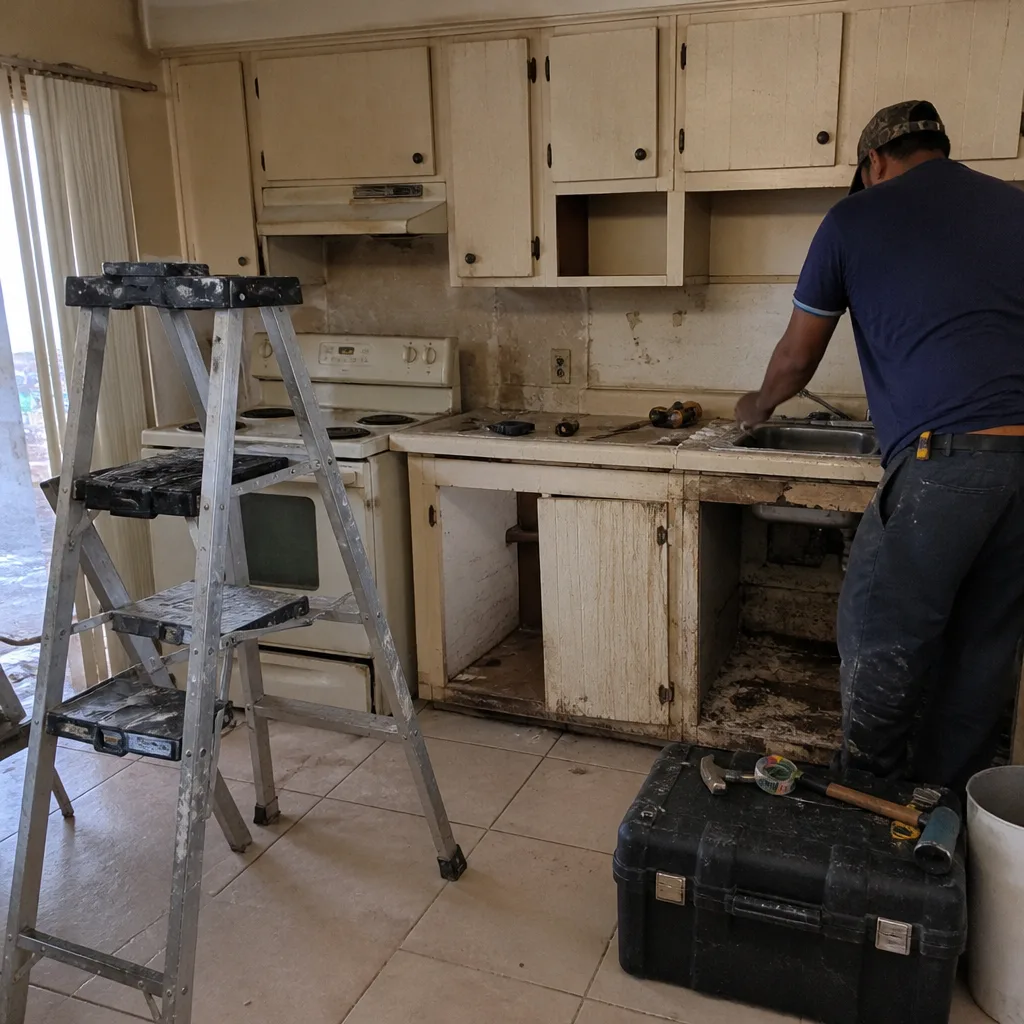 Before
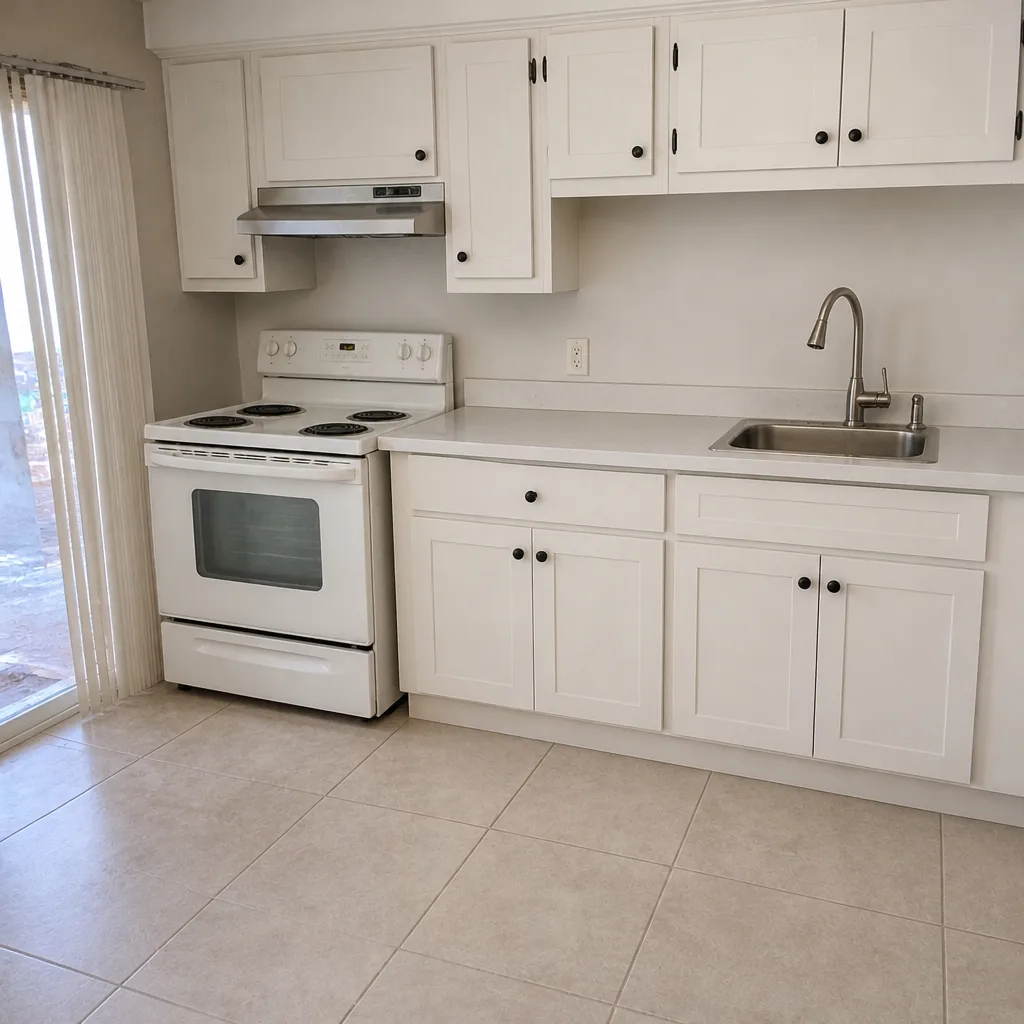 After
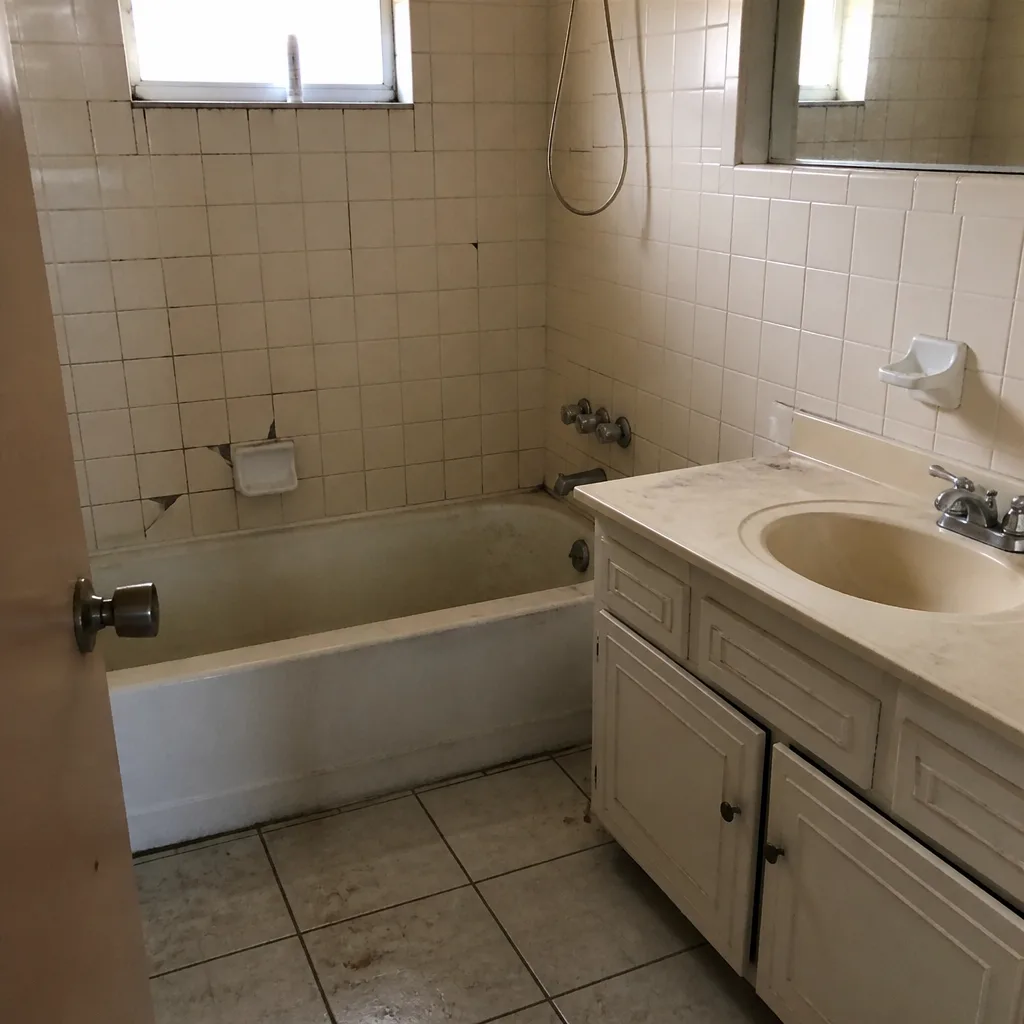 Before
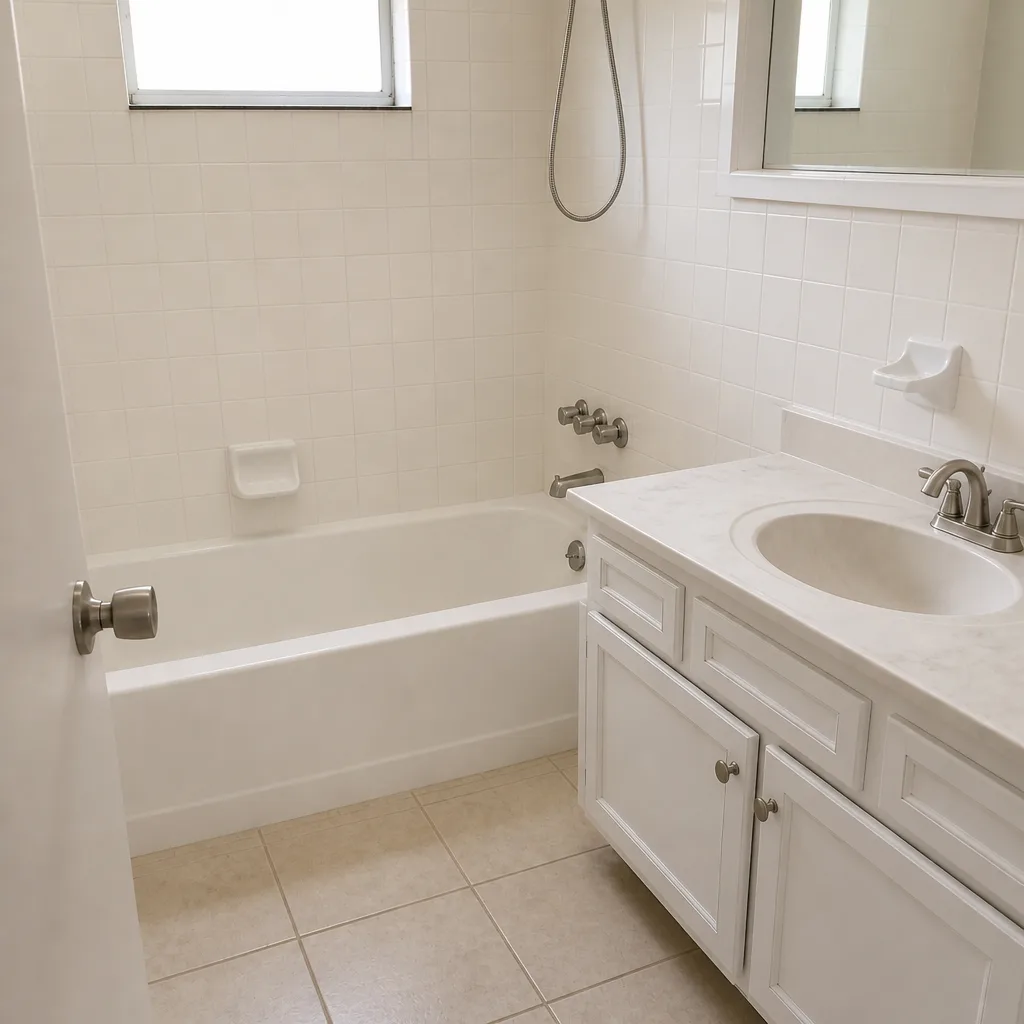 After
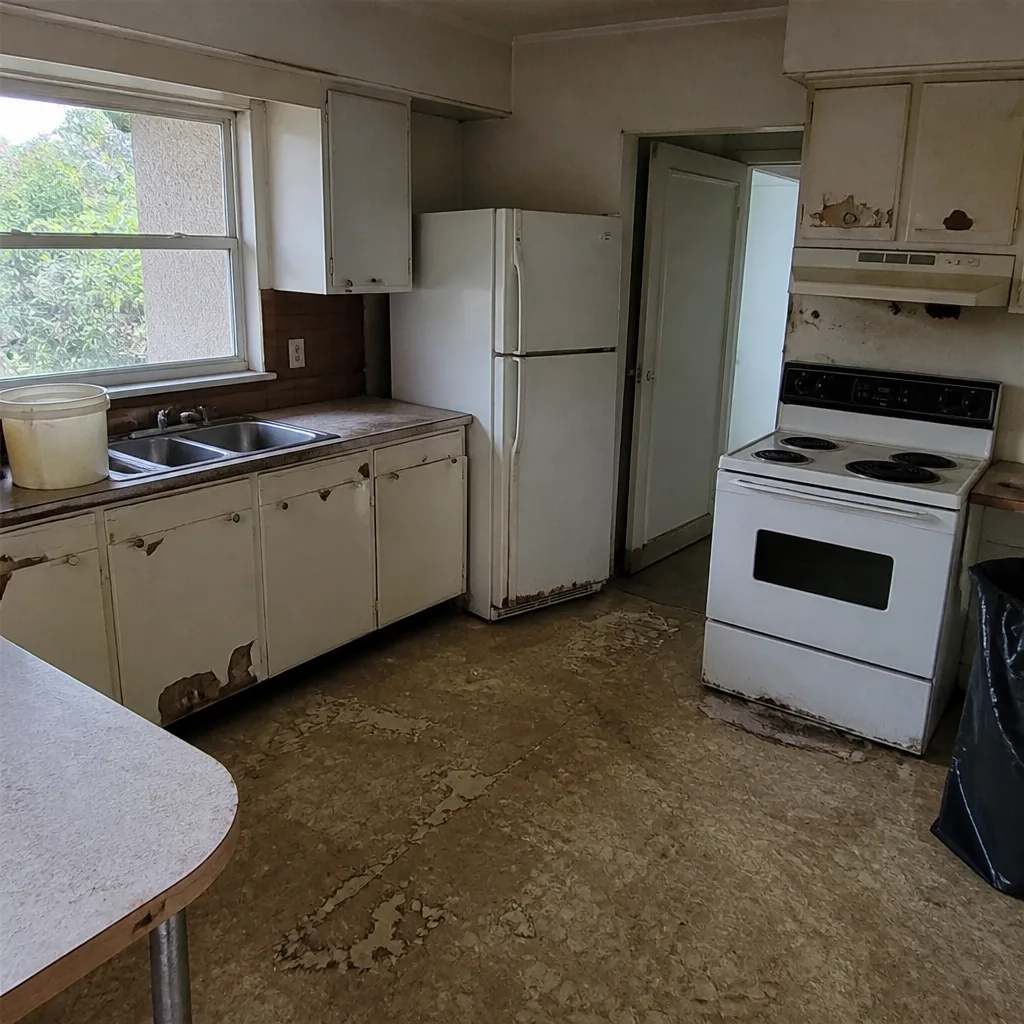 Before
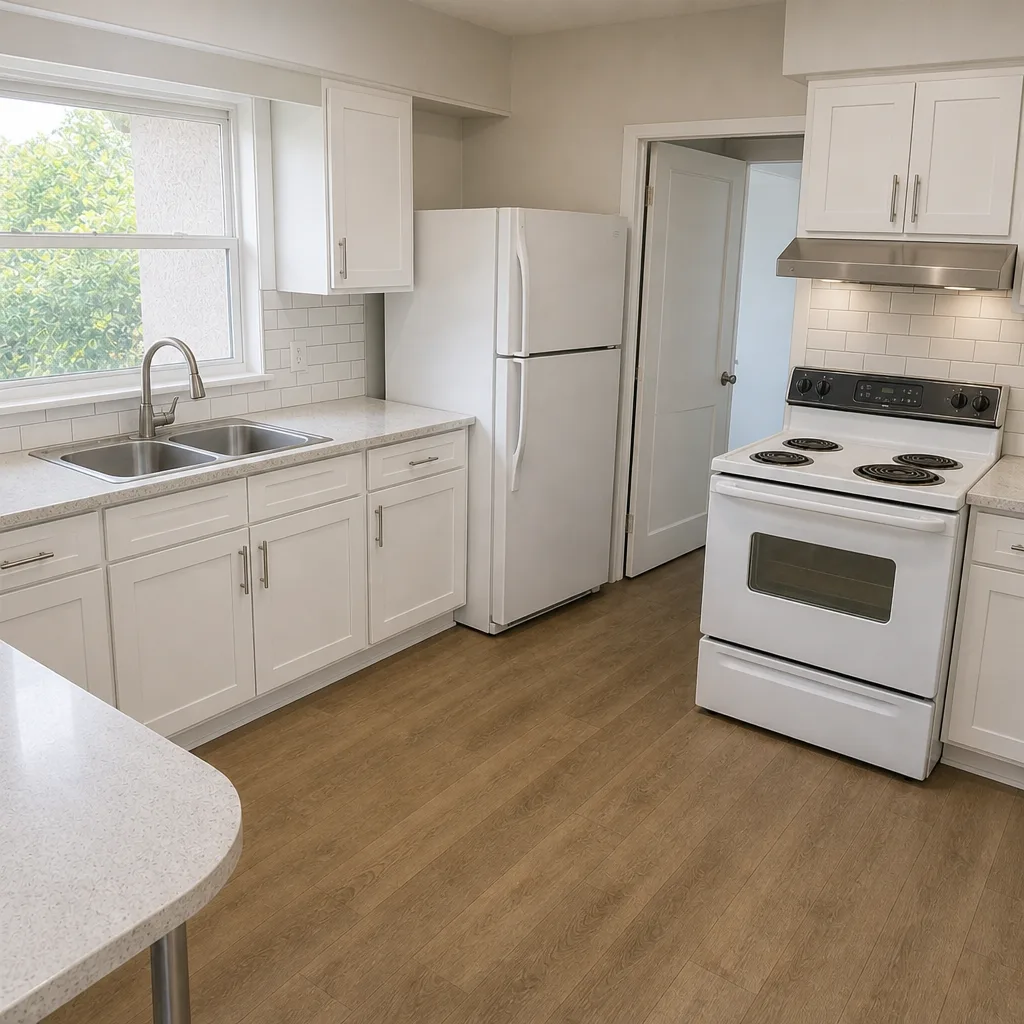 After
Clay vs Concrete Roof Tiles in North Miami Beach: Which One Belongs on Your 1960s Ranch Home?
For most North Miami Beach homes, the honest answer is concrete tile unless your roof structure is already engineered for the extra load or your insurer rewards clay. A concrete tile runs roughly 9-11 lbs per square foot, clay sits at 7-8 lbs, and on a 1965 flat-truss ranch west of Biscayne Boulevard that 2-3 lb gap per square foot is a structural question, not a styling one. If your trusses aren’t rated for it, an engineer’s letter and possible reinforcement land in your budget before a single tile goes up. Call (844) 797-4868 and we’ll walk you through what your deck can actually carry, no pressure.
We’re Groundwork Construction Co. of North Miami Beach, and we’ve stood on enough of these mid-century decks to know the material conversation starts with the framing under your feet, not the catalog in a distributor’s showroom.
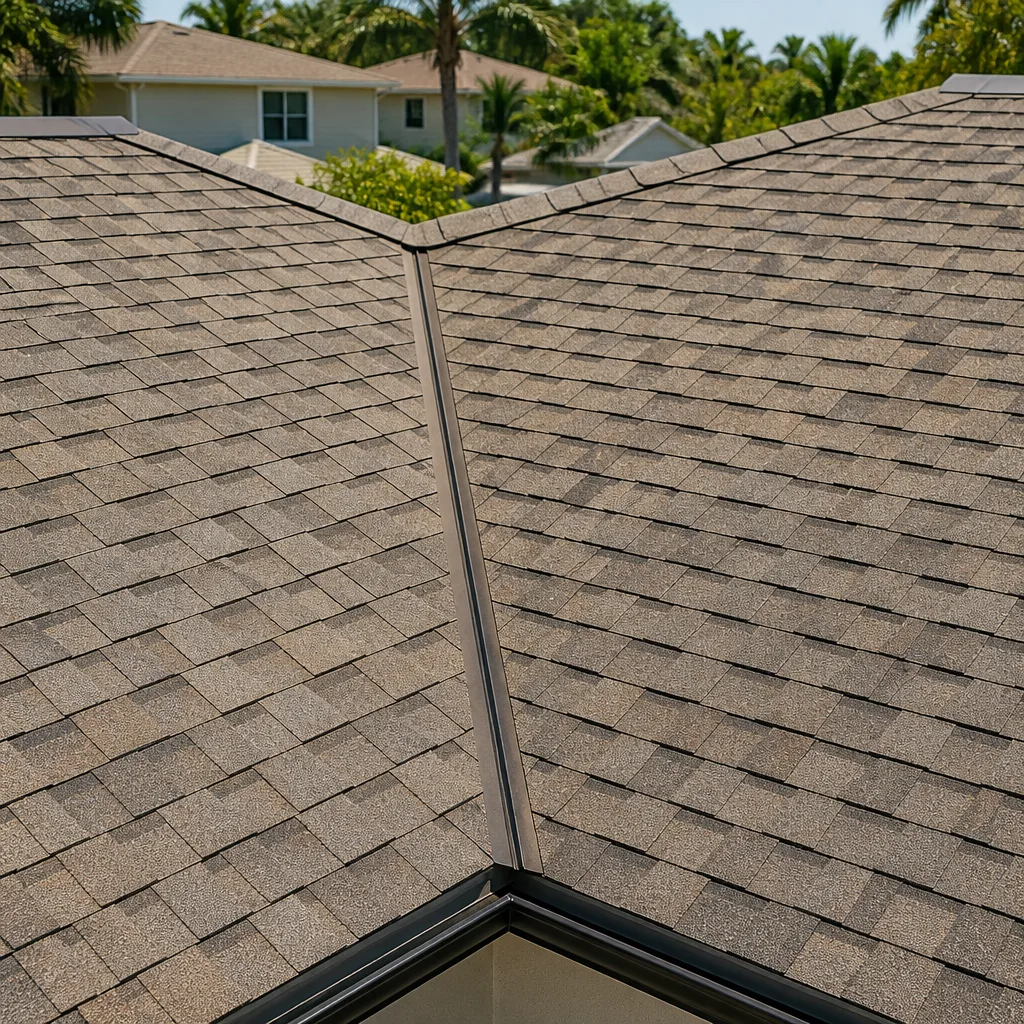
Why North Miami Beach Roofs Ask a Different Question Than the Rest of the Country
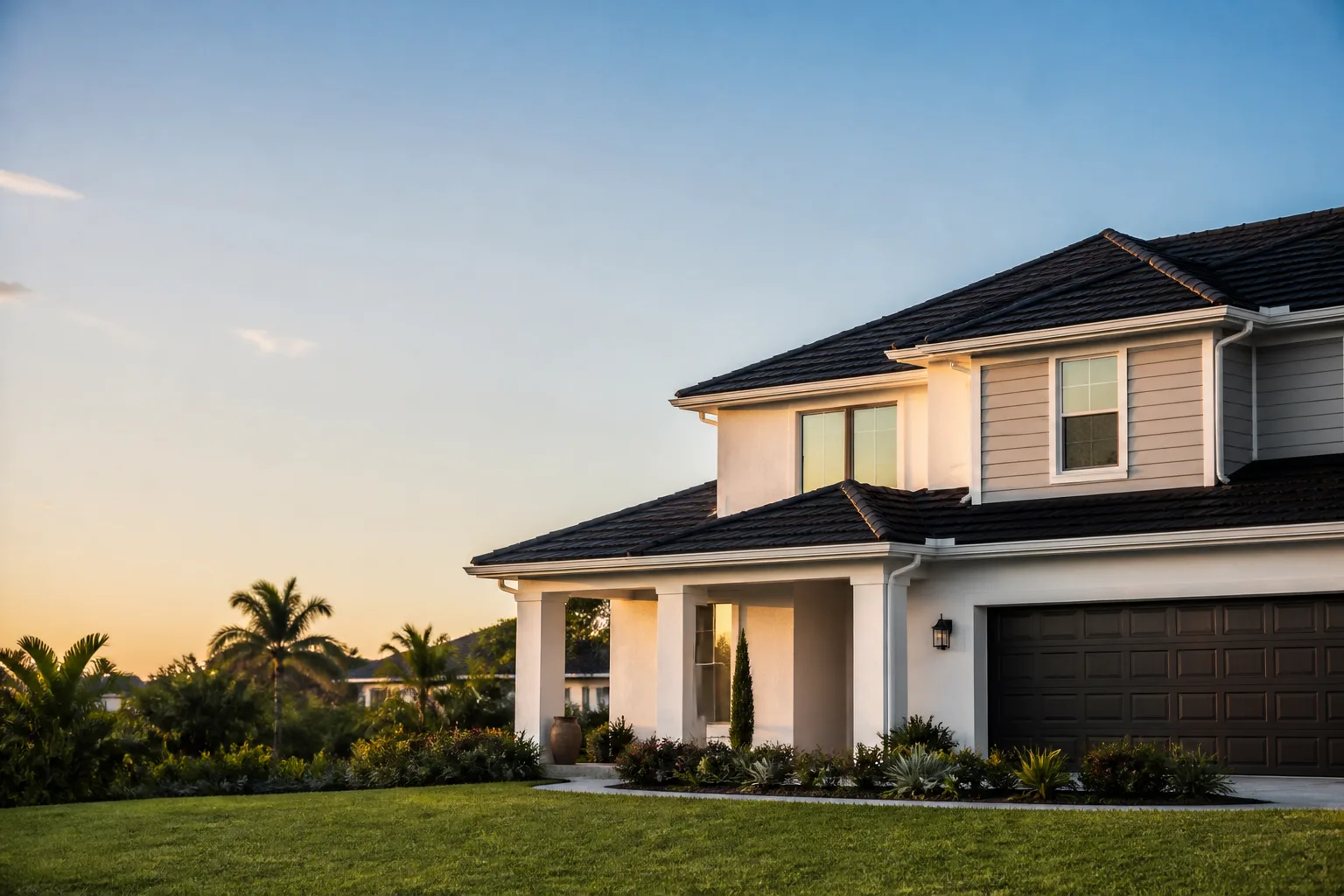
Most “clay vs concrete” articles are written for a generic suburban house on a modern truss system. North Miami Beach isn’t that. The residential core here is dominated by 1950s-1970s single-story concrete-block and stucco ranch homes, many still carrying their original flat or low-slope roof structures. Those homes were built before today’s wind-uplift spacing existed, and a lot of them were never engineered for heavy tile dead load at the spacing Miami-Dade now requires.
That’s the part most estimates skip. When you go to pull a tile re-roof permit, the City of North Miami Beach building department can ask for documentation that your roof structure can carry the load. On older 2×4 truss systems, that documentation often means a structural engineer’s letter confirming adequacy, and if the letter comes back short, reinforcement work gets added to the job. It’s a real, recurring cost in this market, and any honest clay vs concrete comparison has to include it.
- Concrete tile: roughly 9-11 lbs per square foot, more porous, absorbs moisture, faster algae and surface breakdown in South Florida humidity.
- Clay tile: roughly 7-8 lbs per square foot, fired and non-porous, holds up better against salt-laden coastal air, costs more per square.
- The structural wildcard: neither tile type is “lighter” in a way that lets you skip the load calculation if your trusses are marginal.
- The insurance wildcard: some Miami-Dade insurers score wind-mitigation credits differently for the two materials, and the credit can offset years of material cost difference.
The Local Durability Story Generic Comparisons Leave Out
Clay has a longer track record in coastal salt-air environments because it’s a fired, non-porous material. It doesn’t drink moisture the way concrete does. Concrete tile is more porous, and in South Florida’s subtropical humidity that porosity shows up over time as algae growth and surface degradation, especially on the shaded north and east roof planes where morning sun doesn’t dry things out. Drive through the older blocks off Northeast 163rd Street and you can usually spot a 20-year-old concrete tile roof by the streaking alone.
Does that make concrete the wrong choice? No. It makes it a choice you have to maintain and inspect. A well-installed, properly flashed concrete tile roof from a quality manufacturer holds up for decades here. The difference is that concrete rewards a good install and ongoing upkeep, while clay is more forgiving of neglect.
Whichever material you pick, the tile itself is only half the job. It has to carry Miami-Dade NOA approval and be installed with the specific mortar, foam adhesive, or mechanical fastener systems that meet High Velocity Hurricane Zone wind-uplift requirements. A re-roof that skips that step isn’t code-compliant no matter how premium the tile. Because we source from a curated set of top-tier material partners, you’re choosing from brands like Boral, IKO, and Atlas on their merits, not because that’s what a distributor had on the shelf last week. That brand consistency holds across a full re-roof, which matters when you’re matching field tile, ridge, and trim years down the road.
All of this sits inside a city that runs on some of the nation’s strictest wind-load and flood-proofing rules. North Miami Beach sits on the Biscayne Aquifer inside the HVHZ, and the building department’s permit timeline is tight and detail-heavy. Working with the right material partners and a team that knows the inspection sequence is how a re-roof stays on schedule.
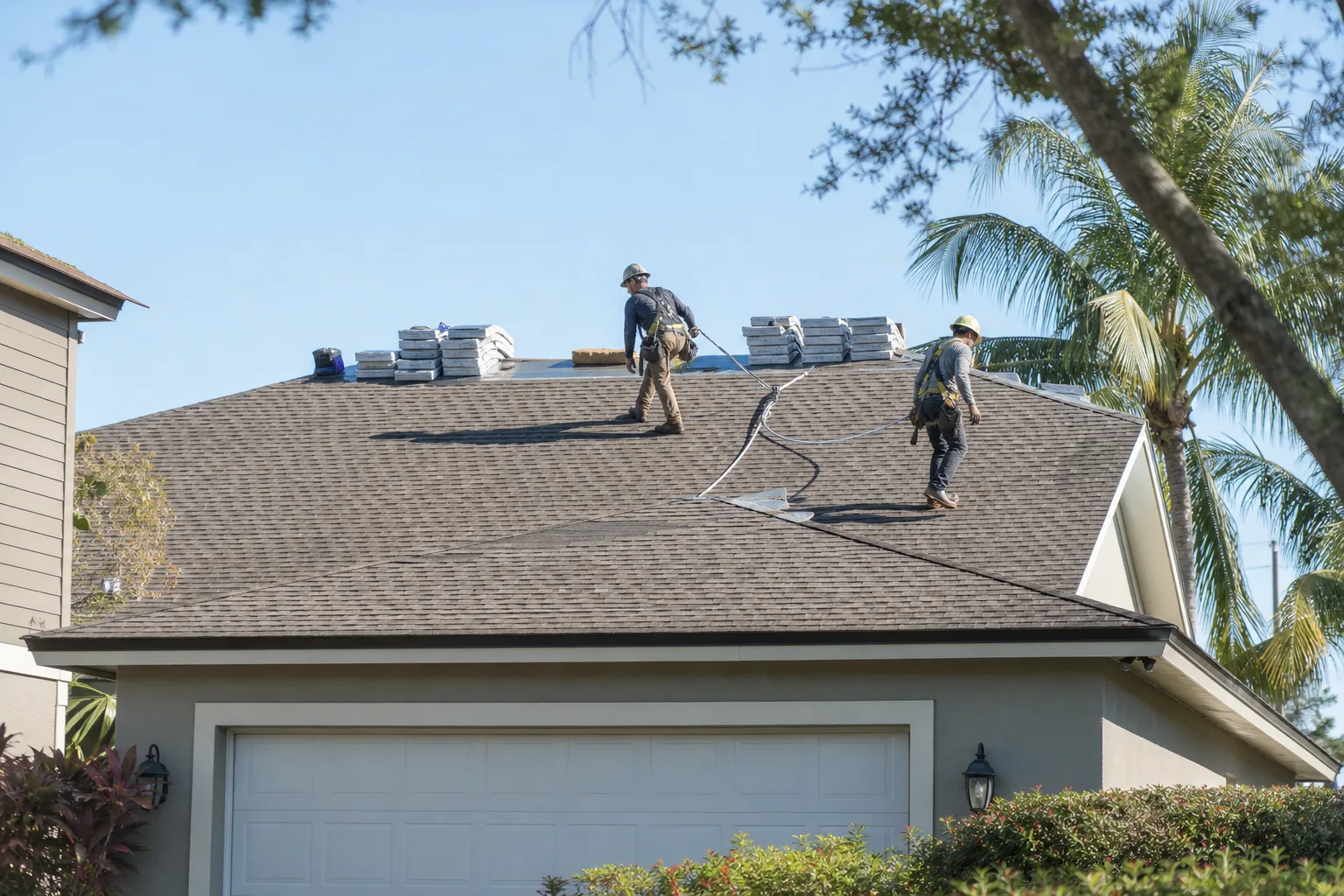
What to Look For Before You Commit to a Material
Treat the material choice as the last decision, not the first. Here’s the order that keeps you out of trouble:
- Get the structure checked first. A structural evaluation of your roof deck and trusses tells you whether clay’s lighter weight actually matters for your home or whether either material needs reinforcement.
- Confirm NOA approval for the specific product. Not the brand, not the product line, the exact tile and fastening system.
- Ask your insurer about wind-mitigation credits before you buy. Request a wind-mitigation inspection quote for both materials. The credit difference can be meaningful, and it’s a question your roofer should be able to help you frame for your carrier.
- Budget for the engineer’s letter on older homes. It’s a line item, not a surprise.
- Match the material to the maintenance you’ll actually do. Clay costs more upfront and asks less of you. Concrete costs less and benefits from periodic cleaning and inspection.
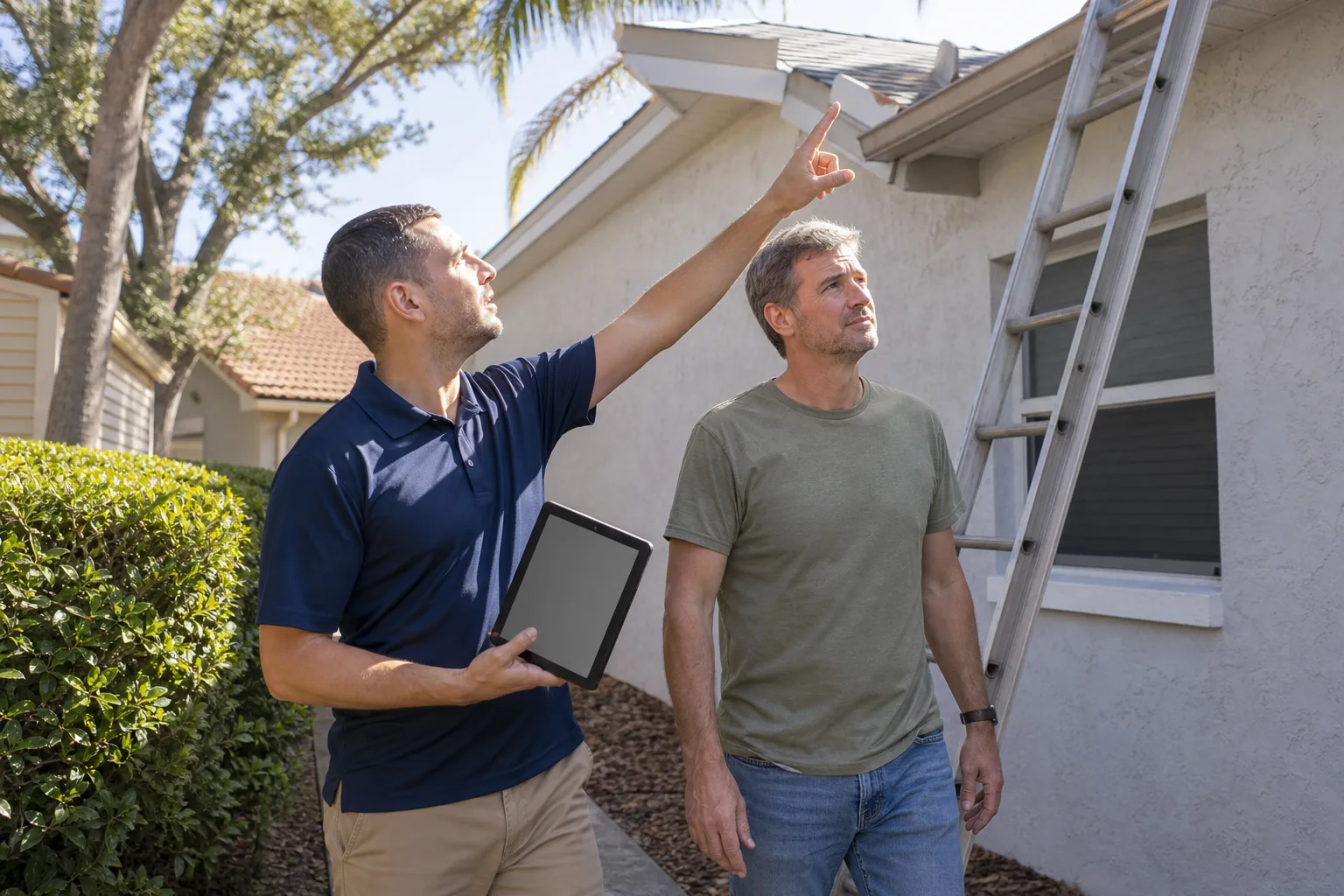
If you’d rather skip the guesswork, our Roofing team handles the structural review, permitting, and install as one project, and our technicians have up to 12 years of experience with exactly this housing stock. Every re-roof is backed by our 730-Day Done Right Promise: if it isn’t done right, we make it right.
What Does a Tile Re-Roof Cost in North Miami Beach?
Tile roof repair in North Miami Beach typically runs $710-$2,950, while a full roof replacement lands between $9,440 and $23,600 depending on material, roof size, and structural work. Those ranges are for the roof itself. On a mid-century home, the engineer’s letter and any required reinforcement sit outside that figure, which is why we price them separately and upfront. The number you see is the number you pay.
| Line Item | North Miami Beach Range |
|---|---|
| Tile roof repair (cracked, slipped, or leaking tile) | $710-$2,950 |
| Full roof replacement (tile included) | $9,440-$23,600 |
| Structural engineer’s letter (older truss systems) | Quoted separately, case by case |
| Metal roof installation (for comparison) | $17,700-$47,200 |
Financing softens the upfront hit: we offer 0% financing for 18 months and $1,000 off projects over $10,000. Estimates are free, and a live person answers the phone 24/7, not a voicemail box that waits until Monday.
FAQs
Concrete tile is the better default for most North Miami Beach homes because it’s readily available, costs less per square, and performs well when installed to HVHZ standards, while clay wins on coastal durability if your structure comfortably carries the load and your insurer rewards it. The right call depends on your roof deck, your budget, and your wind-mitigation credit, which is why we check all three before recommending a material. Call (844) 797-4868 for a free estimate that covers all of it.
A tile roof replacement in North Miami Beach typically runs $9,440-$23,600, and tile roof repair runs $710-$2,950. Structural reinforcement and an engineer’s letter, if your older truss system needs them, are priced separately so nothing gets buried. Call (844) 797-4868 for an exact quote, and we’ll put the structural line items in writing.
Sometimes yes, sometimes no, and we won’t know until we evaluate the trusses and the load at modern wind-uplift spacing. Many mid-century concrete-block ranches in North Miami Beach were built before today’s spacing requirements, so a structural evaluation is standard practice on these homes, not an upsell. Call (844) 797-4868 and we’ll set up the assessment.
Possibly, yes. Some Miami-Dade insurers offer lower wind-mitigation credits for concrete tile than clay because of how each material absorbs moisture and cracks under debris impact, so it’s worth asking your carrier before you finalize. We can help you frame the question and coordinate a wind-mitigation inspection quote as part of your project. Call (844) 797-4868 to get started.
Let’s Look at Your Roof Deck Before You Pick a Tile
If you’d rather have it looked at, Groundwork Construction Co. of North Miami Beach offers a no-pressure assessment in North Miami Beach. We’ll check your structure, confirm what your deck can carry, and give you upfront pricing on both materials before you decide. Call (844) 797-4868.
You can also see what else we handle across North Miami Beach, or start from our home page.
Written by the team at Groundwork Construction Co. of North Miami Beach, serving North Miami Beach, FL.