



Free written scope consultation - allowances, timeline, and change-order rules on paper before a single trade is scheduled
Styles & brands we work with
- Kitchen remodeling
- Bathroom remodeling
- Home additions & ADU
- Roofing
- Windows & doors
- Driveway & pavers
- Fence
See the difference
 Before
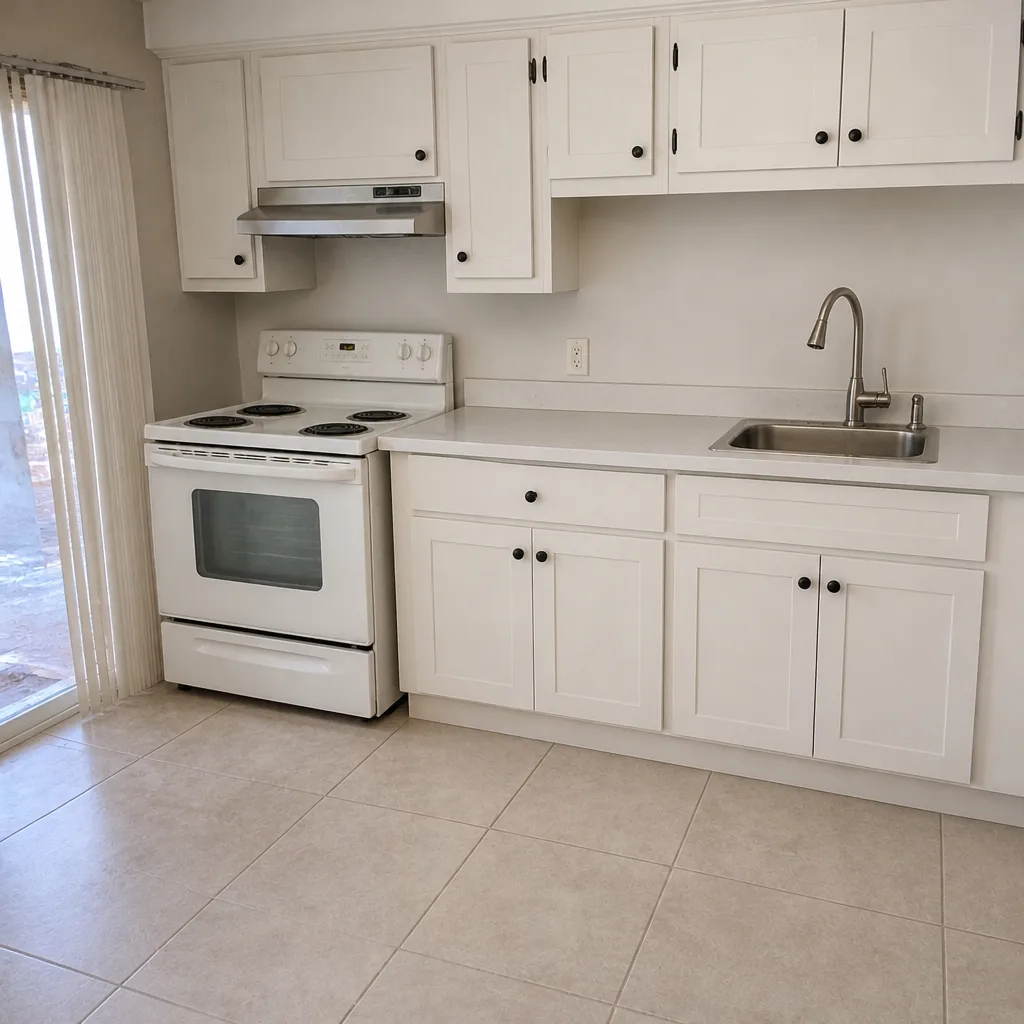 After
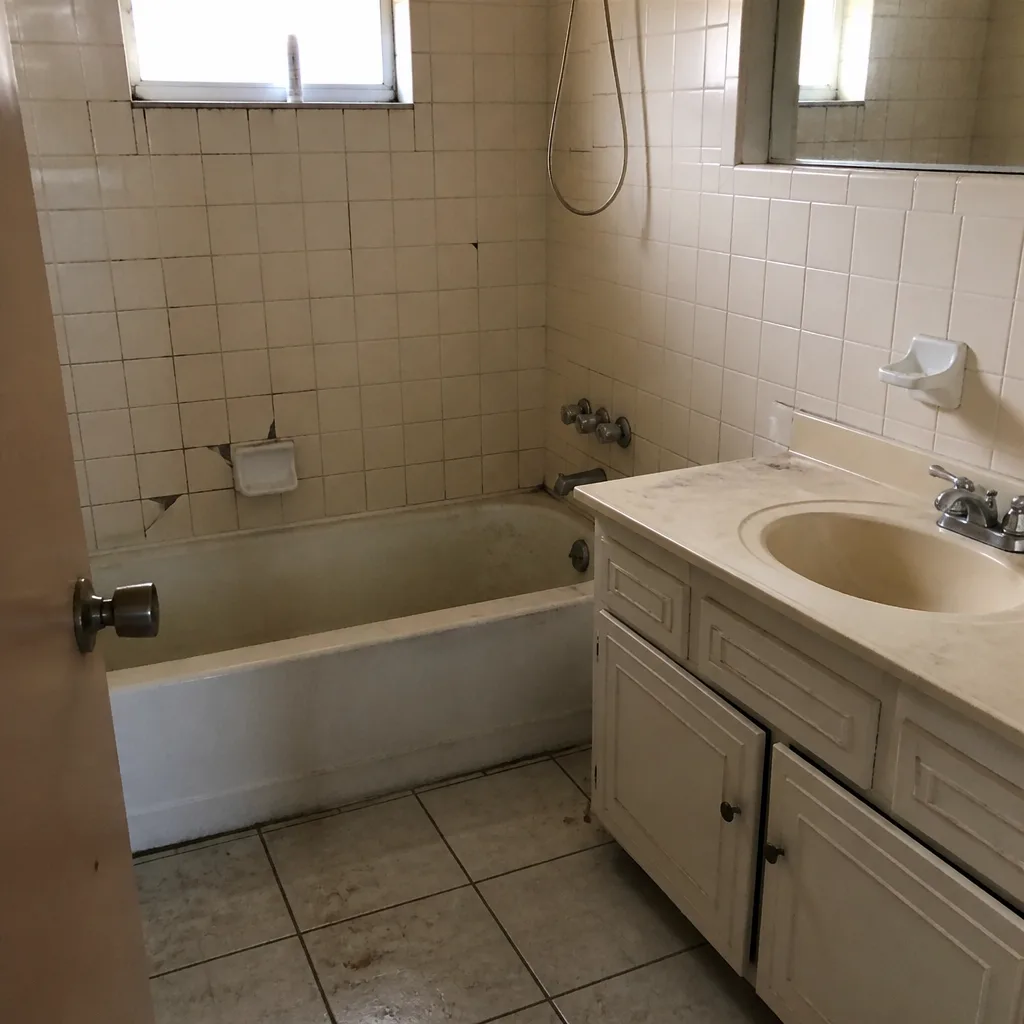 Before
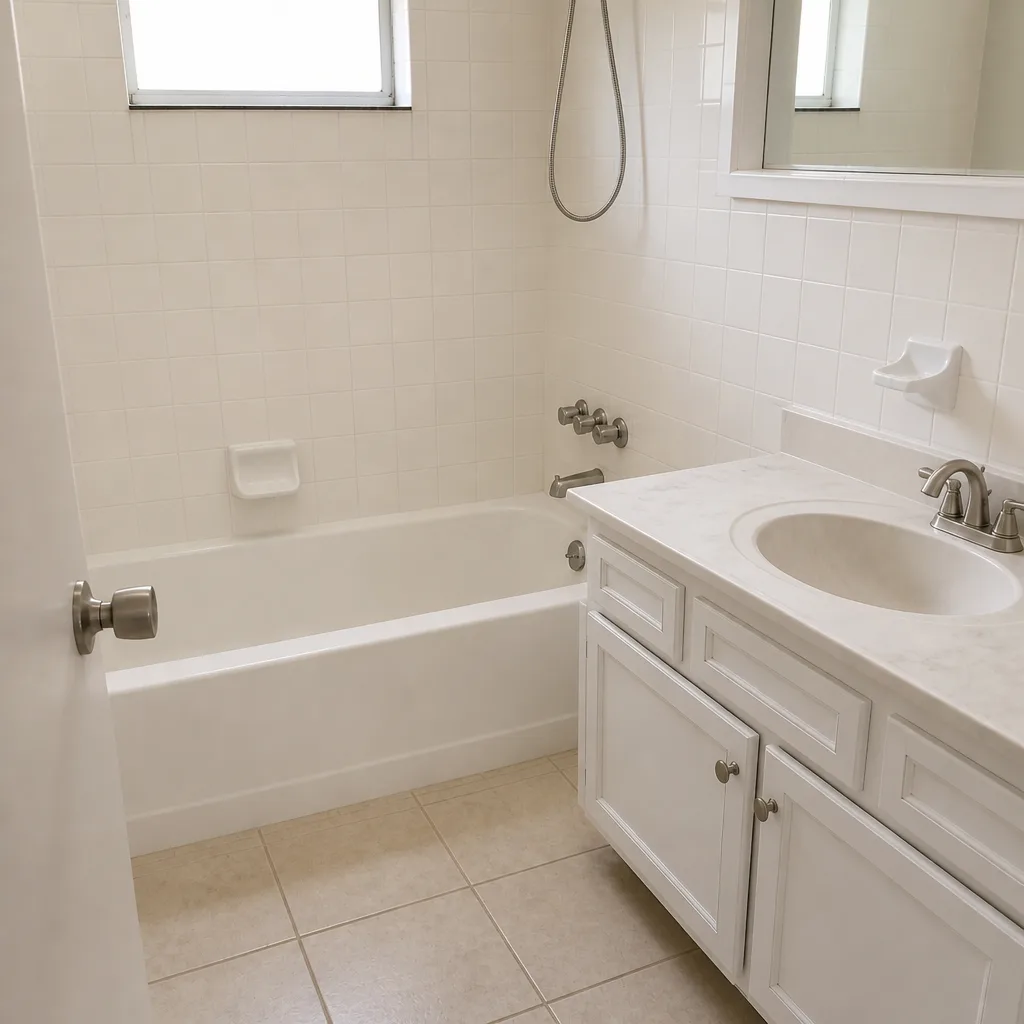 After
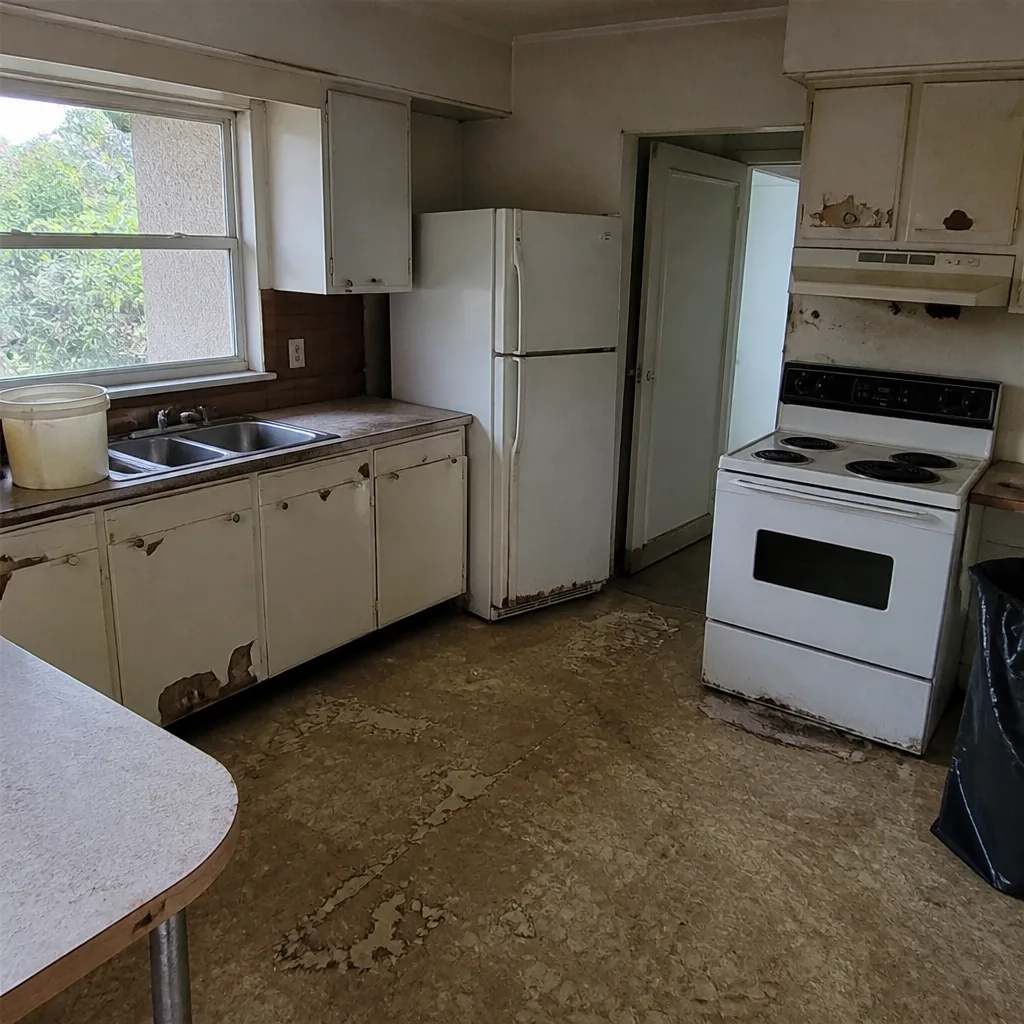 Before
 After
How to Choose a General Contractor in North Miami Beach, FL
Choose a general contractor in North Miami Beach by vetting for jurisdiction knowledge, not just license and reviews: ask how many HVHZ permit packages they’ve submitted in the last 12 months, whether their subs carry Miami-Dade trade licenses, and whether NOA product numbers are written into the contract. Three bids and a Google check will pass a contractor anywhere in the country. In North Miami Beach, where the building department won’t forgive an incomplete permit package and every project needs wind-load and flood-proofing documentation, those deeper questions are what separate a contractor who knows this city from one learning it on your job. Call (844) 797-4868 with a plan in hand and we’ll walk you through what to expect from a real bid.

Why the Standard Contractor Checklist Falls Short in North Miami Beach
The national advice – verify the license, read reviews, get three estimates – is a reasonable starting point. It’s also incomplete here. North Miami Beach sits directly on the Biscayne Aquifer and inside Miami-Dade County’s High Velocity Hurricane Zone, which means your project has to satisfy some of the strictest wind-load and flood-proofing rules in the country before a single permit is issued. A contractor who has only worked outside the HVHZ will underestimate the paperwork, the inspection schedule, and the material specs. That gap costs you weeks and, sometimes, thousands in re-engineering.
The housing stock adds a second layer. Much of the residential core is 1950s to 1970s single-story concrete-block and stucco ranch homes, many still carrying original cast-iron or galvanized plumbing and flat or low-slope roofs. A renovation that looks simple on paper can hit aging structural systems, non-conforming lot coverage, or shallow footings sitting just above the water table. Many of those mid-century homes west of Biscayne Boulevard need a dewatering plan and a geotechnical report before the City of North Miami Beach building department will issue a foundation permit. Ask your contractor whether they’ve dealt with that before. The answer tells you more than any review.
The North Miami Beach Vetting Questions That Expose Jurisdiction Familiarity
These are the questions we’d want answered if we were hiring. A contractor who genuinely knows this jurisdiction answers them without reaching for a binder.
- How many HVHZ permit submissions have you completed in the last 12 months? A vague “many” or “plenty” is a red flag. You want a number and a sense of which building departments.
- Do your subs carry Miami-Dade trade licenses, or do they hold licenses from another county? Trade licenses don’t automatically transfer. A roofer licensed elsewhere may not be approved to pull permits here.
- Can you name the product NOA numbers you plan to use? Every product in the building envelope needs a Miami-Dade Notice of Acceptance. If they can’t name them, they haven’t checked.
- Have you pulled permits through North Miami Beach, and how long did the last one take? The city’s building department runs a tight, permit-heavy timeline. You want a contractor who has a realistic timeline, not an optimistic one.
- Does your contract list dewatering or geotech if the site warrants it? An exclusion buried in fine print becomes your bill later.
Background-checked, uniformed technicians matter here too. Ask what “background checked” means in the contract – the level of check, who ran it, and how recently. On a residential job where a crew has access to your home for weeks, that’s not a formality. At Groundwork Construction Co. of North Miami Beach, every technician who shows up on your property is background-checked and in uniform.
What a North Miami Beach Construction Contract Should Include
A contract that says “subject to city approval” on the permit line tells you nothing. You want a timeline written in with dates, not caveats. Here’s what to look for before you sign anything.
- Named NOA product specs. Roofing, windows, and doors should list the exact product by brand and NOA number. Groundwork works with GAF and CertainTeed on roofing and Andersen and Pella on windows, and we put the spec on paper.
- A written permit timeline. Ask for the estimated review period and a contingency plan if the department kicks the package back.
- Dewatering and geotechnical scope if the site calls for it. Don’t assume it’s included. If the foundation sits close to the water table, it needs to be in writing.
- A warranty period that means something in this climate. More on that below.
- Upfront pricing, no surprises. The number you see should be the number you pay, with a line-item breakdown you can actually read.
For a sense of what projects run in this market, here are typical ranges we see across North Miami Beach:
| Project | Typical Range |
|---|---|
| Kitchen Remodel | $16,520-$53,100 |
| Bathroom Remodel | $10,620-$33,040 |
| Roof Replacement | $9,440-$23,600 |
| Impact Window Installation | $9,440-$29,500 |
| Home Addition | $53,100-$153,400 |
| ADU Construction | $106,200-$259,600 |
Those figures shift with structural surprises, permit fees, and material selection. A contractor who’ll put an itemized estimate in front of you before you commit is showing you how they’ll treat the final invoice.
Why a One-Year Warranty Doesn’t Cut It in South Florida
A one-year workmanship warranty is standard across the country. In a subtropical, salt-air environment, it’s not long enough to catch the defects that matter. Most construction problems here show themselves within the first two hurricane seasons – a roof flashing that fails under wind-driven rain, a window seal that lets in moisture, a stucco detail that traps water. By the time the February after a storm season reveals it, a one-year warranty has expired.
Groundwork’s 730-Day Done Right Promise stretches the coverage to two full years. If something isn’t done right, we make it right. That’s one of the longer workmanship guarantees in the residential construction space, and it’s written into every project. Ask any contractor you’re vetting how long their warranty runs and what it actually covers. Built to last, backed in writing – those should be the same sentence.
Test the Contractor’s Phone Before You Sign
Call the contractor’s number at 9 p.m. on a Friday before you sign. A crew that goes to voicemail during a project is telling you something about how they handle the problems that come up mid-build. A live person 24/7 isn’t a sales feature; it’s a window into how the company operates when something goes wrong. Our phones are answered by a live human around the clock – no voicemail, no waiting until Monday. That’s a brand commitment, not a slogan.
There’s also the financial side of a real bid. Upfront pricing, 0% financing for 18 months, and $1,000 off projects over $10,000 are on the table, so a funded project and a fair number aren’t a contradiction. From foundation to finish line, one contractor covers the whole scope – no juggling trades, no gaps in accountability. Explore our home services to see how the full scope works in practice.
FAQs
Ask them to name the NOA product numbers on your spec sheet and to state how many HVHZ permit packages they’ve submitted in the past year. A contractor who works here regularly will answer both without hesitation; one who doesn’t will offer a general reassurance about “following all local codes,” which is not an answer. Requiring the NOA numbers in the contract is the simplest way to verify.
Usually not. Two full hurricane seasons is the realistic window for defects to show in this climate, which is why we hold projects to the 730-Day Done Right Promise rather than a single year. If a contractor offers only 12 months, ask what happens if the issue appears in the second storm season – and get the answer in writing.
Named NOA product specs, a written permit timeline with dates instead of “subject to approval,” and dewatering or geotech scope if the site needs it. Those three items prevent most of the disputes we see. The contract should also state the warranty period plainly, itemize the cost rather than bundling it, and name the trades and their licenses. If any of that is missing, ask for it before you sign.
Your crew has access to your home for weeks at a time. Uniforms and a verified background check, with the check level and date written into the contract, are a basic security step, not a courtesy. On a mid-century ranch with an addition in progress, or a full kitchen remodel, crews come and go through your doors. Know who’s in the house – and ask any contractor you’re vetting what “background checked” actually means in their paperwork.
Ready for a Real Bid?
If you’d rather have your project looked at by someone who knows the North Miami Beach building department and the HVHZ playbook, call (844) 797-4868 for a free project estimate and design consult. No pressure, no vague promises – a straight answer on scope, timeline, and price.
Written by the team at Groundwork Construction Co. of North Miami Beach, serving North Miami Beach, FL.