Free written scope consultation - allowances, timeline, and change-order rules on paper before a single trade is scheduled
Styles & brands we work with
- Kitchen remodeling
- Bathroom remodeling
- Home additions & ADU
- Roofing
- Windows & doors
- Driveway & pavers
- Fence
See the difference
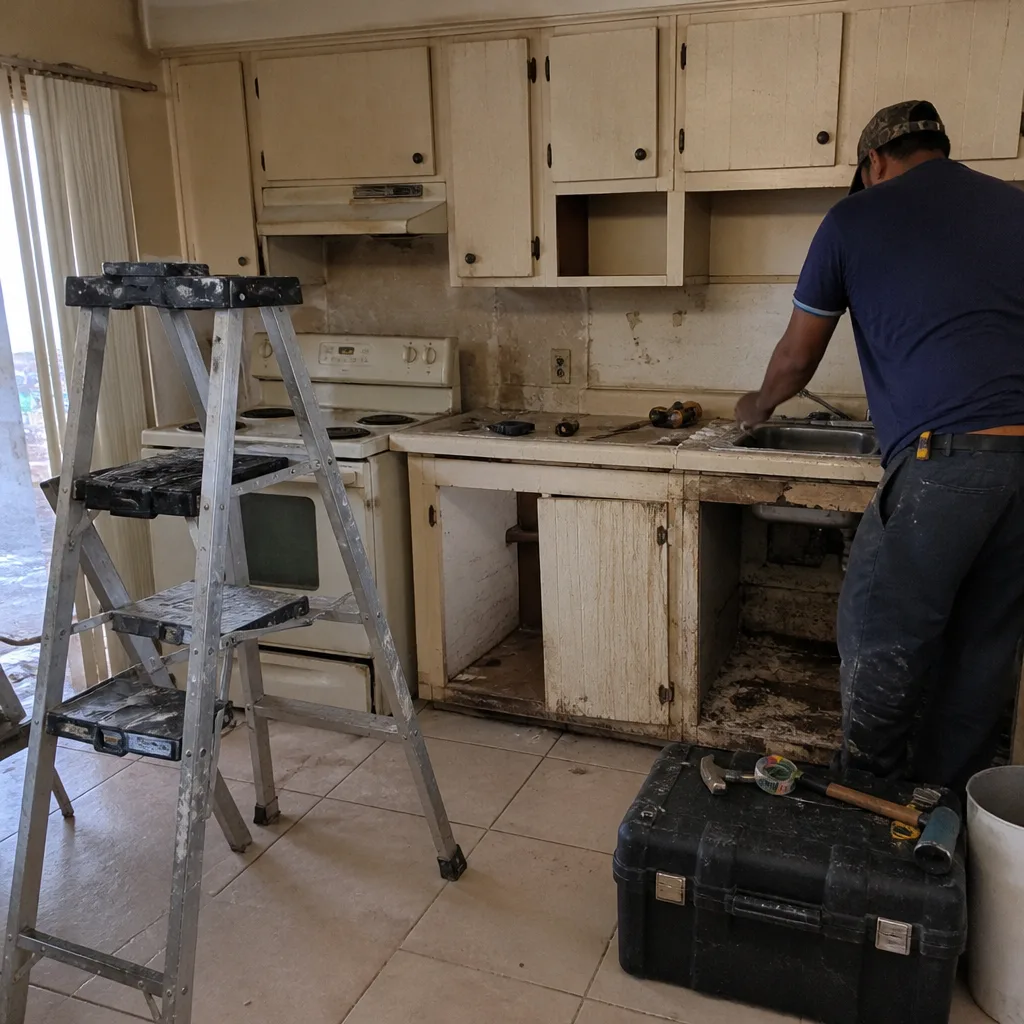 Before
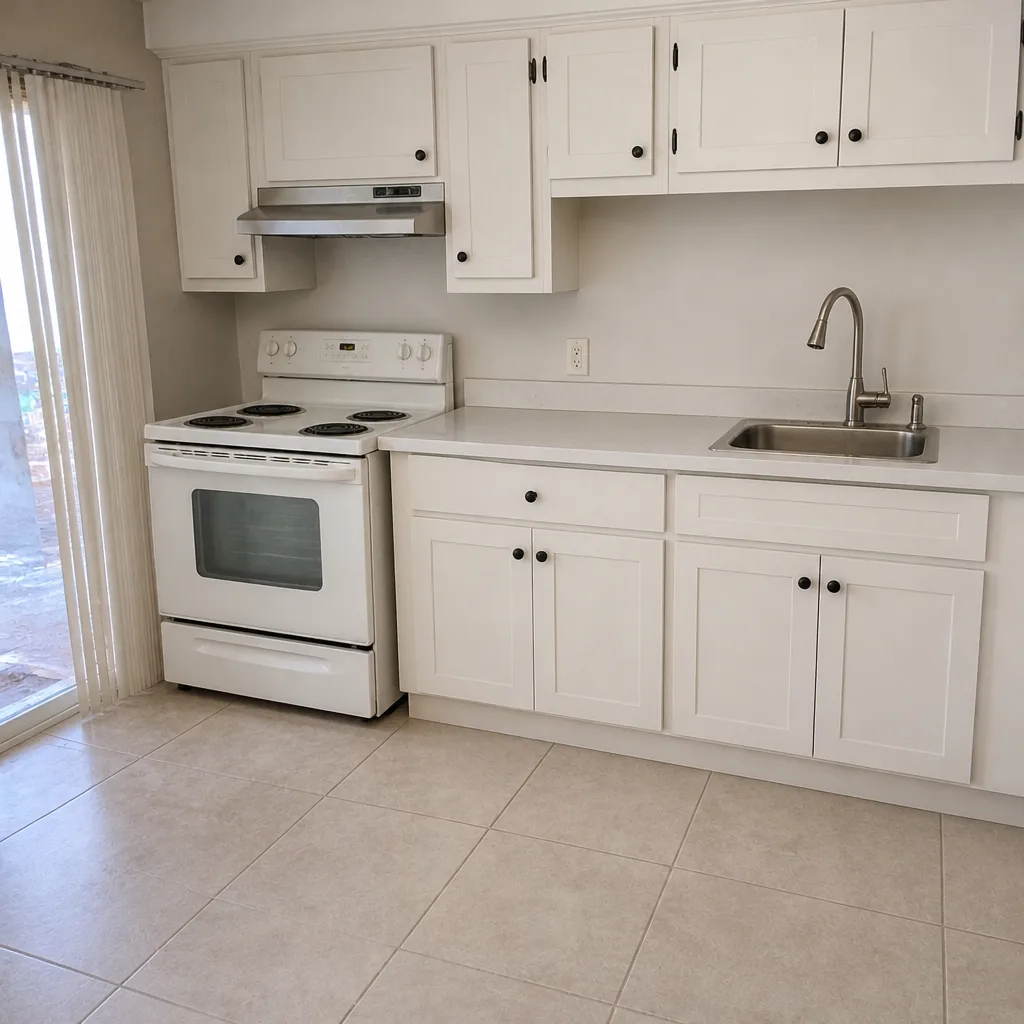 After
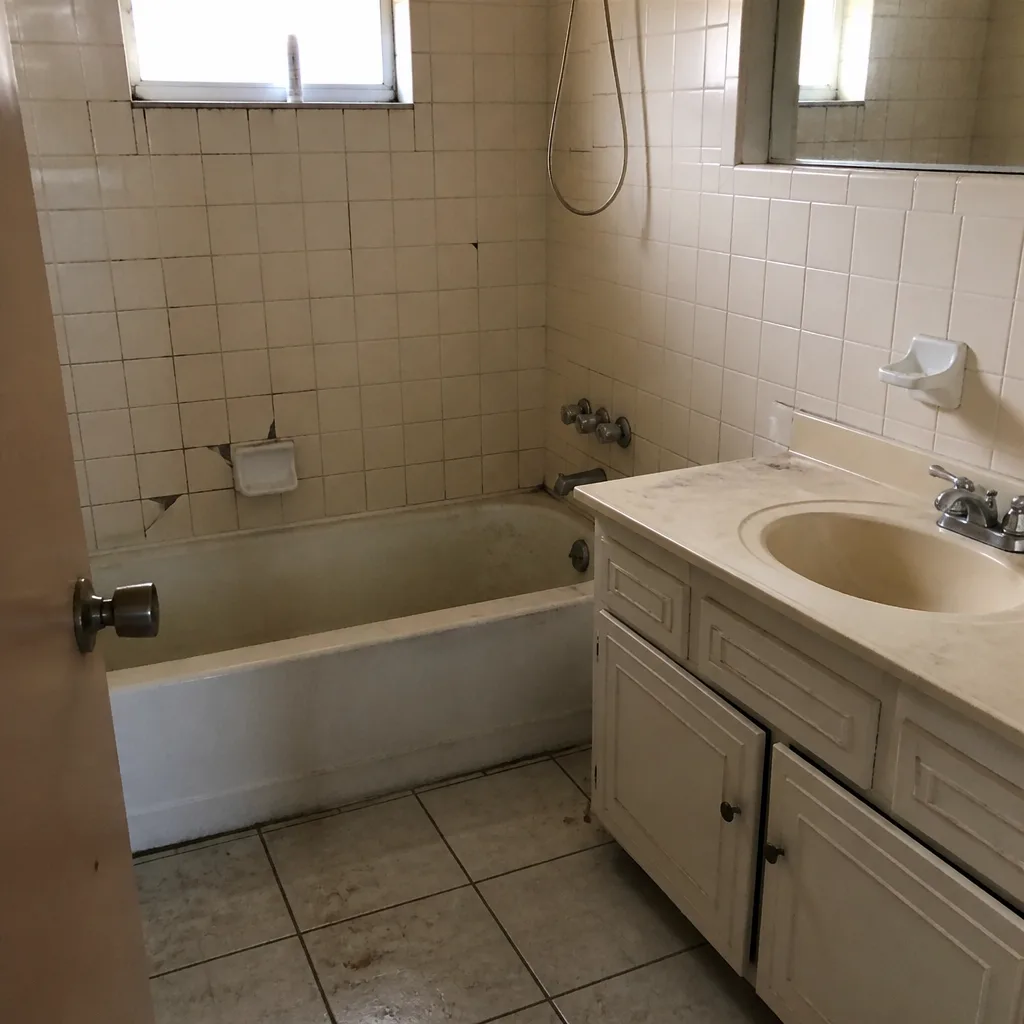 Before
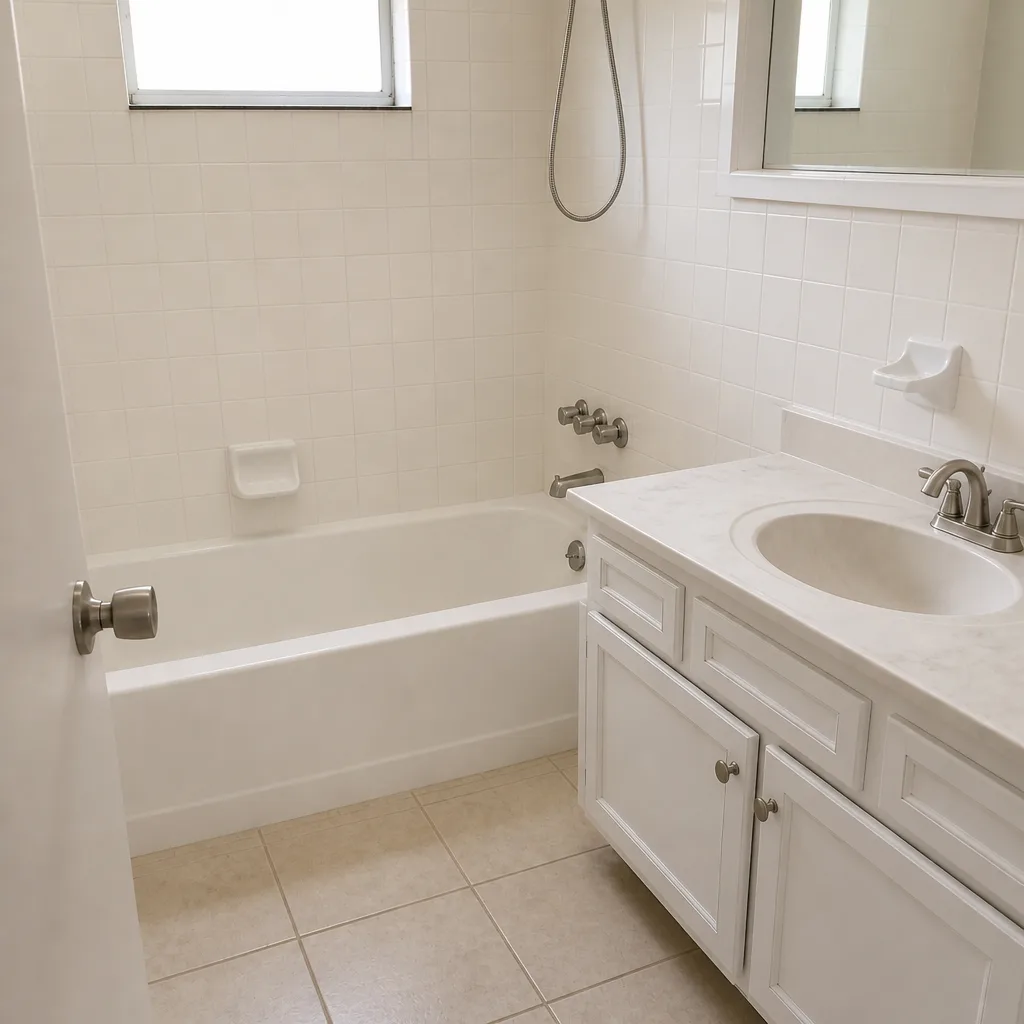 After
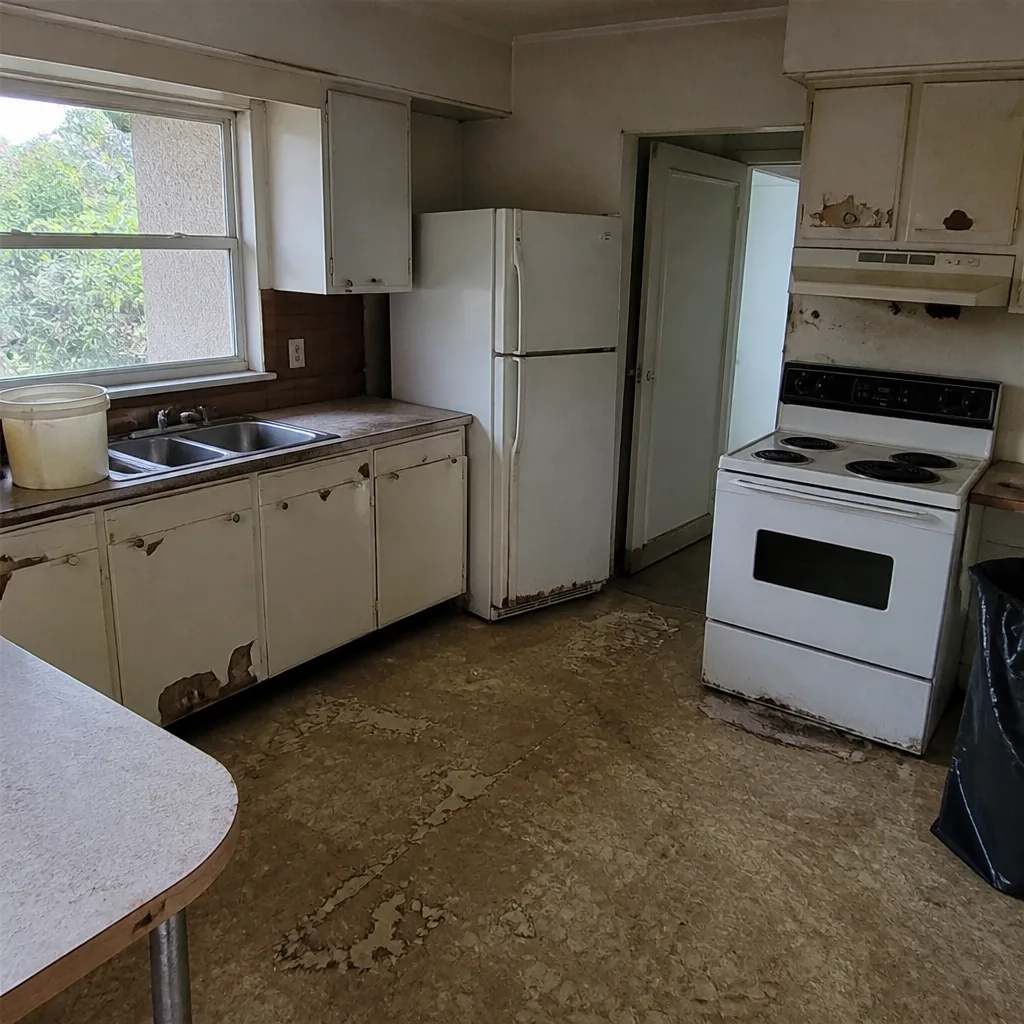 Before
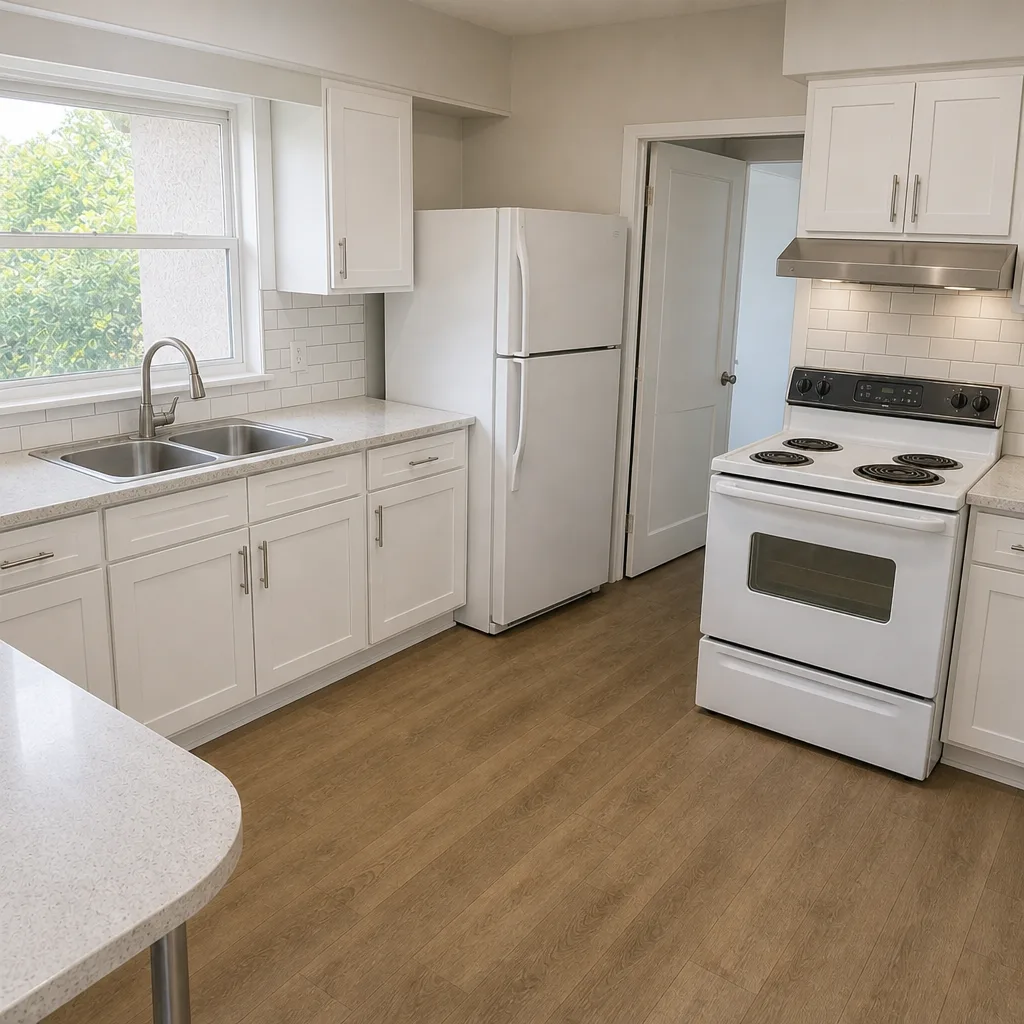 After
Junior ADU vs Standard ADU in North Miami Beach, FL: Which One Your Lot Can Actually Carry
Choose a junior ADU (JADU) if you have usable space inside your existing North Miami Beach house and want a permitted rental unit without touching your lot coverage or pouring new concrete. Choose a standard ADU only if you have open lot area to spare and can absorb the extra $75,000-$140,000 that a new foundation, HVHZ structural package, and separate utility connection add to the job. The dividing line is not square footage. It’s which building code path your property triggers. Call (844) 797-4868 and we’ll tell you which one your lot supports before you spend a dollar on drawings.
Why North Miami Beach Makes This a Code Question, Not a Size Question
Most guides frame junior versus standard as “how much space do you have.” That framing falls apart the moment you pull a North Miami Beach building permit. The two unit types sit on completely different regulatory tracks, and the gap between them shows up before framing, not after.
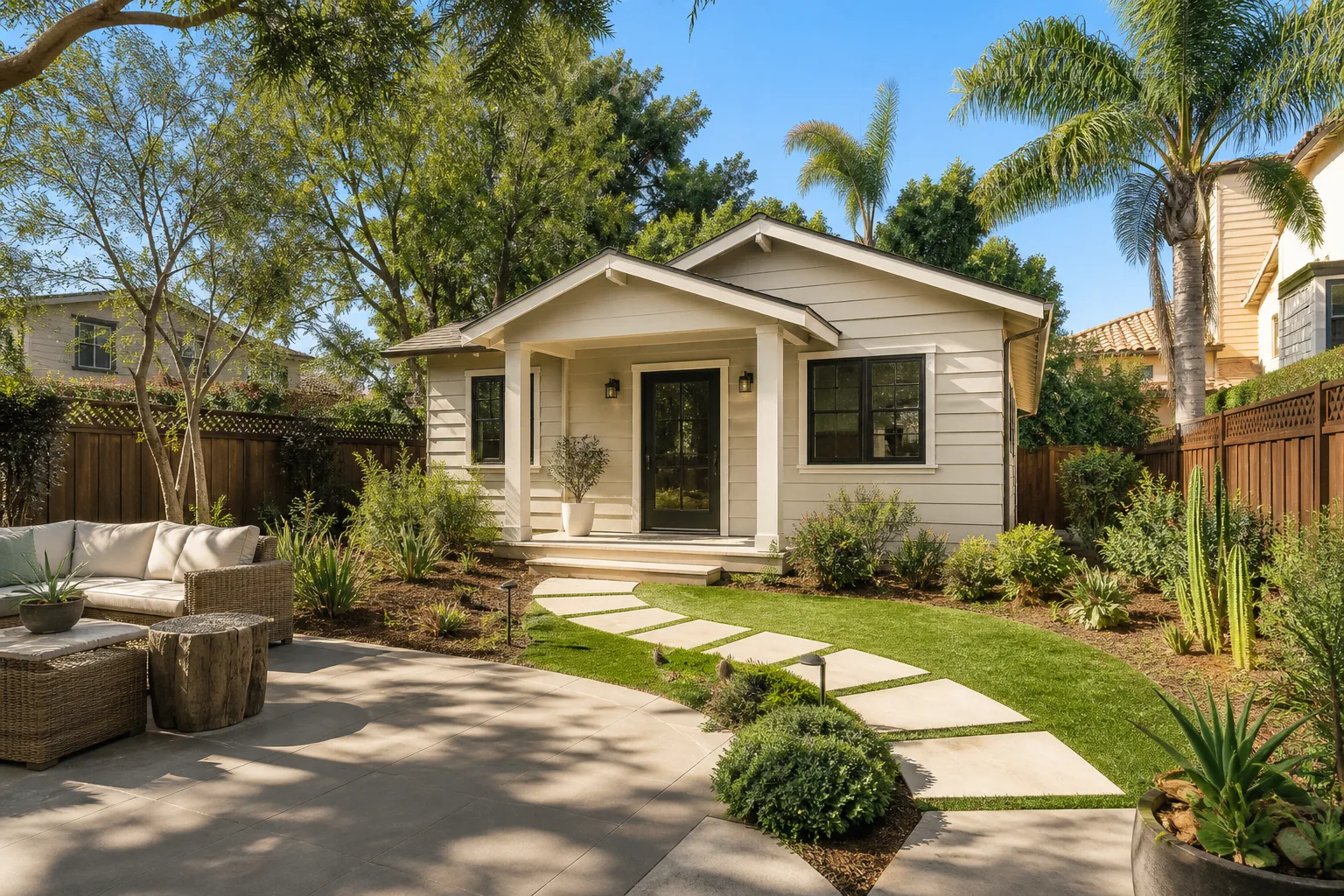
A standard ADU is a new building element. Detached in the backyard or added onto the existing house, it carries the full High Velocity Hurricane Zone structural package, a new foundation, new mechanical, electrical, and plumbing, and its own utility connection. A JADU is a conversion. You’re finishing space that already exists inside the principal structure, so there’s no new building footprint and no new foundation to permit.
That last difference is where North Miami Beach homeowners get ambushed. A JADU inside your existing ranch home doesn’t require a new foundation permit. A detached standard ADU does. That means a geotechnical report, a dewatering plan if you’re west of Biscayne Boulevard, and a foundation inspection sequence that adds 6-10 weeks and $3,000-$8,000 before the first wall goes up.
West of Biscayne Boulevard, a lot of the mid-century homes sit on shallow footings just a few feet above the Biscayne Aquifer’s water table. The city’s building department will ask for that geotechnical report and dewatering plan before it issues a foundation permit. Figure on both, plus the schedule slip, as part of the real budget for a standard ADU.
Lot Coverage: The Constraint That Decides the Answer
North Miami Beach’s residential core is largely 1950s to 1970s single-story concrete-block and stucco ranch homes, and many of those lots are already at or near the maximum allowable coverage ratio. A JADU adds zero new footprint. A standard ADU adds all of it, and if your property is already at the coverage ceiling, the detached version may not be approvable without a variance.
That’s the first question we run before anything else. Pull the survey, check the coverage math, and see how much buildable area is genuinely left. If the answer is “not enough,” the JADU conversation starts whether you wanted it to or not. If there’s room, both paths stay open and the decision moves to budget and how you plan to use the unit.
The subtotal on the finished structure is one number. The permits, engineering, and site work on a new footprint sit on top of it, and float with the water table and the County’s HVHZ review queue. A conversion skips that layer of the invoice.
Owner-Occupancy: The Rule That Changes How You Can Use It
This is the piece most comparisons skip. In many configurations, a JADU requires owner-occupancy of either the JADU itself or the main unit. You live on the property. A standard ADU in North Miami Beach may allow pure investment use depending on your zoning district and whether the Live Local Act applies to your parcel.
So the honest decision framework runs like this:
- Planning to live in the main house and rent the back unit? A JADU fits the owner-occupancy rule naturally and keeps your construction costs down.
- Wanting to move out and rent both units? The standard ADU, in a qualifying zoning district, is more likely to allow that pure-investment use.
- Lot already maxed on coverage? The JADU is your realistic path. A detached ADU may not clear the coverage review at all.
- Room to build and budget above $120,000? The standard ADU gives you more living area and a fully separated structure.
- West of Biscayne Boulevard with a high water table? The JADU sidesteps the geotechnical and dewatering line items entirely.
One operational detail that matters here and rarely gets said out loud: when you’re converting a garage or a back bedroom into a JADU, the party wall work is the whole job. Fire separation, sound isolation, and moisture control through a CMU wall are what decide whether the finished unit actually functions. It’s not glamorous, but it’s the difference between a rental you’re proud of and one you’re constantly patching.
What Junior vs Standard ADUs Cost in North Miami Beach
Here’s the realistic all-in range for each path in North Miami Beach, fully permitted:
| Project type | Realistic all-in cost | What drives the number |
|---|---|---|
| Junior ADU (JADU) conversion | $45,000-$80,000 | Interior build-out, MEP tie-in to existing systems, no new footprint or foundation |
| Standard detached ADU | $120,000-$220,000+ | New foundation, dewatering, full HVHZ shell, separate MEP, separate utility connection |
The $75,000 to $140,000 gap isn’t arbitrary. It’s the geotechnical report, the dewatering plan, the new foundation and inspection sequence, the HVHZ structural package, and a whole second set of mechanical, electrical, and plumbing systems with its own meter. When you convert interior space, you’re piggybacking on systems that already exist. When you build detached, you’re paying for all of them twice.
Our broader Home Additions & ADU in North Miami Beach work runs on the same math, and our Home Additions & ADU service page breaks down the full scope of what a standard build involves. For a specific parcel, upfront pricing means the number we quote is the number you pay, with no line items appearing mid-project.
Common Local Scenarios
The 1962 ranch home west of Biscayne Boulevard, garage already converted. The lot is largely built out. A detached ADU trips coverage and triggers the geotechnical and dewatering conversation. We lean JADU: the existing converted space becomes a legal unit, and the water table stops being the deciding factor.
The corner lot with room in the back. Coverage allows a detached structure. The homeowner wants both units rented out long-term. That’s a standard ADU, and we build it with the full HVHZ structural package and a separate utility connection from the start, which saves a headache later.
The original-plumbing house on a low-slope roof. The main house needs updating anyway. Converting existing square footage into a JADU lets us route the MEP tie-in through work you’d be doing regardless, rather than paying for a separate system. A smart use of the dollars you’ve already committed.
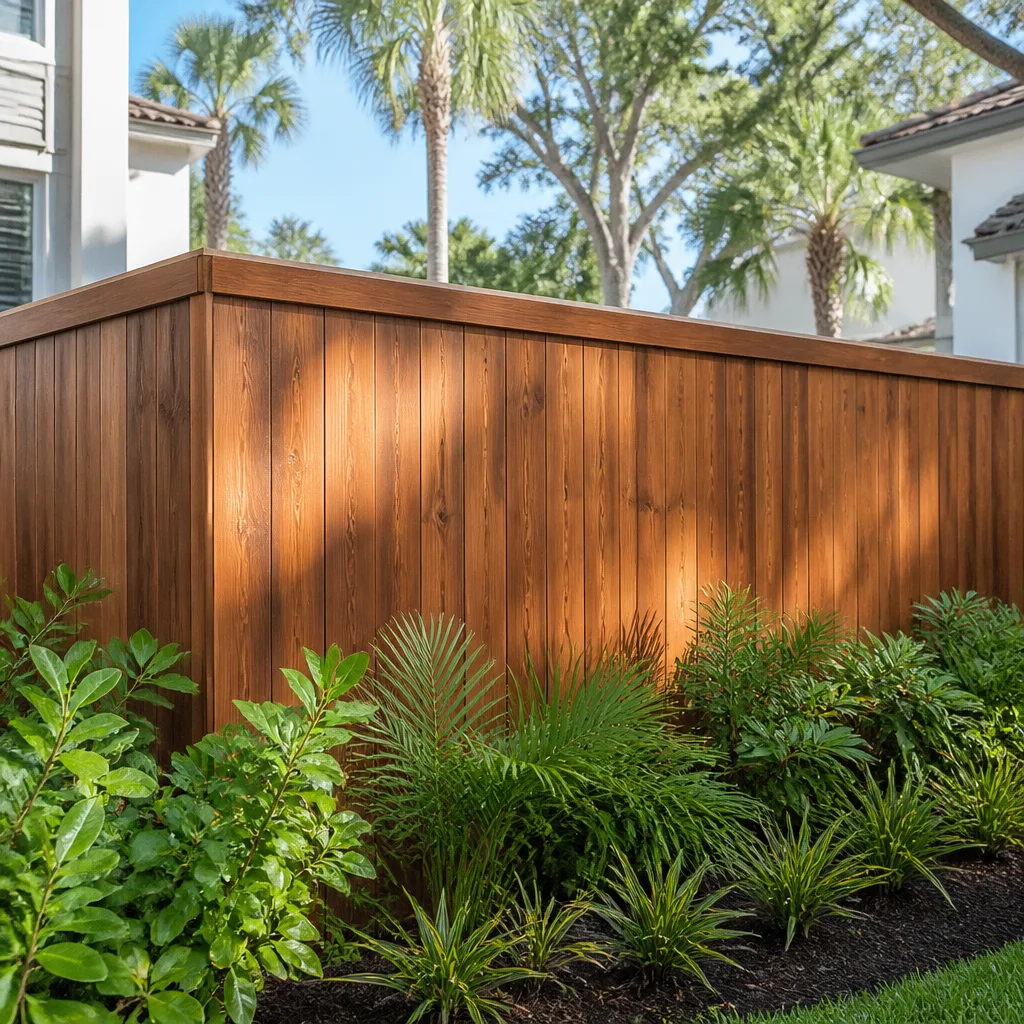
When fencing and site work accompany the project, we pull from ActiveYards and Belgard for materials that hold up to the salt air and UV. Those products also add real value at appraisal, which matters if you’re building under a fixed budget.
Why the Warranty Matters More on a JADU
Here’s the honest operator point. A standard ADU is a separate structure, so a defect tends to show up in one place and you know where to look. A JADU shares a wall with your home. Sound transmission, moisture migration through a CMU party wall, and fire-separation integrity are exactly the issues that surface 6 to 18 months after the certificate of occupancy. They don’t announce themselves. They show up as a slow mold stain behind your living-room drywall or a tenant complaint about noise you can’t quite place.
That’s why our 730-Day Done Right Promise matters differently on a shared-wall conversion. If it’s not done right, we make it right, in writing, and the warranty runs two full years. We’ve watched too many homeowners hire a crew for the conversion, then call us when the wall fails. Our technicians have up to 12 years of experience and think about the party wall before they frame it. That’s the difference on a project that lives next to you.
FAQs
Yes, significantly. A junior ADU conversion runs roughly $45,000-$80,000 fully permitted, while a standard detached ADU runs $120,000-$220,000 or more, largely because of the new foundation, dewatering, HVHZ structural package, and separate utility connection. Call (844) 797-4868 for an exact quote on your lot; the estimate is free.
No, a JADU that converts existing interior space in the principal structure doesn’t require a new foundation permit, while a standard ADU does. That single difference adds 6-10 weeks and $3,000-$8,000 to a standard build before framing starts. If you’re west of Biscayne Boulevard, the water table makes the dewatering plan mandatory, so budget for it up front. Call (844) 797-4868 and we’ll walk your property.
It depends on your configuration and zoning district. A JADU in many setups requires owner-occupancy of either the unit or the main house, while a standard ADU may allow pure investment use depending on the district and Live Local Act applicability. Bring us your address and we’ll tell you what your parcel allows. Call (844) 797-4868 for a no-pressure assessment.
Sometimes, on larger lots with coverage to spare and only if the zoning district allows both unit types plus a primary residence. Most North Miami Beach ranch lots are already near the coverage ceiling, which makes the combination impractical, but a survey settles it quickly. Call (844) 797-4868 and we’ll run the coverage math with you.
Get a Straight Answer on Your Lot
If you’d rather have it looked at, Groundwork Construction Co. of North Miami Beach offers a no-pressure assessment in North Miami Beach. We’ll check coverage, walk the water table, and tell you which path is realistic. Call (844) 797-4868 for a free estimate. Start at our home page to see how we approach a project from foundation to finish line.
Written by the team at Groundwork Construction Co. of North Miami Beach, serving North Miami Beach, FL.