

Free written scope consultation - allowances, timeline, and change-order rules on paper before a single trade is scheduled
Styles & brands we work with
- Kitchen remodeling
- Bathroom remodeling
- Home additions & ADU
- Roofing
- Windows & doors
- Driveway & pavers
- Fence
See the difference
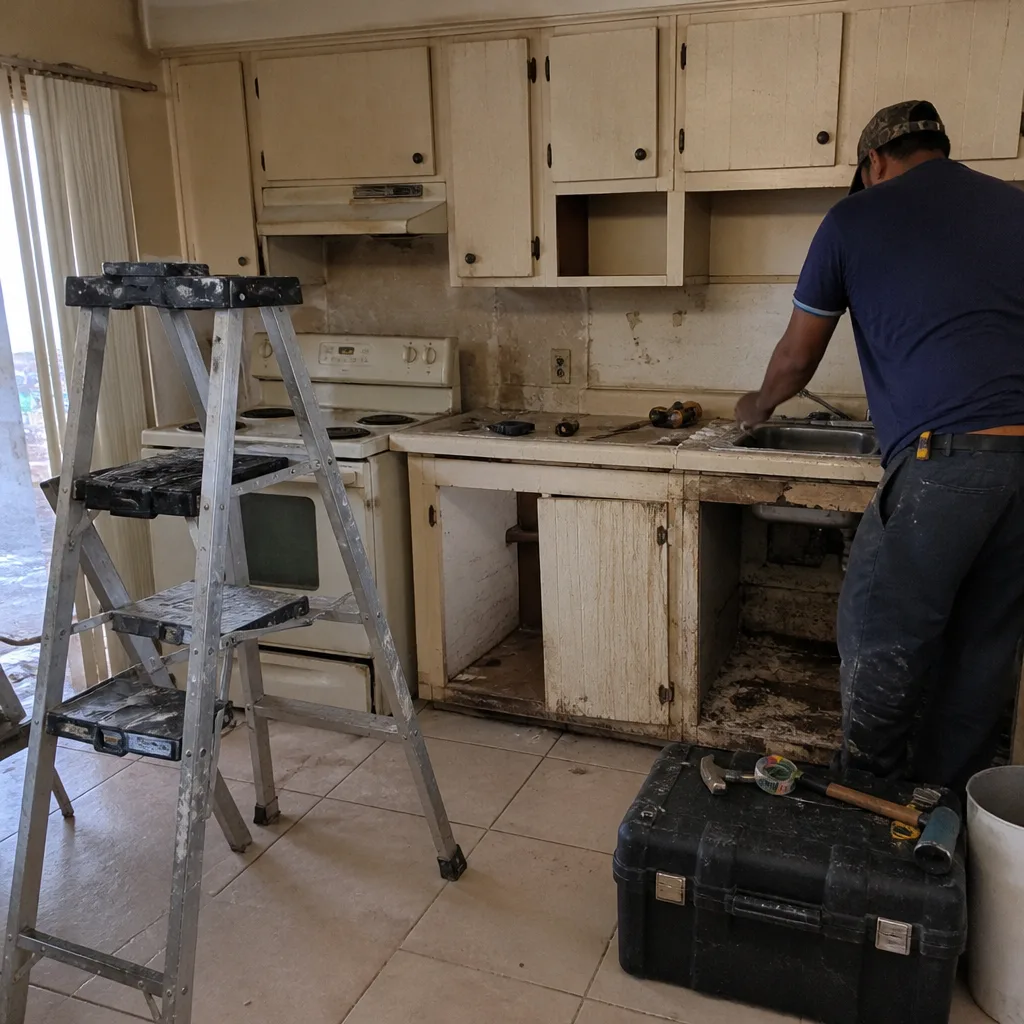 Before
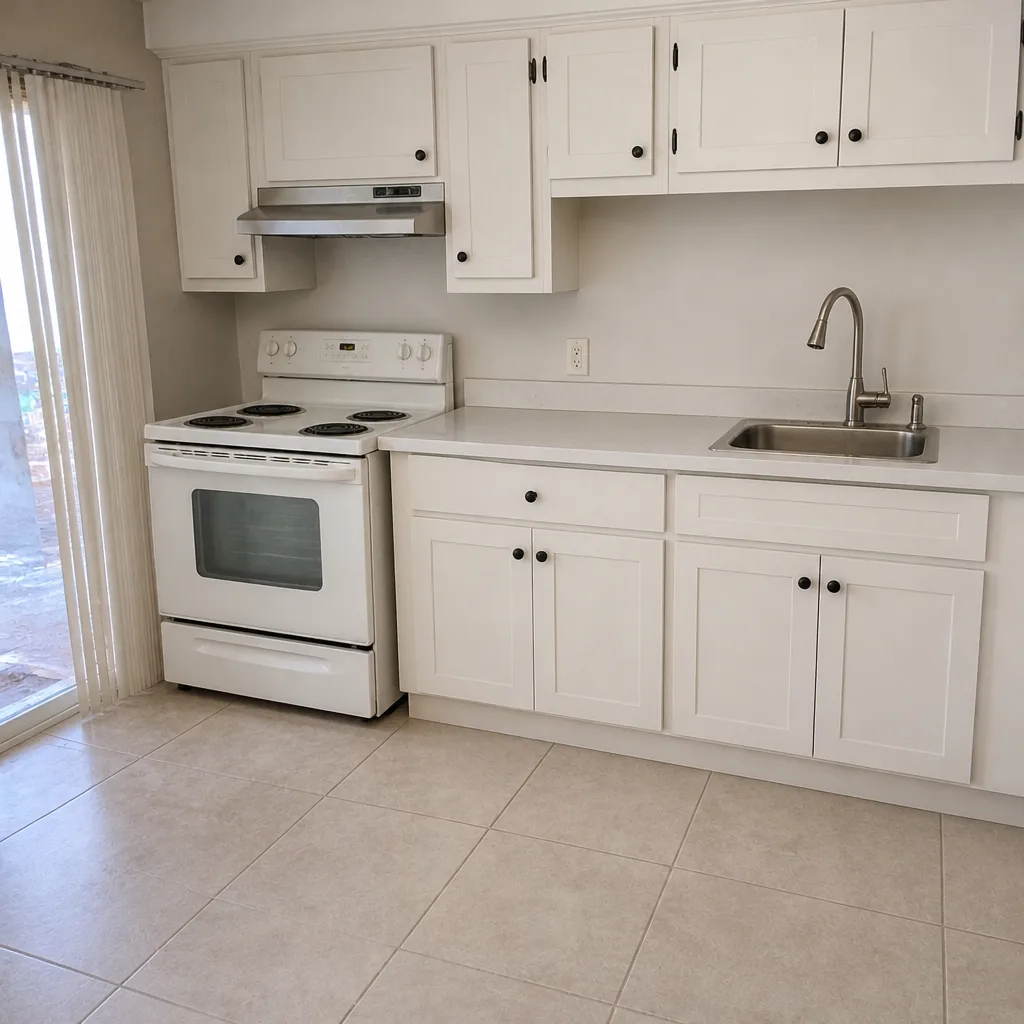 After
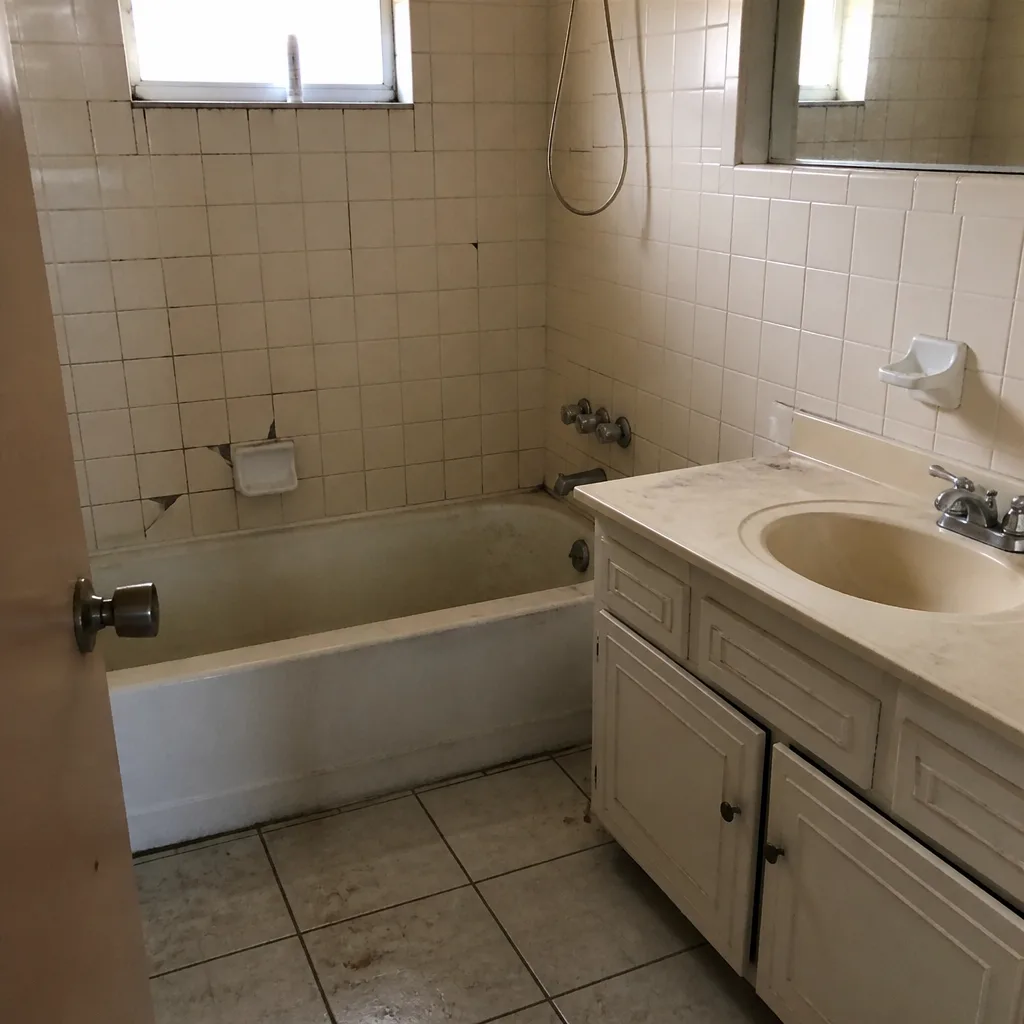 Before
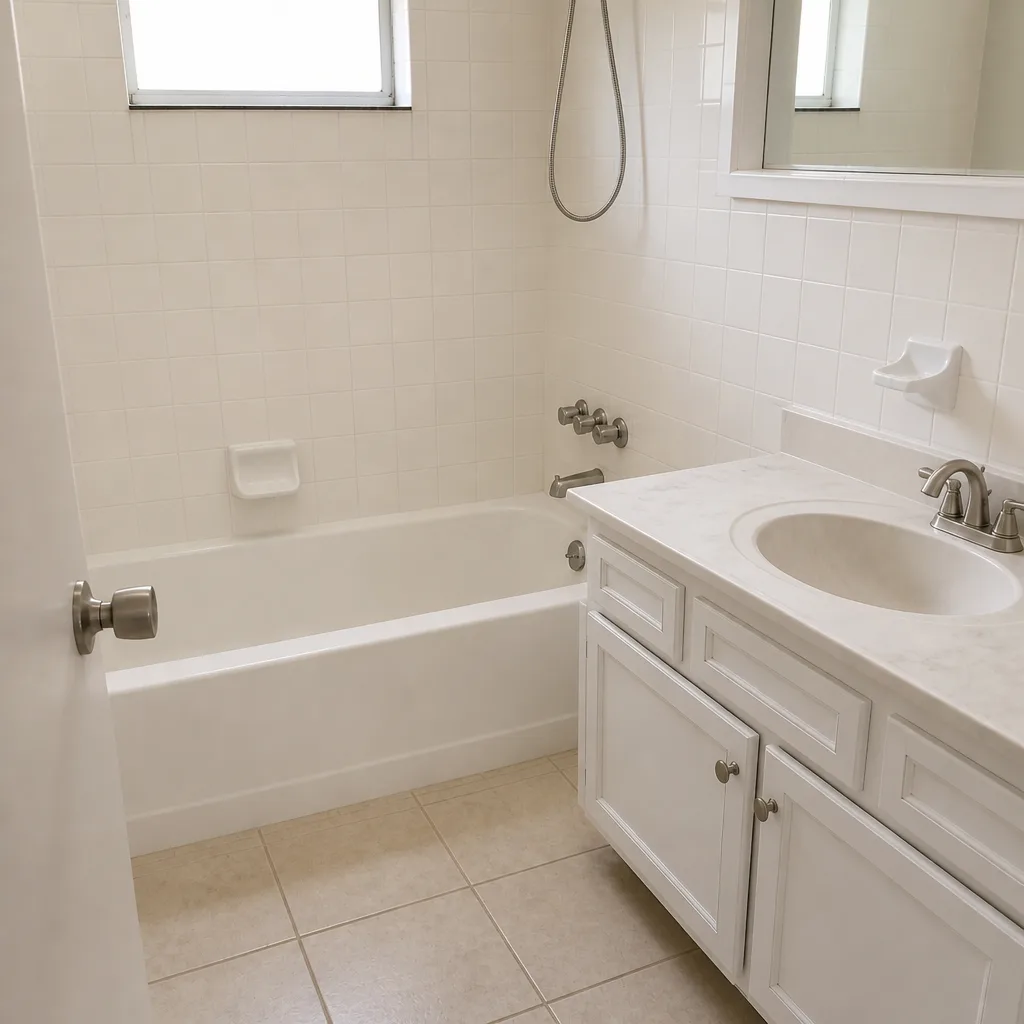 After
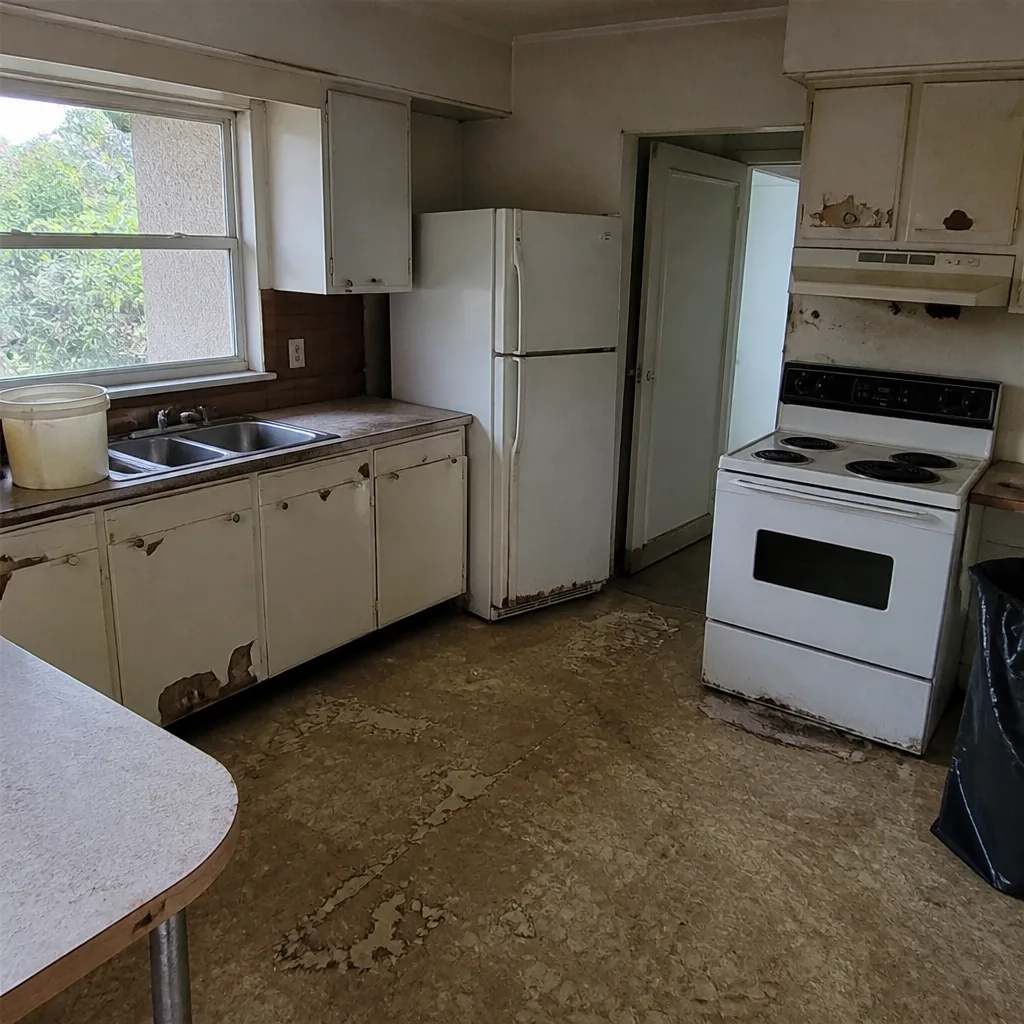 Before
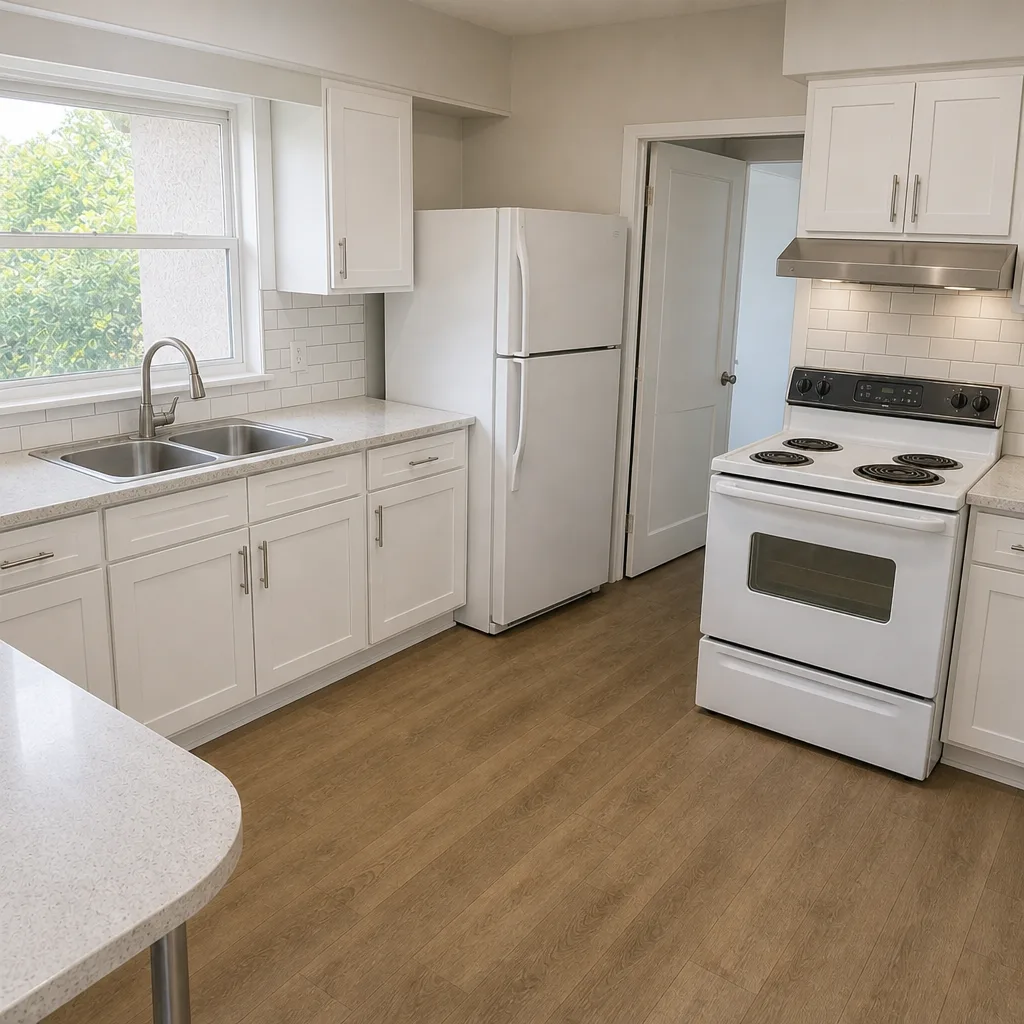 After
What Is Low-E Glass? The Answer Depends on Which Low-E You Mean in North Miami Beach, FL
Low-E glass is window glass with a thin, invisible metallic oxide coating that reflects radiant heat while still letting light through. The catch in North Miami Beach is that “Low-E” describes a family of coatings, and the two main types push heat in opposite directions. One is built to trap winter heat inside. The other is built to bounce Florida sun back out. If you’re shopping for impact windows here and nobody has told you which one you’re getting, you don’t yet have a real specification. Call (844) 797-4868 and we’ll walk you through it before anyone quotes a number.
North Miami Beach has essentially no heating season. The wrong Low-E coating can therefore make your home hotter, not cooler, and it will look identical from the inside of the showroom.
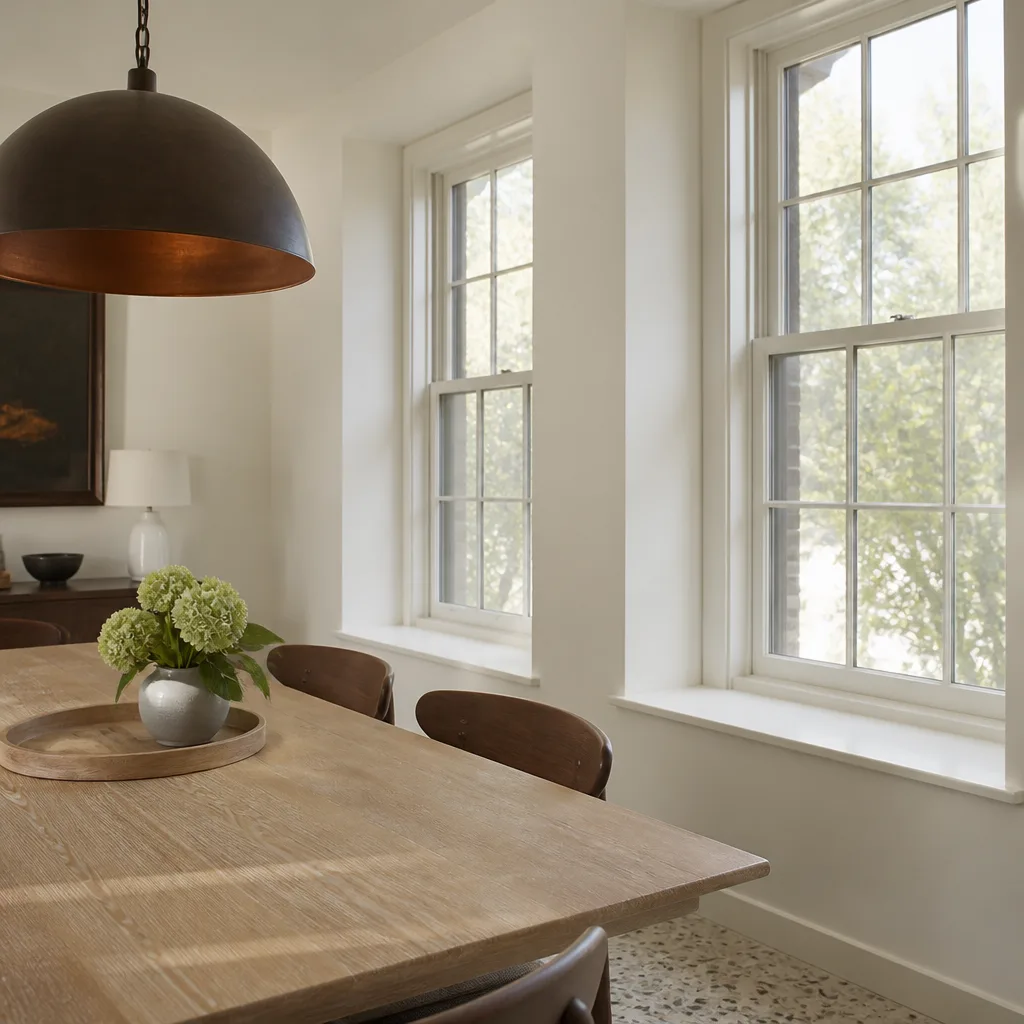
The Two Low-E Coatings, and Why Only One Belongs Here
Most Low-E explainers you’ll read online describe passive Low-E, because that’s the product that sells in cold-climate markets where the term originated. It’s the wrong lens for Miami-Dade County.
- Passive Low-E carries a high solar heat gain coefficient. It’s designed to admit solar heat during winter, and it’s a sensible choice in Minneapolis or Boston. In a subtropical climate it works against your air conditioner.
- Solar-control Low-E carries a low solar heat gain coefficient and reflects the sun’s heat before it crosses the glass. This is the correct family for cooling-dominated climates.
Here’s the number that matters. In Climate Zone 1, which covers North Miami Beach and the rest of South Florida, ENERGY STAR’s criteria prioritize solar heat gain coefficient over U-factor. That’s the inverse of every other U.S. climate zone, where U-factor (how well the glass resists heat flow) carries the weight. A solar-control Low-E coating should land at an SHGC of 0.25 or lower for a North Miami Beach home to see real cooling benefit. Hitting that target while keeping your visible light transmission livable is the actual engineering task, and it’s why two windows with the same label can perform very differently.
When we specify Windows & Doors for a home here, the coating type is matched to South Florida from the start. Homeowners aren’t handed a spec sheet and asked to pick between coating options they’ve never been trained to evaluate.
Where the Coating Sits Inside an Impact Window
In a High Velocity Hurricane Zone window, you’re not dealing with a single pane of glass. You’re dealing with a laminated impact unit, and the Low-E coating has to coexist with the interlayer that gives the assembly its Miami-Dade product approval.
The typical stack is a sealed insulated glass unit with the Low-E coating applied to one interior surface of the glass, facing into the air space. That detail matters because the coating never touches the outside air, salt spray, or UV directly. It’s protected by the seal.
Where substitutions go wrong is when a glass type gets swapped without confirming the laminated interlayer bond still holds its rating. An impact window that loses its approval isn’t an impact window anymore, regardless of what the Low-E label says. That compatibility check is a manufacturer and installer issue, not a homeowner decision, which is why we only specify from a curated set of brand partners whose assemblies are already rated for this market.
Which brings up the seal itself. On the Biscayne Bay side of North Miami Beach, salt-laden air and intense UV punish window assemblies year-round. A quality insulated glass unit with intact seals keeps the Low-E coating doing its job for the long haul. A failed seal lets moisture into the air space, and once that happens the coating’s performance is compromised and the unit fogs. This is one reason we lean on window and door lines from manufacturers who build for coastal exposure rather than cheapest-available inventory.
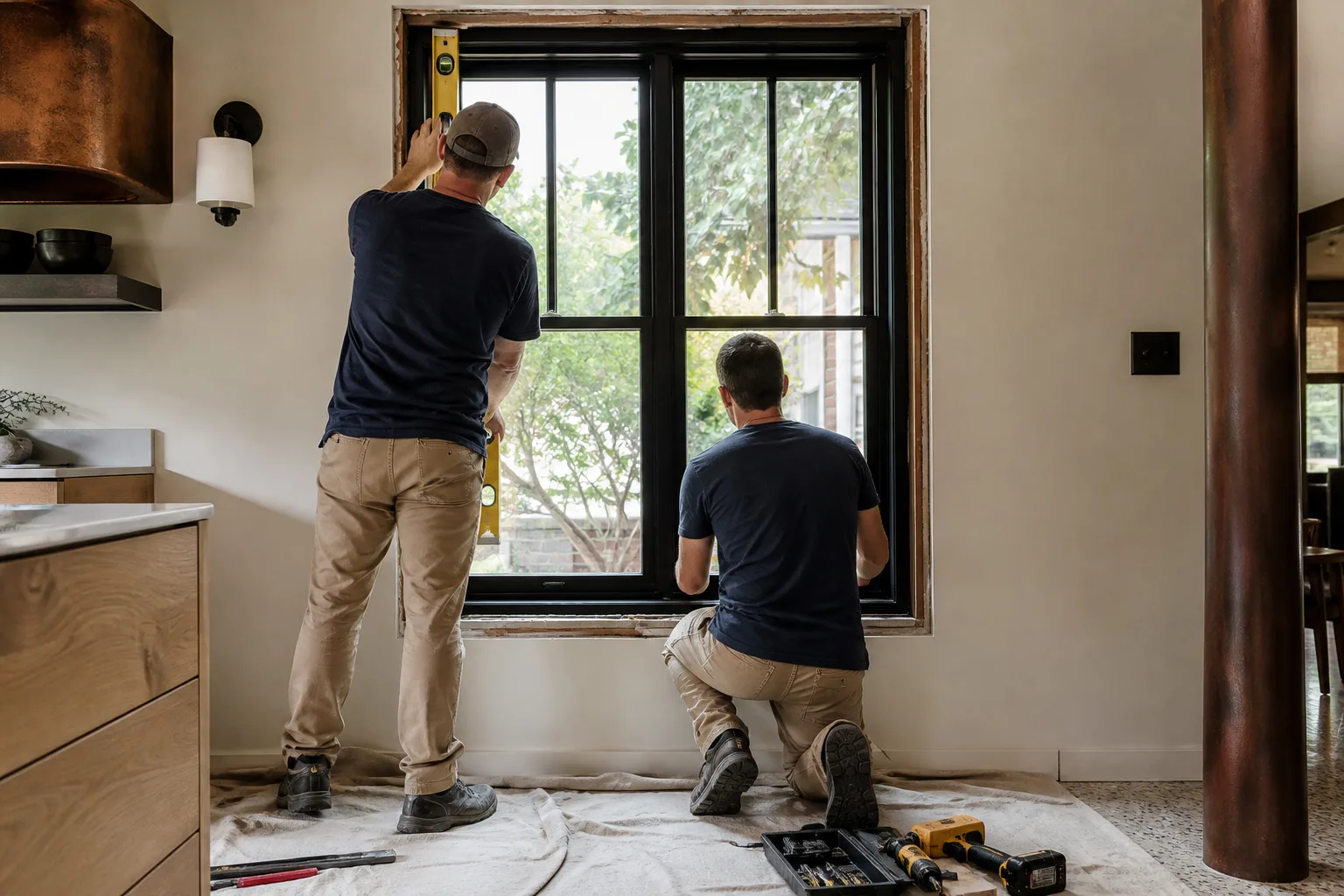
What This Looks Like in North Miami Beach Homes
The residential core here runs heavily to 1950s through 1970s single-story concrete-block and stucco ranch homes. Many still carry single-pane aluminum windows from the original build, and those windows are the single largest heat gain path in the house. When a homeowner west of Biscayne Boulevard replaces them with solar-control Low-E impact units, the drop in afternoon heat load is noticeable in the first summer.
A few scenarios we run into regularly:
- Original single-pane aluminum, east or west facing. Afternoon sun through uncoated glass turns a living room into an oven. Solar-control Low-E plus impact rating solves both the heat and the wind-borne debris protection in one swap.
- A prior replacement with the wrong coating. Occasionally a homeowner finds out years later that a previous installer used passive Low-E because it was what came off the truck. The glass has to be replaced to fix it, so getting the specification right the first time is the cheaper path.
- Non-conforming older homes. Many mid-century properties here predate current lot-coverage and opening-protection rules, which is why the City of North Miami Beach building department runs a permit-heavy review on window and door changes. Knowing which units carry the right product approvals saves weeks.
The HVHZ and flood-proofing rules that shape every project in North Miami Beach apply to window replacement just as they do to additions. Our technicians have up to 12 years of experience working within that framework, and every project is covered by our 730-Day Done Right Promise: if it’s not done right, we make it right.
How Much Does Low-E Impact Glass Cost in North Miami Beach?
Impact window installation in North Miami Beach typically runs $9,440 to $29,500 for a whole-home project, and standard window replacement runs $5,310 to $17,700. The spread depends on window count, size, frame material, and whether you’re specifying a full solar-control Low-E impact assembly or a simpler replacement unit.
| Scope | North Miami Beach Range |
|---|---|
| Impact window installation (full home) | $9,440-$29,500 |
| Standard window replacement | $5,310-$17,700 |
Two things move the number in ways homeowners don’t always expect. First, window count matters more than window size, so a ranch with many small openings can cost more than a home with fewer large ones. Second, HVHZ product approval narrows the field of qualifying units, which affects material cost. We give upfront pricing so the number you see is the number you pay, and projects over $10,000 qualify for $1,000 off, with 0% financing for 18 months available.
Do You Need to Understand the Spec Yourself?
Not if your contractor does. The useful question to ask any installer is simple: “Which Low-E is this, and what’s the SHGC?” If the answer doesn’t include a number at or below 0.25, the window wasn’t specified for this climate.
You can also ask whether the assembly carries current Miami-Dade approval and how the coating is protected within the sealed unit. Those two answers tell you more about long-term performance than any brochure claim.
For a broader look at how we handle the full scope of a home, see our home page, or read more about our North Miami Beach service area.
FAQs
Low-E glass is glass with a microscopically thin metallic coating that reflects radiant heat while letting visible light pass through. In North Miami Beach you want the solar-control version, which reflects the sun’s heat outward rather than trapping it inside. Call (844) 797-4868 for a free estimate and we’ll confirm the right specification for your home.
Yes, if it’s solar-control Low-E with an SHGC of 0.25 or lower. In Climate Zone 1, ENERGY STAR prioritizes solar heat gain over U-factor, so a properly specified coating cuts real cooling load. A passive Low-E coating is not worth it here and can make rooms warmer. Call (844) 797-4868 and we’ll tell you which type you’re being quoted.
Yes, and it’s common in Miami-Dade County. The Low-E coating sits on an interior surface of a sealed insulated unit, so it doesn’t interfere with the laminated interlayer that carries the impact rating, provided the assembly is properly specified. Substituting glass without confirming the approval is where it goes wrong. Call (844) 797-4868 for an exact quote on a compliant unit.
Not when the sealed unit is intact. The coating is protected inside the insulated glass unit and never sees exterior air. Salt and UV degrade exposed materials around the assembly, which is why seal integrity matters more on the Biscayne Bay side of North Miami Beach than it does inland. Call (844) 797-4868 for a no-pressure assessment.
If you’d rather have it looked at, Groundwork Construction Co. of North Miami Beach offers a no-pressure assessment in North Miami Beach. We’ll confirm which Low-E type you need, check what your current windows are actually doing, and give you upfront pricing with a free estimate. Call (844) 797-4868 today.
Written by the team at Groundwork Construction Co. of North Miami Beach, serving North Miami Beach, FL.