Last updated November 17, 2026





Free written scope consultation - allowances, timeline, and change-order rules on paper before a single trade is scheduled
Construction Permits, Codes & Inspections in FL: What You Need to Know
Florida leads the nation in unpermitted construction disputes, and in Miami-Dade County the stakes are higher than almost anywhere else. Buy or sell a home here with work that never got a permit, and the entire transaction can freeze – sometimes for months, sometimes permanently. Most homeowners don’t find out until the worst possible moment: the day before closing, when a title search flips up an open permit or an inspector’s red tag that nobody mentioned. We’ve watched North Miami Beach families lose signed contracts over a covered patio or a converted garage that looked fine on the surface. This guide explains how the system actually works on the ground, not how it reads on paper – what needs a permit here, how inspections really run, and how to protect yourself before work starts.
Quick Answer
In Florida, most structural, electrical, plumbing, mechanical, and roofing work requires a permit under the Florida Building Code 8th Edition, but Miami-Dade County layers its own stricter amendments on top – and when the two conflict, the county wins for anything built inside Miami-Dade. Inspections run in a fixed sequence (rough, framing, mechanical/electrical/plumbing, final), and a failed inspection can add weeks and hundreds of dollars in re-inspection fees to your timeline. Researching permit history through Miami-Dade’s online portal before you buy or build is the single best protective step you can take.
Styles & brands we work with
- Kitchen remodeling
- Bathroom remodeling
- Home additions & ADU
- Roofing
- Windows & doors
- Driveway & pavers
- Fence
Table of Contents
- When Florida Building Code and Miami-Dade Amendments Conflict
- Projects That Legally Require a Permit in Florida (The Real List)
- How the Inspection Sequence Actually Works in Miami-Dade
- What a Failed Inspection Really Costs You
- How to Research Permit History on Any Property
- The Permit Amnesty Process for Unpermitted Work
- Coastal, Wind, and Flood Code Traps in North Miami Beach
- Common Mistakes to Avoid
When Florida Building Code and Miami-Dade Amendments Conflict
Florida operates under the Florida Building Code, currently in its 8th Edition, and most homeowners assume that one document governs every project in the state. It doesn’t. Miami-Dade County is a “high-velocity hurricane zone” under the state code, and that designation gives the county the legal right to adopt stricter local amendments – especially for wind-load resistance, impact glazing, roofing attachments, and structural connections. When a county amendment conflicts with the state code, the amendment wins on any building inside Miami-Dade’s boundaries.
What this means in practice: a contractor who pulls a permit in Broward County with a certain set of assumptions may find that the same exact assembly in North Miami Beach fails inspection because the county requires a different fastener schedule or a heavier hurricane strap. We’ve corrected more than one project in North Miami Beach where a roofer used a Florida-approved nailing pattern that didn’t meet Miami-Dade’s stricter uplift requirements for a home within a few blocks of the Intracoastal.
How to know which code governs your project
- Start with the project address. If it’s in Miami-Dade County, the county amendments apply.
- Check the Florida Building Code 8th Edition for the base requirements for your project scope.
- Pull the Miami-Dade Building Code amendments for the specific trade (roofing, windows, structural, electrical).
- Confirm with the building department at the permit intake stage – never assume a passing county is a passing requirement.
- Ask your contractor which code edition and which amendments they are building to. A vague answer is a red flag.
Florida’s code updates on a three-year cycle, and each new edition re-writes portions of the wind and energy provisions. A contractor working off a five-year-old mental picture of the code is a liability on your roof or window opening. Building departments in North Miami Beach have occasionally issued mid-cycle clarification bulletins on top of the county amendments, which is one more reason the permit reviewer’s opinion is the final word, not the codebook’s.
Projects That Legally Require a Permit in Florida (The Real List)
Ask five contractors which projects need permits and you’ll get five different answers – most of them incomplete. The honest list is longer than the popular summary. Here is what legally requires a permit in Florida under the 8th Edition and Miami-Dade amendments, beyond the obvious “major renovations.”
- Any new construction, addition, or accessory dwelling unit (ADU).
- Roof replacement or any repair that involves replacing more than a small percentage of the roof covering.
- Structural changes – removing a load-bearing wall, adding a beam, cutting a new opening.
- Window and door replacements, especially in the high-velocity hurricane zone (impact glazing or approved shutter systems).
- Any electrical work beyond a like-for-like fixture swap, including new circuits, panel upgrades, and generator hookups.
- Any plumbing work beyond a fixture swap, including water heater replacement, repipes, and drain modifications.
- Mechanical work: HVAC replacement, new ductwork, mini-split installs.
- Any deck, patio cover, carport, screen enclosure, or pergola – regardless of how “temporary” it looks.
- Any fence over six feet tall in most Miami-Dade jurisdictions, and all retaining walls above the height threshold.
- Driveways and paver installations that change drainage or impervious surfaces (stormwater review is often wrapped into the permit).
- Swimming pools, hot tubs, and their electrical bonding.
- Tankless water heater retrofits (venting and gas line are both permitted).
- Solar panel arrays and battery systems.
- Any gas line work.
- Sheds above the size threshold (typically 100 square feet, but check local amendments – Miami-Dade rules can be tighter).
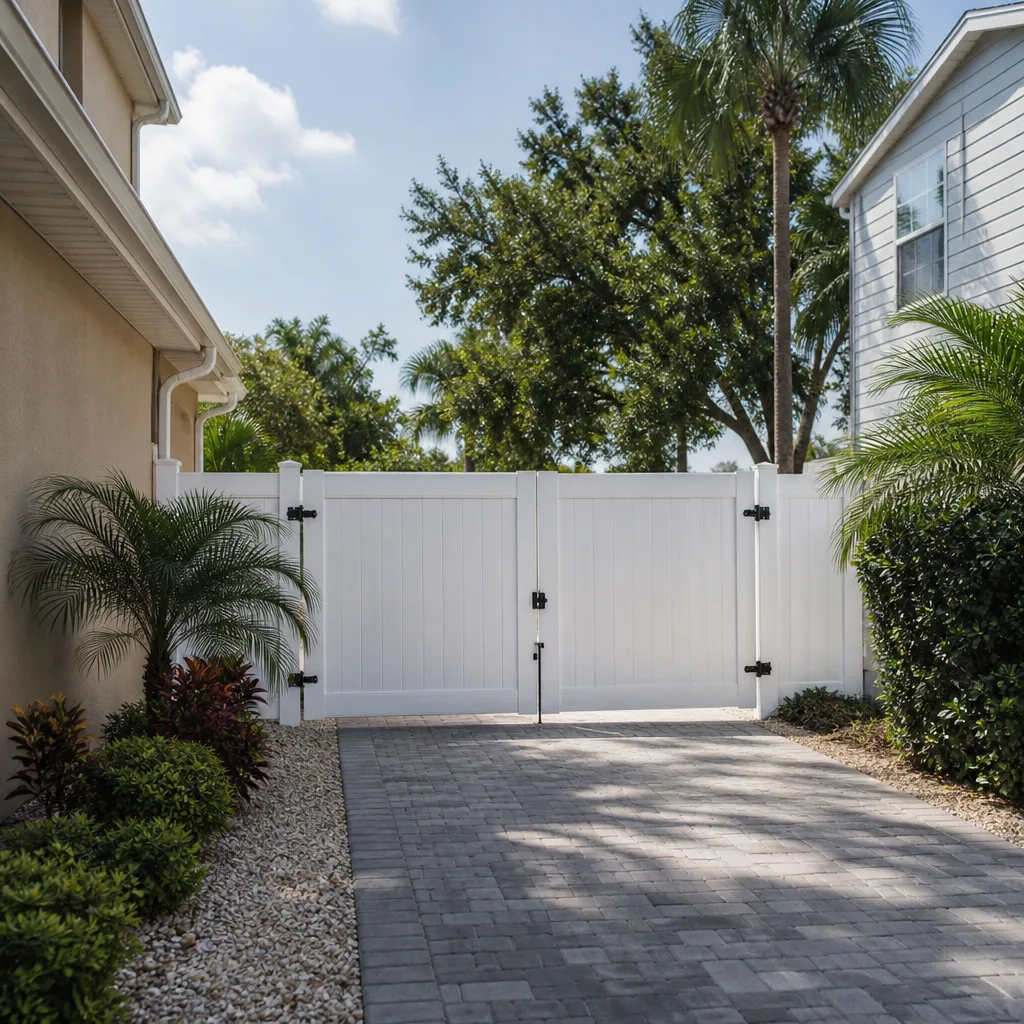
The trap here isn’t the big-ticket work most homeowners already know to permit. It’s the small stuff – a fence replacement, a patio paver overlay, a Florida room conversion – that homeowners routinely skip and then get stuck on years later. We’ve walked into North Miami Beach properties where the fence looked perfect and the seller couldn’t close because the paperwork never existed. If you’re planning a fence installation in North Miami Beach, the permitting conversation needs to happen before the post holes are dug, not after.
How the Inspection Sequence Actually Works in Miami-Dade
The building permit is only step one. The inspections are where most projects lose time, money, and patience. Miami-Dade runs the same basic inspection sequence as most Florida jurisdictions, but the county’s volume and strictness mean a failed inspection costs more calendar days than it would in a smaller county. Here is the sequence you can expect on almost any substantial project.
The Miami-Dade inspection sequence
- Permit issuance and job card. The permit gets pulled, the job card is created, and the first inspection is scheduled.
- Pre-pour or foundation inspection. Footings, slabs, and any below-grade structural work get inspected before concrete goes in.
- Rough-in inspections. Electrical, plumbing, gas, and mechanical rough-in inspections happen before drywall or insulation covers the walls. Each trade is inspected separately in most cases.
- Framing inspection. Structural members, hurricane straps, shear walls, and tie-downs are all verified against the approved plans.
- Insulation and drywall inspection. Energy code compliance is verified here.
- Final inspections. Each trade gets a final sign-off, then a final building inspection, then a certificate of occupancy or completion.
Each inspection needs to be scheduled, and the schedule is at the mercy of the county’s inspector availability. In busy building seasons (typically late fall through early spring in Miami-Dade, when out-of-state property owners are prepping their homes), inspector loads spike and inspection windows stretch from a couple of days to a week or more. If your project involves a major addition, that scheduling delay compounds on every one of the six inspections. For a project like a home addition or ADU in North Miami Beach, the inspection schedule alone can add three to five weeks of calendar time to the job.
Some projects use private providers – private providers for threshold inspections are permitted in Florida under specific conditions – but the county still requires its own final sign-offs and retains authority over the permit. Private inspections don’t buy you a faster closing; they shift who shows up at which step.
What a Failed Inspection Really Costs You
A failed inspection is rarely a catastrophe. It’s just expensive, and the cost runs on two meters at once: money and time. The re-inspection fee itself is modest in most Miami-Dade municipalities – typically $50 to $150 per trade re-inspection – but the calendar cost is what stings.
Here’s how the timeline usually plays out when a framing inspection fails for a common reason (missing hurricane straps, an incorrect nail pattern, an added wall that wasn’t on the plans):
- Day 1: Inspector arrives, fails the inspection, writes the correction list on the job card or portal.
- Day 1-3: Crew makes corrections. The correction itself may be two hours of labor, or three days if the failure involves rework of a structural element.
- Day 4-10: Re-inspection is scheduled and completed. This is where most projects lose real time – re-inspections go to the back of the queue.
- Day 10-14: Work resumes at the point the job left off.
Add four to ten days to that estimate if the failed inspection triggers a plan revision that the design professional needs to sign off before the county will re-inspect. Add two to four weeks if the failure is structural and involves engineering.
Multiply across multiple trade inspections and the real cost of a rough go through the inspection sequence lands somewhere between $1,500 and $4,000 in direct expenses plus two to four weeks of calendar time on a typical addition or major remodel. In our experience in North Miami Beach, projects within a half mile of the water – where wind-loading, corrosion-resistant fasteners, and impact glazing requirements are all stricter – tend to fail more inspections when a contractor isn’t working from the county code directly. That’s not a knock on the trade; it’s a reality of building in this specific geography.
How to Research Permit History on Any Property
This is the single most underused weapon in a Florida homeowner’s arsenal. Miami-Dade County’s online building portal (through the county’s permitting system) allows the public to pull permit history on any address. You should use it every single time – before buying, before adding adjacent work, and before signing a contract with a new contractor.
Step-by-step: Pulling permit history on a Miami-Dade property
- Log in to the Miami-Dade County online permit portal (search “Miami-Dade online permitting” from a browser).
- Search by property address or by folio number (the county property appraiser site will give you the folio number if you only have an address).
- Review the open permit list. Any permit that shows as “issued” but not “finaled” or “closed” is an open permit – a potential red flag.
- Click into each permit to review the scope, the contractor of record, and the inspection history. A permit with many failed inspections tells you something.
- Cross-reference the property appraiser’s records for the year built and square footage. If the appraiser shows a 1,800-square-foot house and the current listing says 2,300, find out where the extra 500 square feet came from and whether it was permitted.
- Save the search results. Bring them to your realtor, your lender, and your contractor.
Two things you’re specifically looking for: open permits (unfinished sign-offs) and unpermitted work that shows up on the appraiser’s record as “extra” square footage or improvement but has no corresponding permit. Either one can freeze a closing. Your real estate attorney will pull title records, but title doesn’t always catch open permits – the homeowner has to actively search this.
This same search is worth doing before you start new work on a property. If there’s an open permit from a prior owner’s abandoned pool project, the county may flag it when you pull a new permit for your kitchen. We’ve seen North Miami Beach homeowners get pushed to the back of the line because they inherited an 11-year-old open permit that needed to be closed before the county would issue a new one.
The Permit Amnesty Process for Unpermitted Work
Florida and Miami-Dade both offer permit amnesty and retroactive permitting programs designed to let homeowners pay the permit fees and prove compliance after the fact – rather than tearing the work out. But amnesty is not a magic eraser. It works only in specific circumstances and fails in others, and knowing which category your situation falls into is worth thousands of dollars.
When amnesty or retroactive permitting works
- The work is visible and can be inspected without destructive demolition (visible foundations, exposed framing, accessible electrical panels).
- The work meets current code requirements (or the code that applied at the time it was done, in some cases).
- The property has no other open enforcement actions.
- The homeowner can produce reasonable documentation of the work – photos, receipts, contractor records.
When it’s cheaper to tear out and redo
- The work is buried under finished surfaces (behind walls, under slabs) and full demolition is required to expose it for inspection.
- The work is a structural change that may not meet current load requirements.
- Electrical or gas work that has no records and can’t be safely verified without a full re-inspection.
- The retroactive permit cost plus demolition plus rebuild exceeds the cost of starting fresh.
The cost of amnesty varies widely. A simple garage conversion with visible framing might run $1,500 to $3,000 in permit fees plus inspection requirements. A buried, unpermitted rear addition with structural concerns can run $10,000 to $25,000 or more when demolition, engineering review, and rebuild are all required – sometimes higher. We’ve walked North Miami Beach properties where the math clearly said “start over,” and homeowners pushed for amnesty because they couldn’t believe the number. The county’s math rarely negotiates.
One critical note: the amnesty process requires a licensed contractor in almost every case, and the contractor is the one who signs the permit. If you’ve already planned an upgrade to your North Miami Beach home in the near term, it’s sometimes smarter to fold the correction of an older unpermitted item into a larger, properly permitted project than to run two separate permit processes.
Coastal, Wind, and Flood Code Traps in North Miami Beach
Building in North Miami Beach carries specific code traps that don’t exist inland. The city sits in the high-velocity hurricane zone, has significant portions of its land area in FEMA flood zones (AE and VE in some cases), and neighborhoods like Eastern Shores and the corridor near the Intracoastal sit exposed to salt air that changes material requirements in real, code-relevant ways.
Three traps to know:
- Impact glazing and shutter requirements are stricter near the coast. Window replacement in North Miami Beach routinely requires impact-rated products or approved shutter systems, and Miami-Dade’s product approval (NOA) number must be on file. Off-the-shelf Florida-approved windows are often not enough.
- Flood zone compliance changes elevation requirements. Additions and substantial improvements to homes in AE or VE zones trigger elevation certificates and possibly elevation of the lowest floor. This is where a “simple” addition can suddenly require an engineering review.
- Corrosion-resistant fasteners are code, not preference. Salt air eats through standard fasteners. The county code requires corrosion-resistant materials in exposed exterior applications, and inspectors check.
The same logic applies to driveway and paver work in North Miami Beach – stormwater runoff requirements and impervious surface calculations come into play, and inspectors verify drainage slope on the finished surface.
Common Mistakes to Avoid
- Assuming a Broward-approved plan transfers to Miami-Dade. County amendments override state code when they conflict, and what passes in Fort Lauderdale may fail in North Miami Beach. Always confirm with the Miami-Dade building department before buying materials.
- Skipping the permit-history search before buying. Open permits and unpermitted work ride along with the property and become your problem at closing. The five minutes it takes to pull the search is the cheapest insurance on a home purchase.
- Letting a contractor tell you the work “doesn’t need a permit.” Sheds, fences, patios, and screen enclosures are the three most common pieces of work homeowners are told are exempt that almost always require a permit in Miami-Dade.
- Assuming impact windows meet code because the box says “Florida approved.” Miami-Dade requires county NOA product approval numbers, not just state approvals.
- Starting adjacent work with an open permit on the property. The county can hold your new permit until the old one is closed, and the open permit may not have been your fault in the first place.
- Folding unpermitted work into a new project without telling anyone. If the county finds unpermitted work during inspection, the entire permit can be put on hold until the discrepancy is resolved.
- Ignoring the inspection calendar. Planning a project so the final inspection lands in the middle of Miami-Dade’s busiest building season (fall through spring) is a scheduling gamble that costs weeks.
See the difference
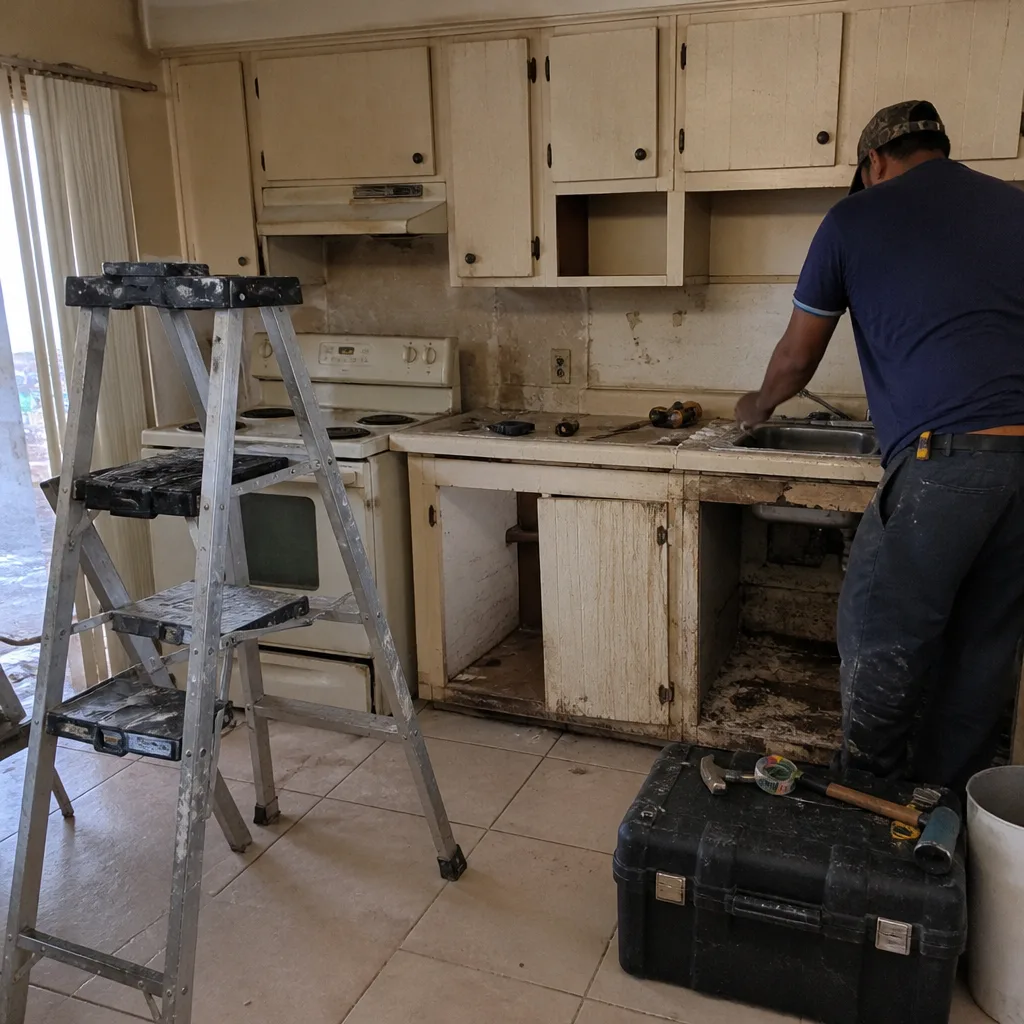 Before
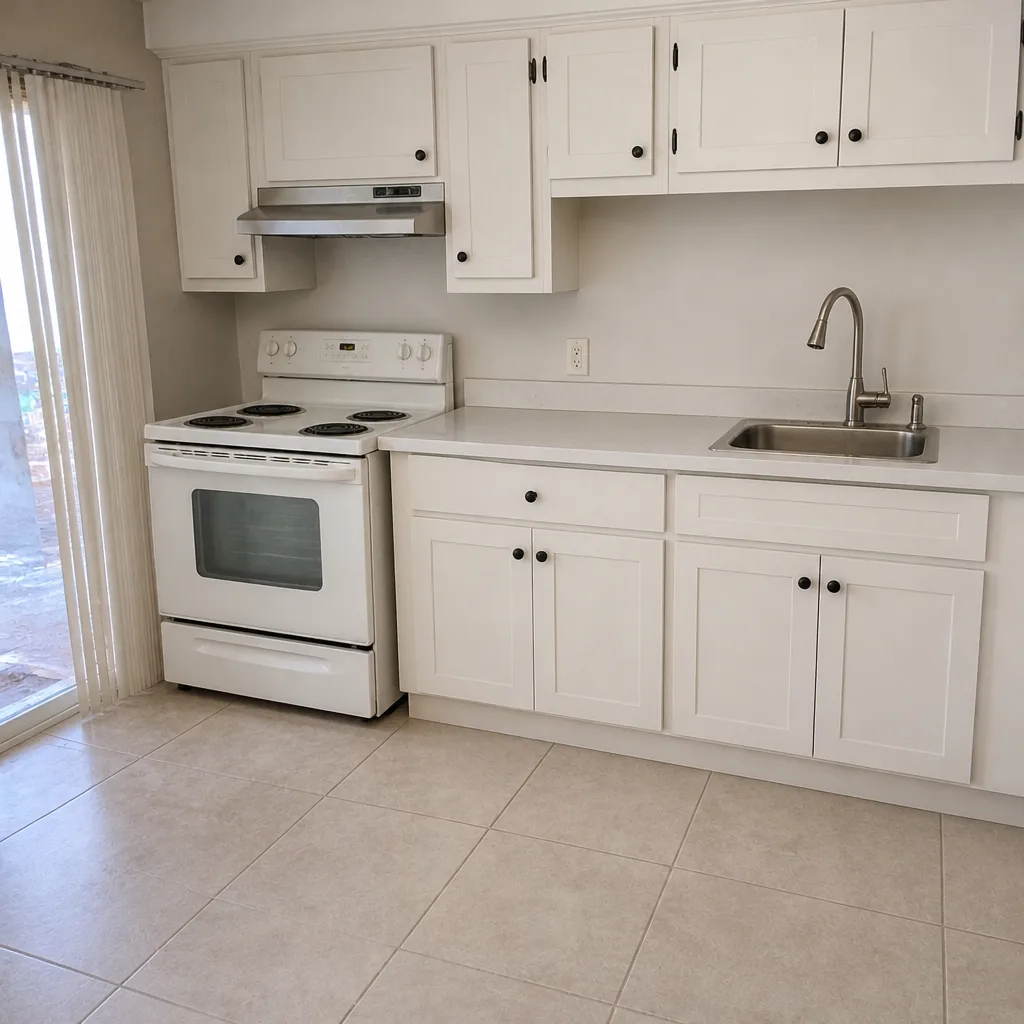 After
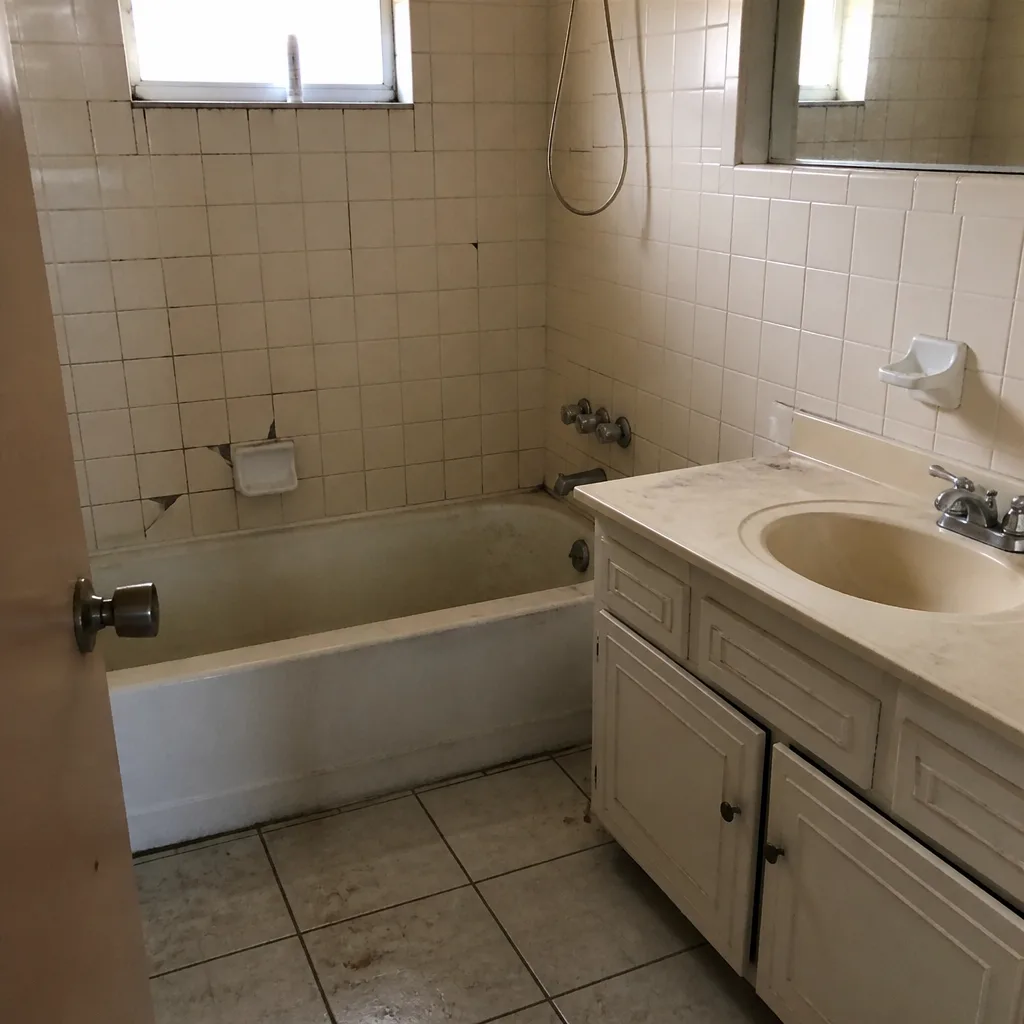 Before
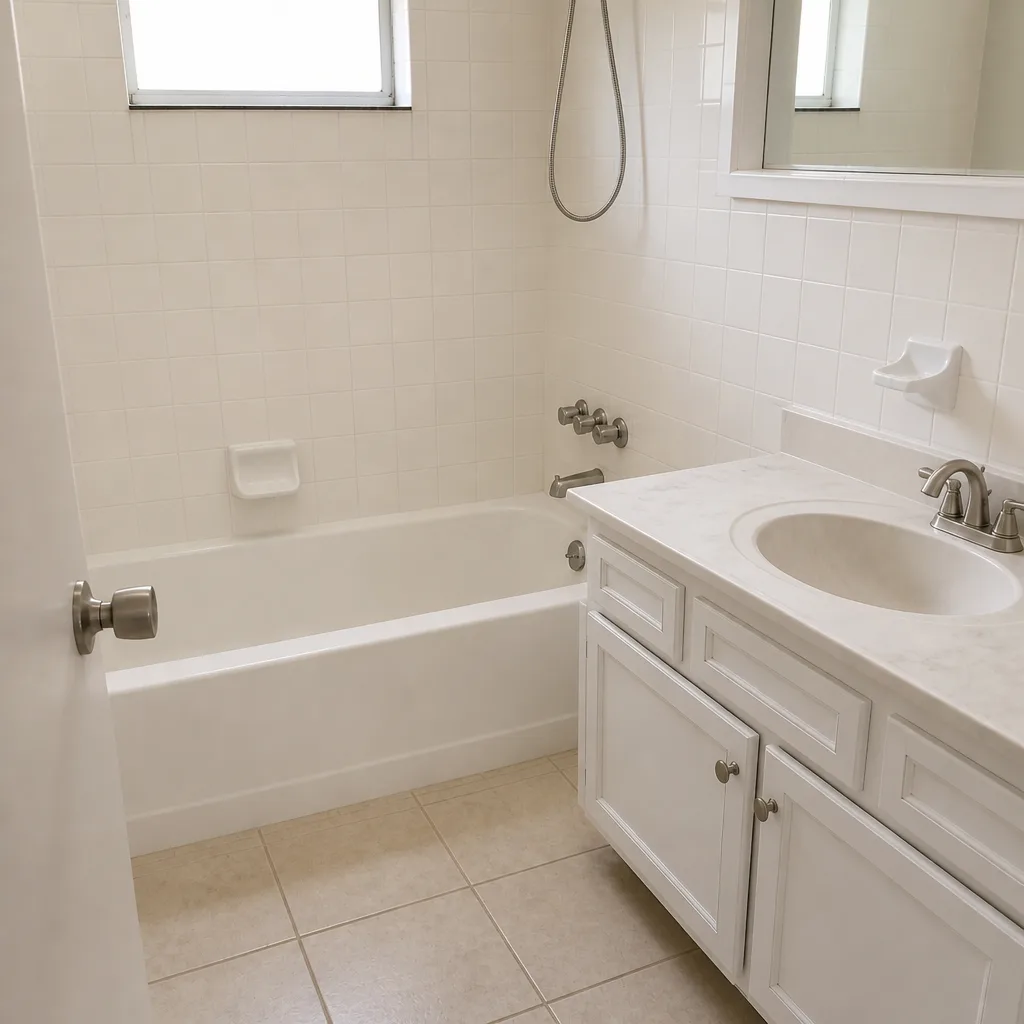 After
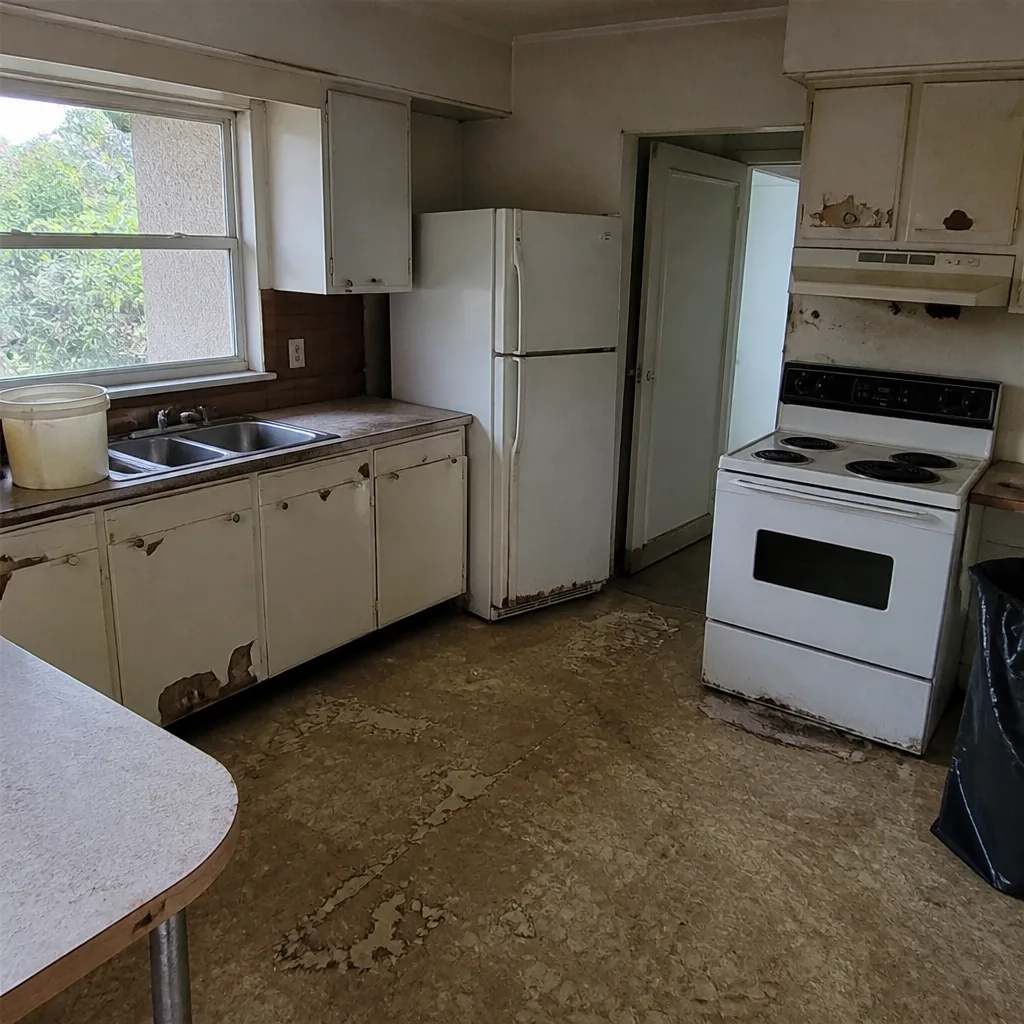 Before
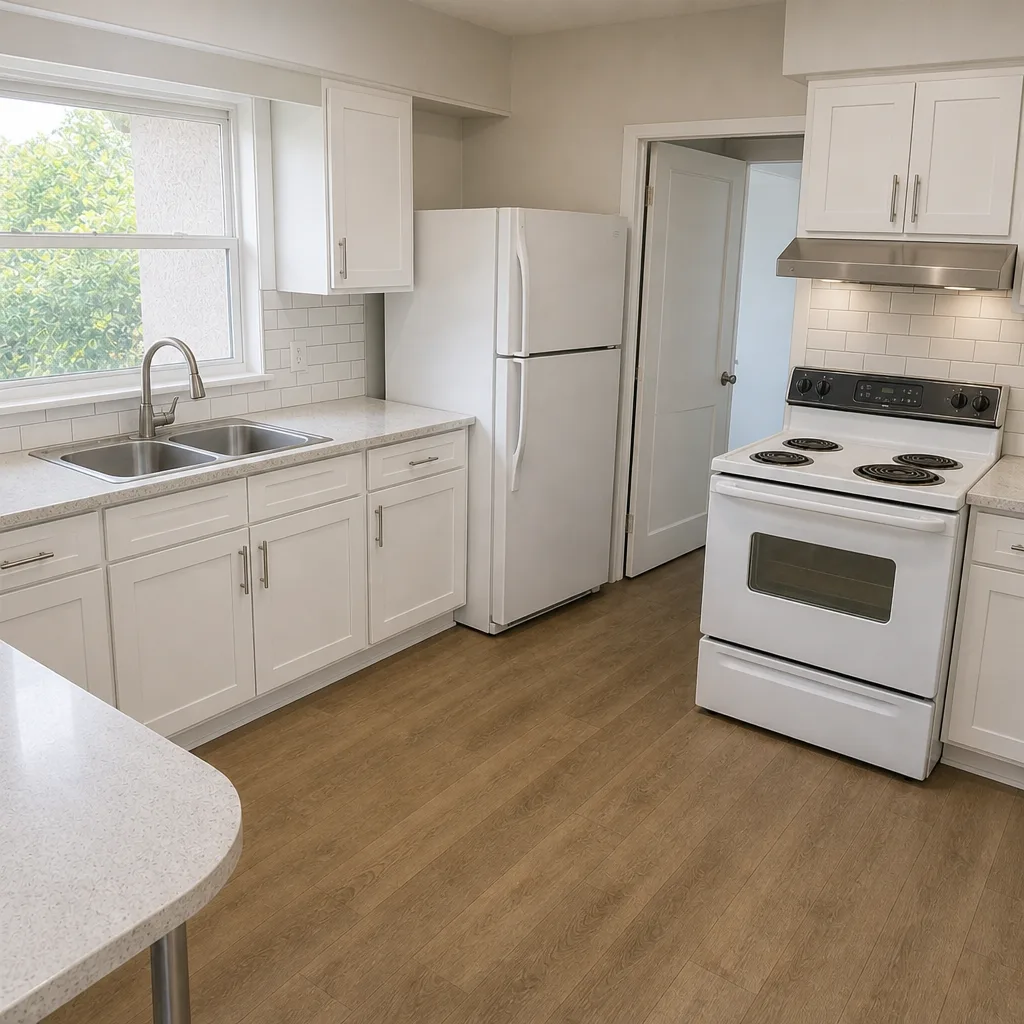 After
When to Call a Professional
Some projects are legitimately do-it-yourself under Florida law, and understanding the boundary is part of being a smart homeowner. A homeowner can typically replace like-for-like fixtures, do cosmetic painting, install a small shed under the exempt threshold, and do their own landscaping. Everything structural, electrical, plumbing, mechanical, or roofing – and any work in the high-velocity hurricane zone – is where the boundary lives.
If you’re staring at any of the following, call a licensed contractor: an open permit you discovered on the portal, unpermitted work from a prior owner, a plan for an addition or ADU, window replacement anywhere in North Miami Beach, or a permit-inspection schedule that just fell behind. Groundwork Construction Co. of North Miami Beach offers free estimates in North Miami Beach – call (844) 797-4868. Our technicians have up to 12 years of experience with Miami-Dade permitting and inspections, and every project is covered by our 730-Day Done Right Promise. If it’s not done right, we make it right.
Frequently Asked Questions
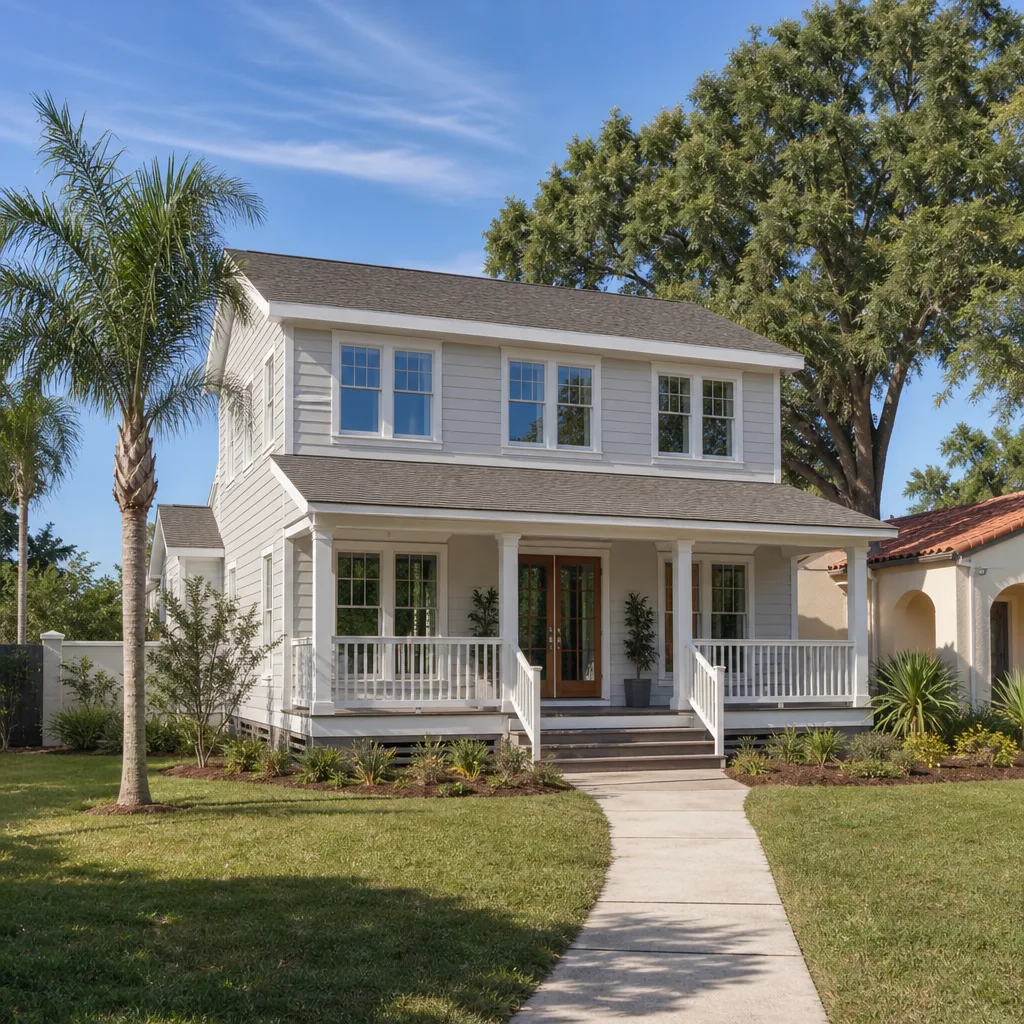
Yes. Roof replacement always requires a permit in Miami-Dade County, and the inspection sequence typically includes at least one mid-project inspection (after tear-off and deck inspection, before underlayment) plus a final. Because North Miami Beach sits in the high-velocity hurricane zone, the permit will trigger specific wind-uplift requirements, product approval verification, and fastener schedules that don’t apply in inland counties. Roofing products like GAF and CertainTeed systems have Miami-Dade NOA approvals that your contractor should have documented before the first shingle goes down. Call (844) 797-4868 for a free estimate on a properly permitted roof replacement.
Permit fees for an addition in Miami-Dade typically run 1.5% to 3% of the project’s construction value, with a minimum threshold in most municipalities. On a $150,000 addition, plan on roughly $2,500 to $4,500 in permit fees, plus separate impact fees in some cases. The bigger cost of permitting isn’t the fees – it’s the calendar time (six to twelve weeks typically from application to issuance) and the engineering or plan-review costs that precede it. Call (844) 797-4868 to schedule your free estimate and we’ll walk through the fee range for your specific scope.
The sale can be frozen until the work is either permitted retroactively or removed. In practice, most buyers’ lenders will require the discrepancy to be resolved before closing, and title insurance often excludes known unpermitted work. Some sales can proceed with a disclosure and price adjustment, but most real estate attorneys in Miami-Dade will recommend resolving it – which means either the amnesty process or tear-out and rebuild. Either path costs money; ignoring the issue costs the sale. Call (844) 797-4868 for a free estimate on the correction work.
Verify through the Florida Department of Business and Professional Regulation (DBPR) license lookup, and separately confirm any local licensing through Miami-Dade County. General contractors, roofing contractors, and specialty trades are licensed at different levels, and a residential license doesn’t cover all commercial or structural scopes. Ask the contractor for the license number before you sign and verify independently. Call (844) 797-4868 for a free estimate – we’ll provide all documentation upfront.
Approval timelines vary widely by project scope: simple permits like water heaters or like-for-like window replacements can be issued in a few days to two weeks, while additions, structural changes, and new construction typically take six to twelve weeks from application to permit issuance, and longer if plan review sends corrections back. In Miami-Dade’s busiest season (fall through spring), plan reviews run slower. If your project is time-sensitive, factor the permit wait into the schedule from day one, not as an afterthought. Call (844) 797-4868 for a free estimate and we’ll help you plan the permit timeline accurately.
No, and this matters. Unpermitted work is generally excluded from a contractor’s workmanship warranty because the warranty typically covers work performed by that contractor under a valid permit. This is why skipping the permit to “save time” almost always costs more in the long run – the homeowner ends up with no warranty protection, potential insurance issues, and a property that can’t close cleanly on a sale. Our 730-Day Done Right Promise covers the work we perform under permit; it can’t cover work that was never permitted in the first place. Call (844) 797-4868 to talk through your project.
The Bottom Line
Florida’s permit system is layered, county-specific, and full of traps that catch homeowners at the worst possible moment. The Florida Building Code 8th Edition sets the floor, Miami-Dade amendments set the ceiling, and the inspection sequence is where projects live or die. Three habits protect you: pull the permit history on any property before you buy or build; confirm your contractor is building to Miami-Dade’s current amendments, not last cycle’s code; and never let unpermitted work ride on a property you own or plan to sell. The permitting process is expensive, slow, and unavoidable – which is exactly why doing it right the first time costs less than doing it twice. If you’re planning an addition, roof, window replacement, or unpermitted-work correction in North Miami Beach, the cost of a straight conversation is zero. Call (844) 797-4868 for a free estimate and a written line-item quote.
Written by the team at Groundwork Construction Co. of North Miami Beach.