Last updated November 17, 2026
Free written scope consultation - allowances, timeline, and change-order rules on paper before a single trade is scheduled
Choosing the Right Construction Brand: A Buyer’s Guide for North Miami Beach
Two roofs go up on the same block in North Miami Beach, in the same month, by crews using the same basic technique. Five years later, one is fine and the other is showing fastener rust, lifted edges and a warranty claim that goes nowhere. The difference usually isn’t the labor. It’s the brand of underlayment, fasteners and shingles underneath. Most homeowners can’t tell you what brand they have, which is exactly why the choice gets made for them. This guide shows you how to read a construction brand the way a builder reads it in this market, from Miami-Dade NOA approval to warranty enforcement to what actually shows up on your job site.
Quick Answer
The right construction brand in North Miami Beach is the one that holds the required Miami-Dade product approval or Notice of Acceptance, has a real field record in salt-air coastal conditions, and has a manufacturer behind it that actually honors claims in South Florida. Price alone tells you almost nothing at the moment of installation. Approval status, local performance history and documented installation are what separate a brand that lasts from one that fails quietly.
Styles & brands we work with
- Kitchen remodeling
- Bathroom remodeling
- Home additions & ADU
- Roofing
- Windows & doors
- Driveway & pavers
- Fence
Table of Contents
- Why Brand Choice Matters More in North Miami Beach
- How to Verify Miami-Dade Notice of Acceptance (NOA)
- Brand Longevity and Warranty Enforcement in South Florida
- National Marketing vs. Proven South Florida Field Performance
- How to Confirm the Branded Products Were Actually Installed
- What Brand Partnerships Mean in Practice
- The Brand Gap by Trade: Where It Matters Most
- Questions to Ask Before You Sign
Why Brand Choice Matters More in North Miami Beach
North Miami Beach sits inside the High Velocity Hurricane Zone, the HVHZ, which is the strictest wind design region in the country by most measures. That isn’t a piece of trivia. It means the products on your home have to meet a specific approval standard, not a general “hurricane rated” marketing claim. The same shingle line that’s sold elsewhere in Florida may carry a different approval status here, and a product without that status can fail inspection, stall a job, and complicate insurance.
The coastal piece is just as real. You live close enough to Biscayne Bay and the Atlantic that salt-laden air reaches your home most days of the year. It corrodes the wrong fasteners, attacks the wrong roof underlayment, and pits the wrong exterior metal, sometimes within a few years. Inland homeowners can get years of slack on a marginal product that a North Miami Beach homeowner simply doesn’t get.
Then there’s wind-driven rain. The building code cares enormously about how assemblies resist water intrusion, and the difference between a properly detailed window system with a tested water rating and a generic unit that passed a lower threshold is invisible on install day. Both look installed. Only one holds up in a tropical downpour.
Put together, approval status, salt exposure and water intrusion mean the brand choices on your project in North Miami Beach carry consequences you can measure in money and time, not just looks. That’s why we spend real effort on the material side before a single box arrives.
How to Verify Miami-Dade Notice of Acceptance (NOA)
A Miami-Dade Notice of Acceptance, or NOA, is the approval document the county issues for products used in the HVHZ. It confirms the product was tested to the county’s standards for wind, water and, depending on the product, impact. Not every product that says “Florida approved” or “hurricane rated” actually holds one, and a lot of marketing language hides that gap.
Here’s how to check a product’s approval status in a few concrete steps:
- Ask for the product’s NOA number, not just the brand name. If the contractor can’t produce it, that’s your answer.
- Look up the NOA in Miami-Dade’s public product approval database. Match the product line exactly, because manufacturer families often mix approved and unapproved versions under similar names.
- Compare the NOA’s listed installation method to what’s specified in your contract. An approval only holds when the product is installed as the approval describes.
- Check the approval’s expiration or revision date. Products get re-tested and re-listed; an outdated number can mean the current version changed.
- Confirm the approval matches your exposure category and design pressures, not just the product family.
We’ve watched homeowners in North Miami Beach get caught because a window was listed under a similar model name to an approved sibling. The window exists, the brand exists, but the specific unit didn’t hold the approval the contract needed. That’s a preventable problem.
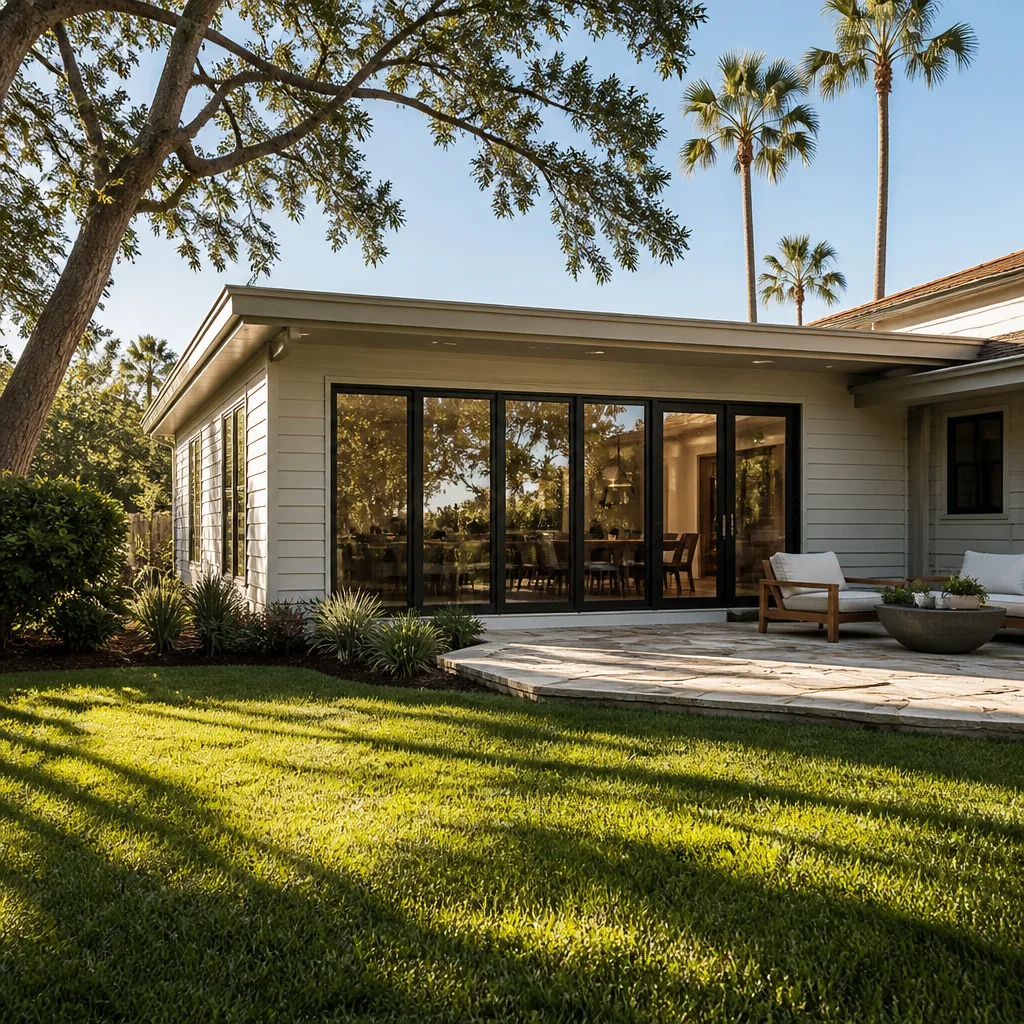
And it applies to more than roofing. Window systems, exterior doors, shutters, and some exterior cladding and structural connections all fall under HVHZ scrutiny. When you’re planning a Home Additions & ADU in North Miami Beach, those approval records become part of your permit package. Getting them right at the front end saves weeks. Getting them wrong can mean re-spec’ing products after framing begins. Our technicians have up to 12 years of experience and, frankly, still check NOA numbers every time before writing a spec.
Brand Longevity and Warranty Enforcement in South Florida
A warranty is a promise written by a manufacturer, and a promise is only as good as the company behind it. In a coastal market like North Miami Beach, what matters is whether that manufacturer still exists in ten years, has a claims process that functions in Florida, and honors failure modes specific to this climate.
Here’s what actually matters in warranty terms:
- Company presence in South Florida. A regional distributor, a local technical rep, a claims process that functions in Florida. A brand with no field presence here can be hard to reach when something fails.
- Excluded failure modes. Read what the warranty doesn’t cover. Salt corrosion, color fading from UV, and wind-driven water intrusion are sometimes in and sometimes out. Notice which.
- Installation warranty vs. material warranty. These are separate. The manufacturer covers the product; the contractor covers the labor and installation. That means the 730-Day Done Right Promise covers the work, while the manufacturer’s warranty covers the material separately.
- Required installation standards. Most manufacturer warranties are voided if installation deviates from their published spec. That puts real weight on the contractor’s documentation.
- Transferability. If you sell the house, does the remaining warranty transfer? In North Miami Beach, waterfront and near-water property turns over fast, and transferable warranties help at resale.
We lean on brands that clearly stand behind their products in this market. KraftMaid and Cambria on kitchen projects, GAF and Owens Corning on roofing, Andersen and Marvin on windows, James Hardie on exteriors. Each is chosen because of a field track record in Florida, not just brand recognition on a truck. “Built to last, backed in writing” isn’t a slogan for us; it’s the reason we audit which brands we work with.
National Marketing vs. Proven South Florida Field Performance
Every brand in construction runs national marketing. Very few can show you a field record in this specific climate and market. The gap between a nationally marketed product and one with local, demonstrated performance is where a lot of failures live – and it’s most visible in a few specific categories:
- Roofing. Underlayment, fasteners, and shingle adhesive systems. Two brands that look similar in a catalog can behave very differently after several hurricane seasons. Fastener corrosion resistance and underlayment behavior under UV and heat matter here in a way they don’t in milder markets. In North Miami Beach we regularly see ridge cap failures and fastener rust on assemblies that used cheap fasteners and generic underlayment.
- Windows and doors. Impact-rated glazing, frame materials that resist salt corrosion, and tested water performance. Brands like ECO Window Systems and Mr-Glass have Florida-specific track records; Therma-Tru and ViewLux hold strong local presences for doors and glazing. The difference between these and a no-name import shows up in the water rating and the seals.
- Waterproofing and sealants. The least glamorous category and the one failures usually trace back to. Coastal UV degrades the wrong sealant fast. Marine-grade or Florida-tested products hold up; generic products often don’t.
One test we use: ask the manufacturer’s local rep for a specific project reference in South Florida within the last two or three years. If the brand can’t point to one, that’s information. Ask the same of your contractor. A builder who’s put the product on multiple homes in North Miami Beach has field data on how it behaves, and that’s the data that matters.
How to Confirm the Branded Products Were Actually Installed
Specifying a product in a contract and getting that product on your roof are different events. Substitution at the job site is real, common, and mostly invisible to homeowners who don’t know what to look for. That’s why documentation matters as much as the specification itself.
Here’s how to verify what went into your project:
- Demand a line-item material spec in the contract. Brand, product line, model, and where applicable the NOA number. “35-year architectural shingle” is not a spec. “Brand X, model Y, NOA #Z” is.
- Ask for a delivery receipt or manifest. Materials arriving at the site leave a paper trail. A contractor who handles this routinely will hand you one without a fuss.
- Photograph packaging at delivery. Labels, UPCs, and lot numbers on boxes and wraps. This is not paranoid, and on a project in North Miami Beach it’s just good practice.
- Verify after install with visual evidence. Photos of fasteners before they’re covered, labels on installed materials, and close-ups of critical connections during the work before they’re concealed.
- Request the manufacturer’s warranty registration. A genuine registration in your name is proof that the product was the one registered, and it starts the clock for you.
We document brand and product line on every install package for the same reason. It protects the homeowner and it protects us. If a substitute shows up at a North Miami Beach job, we’d rather catch it on the manifest than on a callback a year later. Upfront pricing, no surprises applies to materials too. And if you’re planning a roof or driveway project, you’ll want the spec nailed down before work starts. Call Driveway & Pavers in North Miami Beach matters as well; concrete and paver systems differ by brand on salt resistance and color retention.
What Brand Partnerships Mean in Practice
Contractor brand partnerships are often shorthand for better pricing and availability, but the real value shows up on your specific project in three concrete ways:
- Pricing discipline. A contractor with standing relationships gets predictable material costs, which is what lets them quote you a fixed number and actually hold it. The number you see is the number you pay only works if the material pricing is stable.
- Availability on deadline. In North Miami Beach, roof replacement and window replacement happen on a schedule tied to a permit and often an insurance deadline. A brand partnership means material lands when the schedule needs it. A no-name chain of supply means delays that stall the whole job.
- Warranty backstop. When a brand knows the contractor, warranty claims get handled. When the contractor is unknown to the manufacturer, claims drift. Strong relationships between contractor and brand give the homeowner an ally they wouldn’t otherwise have.
That’s part of why we keep a curated set of brands across every category. KraftMaid and Kohler for kitchens and baths, GAF and CertainTeed for roofing, Andersen and Pella for windows, Belgard for pavers, James Hardie for exteriors. We’ve paired this with a 730-Day Done Right Promise on the work and the brands we spec. If something goes wrong with the install, we make it right; if something goes wrong with the material, we’re the intermediary who knows who to call.
The same logic applies to Fence Installation in North Miami Beach, where brand choice on posts and pickets determines whether the assembly survives salt air and wind or starts to fail in year three. Material brand decisions at the front end are the biggest lever, and the one most homeowners underweight.
The Brand Gap by Trade: Where It Matters Most
Some categories are equivalent across brands. Some aren’t even close. Here’s where the gap between a good brand and a marginal one matters most in North Miami Beach.
Roofing: the biggest gap
Underlayment, fasteners, and shingle system quality drive the difference. A brand with solid HVHZ approvals and demonstrated performance under salt and UV is worth the money. Generic fasteners alone can shorten a roof’s life. We see ridge failures and fastener corrosion regularly on assemblies that went with commodity brands.
Windows and doors: the second biggest gap
Impact glazing, frame material, and water performance separate products sharply. A tested and labeled window system is not the same as an approved window system. Brands with strong Florida track records on window performance are worth the search. ECO Window Systems, Mr-Glass, Therma-Tru and ViewLux each have products with real local records; the specifics matter more than the logo.
Waterproofing and sealants: the quiet gap
Failures usually trace to this category. UV exposure and salt air degrade cheap sealants fast. We spec marine-grade or Florida-tested products because the cost difference is minor compared with the repair bill a failed flashing detail can generate.
Kitchen and bath: the middle gap
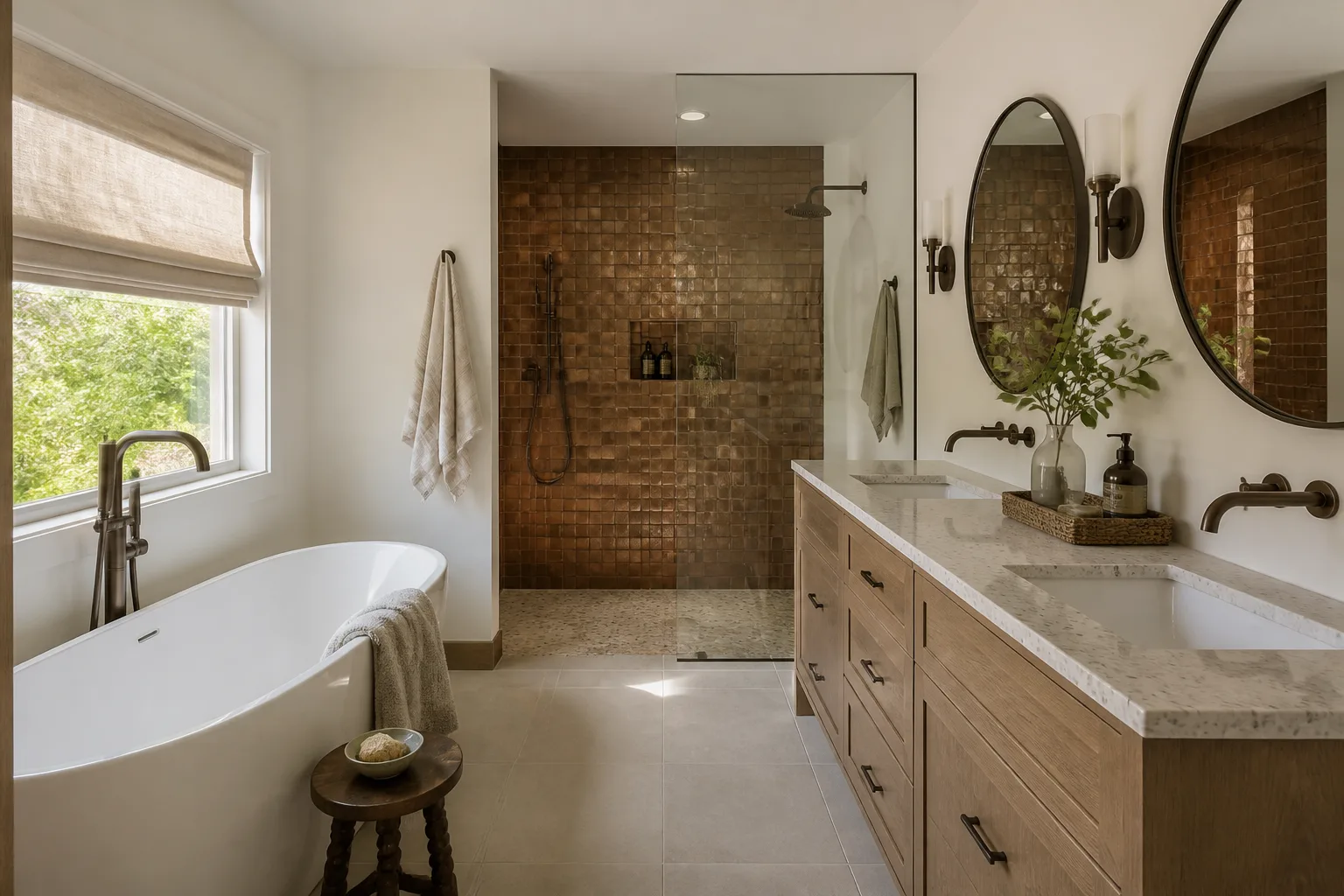
Cabinetry and countertops have a real brand gap on durability and warranty, but it’s less climate-driven. KraftMaid cabinetry and Cambria countertops are wired to last, and their warranty response is real. Less urgent, still worth care.
Driveway, pavers and fencing: the overlooked gap
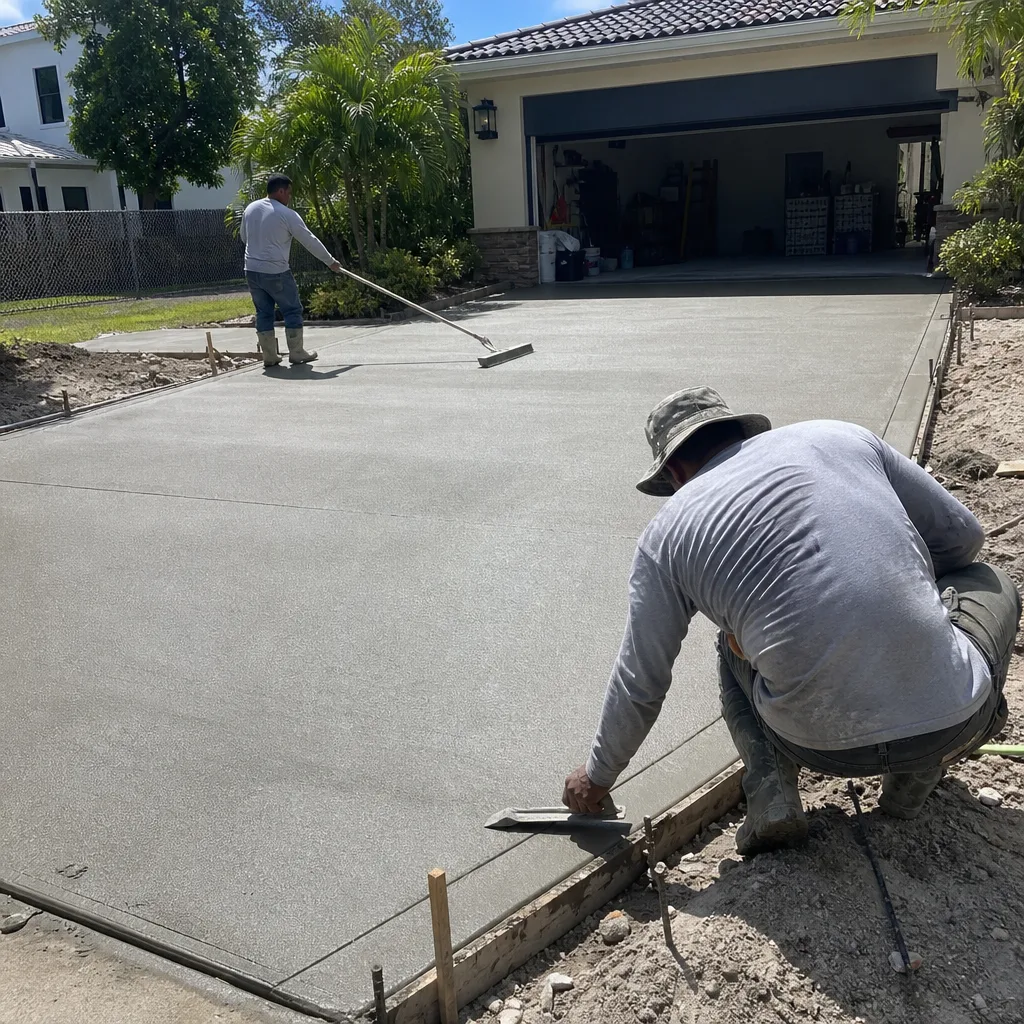
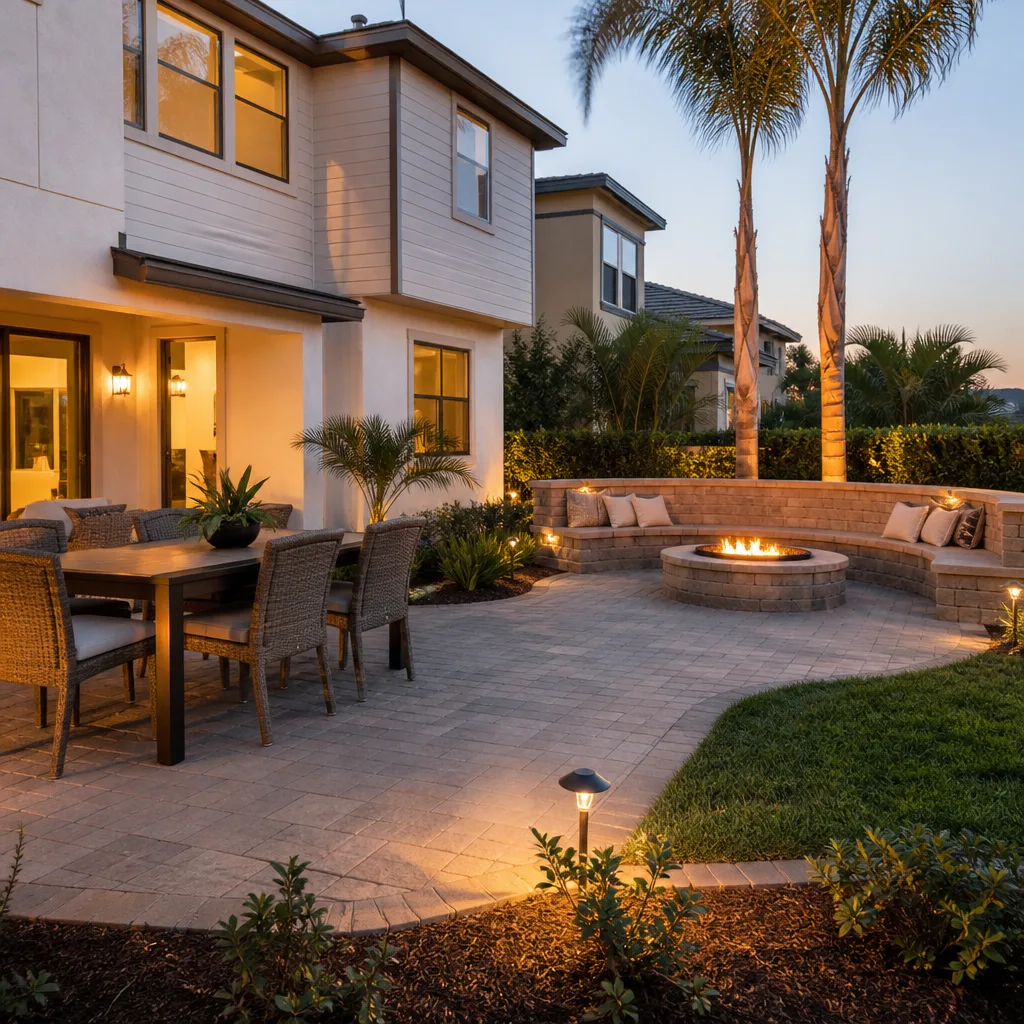
Color retention and salt resistance vary widely. Belgard-quality paver systems hold up far better than commodity pavers over a decade of North Miami Beach sun and salt. Same story for fence posts, where the wrong coating or post material fails within a few years. This is another area where the brand decision tends to get underweighted.
Questions to Ask Before You Sign
The right questions filter a lot of noise. Here’s our short list for any construction contract in North Miami Beach where branded materials matter:
- What exact brand, product line, and model are specified for each material category?
- For HVHZ products, what’s the NOA number, and does it match the product line and installation method?
- Are fasteners, underlayments and sealants specified by brand, or left to the installer?
- How will I verify that the branded products specified are the ones actually delivered and installed?
- What manufacturer’s warranty is registered in my name, and what are its exclusions in coastal conditions?
- What does the contractor’s workmanship warranty cover, and for how long?
- Who handles a warranty claim if a material fails a year after the install?
If the contractor can’t answer these cleanly, that’s the answer. We answer them as part of every estimate. It’s part of why we work the way we do: brand relationships, documentation, and a written promise that the work is done right. You’ll see the same discipline on Groundwork Construction Co. of North Miami Beach home and on every trade page we run.
Common Mistakes to Avoid
- Choosing on price alone. Brand differences that look small in the bid are usually the ones that fail first in this climate. The cheapest assembly almost always costs more in year five than the middle brand.
- Trusting “hurricane rated” language. Marketing labels don’t always map to Miami-Dade NOA status. Ask for the document.
- Skipping the fastener and underlayment spec. These are where most roof failures start in North Miami Beach. If they’re not specified, they’ll be commodity.
- Not asking for a delivery manifest. Substitution at the job site happens, and it’s the homeowner who finds out last – usually in a warranty claim.
- Accepting a warranty at face value. Read the exclusions and confirm the manufacturer has a Florida field presence and a functioning claims process.
- Assuming brick-and-mortar equals quality. A local brand isn’t automatically better; it’s better if it has approvals and field performance. A national brand isn’t automatically worse.
- Ignoring sealant and flashing brands. These are small line items and the most common source of water intrusion in coastal homes.
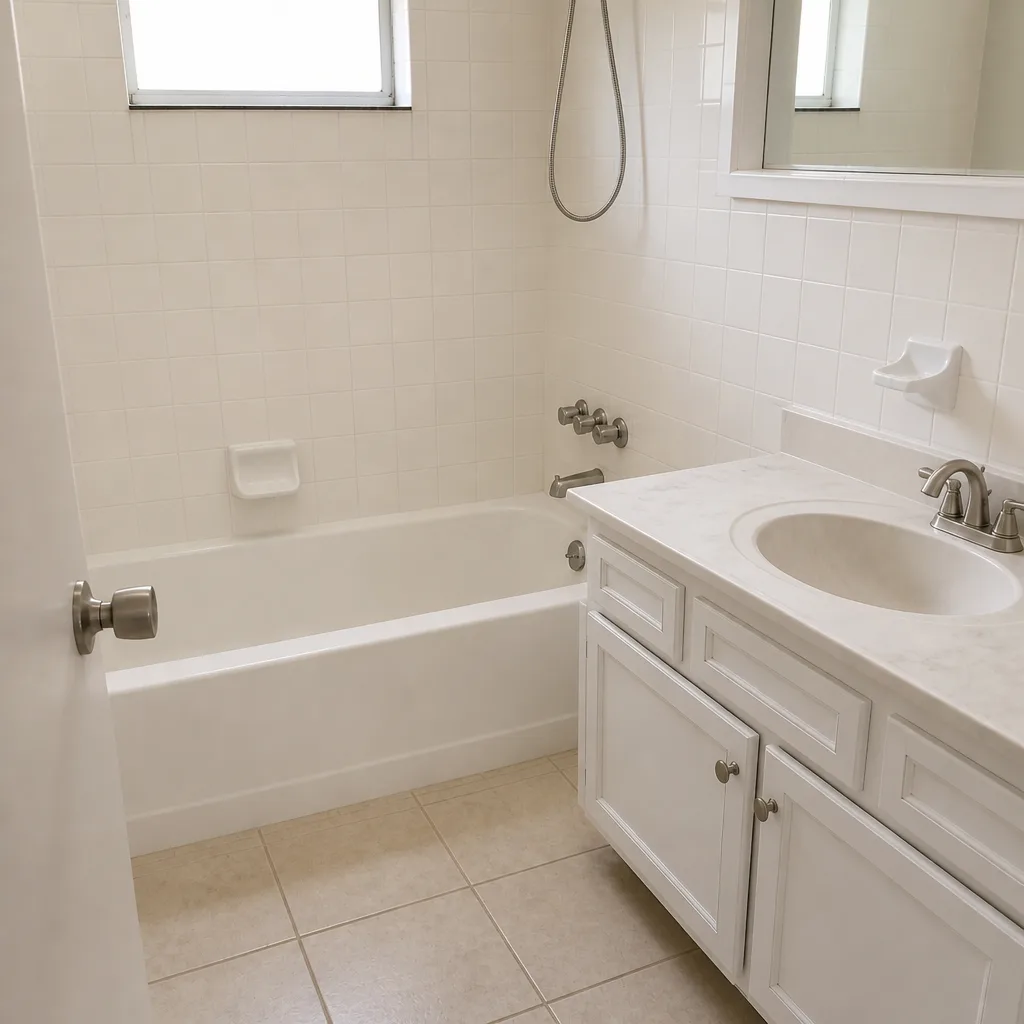
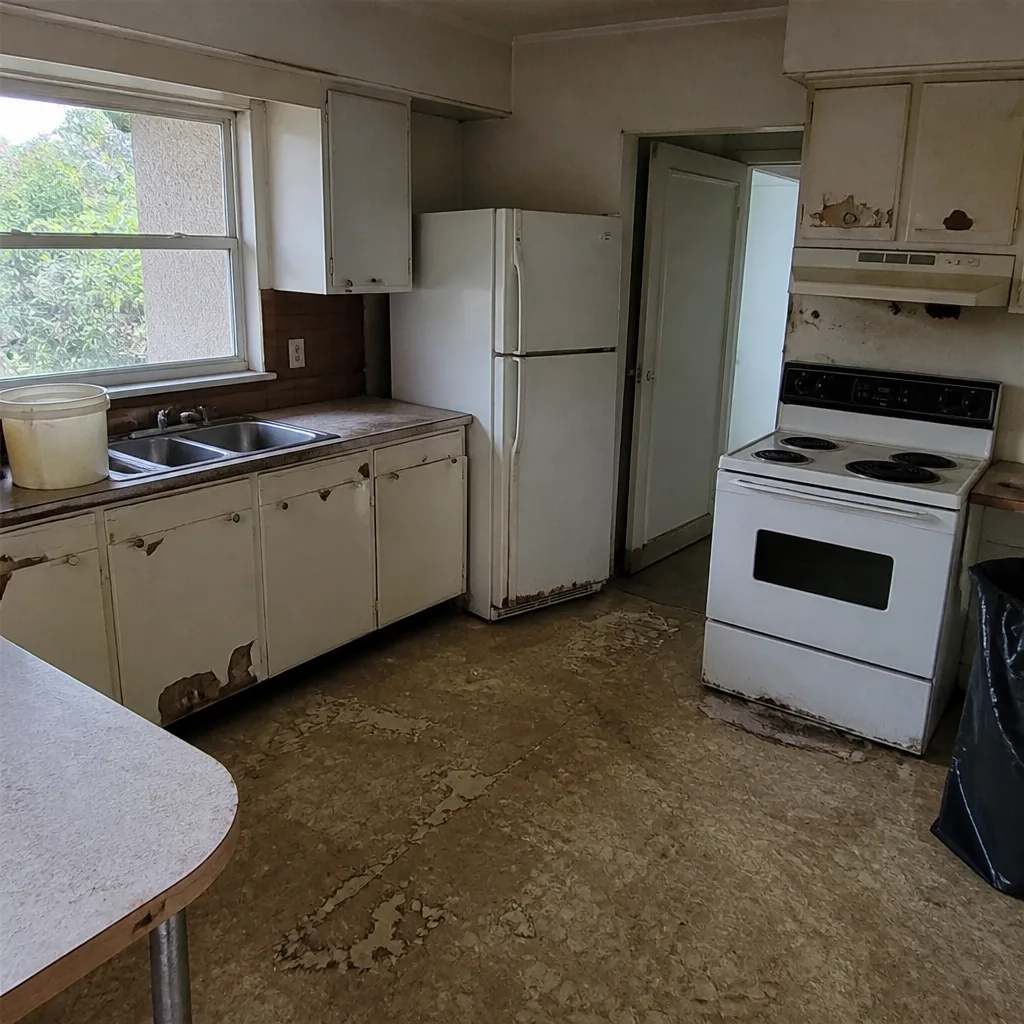
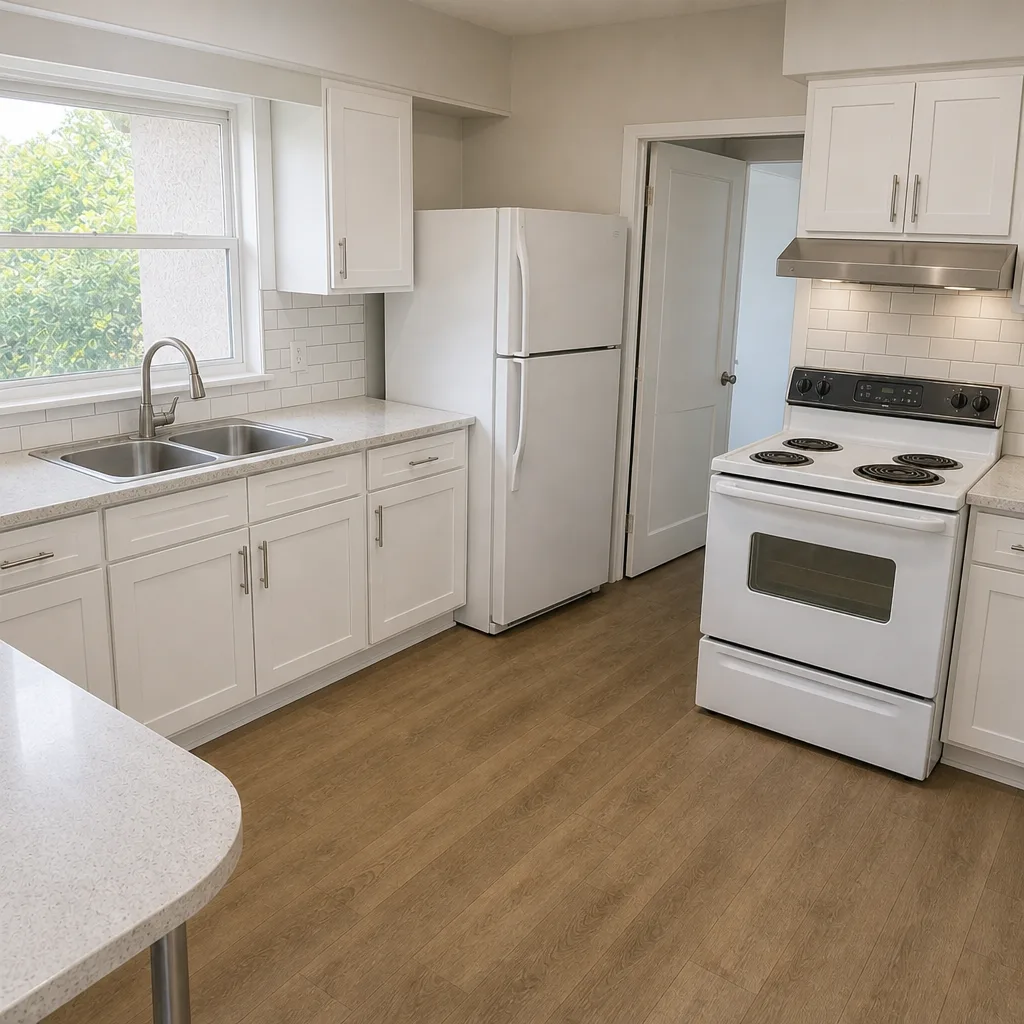
See the difference
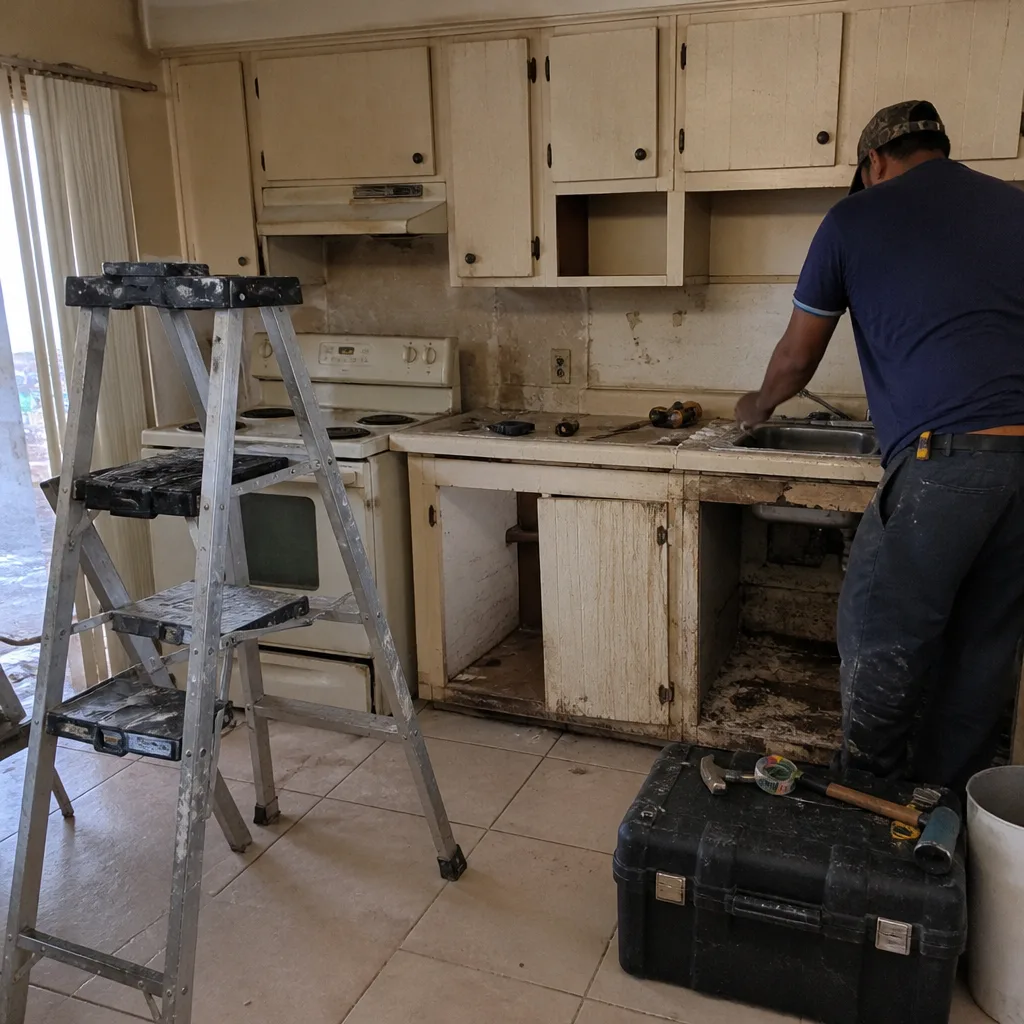 Before
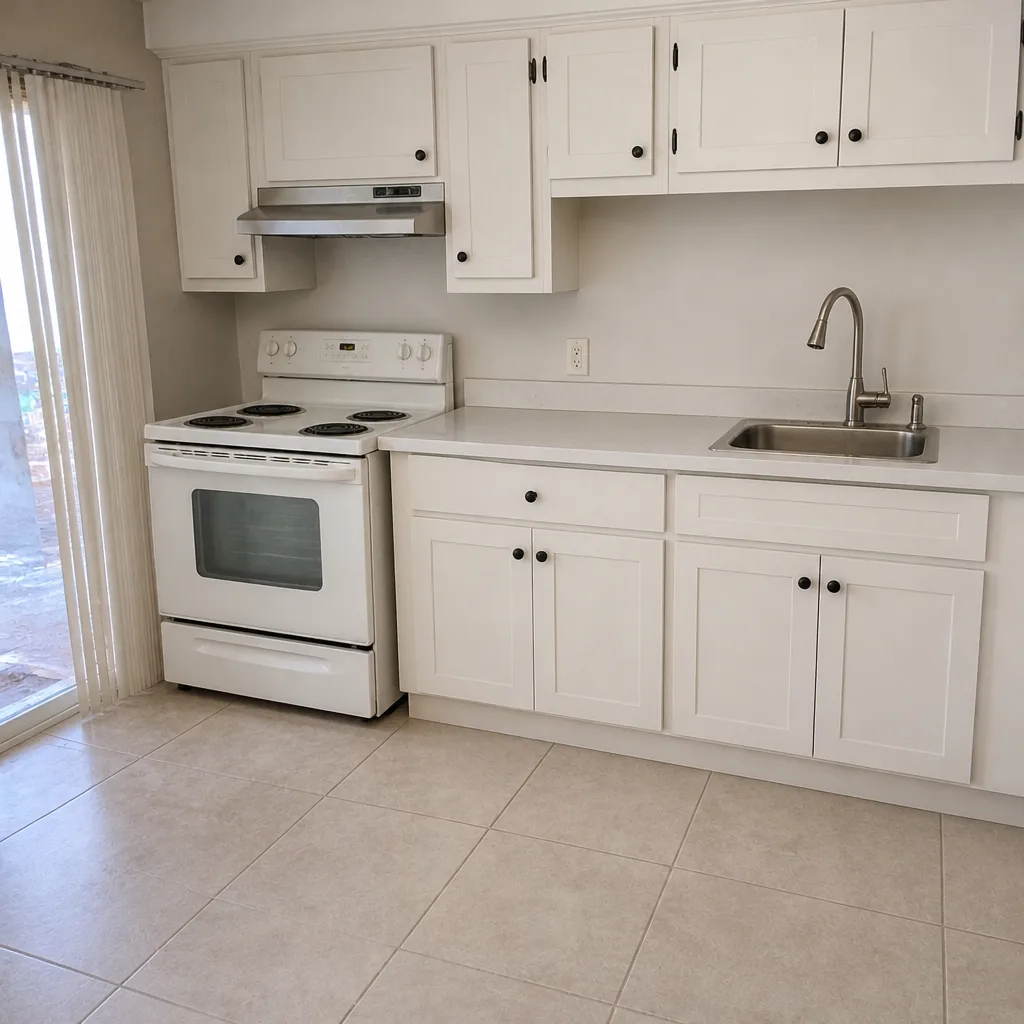 After
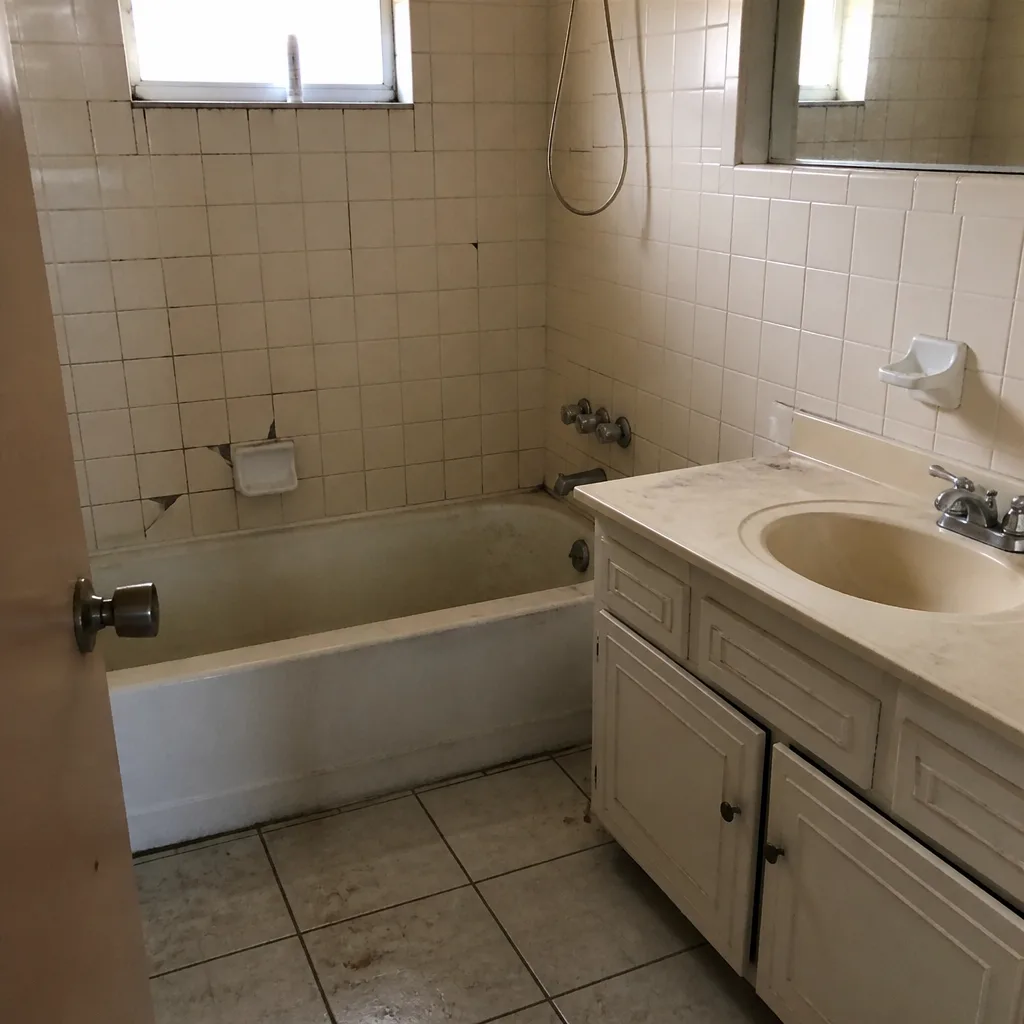 Before
 After
 Before
 After
When to Call a Professional
If you’re specifying products for a roof, window system, exterior door, addition or any assembly that touches HVHZ compliance, the decision is technical enough that guessing at it is expensive. You should call in a professional when the project requires an NOA-approved product and you can’t read your own contract to confirm one; when you’re choosing between two brand lines and can’t tell which has a Florida field record; when a warranty claim is on the table and you need someone to translate the exclusions; or when you simply don’t know what brand was installed on your home last time and need a professional assessment before you plan the next phase.
Groundwork Construction Co. of North Miami Beach offers free estimates in North Miami Beach – call (844) 797-4868 to schedule a walkthrough with someone who’ll write the brand spec into the contract in plain text. Calls are answered by a live person 24/7, not a voicemail.
Frequently Asked Questions
A Notice of Acceptance is Miami-Dade County’s approval document for products used in the HVHZ, confirming the product met specific wind, water and impact testing standards. It matters in North Miami Beach because the HVHZ requires it, so a product without a current NOA can stall a permit or fail inspection. Ask for the NOA number and verify it yourself before signing a contract.
Look for two pieces of evidence: an active HVHZ approval for the product line, and a field record in South Florida within the last few years. Ask the manufacturer’s local rep for a specific reference. If the brand can’t provide either, the national marketing tells you less than you’d think.
Yes, in three ways: pricing that holds the number quoted, availability that keeps the schedule, and a manufacturer relationship that supports warranty claims if something fails. The homeowner ends up paying the number they signed, on the schedule they planned, with an ally if the material goes bad. Call (844) 797-4868 for an exact quote – estimates are free.
Specify brand, product line, and model in writing in the contract. Ask for a delivery manifest. Photograph packaging at delivery. Request the manufacturer’s warranty registration in your name at completion. Those four steps catch most substitutions. A contractor who documents materials as a matter of routine won’t balk at any of them.
Roofing (especially fasteners and underlayment), impact windows and doors, and waterproofing and sealants. Kitchen and bath brand differences matter too, but they’re less climate-driven. Pavers and fencing round out the list of overlooked categories where salt resistance and color retention vary a lot between brands.
With upfront pricing, no – the number you see is the number you pay. That’s possible because brand relationships stabilize material cost and the spec is fixed in writing. If a contractor won’t commit to a fixed number and a specified brand, that’s a conversation about risk you should have before signing.
The Bottom Line
In North Miami Beach, brand choice is a technical decision, not a marketing one. The right brand holds the correct Miami-Dade NOA, has a documented field record in salt-air conditions, comes with a manufacturer who honors claims in Florida, and is specified and verified on your job site rather than left to the installer. The wrong brand looks identical at install and fails differently at year five. That’s true on roofs, windows, waterproofing, pavers and fences alike. Whether you’re planning a renovation, a roof replacement or an addition, choose the brand the way you’d choose the contractor – expecting it to hold up, in writing. We’ve been in business since 2014 and stand behind a 730-Day Done Right Promise, backed by brands we’ve chosen with care. Take the brand spec into the estimate conversation, and you’ll make a better call. For a free project estimate and design consult, call (844) 797-4868. The number you see is the number you pay, and you’ll hear a live person on the other end.
Written by the team at Groundwork Construction Co. of North Miami Beach.