Last updated November 17, 2026



Free written scope consultation - allowances, timeline, and change-order rules on paper before a single trade is scheduled
The Complete Fence Installation Guide for North Miami Beach Homeowners
Most fence failures in North Miami Beach don’t happen during the storm. They happen the summer before, quietly, underground. A post set 18 inches deep in sandy limestone fill wicks moisture, rusts through at the soil line, and by the time a Category 2 comes through, that fence panel is a 60-pound sail. Florida Building Code has wind-load requirements for residential fences. Plenty of installations around North Miami Beach still skip them, or apply them to the wrong exposure category. This guide covers what the code actually requires, which materials hold up to salt air and UV, how to clear setbacks and HOA approvals before a post goes in, and what each fence type really costs over ten years in this market.
Quick Answer
Fence installation in North Miami Beach typically runs $28 to $65 per linear foot installed, depending on material, and a standard 150-foot property line lands between $4,200 and $9,750. The two decisions that matter most are post footing depth (minimum 36 inches with a concrete collar in South Florida’s sandy soil) and wind-load compliance under the Florida Building Code, which most North Miami Beach projects require you to document at permit. Get those right and the fence survives storm season. Get them wrong and no material warranty will save you.
Styles & brands we work with
- Kitchen remodeling
- Bathroom remodeling
- Home additions & ADU
- Roofing
- Windows & doors
- Driveway & pavers
- Fence
Table of Contents
- Which Fence Materials Actually Work in South Florida
- Florida Building Code Wind-Load Requirements for Residential Fences
- Why Post Depth and Footing Diameter Decide Everything in Sandy Soil
- Setbacks, HOA Approval, and Neighbor Notification in North Miami Beach
- What Fence Installation Costs in North Miami Beach: A 10-Year Comparison
- The Installation Process, Step by Step
- Keeping a Fence Alive Through Salt Air, UV, and Hurricane Season
Which Fence Materials Actually Work in South Florida
South Florida puts a fence through four stress tests at once: salt-laden air, intense UV, year-round humidity, and wind events that spike above 130 mph in the design criteria for this part of Miami-Dade. Materials that perform beautifully in Arizona or the Carolinas fail here faster than their warranty language implies.
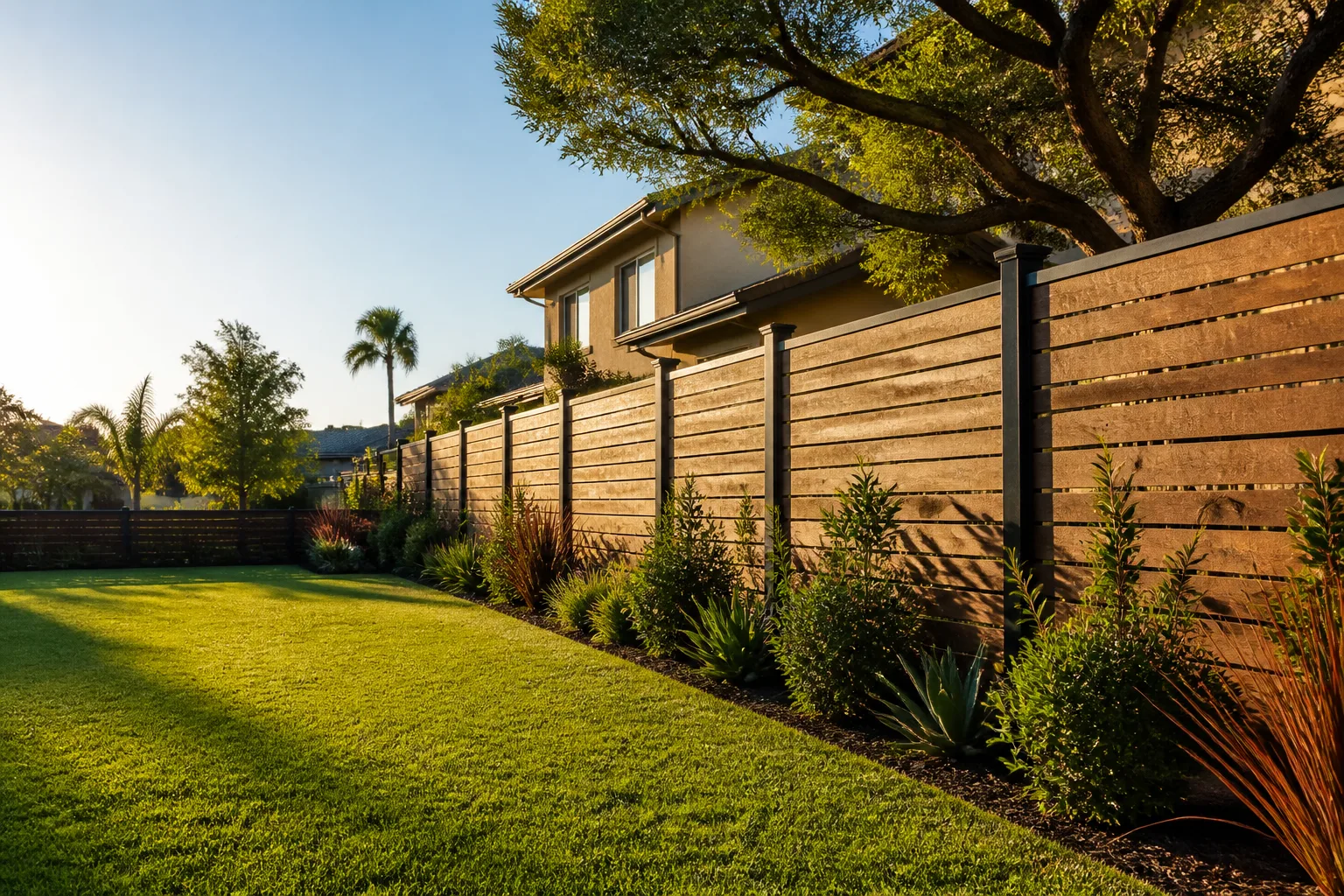
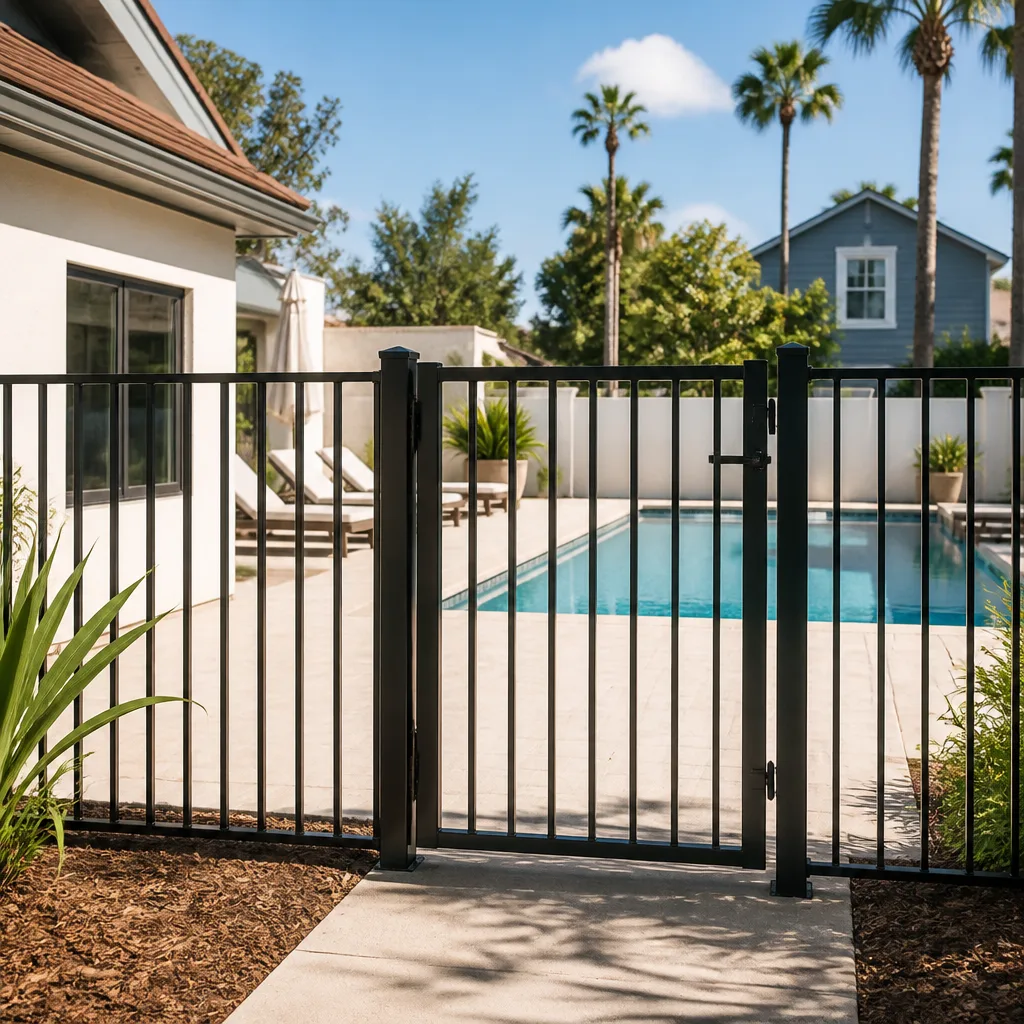
Aluminum is the most reliable choice in North Miami Beach. Powder-coated aluminum doesn’t rust, doesn’t absorb moisture, doesn’t feed termites, and handles wind load predictably because the panels are designed with open pickets that let air pass through. It costs more upfront than wood or chain link and less than a CBS block wall. Colors fade slowly under UV, and a quality powder coat holds its finish far longer than painted steel.
Vinyl works well when you buy a premium grade with UV stabilizers built into the extrusion. Cheap big-box vinyl turns chalky and brittle within four or five years in this climate. The tell is wall thickness and whether the manufacturer publishes a UV rating. Vinyl is also heavier and more solid than aluminum, which cuts privacy but increases wind load on the posts, so footing specs matter even more.
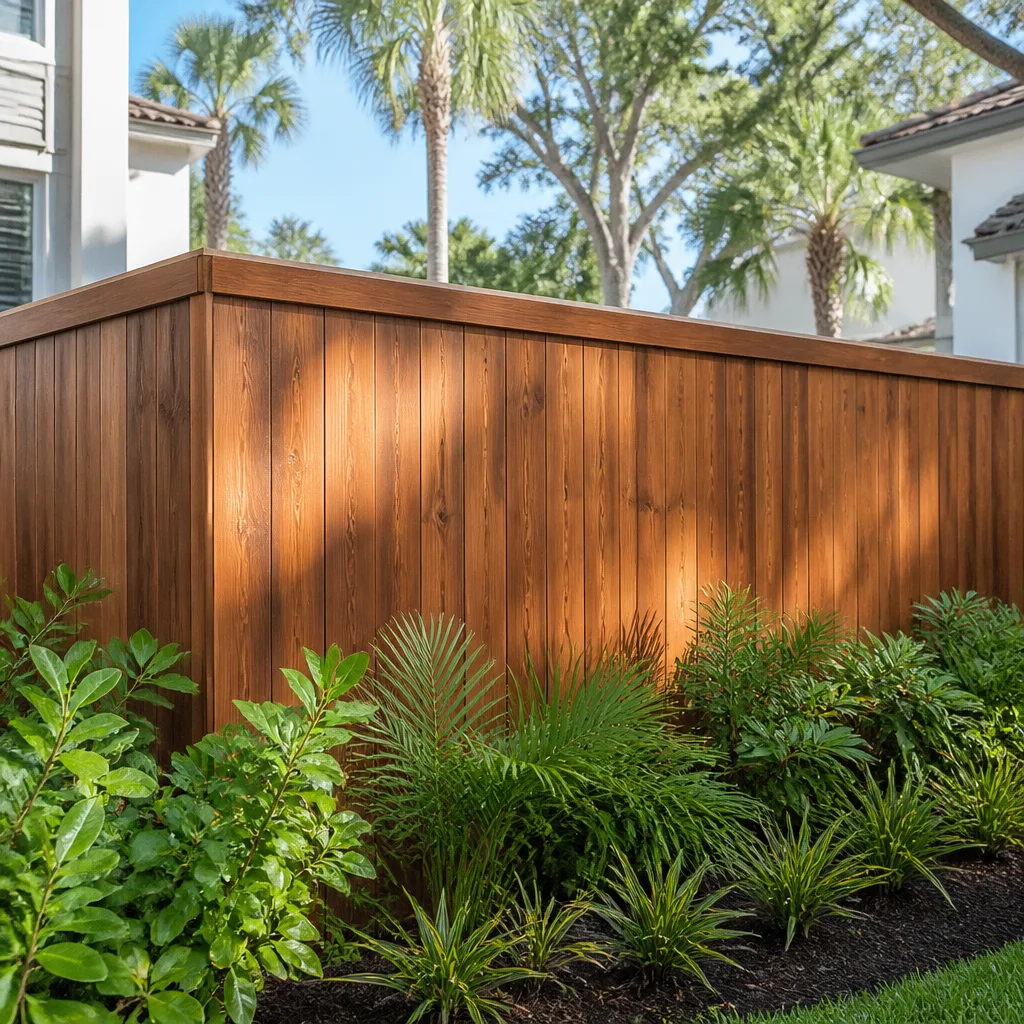
Pressure-treated wood is the material we see fail most often around North Miami Beach, and it’s rarely the wood’s fault. Pine rated for ground contact still absorbs moisture in this humidity, and termites in South Florida are aggressive. A treated wood fence that looks fine at year three often has soft posts by year six. When homeowners choose wood for the look, we spec marine-grade stainless fasteners and concrete-set posts, which extends the life considerably at a higher line-item cost.
Chain link is the cheapest per foot and the least attractive. Galvanized chain link in salt air corrodes at the coating seams; vinyl-coated chain link lasts longer. It’s a reasonable choice for a side yard or a rental property where budget leads.
CBS block wall is the most expensive and the most permanent. A block wall with a stucco finish matches the architecture of most North Miami Beach homes and handles wind and salt better than anything else on this list. It also requires proper permitting and engineering because a masonry wall is a structural element, not a fence panel. Expect the permit and inspection process to be more involved.
Florida Building Code Wind-Load Requirements for Residential Fences
Florida Building Code treats fences as structures subject to wind load, and Miami-Dade County sits in the highest wind zone in the state. A fence that isn’t designed for the wind pressure at its height will fail at the post, not the panel. The failure mode is usually a post pulled out of the ground with its concrete collar attached, which is why footing design and wind-load design are the same conversation.
What the code actually requires for a residential fence in North Miami Beach comes down to a few practical points:
- Design wind speed: Miami-Dade’s risk category for residential structures sets design wind speeds well above the rest of Florida. A fence must be engineered to the exposure category and height specific to its location, not a generic statewide number.
- Panel porosity: Solid panels (vinyl, wood, block) catch more wind than open panels (aluminum, chain link). A solid privacy fence needs closer post spacing and heavier footings to meet the same wind load.
- Post spacing and embedment: The two variables that most affect wind resistance. Wider spacing with shallow posts is the most common compliance failure we find.
- Permit documentation: Many North Miami Beach fence permits require either a product approval number (a Miami-Dade NOA, Notice of Acceptance) for manufactured fence systems or an engineer’s sealed drawings for site-built fences. Product approvals for manufactured systems spell out the maximum wind speed and post spacing for that product.
Manufactured aluminum and vinyl fence systems usually carry a Miami-Dade NOA, and the installation instructions attached to that approval are what an inspector will check. A crew that installs from memory instead of from the approval sheet is your first warning sign. If your contractor can’t produce the NOA number for the product they’re proposing, the permit is going to stall or the fence is going to get built to the wrong spec.
Why Post Depth and Footing Diameter Decide Everything in Sandy Soil
North Miami Beach sits on a mix of sandy soil and limestone that drains fast but holds poorly. A post set 24 inches deep in sand holds about as well as a post driven into a bucket of kitty litter. The soil gives way under lateral load, which is exactly what wind produces. Footing depth and diameter are not interchangeable with “we set them in concrete” – the dimensions are what matter.
The minimum specs that hold through storm season in this market:
- Depth: 36 inches minimum for a 6-foot fence, deeper for taller or solid-panel fences. Anything less is a bet against the next named storm.
- Diameter: A footing hole at least 3 times the post diameter. For a standard 4-inch post, that’s a 12-inch hole. Wider posts and solid panels need wider footings.
- Concrete: A full concrete pour, not a post set in dirt with a bag of quikrete dumped on top. The concrete collar needs to cure fully before the panel is hung, which means a two-day install is often a red flag.
- Drainage: The top of the footing should slope away from the post so water doesn’t pool at the base. In this climate, a post that holds water at its base rots or rusts from the inside out.
- Connection hardware: Stainless steel brackets and fasteners throughout. Galvanized hardware in salt air corrodes and fails at the connection, which is where the wind load concentrates.
We’ve opened up fences around North Miami Beach where the posts were set 18 inches deep with a partial concrete pour. They looked fine for two years. The third summer, a tropical storm pushed three panels over. The homeowner had a warranty from the installer, but the warranty only covered manufacturing defects, not installation failures. The repair was a full re-post, which cost more than the original install.
Setbacks, HOA Approval, and Neighbor Notification in North Miami Beach
Before a single post goes in the ground, you need to know where the fence can legally stand. North Miami Beach and Miami-Dade County both have setback rules for fence placement, and most residential neighborhoods here also have HOA covenants that are stricter than the city code. Skipping any one of these three layers is how fences get torn down after installation.
City setbacks. Fences are typically allowed up to the property line in rear and side yards, with restrictions in the front yard (often 3 to 4 feet back from the property line, with height limits that vary by corner lot status). Corner lots have additional sight-line setback rules at the intersection. Confirm the specific dimensions for your parcel with the city’s building department before you buy materials; the rules vary by zoning designation and lot type.
HOA approval. Most North Miami Beach neighborhoods with a homeowners association require architectural review committee approval before installation. That means a materials spec, a color sample, a height plan, and sometimes a platted survey showing property lines. The committee meets on a schedule, so approval can add several weeks to your timeline. Get the submission in before you sign a contract with an installer, because HOA rejections are common for color mismatches and non-approved materials.
Neighbor notification. In Florida, a fence on the property line is typically a shared boundary, and the law around shared boundary fences is more about good faith than a filing requirement. Practically, you want to talk to your neighbor before the crew arrives. A surveyor’s plat showing the actual property line protects you both, and it settles disputes about whose side the fence faces before they escalate. Many North Miami Beach properties have older surveys that no longer match the fence line, so order a new survey if there’s any doubt.
- Pull your plat survey and confirm the property lines.
- Check the city zoning code for your specific lot classification and front-yard setback.
- Submit HOA architectural review paperwork with material samples and a height plan.
- Talk to the adjacent property owners and agree on a shared boundary line.
- Apply for the fence permit with product approval or engineered drawings attached.
What Fence Installation Costs in North Miami Beach: A 10-Year Comparison
Fence pricing in North Miami Beach runs higher than most of the country because of material shipping, permit costs, and the deeper footings this market requires. Comparing materials by the sticker price per foot misses the picture. Ten-year total cost of ownership is the number that matters, because it accounts for repairs, replacement, and maintenance.
- Wood (pressure-treated pine): $28 to $38 per linear foot installed. A 150-foot run: $4,200 to $5,700. Ten-year cost including one full post repair and resealing: $6,500 to $9,000. Realistic lifespan in South Florida: 7 to 10 years.
- Chain link (vinyl-coated): $22 to $30 per linear foot. A 150-foot run: $3,300 to $4,500. Minimal maintenance, limited repair. Lifespan: 12 to 18 years. Least attractive finish.
- Vinyl (premium grade with UV stabilizers): $38 to $52 per linear foot. A 150-foot run: $5,700 to $7,800. Occasional panel replacement after a storm, minimal annual maintenance. Lifespan: 15 to 20 years.
- Aluminum (powder-coated): $42 to $58 per linear foot. A 150-foot run: $6,300 to $8,700. Near-zero annual maintenance, excellent wind performance. Lifespan: 20 to 30 years.
- CBS block wall (with stucco): $55 to $85 per linear foot. A 150-foot run: $8,250 to $12,750. No maintenance beyond occasional paint. Lifespan: effectively permanent, but any repair is a masonry job.
Add permit fees (typically a few hundred dollars, varying by city), a plat survey if you don’t have one ($400 to $700), and HOA review fees where applicable. Budget 10 to 15 percent over the base installation estimate for site-specific conditions like rock at footing depth or removal of an old fence.
Ten-year comparison, ranking by total cost of ownership for a 150-foot North Miami Beach property line:
- Aluminum: Highest upfront cost, lowest lifetime cost. Best wind performance, zero maintenance.
- CBS block wall: Highest upfront, effectively zero maintenance, but repair costs if something hits it are high.
- Vinyl: Middle upfront, moderate lifetime cost. Good balance if you want privacy and don’t want wood’s maintenance.
- Chain link: Lowest upfront, low lifetime cost, but you pay for it in appearance.
- Wood: Lowest upfront, highest lifetime cost because of repairs and resealing. The sticker price is a trap.
The Installation Process, Step by Step
A fence that survives a decade in North Miami Beach follows a specific sequence. Rushing any step is what creates a fence that needs re-posting at year three. Here’s what the process looks like from plat survey to final walkthrough.
- Survey and plan. Confirm property lines and get the plat survey in hand. Measure the run, account for gates, and mark the post locations.
- Permit and HOA approval. Submit the fence permit with the product approval number or sealed drawings. Complete HOA architectural review. Wait for both.
- Utility locates. Call 811 before digging. This is free and required; the last thing a fencing crew should hit is a buried irrigation line or a gas service.
- Remove the old fence. Pull the existing posts and panels. On older North Miami Beach properties, this step often turns up old footings that need to be broken out below grade.
- Set the footings. Dig to full depth (36 inches minimum for a 6-foot fence), pour the concrete collar, set the post plumb, and let the concrete cure for 24 to 48 hours before hanging panels. This is the step that’s most often skipped, and it’s the one that determines whether the fence survives a storm.
- Hang the panels and gates. Confirm post spacing against the product approval sheet. Set the gate hardware so it doesn’t sag under its own weight.
- Inspection and walkthrough. The city inspector checks footing depth and post spacing against the approved plan. Walk the fence with the crew to confirm the gate swings clean and the line is straight.
Most North Miami Beach fence installations take three to five working days of on-site labor, spread over a week or two once you factor in concrete cure time and permit scheduling. A crew that finishes a 150-foot fence in a single day is skipping cure time.
Keeping a Fence Alive Through Salt Air, UV, and Hurricane Season
North Miami Beach fences need less maintenance than fences in most of the country if they’re aluminum, and more if they’re wood. Here’s what the material choice means for the annual routine.
Aluminum: Rinse with fresh water a couple of times a year to clear salt deposits. Touch up scratches in the powder coat to prevent corrosion at the scratch line. Check post brackets each spring. That’s it.
Vinyl: Wash with a mild detergent once a year to prevent mildew in the shadow lines. Inspect panels for cracks after each storm and replace any panel that’s structurally compromised rather than patching it.
Wood: Reseal every two years in this climate, not every five. Check for post rot at the soil line each spring by probing with a screwdriver. Treat any soft spot immediately; a wood post can go from solid to structurally failed in a single wet season.
CBS block wall: Repaint every seven to ten years, and inspect the stucco after storms for hairline cracks. Seal any crack before moisture gets behind the finish.
Hurricane prep is its own routine. Before storm season, walk the fence line and check every post for movement. A post that rocks in its footing is already failing and should be re-set. Gates should be tied shut before a storm; a swinging gate is a battering ram at 100 mph. After a storm, check the connection points first, then the panels.
Common Mistakes to Avoid
- Setting posts too shallow. Eighteen to 24 inches is the most common failure we see around North Miami Beach. It works for two years and then fails the first named storm.
- Ignoring the product approval. If your fence system has a Miami-Dade NOA and the crew installs outside the approved post spacing, the inspection fails and the wind warranty is void. Ask for the NOA number before installation starts.
- Skipping the HOA submission. Installing a fence before architectural review approval is the fastest way to a removal order. Some North Miami Beach HOAs require color swatches on the submission, not just a description.
- Not ordering a survey. A fence on a neighbor’s property is a legal issue, not a construction one. A plat survey costs less than a dispute and settles the boundary question before anyone digs.
- Buying cheap vinyl. Big-box vinyl without UV stabilizers turns brittle and chalky in this climate within five years. The warranty rarely covers UV degradation, so read the fine print.
- Using galvanized fasteners in salt air. Galvanized hardware in coastal North Miami Beach corrodes at the bracket and the panel detaches. Stainless steel throughout is the only spec that lasts.
- Hanging panels the same day the footings are poured. Concrete needs to cure. A same-day install is a sign that the crew is rushing the footing cure, which is the single biggest predictor of post failure.
See the difference
 Before
 After
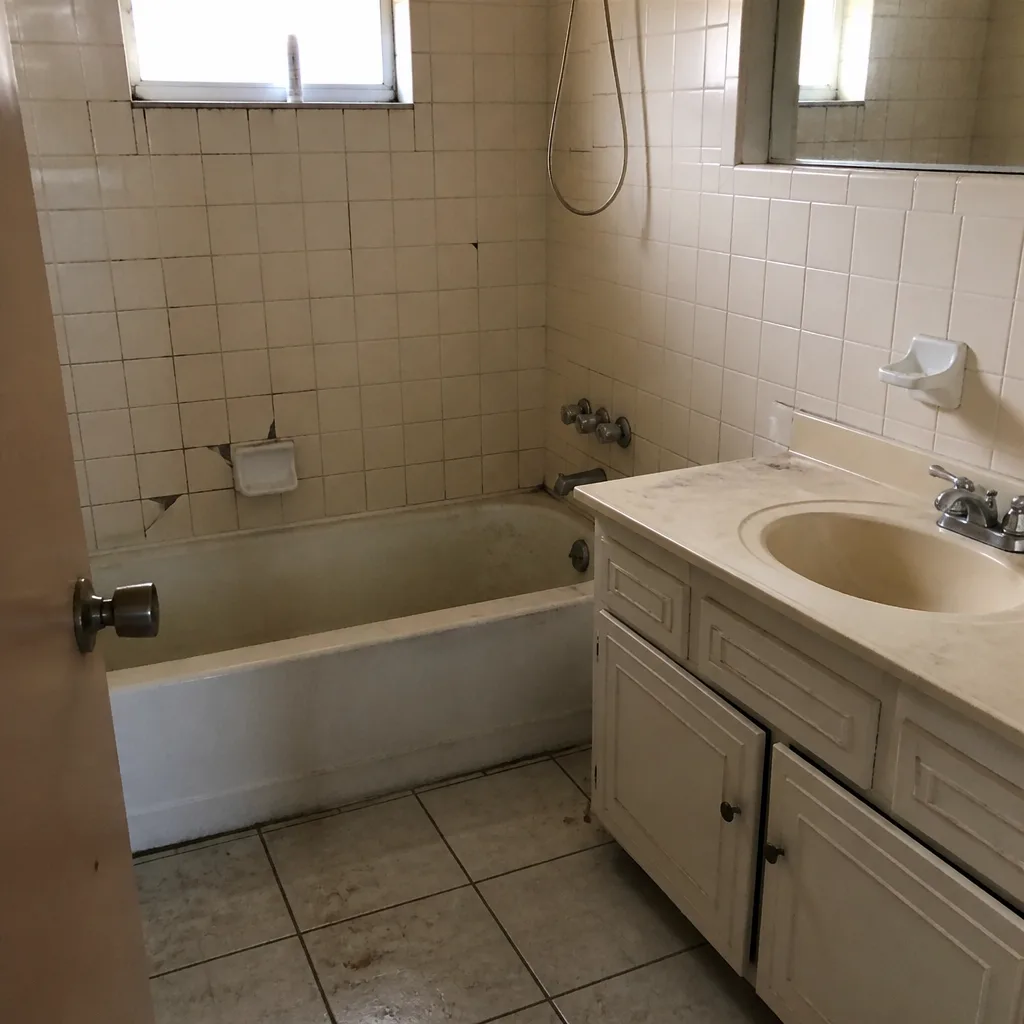 Before
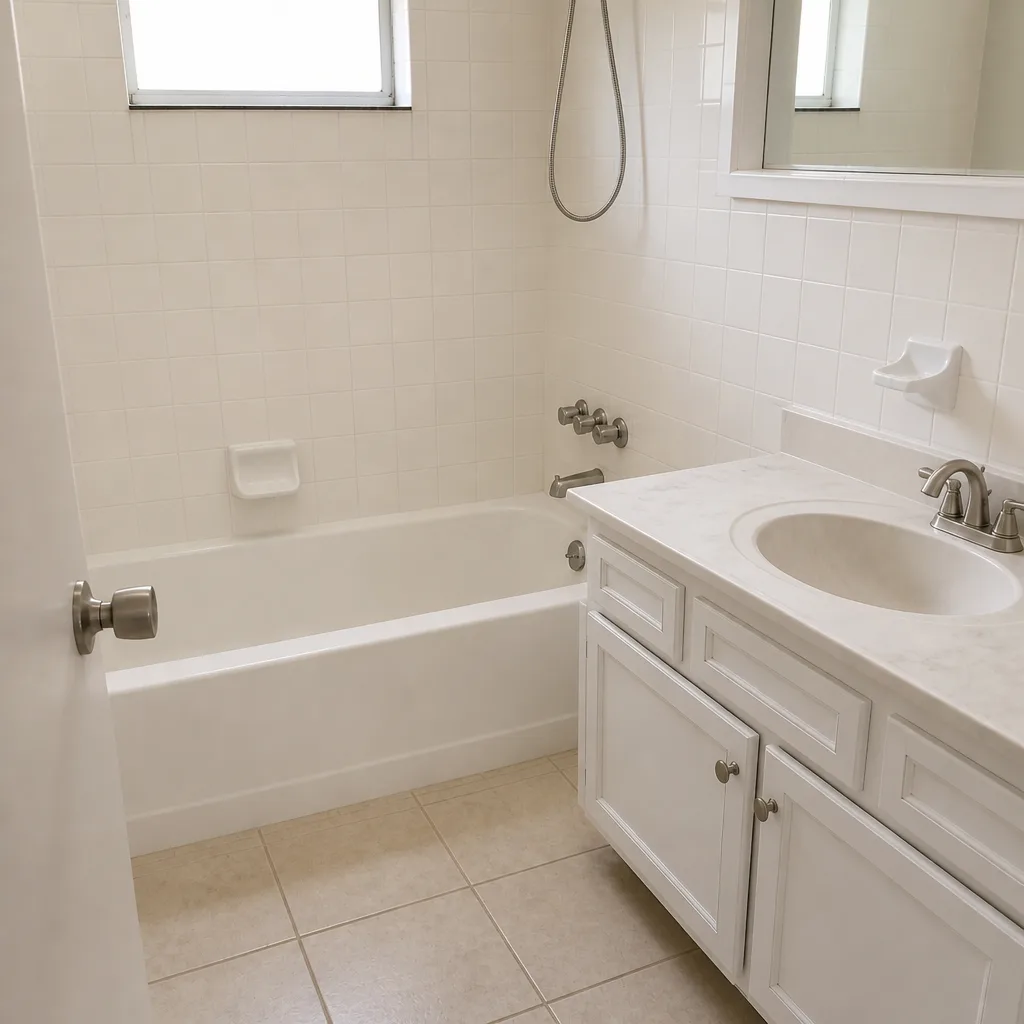 After
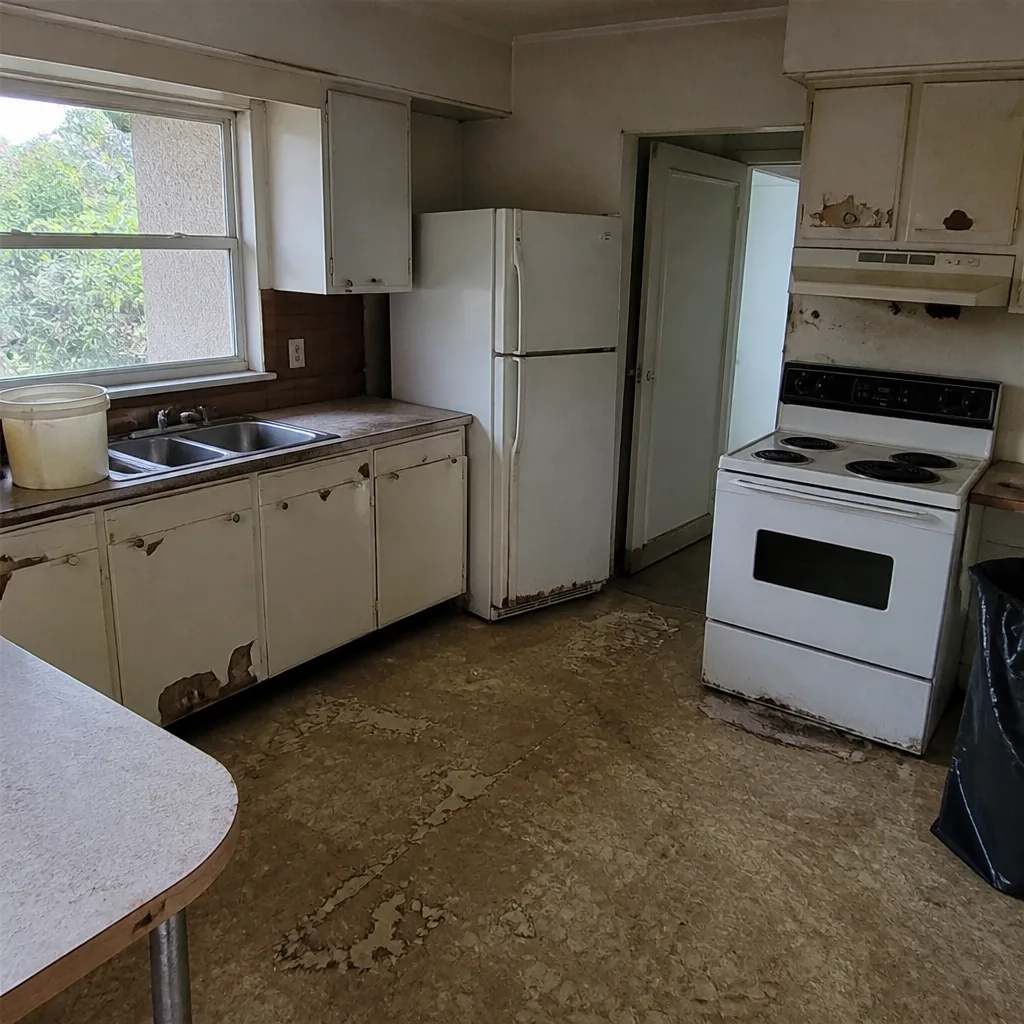 Before
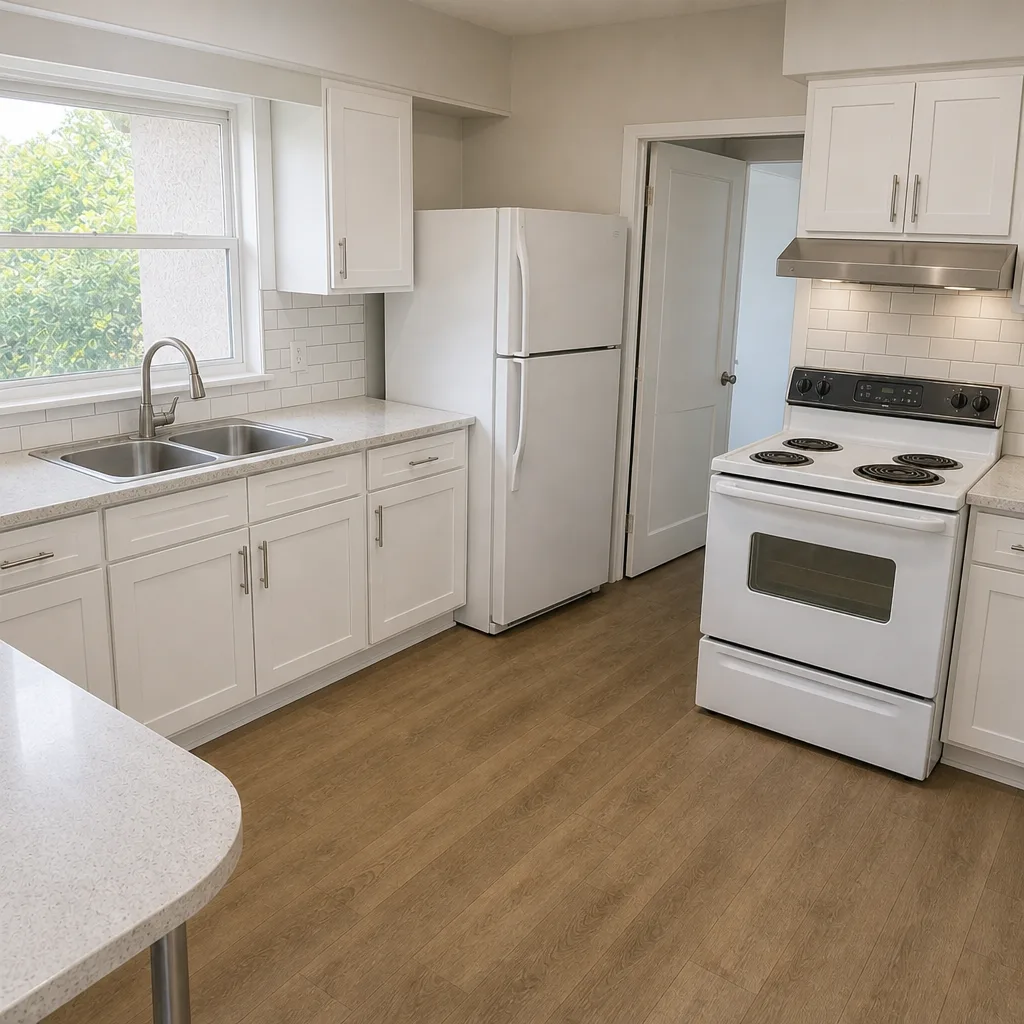 After
When to Call a Professional
Fence installation is not a weekend project in North Miami Beach. The combination of wind-load compliance, permit documentation, and footing depth means the installation is an engineering job as much as a carpentry one. Calling a professional makes sense when you need permit documentation and inspection passage, when the fence involves a property line dispute you want resolved cleanly, when your existing posts are failing or need removal at depth, when you’re dealing with a CBS block wall that has structural and stucco requirements, or when you’ve already had a fence fail in a storm and you want the replacement built to hold this time. A licensed contractor handles the survey coordination, the permit, and the NOA compliance on your behalf, and you get a warranty that actually means something. Groundwork Construction Co. of North Miami Beach offers free estimates in North Miami Beach. Call (844) 797-4868 to schedule your free estimate. Every project is covered by the 730-Day Done Right Promise, and our technicians have up to 12 years of experience with fence installation and site preparation in this market.
Frequently Asked Questions
Fence installation in North Miami Beach runs $28 to $65 per linear foot installed, and a 150-foot property line typically lands between $4,200 and $9,750. Aluminum and vinyl sit in the middle of that range, wood and chain link at the low end, and CBS block wall at the high end. Permit fees, a plat survey, and HOA review fees add a few hundred to around a thousand dollars depending on your lot. Call (844) 797-4868 for an exact quote on your property; estimates are free.
Most fence installations in North Miami Beach require a permit because the fence is a structure subject to wind-load requirements under the Florida Building Code. The permit needs either a product approval number for a manufactured fence system or sealed engineer drawings for a site-built fence, plus post spacing and footing details. A licensed contractor handles the permit application and inspection on your behalf. Call (844) 797-4868 and we’ll walk through what your specific project requires.
Powder-coated aluminum and CBS block walls hold up best to hurricanes in South Florida because they don’t absorb moisture, don’t rot, and can be specified to meet the wind-load requirements for this zone. Aluminum’s open picket design lets wind pass through, which reduces load on the posts. Solid-panel vinyl and wood are also viable when footings and post spacing are engineered for the wind load. The material matters less than the footing depth and the post spacing. Call (844) 797-4868 to talk through what works for your property.
Fence posts in North Miami Beach should go at least 36 inches deep for a 6-foot fence, with a footing hole at least 3 times the post diameter. Deeper is better for solid-panel fences and taller installations. Sandy soil here holds poorly under lateral load, so the footing depth and concrete collar are what keep the fence standing through a storm. A post set 18 inches deep will fail eventually, often within three years. Call (844) 797-4868 for an exact spec based on your fence type and run length; estimates are free.
You don’t need written permission by state law, but Florida treats a fence on a shared boundary as a shared fence, and talking to your neighbor before installation prevents disputes. Order a plat survey to confirm where the property line actually runs, share the fence plan with your neighbor, and agree on maintenance responsibility in writing if you can. Most fence disputes around North Miami Beach come from boundary confusion, not from the fence itself. Call (844) 797-4868 and we’ll help you coordinate the survey.
Yes. Groundwork Construction Co. handles fence installation in North Miami Beach from plat survey coordination and permit application to footing installation and final inspection. Our technicians have up to 12 years of experience with fence work in this climate, every project is covered by the 730-Day Done Right Promise, and calls are answered by a live person around the clock. Call (844) 797-4868 to schedule your free estimate and design consult.
If your project goes beyond the fence line, we also handle Fence Installation in North Miami Beach, Driveway & Pavers in North Miami Beach, and Home Additions & ADU in North Miami Beach as part of a full exterior plan.
The Bottom Line
Fence installation in North Miami Beach comes down to two engineering decisions and one paperwork decision. Footing depth (36 inches minimum with a full concrete collar), wind-load compliance under the Florida Building Code, and permit plus HOA approval before any digging. Get those right and the material choice is a budget and aesthetic question, not a durability one. Get them wrong and the fence fails at year three regardless of what material you bought. Aluminum and CBS block walls give the best ten-year cost of ownership in this market. Wood is the cheapest upfront and the most expensive over time. Call Groundwork Construction Co. at (844) 797-4868 for a free estimate, and we’ll put the right fence on your property line, backed in writing.
Written by the team at Groundwork Construction Co. of North Miami Beach.