Last updated November 17, 2026




Free written scope consultation - allowances, timeline, and change-order rules on paper before a single trade is scheduled
Home Additions & ADU Troubleshooting: Common Problems and How to Fix Them
If your new addition has a cracking wall, a damp floor, or an HVAC system that can’t keep up, there’s a 90% chance the cause traces back to something that was missed during the foundation phase or the permit drawings, not a random defect. Most people assume a bad break when problems show up in a finished addition. In our experience, the trouble was set in motion months earlier, during a step that got rushed, skipped, or never written into the plan. This guide connects the symptom you’re staring at to the root cause behind it, so you can stop treating problems and start solving them. We’ll walk through structural connections, water intrusion, electrical and plumbing tie-ins, and how to tell a warranty issue from a maintenance one, with notes drawn from additions and ADUs across North Miami Beach.
Quick Answer
Most home addition and ADU problems trace to three phases: an improperly tied structural connection between new and old construction, waterproofing and drainage flaws that appear under South Florida’s rain and humidity, and undersized electrical or plumbing systems inherited from an older home. Wall cracks, damp floors, uneven floors, and HVAC failure are symptoms, not root causes. Fixing the symptom without correcting the phase it came from means the problem returns.
Styles & brands we work with
- Kitchen remodeling
- Bathroom remodeling
- Home additions & ADU
- Roofing
- Windows & doors
- Driveway & pavers
- Fence
Table of Contents
- Symptom-to-Cause Map: What Your Addition Is Telling You
- The Structural Connection Point: Where Most Problems Start
- Waterproofing Failures in South Florida’s Climate
- Uneven Floors and Wall Cracks: Diagnosis and Repair
- Electrical and Plumbing Integration When You Add Square Footage
- HVAC Problems: Why the New Space Never Gets Comfortable
- Permit, Inspection, and Code Compliance Problems
- Warranty, Maintenance, or Code: A Decision Framework
Symptom-to-Cause Map: What Your Addition Is Telling You
Before you call anyone, figure out which symptom you’re dealing with and where it usually points. The pattern matters more than the single blemish. A hairline crack above a doorway is routine settling. A stair-step crack in the block wall where the addition meets the original house is a different story. In North Miami Beach, where the soil is sandy and the water table runs high, movement and moisture show up faster than they do on higher, drier ground inland.
Map the symptom before you call
- Cracks where the new addition meets the original house: almost always a connection or footing issue, not the plaster.
- Damp floor slabs or a musty smell in the new room: a waterproofing or slab moisture barrier failure.
- Uneven or springy floors: undersized joists, inadequate subfloor, or a failed transition at the tie-in.
- HVAC that can’t keep the addition cool: a system sized for the original square footage, never upgraded.
- Breakers tripping when the new room is in use: an electrical panel carrying more load than it was built for.
- Slow drains or low water pressure in the new bathroom: undersized supply lines or a slope problem in the new drain run.
Write down when each symptom started and whether it’s getting worse. That timeline is worth more to a contractor than a photo alone. A crack that appeared in the first six months behaves differently from one that showed up three years later. In North Miami Beach, we regularly see dampness complaints spike after the summer rainy season, which tells you the cause was there all along and only became visible under load.
The second thing to establish is who did what. If your blueprint called for a specific tie-in detail at the connection and it wasn’t built that way, that’s a construction problem, not wear and tear. Knowing that difference now will save you an argument later. If you’re still in the planning stage and want the scope defined correctly from the start, our Home Additions & ADU in North Miami Beach page covers how we structure the work.
The Structural Connection Point: Where Most Problems Start
The joint where new construction ties into an existing house is the single most common long-term problem in an addition. This is the seam every flaw travels through. Old and new foundations settle at different rates, and if the two aren’t mechanically connected, the seam opens, water gets in, and cracks spread from that line outward. A proper connection makes the addition behave as one structure. A poor one leaves two structures fighting each other.
What a correct connection looks like
- Footings designed for both structures. The new footing has to account for the existing load and the soil conditions at the site, not just the new square footage.
- Mechanical ties at the wall and roof seam. Anchors, straps, and properly lapped reinforcement transfer movement across the joint instead of concentrating it.
- A slip or control joint where movement is expected. Some seams are designed to move slightly. Hiding that joint under a thin skim coat guarantees a crack.
- Roof and wall flashing tied into the existing envelope. The structural seam and the waterproofing seam are two halves of the same job.
Here’s the part most people miss: a connection built fine but never inspected can still be wrong. If the tie-in detail was buried in the pour before an inspector saw it, nobody knows whether it was done correctly. Today’s repair may require exposing that joint to confirm. That sounds invasive, and sometimes it is, but diagnosing a recurring crack from the surface alone is guesswork.
In North Miami Beach, high water tables add pressure to the equation. A footing that would be fine on dry ground can be undermined when the water table rises, and the seam is where that movement shows first. When we look at a failing connection, we check the footing, the ties, and the flashing before anyone touches the plaster. It’s the only order that makes sense. Fixing the visible crack without the underlying connection just resets the clock.
Waterproofing Failures in South Florida’s Climate
Waterproofing failure looks different in North Miami Beach than it does almost anywhere else. Between the summer storm season, the near-constant humidity, and the driving rain that finds every seam, an addition here has to shed water aggressively. A detail that keeps an inland house dry can fail here. The humidity means water that gets behind a wall doesn’t dry out quickly, so small leaks turn into mold and rot before you notice.
How South Florida waterproofing fails
- Water pooling against the new foundation. Grading was never adjusted to the new structure, so water drains toward the addition instead of away.
- Failed flashing at the roof-to-wall seam. The most common leak point on any addition, and the first thing to check when a ceiling stain appears.
- A missing or damaged vapor barrier under the slab. Traps ground moisture under the new floor, showing as damp concrete and a musty smell.
- Stucco and weather barrier gaps. Stucco over a missing drainage plane lets water sit against the sheathing, which is a slow rot issue in this climate.
- Clogged or undersized gutters and downspouts. North Miami Beach’s rain volume overwhelms a system added to the old roof without being sized for the new square footage.
Sealant or professional repair?
Caulk and sealant fix maintenance-level gaps: a hairline at a window frame, a penny-sized seam at a corner. They don’t fix waterproofing that was installed wrong. If you’re re-caulking the same seam every year, or if water shows up on an interior surface after a heavy rain, the problem is behind the finish, and sealant will only hide it until the next storm. That’s a professional call, not a Saturday project. In North Miami Beach, standing water at the base of an addition after a downpour is the clearest early warning you’ll get, and it’s worth acting on before the damage spreads inward.
Uneven Floors and Wall Cracks: Diagnosis and Repair
Uneven floors in a new addition usually trace to one of three things: undersized floor framing, an inadequate subfloor at the transition, or a foundation settlement issue. A springy floor that bounces underfoot signals framing that’s over-spanned. A floor that slopes toward one corner points to settlement and should be checked before you assume it’s cosmetic. The transition strip at the doorway between old and new is a useful tell. If it’s started to rock or the gap won’t stay filled, the two floors are moving independently.
Cracks are the most misread symptom in home additions. Not every crack is a problem. Here’s how to sort them:
- Hairline cracks under 1/16 inch: typically normal curing and seasonal movement. Note them and watch.
- Diagonal cracks from a door or window corner: can be normal settling or the start of a framing issue. Worth a look if they keep widening.
- Stair-step cracks in block walls: often follow the mortar joints where a footing is moving or a tie-in is deficient. Have this evaluated.
- Horizontal cracks in a wall: the one to take seriously. These can indicate structural pressure and shouldn’t wait.
- Cracks that return after patching: the cause was never addressed, so the repair only bought time.
The measurement test you can do yourself
- Mark both ends of a crack with a pencil and note the date.
- Measure the width at its widest point and write it down.
- Check again in 30 days and compare.
- A stable crack can be monitored. One that’s actively widening needs a professional inspection now.
In North Miami Beach, additions on older lots sometimes sit on fill soil that was never compacted to today’s standard. That soft ground is why a floor can settle years after the build. We’ve seen new ADUs on reused lots where the slab told the whole story, so we check the site history before anyone touches a floor.
Electrical and Plumbing Integration When You Add Square Footage
Adding square footage strains the systems of the original house, and the strain doesn’t show up all at once. An electrical panel built for a smaller home hits its limit when a new kitchen, bathroom, laundry, and HVAC all tie in. A plumbing supply line sized for the old fixtures can’t push enough water to the new bathroom at the far end of the addition. These are planning failures, not equipment failures, and they’re among the most common problems we’re called to sort out.
Electrical integration problems
- Panel capacity exceeded. A new air handler, water heater, and kitchen circuit can max out a panel that was already full. The fix isn’t a bigger breaker; it’s a load calculation and often a panel upgrade.
- Undersized service. The incoming electrical service may need upgrading to carry the new load safely.
- Improperly bonded grounding. In South Florida, grounding matters for storm resilience, and a substandard tie-in is a safety issue.
Plumbing integration problems
- Undersized supply lines cause low pressure at fixtures farthest from the source.
- Drain slope errors on a long new run. Too flat and it clogs; too steep and it drains too fast to clear waste.
- Old pipes meeting new. A new bathroom tied into aging galvanized or old pipe often inherits the old pipe’s problems.
- Vent stack deficiencies. Fixtures that gurgle or drain slowly usually point to a venting problem, not a clog.
The core point is that adding a room adds load to everything upstream of it. A thorough plan includes a load calculation for the electrical system and a flow and slope check for the plumbing, and both should be reviewed by a licensed trade before the walls close. If your home also needs exterior work on the same property, coordinating it through one contractor keeps the site and the timeline sane, which is why some North Miami Beach homeowners pair a project with our Driveway & Pavers in North Miami Beach work while the crew is already on site.
HVAC Problems: Why the New Space Never Gets Comfortable
An addition that never quite cools is usually fed by an HVAC system that was sized for the original house and never recalculated. This is the most predictable failure we see. The new room sits at the end of a duct run, the air handler runs longer and longer, and the room stays warm. Nobody did the manual load calculation for the new square footage, so the system was never in the running.
There’s a second, less obvious reason, and it’s a big one in North Miami Beach: a poorly sealed addition leaks humid outside air. When the outer envelope isn’t air-sealed properly, the air conditioner fights the incoming humidity instead of the heat, and comfort never arrives no matter how long the unit runs. This shows up as a room that feels clammy even when the thermostat says it’s cool.
How to diagnose the cause
- Check whether the new room has its own returns or shares the old system. A single return in an old hallway often can’t pull air through a new room.
- Test the air at a supply register. Weak flow at the new room’s register points to duct sizing, not the unit.
- Look for gaps in the envelope. Openings around outlets, poorly sealed windows, and gaps at the connection seam let humidity in.
- Confirm the system was sized for the total new square footage. If the unit was never recalculated, stop there. That’s the answer.
Before you replace the air conditioner, find out whether the problem is the equipment or the envelope. Swapping a unit onto a leaky addition just wastes money on a bigger machine. In our experience, the fix is usually a combination of sealing the outer envelope, re-balancing or extending ductwork, and confirming the load is covered. That’s a coordinated trade job, and it’s worth getting right the first time.
Permit, Inspection, and Code Compliance Problems
A permit problem in an addition often stays invisible for years, and then it surfaces at the worst possible moment: when you sell, refinance, or file an insurance claim. Work done without the required permits can be flagged, and an unpermitted addition may need to be brought up to current code, inspected, and documented. In North Miami Beach, where building officials enforce Florida building code along with local requirements, the paper trail matters as much as the concrete.
Signs your addition may have a permitting issue
- No permit records on file for the addition at the building department.
- Inspection sign-offs missing for key phases like foundation, framing, and final.
- Alterations that don’t match the approved drawings. A rough inspection sheet that lists one layout while the house shows another is a red flag.
- Closing without a final inspection. Some projects slip past that last step, and the addition looks finished while the permit stays open.
Resolving a permitting problem
- Pull the permit history from the local building department and see what was approved and inspected.
- Compare the record to the actual build. Note any differences in layout, structure, or systems.
- Get a licensed review of the work against current code before you open a correction permit.
- Complete the corrections and pass inspection so the record closes properly.
If a project you’re planning is in North Miami Beach, do the permitting right from the start. Our Groundwork Construction Co. of North Miami Beach home page and our Home Additions & ADU in North Miami Beach service cover how we handle permits and inspections as part of the scope, so the record stays clean.
Warranty, Maintenance, or Code: A Decision Framework
Every problem in an addition falls into one of three buckets, and putting it in the right one determines who pays and who fixes it. Get this wrong and you either chase a contractor for work that’s actually yours to maintain, or you pay out of pocket for a defect that should have been covered. Here’s how to sort it.
The three-way test
- Warranty issue: a defect in the work itself, meaning a connection, waterproofing detail, or installation that failed to perform as built. It doesn’t go away with cleaning or maintenance, and it often shows up as the same symptom returning after a repair.
- Maintenance issue: normal wear and exposure that every home sees. A clogged gutter, a sealant joint that aged out, a filter that never got changed. These are routine owner tasks, not defects.
- Code compliance issue: work that doesn’t meet the code in force, permitted or not, and needs a correction permit and inspection to resolve.
How to classify your problem
- Check the original scope and warranty language. Confirm what was promised in writing before you assume coverage.
- Compare the symptom to the build sequence. A problem that traces to a skipped step is a defect, not wear.
- Look for a pattern. The same symptom after a repair means the root cause is still there. That’s a warranty conversation.
- Check whether the work should have been inspected. If permits and inspections were skipped, you may be facing a code correction regardless of warranty.
A written workmanship guarantee is what makes this framework usable. Our 730-Day Done Right Promise exists for exactly this reason: if a defect in our work surfaces, we make it right, and the terms are in writing so you’re not arguing from memory. Having that in hand is the difference between a fix and a fight. If your project is in North Miami Beach and you plan to add on, our Fence Installation in North Miami Beach work and the other services on our site follow the same written-guarantee approach, which keeps the whole property’s records consistent.
Common Mistakes to Avoid
Most of the costly problems we’re called to fix started as one of these mistakes. Every one is avoidable with a slower, better-documented start.
- Skipping or rushing the tie-in detail. The connection between new and old construction is the joint every future problem travels through. Cut a corner there and you’ll see it in the walls for years.
- Building before the drawings are complete. Starting without a full set of drawings means systems and details get decided in the field by whoever’s on site that day. That’s how load calculations get skipped.
- Assuming the old electrical panel and plumbing can handle the new load. A new bathroom, kitchen, and HVAC add up. Confirm the capacity with a load calculation and flow check first.
- Ignoring South Florida’s drainage and humidity realities. Grading, flashing, and a vapor barrier get designed for this climate, not a drier one. An inland detail can fail here.
- Treating a repeat crack as cosmetic. A crack that returns after patching is telling you the cause was never fixed. Re-caulking it hides it until the next buyer asks.
- Letting inspections slide. A final inspection that never happened leaves an open permit that can stall a sale or a refinance years later. Close the record.
- Choosing on price alone. The cheapest bid is usually cheap somewhere specific, and the gap tends to be in the steps you can’t see after the job is done. Ask what’s included and what’s excluded in writing.
See the difference
 Before
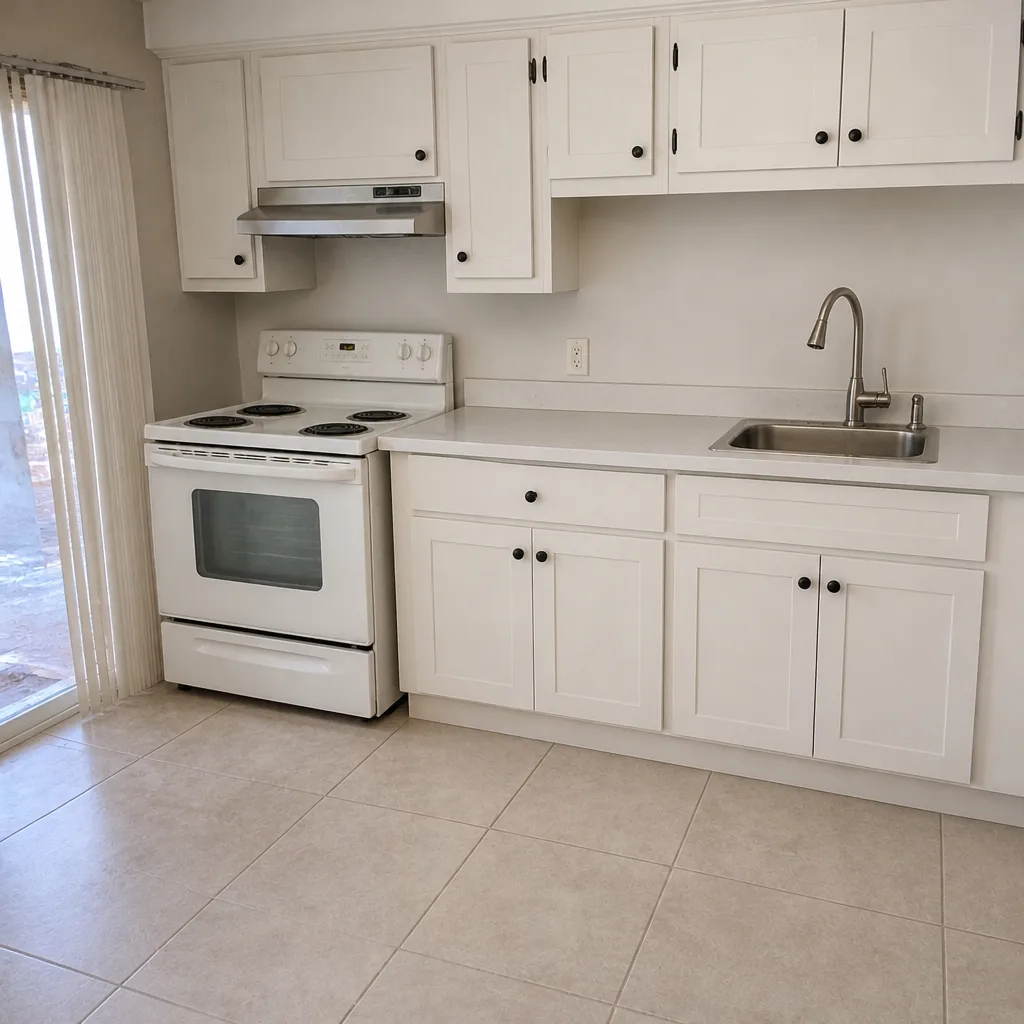 After
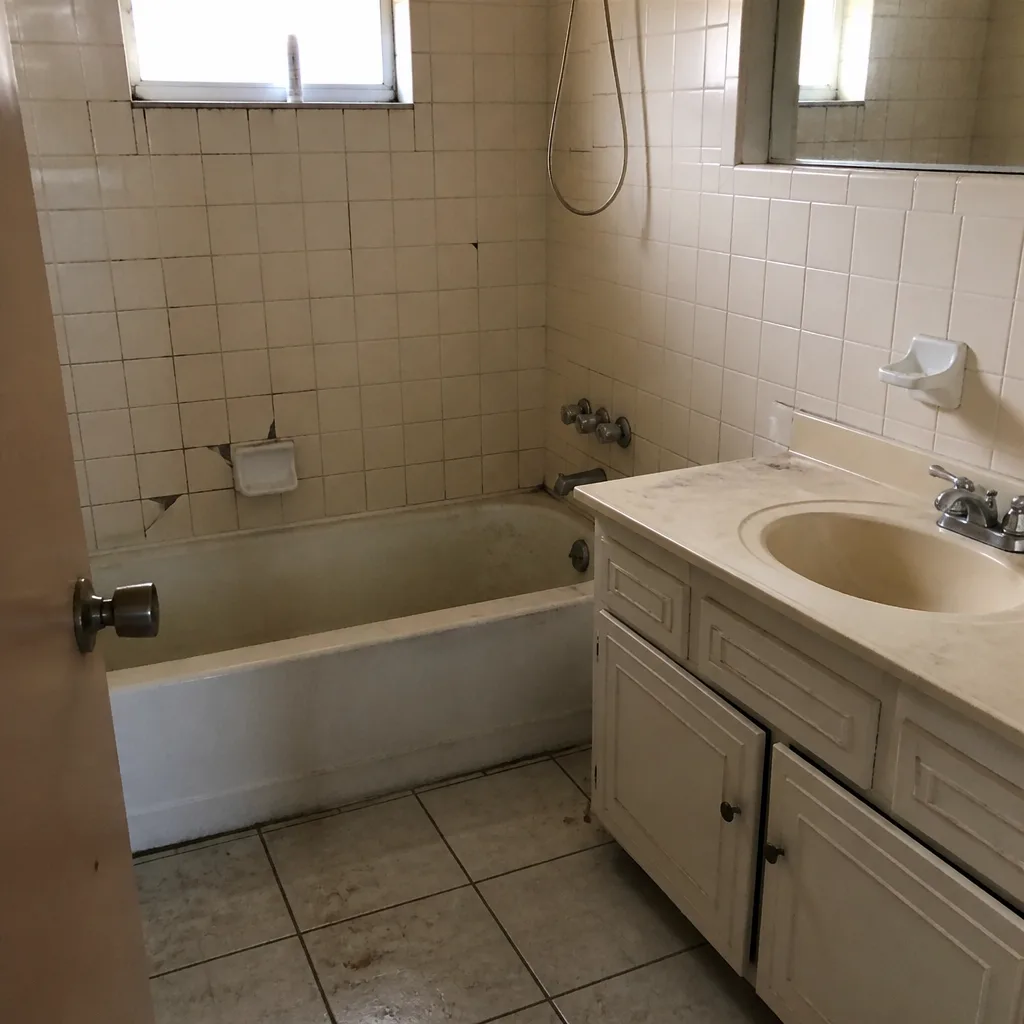 Before
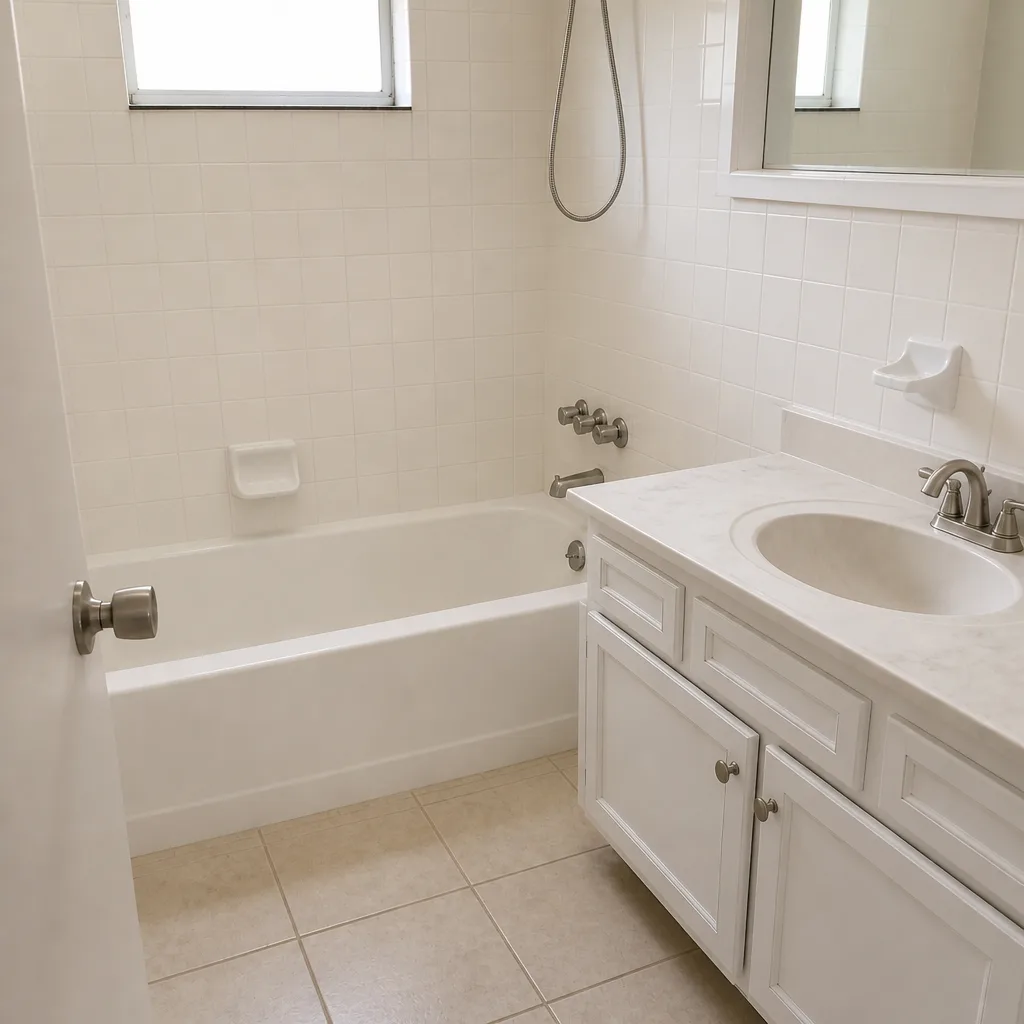 After
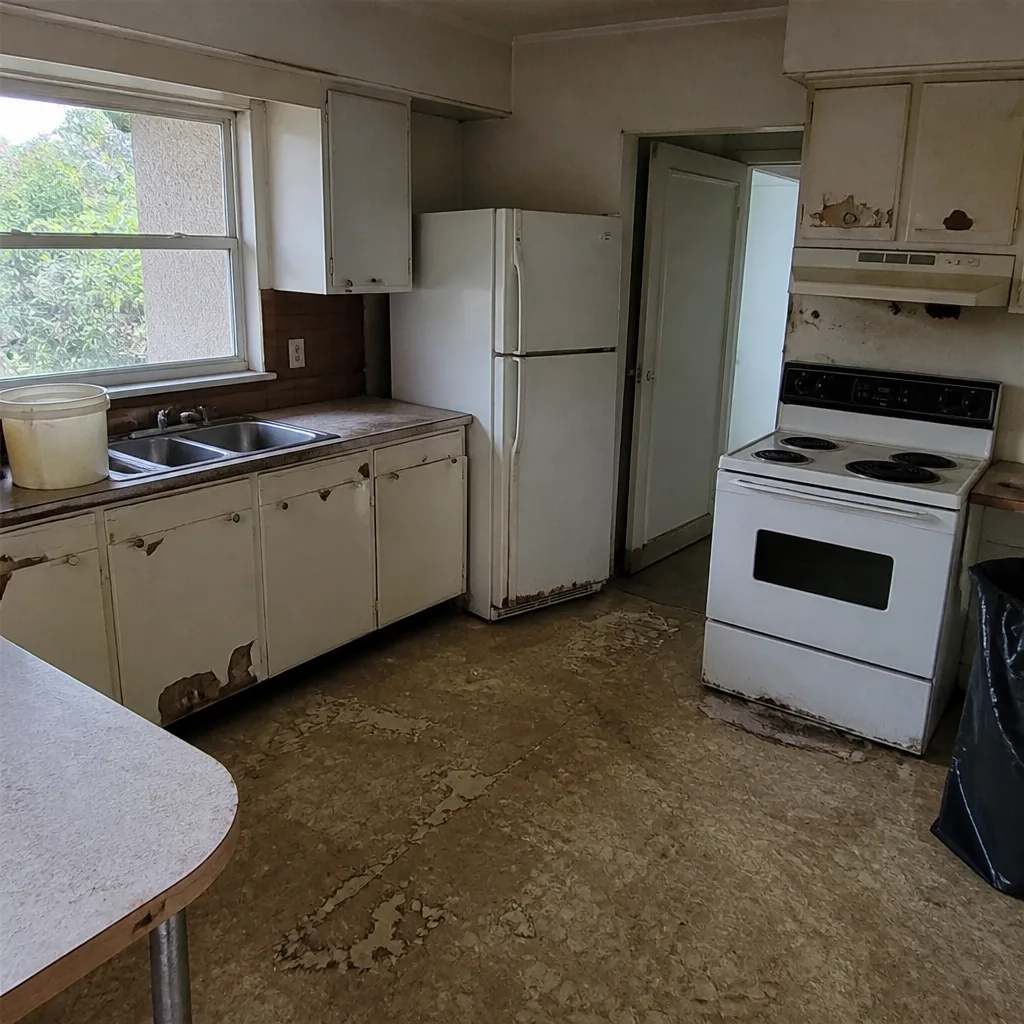 Before
 After
When to Call a Professional
Some problems are maintenance you can handle with a ladder and a tube of sealant. Others need a trained eye now. Call a professional if you see a horizontal crack or a stair-step crack in block, water showing up on an interior surface after rain, a floor that slopes or bounces, a system that trips breakers or won’t keep up, or any sign of mold in the new space. These are the symptoms where waiting only raises the cost. For warranty, code, or structural questions, bring in a licensed contractor who’ll put the answer and the terms in writing. Groundwork Construction Co. of North Miami Beach offers free estimates in North Miami Beach, and every project carries our 730-Day Done Right Promise. Call (844) 797-4868 to schedule yours.
Frequently Asked Questions

There’s no single price, because the cost is driven entirely by the root cause. A waterproofing correction and re-flashing job is a small scope. A foundation or tie-in repair that requires exposing the connection is a larger one, and a code correction that needs a permit and inspections falls between them. Written line-item estimates are the only way to know before work begins, and we provide them for free. Call (844) 797-4868 for an exact quote.
Cracks at the seam between new and old construction almost always point to a structural connection problem. The two structures are settling at different rates, or the ties that should hold them together were never built as drawn. A crack that appears there and keeps widening needs a professional inspection, not a coat of patching compound. Call (844) 797-4868 to have it evaluated.
A slab that stays damp in dry weather usually means the vapor barrier under the slab is missing, damaged, or was never installed. Ground moisture wicks up through the concrete and shows as damp floor and a musty smell long before anything visible grows. This is a waterproofing problem under the finish, and no amount of surface treatment solves it.
Structural repairs, electrical and plumbing changes, and any correction of code issues generally require permits in North Miami Beach, and the work needs to be inspected. Cosmetic patching may not. The right move is to confirm with the building department before work starts, and to hire a contractor who pulls permits as part of the scope. Call (844) 797-4868 for a permit-inclusive estimate.
A warranty issue is a defect in the work itself, like a tie-in that failed to perform, a waterproofing detail that was installed wrong, or a system that was never sized for the addition. Maintenance is routine exposure, like a gutter that clogged or a sealant joint that aged out. If the same symptom returns after a repair, that’s usually a defect, and it belongs in the warranty conversation. Call (844) 797-4868 and we’ll look at it under our 730-Day Done Right Promise.
Usually not. A new room that won’t cool is most often the result of an HVAC system never resized for the added square footage, weak airflow at the new register, or an outer envelope that leaks humid air. Replacing the unit before fixing the envelope and ductwork wastes money. The right first step is a load and airflow check. Call (844) 797-4868 for a free estimate on the fix.
The Bottom Line
Problems in a home addition or ADU almost never come from bad luck. They come from skipped steps in design and construction that surface months or years later. The seam between new and old is where most trouble lives, so start there. Waterproofing has to be built for South Florida’s rain and humidity, not borrowed from a drier climate. Systems get sized for the new square footage, not the old house. And permits and inspections get done and closed, not left open. Put every symptom into the right bucket, warranty, maintenance, or code, and you’ll know who fixes it. For North Miami Beach homeowners who’d rather have the work done right the first time, backed in writing, call (844) 797-4868 for a free estimate.
Written by the team at Groundwork Construction Co. of North Miami Beach.
If your addition or ADU project has a problem you can’t place, or an upcoming build you want done right from the start, call Groundwork Construction Co. of North Miami Beach at (844) 797-4868 for a free estimate. We answer with a live person around the clock, back every project with our 730-Day Done Right Promise, and put the pricing in writing so the number you see is the number you pay.