Last updated November 17, 2026



Free written scope consultation - allowances, timeline, and change-order rules on paper before a single trade is scheduled
How Long Does Driveway & Pavers Take? Timelines and What to Expect
Homeowners routinely plan around a “one-week job” that actually takes three weeks from signed contract to sealed surface. Not because anything went wrong, but because nobody told them what happens before the first shovel hits the ground. The demolition, the base compaction, the permitting queue at Miami-Dade, the material lead times, the curing window before you can park on the surface: all of it counts toward your calendar even though none of it looks like “installation.” This guide walks through the real, phase-by-phase timeline for a paver driveway in North Miami Beach, what stretches it, and what a contractor’s estimate should tell you before you sign.
Quick Answer
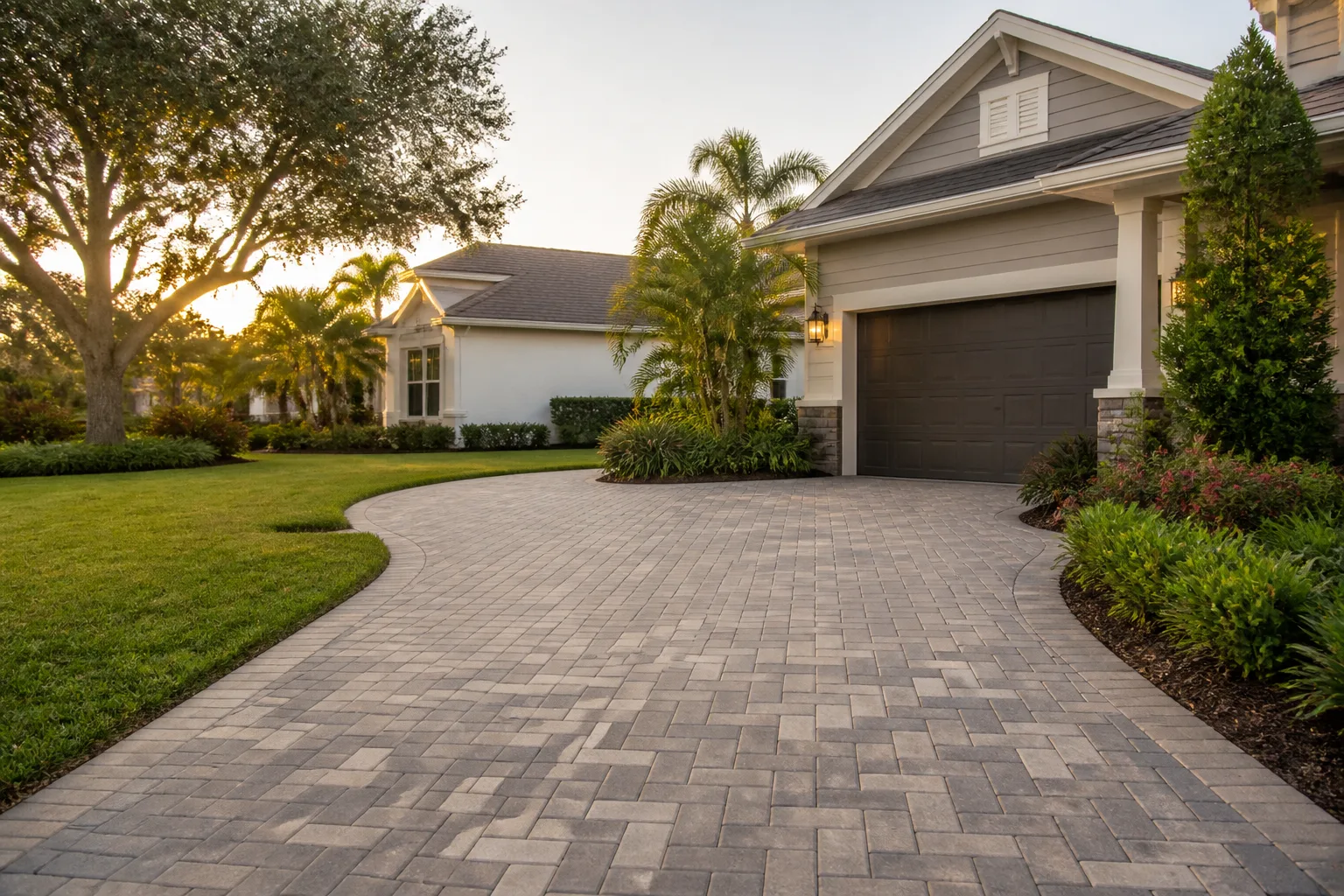
A paver driveway in North Miami Beach typically takes 2 to 4 weeks of active on-site work once demolition starts, and 5 to 8 weeks from signed contract to sealed, drivable surface once you factor in permitting, material ordering, and curing. Smaller projects without major base work can land closer to 3 to 4 weeks total; larger driveways with new base prep, drainage, or a new apron run longer. The single biggest variable is not the pavers themselves, it’s how well the schedule accounts for the work that happens before and after the crew is on your property.
Styles & brands we work with
- Kitchen remodeling
- Bathroom remodeling
- Home additions & ADU
- Roofing
- Windows & doors
- Driveway & pavers
- Fence
Table of Contents
- The Full Timeline, Phase by Phase
- Permitting in North Miami Beach: What Actually Takes Time
- Weather Dependencies and the Wet Season Reality
- Curing, Polymeric Sand, and When You Can Park On It
- Red Flags in a Contractor’s Timeline Estimate
- What You Can Do on Your End to Keep It Moving
- Common Mistakes to Avoid
- Frequently Asked Questions
The Full Timeline, Phase by Phase
A realistic paver driveway project in North Miami Beach breaks into distinct phases, and each one has its own calendar. Here’s what a standard 2-car driveway looks like from contract to final inspection.
- Design and contract (3 to 7 days). Selecting paver style, color, and pattern; confirming the layout, drainage direction, and any apron or sidewalk ties; signing a written scope with material specs and pricing locked in.
- Permitting (1 to 4 weeks). Depending on scope, a driveway replacement may require a right-of-way permit from the city and possibly a building permit for the base or drainage work. Miami-Dade review times vary by season and completeness of submittal.
- Material ordering and lead time (1 to 3 weeks). Standard concrete pavers from a stocked regional supply house often arrive in days. Specialty colors, clay brick, or imported stone can take longer, especially in spring and fall when contractors across South Florida are competing for the same shipments.
- Demolition and haul-off (1 to 2 days). Removing the old surface, breaking up concrete, loading out debris. On older North Miami Beach properties, this sometimes uncovers surprises like an unmarked sprinkler line or a buried utility conduit.
- Excavation and grading (1 to 2 days). Digging to sub-base depth, establishing slope for drainage, and prepping the edges for restraint.
- Base prep and compaction (1 to 3 days). Placing and compacting the aggregate base in lifts, checking grade with a laser level, and confirming the surface is flat and stable before any paver is laid. This phase is where shortcuts do the most long-term damage.
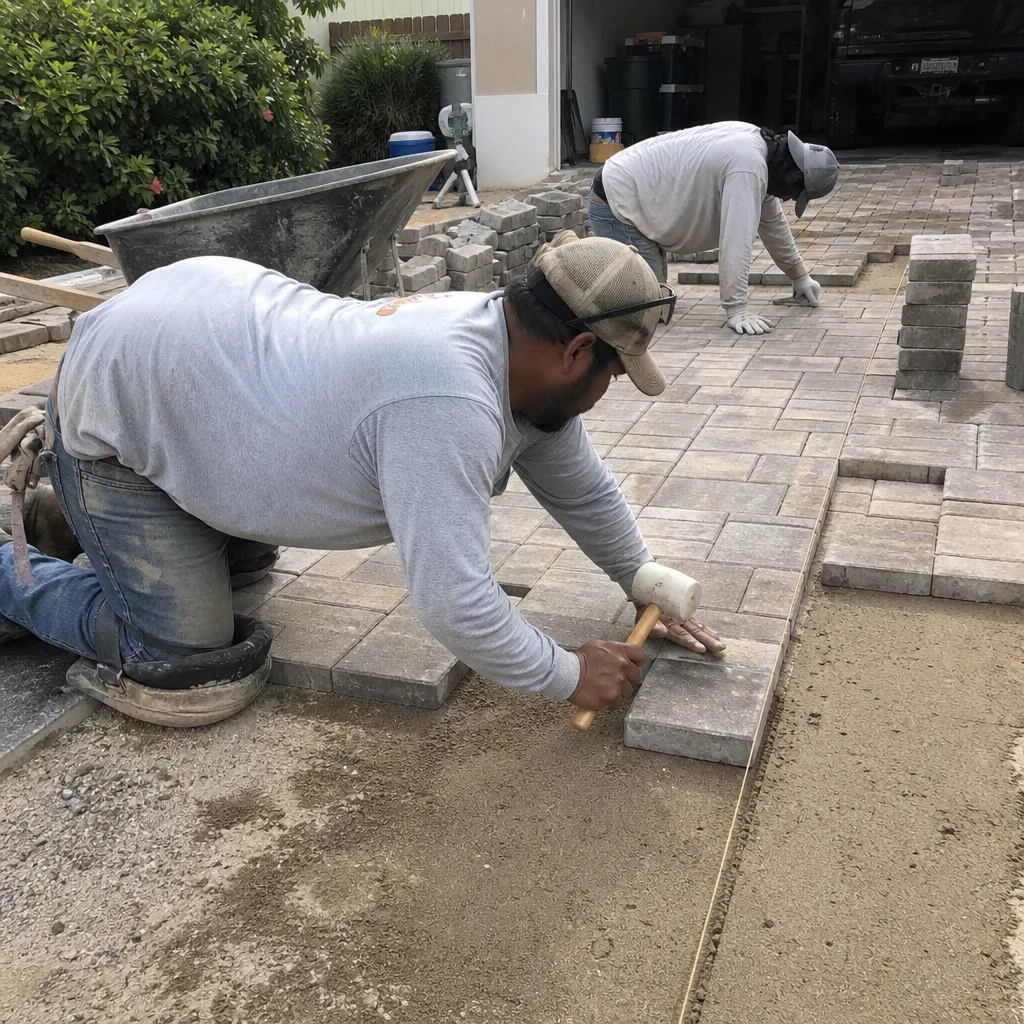
- Paver installation (2 to 4 days). Laying the pattern, cutting edges and curves, installing edge restraint, and sweeping in joint sand.
- Compaction and jointing (half a day). Final plate compaction to lock the pavers into the base, then polymeric sand swept and watered in to set the joints.
- Curing and sealing (24 to 72 hours before traffic; sealing a week to several weeks out). Polymeric sand needs dry time to set; sealer typically goes on once the surface is fully clean and dry.
- Final inspection (1 to 10 days). Depending on jurisdiction, a city or county inspector signs off on the completed work.
Add it up and you’re looking at 5 to 8 weeks from signature to sealed surface for a typical North Miami Beach driveway. When a contractor quotes “one week,” they’re usually describing only step 7, not the whole project. That’s the disconnect that costs homeowners a month of planning.
Permitting in North Miami Beach: What Actually Takes Time
Permit processing is the phase most likely to surprise a homeowner because it happens entirely before anyone shows up with equipment. In North Miami Beach, driveway projects can trigger two separate approval tracks depending on scope: a right-of-way or driveway permit if the apron in the public right-of-way is being modified, and a building permit if the base or drainage work is significant.
What actually slows things down isn’t usually the city, it’s the submittal. Missing or incorrect documents bounce back and restart the clock. Here’s what a complete paver driveway submittal typically needs:
- A site plan or survey showing the driveway location, dimensions, and slope toward the street or drainage swale
- Paver specifications, including material type, thickness, and color
- Base and sub-base cross-section details
- Drainage plan showing where stormwater goes and how it doesn’t run onto a neighbor’s property
- Right-of-way or sidewalk tie-in details if you’re modifying anything outside the property line
Season matters too. Late spring and summer are busy for permit offices because that’s when a large share of exterior projects get submitted across Miami-Dade. A submittal in October often clears faster than one in June. The homeowner-side fix is simple: sign with a contractor who submits a complete package the week of signing, not two weeks later. Every day the paperwork sits on someone’s desk is a day added to your timeline for a reason you didn’t cause. If you’re planning a larger project that ties driveway work to a new addition, coordinating the permits across scopes up front saves real time later. See our Home Additions & ADU in North Miami Beach guide for how those larger permit tracks interlock.
Weather Dependencies and the Wet Season Reality
South Florida’s wet season, roughly late May through October, is the single biggest schedule variable in a North Miami Beach driveway project. This isn’t about a contractor not wanting to work in the rain. It’s about what rain does to the work.
- Base and sub-base saturation. If the aggregate base gets rained out before it’s compacted and locked in, it has to dry before it can be properly compacted. Compacting wet base is how you get settlement and heaving a year later.
- Paver bedding sand. A thin layer of bedding sand sets the pavers flat. Once it’s saturated, it’s unusable – it has to be re-graded, and sometimes replaced.
- Polymeric sand activation. Polymeric sand is set by light water activation but then needs a dry window to cure. If a heavy storm rolls through during the curing window, joints can wash out and the sand has to be redone.
- Sealer application. Sealing requires a clean, fully dry surface. During wet season, that window can be tight – a two-day dry stretch in September is rare.
A contractor who knows the local pattern builds the schedule around it. In practice, that means front-loading the demo and excavation in the morning, watching the daily radar, and not committing to a paver day if the ground needs drying time. It also means not promising a start date during an active tropical system. Realistic scheduling during wet season adds 3 to 7 weather days over the course of a project in North Miami Beach. That’s normal and it shouldn’t be treated as a red flag. What is a red flag is a contractor who promises a specific finish date during hurricane season and refuses to build in any float. That’s not confidence, that’s a sales pitch.
If your driveway runs to a sidewalk or ties into a fence that’s also being updated, sequencing matters – see our Fence Installation in North Miami Beach page for how to time adjacent exterior projects so one crew doesn’t have to redo what the other just finished.
Curing, Polymeric Sand, and When You Can Park On It
Most homeowners assume the driveway is done the moment the last paver goes down. It isn’t. The surface still has to be compacted, jointed, and given time to set before it can handle vehicle weight without disturbing the joints.
Here’s the practical sequence for when you can drive on it:
- 0 to 24 hours after installation: Foot traffic only, and light at that. No vehicles, no ladders, no delivery trucks.
- 24 to 72 hours after polymeric sand is installed: The polymeric sand needs a dry window to cure. Once it’s set, you can drive on it. During wet season, this can extend by a day or two.
- 7 to 14 days after installation: Optimal window for applying a penetrating or film-forming sealer. The pavers should be fully dry and free of efflorescence.
- After sealer cures (typically 24 to 48 hours, per the manufacturer’s spec): Full traffic and sealed protection.
Curing is different for different materials. Concrete pavers are dimensionally stable and mostly cured before they leave the plant, so the schedule above applies. Clay brick pavers can absorb moisture and may need extra dry time before sealing. Natural stone varies by type – some porous stones should not be sealed at all, or should be sealed with a breathable product. Polymeric sand itself is sensitive to overwatering during activation; too much water during the first hour washes out the binder before it can set. That’s why small dry windows matter, and why “we’ll just seal it tomorrow” isn’t a real plan in a rainy stretch.
If you’re planning a driveway refresh alongside a larger exterior update, our Driveway & Pavers in North Miami Beach service page walks through the material choices that affect this cure and seal timeline in more detail.
Red Flags in a Contractor’s Timeline Estimate
A timeline is one of the most revealing things about a contractor. An unrealistically short quote tells you what’s being left out, and what’s left out is often what protects your driveway ten years from now.
- “We’ll have it done in five days, start to seal.” Five days from demo to seal isn’t physically possible on a normal driveway unless base prep, compaction, and cure windows are being skipped. If the number feels aggressive, ask for a written phase-by-phase schedule. A real one exists.
- No mention of permitting. If the quote doesn’t reference the permit process at all, either the contractor isn’t pulling one, or they haven’t thought it through. Either way, your timeline is at risk.
- Vague on base depth. A 4-inch base and a 6-inch base build two very different driveways. If the quote doesn’t specify base depth, compaction method, or edge restraint, the timeline they gave you was built on assumptions that will change.
- No weather float. Any South Florida contractor who schedules outdoor paver work during wet season with zero weather days built in is telling you something about how they’ll handle the first rain delay.
- Material lead time skipped. Promising a start date before the paver order is confirmed (with a delivery date in writing) is a red flag. Material delays are the most common reason projects slip.
- Cure window ignored. If the contractor plans to seal the day after install or to let vehicles on the day the last paver goes down, they’re either going to rush a shortcut or they’re going to miss their finish date.
None of these by themselves is fatal. All of them together mean the “one-week job” you were quoted will be a three-week job you weren’t warned about. Upfront pricing and a written phase-by-phase schedule should come together in the same document, before you sign.
What You Can Do on Your End to Keep It Moving
Most of the timeline is on the contractor, but a few days here and there are fully in the homeowner’s hands. On a North Miami Beach project, these are the moves that keep the schedule honest:
- Have the site ready before day one. Clear vehicles, patio furniture, trash bins, and anything blocking access to the work area. A crew that spends the first morning of demo moving things is a crew that finishes a day late.
- Confirm the survey or property line if there’s any question. Disputes about right-of-way, easements, or where the neighbor’s line sits can stop work while it gets sorted. A current survey prevents that surprise.
- Approve material samples before the order goes in. Any color or pattern change after the order is placed resets lead time. Get it locked in early and in writing.
- Return calls and sign-offs promptly during permitting. Some submittals require a homeowner signature or document. A three-day delay on your end becomes a three-day delay on the calendar.
- Don’t schedule deliveries or events over the installation window. A furniture delivery truck that ignores the cones during installation day can crack fresh pavers, and a party during the cure window can cost you the seal.
- Keep a two-week gap between driveway completion and any landscaping or irrigation work. Trenching or landscape work near fresh pavers should wait until the surface is fully set.
Do those six things and you’ll typically save 2 to 5 days of avoidable delays over the course of a project. Skip them and the delay is entirely predictable.
Common Mistakes to Avoid
- Planning around the “install days only” number. A contractor who quotes “five days” and a contractor who quotes “five weeks from contract to seal” may be describing the same project. Ask which one you’re being told. In North Miami Beach, the difference is often three extra weeks.
- Starting demolition before the permit clears. A crew that starts work under an expired or unsubmitted permit risks stop-work orders and rework. Being patient on permitting is cheaper than being fast and wrong.
- Choosing pavers based on showroom samples alone. Color and texture look different under South Florida sun on an actual driveway. Confirm the order against a delivered sample on your property before it ships.
- Skipping base prep to save time. A driveway that fails in year three because of a 4-inch base on a soft subgrade costs three times as much to fix as the original install. Base depth and compaction are the two numbers most worth inspecting before pavers go down.
- Sealing too soon. Sealing the day after install traps moisture and produces efflorescence. Wait the recommended cure window even if the driveway looks ready.
- Ignoring drainage direction. A paver driveway pitched flat or toward the house instead of the street or swale creates water pooling that shows up in the first heavy rain. Confirm the drainage plan before excavation, not after.
- Paying the full price up front. A fair paver contract ties payments to completed phases: mobilization, base completion, installation, and final seal. A contractor who demands the whole amount before demo is asking you to take the risk on the whole schedule.
See the difference
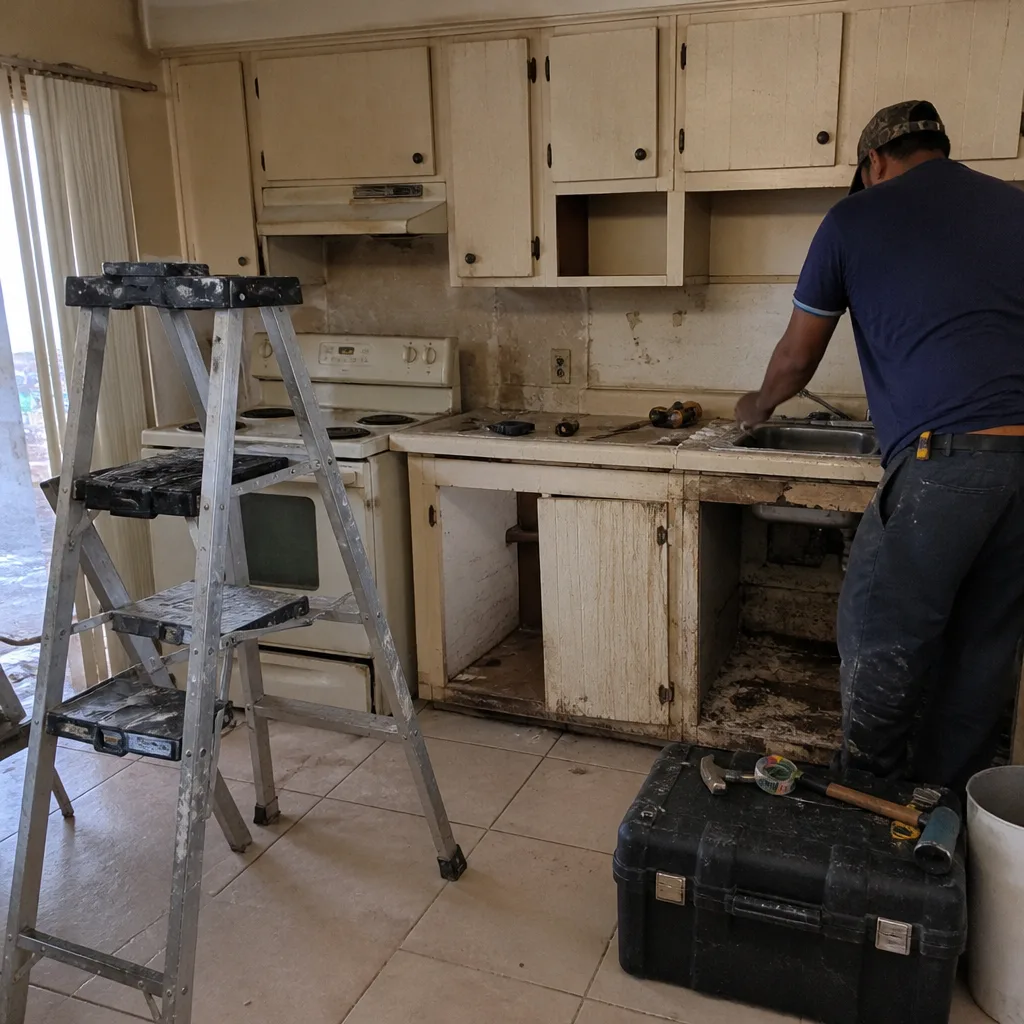 Before
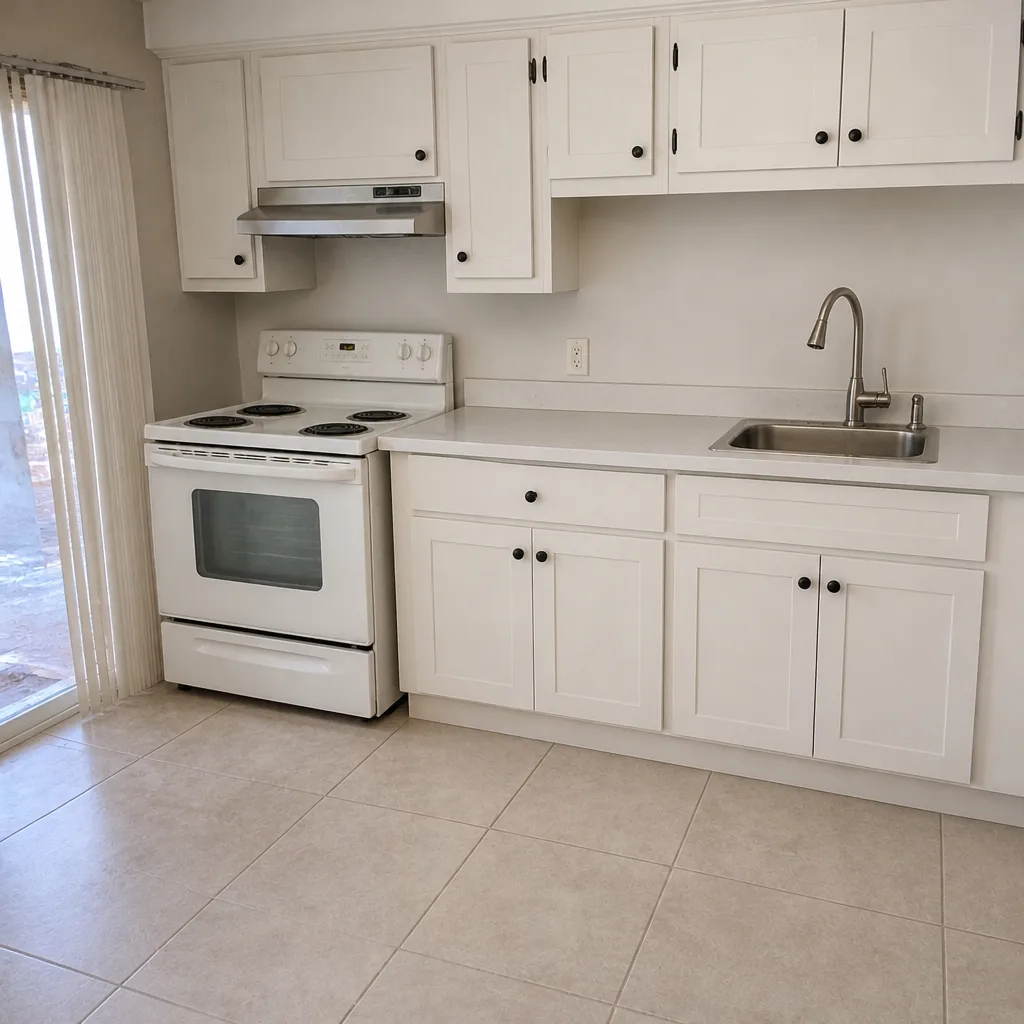 After
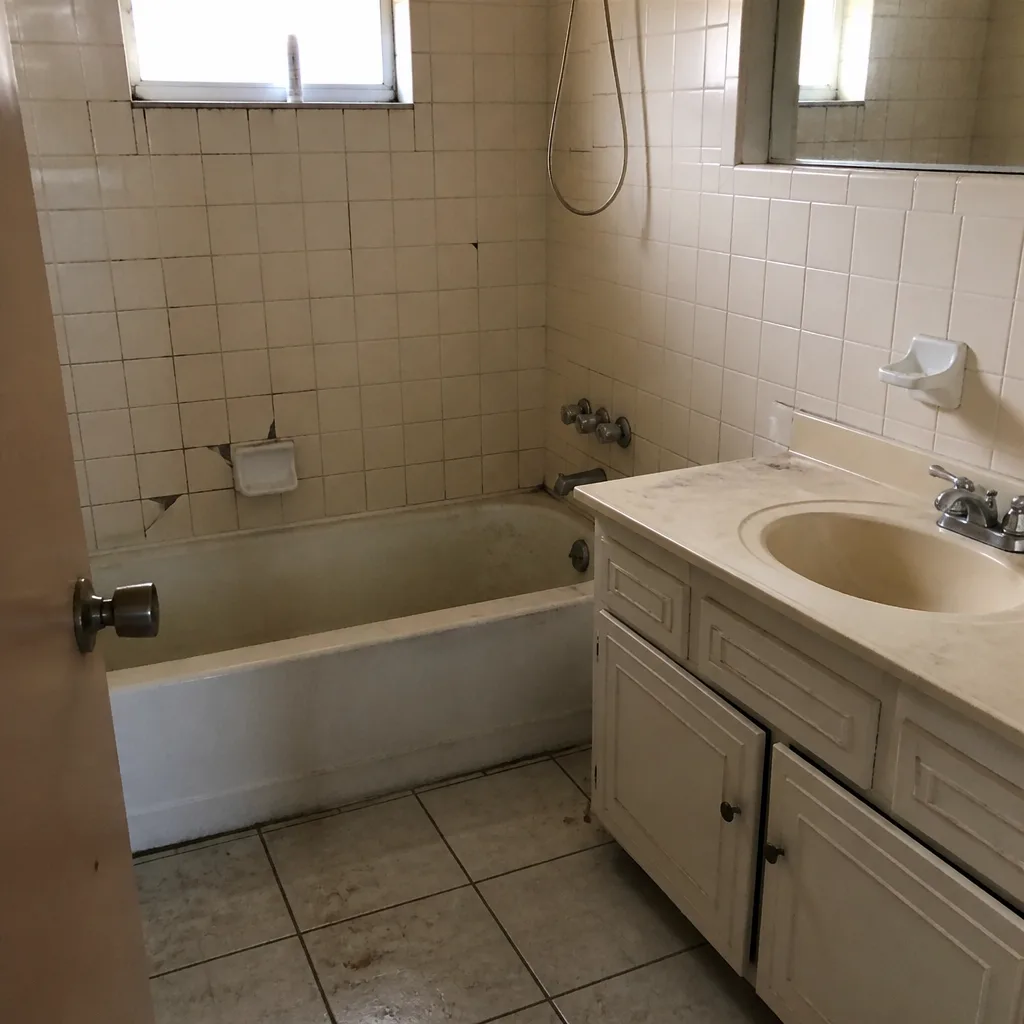 Before
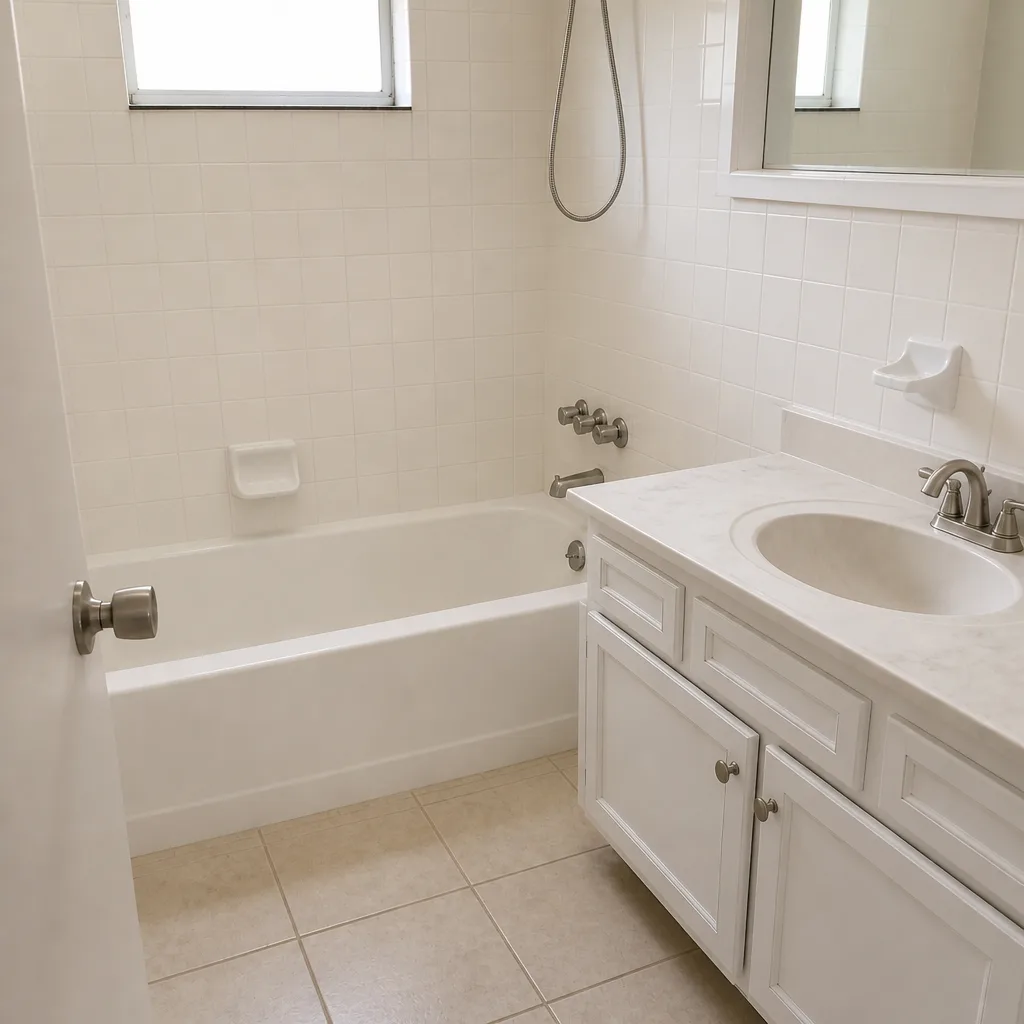 After
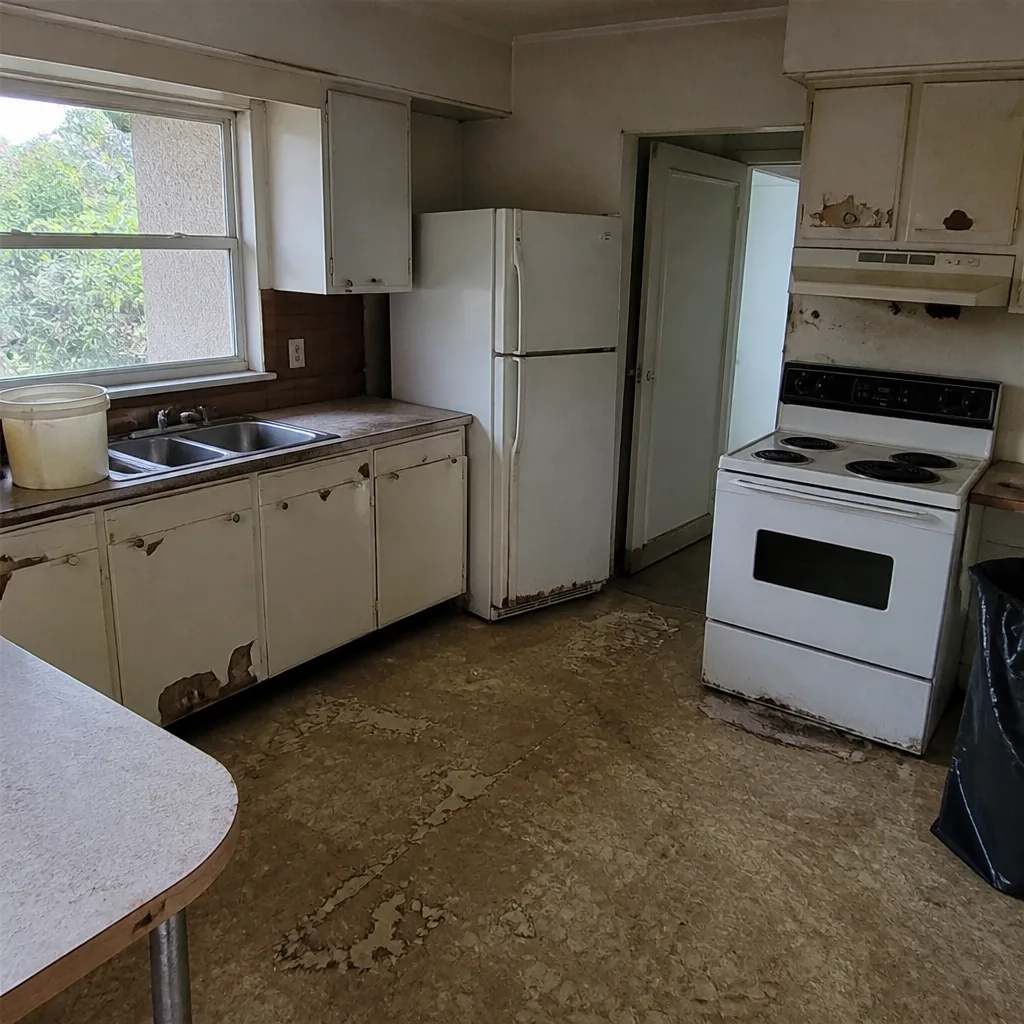 Before
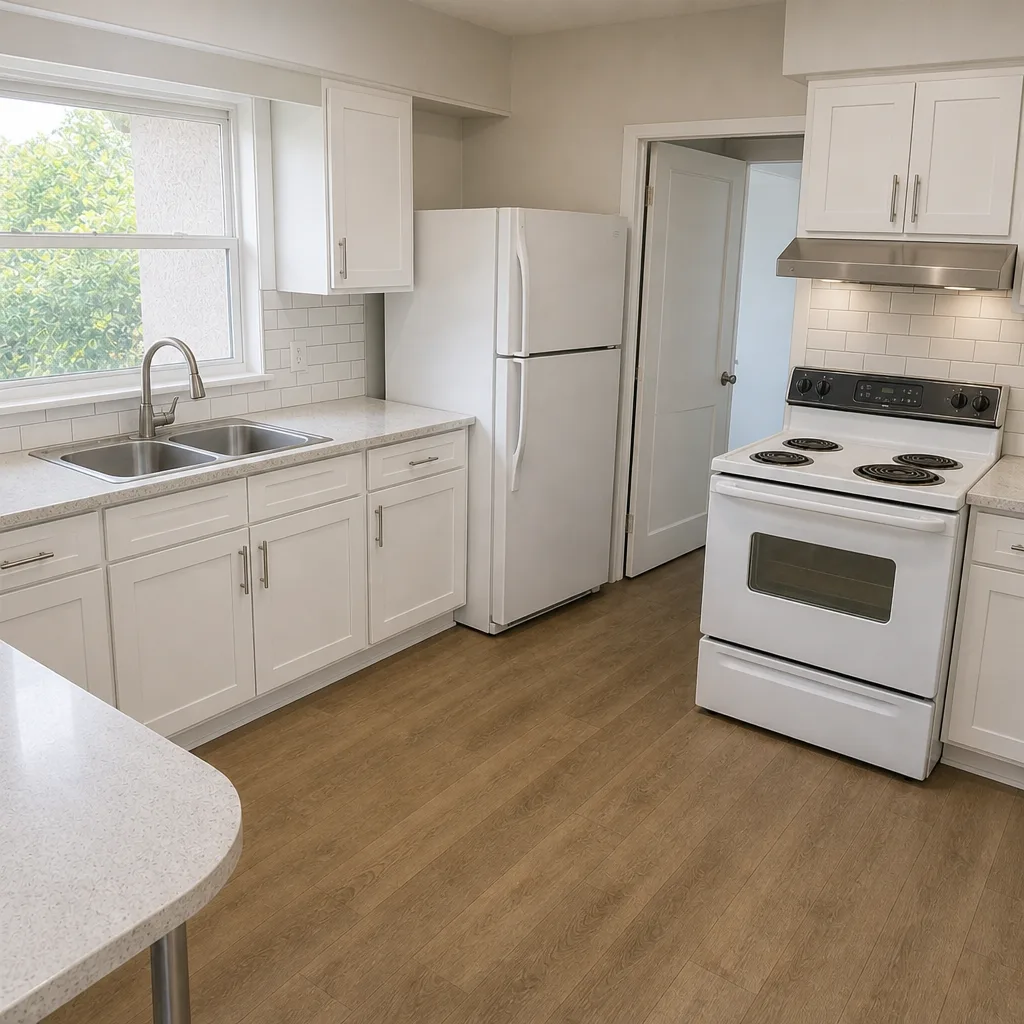 After
When to Call a Professional
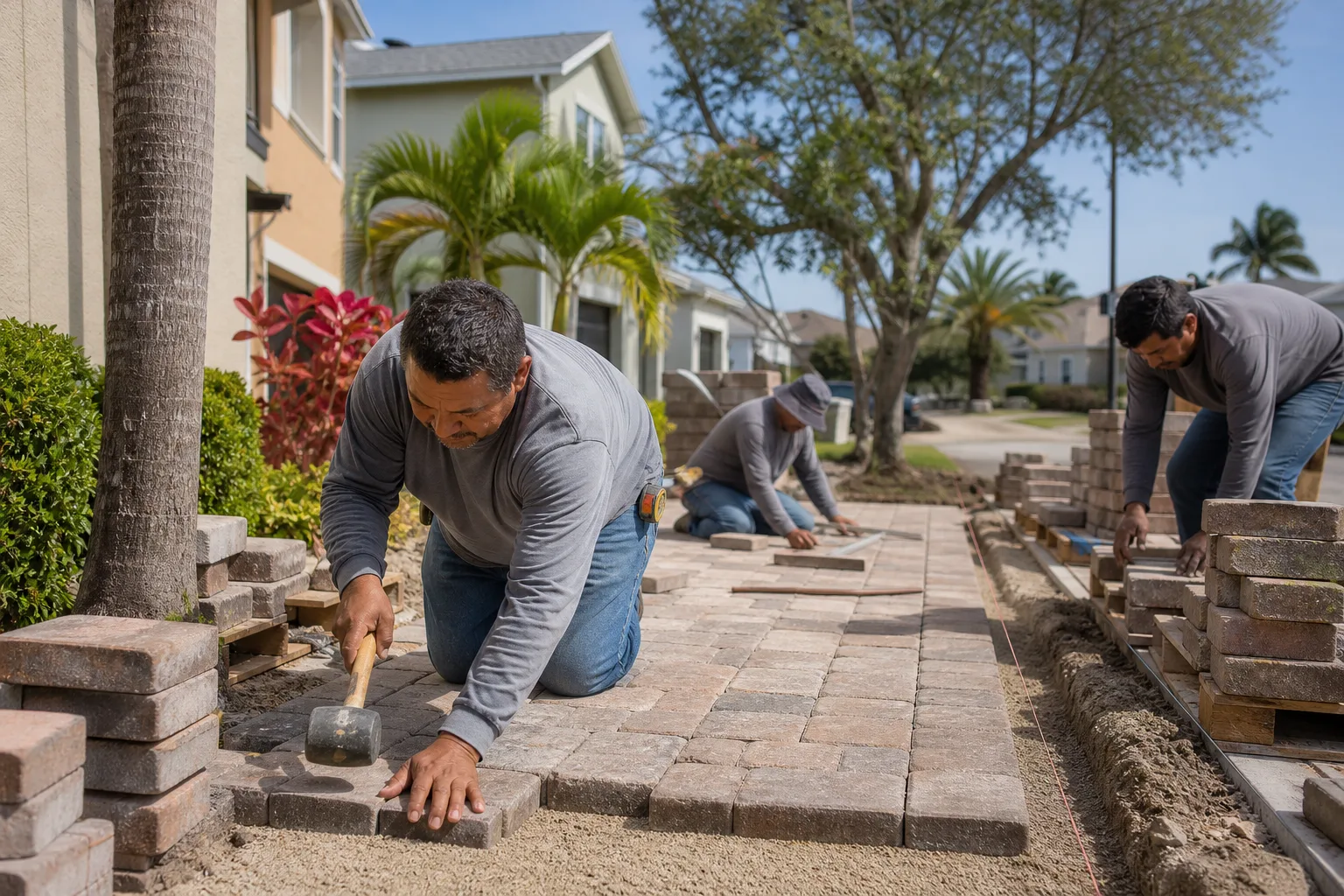
A paver driveway is one of those projects where the wrong shortcut costs more than the right job. Call a professional if you’re replacing a driveway that’s been patched or repaired more than once, if there’s standing water or settlement in the current surface (that’s usually a base or drainage problem, not a paver problem), if you’re changing the driveway footprint or modifying anything in the public right-of-way, or if you’re coordinating the driveway with a fence, an addition, an ADU, or new landscaping. Each of those touches permitting and sequencing that are easy to get wrong. In North Miami Beach, hurricane-season scheduling alone makes the difference between a clean install and a job that stretches into a second dry window. Groundwork Construction Co. of North Miami Beach offers free estimates in North Miami Beach – call (844) 797-4868 to talk through your project. Our technicians have up to 12 years of experience, all work is covered by our 730-Day Done Right Promise, and someone answers the phone around the clock.
Frequently Asked Questions
Active on-site installation of a typical 2-car paver driveway in North Miami Beach runs 4 to 7 days once demolition starts, and the full project runs 5 to 8 weeks from signed contract to sealed surface. The gap between those numbers is permitting, material lead time, base prep, and cure windows – not slack in the crew’s schedule. A contractor who quotes only the install days is telling you part of the timeline, not the whole one. Call (844) 797-4868 for a written phase-by-phase estimate on your specific driveway.
Yes, but expect 3 to 7 additional weather days built into the schedule between June and October. The work itself is fine in wet season as long as the contractor protects the base and bedding sand from rain and doesn’t try to seal during a rainy stretch. What’s not fine is a contractor who schedules a wet-season install with zero float and refuses to move the finish date when weather hits. A realistic schedule includes weather days; an unrealistic one punishes the crew for a storm. Call (844) 797-4868 for a wet-season estimate.
You can typically drive on new pavers 24 to 72 hours after installation, once the polymeric sand has cured and the surface has been compacted. Foot traffic can usually resume within 24 hours. Sealing is a separate window – typically 7 to 14 days after installation once the surface is fully dry, then 24 to 48 hours for the sealer to cure. Rushing either window is how joints get disturbed and efflorescence shows up. Our team builds the cure and seal windows into every project schedule in North Miami Beach – call (844) 797-4868 for details specific to your materials.
Because they’re quoting the install days only, not the full contract-to-sealed-surface timeline. Permitting, material lead time, base prep, and curing all add calendar days that a “one-week” quote either doesn’t count or quietly leaves out. That doesn’t always mean the contractor is dishonest – some are just talking in shorthand – but it does mean you shouldn’t plan your life around the shorter number. Ask for a written phase-by-phase schedule before you sign. Groundwork offers upfront pricing and a written timeline in every estimate – call (844) 797-4868 to request one.
Often yes, especially if you’re modifying the right-of-way or apron, changing the driveway footprint, or doing significant base or drainage work. Miami-Dade and the city of North Miami Beach review times vary by scope and by season, so permit processing can add 1 to 4 weeks to the front of a project. A contractor who doesn’t mention permitting in the estimate either isn’t pulling one or hasn’t fully thought through the scope. Groundwork pulls the permits and passes the inspections – call (844) 797-4868 to talk through what your driveway will need.
The crew pauses the affected work – it doesn’t push through. Base that’s saturated can’t be compacted correctly, bedding sand that’s wet has to be re-graded or replaced, and polymeric sand needs a dry cure window before it can set. A rain day during wet season isn’t a disaster, it’s a normal part of the schedule. What matters is that the contractor built weather days into the timeline and communicates the reset honestly. If a rain delay pushes your finish date, you should hear about it the same day, not the day work was supposed to be done. For a wet-season estimate with realistic weather float, call (844) 797-4868.
The Bottom Line
A paver driveway in North Miami Beach is a 5 to 8 week project from signed contract to sealed surface, and the installation days themselves are only a fraction of that. Permitting, material lead time, base prep, cure windows, and South Florida’s wet season all shape the real schedule. When a contractor quotes “one week,” that’s usually the install phase only – and the two-to-three-week gap doesn’t come from anything going wrong, it comes from phases nobody mentioned. Ask for a written phase-by-phase schedule, check that it includes permitting and weather float, and treat the seal window as part of the job. For a free estimate in North Miami Beach with upfront pricing and a schedule you can plan around, our team is ready. Explore Groundwork Construction Co. of North Miami Beach home for the full scope of what we do, or call (844) 797-4868 to get started.
Written by the team at Groundwork Construction Co. of North Miami Beach.