
Free written scope consultation - allowances, timeline, and change-order rules on paper before a single trade is scheduled
ADU Site Prep & Utilities in North Miami, FL: What It Costs and What It Takes
ADU site prep and utilities in North Miami runs about $53,100 to $153,400, and the work covers everything underground and behind the walls before a single module or stick-built frame arrives: grading, slab or pier foundations, sewer lateral and water service, the electrical service upgrade, and the inspections that hold it all together. Expect six to twelve weeks from first excavation to final utility sign-off, longer if the lot sits on a constrained corner of a 1940s – 1970s CBS block. Call (844) 797-4868 for a free on-site estimate.
How we sequence ADU Site Prep & Utilities, stage by stage
Every North Miami lot has its own quirks, but the sequence rarely changes. Here’s what actually happens and when you’ll be asked to make decisions.
Stage 1: Site survey and utility locate (days 1 – 3)
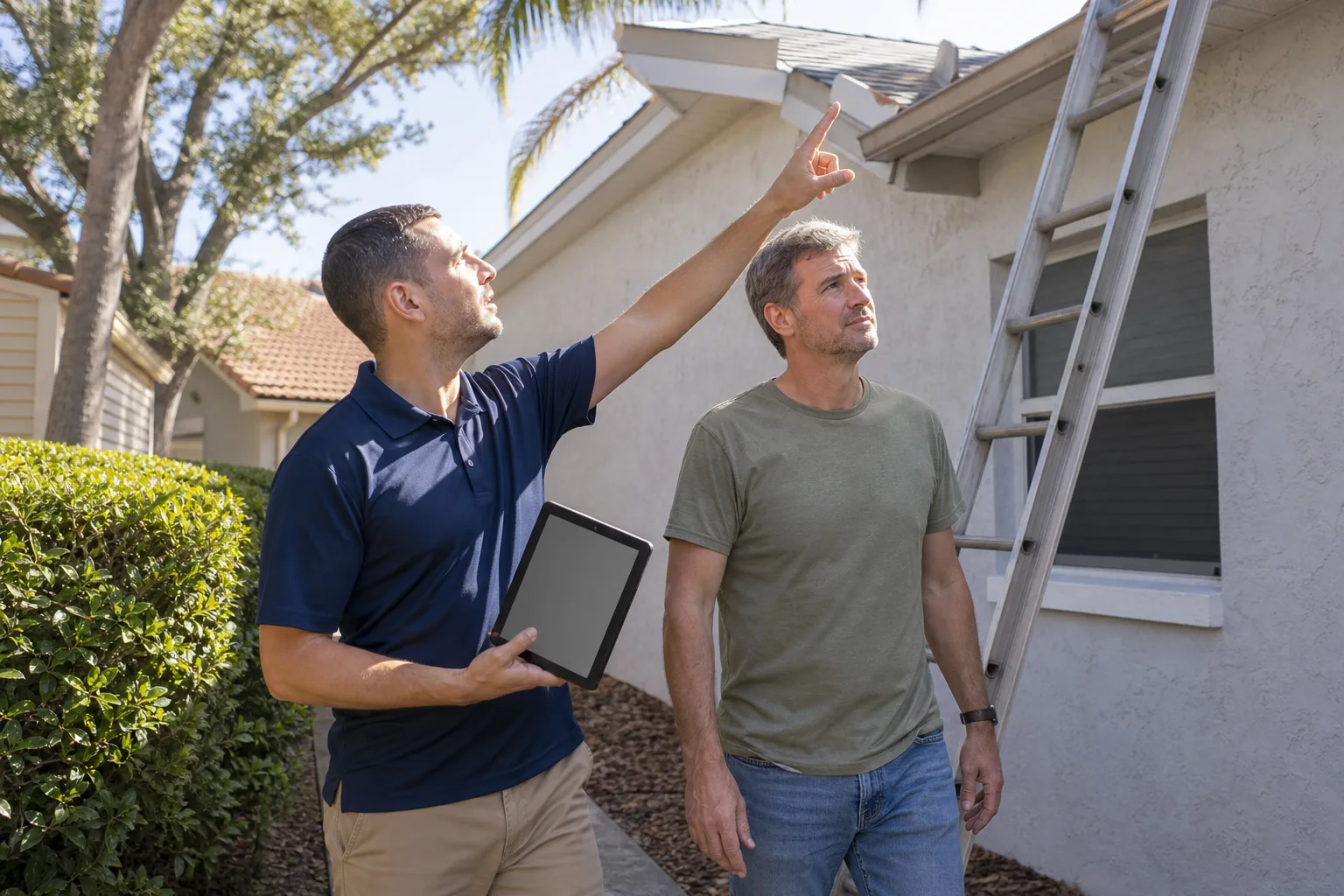
We walk the lot with the county utility maps, mark the existing sewer lateral, water meter, and electrical service, and call for the 811 locate. You decide at this stage where the ADU footprint lands relative to your existing septic or sewer tie-in and how much of the existing driveway you’re willing to lose. That decision drives everything downstream.
Stage 2: Demolition and grading (days 3 – 8)
Carport slabs, old pavers, volunteer palm roots, and any failing concrete come out. We cut to grade and compact in lifts. This is where North Miami’s high water table rears its head: if we hit saturated soil, we bring in fill and let it dry before compaction, which can add three to five days. You don’t have to do anything here, but you’ll see the lot look worse before it looks better.
Stage 3: Underground utilities rough-in (days 8 – 20)
Sewer lateral in schedule 40 PVC, water service in PEX or copper, conduit for the electrical service, and sleeves for any future low-voltage. Inspectors from Miami-Dade County come out for the rough plumbing and rough electrical at separate visits. You’ll pick the electrical service size here: 100A or 200A for the ADU, and whether you’re upgrading the main house panel at the same time.
Stage 4: Foundation pour or pier set (days 20 – 35)
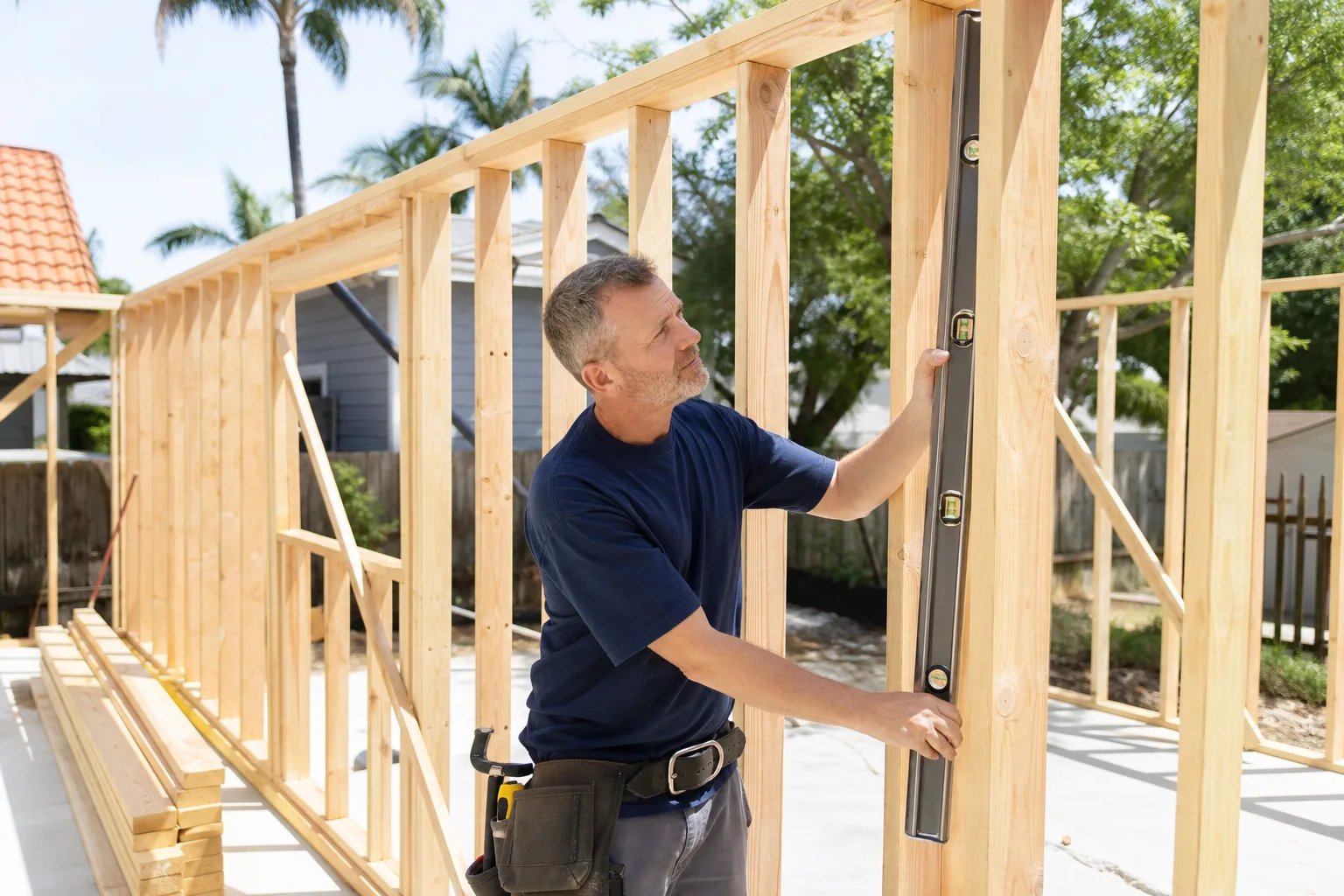
Monolithic slab for stick-built, or helical or concrete piers for modular units from Cover or Mighty Buildings. Post-Andrew wind detailing means anchor bolts, straps, and hold-downs beyond what an inland builder would spec. You decide whether you’re going slab-on-grade or pier-and-beam; beam gives you a crawl space for future plumbing access, slab is cheaper and quicker.
Stage 5: Backfill, final utility tie-in, and inspection close-out (days 35 – 50)
Final plumbing and electrical inspections, meter set, and the pre-delivery site checklist if a module is arriving. You sign off on grading and drainage away from the footprint. That drainage signature matters here more than most homeowners expect: North Miami’s summer downpours will find every low spot you left behind.
Styles & brands we work with
- Kitchen remodeling
- Bathroom remodeling
- Home additions & ADU
- Roofing
- Windows & doors
- Driveway & pavers
- Fence
The options you’ll actually choose between on this job
Site prep and utilities isn’t a finish-trade job, so the decisions are structural and mechanical rather than cosmetic, but they have real price tags and real trade-offs.
- Slab vs. pier foundation. A monolithic slab runs cheaper and faster but locks every future drain and conduit under concrete. Piers cost more and add two to three weeks, but they leave you a crawl space and are the standard approach with modular units from Cover or Boxabl.
- Sewer lateral material. Schedule 40 PVC is the workhorse and what most Miami-Dade inspectors expect. Cast iron costs more but handles root intrusion better on lots with mature ficus or banyan.
- Electrical service size. 100A handles a small one-bedroom ADU with a mini-split and tankless water heater. 200A gives you room for a full kitchen, central AC, and EV charging later. The jump in cost is real, but retrofitting a service later means a second meter pull and a second inspection.
- Water service material. PEX is flexible, freeze-tolerant (rarely relevant here), and cheaper. Copper is traditional and lasts decades longer. On a salt-air lot, PEX elbows and fittings hold up better because there’s no dissimilar-metal corrosion at the joints.
- Drainage and grading. French drain, dry well, or simple swale. Swale is cheapest but relies on soil percolation, which is shaky on North Miami’s high-water-table lots.
- Impact-rated conduit and attachments. Standard conduit rusts at the straps within a decade on the coast. UV-rated and stainless hardware costs more upfront and lasts.
What ADU Site Prep & Utilities costs in North Miami, FL
For a typical North Miami lot, ADU site prep and utilities lands between $53,100 and $153,400. That’s a wide swing, and five variables explain almost all of it.
- Lot size and access. A tight interior lot where an excavator can’t reach the back yard means hand-digging or smaller equipment. Add $8,000 – $15,000.
- Existing utility condition. A 1950s CBS house on a failing clay sewer lateral often needs the main line replaced to handle the ADU load. That’s a $6,000 – $12,000 add-on.
- Electrical service upgrade. Adding a 200A service to a home still on a 100A panel runs $3,500 – $7,000 for the service change alone.
- Foundation type. Pier foundations run 20 – 35% more than slab, but they shorten the module delivery window and lock in future plumbing access.
- Permit scope. Miami-Dade’s wind-mitigation and product-approval requirements mean every attachment, strap, and impact-rated component needs a submittal. Multi-trade permits take longer and cost more in fees.
A written estimate from us lists excavation, grading, foundation, all utility rough-ins, tie-ins, permit fees, and inspection close-out as separate line items. What typically isn’t included: structural work on the existing home, landscaping restoration, pool relocation, or fencing beyond temporary site protection. For those adjacent jobs, homeowners often pair this with Concrete Driveways & Concrete Work in North Miami or Paver Driveways in North Miami once the ADU footprint is set. If you’re planning the full structure, look at Home Additions & ADU in North Miami.
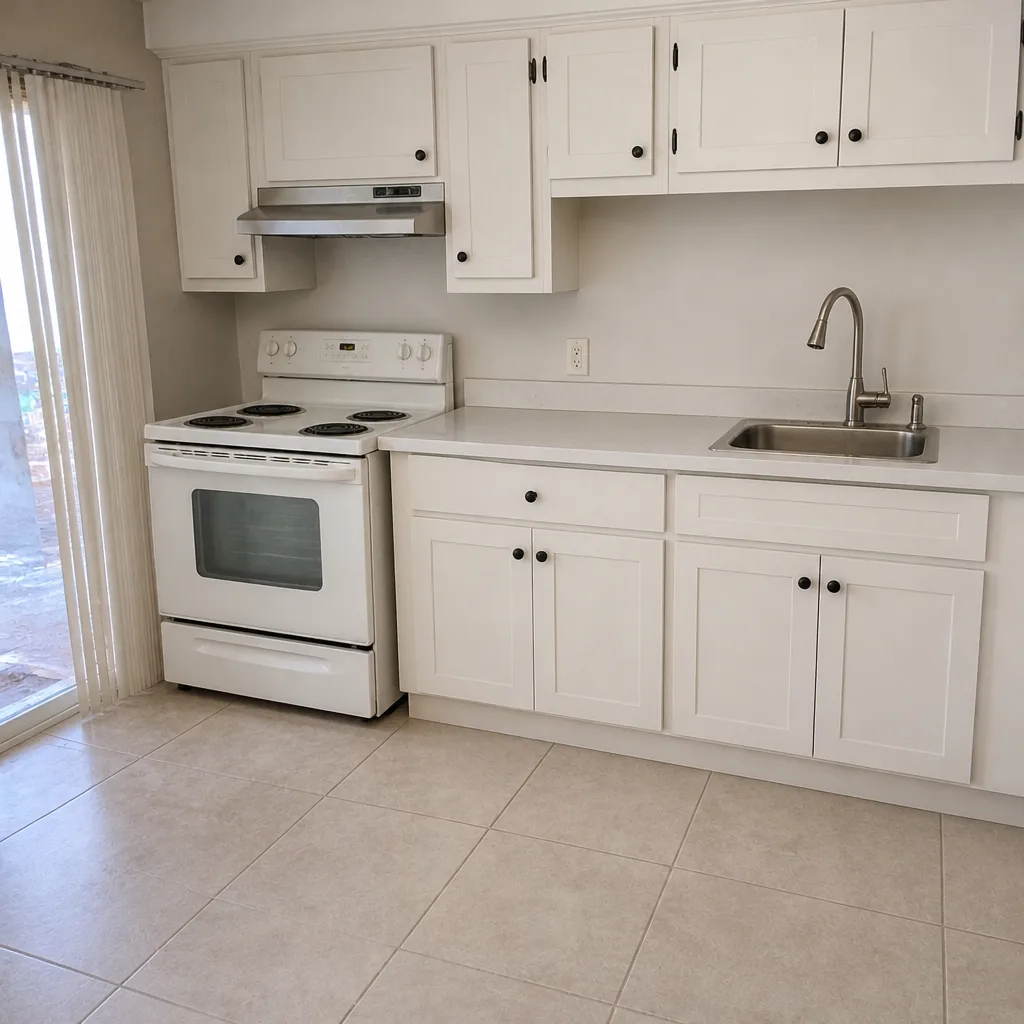
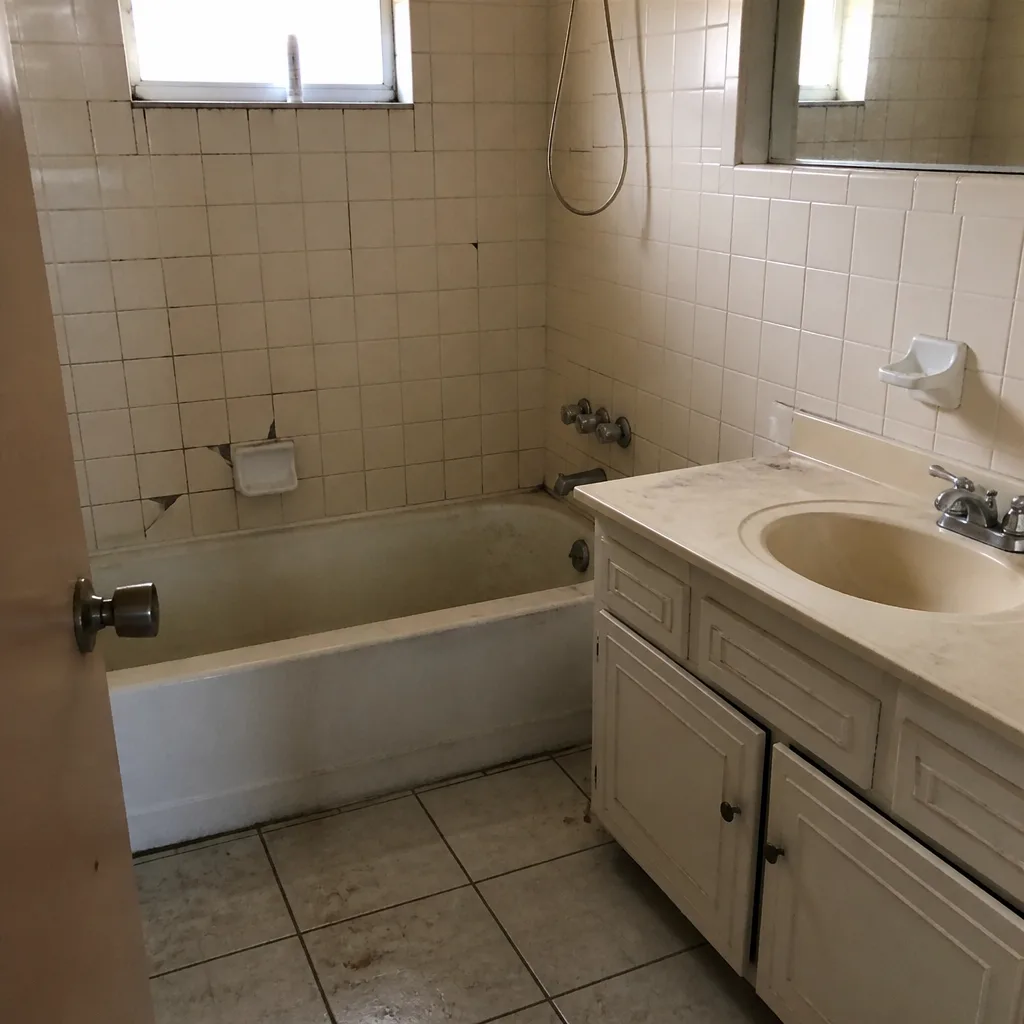
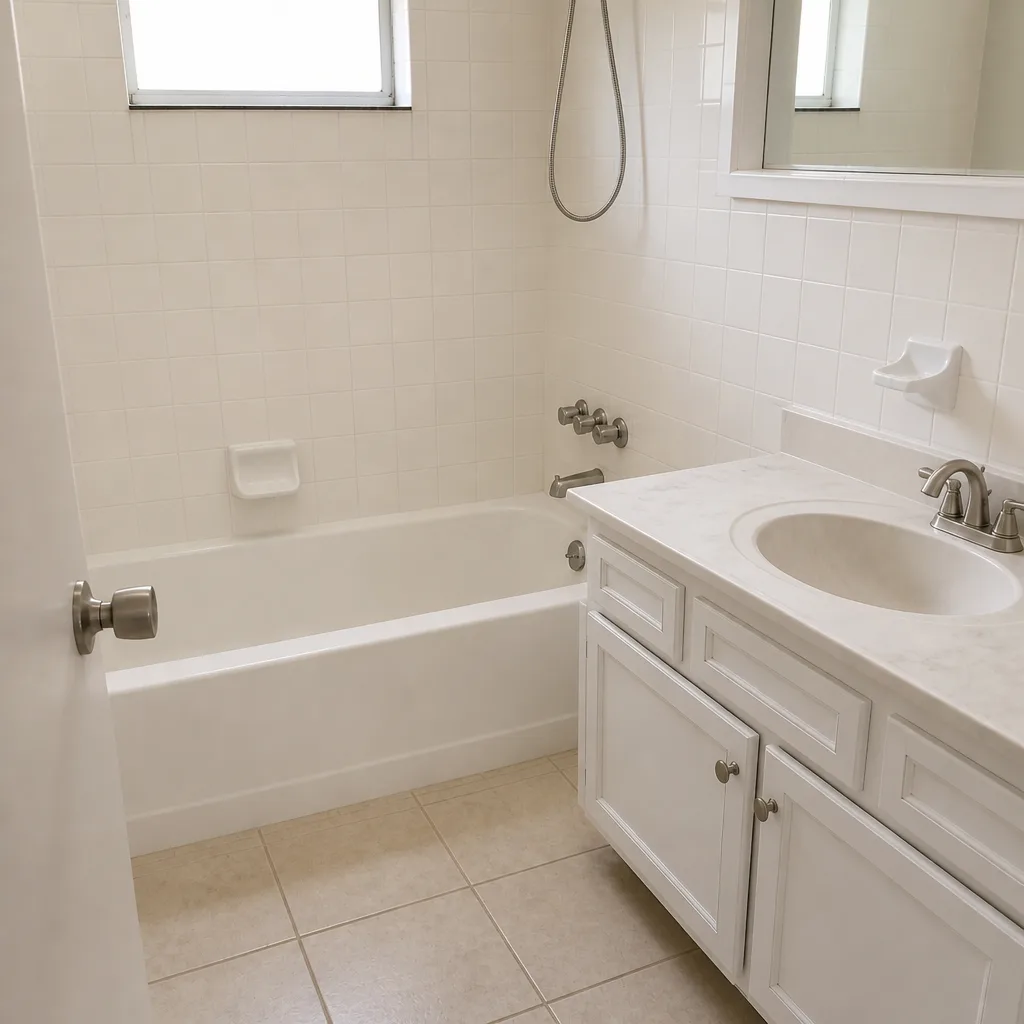
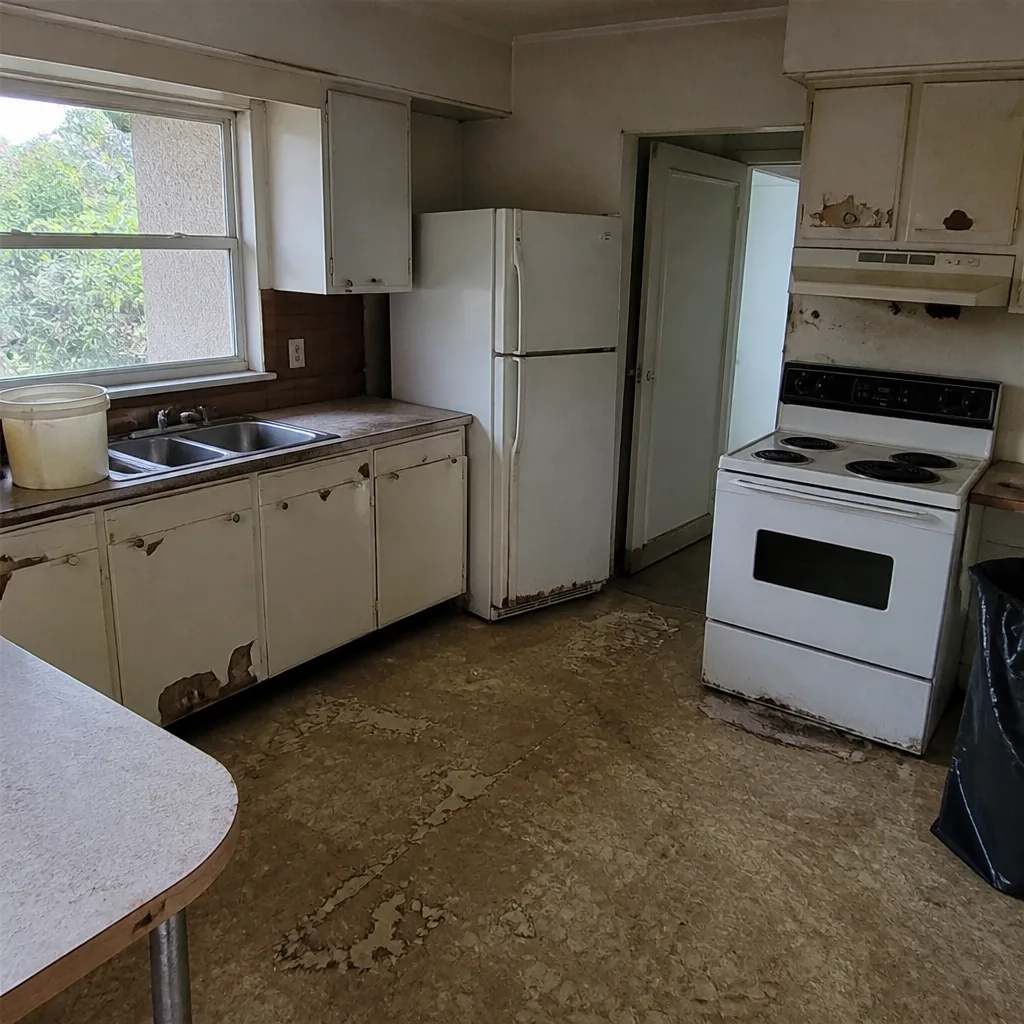
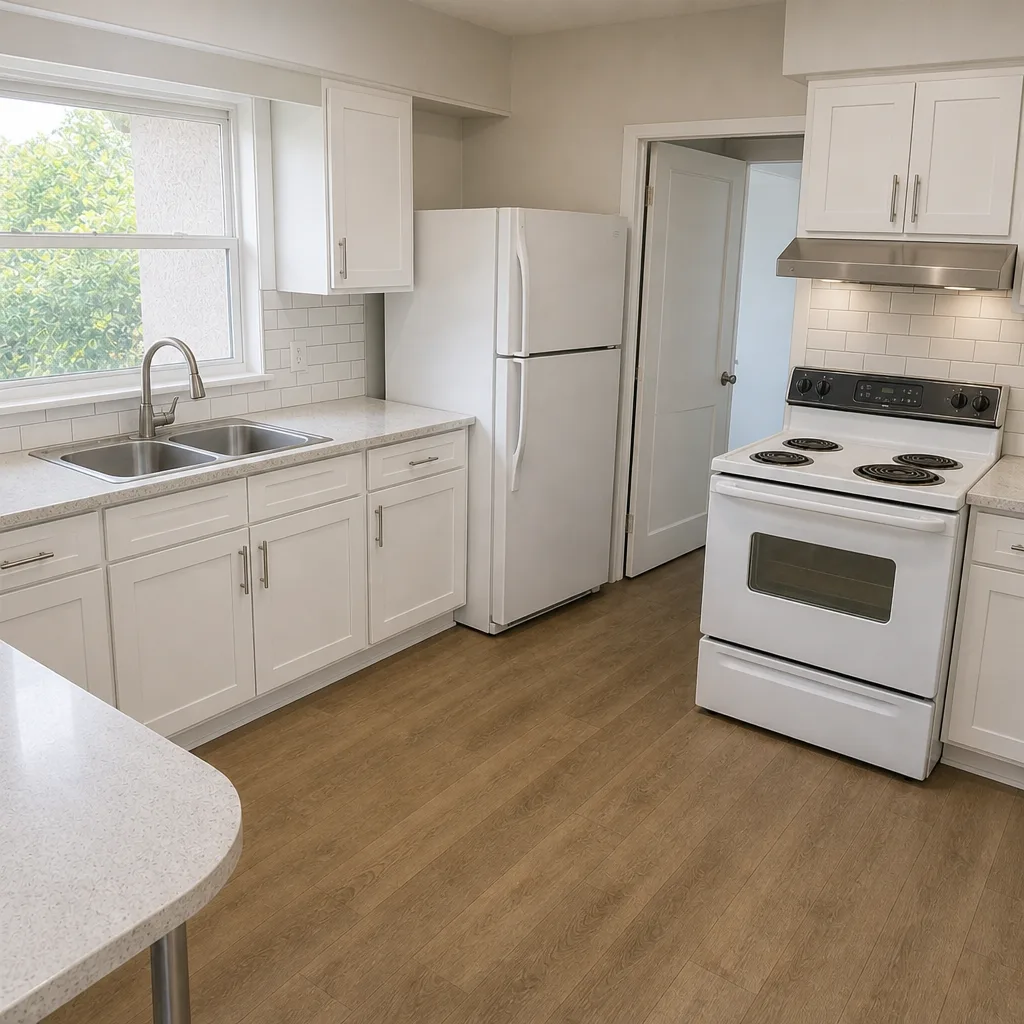
See the difference
 Before
 After
 Before
 After
 Before
 After
What North Miami homes specifically do to ADU Site Prep & Utilities
North Miami is a built-out, majority-renter inner suburb, and most of the housing stock is 1940s – 1980s CBS concrete-block on small lots with attached carports. That combination shapes this job in ways an inland builder wouldn’t expect. Tight lot-line and right-of-way constraints mean utility trenching has to respect the sidewalk setback, and Miami-Dade County product approvals apply to every impact-rated window, strap, and anchoring system we install.
Post-Andrew wind-mitigation detailing isn’t optional here; it’s the baseline. Flat roofs and carport-to-room enclosures are the everyday reality, and when we cut into a slab to run a sewer lateral, we’re often finding rebar that’s been eating salt air for forty years. South Florida’s heat and salt air accelerate corrosion on rebar, anchor bolts, and conduit straps, so we spec galvanized or stainless hardware wherever it’s exposed. One missed inspection on an older CBS house can stall the whole permit, which is why we don’t move to the next stage until the prior inspection clears. We cover all of North Miami (ZIP 33161) and the surrounding neighborhoods including Miami Shores, Golden Glades, Pinewood, and Westview.
Serving North Miami, FL – Our Local Coverage Area
We serve North Miami and nearby communities. Use the map below to see the area we cover. If you’re nearby, we can almost certainly help.
Frequently asked – ADU Site Prep & Utilities in North Miami
Six to twelve weeks from excavation to final utility sign-off, assuming inspections clear on the first pass. Older CBS houses and saturated soil can stretch that to sixteen weeks.
Yes. Miami-Dade County requires separate permits for grading, plumbing, electrical, and the foundation, and each trade gets its own inspection. We pull and manage all of them.
Sometimes. If the existing sewer lateral, water service, and electrical panel have capacity for the ADU load, we can often tie in without disturbing the main house. On a 1950s CBS home, we rarely find that situation without at least one upgrade.
Between $53,100 and $153,400 depending on lot access, existing utility condition, foundation type, and service upgrades. Call (844) 797-4868 for an exact quote; estimates are free.
Every job we do is covered by our 730-Day Done Right Promise. If a utility line, foundation detail, or tie-in we installed isn’t right, we come back and fix it.
Get a written estimate for ADU Site Prep & Utilities in North Miami
Call (844) 797-4868 to schedule a free on-site estimate. We’ll walk the lot, mark the utility tie-ins, and give you a line-item number you can compare against other bids. Our technicians have up to 12 years of experience, and our estimates are free with no obligation. See our full Home Additions & ADU service and the North Miami service area for more.
Written by the team at Groundwork Construction Co.