Last updated November 17, 2026



Free written scope consultation - allowances, timeline, and change-order rules on paper before a single trade is scheduled
Fence Installation Troubleshooting: Common Problems and How to Fix Them
A leaning fence post in North Miami Beach almost never means the post is bad. It usually means the footing was too narrow for our sandy, fast-draining soil, and swapping in a new post without fixing the footing just puts fresh lumber into the same losing battle. We’ve pulled posts that looked perfectly sound above grade and found the concrete collar was barely wider than the post itself, sitting in loose fill that never compacted. This guide walks you through diagnosing what’s actually failing, whether it’s footings, rot, salt-air corrosion, or root heave, so you fix the real cause instead of buying parts that fail again next wet season.
Quick Answer
Most fence failures in North Miami Beach come down to three things: undersized footings in sandy soil, the wrong post material for our soil chemistry, and hardware that wasn’t rated for salt-air exposure. Diagnose the cause first (check footing diameter, probe the post base for rot, and inspect every bracket and hinge for rust), then repair that cause. Replacing a post or panel without correcting the footing, material, or hardware just resets the clock on the same failure.
Styles & brands we work with
- Kitchen remodeling
- Bathroom remodeling
- Home additions & ADU
- Roofing
- Windows & doors
- Driveway & pavers
- Fence
Table of Contents
- Why Is My Fence Post Leaning or Falling?
- Footing Failure: The Root Cause Behind Most Leaning Posts
- Soil Chemistry, Rot, and the Right Post Material for Coastal Soil
- Salt-Air Corrosion: The Damage You Can’t See Until It’s Structural
- Gate Sagging: Why Adjusting the Hinges Won’t Fix It
- Storm Damage: Repair the Section or Replace the Fence?
- Neighbor’s Tree Roots Lifting Your Footings: What to Document First
- Common Mistakes to Avoid
Why Is My Fence Post Leaning or Falling?
A leaning fence post means the foundation holding it has moved, the post material itself has failed at or below grade, or the ground around it has eroded. It’s rarely the post alone. In North Miami Beach, we see four distinct causes, and each one takes a different repair.
Here’s how to tell them apart before you spend a dollar on parts:
- Footing failure. Push hard on the post at chest height. If the whole assembly pivots at the soil line and you see cracks or a gap where concrete meets dirt, the footing has moved or was undersized to begin with. Sandy North Miami Beach soil shifts with heavy rain, and a footing under 12 inches in diameter won’t hold a 6-foot privacy fence through a wet summer.
- Soil erosion. Look for a visible channel or hollow around the base after a storm. Fast-draining sand can wash out from under a footing, leaving it perched and unsupported. This is common on lots that slope toward a swale or drainage easement.
- Wood rot. Probe the post base with a screwdriver at the soil line. If it sinks in easily, the wood is rotted and the post has no structural value left, no matter how solid it looks above grade.
- Corrosion at the base. On metal posts and post bases, look for bubbling paint, orange staining, or a bracket that crumbles when you probe it. Salt air eats steel from the bottom up, right where moisture lingers.
The diagnosis matters because each fix is different. Rot means a new post and probably a new material. Footing movement means resetting the footing, not the post. If you’re not sure which one you’re looking at, a site visit settles it in minutes.
Footing Failure: The Root Cause Behind Most Leaning Posts
Footing failure is the number one reason fences lean in North Miami Beach, and it’s almost always a sizing problem. The old rule of thumb, digging a hole a third the post height and dumping in a bag of concrete, was written for clay soils in other climates. Our sandy, high-water-table ground behaves differently, and an undersized concrete collar sitting in loose sand does little to resist the lateral load a wind-loaded privacy fence puts on it.
Signs a footing has failed:
- The post pivots or rocks when you push it, while the section above the soil stays straight
- A visible gap between the concrete collar and surrounding soil, especially after heavy rain
- Cracks radiating through the concrete itself
- The footing sits proud of the soil because the ground washed out around it
- Multiple posts in a run lean the same direction after a storm
Fixing it properly means removing the old footing and setting a new one at the right diameter and depth for the post height and soil. There’s a real safety element here: a half-failed post carrying a loaded panel can drop suddenly when you start pulling on it, especially one holding up a gate. If a run is failing after a recent storm, we’d rather look at it than have you wrestle a loaded panel loose on your own.
When we install in North Miami Beach, we size footings to the post and load, not to a generic number, and we set them below the depth where loose fill sits. That’s the difference between a fence that stands through a decade of wet seasons and one that leans within two. If you’re replacing a fence rather than repairing one, our Fence Installation in North Miami Beach page covers the footing specs and material options we use in coastal soil.
Soil Chemistry, Rot, and the Right Post Material for Coastal Soil
The wrong post material in North Miami Beach rots from the inside out, and by the time it’s visible above grade, the structural capacity is gone. Our soil is sandy, drains fast, and stays warm year round, which is a perfect environment for decay organisms. Posts that last decades in a dry climate can fail in a handful of years here if the material wasn’t chosen for ground contact and coastal moisture.
What to look for when you probe a post:
- Soft, spongy wood at the soil line means active rot. The screwdriver test tells you instantly.
- Hollow sound when you tap it means the core has decayed even if the skin looks fine.
- White or gray fungal growth near the base points to ongoing moisture intrusion.
- Post-holes drilled too close to the top and bottom edges create water traps and rot initiation points.
For ground-contact posts in our climate, pressure-treated lumber rated for ground contact, or a metal or composite system designed for coastal installs, holds up where standard pine and untreated wood don’t. The salt in the air adds to the problem: it holds moisture against the wood and speeds surface decay. And the post base matters as much as the post, since a steel base that rusts away leaves the post sitting in soil with no protection at all.
This is where material choice stops being a budget line and becomes a lifespan decision. The Groundwork Construction Co. of North Miami Beach home team picks post materials against local soil and salt conditions, and every install is backed by our 730-Day Done Right Promise, so if a post fails in that window due to our workmanship, we make it right.
Salt-Air Corrosion: The Damage You Can’t See Until It’s Structural
Coastal salt air corrodes fence hardware years before the fence itself looks old, and homeowners in North Miami Beach regularly miss it until a hinge or bracket fails under load. The fence panels look fine, the posts look fine, and then a gate drops or a bracket snaps because the steel connecting them has been quietly rusting for years.
Where to inspect for corrosion:
- Gate hinges. Look for bubbling paint, orange staining, or rust seeping from the pin. A hinge that crumbles when you probe it is done.
- Post bases and anchor plates. These sit low, hold moisture, and fail first. Check the connection to the concrete, not just the post.
- Latches and catches. A latch that sticks or won’t fully engage is often a corrosion symptom, not a misalignment.
- Screws and fasteners. Standard screws in a coastal install rust and lose holding power. Stainless or hot-dipped galvanized fasteners are the right call here.
- Metal posts and rails. Bubbling paint or flaking at welds signals the coating has failed and the metal underneath is going.
North Miami Beach sits close enough to the Atlantic that even a few blocks inland, salt-laden air reaches every fence. The fix is simple: hardware rated for salt-air exposure, stainless or galvanized fasteners, and a periodic inspection that actually checks the connections rather than just the panels. If you haven’t looked at your hardware in a few years, walk the fence this weekend and probe every hinge and bracket with a screwdriver.
We install hardware on North Miami Beach fences that’s rated for the coastal environment, not the generic fasteners in a big-box kit, and the material partners we work with are chosen for exactly that kind of durability. Built to last, backed in writing, is how we approach every install.
Gate Sagging: Why Adjusting the Hinges Won’t Fix It
A sagging gate almost always traces back to post movement, not the hinges, and that’s why adjusting the hinges repeatedly never actually fixes it. We see this on North Miami Beach gates all the time: the homeowner tightens or shims the hinge, the gate drags again in a few weeks, and the cycle repeats. The real problem is that the gate post has shifted or the footing under it has settled, and the hinge is just the messenger.
To diagnose a dragging gate, work through it in order:
- Check the gate post for movement. Open the gate and push the post side to side. If it moves, the footing is the problem and no hinge adjustment will solve it.
- Look at the hinge-to-post connection. If the screws are pulling out or the wood around them has softened, the post is failing at the hinge point regardless of footing.
- Inspect the hinge pins for corrosion. Rusted pins can seize or wear and drop the gate, but they’re the less common cause.
- Check the gate frame for racking. A gate that’s out of square has its own diagonal bracing problem, separate from the post.
In most cases, the gate needs a new or better-supported gate post, set in a footing sized for the load a gate carries, which is heavier than a simple panel. A gate post that moves under hand pressure needs reset before anything else. If your gate in North Miami Beach has been dragging through more than one adjustment, the post is the likely culprit, and a professional look confirms it fast.
Storm Damage: Repair the Section or Replace the Fence?
After a storm, the right call on a damaged North Miami Beach fence depends on post integrity, panel condition, and whether the footing survived, not on how bad it looks from the street. A single blown panel on sound posts is a repair. A run of posts that all lean in the same direction, or footings that washed out, means the whole section is compromised.
Use these criteria to decide:
- Post integrity. If the posts are straight, solid at grade, and don’t move when you push them, you’re looking at a panel repair. If posts lean, pivot, or show rot at grade, plan for replacement of the affected run.
- Panel warping. Panels that are split, warped, or delaminated need replacing regardless of the posts. If more than a couple of panels are warped, the whole run is usually worth redoing.
- Footing compromise. If you can see washed-out soil around footings or cracks in the concrete after the storm, the footing has to be addressed. A new panel on a failed footing is a temporary fix that fails in the next storm.
- Hardware after the storm. Check the post bases and hinges for new corrosion or mechanical damage. A storm can bend or loosen brackets that were already weakened by salt air.
There’s a safety point that matters after any storm: loaded fence posts can be unstable, and a leaning post holding a panel can fall without warning when disturbed. If a run is badly compromised, it’s worth having a professional assess it before you start pulling panels. Section repairs and full replacements both get covered under our 730-Day Done Right Promise when we do the work, and we quote them upfront with no change orders.
Neighbor’s Tree Roots Lifting Your Footings: What to Document First
When a neighbor’s tree roots lift or heave your shared fence footings, the project usually starts with documentation, not a confrontation. Roots can lift concrete collars enough to tilt a whole run, and in North Miami Beach lots with mature trees close to property lines, this is a real and recurring cause of leaning fences that homeowners misdiagnose as footing failure.
Here’s how to document the issue before you talk to your neighbor or start a claim:
- Photograph the fence and the root intrusion from your side of the property line, with something for scale in the frame.
- Note the date each photo was taken and keep them together. A timeline is what moves a conversation or a claim forward.
- Identify the tree and whose property it’s on. If possible, confirm the property line with the plat or a survey.
- Document the fence damage in writing. Record which posts and panels are affected, when they started leaning, and whether the fence section is shared or wholly on your side.
- Get a professional assessment of the cause. A written opinion that the footing movement traces to root intrusion holds far more weight than a guess, whether you’re talking to a neighbor or sorting out a claim.
Roots don’t stop growing, so a repair on a footing that’s still under pressure will move again. The fix usually involves resetting the affected footings with the root pressure accounted for, or rerouting the fence line. This is worth handling carefully and documenting well, and a professional site visit gets you a written assessment and a clear plan for North Miami Beach fences dealing with root pressure.
Common Mistakes to Avoid
- Replacing the post without fixing the footing. The most common North Miami Beach mistake we see: a new post in an undersized, sandy-soil footing leans again in a season. Fix the footing and the post failure usually won’t return.
- Using standard fasteners in a coastal install. Generic screws and brackets rust fast here. If the hardware isn’t rated for salt air, every joint becomes a future failure point, even on a well-built fence.
- Adjusting gate hinges when the post is moving. Hinge adjustments treat the symptom. If the gate post shifts, the fix is the post and footing, not the hinge.
- Choosing post material by price instead of soil. The cheapest post isn’t the cheapest fence in North Miami Beach. Ground-contact-rated material lasts here where standard lumber rots from the inside out.
- Patching one panel on a compromised run. A new panel on a leaning run doesn’t fix the footing below it. You’ll be back at the same post in the next storm.
- Pulling loaded posts yourself after a storm. A leaning, loaded post can drop suddenly. Let a professional assess storm-damaged runs before pulling anything apart.
- Ignoring hardware during inspection. Most North Miami Beach fence inspections check the panels and skip the brackets. The failures happen in the hardware, and that’s exactly where to look.
See the difference
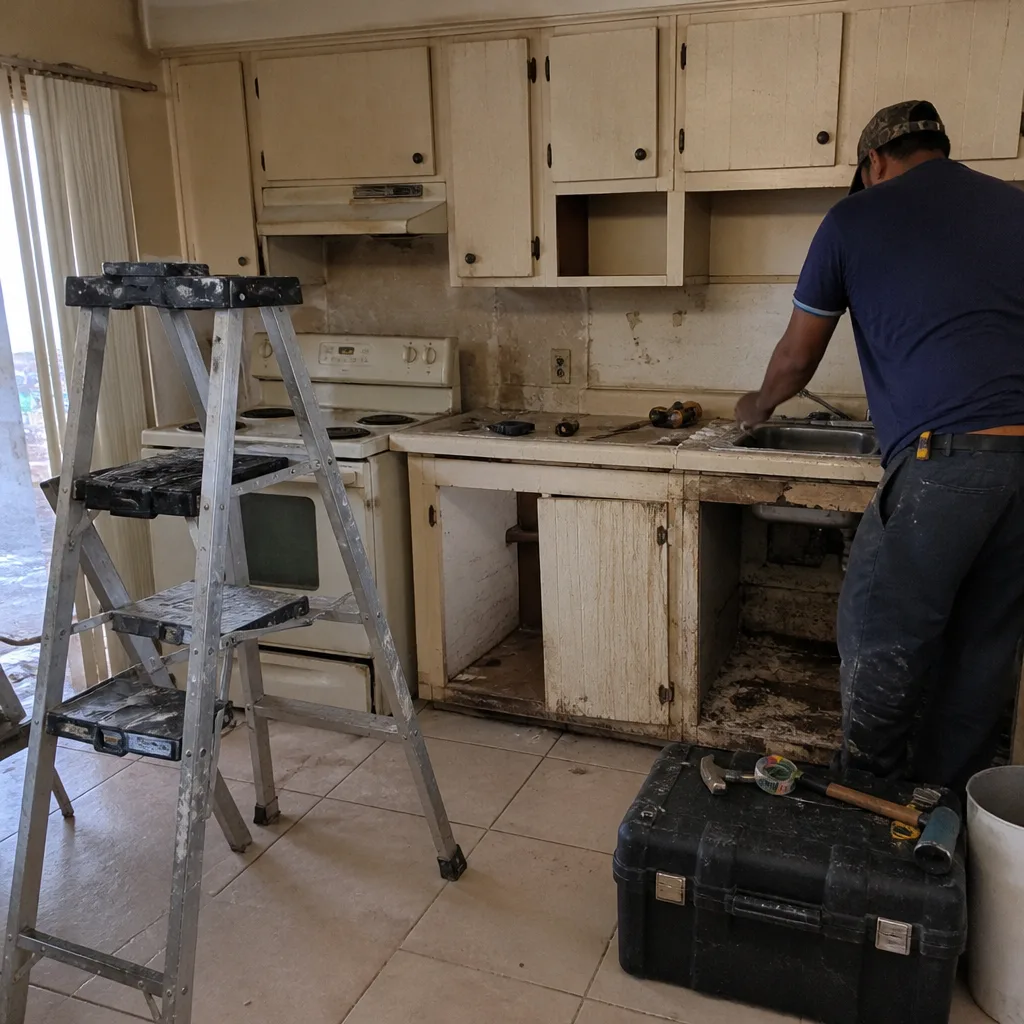 Before
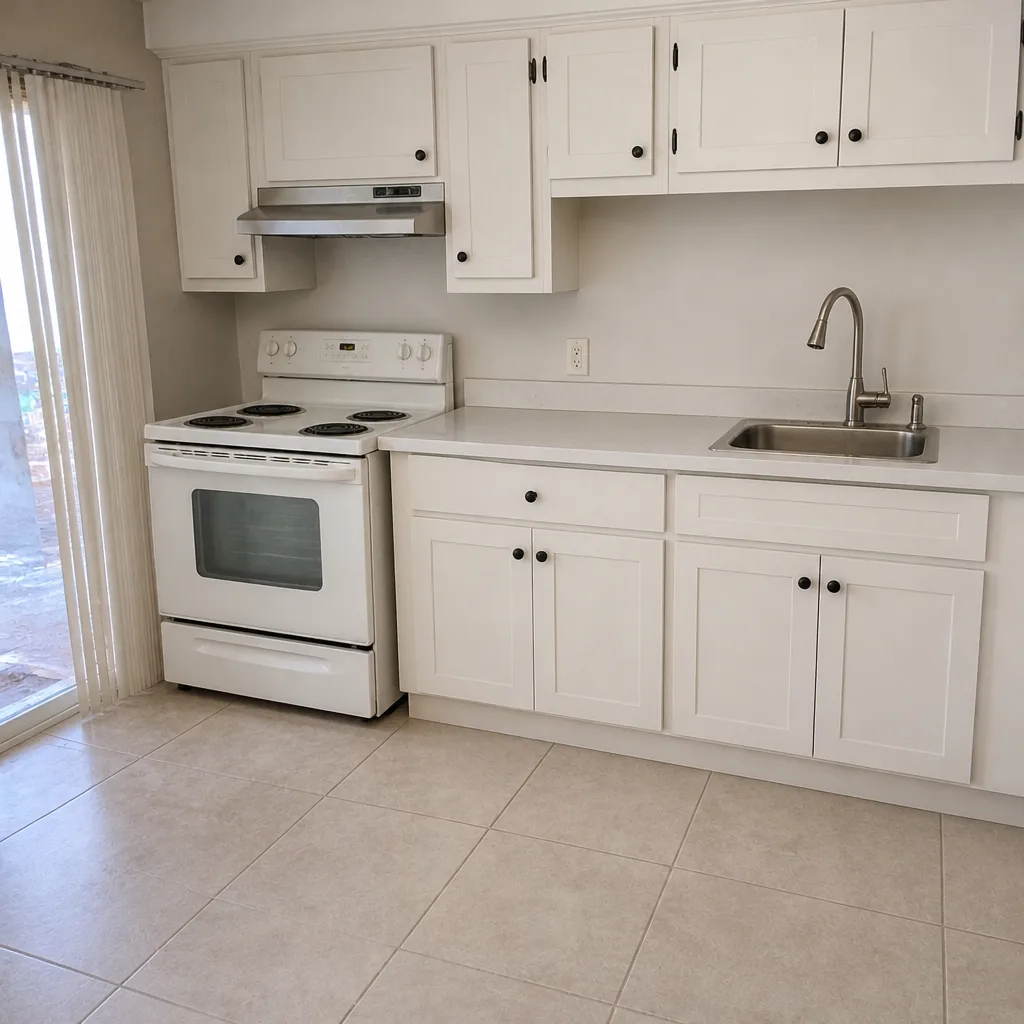 After
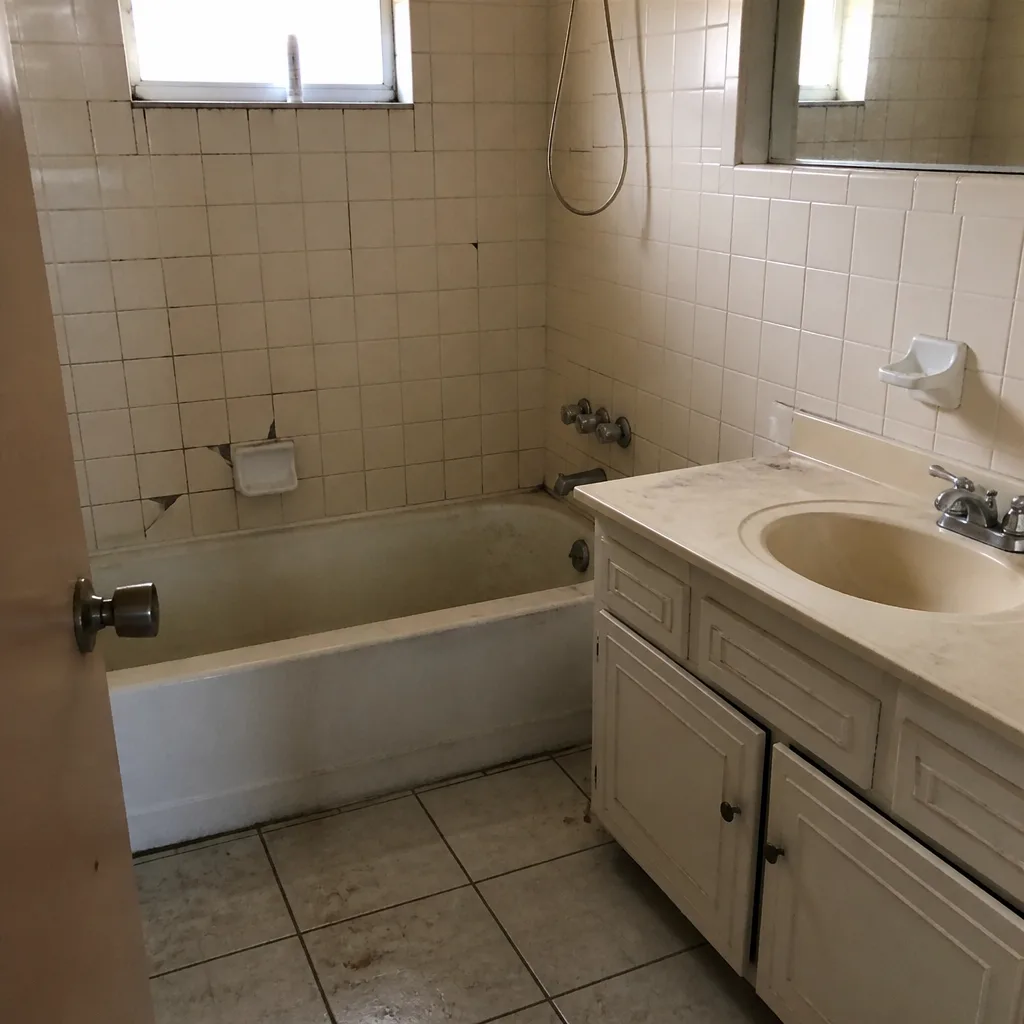 Before
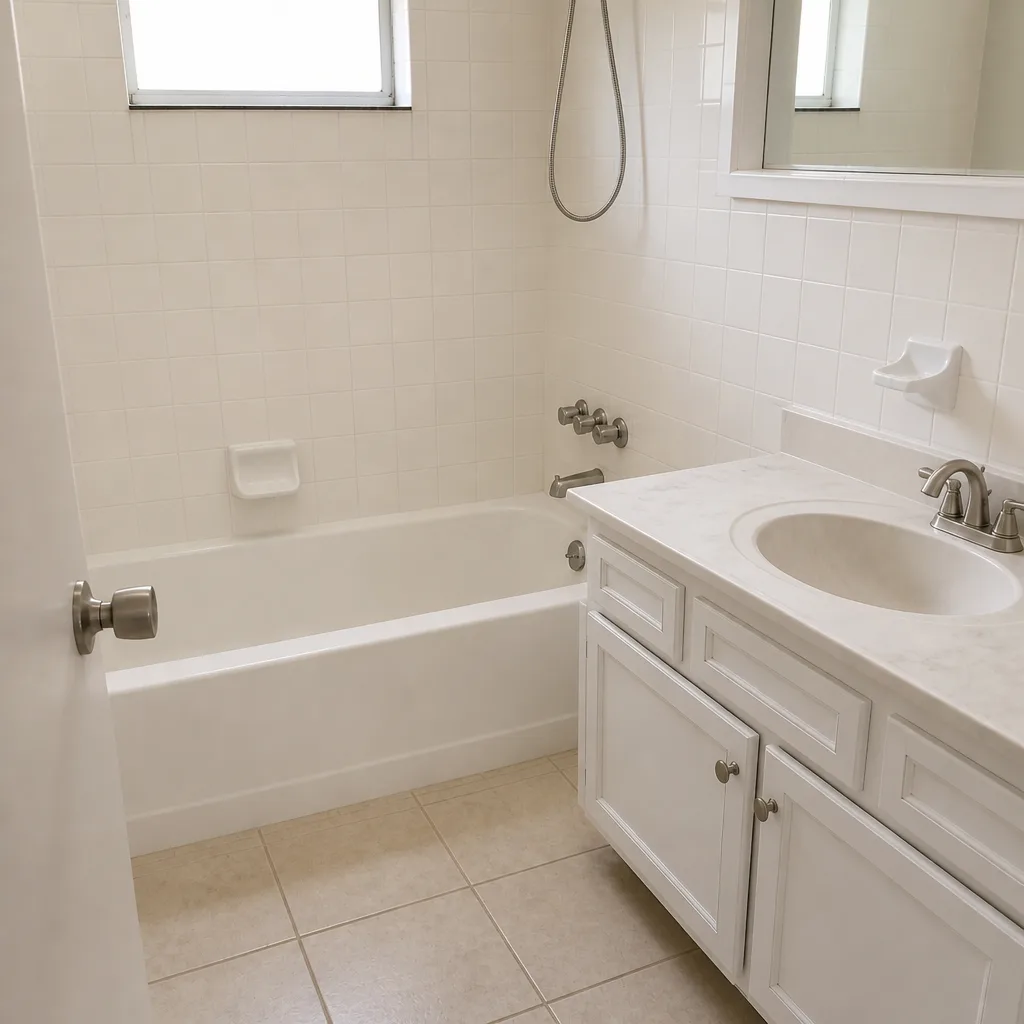 After
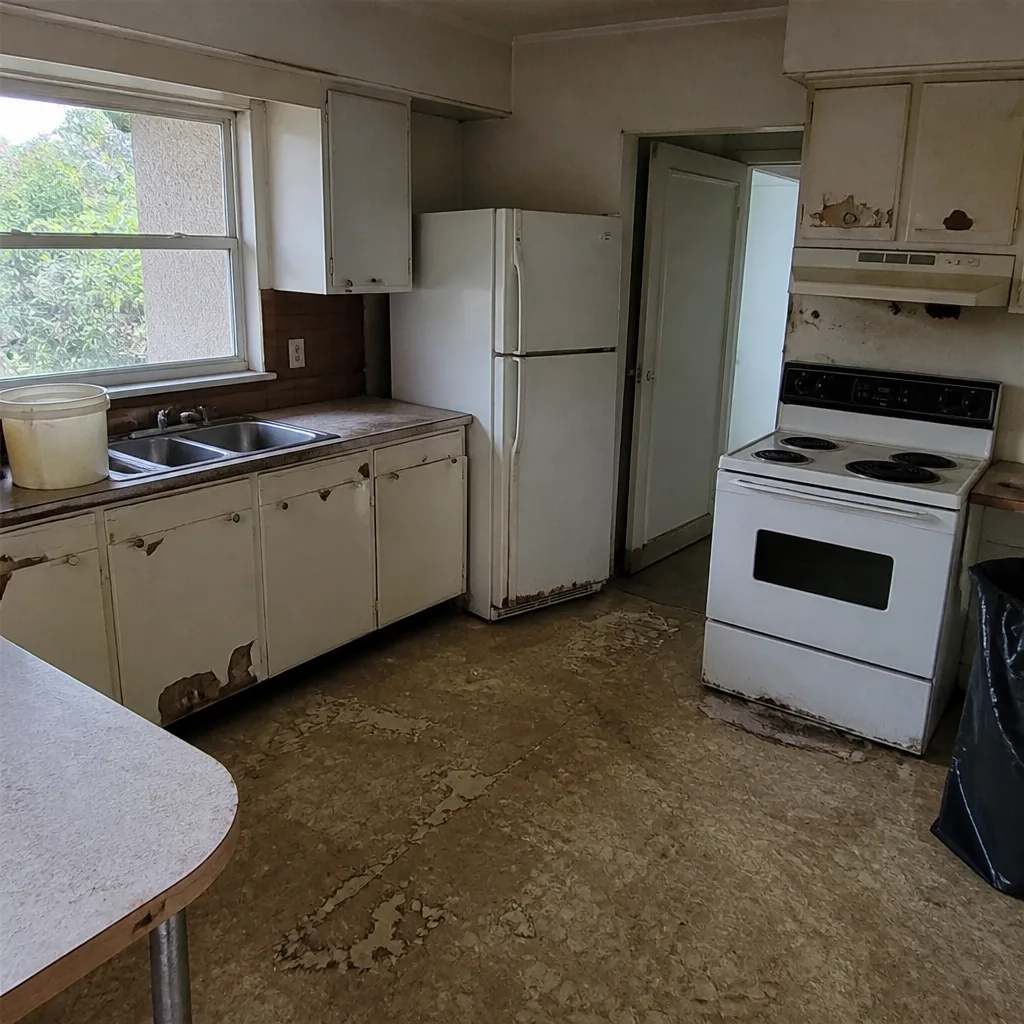 Before
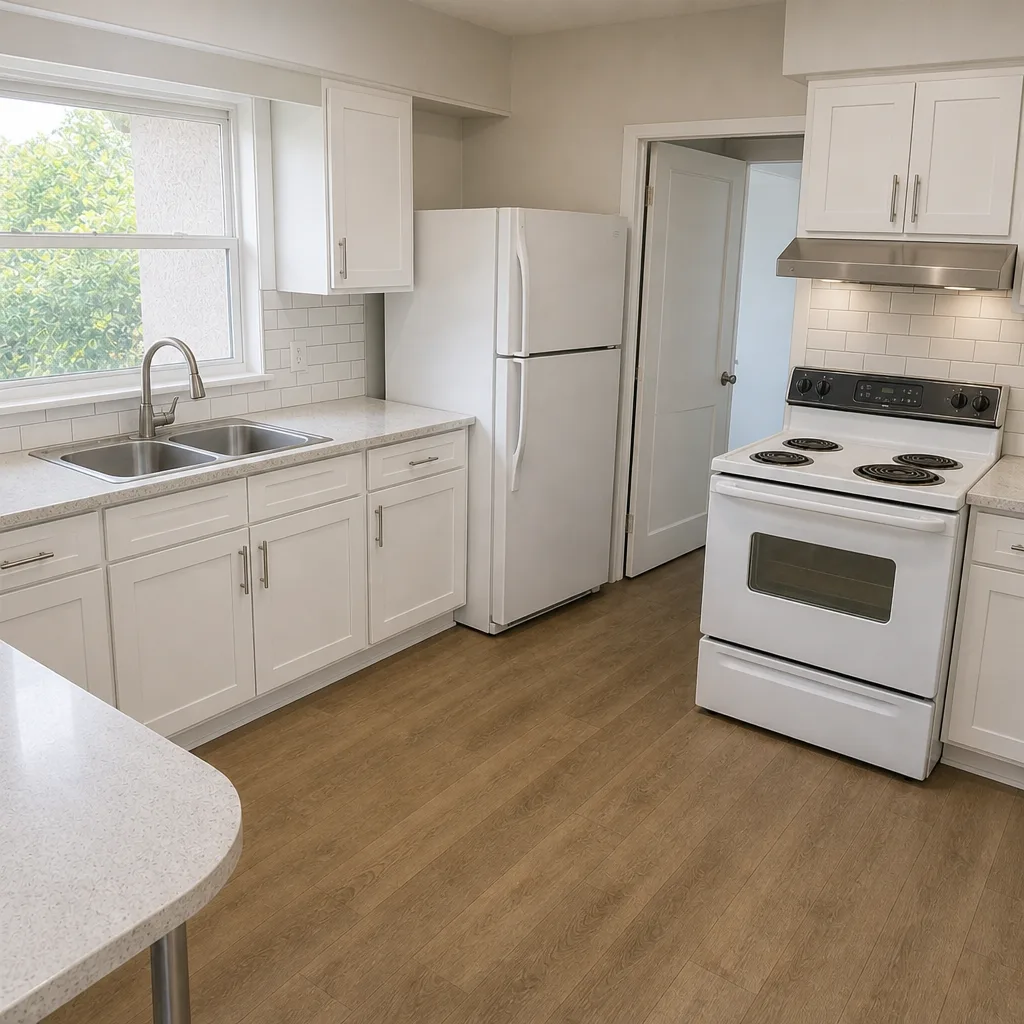 After
When to Call a Professional
Call a professional when a footing has failed, when a storm has left a run compromised, or when a gate post is moving and hinge adjustments haven’t held. The same goes for root intrusion that needs a documented assessment, any loaded post you’re unsure about pulling, and any repair where the cause isn’t obvious after a quick walk. Groundwork Construction Co. of North Miami Beach offers free estimates in North Miami Beach. Call (844) 797-4868 and we’ll diagnose the actual failure and quote the fix upfront, with no surprises. Every project is backed by our 730-Day Done Right Promise, and our technicians have up to 12 years of experience with coastal fences.
Frequently Asked Questions
Leaning post repair in North Miami Beach typically ranges from $150 to $500 for a single post, depending on whether the footing needs resetting, the post needs replacing, or the hardware at the base has failed. Footing-reset jobs sit at the higher end because the old collar has to come out. Call (844) 797-4868 for an exact quote. Estimates are free, and we price the fix upfront.
Your post keeps leaning because the footing wasn’t corrected, or because the replacement post wasn’t rated for ground contact in our sandy coastal soil. Both problems reset the same failure cycle. Push on the post; if the whole assembly pivots at the soil line, the footing is the cause. Call (844) 797-4868 for a free diagnosis.
Sometimes, but only when the gate post is sound. If the post moves when you push it, or the wood around the hinges has softened, the post needs replacing or resetting before a hinge fix will hold. Hinge adjustments on a moving post fail within weeks. Call (844) 797-4868 to have a North Miami Beach gate assessed.
Yes. Salt air corrodes fence hardware, hinges, brackets, and fasteners years before the panels or posts look old, and a failsafe connection can fail without warning. Probe every hinge and bracket with a screwdriver during your inspection. If the steel is crumbling, it’s already compromised. Call (844) 797-4868 for a hardware check and repair quote.
It can be repaired when the posts are straight, solid at grade, and don’t move, and only the panels are damaged. If posts lean, footings washed out, or multiple panels warped, plan for replacing the run. Call (844) 797-4868 for a professional assessment before you pull anything apart.
Document first. Photograph the root intrusion and the damage with dates, confirm the property line, and get a professional written assessment of the cause before you raise it with your neighbor or file a claim. Roots keep growing, so the footing needs resetting with that pressure accounted for. Call (844) 797-4868 for an assessment and quote.
The Bottom Line
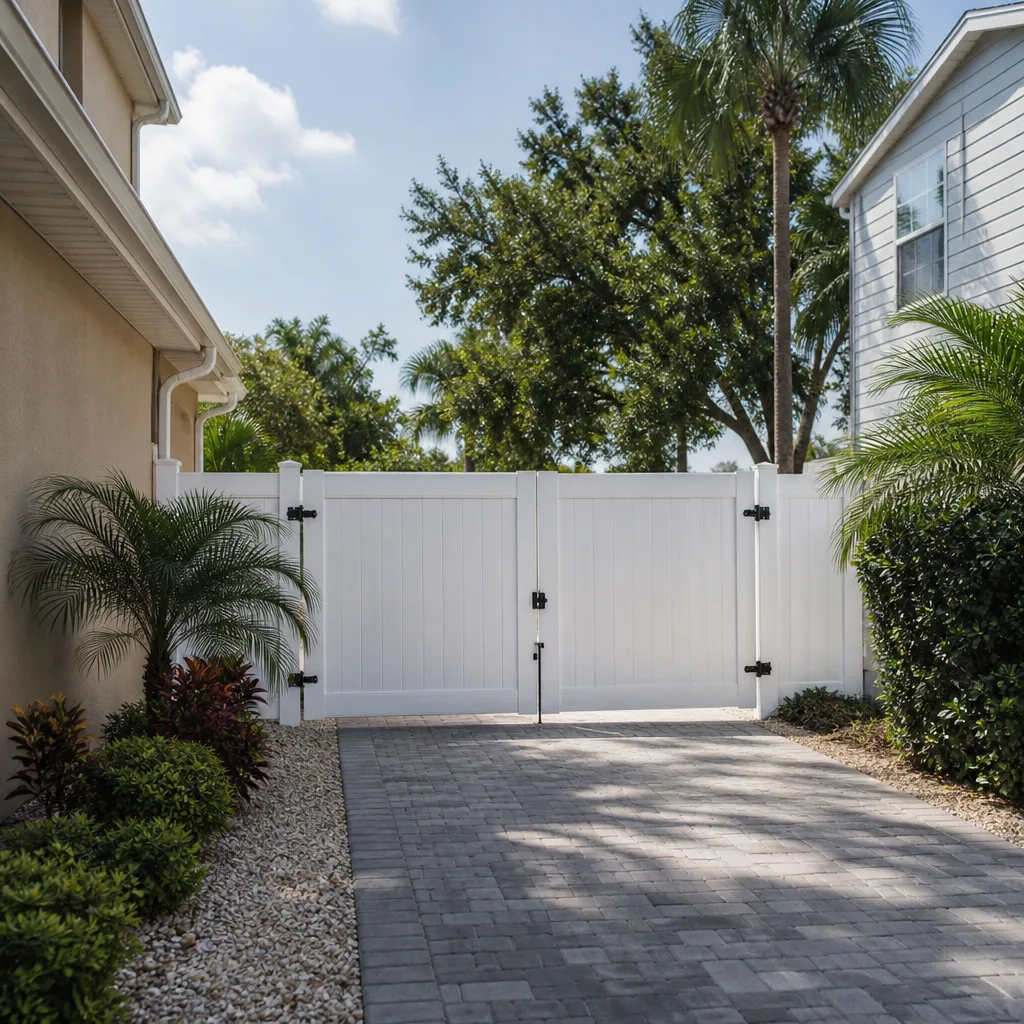
Most fence failures in North Miami Beach trace to a footing that was too small for sandy soil, the wrong post material for our soil chemistry, or hardware that wasn’t rated for salt air. Diagnose before you buy parts: push the post, probe the base, check the hardware. Fix the footing rather than just the post, adjust the post rather than just the hinge, and document root intrusion before you act. If the cause isn’t obvious or a loaded post is a safety risk, get a professional assessment. Call (844) 797-4868 for a free estimate in North Miami Beach, and take a look at our Driveway & Pavers in North Miami Beach and Home Additions & ADU in North Miami Beach pages if you’re planning broader hardscape or build work. We handle the whole scope from foundation to finish line.
Written by the team at Groundwork Construction Co. of North Miami Beach.