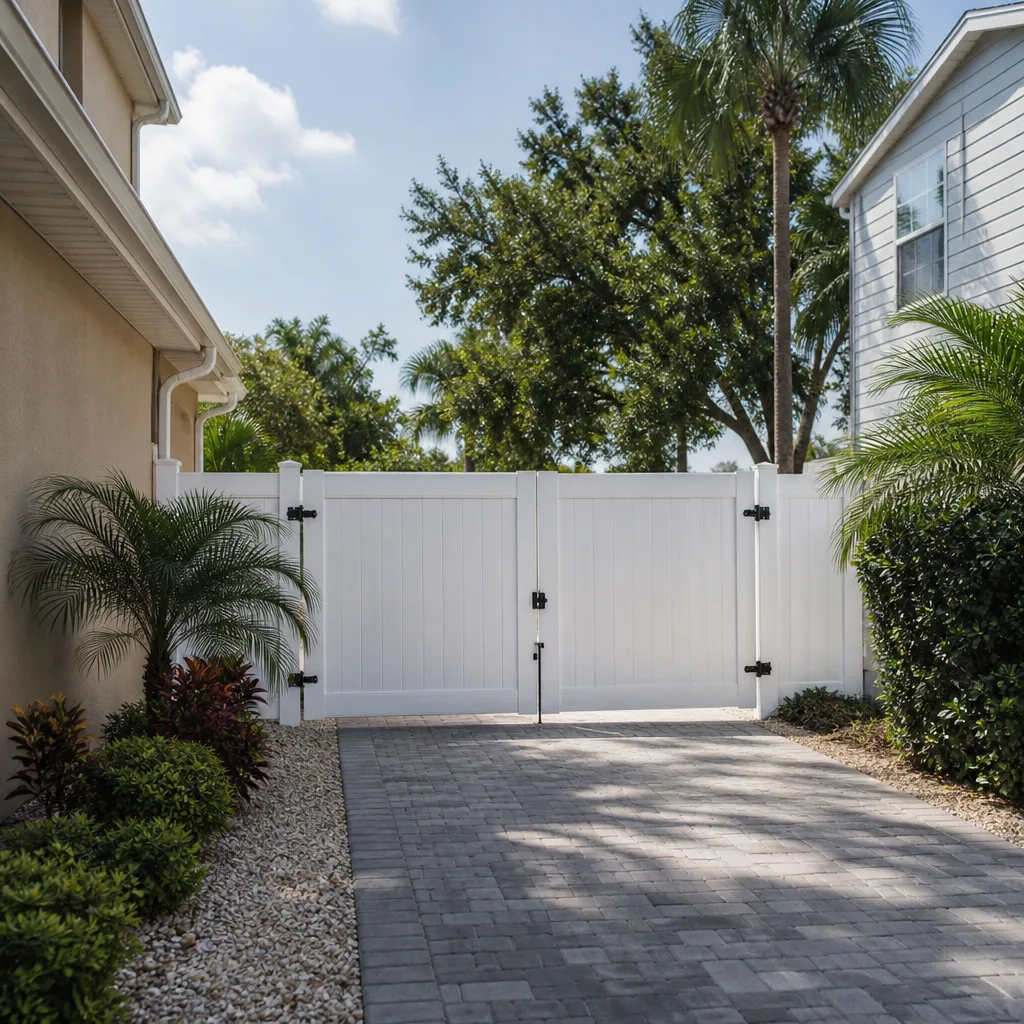
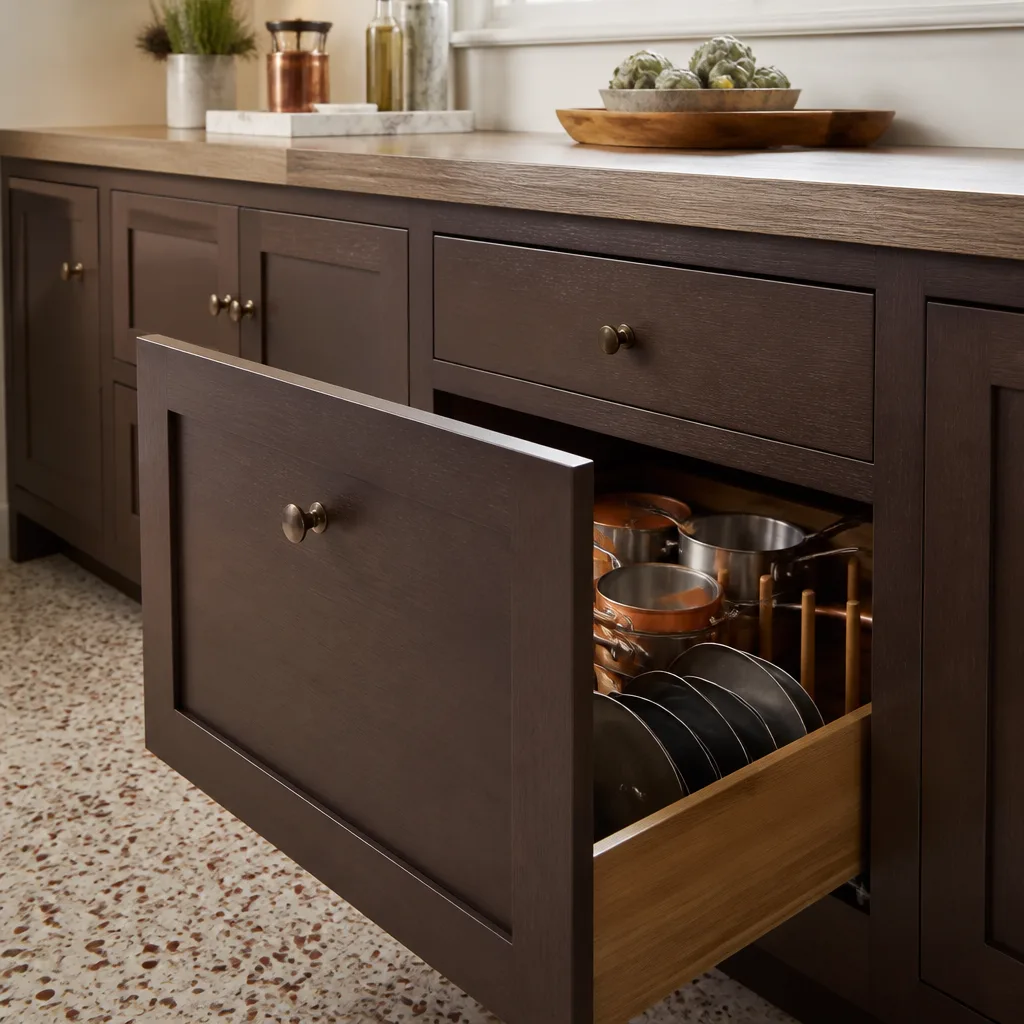
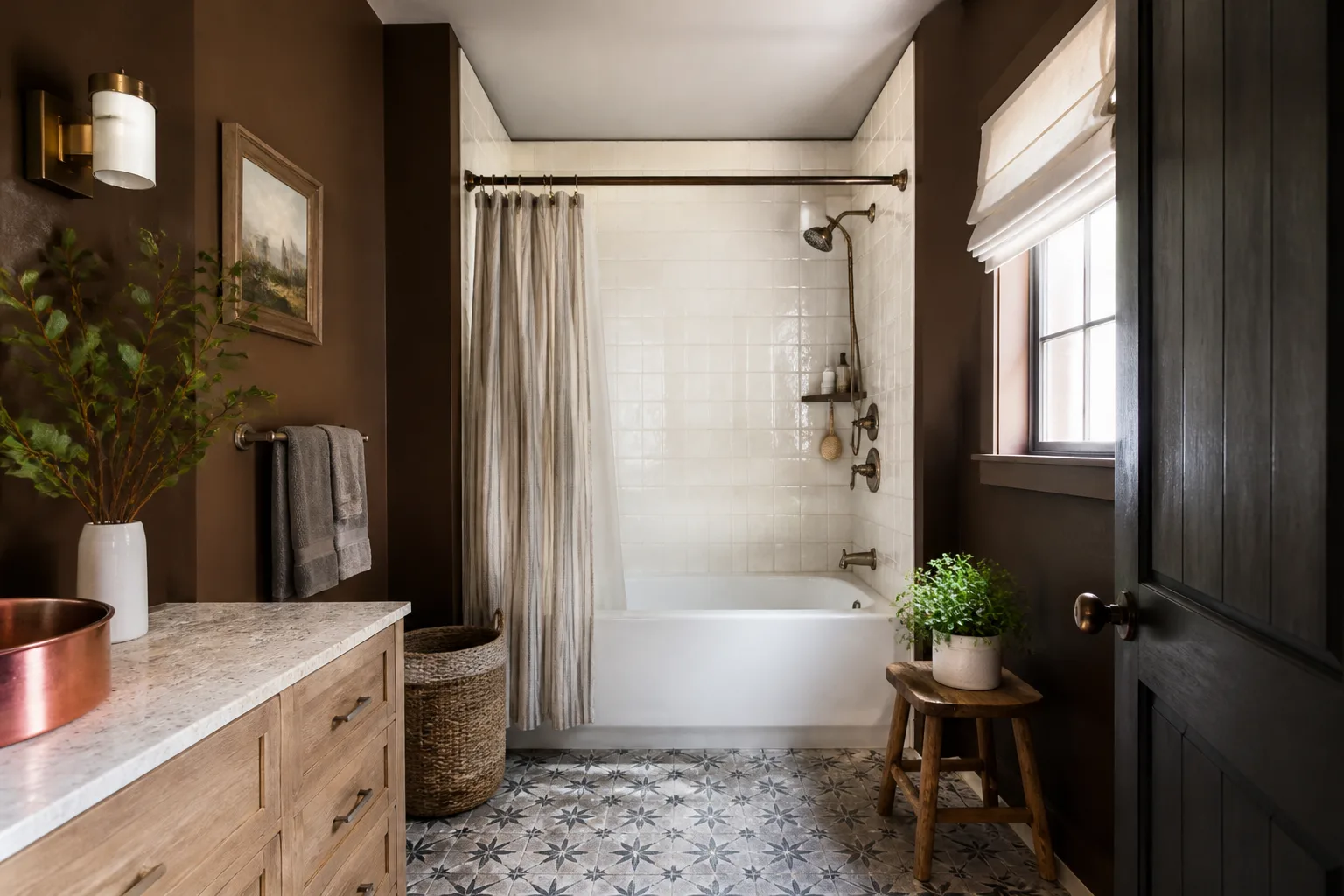
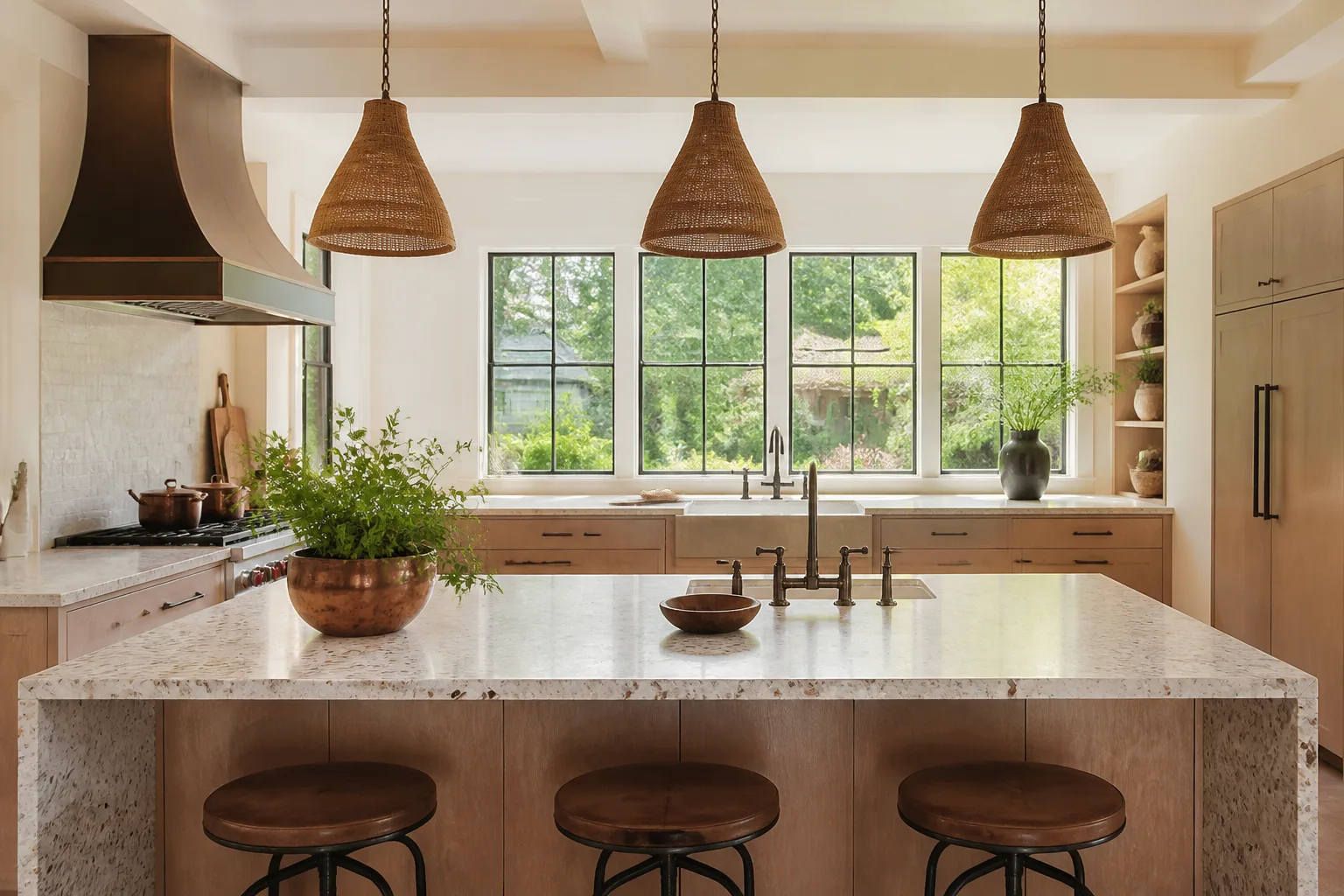
Free written scope consultation - allowances, timeline, and change-order rules on paper before a single trade is scheduled
Styles & brands we work with
- Kitchen remodeling
- Bathroom remodeling
- Home additions & ADU
- Roofing
- Windows & doors
- Driveway & pavers
- Fence
See the difference
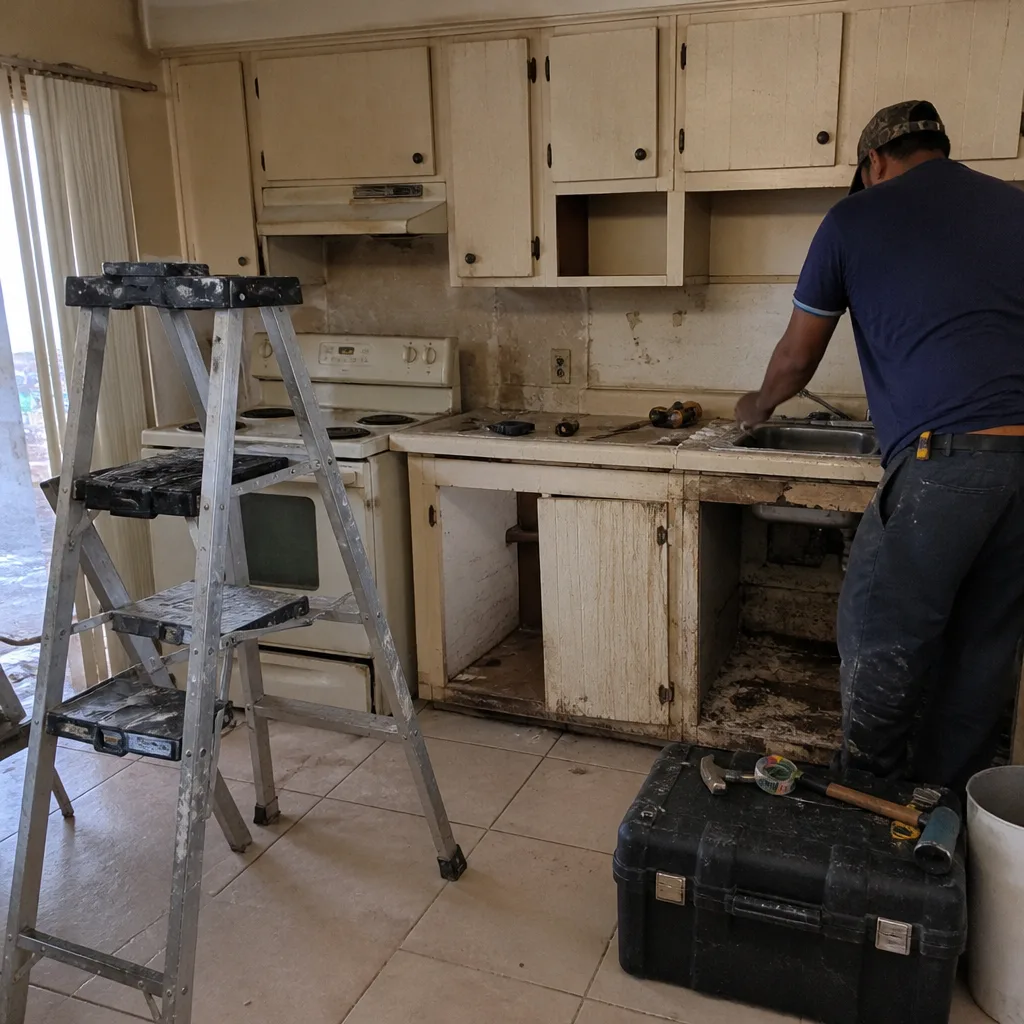 Before
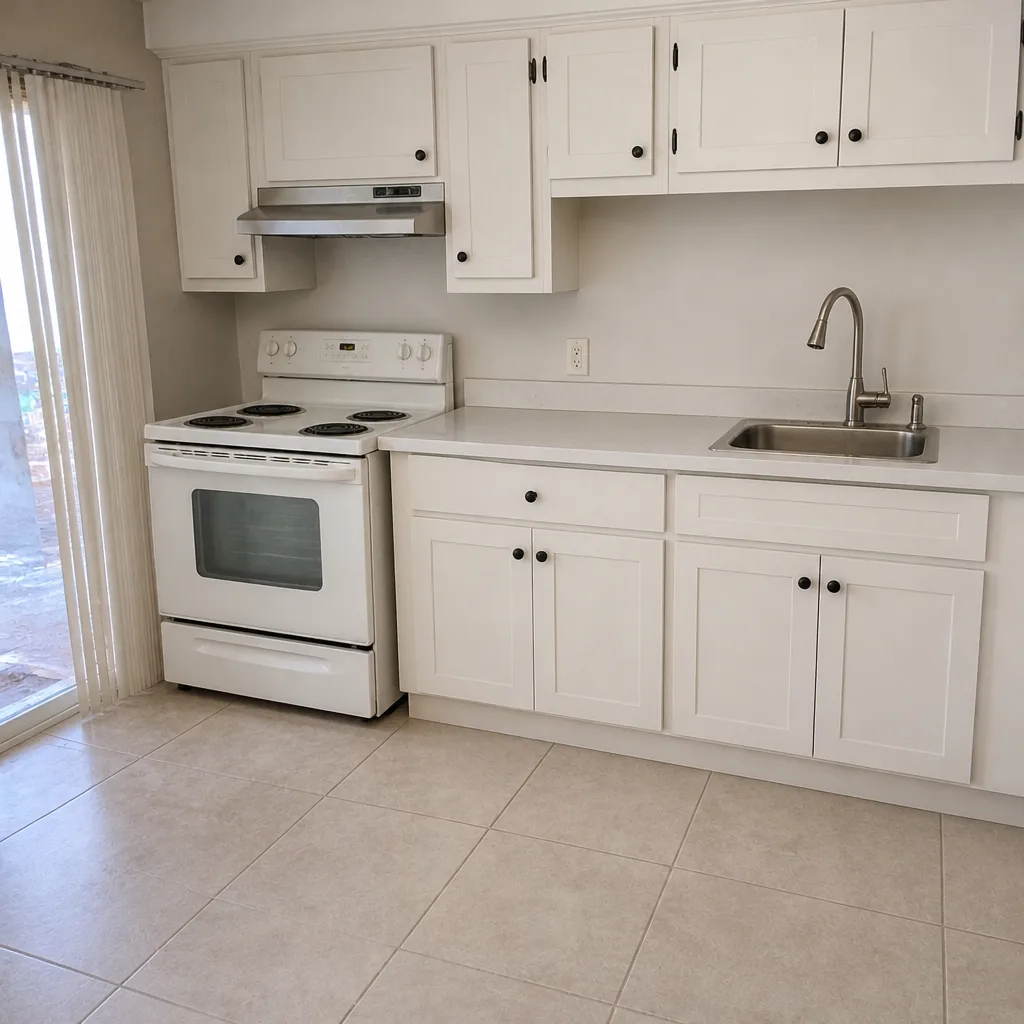 After
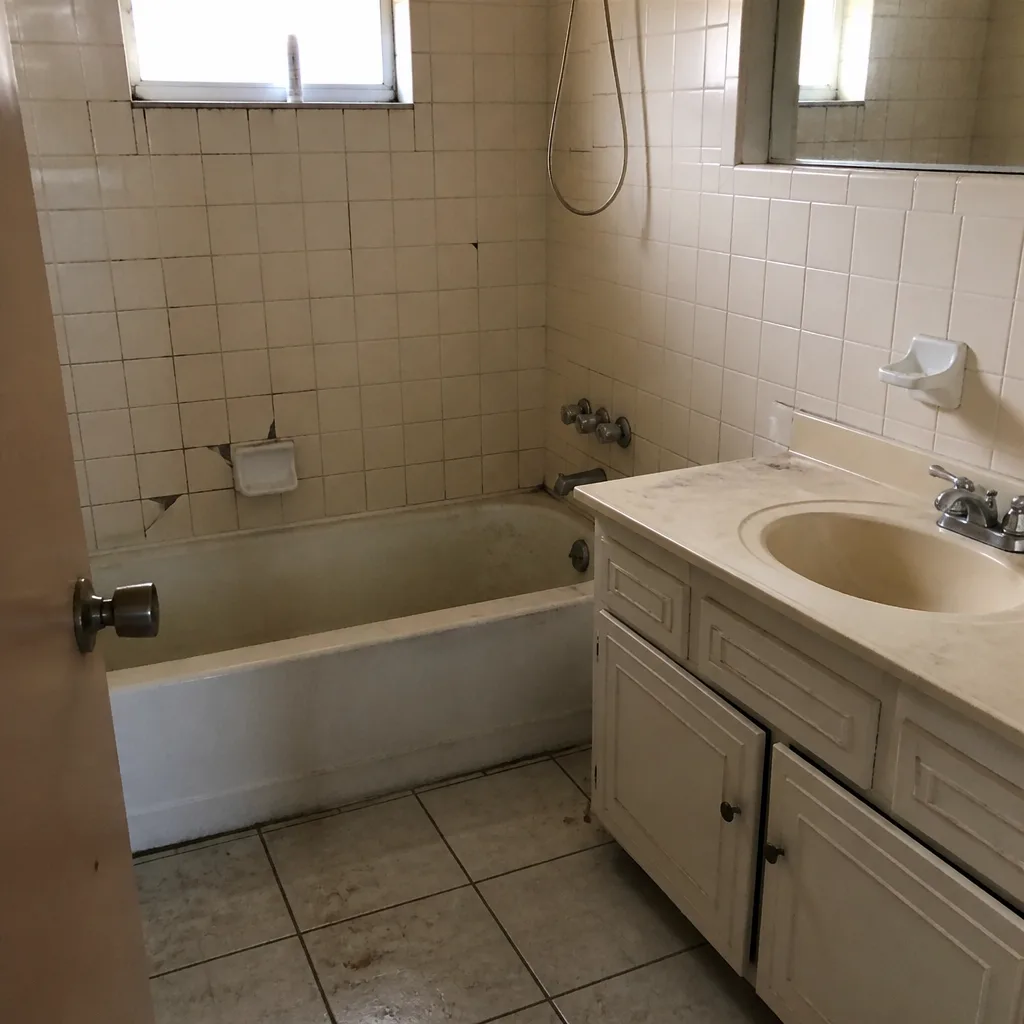 Before
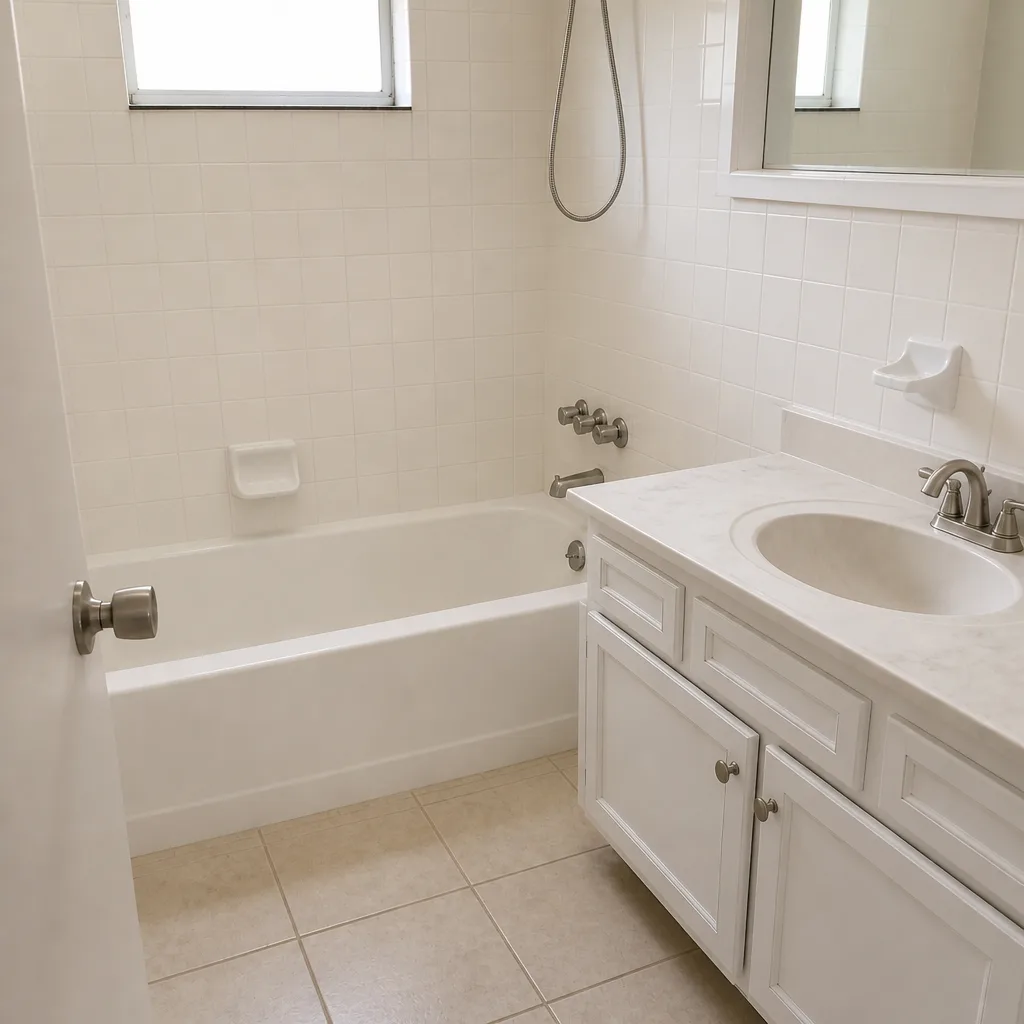 After
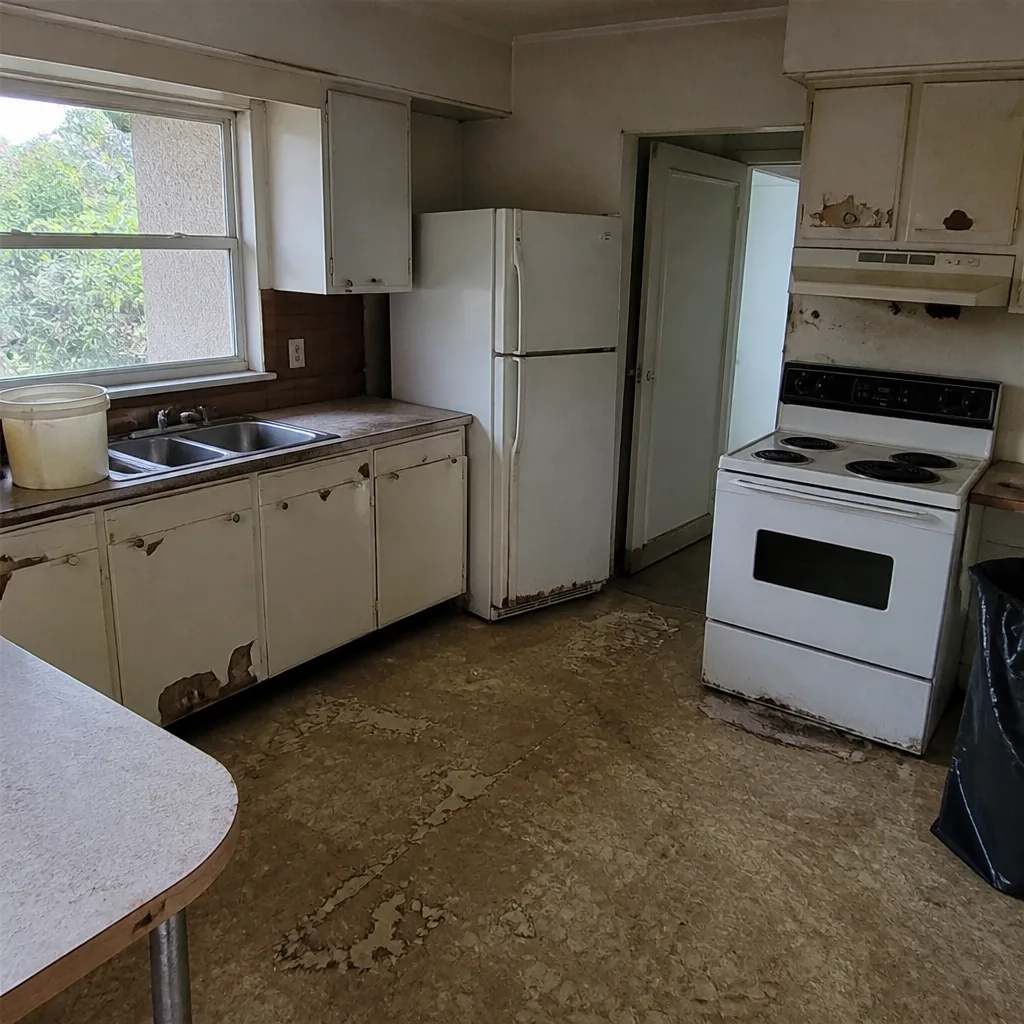 Before
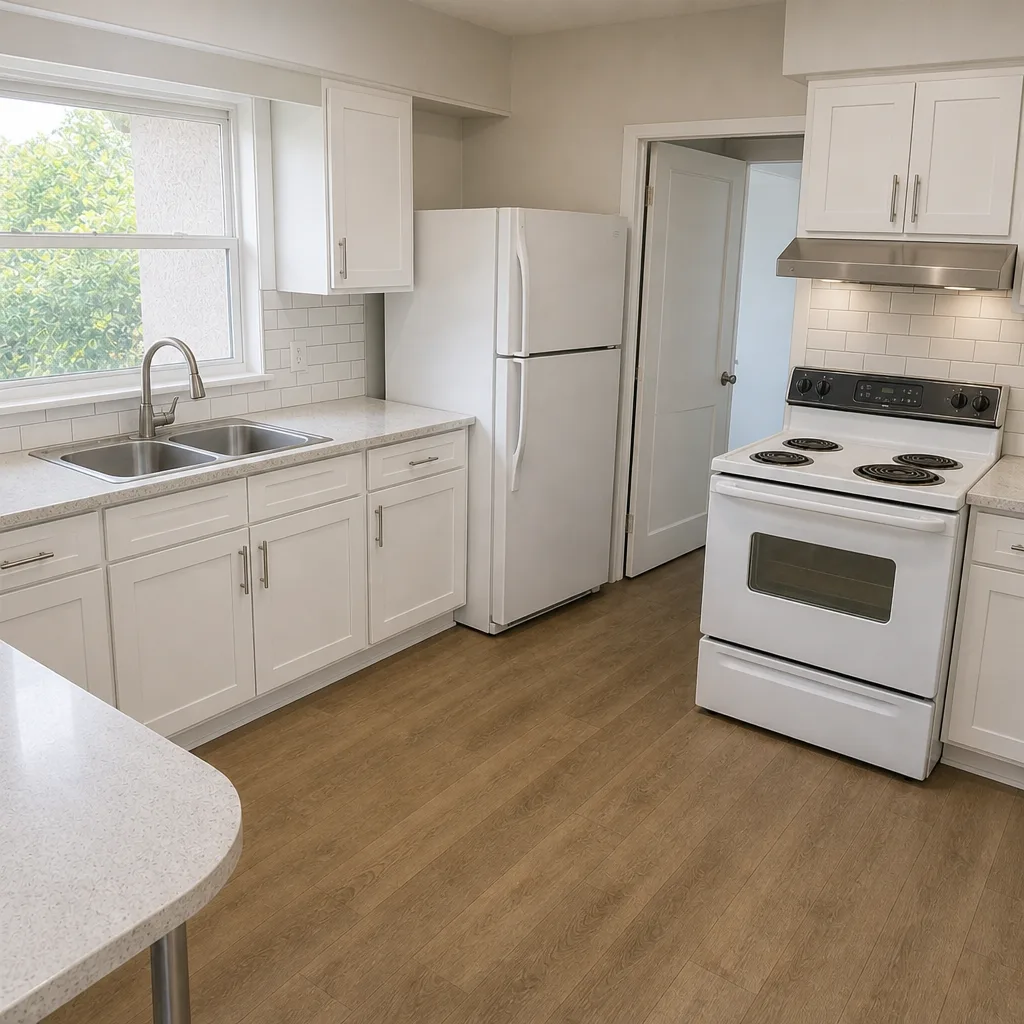 After
How Custom Windows Are Made for North Miami Beach Homes (And Why Miami-Dade Approval Limits Your Sizing)
Custom windows are made to your exact rough-opening size, built with laminated impact glass inside a frame rated for your wind zone, and tested as a complete unit against Miami-Dade’s product approval system before a single one ships. In North Miami Beach, that last step matters more than most homeowners realize: a manufacturer’s Miami-Dade NOA (Notice of Acceptance) covers only the size ranges it actually tested, so a “custom” unit that exceeds the tested maximum can’t be legally installed, no matter how well it’s built. If you want that process handled correctly from measurement to permit, call Groundwork Construction Co. of North Miami Beach at (844) 797-4868 and we’ll walk you through the limits before anyone places an order.
Most of the confusion we hear comes from thinking “custom” means unlimited. It doesn’t. It means crafted to your opening, within an approval envelope that was set in a testing lab. Here’s what actually happens between your first measurement and the day a crate lands in your driveway.
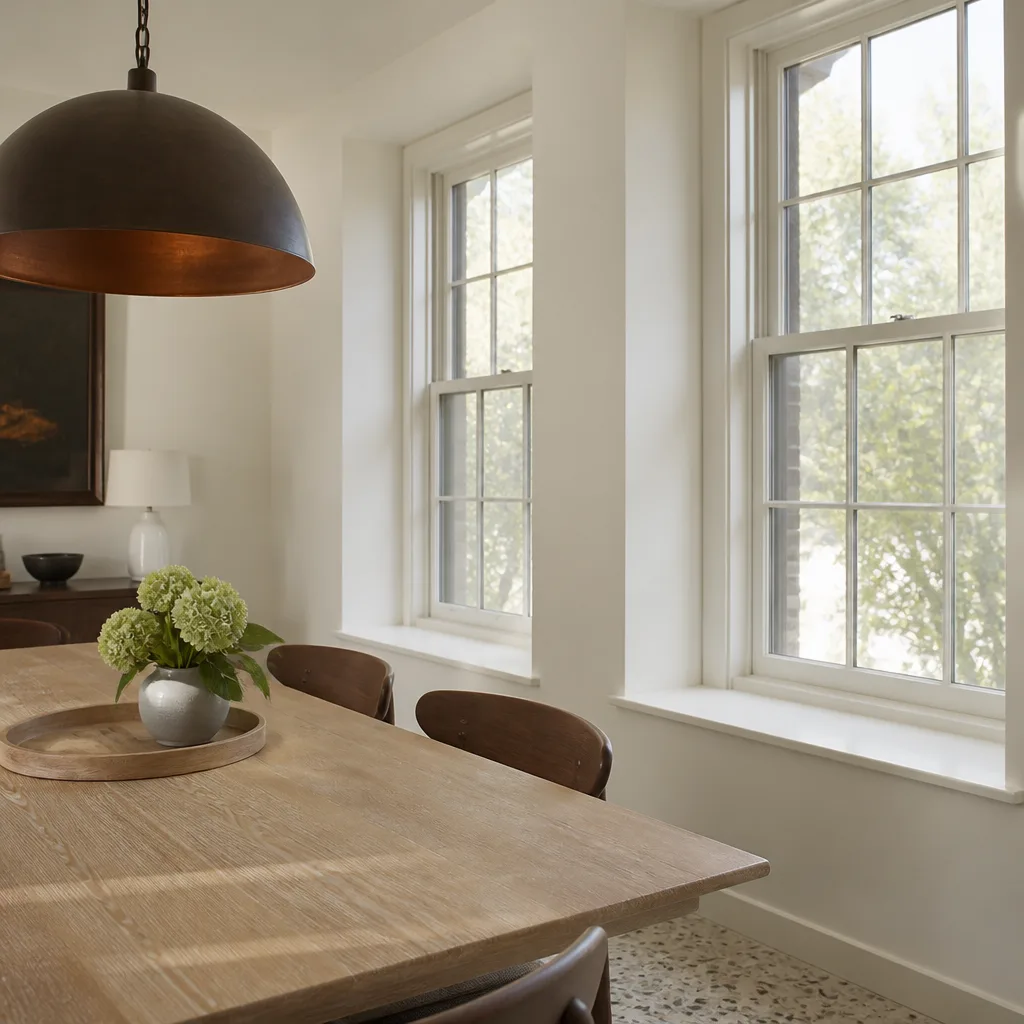
The Miami-Dade Size Matrix: Why “Custom” Has a Ceiling in North Miami Beach
Manufacturers don’t get a blanket Miami-Dade approval for every size they could theoretically build. They test specific configurations and size ranges, then certify those results. An NOA lists the maximum width and height for a given frame and glass combination, the design pressure it holds, and the applications it’s approved for. Your North Miami Beach permit reviewer checks the submitted unit against that document. If your rough opening calls for a unit wider than the tested maximum, the plan gets rejected – often after the order is already placed.
Testing is the reason. To earn HVHZ approval, a window assembly goes through missile impact testing under TAS 201, cyclic pressure loading under TAS 203, and water and air infiltration checks under TAS 202. Each test is run at a defined size and design pressure. Test a 48-inch unit and pass, and you’ve proven the design at 48 inches. That doesn’t automatically certify a 72-inch version – the larger unit needs its own test data or a manufacturer’s engineering extension the county will accept.
What this means for you: the custom process starts with measuring your opening, then matching it against the manufacturer’s approved size matrix. Most North Miami Beach openings fit comfortably inside those ranges. When they don’t, we know before the order goes in, not after a failed inspection. That’s the difference between a smooth install and a six-week stall.
What’s Actually Inside a Custom Impact Window?
The visible glass is two panes bonded to a plastic interlayer, and that interlayer is the part doing the structural work during a hurricane. After a missile strike cracks the glass, the interlayer holds the fragments in the frame so the opening stays sealed. Two interlayer types dominate custom impact units here:
- PVB (polyvinyl butyral) – the standard interlayer. Reliable, widely available, and the right call for most residential openings. It softens slightly in sustained high heat compared to SGP.
- SGP (SentryGlas Plus) – stiffer and stronger after breakage, with better heat tolerance. For large custom units, picture windows with wide spans, or anything where the design pressure margin is tight, SGP is often the specified choice.
Why the internal construction matters for North Miami Beach specifically: this city sits inside Miami-Dade’s High Velocity Hurricane Zone, and with all that subtropical heat and salt-laden coastal air, a unit that passes bare-minimum testing but has no strain margin ages faster. Custom sizing lets you specify the larger approved unit with the stronger interlayer rather than forcing a stock window into an opening that needs more. That’s a real reason to go custom – not vanity, but margin.
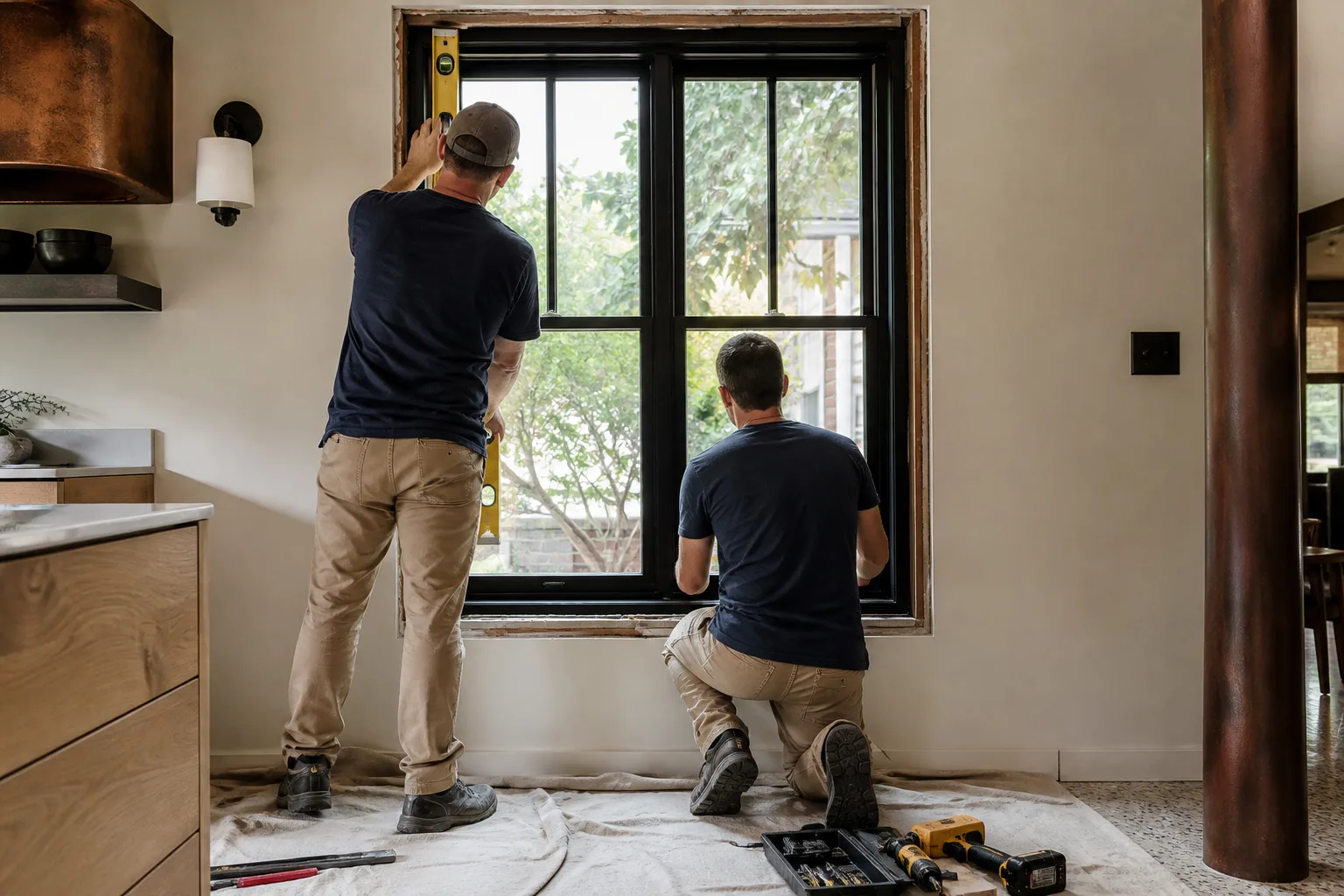
How We Measure a Custom Window for a Mid-Century CBS Wall
Most of North Miami Beach’s residential core is 1950s-1970s single-story concrete-block (CBS) and stucco ranch homes, and those openings rarely match a stock unit. Old window frames get re-flashed, stucco gets patched, and the actual masonry buck is often out of square by half an inch or more. We don’t guess at it.
Our measurement process captures the rough opening at its tightest points – width, height, and the diagonal in both directions – plus the depth of the masonry for the mounting flange. That data feeds straight into the custom order spec, so the unit arrives sized to the opening, not to a nominal dimension off a chart. Because we’re matching to the real wall rather than forcing the wall to match the window, fewer surprises show up at install. When you want that fitting done right the first time, our Windows & Doors team handles measurement, ordering, and install as one job.
How Andersen and Marvin Custom Windows Differ in the Factory
Both brands custom-fabricate units with Miami-Dade approvals, but their factory processes produce meaningfully different finished products for South Florida heat:
| Brand | Frame Construction | What It Means Here |
|---|---|---|
| Andersen | Wood-composite frames (Fibrex) with welded or mechanically joined corners | Good thermal stability, low expansion under heat; classic look, needs careful detailing at coastal installations |
| Marvin | Fiberglass (pultruded) frames | Excellent dimensional stability under UV and heat cycling; resists expansion and contraction in high-heat walls |
In plain terms: a pultruded fiberglass frame holds its dimension across hot days and cooler nights better than a frame that moves more. That matters on a large custom unit where a sixteenth of an inch of seasonal movement can affect the seal. Neither brand is “better” – but the frame material should match the opening’s sun exposure and the wall’s behavior. Both fall under our curated brand lineup, alongside Andersen and Marvin, the same way KraftMaid and Cambria anchor our kitchens. Whatever you choose arrives with the full 730-Day Done Right Promise behind it – if it’s not right, we make it right.
Custom Windows Price Guide for North Miami Beach
Custom impact windows cost more than stock units because you’re paying for a made-to-order assembly within an approved envelope, not a catalog item. Here’s what our work in North Miami Beach runs:
| Project | Typical Range |
|---|---|
| Impact window installation (full project) | $9,440-$29,500 |
| Standard window replacement | $5,310-$17,700 |
Upfront pricing, no surprises: you’ll see the number before work starts, and the number you see is the number you pay. Projects over $10,000 get $1,000 off, and we offer 0% financing for 18 months to spread the cost. Every install is backed by the 730-Day Done Right Promise and performed by background-checked, uniformed technicians – our technicians have up to 12 years of experience.
When to Order: Lead Times and the Pre-Season Window
Custom impact windows typically need 4-8 weeks in fabrication after the order is placed and approved. Compare that to the North Miami Beach hurricane season, which starts June 1. If your goal is installs done before the storms, the practical window is February through May – and to guarantee a pre-season install, the custom order needs to be placed by March. Order in April and you may slip into storm season; order in June and you’re planning for the following spring.
This is where a good process pays off. Measurement, size-matrix check, permit submission, and order placement all sit on the critical path. We keep them moving together so the fabrication clock doesn’t start late. Never install impact windows yourself to beat a deadline – the wind-load and flood-proofing rules here are some of the strictest in the country, and a self-installed unit can fail inspection and void the approval it was tested under.
Frequently Asked Questions
Plan on 4-8 weeks of fabrication after the order is placed and the size is confirmed against the manufacturer’s Miami-Dade approval, plus permit and installation time. To land a pre-season install, place the order by March. Call (844) 797-4868 for a free estimate and a realistic timeline for your openings.
Only if the manufacturer has test data or an accepted engineering extension covering that size – otherwise the permit reviewer will reject the unit even if the glass and frame are perfectly made. This is why the size-matrix check happens before ordering. Call us and we’ll confirm the approved maximum for your opening before anyone commits.
SGP is the stronger interlayer after breakage and handles sustained heat better, which helps on large or high-exposure units; PVB is reliable and cost-effective for most standard-size residential openings. The right one depends on your span and design pressure. Call (844) 797-4868 for a no-pressure assessment – estimates are free.
Yes, when they’re measured to the actual rough opening rather than a nominal size. Many mid-century concrete-block homes have out-of-square openings, so we measure the tightest points and the masonry depth and feed that into the custom spec. Call us to schedule a measurement – we’ll tell you exactly what your wall needs.
If you’d rather have it looked at than figure out the size matrix yourself, Groundwork Construction Co. of North Miami Beach offers a no-pressure assessment in North Miami Beach – call (844) 797-4868 for a free estimate. We’ll measure the opening, confirm what your manufacturer can legally build for it, and get the order placed in time for a pre-season install. You can also explore our North Miami Beach service area to see how we handle every trade from foundation to finish line under one 730-Day Done Right Promise.
Written by the team at Groundwork Construction Co. of North Miami Beach, serving North Miami Beach, FL.