Free written scope consultation - allowances, timeline, and change-order rules on paper before a single trade is scheduled
Styles & brands we work with
- Kitchen remodeling
- Bathroom remodeling
- Home additions & ADU
- Roofing
- Windows & doors
- Driveway & pavers
- Fence
See the difference
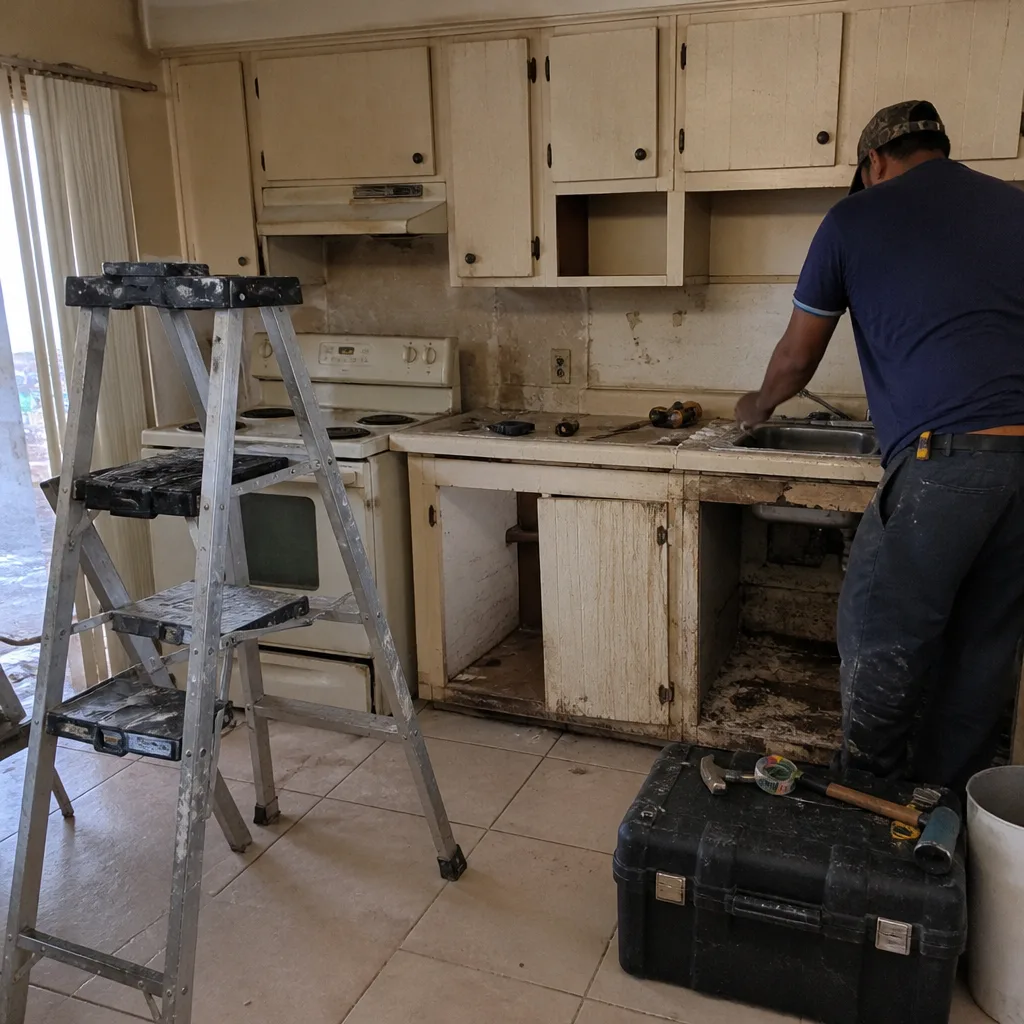 Before
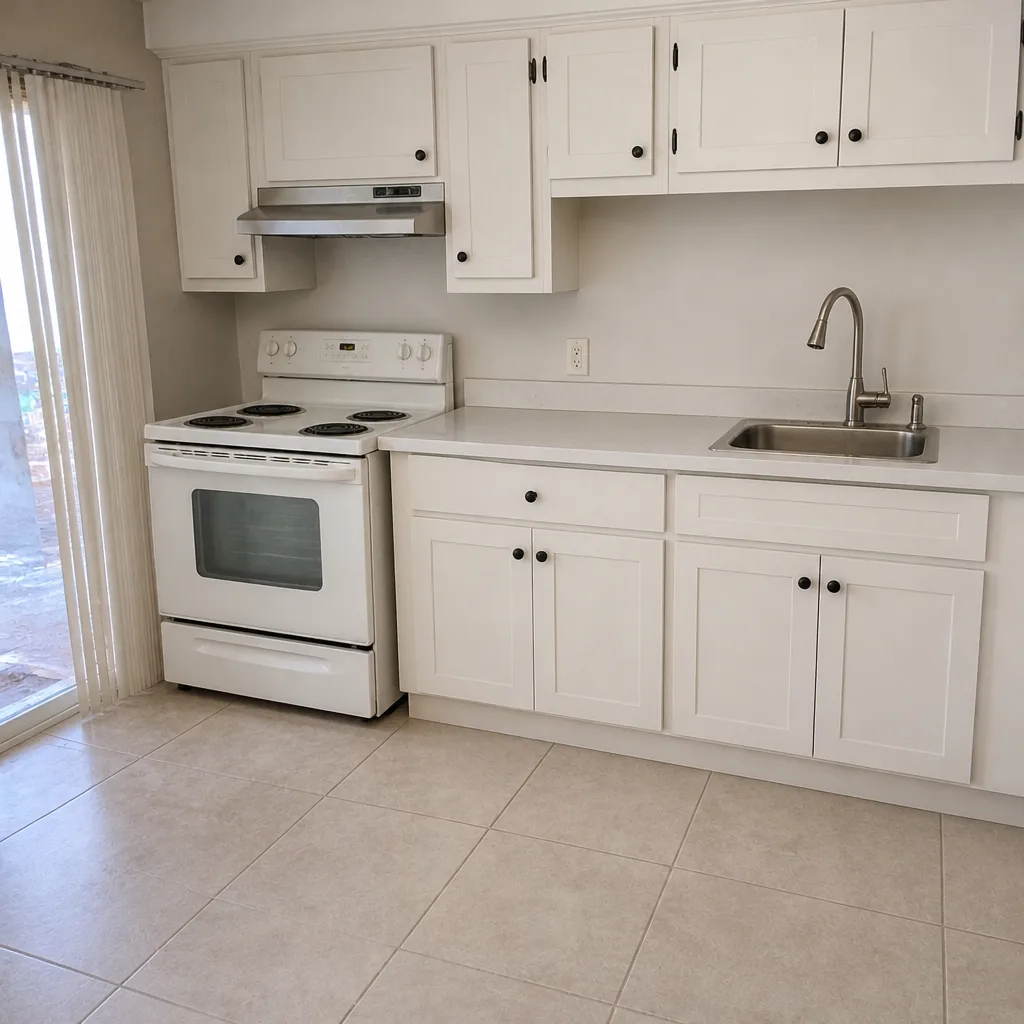 After
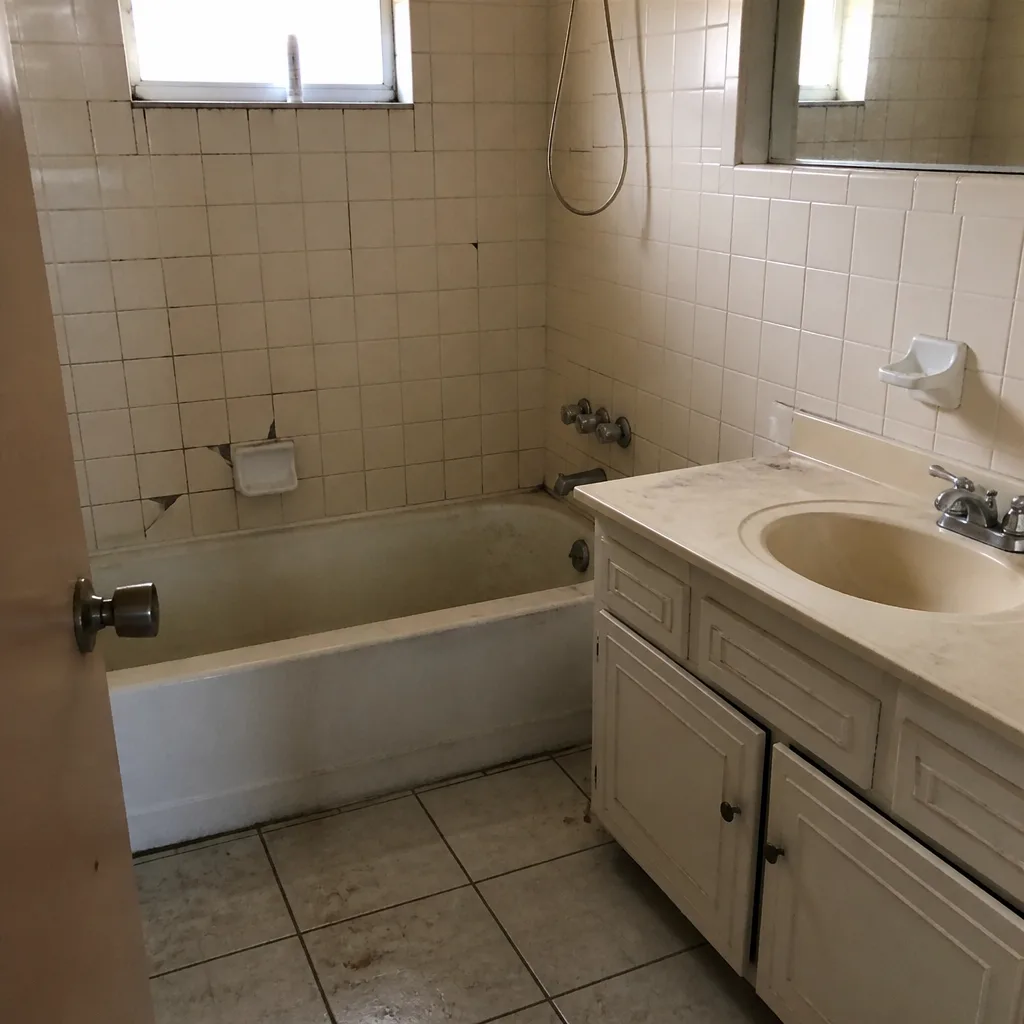 Before
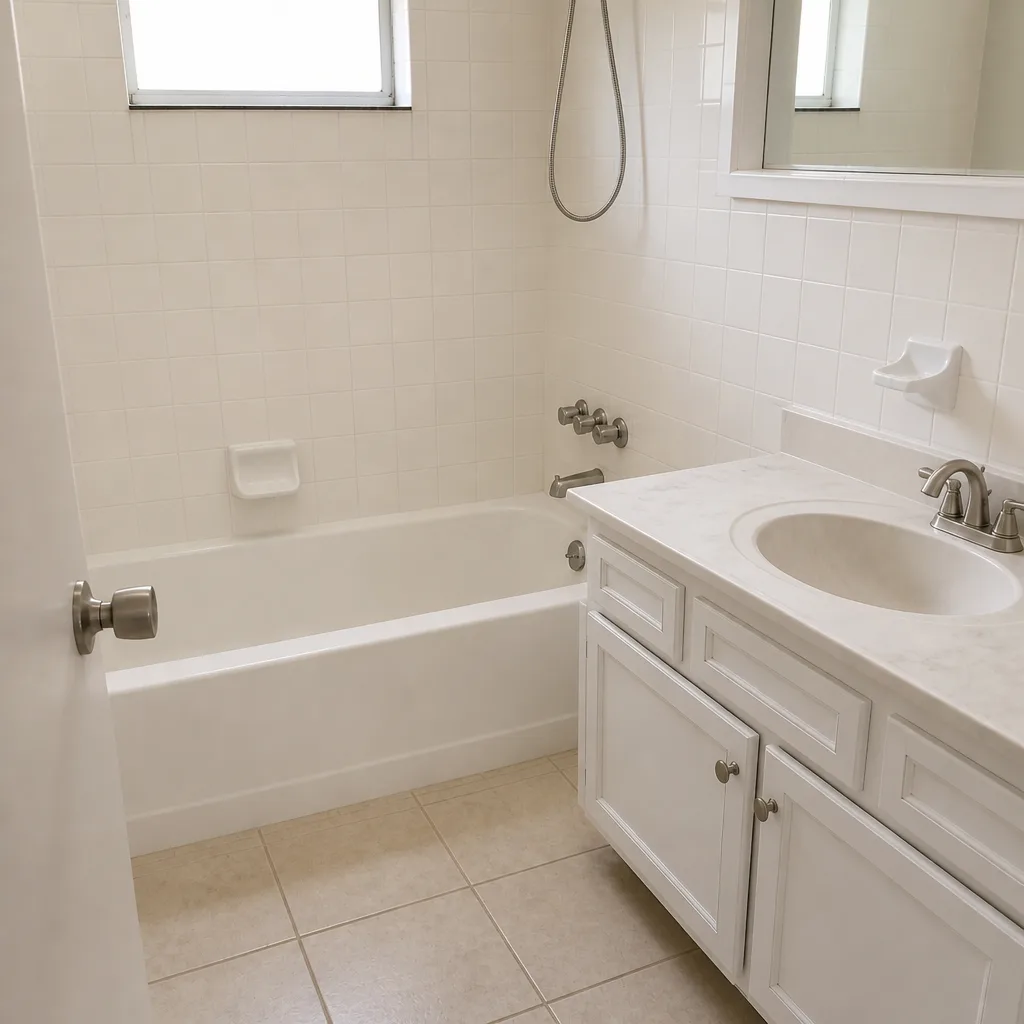 After
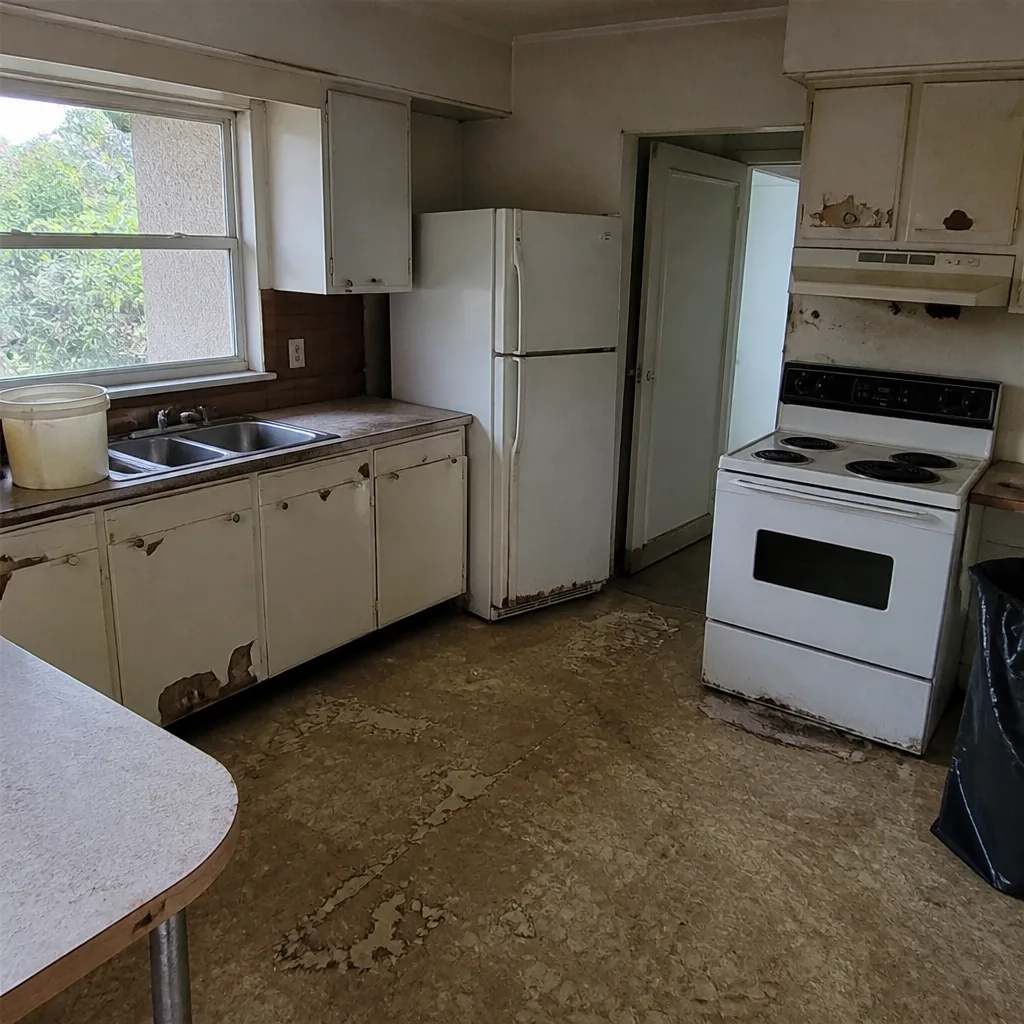 Before
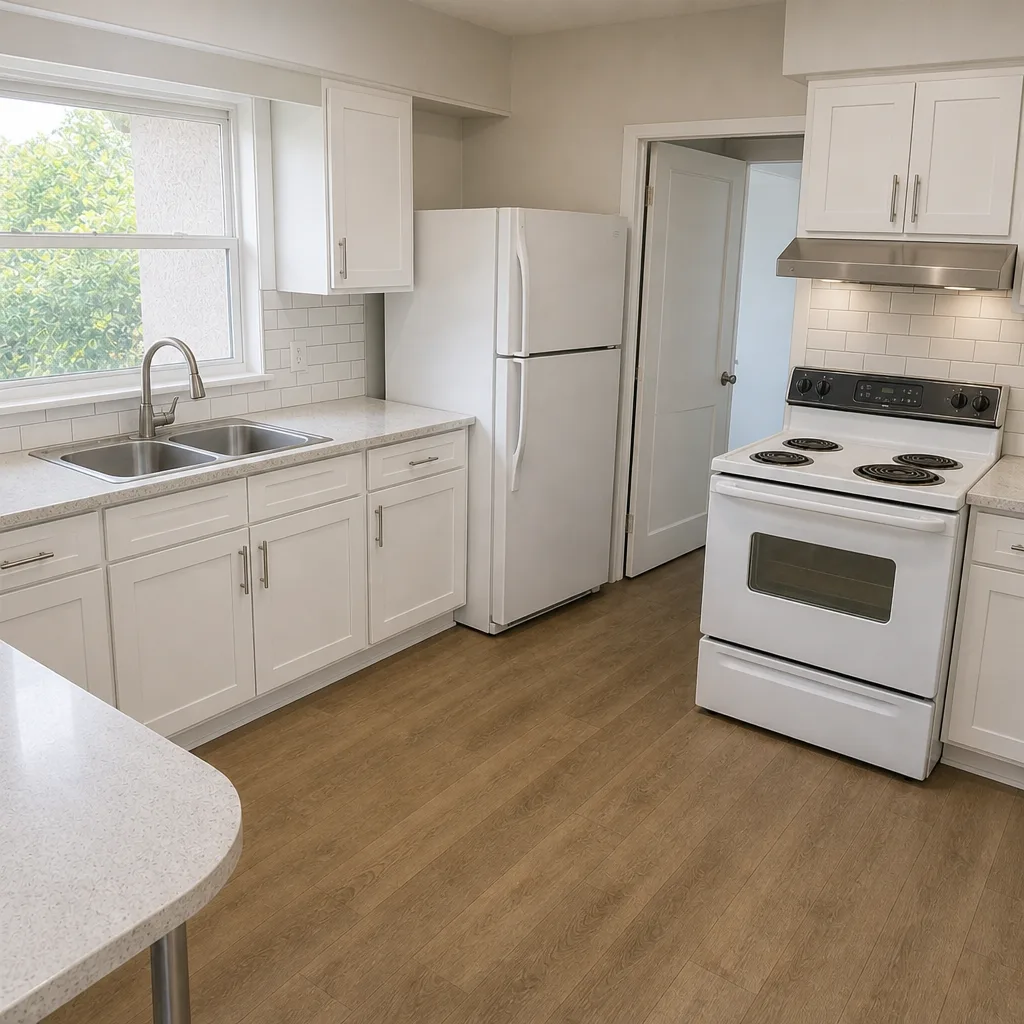 After
Fiberglass Beats Vinyl for North Miami Beach Homes. Here’s the Honest Reasoning.
Choose fiberglass unless your budget is the hard ceiling and you’re replacing a shaded, inland window. For most windows on a concrete-block home within a couple miles of Biscayne Bay, the right answer in North Miami Beach is fiberglass. Vinyl is the common choice across much of the country, and it’s a reasonable material in milder climates. But North Miami Beach stacks three problems on top of each other: 90°F-plus afternoon heat, salt-laden air off the bay, and Miami-Dade’s mandatory impact glazing. Under those conditions, vinyl’s expansion and UV behavior become real performance issues, not academic ones. Call Groundwork Construction Co. of North Miami Beach at (844) 797-4868 for a straight answer on your specific home.
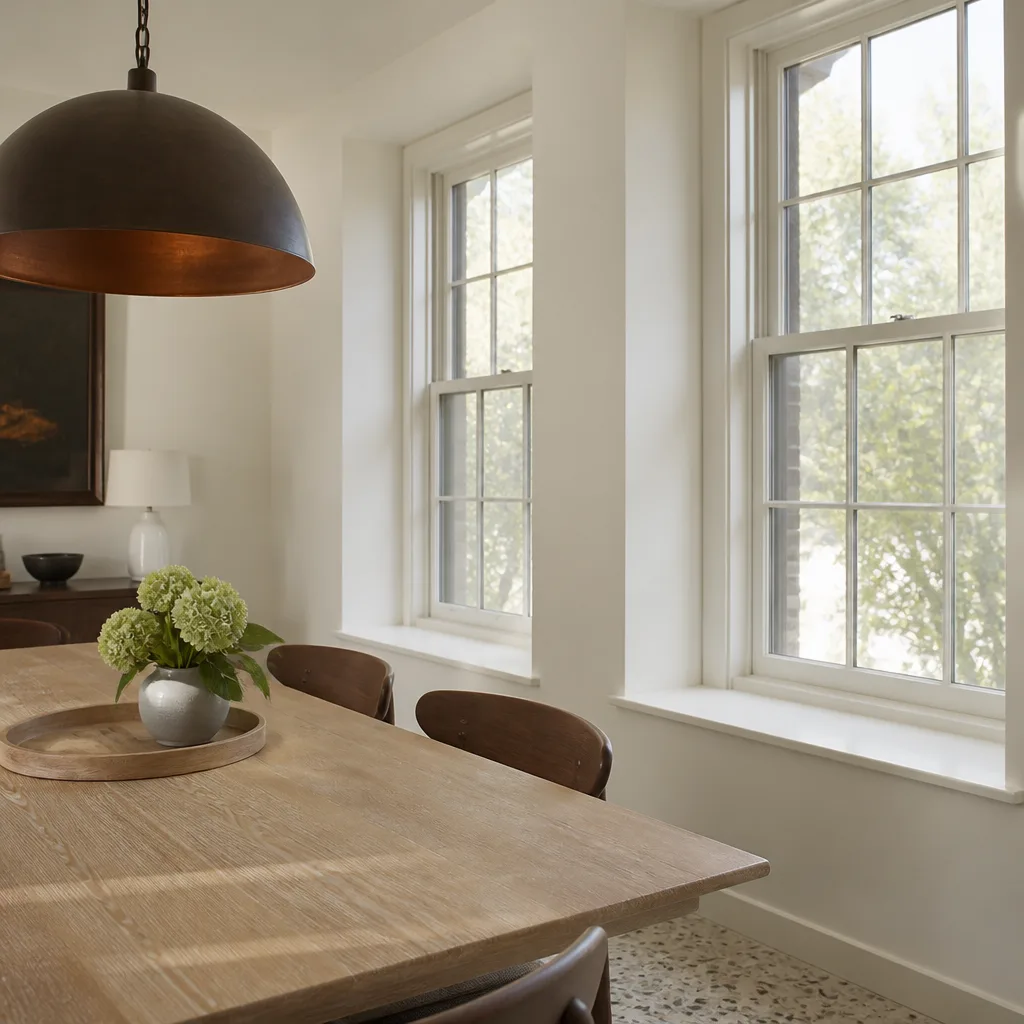
The Thermal Expansion Problem Nobody Mentions
Vinyl expands and contracts at roughly three times the rate of a pultruded fiberglass frame. Run the numbers against a typical North Miami Beach day. Overnight you might sit at 76°F, then by 3 p.m. the frame on a west-facing wall is baking at well over 95°F. That swing is small in absolute terms, but on a vinyl window it translates into measurable movement at the frame-to-glass joint every single day, roughly 300 times a year.
For years that’s fine. Then the sealant and the interlayer bond at the edge of a laminated impact pane start to work loose. That’s a failure mode you see with impact laminate units in hot, high-sun climates specifically; a window in a shaded inland market with gentler daily swings doesn’t face the same stress cycling. Once that edge seal degrades, you’ve lost the moisture barrier that keeps a laminated pane from clouding, and the impact rating itself depends on it. Fiberglass moves far less, so the bond endures the thermal cycle instead of losing to it.
- Vinyl: ~3× the thermal expansion of fiberglass, more edge-seal stress on impact laminate.
- Fiberglass: dimensionally stable across the NMB day/night swing, steady frame-to-glass bond.
- What it costs you: premature haze, seal failure, and an impact unit that no longer performs to spec.
Salt Air, UV, and the Real Lifespan of Each
Coastal South Florida is rough on any frame, and the housing stock here doesn’t offer much shade. Most of the residential core is 1950s-1970s single-story concrete-block and stucco ranch homes, often with low-slope roofs and windows that take full sun with no mature tree canopy to cut the UV. Add salt carried in on the sea breeze and you have two separate degradation paths running at once.
Vinyl is a plastic compound. Its plasticizer content is what makes it flexible on the shelf, and over years of UV exposure and salt-air oxidation that flexibility is what turns brittle. National lifespan charts list vinyl at 20-30 years, but those numbers assume moderate sun and no salt. Calibrate for coastal Miami-Dade and you’re looking at the low end of that range, with chalky, cracking frames and faded color well before the glass has to go.
Fiberglass is a composite, and it doesn’t rely on plasticizers. Salt spray doesn’t attack the resin the way it does vinyl, and UV resistance rides on the factory finish rather than the base material. In this market, that puts a quality fiberglass frame in the 30-40 year conversation. Nobody can promise you a number, but the order of magnitude and the failure modes are consistent with what we see on coastal jobs.
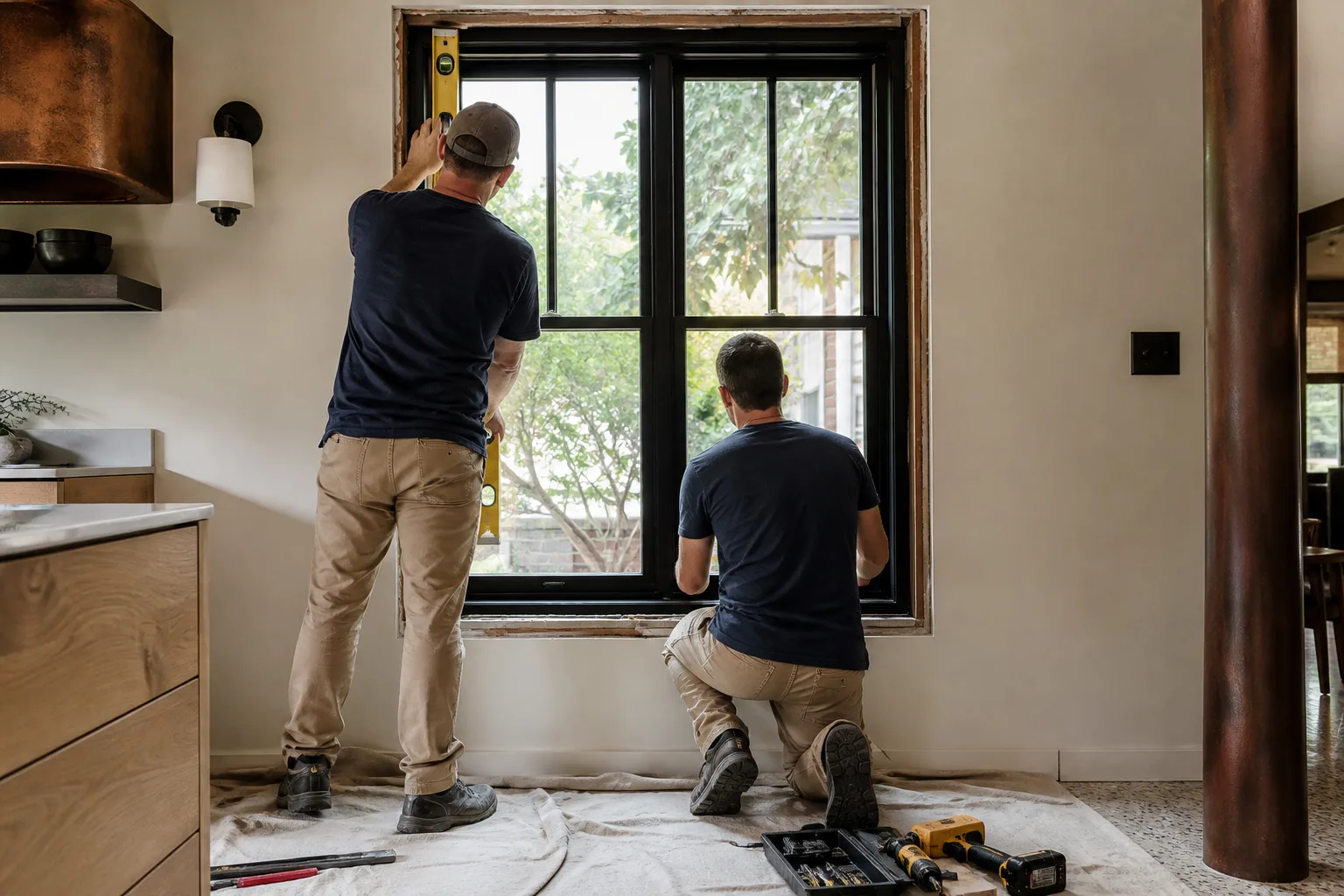
HVHZ Anchoring: Why the Frame Material Really Matters
North Miami Beach sits inside Miami-Dade’s High Velocity Hurricane Zone, which means impact windows are anchored to the masonry buck at specified intervals rather than just nailed into a rough opening. That anchoring is load-bearing in a storm. Every anchor needs to hold a set torque for decades, through wind loads well beyond anything a Category 1 pushes.
Here’s the part that gets glossed over in the national comparisons: fiberglass holds anchor torque more consistently than vinyl because it doesn’t soften and creep the same way under sustained heat and stress. A vinyl frame that deforms at an anchor point under wind load is exactly the failure the HVHZ rules exist to prevent. If the goal is a window that still performs to its rating in its third decade, the material of the frame is part of the structural story, not just an aesthetic choice.
Groundwork Construction Co. of North Miami Beach handles the installation through our Windows & Doors service, and the anchoring and flashing details are done to Miami-Dade spec and inspected. You can see how we scope projects across the area on our North Miami Beach service area page.
Side-by-Side: Vinyl vs. Fiberglass in North Miami Beach
Straight comparison for a coastal CBS home dealing with full sun and impact glazing requirements.
| Factor | Vinyl | Fiberglass |
|---|---|---|
| Thermal expansion | High (~3× fiberglass) | Low |
| Edge-seal stress on impact laminate | Higher, over time | Minimal |
| Salt-air / UV resistance | Plasticizer brittleness over years | Resin resists salt and UV |
| Anchor torque under wind load | Softer under heat | Holds set torque better |
| Coastal South Florida lifespan | Lower end of 20-30 years | Roughly 30-40 years |
| Cost per unit | Baseline | 20-30% more |
Cost Reality Check for North Miami Beach
Fiberglass runs about 20-30% more per unit than vinyl. A typical window replacement in North Miami Beach lands in the $5,310-$17,700 range depending on count and size, while a full impact window installation runs $9,440-$29,500. On a whole-house job, that fiberglass premium is real money.
Two things change the math. First, you’re buying years: a frame that holds its seal and its anchor for a decade longer is often the cheaper window per year of service. Second, we make the cash flow manageable. Groundwork’s standing offers include $1,000 off projects over $10,000 and 0% financing for 18 months, so the fiberglass upgrade on a larger replacement can be spread out without paying interest on it. Upfront pricing means the number you see is the number you pay; there’s no surprise line item when the fiberglass quote comes in. Every project is covered by our 730-Day Done Right Promise, and if something isn’t done right, we make it right.
Why Marvin Fiberglass Specifically
Groundwork’s curated brand portfolio includes kitchen remodeling work with KraftMaid and Cambria, GAF and Owens Corning on roofs, and on the window side, Andersen and Marvin. The Marvin fiberglass line, including the Infinity series, uses pultruded fiberglass rather than a hybrid, and it carries Miami-Dade NOA. That NOA matters in North Miami Beach because the city’s building department reviews product approvals closely before it issues a permit. A window with the right Florida Product Approval and NOA on file keeps your HVHZ permit moving instead of stalling on a product substitution.
We pair those frames with the right installation materials: Schluter and Grohe detailing behind the walls when a window replacement rolls into a bathroom remodeling where new windows and a walk-in shower go in together. The point is that the frame brand is only one part of a window that performs; the flashing, the anchoring, and the seal are the rest of it.
What Should You Check Before You Decide?
Before you commit either material, look at your actual conditions rather than the national advice.
- Sun exposure: A full-sun west or south wall pushes vinyl harder than a shaded north wall. Match the material to the exposure.
- Distance to the bay: Closer to Biscayne Bay means more salt load, which favors fiberglass.
- Wall type: Concrete-block (CBS) with masonry bucks is the norm in the 1950s-70s homes here; anchor the frame to spec.
- Permit path: Confirm the product has its Miami-Dade NOA before it’s ordered.
- Budget room: If the whole house is going in at once, price both and see where the financing lands.
FAQs
Yes, for most full-sun windows on concrete-block homes near the bay. Fiberglass resists salt air and UV the way vinyl doesn’t, expands far less under our heat, and holds its anchor torque inside the HVHZ. Vinyl still works for a shaded, inland window where budget is tight. Call (844) 797-4868 for an exact recommendation on your home.
Fiberglass runs roughly 20-30% more per unit. Window replacements here fall in the $5,310-$17,700 range, impact installations $9,440-$29,500, so the premium shows up clearly on a whole-house job. That’s where $1,000 off projects over $10,000 and 0% financing for 18 months help. Call (844) 797-4868 for a firm quote; estimates are free.
They can, yes. Vinyl plasticizers turn brittle under UV and salt-air oxidation, and the daily heat swing stresses the frame-to-glass seal on impact laminate. National lifespan averages don’t account for coastal Miami-Dade conditions, so expect the lower end of them. Call us to look at your specific windows before they’re a problem.
A quality fiberglass frame in this climate is realistically a 30-40 year window, versus the lower end of vinyl’s 20-30. The gap comes from salt resistance, UV stability, and seal life. Call (844) 797-4868 to talk through lifespan for your specific exposure.
Get a No-Pressure Window Assessment in North Miami Beach
If you’d rather have it looked at, Groundwork Construction Co. of North Miami Beach offers a no-pressure assessment in North Miami Beach. We’ll check your exposure, your wall type, and your permit path, then quote vinyl and fiberglass side by side so you decide with numbers. One call, straight answers, no surprises. Call (844) 797-4868 for a free estimate.
Written by the team at Groundwork Construction Co. of North Miami Beach, serving North Miami Beach, FL.