Last updated November 17, 2026



Free written scope consultation - allowances, timeline, and change-order rules on paper before a single trade is scheduled
Home Additions & ADU Warning Signs Every Homeowner Should Know
The number one predictor of a home addition going sideways isn’t the contractor’s reviews. It’s whether they discussed permit strategy, structural engineering, and site-specific challenges before giving you a price. A builder who hands you a number before they’ve asked about your soil, your setbacks, or your existing roofline is guessing. And you’ll pay for that guess later. In North Miami Beach, where lots are tight and the flood zone rules shape everything from elevation to foundation depth, those guesses get expensive fast. This guide walks you through the red flags that show up before the contract is signed, during design, on the job site, and at closeout, so you can spot trouble while you still have leverage.
Quick Answer
The biggest home addition contractor warning signs are vague scope language, no mention of the permit and inspection process, drawings without an engineering stamp, pressure for large cash draws before milestones are met, and any resistance to written change orders. If a contractor can’t explain your permit path and structural approach before quoting a price, the project is already on shaky ground.
Styles & brands we work with
- Kitchen remodeling
- Bathroom remodeling
- Home additions & ADU
- Roofing
- Windows & doors
- Driveway & pavers
- Fence
Table of Contents
- Pre-Contract Red Flags: What to Watch Before You Sign
- Design Phase Warning Signs
- The Permit Question That Separates Professionals From Pretenders
- Construction Phase Red Flags the Pros Catch Early
- Financial Warning Signs: Where the Money Goes Wrong
- Post-Construction: What a Proper Closeout Looks Like
- North Miami Beach-Specific Warning Signs
- Common Mistakes to Avoid
Pre-Contract Red Flags: What to Watch Before You Sign
The contract stage is where your leverage is highest and where most homeowners spend the least time. A builder who’s done this work knows exactly what needs to be nailed down in writing before a single shovel hits the dirt. The ones who gloss over those details are telling you something.
Vague scope of work is the first signal. If the proposal says “build 400 sq ft addition” without itemizing framing, insulation values, window specifications, exterior finish, and how the addition ties into your existing structure, you don’t actually have a scope. You have a wish. Ask what happens when the addition meets the existing wall: is there a tie-in detail? What’s the flashing plan where the new roof meets the old? These are the questions a real builder starts asking before you do.
No mention of the permit process is the second. In North Miami Beach, you’re dealing with a municipal building department that requires engineering for most additions and ADUs, and the review timeline matters for your schedule. A contractor who says “we’ll take care of all that” without explaining what “that” includes (plans, surveys, engineering, inspections, certificate of occupancy) is hoping you won’t ask.
“We’ll handle the HOA” without specifics should raise your eyebrows. HOA approval in North Miami Beach neighborhoods often takes longer than the permit. If the builder can’t tell you which board meetings you’ll need to appear at, what the design review requirements are, or who’s submitting the application, they’re hand-waving.
Unusually fast start dates are the fourth warning. A legitimate addition schedule in North Miami Beach might mean design and permitting taking several months before construction starts. A contractor promising a “quick start next week” on a project that requires engineering and a permit is either planning to build without permits or doesn’t understand the process.
Design Phase Warning Signs
Design is where the project either gets engineered properly or gets sketched on a napkin and backfilled with change orders. The warning signs here are subtle but consistent.
Drawings that don’t address existing structural conditions top the list. Your addition has to tie into a house that already has its own load path, framing, and foundation. If the drawings don’t show how the new structure connects to the old, you’ll find out at inspection. Ask specifically: how does the new roof connect to the existing roofline, and how is that drawn?
No geotechnical or soil assessment is the second. South Florida has variable soils, and an engineer designing a foundation without knowing what’s under it is designing blind. A proper addition involves knowing the soil’s bearing capacity. If your contractor hasn’t brought it up, the answer is that the foundation design is a guess based on neighboring projects.
Missing engineering stamps are the third. In North Miami Beach, additions generally require sealed drawings from a licensed structural engineer or architect. If the “plans” you’re shown are back-of-napkin sketches with no seal, no title block, and no engineer’s signature, they don’t qualify to be submitted for a permit. Ask to see the seal page.
Design that ignores the existing MEP systems is the fourth. An addition adds electrical load, plumbing fixtures, and HVAC tonnage. If the design doesn’t address how the existing 200-amp panel handles the new load, or where the HVAC for the new space comes from, you’re going to be paying for those answers later.
Get the design phase done properly with Home Additions & ADU services we provide in North Miami Beach – but read the rest of the guide before you sign anything.
The Permit Question That Separates Professionals From Pretenders
Permit handling is the single most reliable signal of whether a contractor is a real builder or a guy with a truck. It’s also the point where most homeowner-guides go quiet, which is why we cover it head-on.
A professional handles the permit process by being able to answer three questions before you hire them:
- Which permits are required and who pulls them? For a typical North Miami Beach addition, that’s a building permit, possibly electrical, plumbing, and mechanical permits depending on scope, plus any floodplain or zoning review. ADUs have their own specific requirements. If the contractor can’t list these, they’re not managing the permit process.
- What’s the current review timeline? A builder who’s active in North Miami Beach knows roughly how long the plan review takes and can tell you plainly. Someone who’s never pulled a permit in this city will guess.
- Who is responsible for inspections? You’ll have rough-in inspections (framing, electrical, plumbing, HVAC) and a final inspection. Who schedules them? Who meets the inspector? Who signs off? If the answer is “we’ll see,” you might discover the answer at the end of the build.
The reason permit questions matter more than reviews is simple: permits put the work through a third-party review that catches structural and life-safety problems before they’re buried in drywall. A contractor who avoids permits is a contractor whose work is never checked. You can read more about the permitting side of the equation on the Groundwork Construction Co. of North Miami Beach home page and in the service pages.
One more note: if a contractor tells you “you don’t need a permit for a small addition,” verify that with the city before you proceed. The definition of what requires a permit is set by code, not by the contractor.
Construction Phase Red Flags the Pros Catch Early
Once work begins, the warning signs shift from paperwork to process. These are the signals that predict structural headaches down the line.
Skipped rough inspections are the first. Framing and rough-in inspections happen after the walls are framed and the MEP systems are installed but before drywall. If your contractor wants to “just get the drywall up” before an inspection, those are structural and safety issues that get sealed away. Don’t allow it.
Foundation work completed faster than concrete cure time allows is the second and one of the most common. Concrete needs time to reach adequate strength before you frame on top of it. A crew that pours footings on Friday and frames on Monday is moving too fast. Ask about the mix design and the curing plan.
Subcontractors who don’t know the scope is the third. If the framing crew arrives not knowing which wall goes where, the drawings aren’t being used on site. The foreman should have the plan set in hand and be able to walk you through the current phase. If they can’t, the drawings are decorative.
Materials substituted without discussion is the fourth. If the spec called for a particular window brand and a different one shows up, ask why. Premium brands like Andersen, Therma-Tru, or ViewLux aren’t interchangeable with a generic unit in terms of performance, and substitutions made “because the owner specified unit wasn’t available” can change your warranty terms down the line.
No daily communication is the fifth. A good builder tells you what’s happening tomorrow, not what happened last week. If you have to chase updates, the project management is reactive, not proactive. Ask for a schedule and a point of contact who answers their phone.
Financial Warning Signs: Where the Money Goes Wrong
Understanding money flow on an addition is what keeps you protected. The financial red flags are the ones that hurt the most when they happen.
Change orders with no written justification are warning number one. Every change order should be a written document with a specific reason, a price, and a schedule impact, and it should be signed before the work happens. An oral “we’re going to need to add $8,000 for that” is not a change order. It’s a demand. Refuse to pay a change order that isn’t documented.
Large cash draws before milestone completion is the biggest red flag of all. A payment schedule should track with completed, inspected work. If your contractor asks for 50% before framing, that’s not standard. Payments should be tied to milestones: foundation poured and approved, framing complete and inspected, drywall hung, and so on.
Verbal agreements about scope changes are dangerous because they aren’t enforceable. If you agree to a change verbally and it goes sideways, you have no record of what was agreed. The biggest remedy after a dispute is the paper trail, so make sure there is one.
A refusal to provide upfront pricing is the fourth. A professional addition contractor provides a detailed bid with line items. If you get a single number and a promise, you don’t have a bid, you have a proposal. The bid you sign should show you where your money goes: what framing costs, what windows cost, what the exterior finish costs. The number you see should be the number you pay.
Financing should be transparent too. If you’re using 0% financing or any financing product, get the terms in writing and understand the payment schedule. There’s nothing wrong with financed construction, but the paperwork should still be clear.
Post-Construction: What a Proper Closeout Looks Like
The last chapter of a well-run addition is closeout, and it’s the chapter that separates a professional from a job that gets abandoned at 95% complete.
A proper closeout in North Miami Beach includes four things:
- Permit card signed off. The building department has inspected the work and signed the final inspection. Without a signed-off permit card, you may have an unpermitted structure that complicates future sale, refinancing, or insurance.
- As-built drawings. The drawings should show what was actually built, including any field changes from the permit set. These are the roadmap for future maintenance, repairs, and additions.
- Lien releases. You should have signed releases from the general contractor and every major subcontractor confirming they’ve been paid. Without these, a supplier could file a lien against your property even if you paid your contractor in full.
- Warranty documents in writing. Your workmanship warranty should be specific and documented. Your product warranties (windows, roofing, HVAC) should be in your hands, not in a binder that never gets delivered.
If a contractor resists providing any of these four items, treat it as a warning sign. A builder with nothing to hide produces the paperwork without being asked.
Permit sign-off matters locally because North Miami Beach has a real enforcement presence. Unpermitted additions can complicate insurance and resale. And on flood-zone properties (much of the city), there are specific elevation and construction requirements that only show up on inspection.
North Miami Beach-Specific Warning Signs
Every city has its own quirks, and North Miami Beach’s are distinct enough to be their own category of red flag. If your contractor can’t answer these North Miami Beach-specific questions, they haven’t worked here much.
Flood zone experience. A significant portion of North Miami Beach is in a special flood hazard area. Additions on those properties may need elevation certificates, specific foundation design, and flood-resistant materials below certain elevations. If your contractor doesn’t mention flood zone considerations at all, they’re not tracking the local requirements.
Wind-driven rain and hurricane-rated assemblies. Miami-Dade and Broward have some of the strictest wind-loading requirements in the country, and North Miami Beach additions have to meet them. Windows need impact ratings or shutters. Roof ties need to comply. If your contractor’s proposal mentions “standard windows” without addressing impact ratings, ask the follow-up.
Salt air and corrosion. The closer you are to the Intracoastal or the beach in North Miami Beach, the more you deal with salt air corrosion on fasteners, flashing, and metal components. Professionals spec stainless or galvanized hardware. If the proposal uses the word “standard” for exterior hardware, ask what “standard” means in this climate.
Tight lots and setback realities. Many North Miami Beach lots are narrow, and additions can run into setback requirements quickly. If the design doesn’t account for the actual available space and the arc of the setback lines, you’ll be redrawing after the survey. Ask whether the design has been verified against the survey.
Landscaping and the urban canopy. Large trees can complicate foundation work and access. Ask whether the site plan accounts for tree removal or root protection during excavation.
If you’re planning an addition or ADU in North Miami Beach, ask the contractor to name specific neighborhoods they’ve worked in and specific challenges they ran into. The ones who’ve been here will answer with detail. The rest will give you a generic speech.
Common Mistakes to Avoid
- Hiring on the lowest bid alone. The lowest bid is often lowest because it omits engineering, permits, or inspections. Ask what’s excluded, not just what’s included, and expect to pay for the things that got left out later.
- Not asking for a line-item scope. Vague scopes become change orders. Demand a written scope with line items for every phase.
- Accepting verbal change orders. Every change, no matter how small, needs a written order with price and schedule impact. In Florida, the paper trail is your best protection.
- Skipping the soil assessment. In a market with variable soil like North Miami Beach, a foundation designed without testing is a foundation designed on faith.
- Assuming the HOA and city permit timelines match up. They don’t. North Miami Beach HOA approvals often run separately (and slower) than city permits. Build the schedule with both in mind.
- Paying draws ahead of milestones. Tying payments to inspected milestones is the single most effective way to keep a project on track. Large draws deposited upfront rarely stay available when you need leverage.
- Assuming the warranty is standard. Ask for the warranty in writing before you sign, and check what’s covered and for how long. Workmanship warranties vary widely, and a longer written guarantee is worth real money over the life of an addition.
- Never getting the as-built drawings. They cost almost nothing to deliver and matter enormously when you want to add a second addition, do a renovation, or sell the home.
See the difference
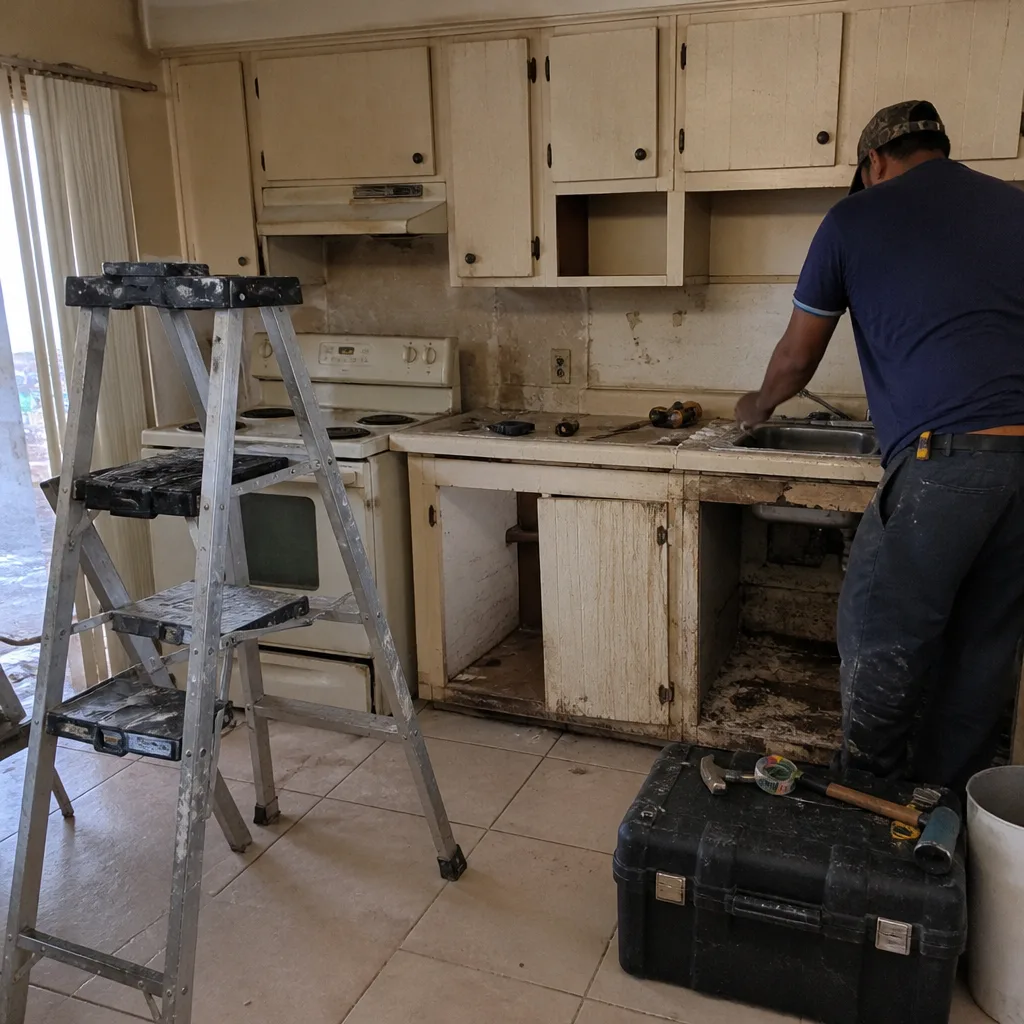 Before
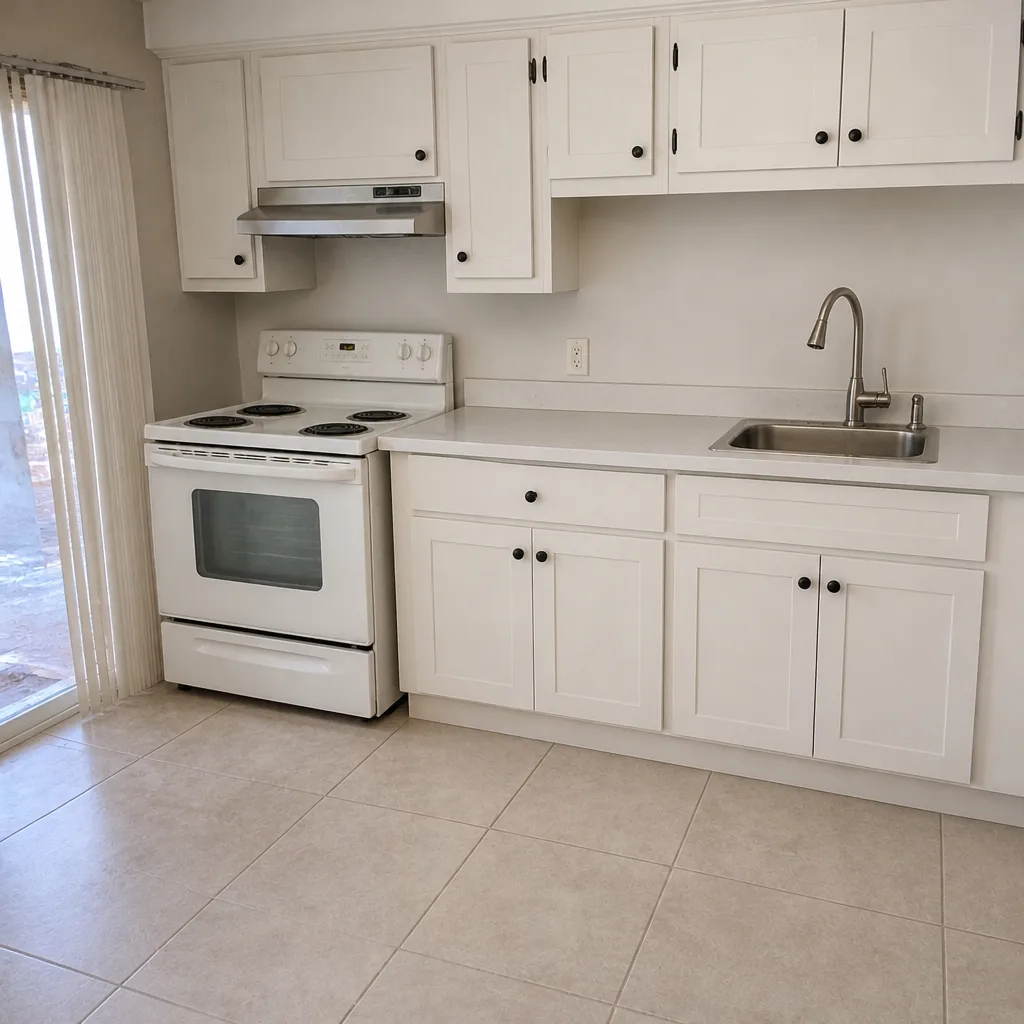 After
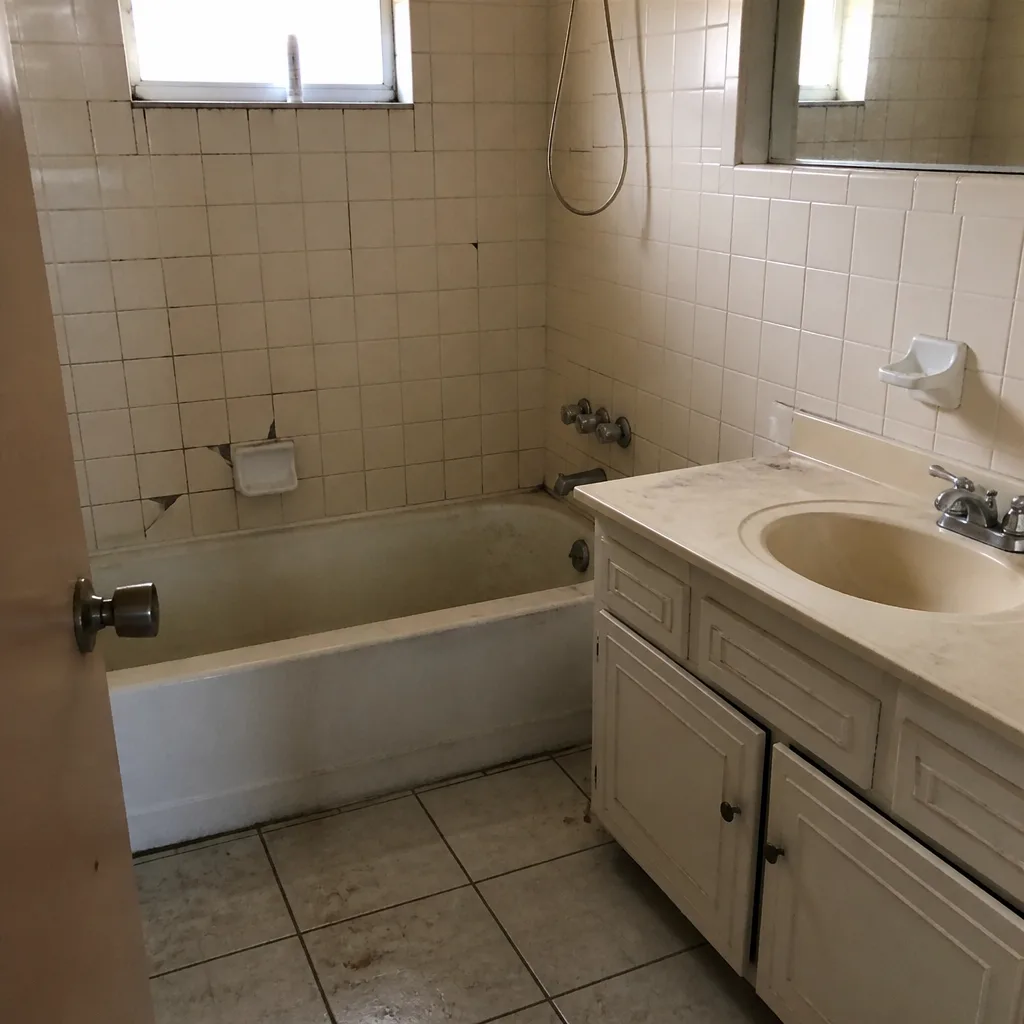 Before
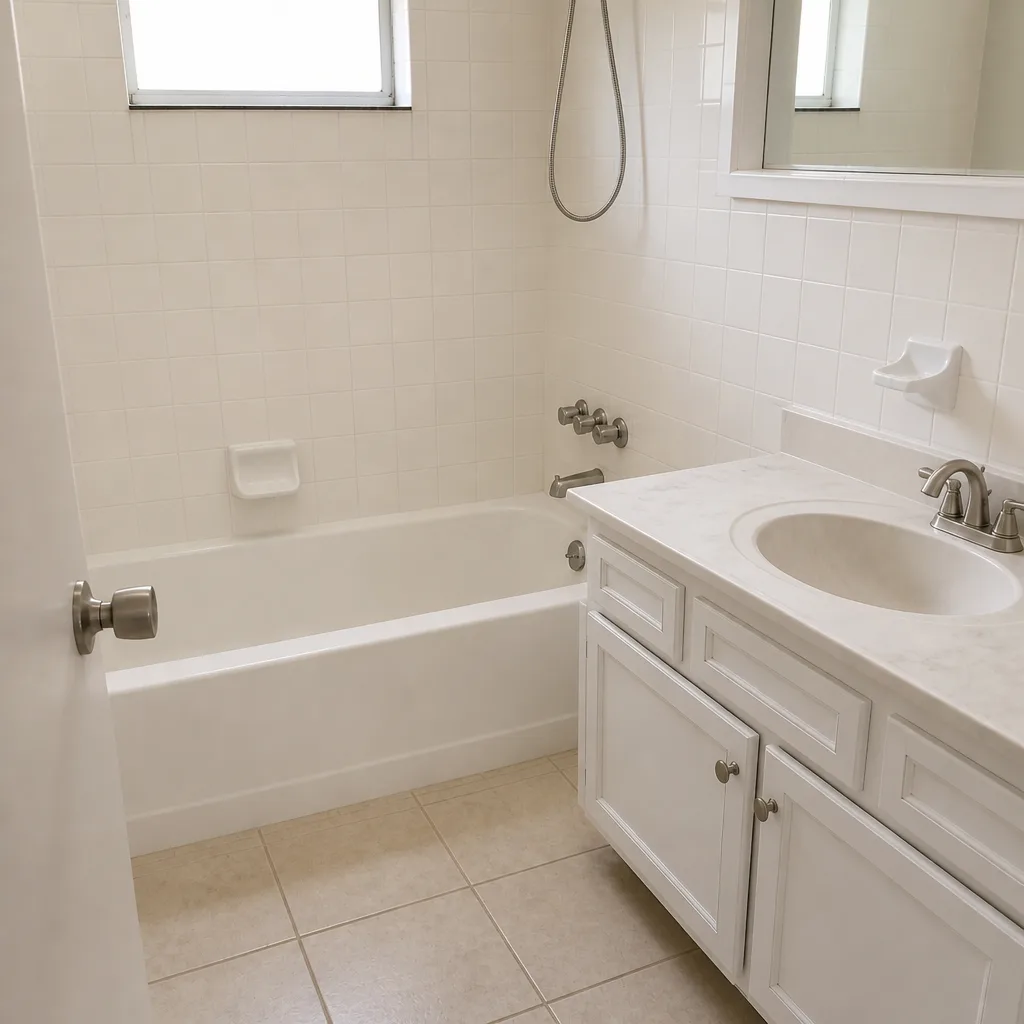 After
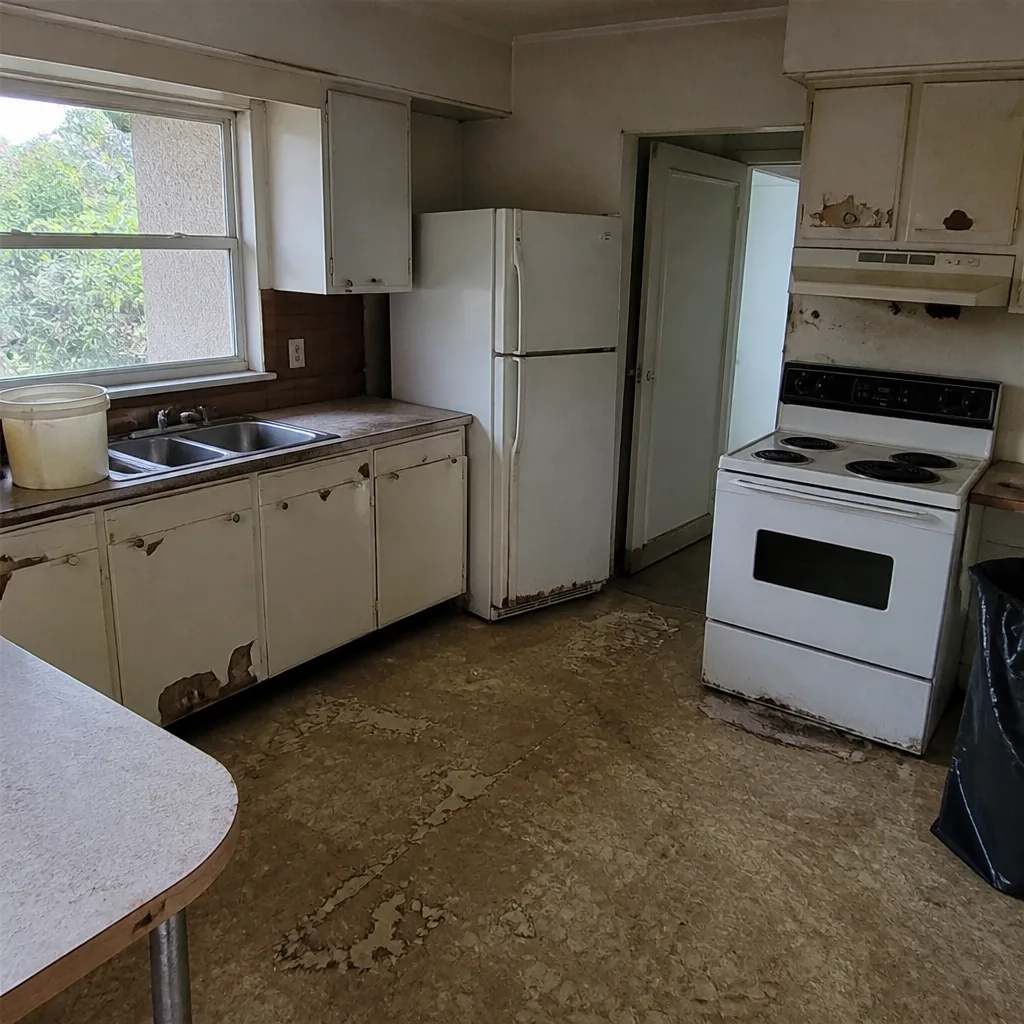 Before
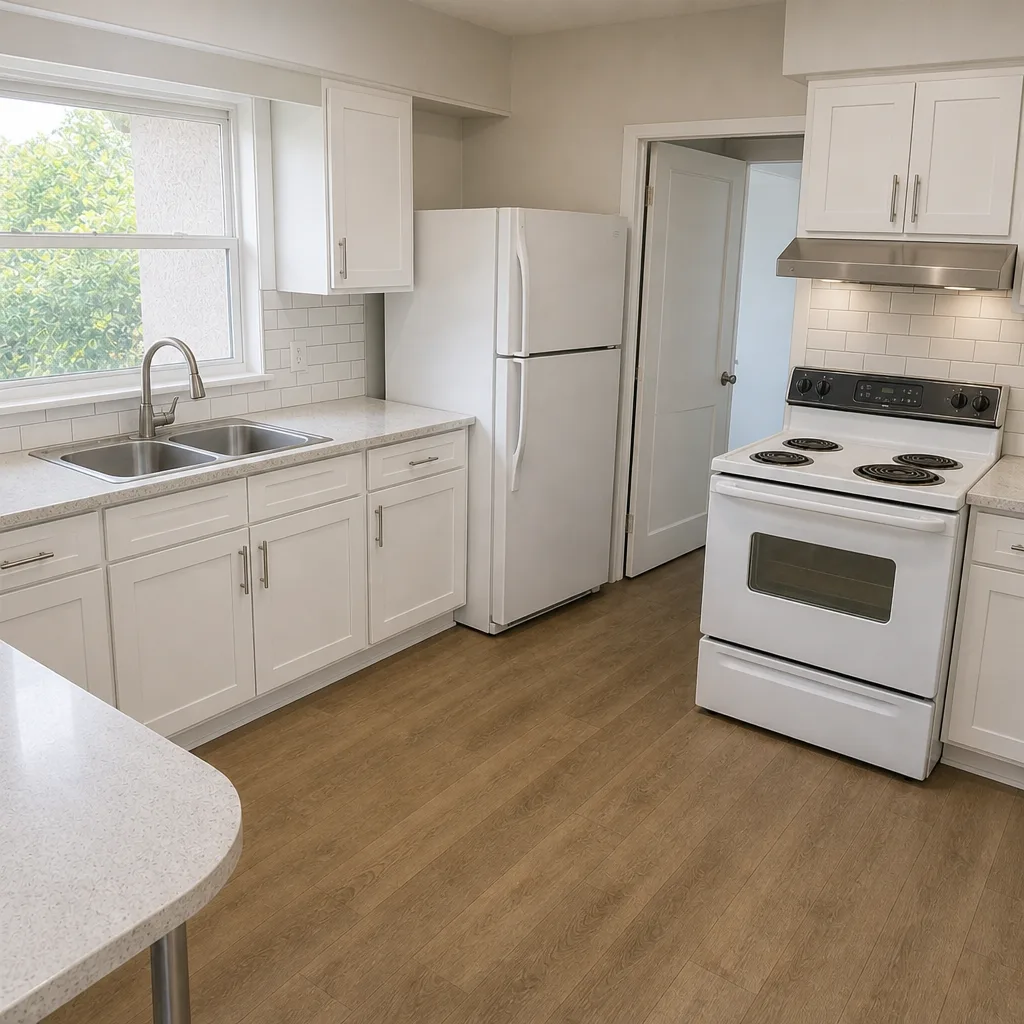 After
When to Call a Professional
You should call a professional the moment you’re considering an addition, not after you’ve signed with someone. The best time to get an estimate and a design consult is while you’re still comparing approaches and before any money has moved. A free design consult that turns into a specific conversation about permits, engineering, and structural tie-ins is worth more than a quote in a text message. If your contractor hasn’t mentioned inspections, engineering, or the permit timeline by the end of the first conversation, that’s your signal to get a second opinion. Groundwork Construction Co. of North Miami Beach offers free estimates in North Miami Beach – call (844) 797-4868.
Frequently Asked Questions
The single biggest red flag is a contractor who quotes a price without asking about your existing structure, engineering requirements, or permit path. A real addition contractor needs answers to those questions before they can price the work. If someone quotes you without them, they’re guessing at the cost and you’ll make up the difference later. Call (844) 797-4868 for a free estimate with someone who’ll ask the right questions first.
You can verify permits by requesting the permit number and checking with the City of North Miami Beach building department yourself. A legitimate contractor will give you the permit number without hesitation. If the number is a mystery, changes, or the contractor says it’s “not needed,” that’s your signal to double-check. A professional doesn’t hide the paper trail.
Yes, ADUs in North Miami Beach require their own permits and typically involve some engineering, plus review of the ADU-specific rules around size, setbacks, and utility connections. Confirm the current ADU requirements directly with the city before you commit to a design. If your contractor doesn’t mention these details, the design will need to change after you’ve already paid for drawings.
Well-run projects have zero change orders caused by the contractor’s own omissions. Legitimate change orders come from homeowner-directed changes or genuine hidden conditions discovered in the field, and they’re documented in writing. If your change orders are verbal and frequent, that’s a contractor whose initial scope was vague. Ask for every change in writing, and never pay for a change without documentation.
A proper closeout package includes four things: a signed-off permit card from the city, as-built drawings, lien releases from every subcontractor, and warranty documents for both workmanship and products. If a contractor can’t produce all four at the end of the job, treat it as a warning sign. Our team provides these as a standard part of the closeout process. Call (844) 797-4868 for a quote that spells this out up front.
In many North Miami Beach additions, yes, but it depends on the scope and whether the work affects utilities or the structural connection point. The contractor should discuss this with you at the planning stage, including which utilities may be temporarily impacted and how long the disruption lasts. If the schedule doesn’t account for how you’ll live during construction, ask why. Ask this before you sign, not after the crew shows up.
The Bottom Line

The red flags we’ve covered show up at every stage, but the earliest ones matter most. Vague scopes, no mention of engineering or permits, drawings without a seal, pressure for large cash draws, and resistance to written change orders are the signals that predict a project that goes sideways. The good news is that these signals are visible before you sign, which means you still have leverage when you spot them. In North Miami Beach, the best addition projects start with a contractor who asks about permits, soil, and flood zones before they quote a number. That’s the conversation a real builder wants to have with you, not the one they avoid. Need a straight answer on your addition or ADU? Give us a call and we’ll walk through it with you. Call (844) 797-4868 to schedule your free estimate and design consult with Groundwork Construction Co. of North Miami Beach. Every project we take on is backed by our 730-Day Done Right Promise, with upfront pricing, no surprises. Related reading: Driveway & Pavers in North Miami Beach, Fence Installation in North Miami Beach.
Written by the team at Groundwork Construction Co. of North Miami Beach.