Last updated November 17, 2026








Free written scope consultation - allowances, timeline, and change-order rules on paper before a single trade is scheduled
Windows & Doors Warning Signs Every Homeowner Should Know
A sticky door in a South Florida home isn’t just annoying. It’s often the first visible sign of foundation movement or frame racking, and the homeowners who ignore it for two years end up with a problem that starts at the door and ends with a structural engineer. We’ve walked into North Miami Beach homes where a “sticking” patio slider that the owner had been jiggling for a season turned out to be a settling slab and a failing header. This guide teaches you to read the signals early, when your options are still affordable. You’ll get a five-minute test sequence for every opening in your house, the impact-window warnings most people miss, and a clear escalation map from monitor to repair to replace.
Quick Answer
The warning signs that matter most on windows and doors are not cosmetic: they’re a door that starts sticking in one corner, condensation or salt haze trapped inside the glass, a soft or spongy frame at the bottom corners, and hardware that corrodes while the glass still looks “fine.” In South Florida’s humidity and salt air, those four signals usually mean a failed seal, water intrusion, or frame movement, and early detection is the difference between a $200 service call and a full replacement. If you spot any of them, test the whole house before you call anyone.
Styles & brands we work with
- Kitchen remodeling
- Bathroom remodeling
- Home additions & ADU
- Roofing
- Windows & doors
- Driveway & pavers
- Fence
Table of Contents
- The 5-Minute Functional Test for Every Window and Door
- Impact Window and Door Warning Signs Most Homeowners Miss
- Cosmetic Wear or Installation Defect? How to Tell the Difference
- South Florida Red Flags: Salt Haze, Frame Staining, and Hardware Corrosion
- Frame and Water Intrusion Signals
- The Escalation Guide: Monitor, Repair, or Replace
- Cost Inflection Points: Where the Math Changes
- Common Mistakes to Avoid
- When to Call a Professional
The 5-Minute Functional Test for Every Window and Door
Most homeowners evaluate a window or door by look and feel: does it open, does it look foggy, does it rattle. That misses the performance problems that turn into damage. Run this sequence on every opening in your home twice a year, and after any named storm. It takes five minutes and it catches the failures that hide until the first heavy rain.
- The lock-and-latch test. Open the window or door, then close and lock it. The latch or lock should engage with light pressure. If you have to lift, wiggle, or push the sash or slab to get the lock to catch, the frame has racked or the hardware has shifted. Note every opening that fails this. A lock that won’t seat is never just a lock problem.
- The dollar-bill test. Close the door or window on a dollar bill so half hangs outside. Pull it out. On a properly sealed opening you’ll feel drag. If it slides out with almost no resistance at the latch side or the bottom corners, your weatherstripping or sweep has compressed or failed.
- The corner-press test. Press firmly on the interior wall or frame right at the bottom corners of every window, and on the frame around door hinges and the strike plate. Spongy, soft, or crumbly material means moisture has been getting in. This is the single most important test in South Florida, and the one almost nobody does.
- The daylight and air test. On a sunny day, close the window and look along the frame line from the inside. Any visible daylight along the sash, jamb, or sill is an air and water path. Hold a lit incense stick or a tissue near the edges on a windy day and watch for flutter.
- The operation test. Open and close each opening fully, slowly. It should move smoothly with one hand. Grinding, catching, or a sudden free-fall on a slider means a roller, track, or seal is failing.
Write down which openings fail which test. That written record is what a professional needs to give you an accurate diagnosis instead of a guess. It also protects you when a defect is the original installer’s responsibility, not yours.
Impact Window and Door Warning Signs Most Homeowners Miss
Impact-rated products are built tough, and that durability can mask a failure for years. The glass stays intact, so the assembly looks healthy even after the seal, gasket, or laminate has started to give. Here’s what actually signals trouble on impact windows and doors.
- Fogging or a milky film between the panes. That’s a broken seal. The insulating gas has escaped and moisture has entered. It’s not just cosmetic: the unit has lost its thermal performance and, on laminated impact glass, moisture in the interlayer is a long-term risk.
- Delaminating glass. Look at the edge of the glass where it meets the frame for cloudiness, a whitish edge line, or slight bubbling. Delamination in laminated impact glass usually starts at the edges and travels inward. Once it starts, it doesn’t stop.
- Failed gaskets that look fine. Run your fingertip along the rubber gasket around the glass and the opening sash. It should feel supple and sit flush. Gaskets that are brittle, flattened, or pulling away can look acceptable to the eye, then fail the day a storm pushes water sideways. This is the warning that hides in plain sight.
- Water tracking inside the track. After a heavy rain, look inside the bottom track of impact sliders and windows for standing water or a wet sill. A few drops are normal drainage. Water pooling or backing up into the interior means the weeps are blocked or the installation has a slope problem.
- A hollow or loose feel in the sash. Tap the sash or slab near the corners. A healthy impact unit feels solid. A dull hollow sound or a slight shift can indicate the glass has debonded from its setting block.
In North Miami Beach, impact windows aren’t optional upgrades – they’re what code and insurance expect here. That makes reading their condition a maintenance task, not a luxury. When a sealed unit starts fogging on an impact window, you’ll want to know how much life is left before you’re replacing it in a hurry. A free estimate early beats an emergency replacement after a storm.
Cosmetic Wear or Installation Defect? How to Tell the Difference
This is where homeowners lose the most money, either by paying to replace something a contractor should fix for free or by accepting a “normal wear” line on an installation bug that was never right. The distinction comes down to pattern, timing, and where the problem shows up.
Weathering is what happens to a sound install over time. It shows up as faded paint, chalking on frames facing the sun, worn weatherstripping that still seals when you press it, or a scratch on the glass. It progresses slowly and evenly, and it never involves soft framing or water inside the wall cavity.
An installation defect usually shows up as a pattern tied to one opening, one wall, or one direction of wind and rain. Here’s how to tell them apart:
- It’s localized. One window fogs, one door sticks, one set of frames stains, while identical openings in the same wall are fine. Sound installs behave the same way across a wall; a single bad unit points to a setting, flashing, or seal problem at that opening.
- It happens at the bottom corners. Water intrusion and frame movement concentrate at the base and corners of an opening. Cosmetic wear doesn’t pick a corner.
- It recurs after sealing. If you’ve already caulked a joint or resealed a sill and the water or staining comes back, the water is coming from behind the frame, not through the joint. That’s an installation issue, not a maintenance issue.
- It started within the warranty window. Many installers carry a workmanship warranty on flashing, setting, and water management. If a problem traces back to that work and it’s still within the original installer’s coverage, the repair may be their responsibility. Keep your install paperwork and photos.
We can’t count the number of North Miami Beach homeowners we’ve met who were told “it’s just Florida weather” on a door that was never flashed correctly. Getting a second look before you spend on replacement is cheap. Getting a second look after you’ve already paid is not.
South Florida Red Flags: Salt Haze, Frame Staining, and Hardware Corrosion
North Miami Beach sits right where it gets tested: salt air off the Intracoastal, relentless UV, and rain that arrives sideways in the summer. That combination produces warning signs you won’t see in a national guide written for Ohio.
Salt haze on interior glass surfaces
A faint white or cloudy film forming on the interior side of your glass isn’t something the air inside your home caused. Salt haze on interior surfaces usually means the salt-laden outside air is reaching the interior glass – which means air is moving through your assembly. On a sealed window or door, air should not route around the glass to the inner pane. If the film keeps coming back after you clean it, the seal or gasket is the suspect, not your cleaning routine.
Frame staining patterns
Look for staining that grows from the corners or runs vertically along the interior wall next to a frame, especially near the bottom. Brown, gray, or chalky lines that you can wipe and that return after the next rain are water paths. Fresh or white staining in a vertical line usually points to water coming from above the opening, often a failed flashing around a window head. Staining that hugs the frame at the sill is usually a sill or pan issue. Either pattern means moisture is traveling, not just sitting.
Hardware corrosion that signals seal failure
Coastal hardware will show some patina. What you’re watching for is corrosion that’s concentrated and aggressive: white powdery buildup on aluminum, pitting on handles or hinges, or locks that get stiff and gritty within a season. When hardware fails while the surrounding glass looks fine, the assembly is likely letting moisture reach the metal, which means the seal is compromised. In North Miami Beach this is the single most common slow-burn warning we find – a perfectly good-looking window with locks that have quietly seized.
South Miami Beach and Aventura homes face the same salt exposure, which is why the fix isn’t just a coat of paint. It’s finding the moisture path and closing it.
Frame and Water Intrusion Signals
Water intrusion is the expensive one. The good news is that it announces itself in patterns you can learn to spot, long before it reaches drywall or flooring.
- Soft or spongy framing at the bottom corners. Press the interior frame and the wall next to the opening. Softness means the wood or substrate has taken on water. This is repair-now territory.
- Paint blistering or peeling around the frame. Blistering that appears along the edge of the frame or on the wall a few inches out is a classic moisture signal. It doesn’t mean the paint failed – it means the paint is doing its job and being pushed from behind.
- Cracks in the drywall at the corners of openings. Tiny diagonal cracks radiating from a window or door corner are usually frame movement. The frame is settling or the header has shifted, and the drywall is telling you. In homes anywhere in North Miami Beach, this one is worth a professional look.
- Doors that swing, stick, or latch differently than they used to. A door that hit its strike plate smoothly last year and now needs a shoulder is a moving frame. That’s structure talking, not the door.
- Rust stains or streaks on concrete, stucco, or the wall below an opening. Water running down the exterior wall and leaving a rust trail from a hinge or anchor means the opening is shedding water somewhere it shouldn’t. That’s an installation detail problem that a professional needs to trace.
If you’re finding moving frames in multiple openings across your house, that’s a bigger signal than any single window. At that point, it’s worth understanding whether the problem is above the opening or below it – and if you’re already thinking about structural fixes, it pays to know how home additions & ADU in North Miami Beach are planned around existing settlement so you don’t repeat a mistake.
The Escalation Guide: Monitor, Repair, or Replace
Every warning sign falls into one of three buckets. Getting the bucket right is where the money is. Here’s how we sort them on a job site.
Monitor and maintain
This bucket is for signs that are normal wear and don’t affect performance yet.
- Sun-faded paint or caulk on sun-facing frames
- Some patina on coastal hardware
- Occasional minor condensation on the outside of a window in humid weather (not between panes)
- An opening that passes the dollar-bill and corner-press tests but looks worn
Action: clean the tracks and weeps, reseal what’s dried out, and retest in six months. No contractor needed.
Repair now
This bucket is for signs that indicate an active problem with the assembly but not a failing frame.
- A single sealed unit that fogs between the panes
- A gasket that’s gone brittle or is pulling away
- A lock or handle that’s failing before the surrounding frame shows movement
- A door that sticks but still latches and hasn’t moved the wall around it
- Water tracking in a slider track after rain but no interior staining
Action: get a professional diagnosis. These are often fixable at the opening level – resealing, reglazing, hardware replacement, gasket replacement – without pulling the whole assembly.
Replace
This bucket is for signs of systemic failure or structural movement.
- Soft framing at the corners of multiple openings
- Water intrusion that returns after resealing
- Multiple openings with fogging or delamination
- Doors that no longer square to their frames, or drywall cracks at multiple openings
- Impact glass that’s damaged or delaminating
Action: get a full evaluation. Sometimes the answer is replacing all windows on a wall or a room; sometimes it’s correcting the structure first. Assuming it’s “just the windows” can cost you a replacement that fails again.
There’s a fourth track worth naming: if your frame movement is widespread, you’re not looking at a windows problem. You’re looking at foundation or framing movement, and window replacement on top of moving structure is money thrown away. This is where a construction partner beats a window-only installer. Our Groundwork Construction Co. of North Miami Beach home page lays out the full-scope approach – we look at the wall, the header, and the opening as one system, so the fix actually holds.
Cost Inflection Points: Where the Math Changes
Homeowners ask “is it worth fixing or replacing” constantly. The honest answer depends on which bucket you’re in and how many openings are involved. Here are the inflection points we see in the North Miami Beach market. These are ranges for planning, not a quote – every opening is different, and a free estimate is the way to get a real number.
- Single sealed unit or gasket on an otherwise sound window: usually the cheapest fix. Replacing or reglazing one unit typically costs far less than replacing the window, and it’s worth doing the moment fogging appears so the surrounding frame doesn’t take on moisture.
- Hardware, locks, and weatherstripping at the opening level: modest cost, and it’s what protects the rest of the assembly. Don’t skip it because it’s not “the window.”
- Perimeter resealing and flashing corrections after a confirmed leak: middle of the range. This is where the cost question gets real, because the correct fix means removing and reinstalling trim and sealing the opening properly. It’s the difference between a repair that lasts and a caulk-and-hope job.
- Full window or door replacement, single opening: a real project, not a service call. Impact-rated replacements cost more than standard ones, and the correct installation (flashing, pan, setting, sealing) is most of the value. This is where “the number you see is the number you pay” matters, because window replacements live or die on what’s inside the wall.
- Whole-house replacement or replacement combined with structural correction: the biggest bracket, and the one where the wrong call hurts most. If movement is involved, correction should come first. Whole-house work is also where financing changes the math – 0% financing for 18 months and $1,000 off projects over $10,000 are exactly what make a large replacement feasible on a homeowner’s timeline instead of an emergency scramble.
How to sequence upgrades if you’re not doing everything at once
- Fix active water intrusion first, always. Moisture is multiplicative; it gets worse while you wait.
- Address the openings that fail the corner-press or latch test before the ones that are just foggy.
- Group replacements by wall and room rather than one at a time, because the labor and sealing are most efficient in batches.
- If frame movement is widespread, get the structure assessed before you order windows. Replacement on a moving opening is a redesign, not a repair.
Here’s the one we see homeowners skip: water intrusion that starts at a window or door and runs down the wall often exits at the Driveway & Pavers in North Miami Beach grading line or under a fence line where the soil is holding it. Fixing the opening without correcting drainage can bring the problem right back.
Common Mistakes to Avoid
- Fixing the symptom, not the source. A sticking door gets planed, then sticks again next season. The door wasn’t the problem; the frame or foundation was. Planing a $400 door is cheap. Ignoring the movement underneath it isn’t.
- Assuming fogged glass is cosmetic. A failed seal isn’t just a view problem. It’s a failed barrier, and it gets worse in humidity. In North Miami Beach, the fogging that appears one summer can become a delaminating pane the next.
- Resealing a leaking frame without tracing the water. Caulking over a flashing failure traps water inside the wall. Water that can’t escape will find its way to drywall and subfloor. If a leak returns after a reseal, that’s the sign.
- Ignoring hardware in the salt belt. Corroded locks and hinges are the cheapest early fix in a coastal home, and the most ignored. Once moisture reaches the hardware, the seal has usually already failed.
- Skipping the corner-press test on the interior wall. This is the test that catches water intrusion early, and it’s the one nobody does. Press and listen. A soft corner is a warning you can’t afford to miss.
- Replacing windows on a moving house. If your home is settling, new windows will rack and fail too. The structure is the variable, not the glass.
- Assuming “normal wear” means “not covered.” If a problem traces back to installation – flashing, setting, sealing – it may still be on the original installer’s workmanship warranty. Read your paperwork before you pay for a replacement. When you hire Fence Installation in North Miami Beach or windows and doors and other work, getting the warranty in writing is the standard we hold everyone to.
See the difference
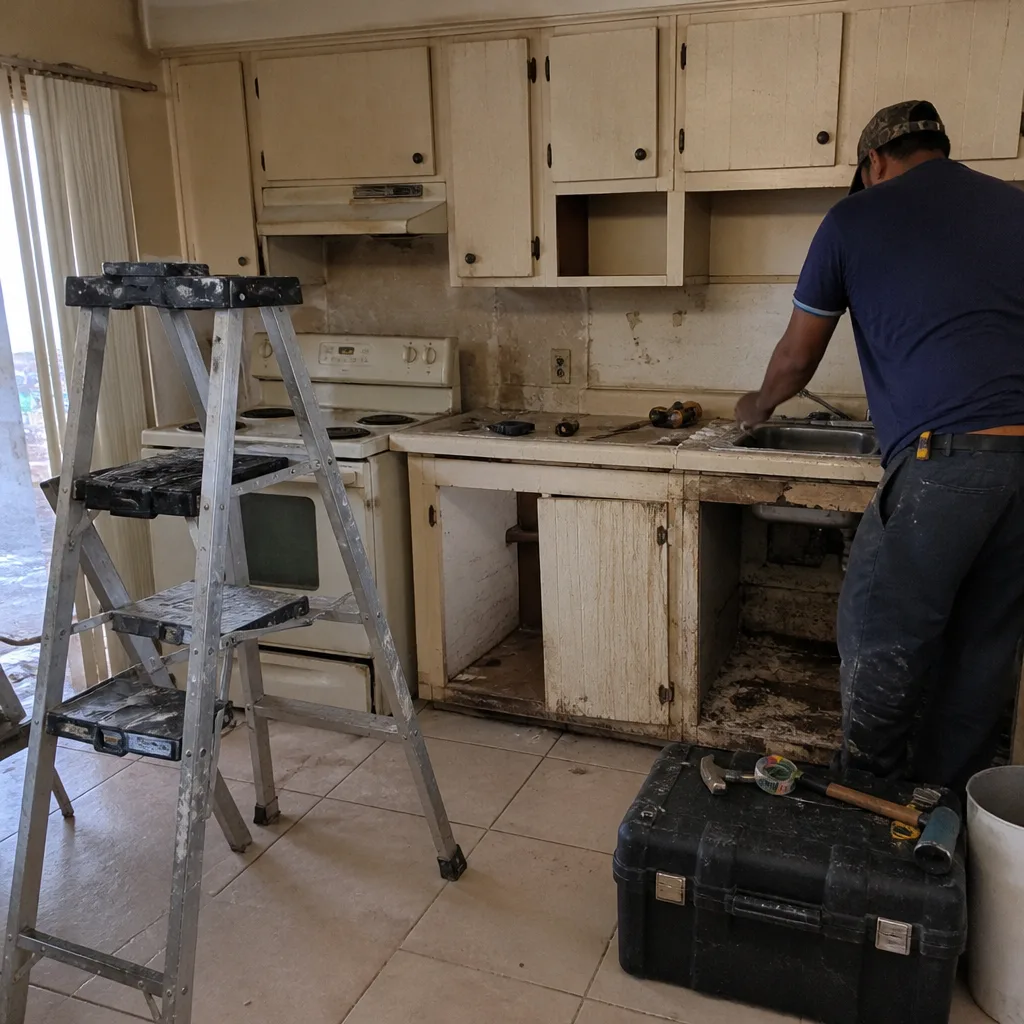 Before
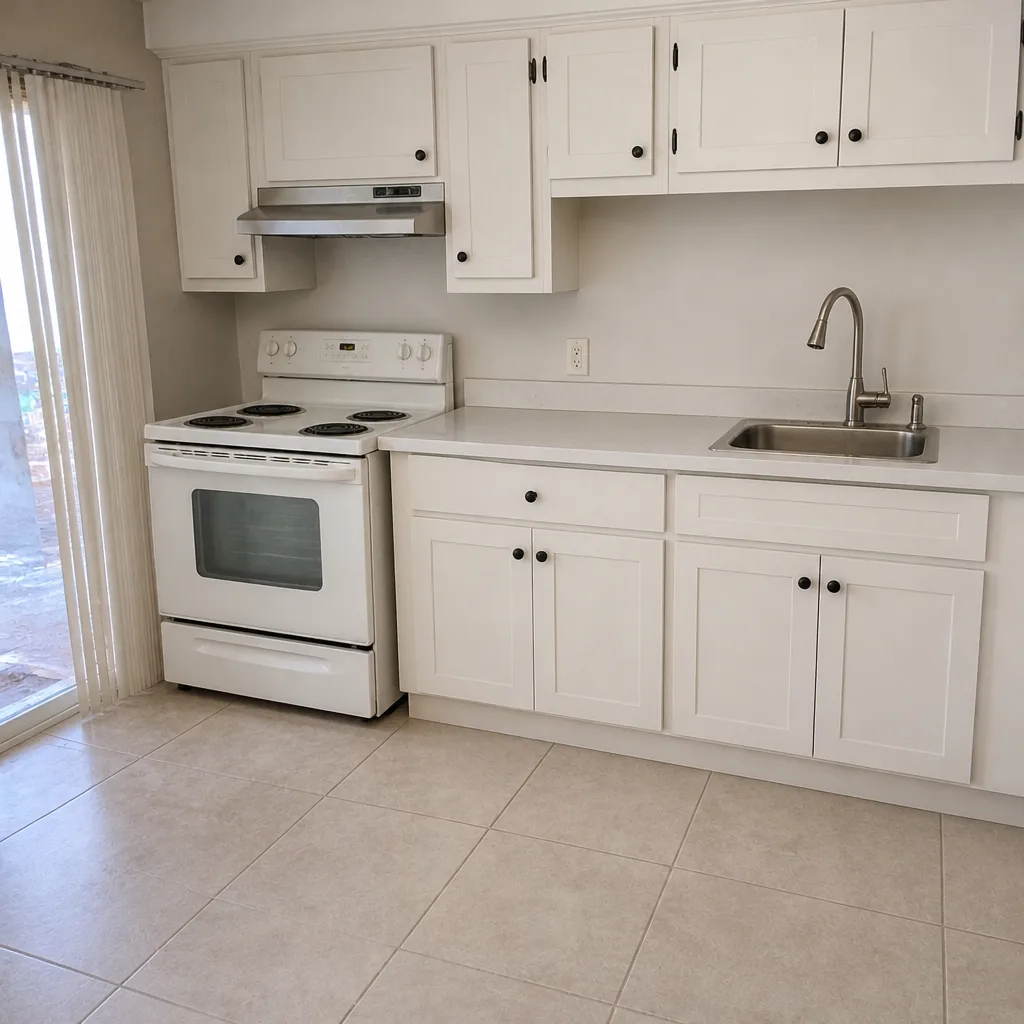 After
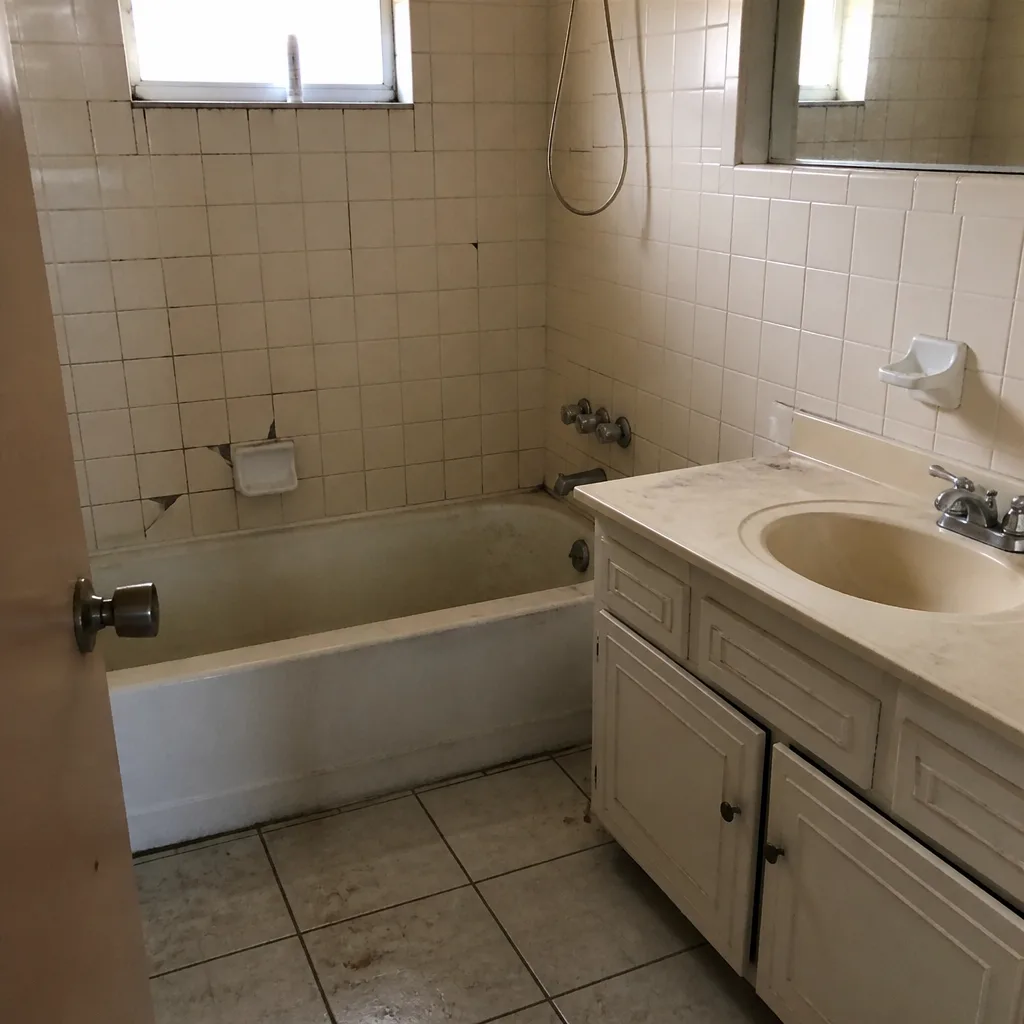 Before
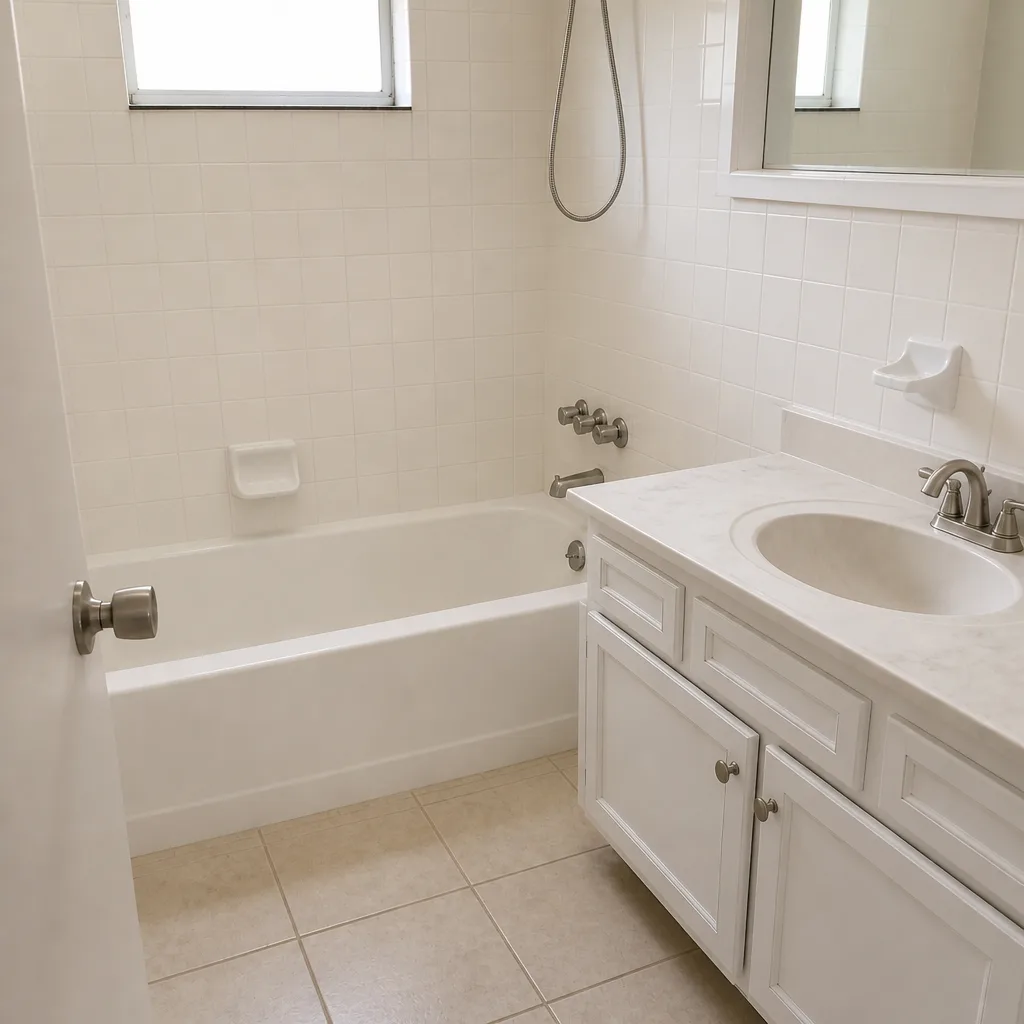 After
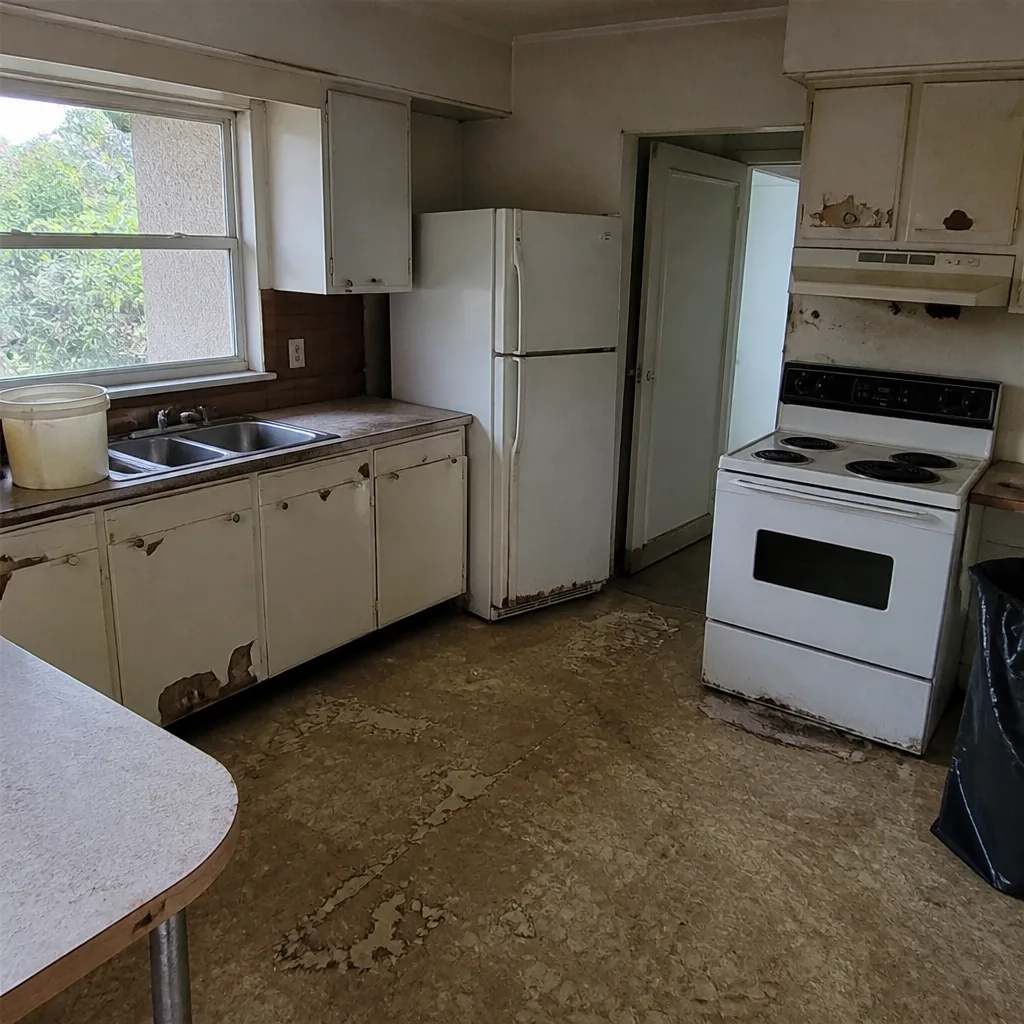 Before
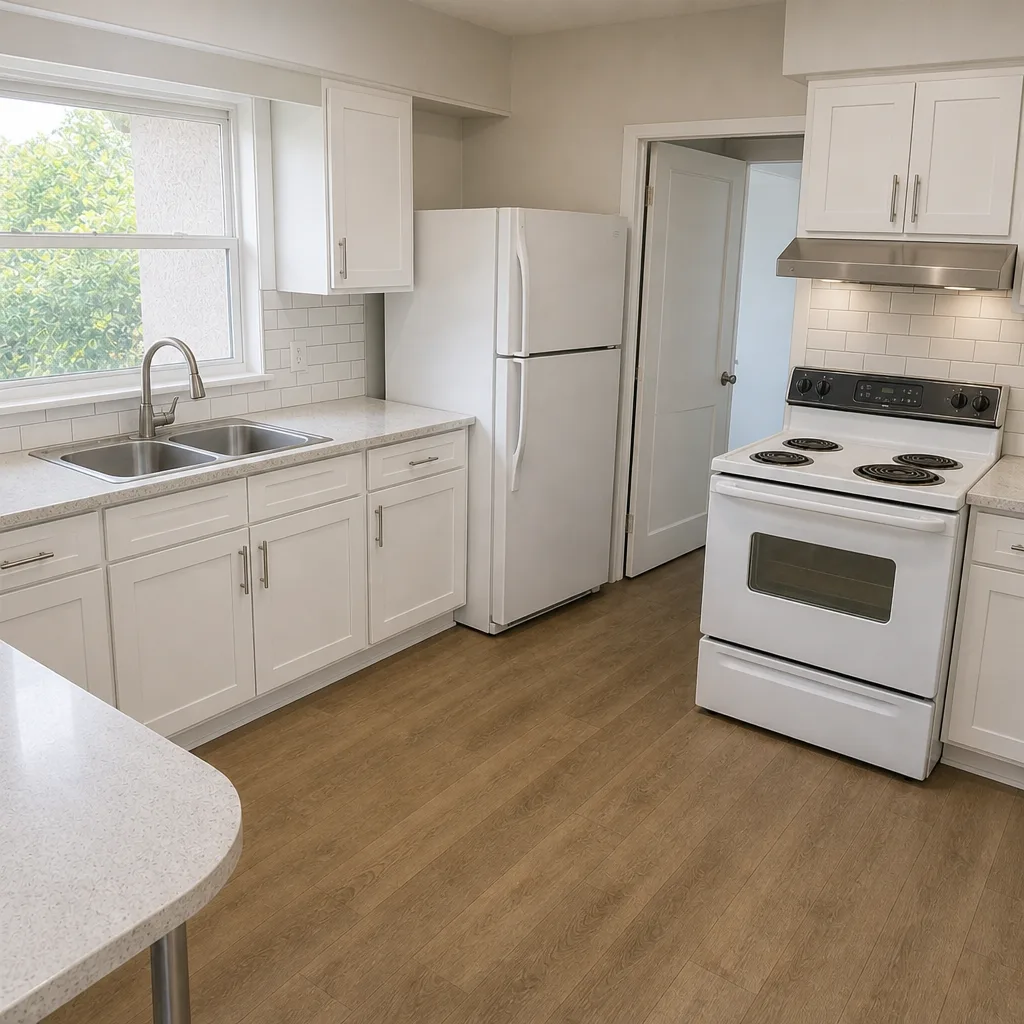 After
When to Call a Professional
Call when a door or window won’t latch with light pressure, when any interior frame corner feels soft, when water returns after a reseal, when a sealed unit fogs, or when several openings show the same problem at once. Call if you’ve found salt haze on interior glass or hardware corrosion that’s gotten worse in a single season. Call if the same opening has failed your dollar-bill test after you’ve already replaced the weatherstripping. Call if you’re not sure which bucket a warning sign belongs to. Groundwork Construction Co. of North Miami Beach offers free estimates in North Miami Beach – call (844) 797-4868. We answer with a live person, 24/7, and the number you see is the number you pay.
Frequently Asked Questions
A fogged impact window almost always needs the sealed unit replaced rather than a repair, and the cost depends on the size, the impact rating, and whether the surround is sound. We give you a written, upfront number before anyone touches the opening, not a range that grows after the work starts. Call (844) 797-4868 for a free estimate – we’ll tell you whether it’s a unit replacement or a repair at the opening level.
No. A door can stick because of a swollen frame, worn weatherstripping, a hinge issue, or dried paint in the gap. It’s only a structural warning when it starts sticking in the same corner, keeps coming back after adjustment, or shows up alongside other openings doing the same thing. Our rule on a job site: one sticking door gets adjusted; four that move the same way gets inspected before anything is adjusted.
Usually, yes. A trained eye can spot installation problems from the interior alone: recurring water paths at the same corners, stain patterns that point to a failed head flashing, a single opening behaving differently from identical ones next to it, or water that returns after a correct reseal. A moisture meter confirms it. We start with a performance test and an interior inspection, and only open the wall if the evidence points there.
Yes. Salt air breaks down gaskets and weatherstripping faster than inland climates, and the sun accelerates seal failure. We tell North Miami Beach homeowners to run the dollar-bill and corner-press tests twice a year, after any named storm, and to clean out window weep holes and slider tracks so the drainage works. The biggest routine miss is the hardware: lubricate and check locks and hinges seasonally, because corrosion there usually means the seal has started to go.
Delamination is the laminated layer separating at the edge or spreading inward, and it shows as a whitish or cloudy edge line that travels toward the center of the glass. Ordinary wear is surface-level – scratches, streaks, hard-water deposits – and stays on the surface. Delamination doesn’t stop. It’s a replacement decision, not a monitor-and-maintain one, and it’s worth a look as soon as the edge shows a cloudy line.
Yes. Window and door replacement in North Miami Beach requires permitted work and inspection, especially with impact-rated products and the wind-load requirements here. We pull the permits and pass the inspections, and we don’t hand off that responsibility. We also back all the work with the 730-Day Done Right Promise – if it’s not done right, we make it right.
Not the number we quote you. We inspect, we scope, and we write it down before the work begins. If something unexpected turns up behind a wall, we stop and show you before we do anything, because we don’t believe in change-order surprises on a project you’ve already said yes to. Upfront pricing, no surprises, and the fix is backed in writing.
The Bottom Line

Windows and doors will tell you clearly when they’re in trouble – just not in the way most homeowners look. Stop evaluating your openings by how they look and start testing how they perform. Run the five-minute sequence, press the interior corners, watch for salt haze and hardware corrosion, and learn the difference between a maintenance issue and an installation defect. You’ll catch most failures when the fix is small and the choice is easy. And when the signs point to something below the frame, don’t replace windows on a moving house – get the opening, the wall, and the structure looked at together. That’s how a homeowner makes a decision instead of paying to repeat an old one. Whether you’re planning a window and door replacement or a full project, our technicians have up to 12 years of experience and we stand behind every job with the 730-Day Done Right Promise. Call (844) 797-4868 for a free estimate and design consult.
Written by the team at Groundwork Construction Co. of North Miami Beach.