Last updated November 17, 2026
Free written scope consultation - allowances, timeline, and change-order rules on paper before a single trade is scheduled
DIY vs Professional Home Additions & ADU: What’s Safe to Do Yourself
In Florida, pulling a permit as an owner-builder is legal. That single fact trips up more homeowners than any other part of the addition conversation. What people don’t realize is what comes attached to that permit: you become personally liable for every code deficiency a future buyer’s inspector finds, and your homeowner’s insurance can stop covering the structure while it’s under construction. We’ve watched North Miami Beach homeowners save $18,000 on paper and lose $40,000 at resale. This guide breaks down what you can safely do yourself, what Florida law and your lender won’t let you touch, and where DIY inside a professionally managed project actually pays.
Quick Answer
In Florida, owner-builders can legally pull their own permits and self-perform cosmetic work like painting, landscaping, finish carpentry, and cabinet installation. Everything else – electrical, plumbing, structural, roofing, and the drawing of engineered plans – requires a licensed contractor, and using an unlicensed one is a crime under Florida Statute 489. If your addition or ADU will be financed with a mortgage or covered by homeowner’s insurance, unpermitted or owner-built work can block the loan and void coverage.
Styles & brands we work with
- Kitchen remodeling
- Bathroom remodeling
- Home additions & ADU
- Roofing
- Windows & doors
- Driveway & pavers
- Fence
Table of Contents
- What Florida law actually allows owner-builders to do
- Where DIY stops: electrical, plumbing, structural, and roofing
- How insurance and lenders view owner-built additions
- The legitimate DIY opportunities inside a managed project
- Does DIY actually save money? The honest ROI math
- The hidden cost of DIY project management
- What North Miami Beach specifically demands of a build
- What happens at resale: the paper trail that matters
- Common mistakes to avoid
- When to call a professional
What Florida law actually allows owner-builders to do
Florida Statute 489.103(7) exempts “owners of property” who build or improve a structure for their own use from contractor licensing. That’s the legal door the owner-builder permit walks through. But the exemption is narrower than most people assume. It doesn’t cover any structure being built for sale, lease, or resale within one year, and it doesn’t shield you from code compliance. You are the general contractor when you sign that permit. Every inspection, every subcontractor, every certificate of occupancy becomes your responsibility.
Here’s what owner-builders can legally do in Florida:
- Pull a permit in their own name for a single-family residence they occupy
- Hire licensed subcontractors (electrical, plumbing, mechanical, roofing) to perform their trades
- Self-perform unlicensed trade work like painting, drywall, tile, framing under certain jurisdictions, finish carpentry, landscaping, and concrete flatwork
- Coordinate inspections and schedule the final certificate of occupancy
Here’s what they cannot:
- Perform electrical, plumbing, mechanical (HVAC), or roofing work without the appropriate state or local license
- Pull a permit on a property they intend to sell within 12 months
- Represent themselves as a contractor or contract for work on anyone else’s property
- Skirt the engineer-of-record requirement on structural elements, which in Miami-Dade and Broward typically means stamped plans for any addition over a defined square footage threshold
One more thing worth knowing. In North Miami Beach, the Building Department requires owner-builder applicants to sign an affidavit acknowledging personal liability and providing proof of residency in the property. If you live in a condo or a home inside an HOA, you may need HOA approval before the city will even accept the permit application. We’ve seen builds stalled for 60 days over an unsigned HOA form.
Where DIY stops: electrical, plumbing, structural, and roofing
This is the line that separates a $3,400 paint job from a $34,000 catastrophe. Electrical, plumbing, structural, and roofing work on an addition or ADU is not a skill question – it’s a legal and life-safety question, and Florida treats it accordingly. Even a licensed general contractor cannot self-perform these trades. They have to bring in specialty licensees, and so do you as an owner-builder.
Electrical
Adding a subpanel, wiring a new bedroom, or running 240V to an ADU kitchen requires a licensed electrical contractor. Mistakes here cause fires and kill people. The average residential electrician in Miami-Dade charges $90 to $130 per hour and will not, under any circumstances, sign off on work you did yourself so they can “just inspect it.” That’s a common owner-builder fantasy, and it’s how people end up paying twice.
Plumbing
An ADU means a new bathroom, a new kitchenette, and often a new water heater. That’s a full plumbing permit and a licensed plumber. We’ve seen DIY PEX runs leak inside North Miami Beach walls built on 1950s-era slabs, and the water intrusion rots the bottom plate in under two years. Tile choices like Schluter shower systems and Grohe fixtures are excellent, but the rough-in that goes behind them isn’t a weekend project.
Structural
Wind load in Miami-Dade and Broward is the highest in the state. Every addition needs a structural engineer’s stamped drawings under the Florida Building Code, with specific uplift tie-downs, continuous load path detailing, and concrete anchorage rated for 170+ mph wind speeds. You can’t DIY this. Period.
Roofing
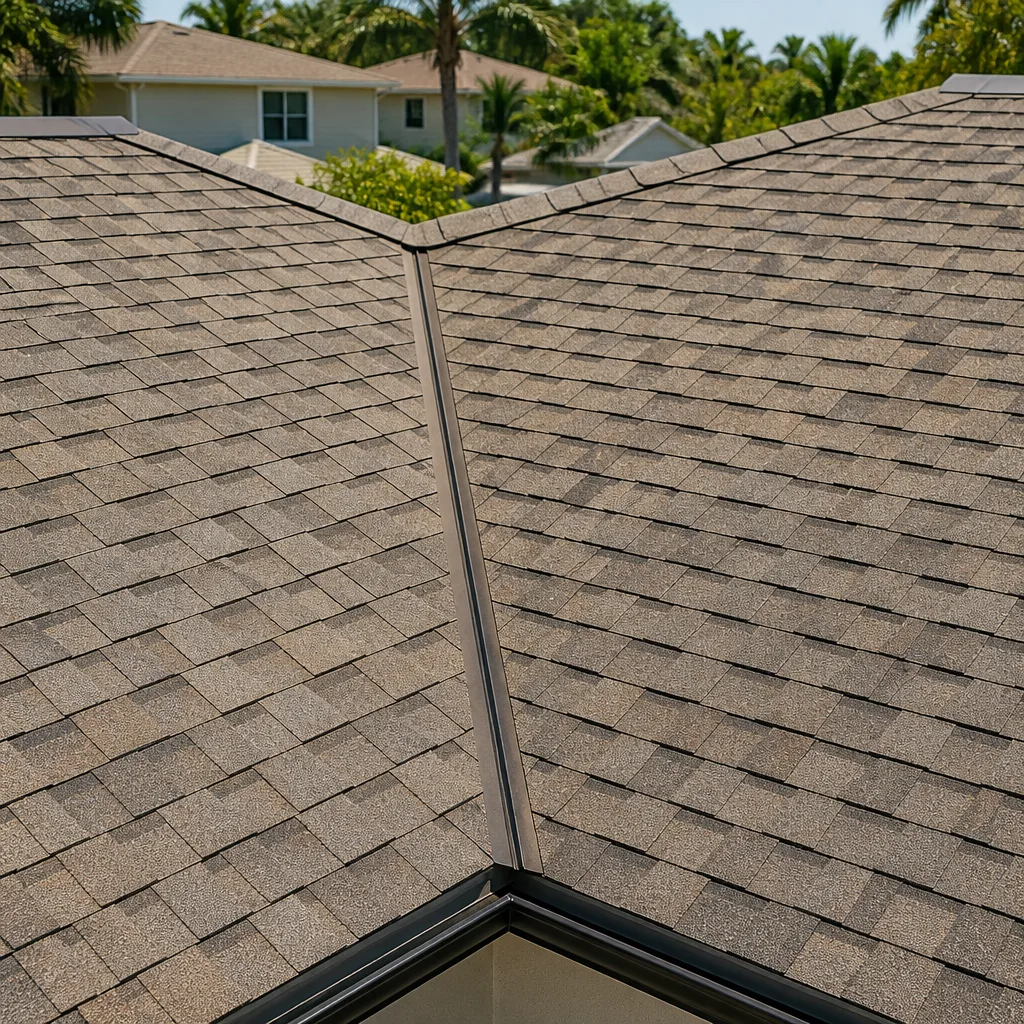
Florida roofing requires a licensed roofing contractor. Climbing a roof on an ADU addition to install shingles or a standing-seam metal panel is dangerous, and the wind mitigation discount on your homeowner’s policy depends on a licensed roofer’s final inspection. A DIY roof can cost you the insurance credit that’s worth $800 to $1,400 a year.
How insurance and lenders view owner-built additions
Here’s where the owner-builder math collapses for most North Miami Beach homeowners. The savings look real on paper until you talk to your lender and your insurance carrier. Both have a specific view of owner-built and unpermitted work, and that view is not favorable.
Insurance: Most Florida homeowner’s policies exclude or heavily restrict coverage on structures under construction that aren’t being built by a licensed contractor. If your unlicensed or owner-built addition catches fire, floods, or takes wind damage mid-build, you may be on the hook for the full loss. And after the build is finished, if the addition isn’t permitted and inspected, your carrier can refuse to insure it, deny claims tied to it, or non-renew the entire policy at renewal.
Lenders: Any addition financed through a mortgage or refinance requires a licensed contractor with current general liability and workers’ comp insurance. Your lender will verify both. An owner-builder permit generally won’t satisfy that requirement, which means you’re either self-funding the entire project or paying cash-out refi rates for a build your bank won’t recognize. If you ever sell, a buyer’s lender will order an appraisal and a permit search. An addition without a certificate of occupancy is unusable square footage the appraiser will not count.
The bottom line: an owner-built or unpermitted addition is often worth less than the land it sits on, because the next buyer has to budget for a tear-out or an after-the-fact permitting legalization (which is expensive and sometimes impossible).
The legitimate DIY opportunities inside a managed project
Now the good news. There are real places in a home addition or ADU where doing it yourself saves genuine money, adds zero risk, and doesn’t interfere with the licensed trades or inspections. Our technicians have up to 12 years of experience, and here’s exactly what we tell homeowners to keep for themselves.
- Painting and prep work. Interior and exterior paint, trim prep, and caulking are all legal to self-perform. On a 400 square-foot ADU, a professional interior paint job runs $2,200 to $3,800. A homeowner with a decent sprayer and a free two weekends can capture most of that.
- Landscaping and sod. Grading is regulated (it affects drainage and flood compliance), but planting, sod, mulch, and hardscape finishing outside the permitted footprint are wide open. Budget $1,500 to $4,000 on a typical ADU yard, and do it yourself.
- Finish carpentry. Baseboards, shoe molding, closet shelving, and simple built-ins are DIY-friendly if you’re comfortable with a miter saw and a nail gun. Just make sure the licensed framing contractor has finished the rough-in and passed inspection first.
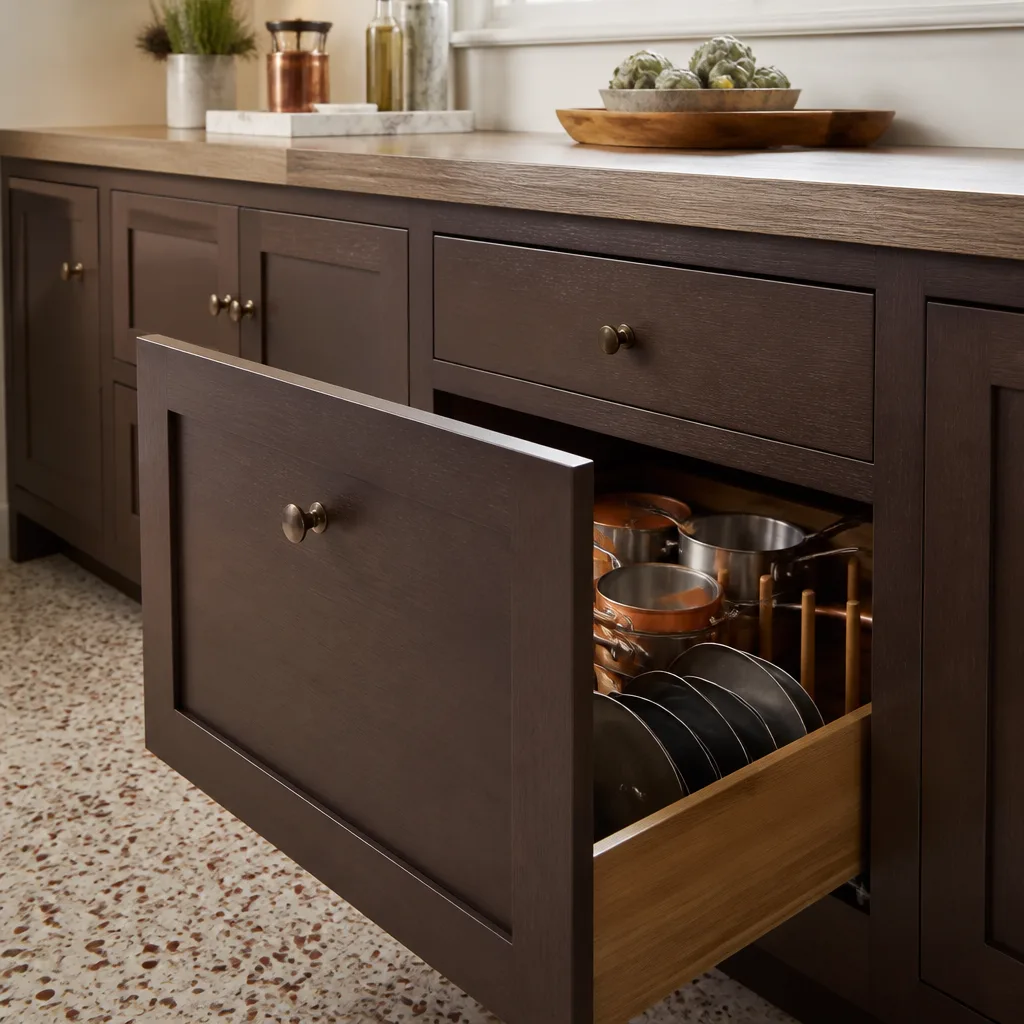
- Cabinet installation. Semi-custom cabinets from brands like KraftMaid can be self-installed if the walls are plumb and the layout is simple. A European frameless cabinet line is more forgiving than inset. The risk here is not structural, it’s cosmetic and schedule – a box hung crooked is a visible flaw.
- Fixtures and finishes. Hanging a Toto or Sterling toilet on an existing rough-in, installing towel bars, mounting mirror frames, and setting a vanity top are all safe self-perform tasks, provided the plumbing stub-outs and electrical boxes are already in place and inspected.
- Site cleanup and haul-away. Skip the dumpster service for the last 20% of debris. A couple of trailer loads to the North Miami Beach transfer station on weekends is real money, if you’ve got the truck.
What’s not on this list: site framing, drywall hanging (wind-rated and moisture-resistant in Florida, not a beginner job), tile waterproofing in wet areas, or anything that involves a permit signature.
Does DIY actually save money? The honest ROI math
We’ve crunched this on dozens of North Miami Beach builds, and the honest answer is: sometimes, but rarely as much as you think. Here’s the real math on a $180,000, 600 square-foot garage conversion ADU.
- Professional painting: $5,200. DIY equivalent cost: $1,400 in materials and 80 hours of your time. Net savings: $3,800.
- Professional landscaping: $3,800. DIY: $1,600 materials and 40 hours. Net savings: $2,200.
- Professional finish carpentry: $2,800. DIY: $1,100 materials, 30 hours, plus a rework allowance of about $400 to fix the crown joints you’ll hate. Net savings: $1,300.
Total realistic DIY capture on that project: roughly $7,300, or 4% of the total budget, in exchange for about 150 hours of your weekend time. That’s a great deal if you’re disciplined and comfortable with tools. It’s a terrible deal if you’re learning on the fly and paying for re-work.
Where DIY destroys the ROI case:
- Framing. Homeowners almost never frame to spec, and the inspection fails, and the re-work after remediation costs more than the original framing bid.
- Tile setting. Aesthetics aside, improperly pitched shower pans leak into the slab, and the average repair in South Florida runs $8,000 to $15,000.
- Drywall. Hanging, taping, and finishing an 8-foot ceiling in a Florida humidity cycle is a specialist skill. A drywall pro will turn a 3-week job into 5 days and deliver a better finish than most homeowners can achieve on a first attempt.
- Any structural modification. Never DIY. Not once.
The rule of thumb we give homeowners: DIY the cosmetic trades, hire out the licensed and craft-specialty trades, and never DIY anything that touches a permit line or a structural element.
The hidden cost of DIY project management
The single biggest line item homeowners underestimate when they take the owner-builder route isn’t the physical labor. It’s project management. Running an addition or ADU is a coordination job with 9 to 14 moving parts, and each one has an inspection attached to it.
Here’s what a real week of owner-builder project management looks like in North Miami Beach:
- Monday: Call the Building Department to schedule a framing inspection. Get the third voicemail. Try the online portal. It’s down.
- Tuesday: The framer is asking for $4,000 (40% of the framing invoice) as a mid-job draw, but you didn’t sign a contract that specifies draw milestones. You negotiate on the fly and lose.
- Wednesday: The electrician says he can’t rough-in until the framing inspection passes, but the framing inspector saw an open joist hanger and failed the job. Your framing crew is already on another project. Now you’re waiting 9 days.
- Thursday: Your homeowner’s insurance agent calls. The construction rider you assumed would cover the build doesn’t. You need a builder’s risk policy; that’s $800 to $2,200 for a 6-month build.
- Friday: The electrician invoices, the plumber invoices, the drywall sub invoices, and you’ve got three wires to send because none of them were set up as scheduled payments.
Add it up over a 14-week ADU build and you’re looking at 200 to 300 hours of coordination, plus the real risk of delays costing $1,800 to $3,400 a week in carrying costs (rent, mortgage, storage, temp utilities). That’s the hidden cost nobody puts in the owner-builder calculator. A general contractor’s 12% to 18% fee on a North Miami Beach addition is, functionally, buying that coordination time and the liability that comes with it.
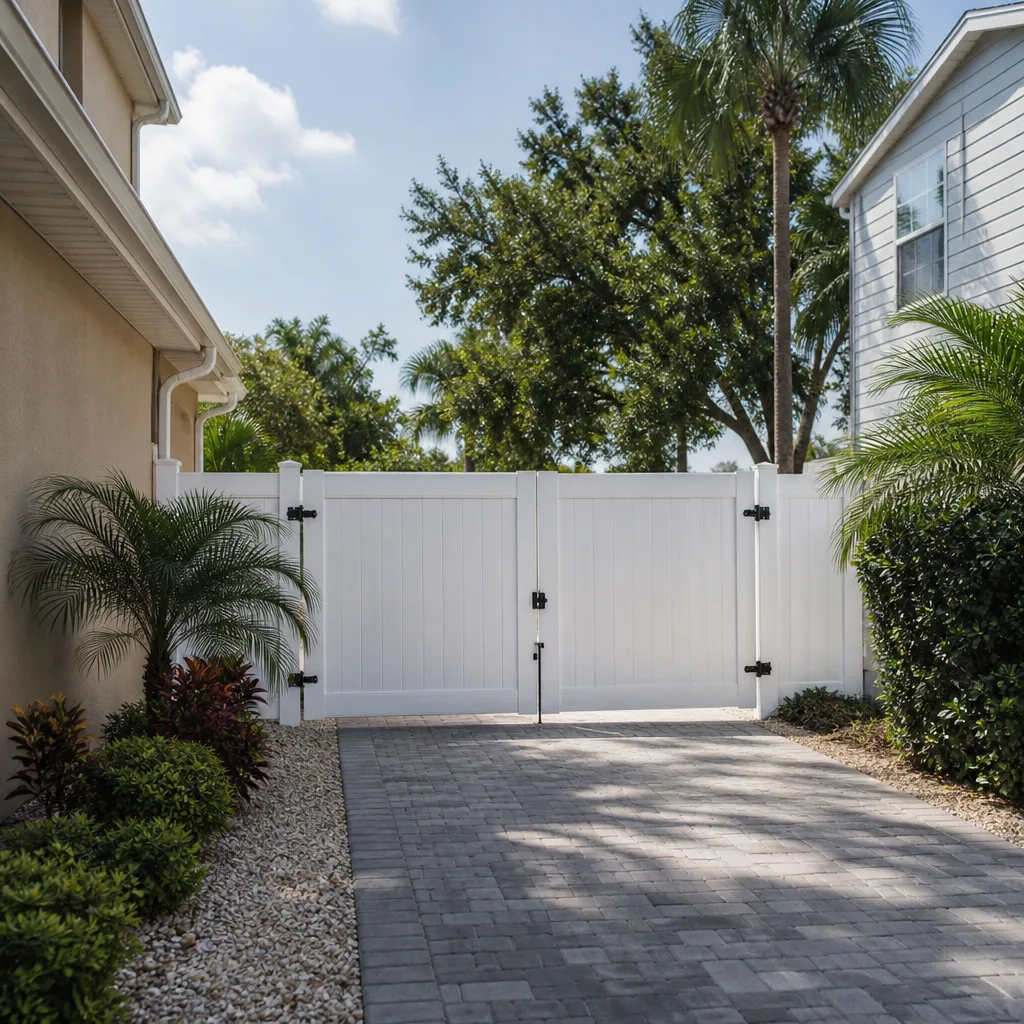
And if you’re weighing the full scope of an addition against other exterior projects on the same property – a new driveway of pavers or a privacy fence to frame the ADU – the coordination math only gets worse. Doing those standalone projects alongside a self-managed ADU is a 90-hour-a-week side job. See our Driveway & Pavers in North Miami Beach and Fence Installation in North Miami Beach pages for what turnkey pricing looks like on those pieces.
What North Miami Beach specifically demands of a build
North Miami Beach sits on the eastern edge of Miami-Dade County, a few blocks from Biscayne Bay and, in places like Eastern Shores, literally on the water. That geography dictates most of the rules a self-builder has to follow.
Flood zone. Much of North Miami Beach is in a FEMA AE or VE zone. An addition or ADU needs a base flood elevation certificate and must be elevated above the base flood elevation. If you’re adding slab-on-grade square footage, you’re looking at fill and elevation work that has to be verified by a surveyor. This is not a DIY detail.
Wind load. Miami-Dade is the High Velocity Hurricane Zone. Every window, door, and garage door in an addition needs product approval ratings, and every Andersen or Pella unit you install needs a NOA (Notice of Acceptance) number on file. Installing a discounted window without a NOA fails the final inspection.
Salt air and humidity. We see this on every North Miami Beach build in the first three blocks from the bay. The salt spray eats through unprotected fasteners and non-galvanized hardware within two to three years. Stainless steel hurricane straps, hot-dip galvanized hangers, and pressure-treated framing for any wood element are essential, not optional. A homeowner self-installing a pergola or a garden wall who uses the wrong fasteners is back doing it in 30 months.
Older housing stock. A large share of North Miami Beach’s single-family homes were built between 1948 and 1975. Many have cast-iron drain lines, aluminum branch wiring, and early asbestos-containing materials in the ceiling and flooring. Any addition or ADU that touches the existing utility systems requires a careful survey of what’s already there before a demo permit is even filed. This is one place we consistently see owner-builders blindsided – the entire plumbing rough-in has to be replaced, not extended.
Neighborhood-specific permitting. Building in Eastern Shores, Sky Lake, or the Highland Lakes area can bring additional architectural review, and homes on the water face specific impervious-surface and drainage rules. If you’re building an ADU near the eastern canals, the drainage plan isn’t optional.
If you’re evaluating the property-wide picture, our Home Additions & ADU in North Miami Beach page walks through the full sequence from feasibility to certificate of occupancy.
What happens at resale: the paper trail that matters
This is where owner-builder additions either hold their value or become a red flag on the disclosure form. Here’s the sequence a buyer’s agent and their inspector and their appraiser will follow when your house goes on the market.
- Permit search. The title company will pull a permit history from North Miami Beach. Any addition, ADU, or envelope change without a final inspection and certificate of occupancy will show as “permit open.”
- Appraisal. The appraiser will only count permitted square footage. An unpermitted ADU adds $0 to appraised value, and if the appraiser flags it, the appraisal can come in below the offer, killing the buyer’s loan.
- Insurance verification. The buyer’s insurer will ask “was all work permitted?” An owner-built addition without inspection records is a coverage problem the buyer inherits, which means they either walk or demand a heavy credit.
- Disclosure. In Florida, if you know about unpermitted work and don’t disclose it, you’re exposed to a fraud claim years after closing. The owner-builder affidavit you signed at permit time is a matter of public record. There is no “they won’t find it” version of this story.
The math is brutal. A 500 square-foot unpermitted ADU that cost you $130,000 to build may reduce your home’s appraised value by $15,000 to $40,000 versus not having built it at all, because of the legalization cost the buyer will discount in. And in some cases, the legalization isn’t possible – if the setback or lot coverage goes against current code, the only path is demolition.
The clean path costs more upfront. It holds its value completely. See our Groundwork Construction Co. of North Miami Beach home page for the full set of permitting and construction services we provide.
Common mistakes to avoid
- Assuming the owner-builder permit makes you a contractor. It makes you personally liable. Every inspection, every certificate of occupancy, every future disclosure becomes yours. Signing the affidavit without reading it is the single most expensive mistake we see in North Miami Beach.
- Hiring an “unlicensed but really good” electrician. In Florida, that’s a first-degree misdemeanor for them and it can void your insurance claim. The $900 you save becomes a $40,000 rewire after a fire.
- Extending existing plumbing without surveying it. On a 1962 North Miami Beach ranch house, half the cast-iron drain line is at end of life. Tying a new ADU bathroom into it without inspection is how homeowners discover a full re-pipe mid-project, three months in.
- Ordering windows or doors before the NOA is verified. Miami-Dade requires a Notice of Acceptance for every exterior opening in the HVHZ. A discount window unit without a NOA fails final inspection and goes back on the truck at your cost.
- Skipping the builder’s risk policy. Your homeowner’s policy does not cover a build in progress. That gap ranges from $800 to $2,200 on a typical ADU and is the most overlooked line item in owner-builder budgets.
- Assuming HOA silence means approval. If you’re inside a North Miami Beach HOA, an ADU or addition likely triggers architectural review board approval before permits. Skip that step and the city can pull your permit after framing is in place.
- Trusting a verbal change order. Any addition or ADU will have 3 to 8 change orders. Get each one in a signed written scope, even if it’s a two-sentence email. That’s why we run every project off a written line-item quote with fixed scope and no surprise changes.
When to call a professional
Call a licensed general contractor the moment your project involves any of the following: a permit for an addition, ADU, or envelope change; structural work of any kind; electrical, plumbing, mechanical, or roofing trades; any portion of the build inside a flood zone; any financing or insurance requirement tied to the project; or an existing structure with more than 30 years of unknown utility history. Those six triggers cover the vast majority of home additions in North Miami Beach, which is why the honest answer to the DIY question is usually “yes for the cosmetics, no for the build.”
The company that provides real accountability on those builds has to be able to answer the phone. Groundwork Construction Co. of North Miami Beach offers free estimates in North Miami Beach – call (844) 797-4868. Every job carries the 730-Day Done Right Promise, and every project runs on upfront pricing with 0% financing for 18 months, so the number you see is the number you pay. Live person, 24/7 – no voicemail, no waiting until Monday morning to schedule a walkthrough.
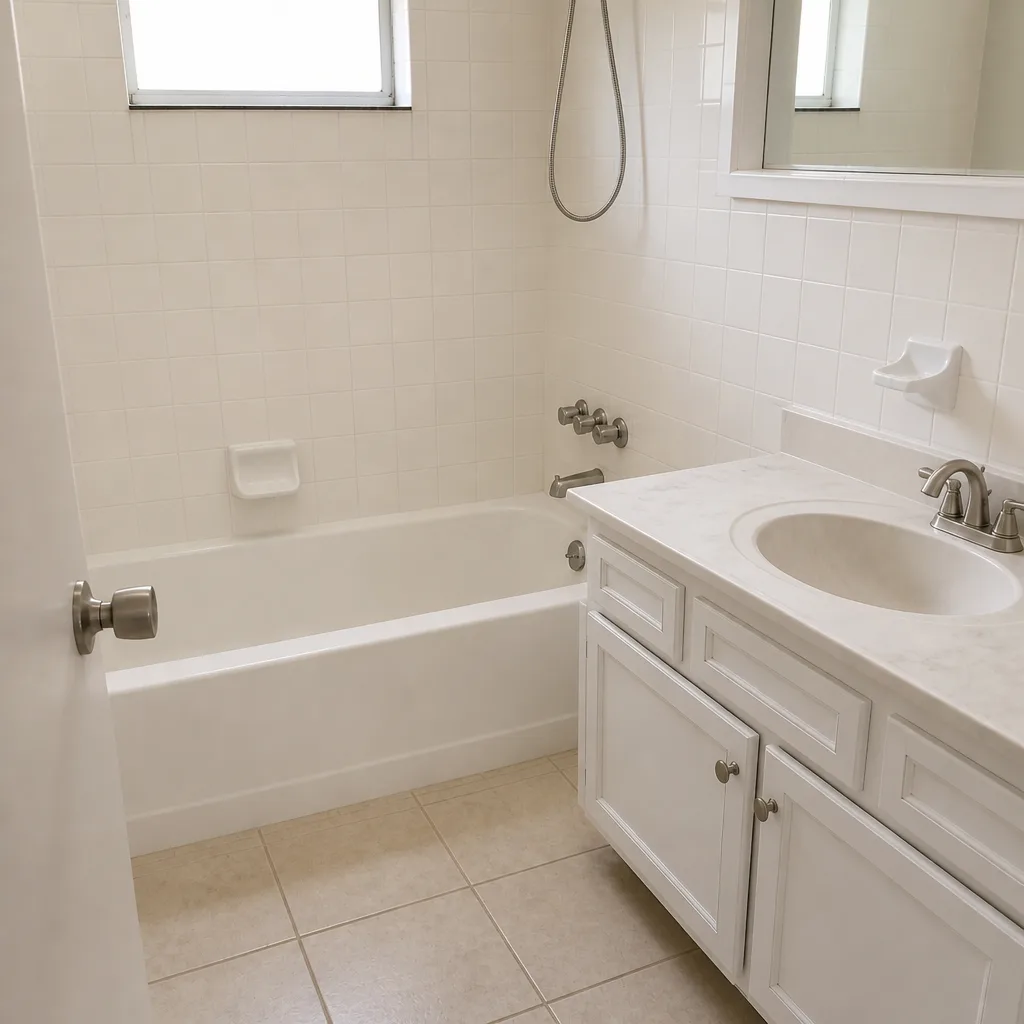
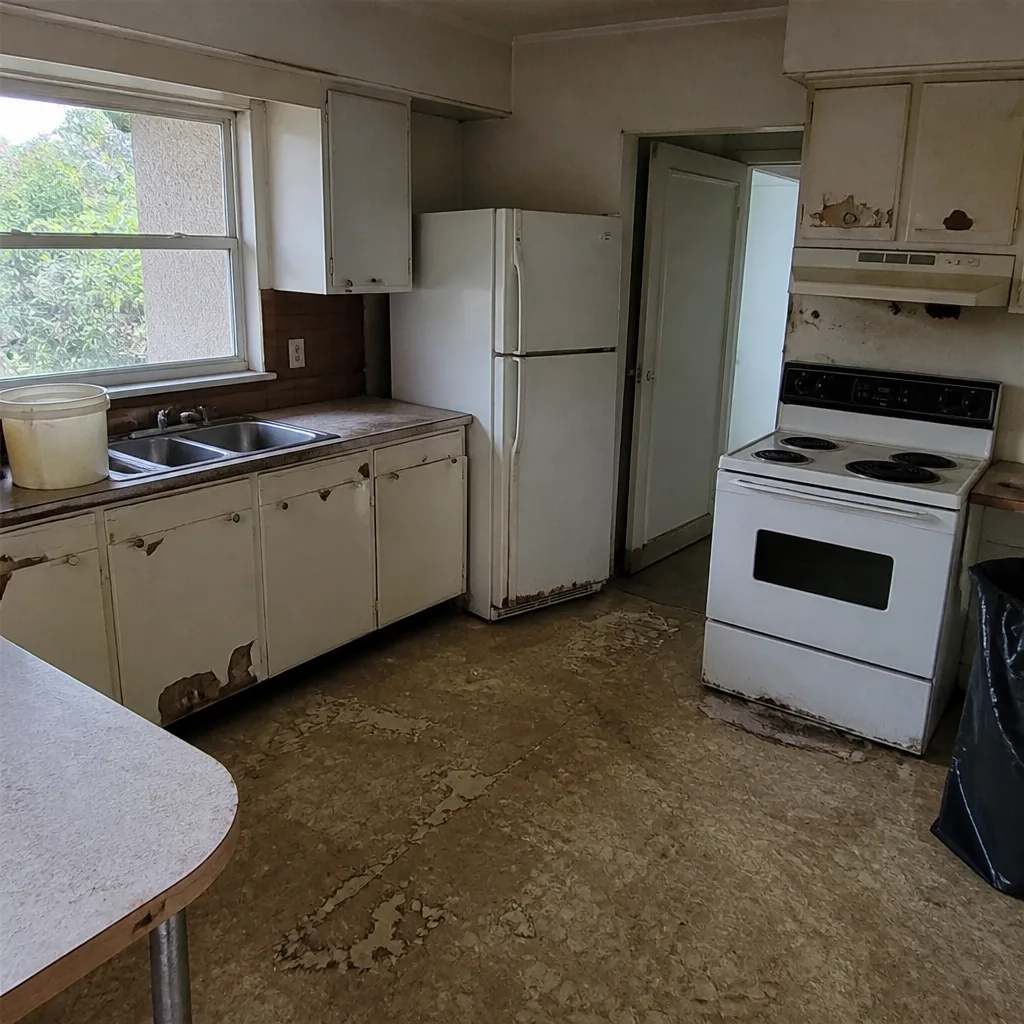
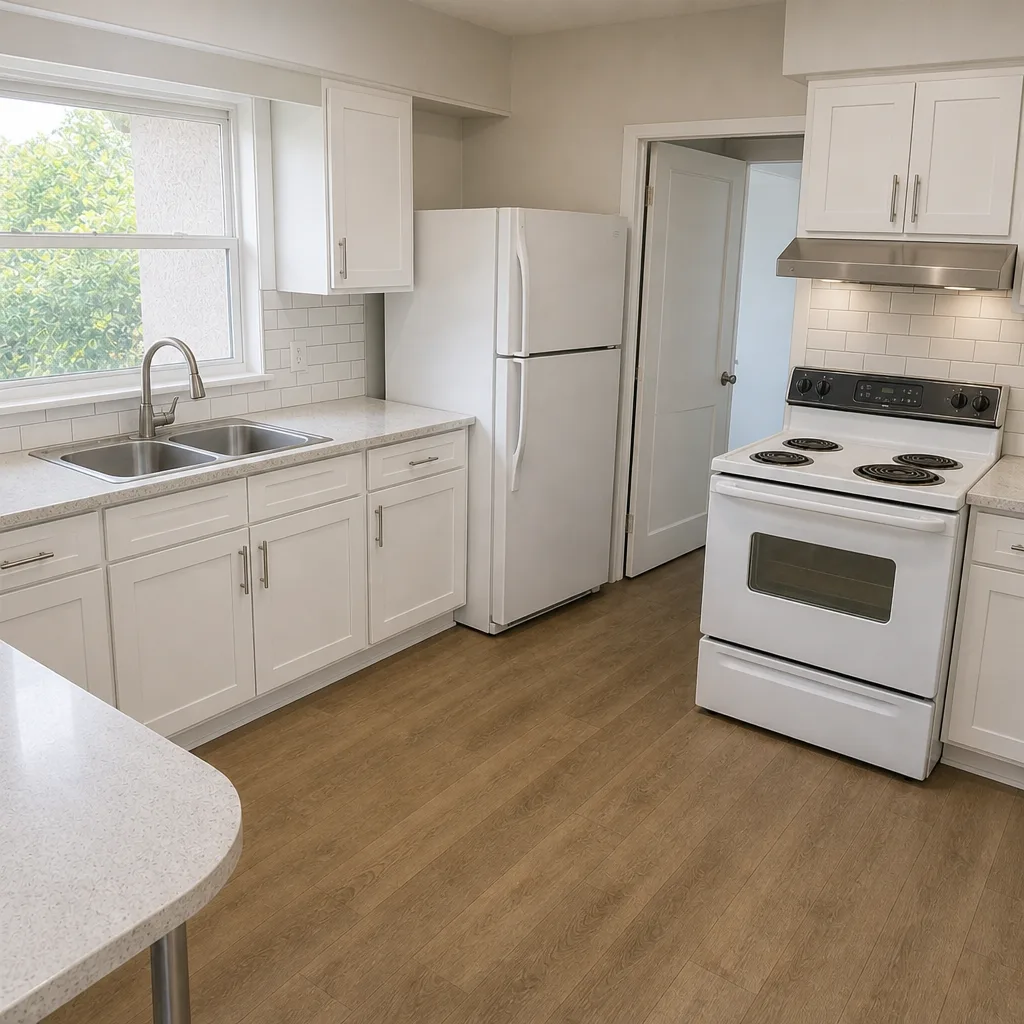
See the difference
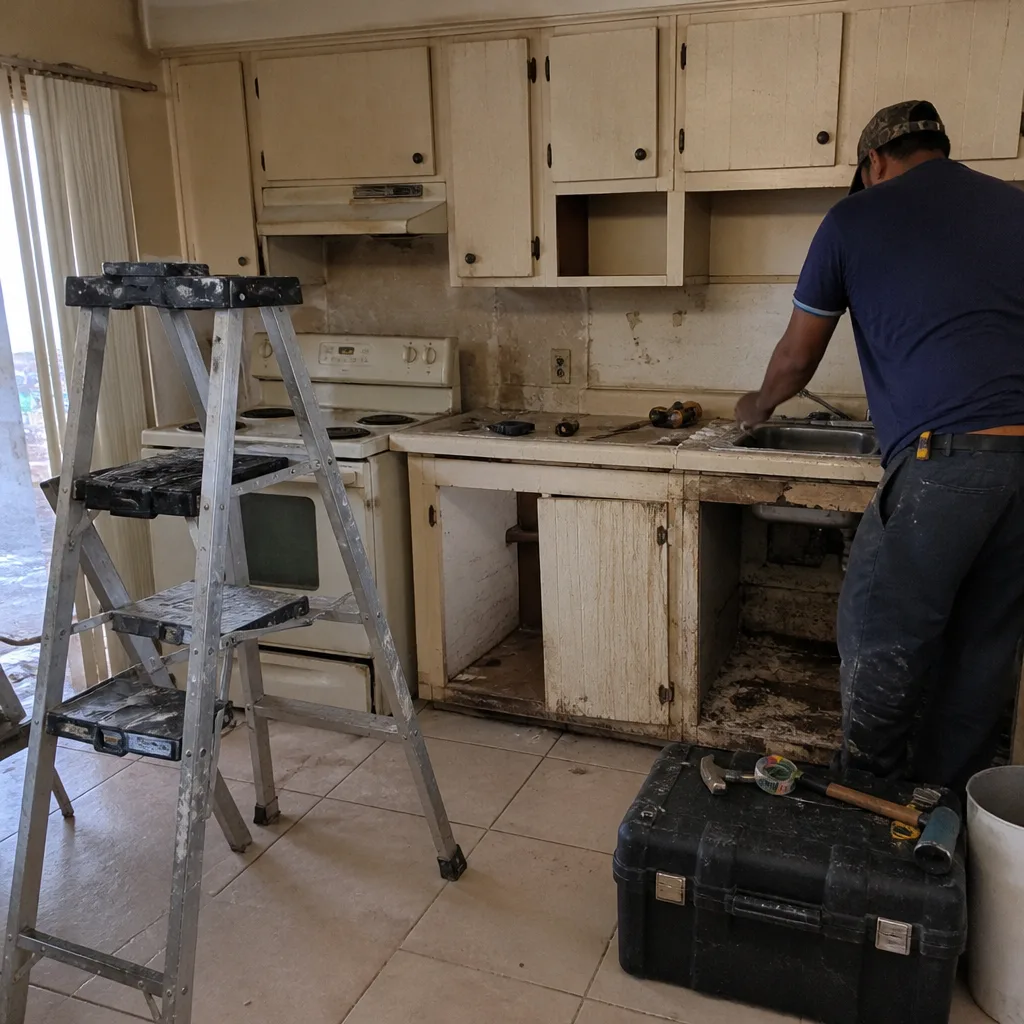 Before
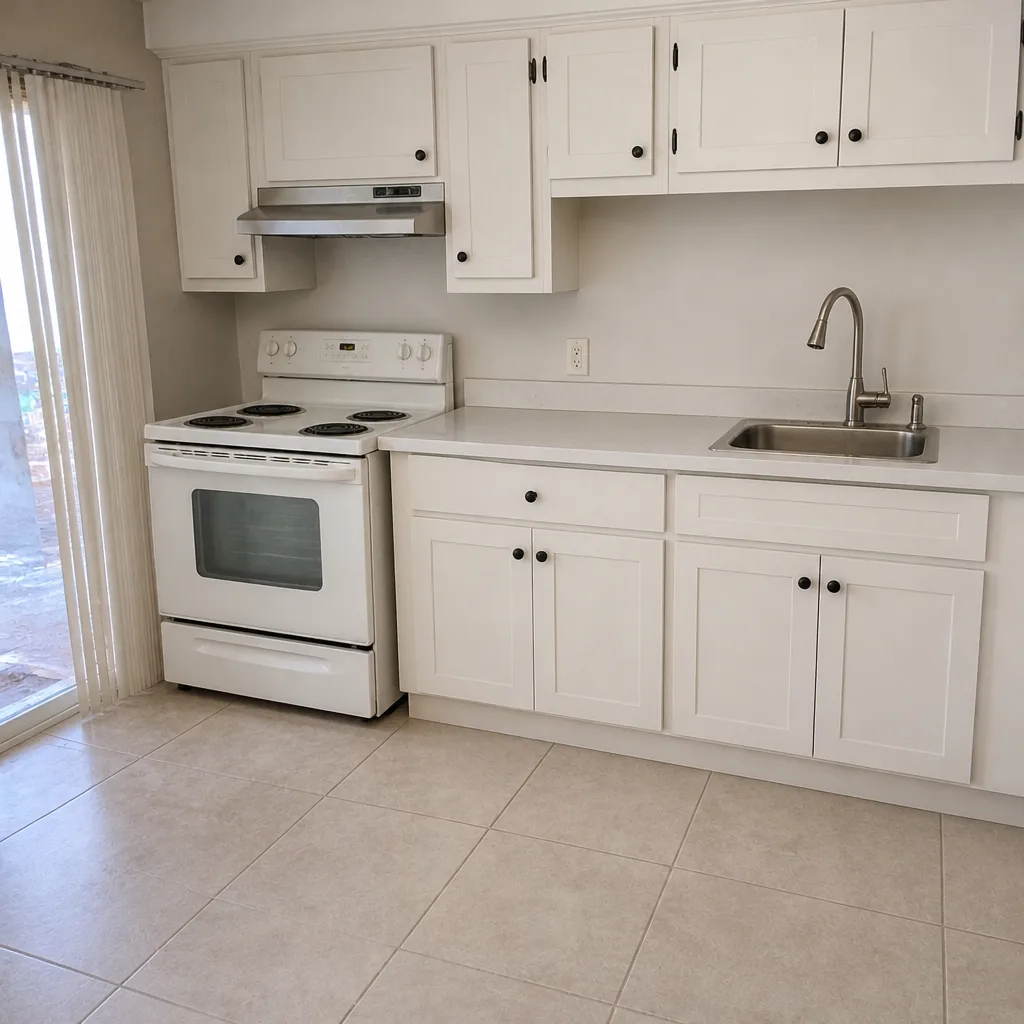 After
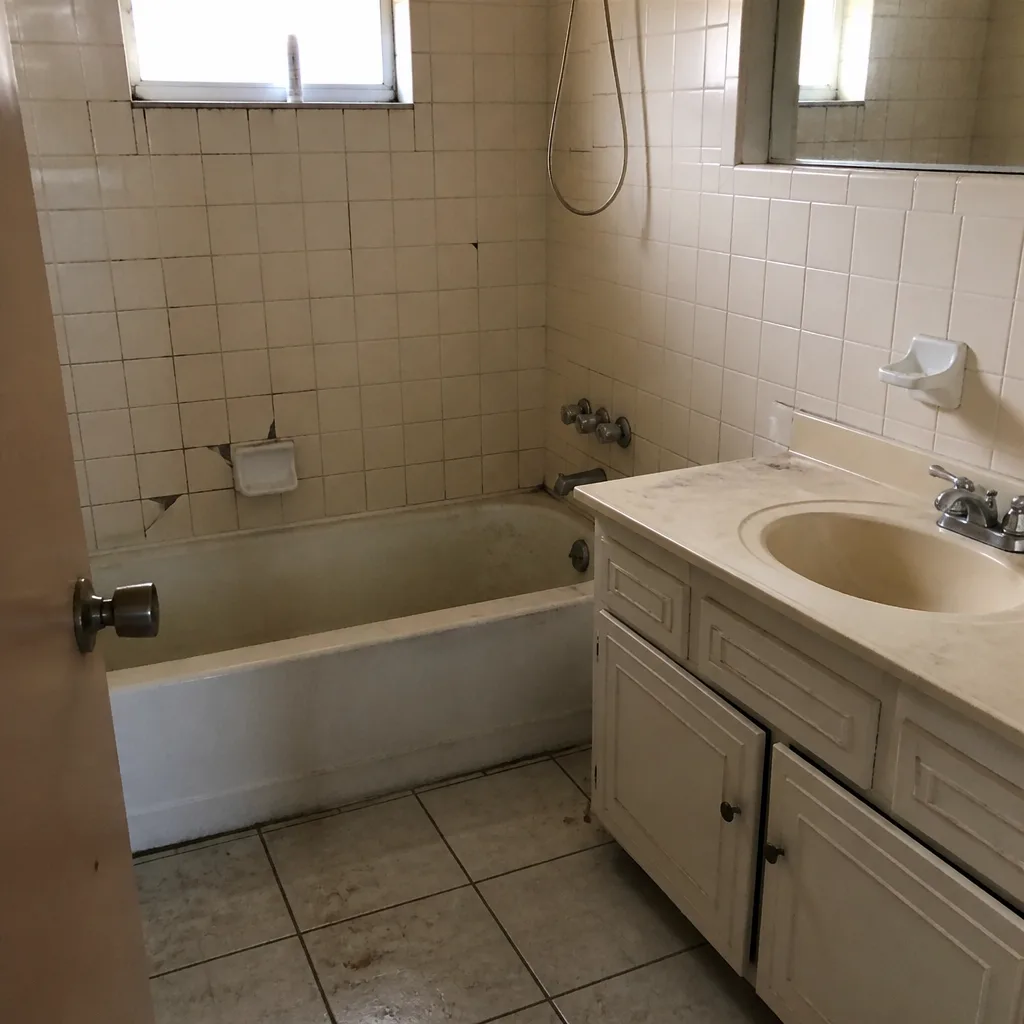 Before
 After
 Before
 After
Frequently Asked Questions
Yes. Florida Statute 489.103 allows an owner-occupant to pull an owner-builder permit for a single-family residence, including an ADU, provided you sign the affidavit acknowledging personal liability and don’t sell the property within 12 months. The permit is legal, but it puts every code deficiency and every future disclosure on you, and it generally won’t satisfy a mortgage lender’s requirement for a licensed general contractor. For the licensed path, our team at (844) 797-4868 can walk you through what a permitted build actually requires.
Generally no, not under a standard homeowner’s policy. Construction coverage requires a separate builder’s risk policy, typically $800 to $2,200 for a 6-month ADU build in North Miami Beach. After the build, your carrier generally will not insure unpermitted or uninspected square footage, and many will non-renew rather than accept the risk. Always verify coverage with your agent before you break ground.
You can legally self-perform painting, landscaping, finish carpentry (baseboards, shelving, simple built-ins), cabinet installation, fixture hanging, tile work outside wet areas, and site cleanup. You cannot legally self-perform electrical, plumbing, mechanical, or roofing work, and structural work requires a licensed contractor with stamped engineer drawings. The most realistic DIY savings on a typical ADU run about $5,000 to $8,000 – roughly 3% to 5% of a North Miami Beach build budget.
Between 5% and 15% off the total project on paper, and often zero or less after re-work, delays, builder’s risk insurance, and carrying costs. A professional general contractor’s fee of 12% to 18% covers coordination, liability, scheduling, and warranty, which is roughly the amount an owner-builder loses to delays and re-work on a first build. For an exact comparison on your property, call (844) 797-4868 for a free estimate – we lay out the line items.
Usually not through conventional financing. Lenders generally require a licensed general contractor with current general liability and workers’ comp insurance for any addition over a defined value threshold. Owner-builder permits typically fail that requirement, which pushes you to cash, a HELOC, or a hard-money loan at higher rates. The financing path our projects use is upfront pricing with 0% financing for 18 months, which keeps the loan structured around the build rather than around the permit holder.
You will have to disclose it, the appraisal will not count the square footage, the buyer’s lender may decline to fund, and the buyer’s insurer may refuse to cover the ADU. In the worst case, legalization isn’t possible if the structure violates current setback or lot coverage rules, and the buyer will discount the price by the cost of demolition. An owner-built but properly permitted ADU holds its full appraised value; an unpermitted one usually loses money net of build cost.
The Bottom Line
DIY is real money, but only on the edges. Painting, landscaping, finish carpentry, and cabinet installation are legitimate self-perform opportunities that save between $5,000 and $8,000 on a typical North Miami Beach ADU, and we’ll tell you exactly which ones to take. Everything else – electrical, plumbing, structural, roofing, and any part of the build that touches a permit, a lender, or an insurance policy – belongs with a licensed contractor. The owner-builder permit that looks free at the counter becomes the most expensive line item on your disclosure form when the wrong part goes sideways. Do the cosmetics yourself, hire out the rest, and make sure the paper trail is complete. Groundwork Construction Co. of North Miami Beach builds on a curated brand roster – KraftMaid, Cambria, GAF, Owens Corning, Andersen, and Marvin – with background-checked, uniformed technicians, permits pulled and inspections passed, and the 730-Day Done Right Promise behind every build. Call (844) 797-4868 for a free estimate on the whole scope, and we’ll tell you straight which parts you can keep.
Written by the team at Groundwork Construction Co. of North Miami Beach.