Last updated November 17, 2026






Free written scope consultation - allowances, timeline, and change-order rules on paper before a single trade is scheduled
Seasonal Construction Care for North Miami Beach: Year-Round Homeowner’s Guide
The most important six weeks on a North Miami Beach homeowner’s calendar aren’t in the fall. They’re May 1st through June 15th, the stretch where hurricane prep, inspection season, and contractor availability all collide. Miss that window and you spend the next eight months reacting instead of planning. North Miami Beach doesn’t run on four seasons. It runs on a dry season, a rainy season, a hurricane season, and the months when every good trade in town is booked solid. This guide walks through a maintenance calendar built around those rhythms, from pre-storm structural checks to post-storm documentation, so you know what to do, when to do it, and when to call someone who does it for a living.
Quick Answer
North Miami Beach homeowners should treat April and May as structural prep season, November through March as exterior project season, and June through October as water-intrusion watch season. The single highest-value habit is a pre-hurricane inspection that goes past shutters into roof fasteners, drainage, and electrical readiness. Booking exterior work in the dry season, before the spring rush, is what keeps a project on schedule.
Styles & brands we work with
- Kitchen remodeling
- Bathroom remodeling
- Home additions & ADU
- Roofing
- Windows & doors
- Driveway & pavers
- Fence
Table of Contents
- Why North Miami Beach Doesn’t Have Four Seasons
- The April-May Pre-Hurricane Checklist
- Why the Dry Season Is Prime Exterior Project Season
- Rainy Season Water Infiltration: Where It Starts
- Post-Storm Inspection Protocol
- Salt Air Maintenance Most Homeowners Skip
- The Contractor Booking Calendar for North Miami Beach
- Common Mistakes to Avoid
Why North Miami Beach Doesn’t Have Four Seasons
If you moved here from a climate with a real winter, the instinct to “get it done in spring” can work against you. North Miami Beach sits on a barrier island geology with high water tables, salt-laden onshore breezes, and a wet season that dumps most of its rain between June and October. Concrete pours, stucco curing, exterior paint, and paver installation all behave differently depending on the humidity and the daily rain threat. A stucco job that would cure clean in February can flash-dry uneven in July when the afternoon storms hit at 3 p.m. sharp.
That’s the practical reason the seasonal calendar matters more here than the calendar month on the wall. North Miami Beach construction runs on four overlapping rhythms:
- Dry season (roughly November through March): lower humidity, fewer afternoon thunderstorms, the best window for concrete, stucco, pavers, and exterior paint.
- Pre-hurricane window (May 1 to June 15): structural inspection, roof fastener checks, drainage clearing, generator readiness.
- Hurricane season (June 1 to November 30): watch mode, with the peak of activity typically August through October.
- Rainy season (June through October): water intrusion season, when South Florida homes reveal the weak points they hid all winter.
Add salt air to every one of those. The onshore breeze that makes North Miami Beach living pleasant also coats metal fasteners, window frames, and roof flashing with a chloride film that accelerates corrosion. Most homeowners don’t notice until a hinge seizes or a flashing seam starts weeping. The fix is routine maintenance, not emergency repair, which is precisely why the tasks that skip the to-do list cost the most.
The other rhythm is human: contractor availability. The best crews in North Miami Beach book out in the spring. Homeowners who wait until the first storm warning to call a roofer or an electrician are competing for the same slots as everyone else who waited. Book in the dry season for work you want done in the summer. Book in early spring for the fall.
The April-May Pre-Hurricane Checklist
Storm prep in North Miami Beach is about more than impact windows and a shutter box. The parts of your home that fail under wind and rain load are usually the parts you never look at directly. We advise homeowners to run through the following in April and May, before the season’s first named storm makes landfall anywhere in the basin.
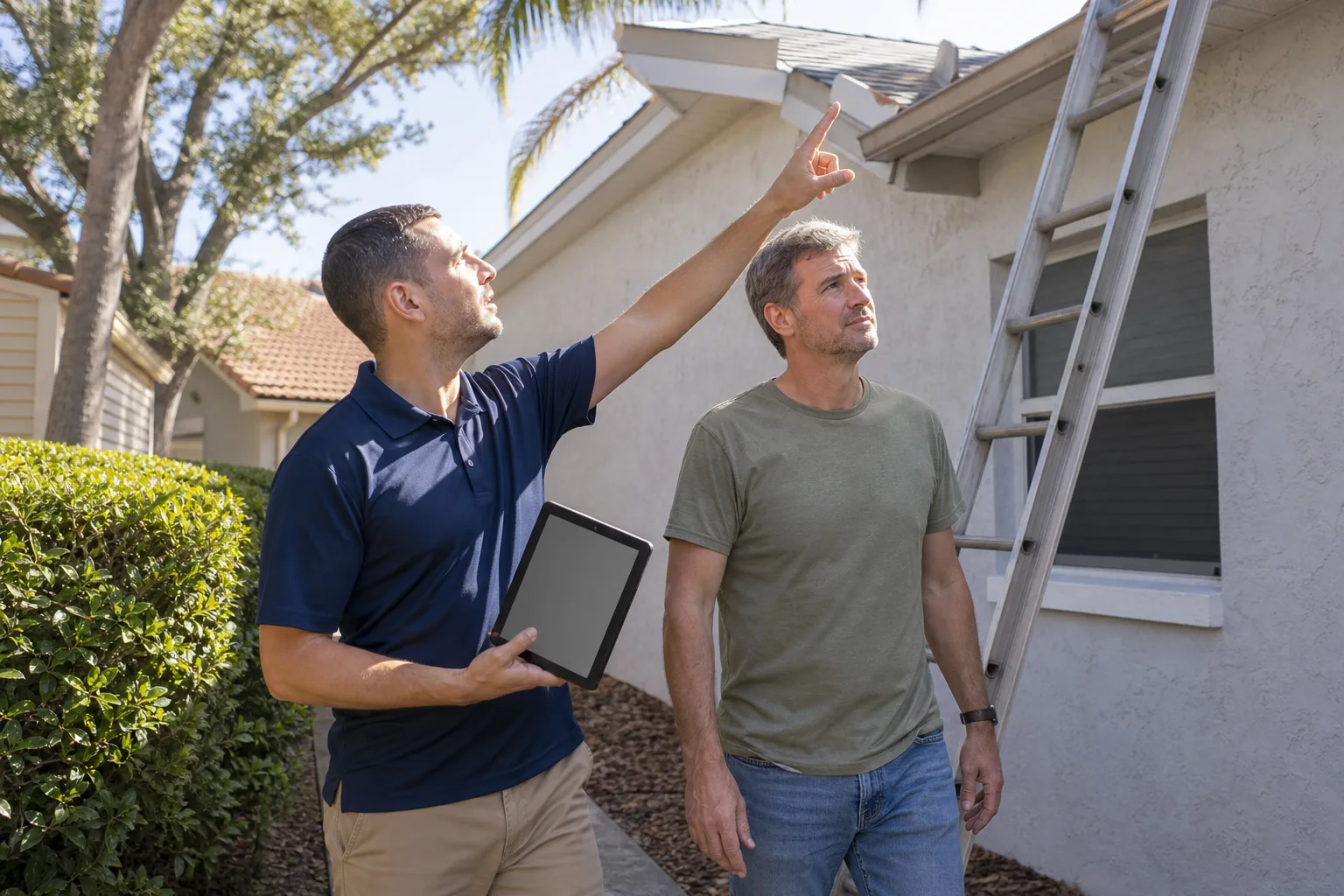
- Walk the roof edge and check fasteners. From the ground with binoculars is safer than a ladder. Look for lifted shingles, loose ridge caps, and any fastener that has backed out. On asphalt roofs in salt air, galvanized fasteners can corrode faster than the shingle field.
- Inspect every roof penetration. Vents, chimney boots, skylights, and solar mounts are the most common leak points in South Florida. A cracked boot or a dried-out collar is a five-minute repair in April and a ceiling replacement in September.
- Clear and test drainage. Gutters, downspouts, swales, and yard drains. North Miami Beach lots sit low, and standing water against a slab is a mold problem waiting to happen.
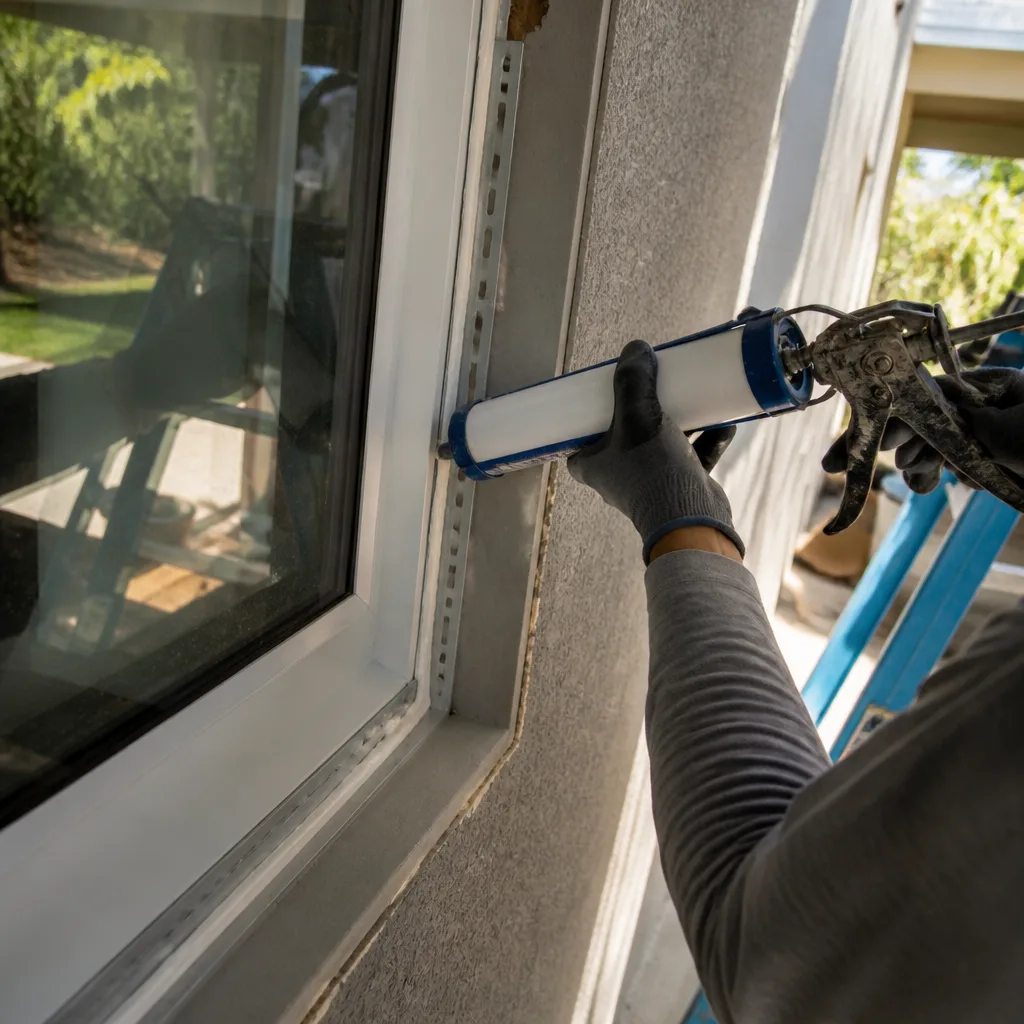
- Check window and door seals. Weatherstripping, glazing gaskets, and caulk joints dry out in the sun. A pinhole gap lets wind-driven rain into the wall cavity.
- Test the electrical readiness side of generator setup. If you have a transfer switch for a portable unit, confirm it’s installed and labeled. Never backfeed a panel with a suicide cord or a double-male extension; a licensed electrician should set that up, and only a licensed electrician.
- Photograph everything. Interior, exterior, roof, fence line, driveway. Photos taken in April become your baseline evidence if a June storm changes the picture.
The electrical piece deserves the loudest warning in this guide. Generator hookups, panel upgrades, and any work inside your service panel are genuinely dangerous. A homeowner who doesn’t know the difference between a neutral and a ground can kill themselves or burn the house down. Call a licensed electrician and stay out of the panel. That includes the transfer switch install, and it includes the pre-season “quick check.”
Why the Dry Season Is Prime Exterior Project Season
If you’re planning a fence replacement, a paver driveway, a stucco repair, or an exterior paint job, the dry season is the window that rewards you. Lower humidity means concrete cures evenly, stucco dries at the right rate, and pavers set without the sand base washing out under a July afternoon storm. It’s also the season when crews have bandwidth, because most homeowners only call after a problem shows up.
A few project-specific notes for the North Miami Beach dry season:
- Concrete and pavers: schedule from late November to early March for the best cure window. Paver base compaction in high summer humidity is finicky. For a proper paver install around your driveway, that’s the timing to aim for – see our page on Driveway & Pavers in North Miami Beach.
- Stucco and hard-coat patching: mix and cure according to manufacturer specs. James Hardie fiber cement siding, when used on additions or cladding, needs the same dry-season window and specific fastener and gap rules; we use their system on a lot of North Miami Beach projects.
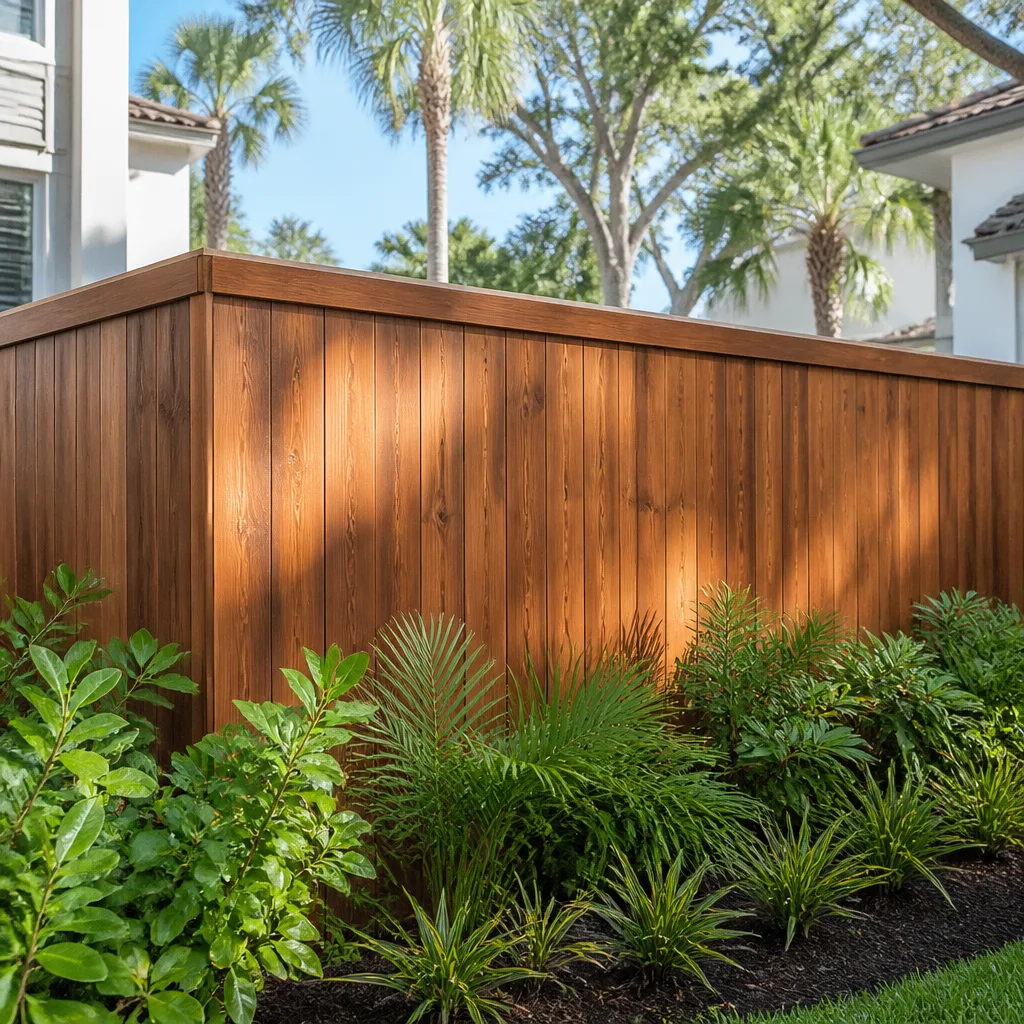
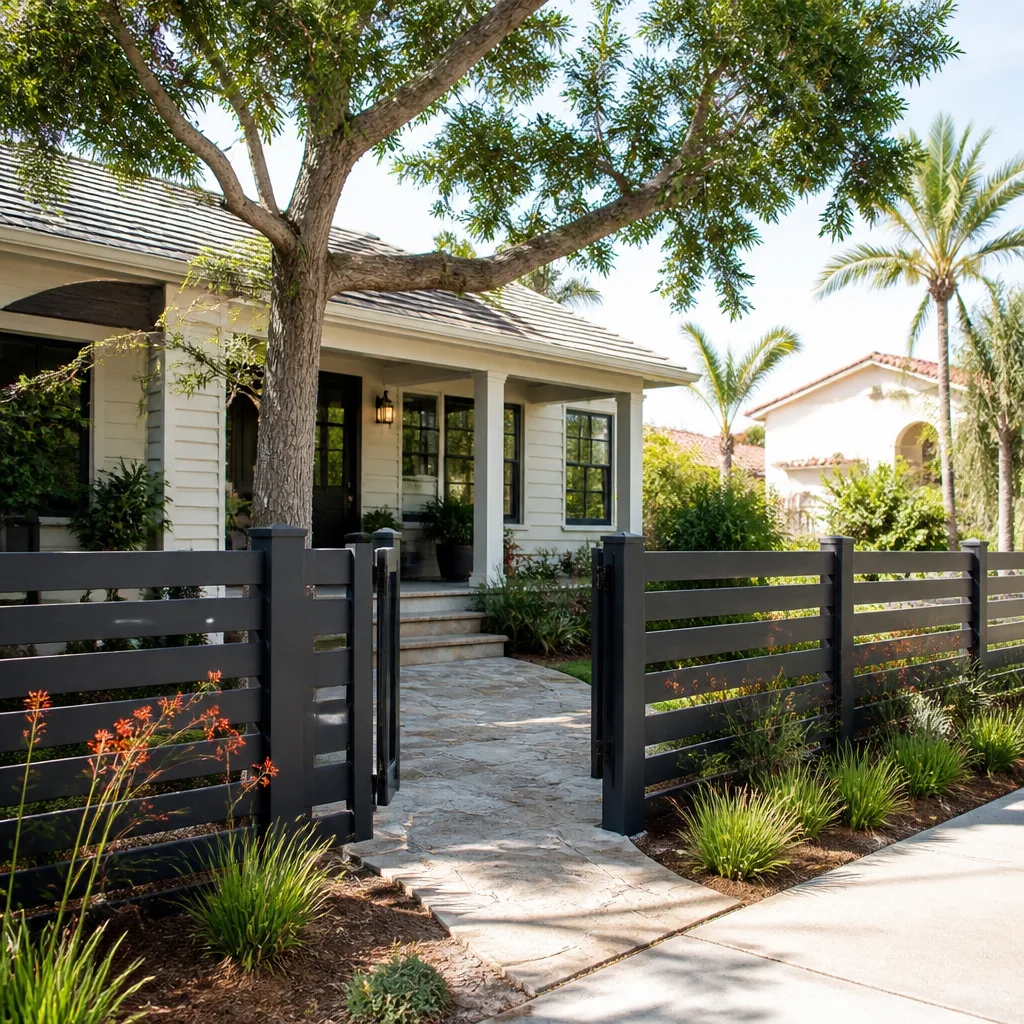
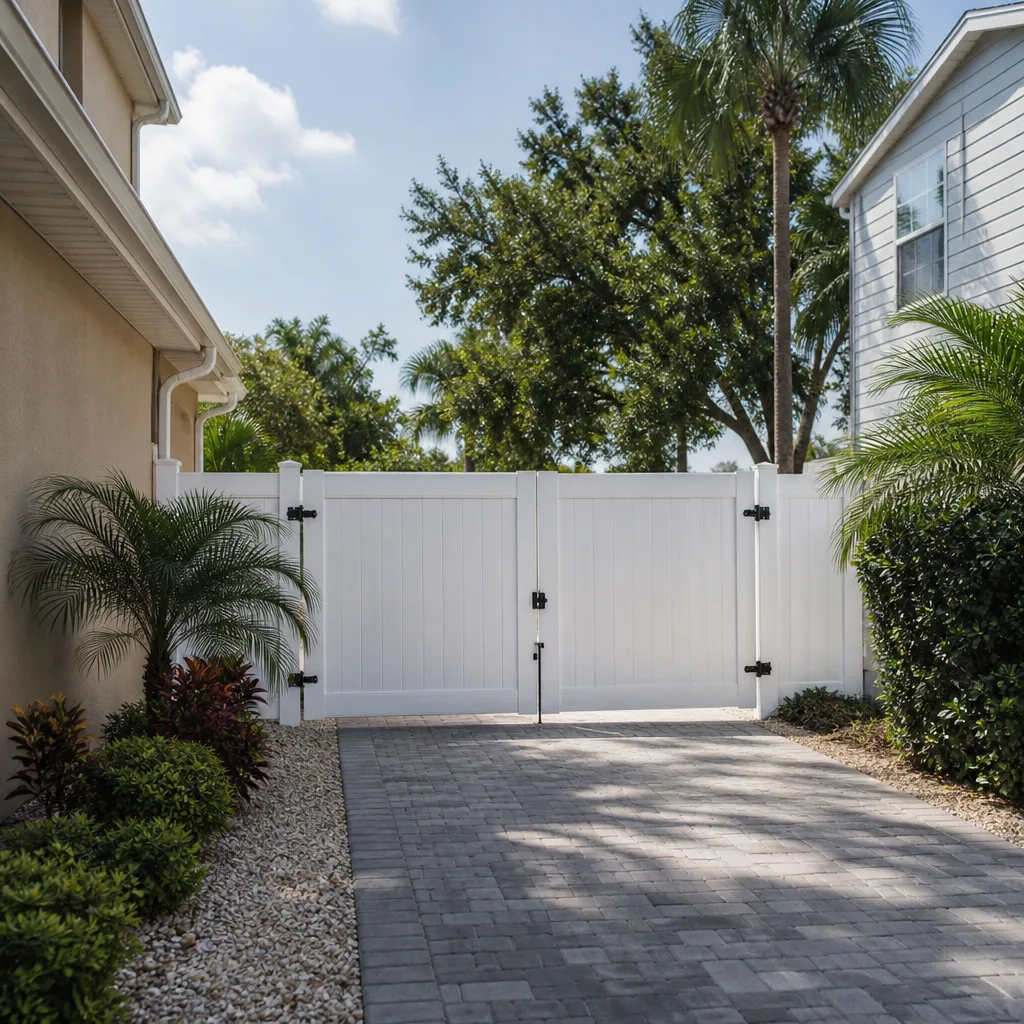
- Fence installs: Dry season is the durable season. A wood or composite fence installed in the wet season can twist and cup within months. Our team covers design, post depth, and corrosion-resistant fasteners on Fence Installation in North Miami Beach.
- Exterior paint: needs two dry days minimum and moderate humidity. That’s a February job, not a July one.
- Home additions and ADUs: framing and slab work can run year-round with weather delays planned in, but the schedule is cleaner in the dry months. We walk through scope and permitting for additions on our Home Additions & ADU in North Miami Beach page.
The trap is waiting until you “have time.” By the time most North Miami Beach homeowners start calling in February, the best crews are booked through spring. We’ve seen homeowners who wanted a January driveway and ended up with an August pour because they called in June. The lesson is simple: book in the season opposite to when you want the work done.
Rainy Season Water Infiltration: Where It Starts on NMB Homes
June through October is when South Florida homes show you what they’ve been hiding. Water infiltration rarely starts in the middle of a wall. It starts at a seam, a penetration, or a transition between materials, then travels. By the time you see a water stain on drywall, the moisture has usually been working for weeks. In humid North Miami Beach summers, that’s enough time for mold to start.
The pattern we see most often on North Miami Beach homes follows the same sequence:
- Roof flashing and penetrations – the first entry point. A failed pipe boot or lifted step flashing lets water into the attic, where it runs along a rafter and lands in a ceiling away from the actual leak.
- Window and door perimeters – the second. Dried caulk, worn weatherstripping, and poorly sealed rough openings on older homes are common.
- Stucco and CMU wall cracks – hairline cracks that open when the wall cycles hot and cold, then wick water during a rain band.
- Slab edges and door thresholds – particularly on North Miami Beach properties where the grade sits close to the finished floor.
- Interior wall bases and closet corners – the first visible signs, once the water has already traveled.
Two habits catch this early. First, buy a cheap moisture meter and spot-check drywall near exterior walls and under windows once a month through the rainy season. Second, after every major rain band, walk the house and look for the small signs: a rust spot on a baseboard nail, a swelling door, a musty smell in a closet. If you smell mustiness in North Miami Beach in August, treat it as a leak flag, not a humidity quirk. If you find water intrusion that’s traveled into framing or a wall cavity, that’s a job for a professional to open, dry, and repair correctly, not a fan and a coat of paint.
Post-Storm Inspection Protocol: What to Document
The 48 hours after a named storm passes are the most valuable documentation window you’ll get. Insurance claims and future repair planning both depend on evidence gathered while the damage is fresh, before you start tidying. Here’s the protocol we walk North Miami Beach homeowners through.
- Safety first. Don’t walk a damaged roof. Don’t touch downed power lines. Don’t step into standing water near a downed line. If a limb is on the roof or a window is blown, stay out until a professional clears it.
- Photograph and video from the ground. Wide shots of the whole house, then close-ups of anything wrong. Roof edge, fence line, driveway cracks, window seals, screens, gutters.
- Document the interior the same day. Any water stain, saturated drywall, wet flooring, or new smell. Time-stamp everything.
- Note the flood line on the yard and driveway. A mark in the mulch or silt on the pavers tells you how high water actually reached – useful for both insurance and drainage planning.
- List pre-existing conditions separately. If you had a small roof seam issue in April, note it as pre-existing. It helps your claim stay honest and keeps the adjuster focused on storm damage.
- Call your insurer before you start repairing. Most policies require notice before permanent repairs. Emergency mitigation to prevent further damage is usually allowed, but confirm what your policy says first.
- Get a written inspection from a licensed contractor before you accept any repair scope. That second opinion is your best negotiating tool.
Save the photos in a folder that syncs to the cloud. And write down what you saw on paper too – a short note with the date and the weather conditions is surprisingly useful if a claim gets contested months later.
Salt Air Maintenance Most Homeowners Skip
Salt air is the silent line item. There’s no alarm that goes off when the chloride film builds up. The damage shows up years later, and by then it’s expensive. Here’s the maintenance list that North Miami Beach homes specifically need, and most don’t do.
- Fastener check on fences and gates. Galvanized and stainless fasteners last longer than standard zinc. If your gate hardware is rusting, the posts behind it may be too. Tighten, replace, and treat wood with a marine-grade sealer every 12 to 18 months.
- Window and door hardware. Hinges, handles, and lock mechanisms in salt air need a light silicone spray every few months. Wipe them down after a storm if you can.
- Roof flashing and valley metal. Wherever salt spray reaches, paint and coating failures show first. A yearly touch-up on flashing and exposed metal saves roof decking down the line.
- Concrete and paver sealing. Driveways and pavers in North Miami Beach take on salt and sun. Sealing every two to three years keeps the surface intact and reduces spalling.
- Exterior light fixtures and GFCI covers. Corroded contacts are a real risk in wet locations. Check the covers, check the seal, and replace anything that’s cracking.
- HVAC condenser coils. Salt air and humidity eat outdoor coils quickly. A yearly coil rinse and fin check keeps the unit running efficiently.
The reason this list gets skipped is simple: no visible symptom, no urgency. But roof flashing corrosion, window hardware failure, and paver spalling are all jobs that cost less to prevent than to repair. That principle is what our 730-Day Done Right Promise is built around – if the workmanship isn’t right, we make it right, and the written guarantee is what lets you book a larger project with confidence instead of hope.
The Contractor Booking Calendar for North Miami Beach
Timing is half the project. Here’s the booking rhythm we recommend to North Miami Beach homeowners, mapped to both the climate and the contractor market.
- January-February: Lock in the dry-season exterior projects you want done by March. Get estimates, sign contracts, get on the schedule.
- March-April: Book your pre-hurricane structural inspection and roof check, before the May-June rush.
- May 1-June 15: The critical six-week window. Hurricane prep, generator readiness, drainage clearing, roof fastener repairs. If a roof replacement is needed, this is the last comfortable stretch to get it done before storm season.
- June 1-November 30: Hurricane season. Monitor, document, and repair storm damage as it happens. Rainy season also reveals water infiltration patterns worth logging for a fall project.
- September-October: Peak storm activity. Keep the moisture meter handy. This is not a scheduling window for major exterior work unless it’s storm repair.
- November-December: Book next year’s dry-season projects. This is when the smartest North Miami Beach homeowners lock in their spring schedule.
The exact month a project lands is less important than the principle: book opposite to the season. If you want it in July, order it in February. If you want it in February, order it in October. When the schedule is set in advance, the work gets done right the first time, and you’re not competing with the whole region for the same six-week window.
If you’re planning a bigger scope – a kitchen remodel that rips into walls, a bathroom that needs to dry out properly, or a whole-home exterior refresh – the calendar math is different. Interior projects can run year-round, which is actually the advantage. The brand partners we work with, from KraftMaid for cabinetry to GAF and Owens Corning for roofing, all have their own lead times that we plan around once a scope is set. The full range of work we take on is laid out on the Groundwork Construction Co. of North Miami Beach home page.
Common Mistakes to Avoid
- Skipping the April structural inspection. Shutters protect the glass, but they don’t protect roof fasteners, flashing, or the wall base. An inspection in April catches what shutters can’t, and it’s the cheapest six weeks of prevention you’ll ever buy.
- Scheduling concrete or stucco for June. The wet season can ruin a pour or a cure. If your paver driveway or stucco patch needs to happen, aim for the dry window instead of fighting the rain.
- Waiting for a stain to show up before checking for a leak. In North Miami Beach humidity, drywall stains show weeks after the leak begins, and mold can set in before you see anything. A monthly moisture-meter check catches the problem when it’s still small.
- Not photographing before the storm. April photos are your baseline. Without them, an adjuster can’t easily distinguish new storm damage from an old, pre-existing condition.
- Cleaning up before documenting post-storm. Sweep nothing until you’ve photographed everything. Tidying is the single most common way homeowners lose claim evidence.
- Ignoring gate and window hardware until it fails. Salt air corrodes slowly and then suddenly. A yearly silicone-spray pass on hinges and locks costs almost nothing and prevents replacements.
- Booking the best crews late. The best North Miami Beach crews book out months in advance. Calling in May for a July project puts you at the back of the line, which is exactly when storm repair jobs flood the market.
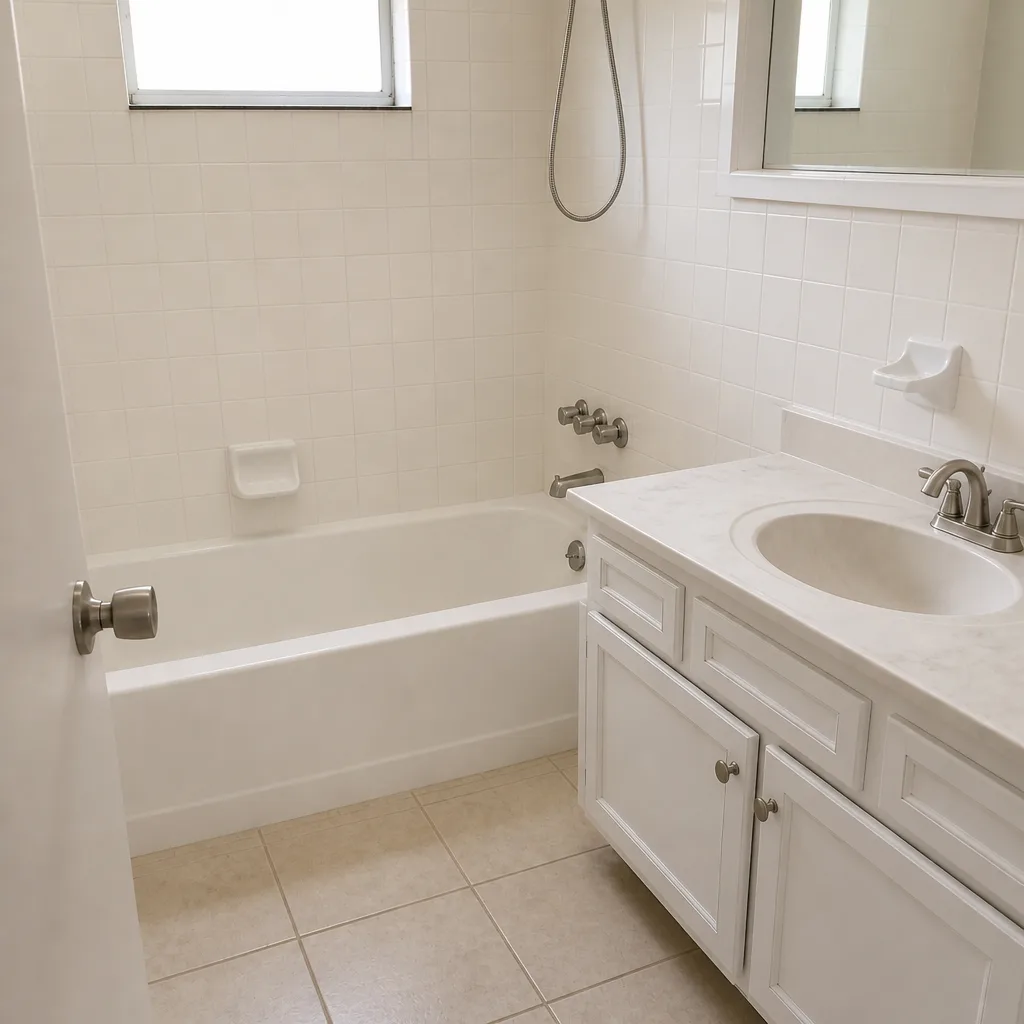
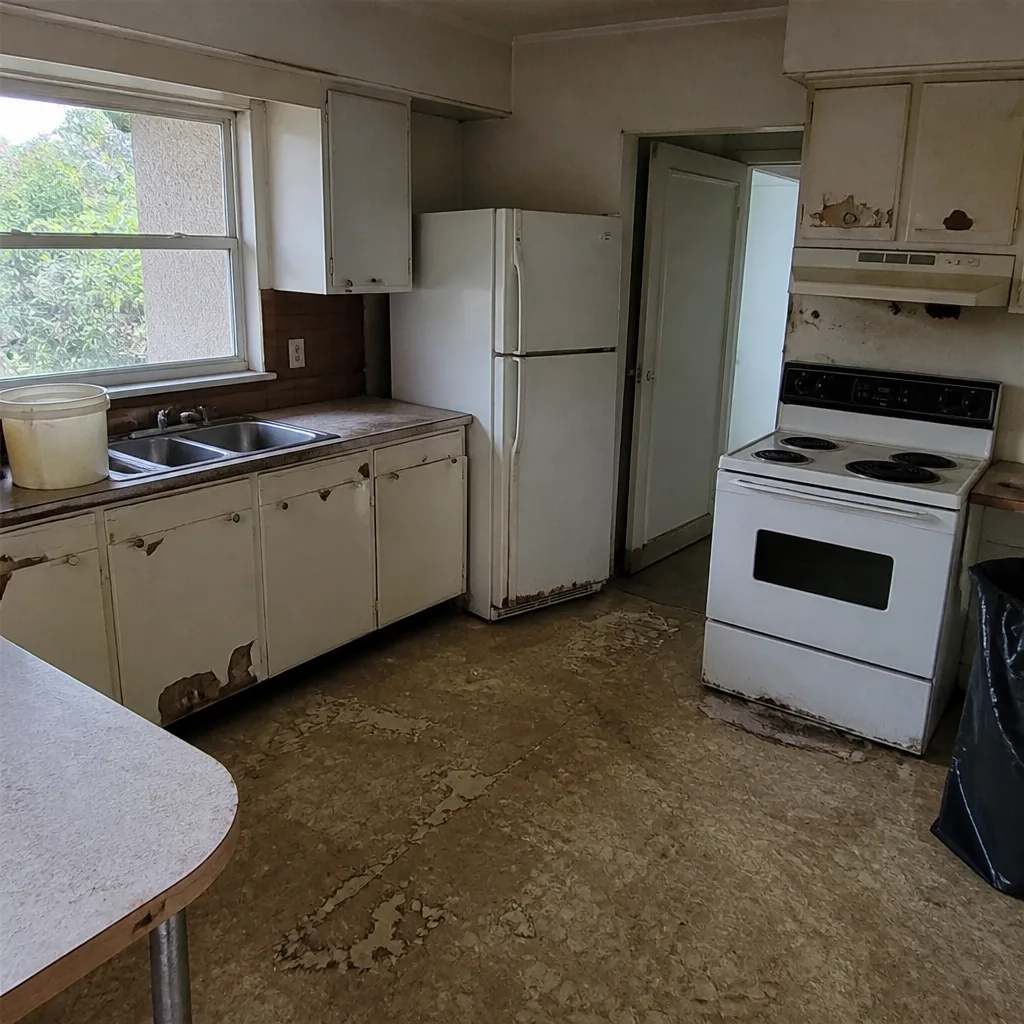
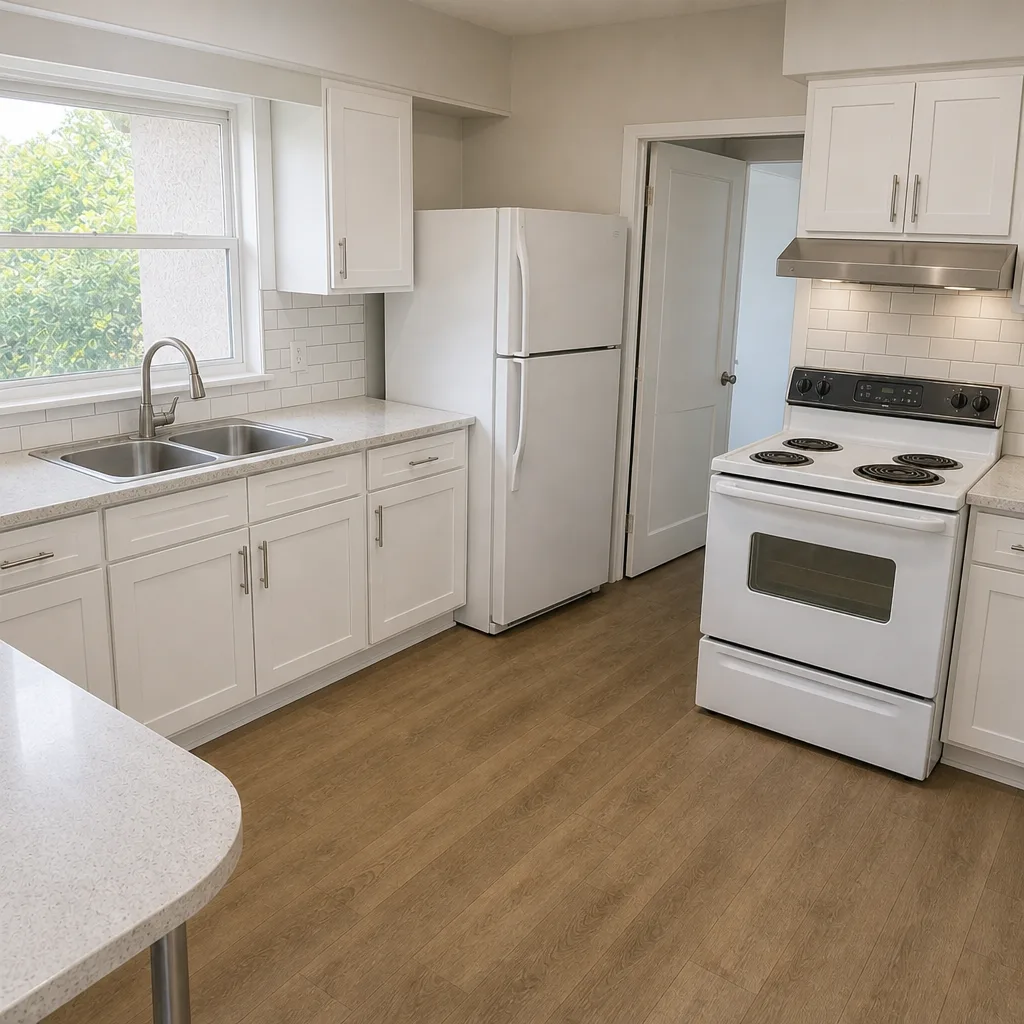
See the difference
 Before
 After
 Before
 After
 Before
 After
When to Call a Professional
Some of this calendar is DIY territory – a moisture meter sweep, a photo baseline, a hinge spray. Other parts shouldn’t be. Call a licensed professional when the work touches the roof edge, when it involves anything inside an electrical panel, when water has traveled into a wall cavity, when a stucco or concrete pour is on the schedule, or when you’re considering a repair that will need a permit and inspection. In North Miami Beach, permits are not optional for the kinds of projects that change a structure, and unpermitted work becomes a problem when you sell.
Our team handles every scope in this guide, from a single roof leak to a whole-home addition. Groundwork Construction Co. of North Miami Beach offers free estimates in North Miami Beach – call (844) 797-4868. Calls are answered by a live person 24/7, and we’ll come out, look at the actual condition, and put the numbers in writing.
Frequently Asked Questions
Late April to mid-May is the ideal window, before the May 1 to June 15 crunch. An inspection at that point leaves time for any roof fastener, flashing, or drainage repairs before the season’s first named storm. Call (844) 797-4868 for a free estimate – we’ll book it in the right window.
An inspection with a written report is typically free when paired with any repair estimate, and most North Miami Beach homeowners use that visit as a planning session for the year ahead. If you want a standalone structural inspection with documentation for insurance, ask for a written scope so you know exactly what’s being checked. Call (844) 797-4868 for a no-obligation quote.
December through February is the best window. Lower humidity and fewer afternoon storms give the paver base and joint sand a predictable cure, and crews have more bandwidth than in the spring rush. See our Driveway & Pavers in North Miami Beach page for what’s included in a proper install.
Most infiltration starts at roof penetrations, window and door perimeters, and hairline stucco cracks, then travels along framing before it shows up as a stain. That’s why a moisture-meter sweep once a month through the wet season catches the problem early. If you find wet framing, call (844) 797-4868 before you paint over it.
Photograph and video the whole house from the ground before you clean anything up, note any interior water stains the same day, and list pre-existing conditions separately from storm damage. Call your insurer before permanent repairs. A written inspection from a licensed contractor is your second opinion.
Permit requirements depend on the scope, height, and setback, but North Miami Beach does require permits for many fence and structural projects, and unpermitted work can complicate a future sale. Pull the permit in your contractor’s name and get an inspection pass on file. Call (844) 797-4868 and we’ll confirm what your specific project needs.
The Bottom Line
North Miami Beach homes don’t need a generic maintenance schedule. They need one tuned to the dry season, the rainy season, the hurricane season, and the months when good crews book out. The April-May window is the most valuable six weeks you have, and it’s where most of the year’s problems get prevented or locked in. Book exterior work in the dry months. Watch for water infiltration in the wet ones. Document after every named storm. And keep the salt-air maintenance list on the calendar, because the tasks with no obvious symptom are the ones that cost the most when they finally show up.
If you want a partner who answers the phone, puts the numbers in writing, and stands behind the work with our 730-Day Done Right Promise, call Groundwork Construction Co. of North Miami Beach at (844) 797-4868 for a free estimate. We’ll walk your property, tell you what actually needs doing, and put the plan on paper.
Written by the team at Groundwork Construction Co. of North Miami Beach.