Last updated November 17, 2026




Free written scope consultation - allowances, timeline, and change-order rules on paper before a single trade is scheduled
Windows & Doors Troubleshooting: Common Problems and How to Fix Them
A door that sticks in July and swings free by January isn’t a broken lock. It’s a frame moving with the heat, and swapping the hardware will cost you money without fixing a thing. We see this constantly in North Miami Beach: homeowners replace latches, hinges, and handles chasing a symptom while the real cause sits in the frame, the seal, or the way the unit was set into the wall. This guide teaches you to diagnose before you spend. You’ll learn how to separate a hardware failure from a frame problem from an install failure, how South Florida’s salt air and humidity change the rules, and which five problems look fixable but actually signal replacement.
Quick Answer
Most window and door problems in North Miami Beach trace back to one of three root causes: hardware that’s worn or corroded, a frame that has swollen, shifted, or lost its seal, or an installation that was wrong from day one. Diagnose which category you’re in before buying a single part. A fogged double-pane window, a door that latches only in cool weather, or water staining inside the frame are usually replacement signals, not repair jobs.
Styles & brands we work with
- Kitchen remodeling
- Bathroom remodeling
- Home additions & ADU
- Roofing
- Windows & doors
- Driveway & pavers
- Fence
Table of Contents
- The Root-Cause Diagnostic Framework: Hardware, Frame, or Install
- Why South Florida Breaks Windows and Doors Differently
- The Condensation Test: Reading Fogged Glass Correctly
- Impact Window and Door Troubleshooting: What Voids the Rating
- Hardware Failures You Can Actually Fix
- The 5 Problems That Look Fixable But Mean Replacement
- A Seasonal Check You Can Run in an Hour
The Root-Cause Diagnostic Framework: Hardware, Frame, or Install
Before you touch a screwdriver, sort the problem into one of three buckets. This is the single step that saves the most money, because the fixes for each bucket are completely different, and applying the wrong one makes things worse.
Hardware failures are isolated. The latch won’t catch, the crank grinds, the handle wobbles, the roller jumps the track. The window or door still sits flush, closes evenly, and shows no water intrusion. Hardware is the cheapest and most fixable category.
Frame problems are systemic. You’ll notice the unit binds in one season and frees in another, gaps appear at the top or bottom corner, or the door scrapes the sill along its full width. In North Miami Beach, frame issues show up fast because humidity swells wood and heat expands vinyl and aluminum. A frame that’s out of square or swollen will defeat every hardware fix you throw at it.
Installation failures are the expensive ones. These show as water stains on the interior drywall near the opening, air leaking around the perimeter rather than through the sash, or a unit that never sat level from the start. Faulty flashing, missing pan flashing, or a rough opening cut too large are installation issues, and no amount of caulk resolves them.
Here’s how to run the sort in five minutes:
- Close the unit and look for daylight around the perimeter. Light at the edges points to frame or install, not hardware.
- Open and close it slowly. If it binds at the same spot every time, the frame or track is out of line.
- Check the hardware in isolation: does the latch turn freely by hand? Does the crank spin smooth with the sash removed from the equation?
- Look for water. Any staining, bubbling paint, or soft wood near the opening moves you straight to the install category.
If you end up at the install or frame category more than once on the same unit, stop repairing and start pricing. The math usually favors it, and we’ll show you exactly how later in this guide. When windows turn into a bigger envelope project, homeowners often fold them into broader exterior work, which is worth seeing alongside our Groundwork Construction Co. of North Miami Beach home overview of full-scope projects.
Why South Florida Breaks Windows and Doors Differently
The troubleshooting playbook written for Ohio doesn’t work here. Three forces in North Miami Beach accelerate wear in ways most online guides ignore: salt air, year-round humidity, and relentless UV.
Salt air corrosion attacks hardware first. If you live east of Biscayne Boulevard, in Eastern Shores, or anywhere within a couple miles of the Intracoastal, your hinges, latches, and lock sets are being eaten by chloride in the air. Steel hardware pits and seizes. Aluminum hardware oxidizes into a chalky white crust. The tell is a latch that worked fine two years ago and now needs two hands. Stainless steel rated for coastal exposure is the only hardware that survives here long term, and upgrading hardware on a coastal-facing unit is one repair worth doing properly.
Humidity-driven frame swelling explains the seasonal door problem. Wood door slabs and wood frames absorb moisture during the wet season and swell. Vinyl frames expand with heat. In North Miami Beach, we regularly see interior doors that bind from June through October and free up in the drier months. Homeowners replace the strike plate and knobs. It doesn’t help. The fix is adjusting the hinge-side jamb or planing a small amount off a binding slab edge, plus addressing the moisture source if there is one. Replacing hardware on a swollen frame is the most common wasted dollar we see.
UV seal degradation kills insulated glass units. The sealed edge of a double-pane window breaks down faster under South Florida’s sun intensity, and once the seal fails, moisture migrates between the panes.
Salt, humidity, and sun don’t just hit windows. They shorten the life of every exterior element on your property. Wood fences rot at the post base, and we cover the repair-or-replace call in our Fence Installation in North Miami Beach guide. Pavers shift and stain under the same conditions, which our Driveway & Pavers in North Miami Beach breakdown addresses. The thread is the same: diagnose the root cause, and you stop paying for the same repair twice.
The Condensation Test: Reading Fogged Glass Correctly
Fogged glass means one of three things, and only one of them is a failed seal. Getting this wrong leads homeowners to replace windows that were fine, or to live with a seal failure that’s quietly rotting the frame.
Test 1: Surface condensation. If the moisture wipes off from the inside of the room or the outside of the glass, that’s not a window failure. It’s a humidity or ventilation problem. Cool the room less aggressively, or run a dehumidifier. In North Miami Beach, this shows up most in tight, well-sealed rooms where inside air stays humid and the glass runs cold.
Test 2: Between the panes. If you can’t wipe the fog away because it’s trapped between the two panes of an insulated glass unit, the seal has failed. This is the classic double-pane failure. You’ll also sometimes see a white, hazy film or a rainbow sheen between the panes; that’s the desiccant breaking down and coating the inside surface. In South Florida’s UV load, this failure happens years earlier than the warranty literature suggests.
Test 3: The interior frame check. Even with a confirmed seal failure, run your hand along the interior frame and look for water staining on the sill and drywall. A failed insulated unit that’s also letting water into the wall is no longer a glass-only repair; it’s a frame and possibly installation issue.
Here’s what each result means:
- Wipes off inside: ventilation or interior humidity issue. Adjust before you spend.
- Trapped between panes: failed insulated unit. On many units, especially older ones, the glass can be replaced on its own without a full window replacement, so get a quote on partial replacement before assuming a full job.
- Trapped between panes AND staining in the frame: replacement, not repair. The wall is being compromised.
Ask any contractor which result you’re looking at before they quote a full replacement. We quote the glass separately from the full unit whenever the frame still tests sound, because that’s the honest answer in North Miami Beach. Uphold that standard and you’ll see it’s a good filter for the contractor, not just the window.
Impact Window and Door Troubleshooting: What Voids the Rating
Most of North Miami Beach is impact-rated construction, and the troubleshooting rules change completely. An impact window’s protection comes from the glass laminate, the anchorage, and the frame system working together, and standard fixes can strip that protection without you realizing it.
Do not swap hardware on an impact door and assume you’re fine. Impact doors are rated as a complete assembly, hardware included. A replacement handle that changes how the door latches, or a lock set that’s not rated for the door, can void the assembly’s approval and your wind insurance credit. The same rule hits sliding impact doors: this is a hardware topic where the safe move is to match the original specification exactly, and to have a professional confirm the replacement meets the door’s tested design.
Never re-caulk and re-seal an impact opening as a “fix” for a leak without identifying where the water is entering. Impact-rated frames are set with specific anchorage and a sealed envelope. Piling on sealant over a failed anchorage hides the leak and lets the water travel. The leak returns worse next storm season.
A cracked or chipped impact pane is not repairable on site. Impact glass is laminated for a reason; a compromised pane must be replaced to hold the rating. There’s no safe patch for a cracked impact pane, and a cracked unit that’s left in place is a documented wind insurance problem. We treat a damaged impact pane as a replacement trigger, full stop.
For impact doors specifically, check these before calling anyone:
- Test the door’s full travel with the latch open. Binding along the hinge side is frame, not hardware.
- Check that the door still latches flush. If the strike no longer aligns, the frame has shifted.
- Confirm water isn’t entering at the threshold. Threshold leaks under impact doors are almost always install or pan flashing, not hardware.
- Inspect the anchors visible at the jambs. Corrosion on the anchors is a fast call-up, not a weekend job.
You need to know your local code requirements before any window replacement. Florida’s impact requirements and opening protection rules are enforced at the permitting stage, and the details vary with the building. We pull permits and have inspections passed on every window and door replacement so the assembly’s rating actually holds; that’s part of the job, not an upgrade. If your windows are part of a larger exterior overhaul, that’s covered in our Home Additions & ADU in North Miami Beach guide.
Hardware Failures You Can Actually Fix
This is the category where you can genuinely save money. Hardware fails on its own, and a careful homeowner can handle the simpler swaps. The rule: only touch hardware when the frame and seal are verified sound. If you skipped the diagnostic framework above, go back and do it first.
Common hardware repairs that hold up in North Miami Beach:
- Worn weatherstrip: a $10 to $30 strip that’s cracking or compressed. If the window or door still closes true, replacing the weatherstrip restores the seal. On coastal units, specify a UV- and salt-resistant strip.
- Sliding door rollers and tracks: on a sliding door that jumps the track but closes flush, a roller swap or a clean track fixes the stiffness. Don’t touch an impact slider’s hardware unless you’ve confirmed the replacement is rated for the door; see the impact section above.
- Handles and lock sets: a wobbling handle with a stripped machine screw is a straightforward replacement on non-impact units. Test the match to the original before you buy.
- Window cranks: a stripped crank on a casement window can be replaced. If the crank is smooth in the hand but the sash still binds, the problem is frame, not the crank.
- Hinge lubrication: on coastal units, keep stainless or rated hinges lubricated with a corrosion-resistant product. It’s the cheapest repair on this list.
Three hardware jobs deserve a call-up instead of a YouTube tutorial:
- Anything on an impact-rated assembly (see above).
- An interior or exterior door that won’t latch because the strike has shifted, meaning the frame moved and the jamb needs adjustment.
- A metal door or frame with visible rust-through at a mounting point; the anchor is compromised and is a structural fix, not a cosmetic one.
Replacing worn hardware early is the cheapest way to extend the life of an otherwise sound unit. We use Grohe hardware on the fixtures where the brand is specified and matched to the assembly rating, and we never swap rated hardware for unrated parts on impact units. Set the same rule for yourself: replace, don’t improvise, and the unit keeps its rating and its warranty.
The 5 Problems That Look Fixable But Mean Replacement
These are the repairs that eat money and time because they treat a symptom. Here’s each one with the plain cost-benefit math. The exact figures in North Miami Beach vary by unit and product, but the pattern holds across everything we’ve seen.
1. The door that latches in winter and binds in summer. That’s frame movement, not a latch. Replacing the latch is a wasted $50 to $100 and a wasted afternoon. Fixing it means adjusting the jamb or slab, and if the frame has been moving for years it may be warped beyond a clean fix. A warped frame means a replacement door or a jamb rebuild, and the rebuild usually costs more than a new door slab.
2. Fogged double-pane glass with water staining in the frame. A glass-only swap is a modest cost. A glass swap on a frame that’s also letting water into the wall is money down the drain. The water is silently rotting the framing and drywall. Catching this early keeps the job to a window replacement. Waiting turns it into a wall repair plus a window replacement, and the wall work is the expensive half.
3. Interior water stains near a window opening. Caulking over this is not a fix; it hides the leak. This is an installation failure or a failed flashing detail in most cases, and the honest fix is to pull the window, correct the flashing and pan, and reinstall. Once the wall is open, compare the cost of reinstallation against replacement. When the window is old enough to have failed its seal too, replacement is the clearer move.
4. A cracked impact pane. No patch, no sealant. The rating is void until the pane is replaced. If it’s a single damaged pane in a system of similar age, quote both a pane replacement and a full unit replacement; the gap often favors the full unit, which also resets the seal and the hardware.
5. A sliding glass door that leaks at the threshold and sticks in its track. Threshold leaks under sliding doors are install or pan flashing failures, not track wear. Resurfacing the track won’t stop the water. When an older slider has both the leak and the track wear, the repairs stack. This is where replacement math wins: one new door solves both problems, and the new threshold detailing fixes the water path properly.
The pattern: repair when the frame and seal are sound, replace when water, movement, or a broken seal is the root cause. That’s the whole cost-benefit decision, and getting it right on the first call is exactly what the 730-Day Done Right Promise is there for.
A Seasonal Check You Can Run in an Hour
Once a year, before storm season, run this check on every window and door in the house. It’s the cheapest troubleshooting tool you own.
- Open and close every unit and note any that bind, jump, or need two hands. Write it down; you’ll spot the seasonal pattern.
- Look at the hardware for rust, white crust, or pitting. On coastal units, this check should happen twice a year.
- Inspect the weatherstrip for cracks and compression. Run a hand along the closed unit in windy weather to feel for drafts.
- Look for water staining on interior frames, sills, and nearby drywall. Any staining is a call-up, not a caulk job.
- Check the glass between panes for fog or a white haze. Note the location on any unit that shows it.
- Confirm impact doors and windows still latch flush and their hardware matches the original spec.
When the seasonal check turns up a repair that’s beyond the frame-and-seal-is-sound test, homeowners in North Miami Beach often find the window job sits alongside other exterior work. Whether it’s a new driveway, a fence repair, or a larger addition, the discipline is the same: get the diagnosis right before you spend. The 730-Day Done Right Promise and upfront pricing mean the test result you pay for is the number you see.
Common Mistakes to Avoid
- Replacing hardware on a binding door. It’s the most common wasted repair in North Miami Beach. The frame is the problem, and the hardware was fine all along.
- Caulking over an interior water stain. It hides the leak and feeds the rot inside the wall. Find the water path before you seal anything.
- Swapping hardware on an impact window or door. An unrated latch strips the assembly’s rating and can affect your wind insurance. Match the original spec or call a professional.
- Treating fogged glass as condensation. If you can’t wipe it off from inside the room, it’s trapped between the panes, and the seal has failed. Wiping the inside of the glass won’t touch it.
- Replacing a window when only the glass failed. On many older units, a glass-only swap keeps a sound frame and costs far less. Get both quotes before deciding.
- Skipping the permit on an impact replacement. Florida opening protection rules are enforced at inspection. A replacement without the permit and inspection leaves you with an unverified assembly and a problem at resale.
- Ignoring salt corrosion until the hardware seizes. On Eastside and Eastern Shores homes, a twice-yearly hardware check prevents the seized-latch emergency.
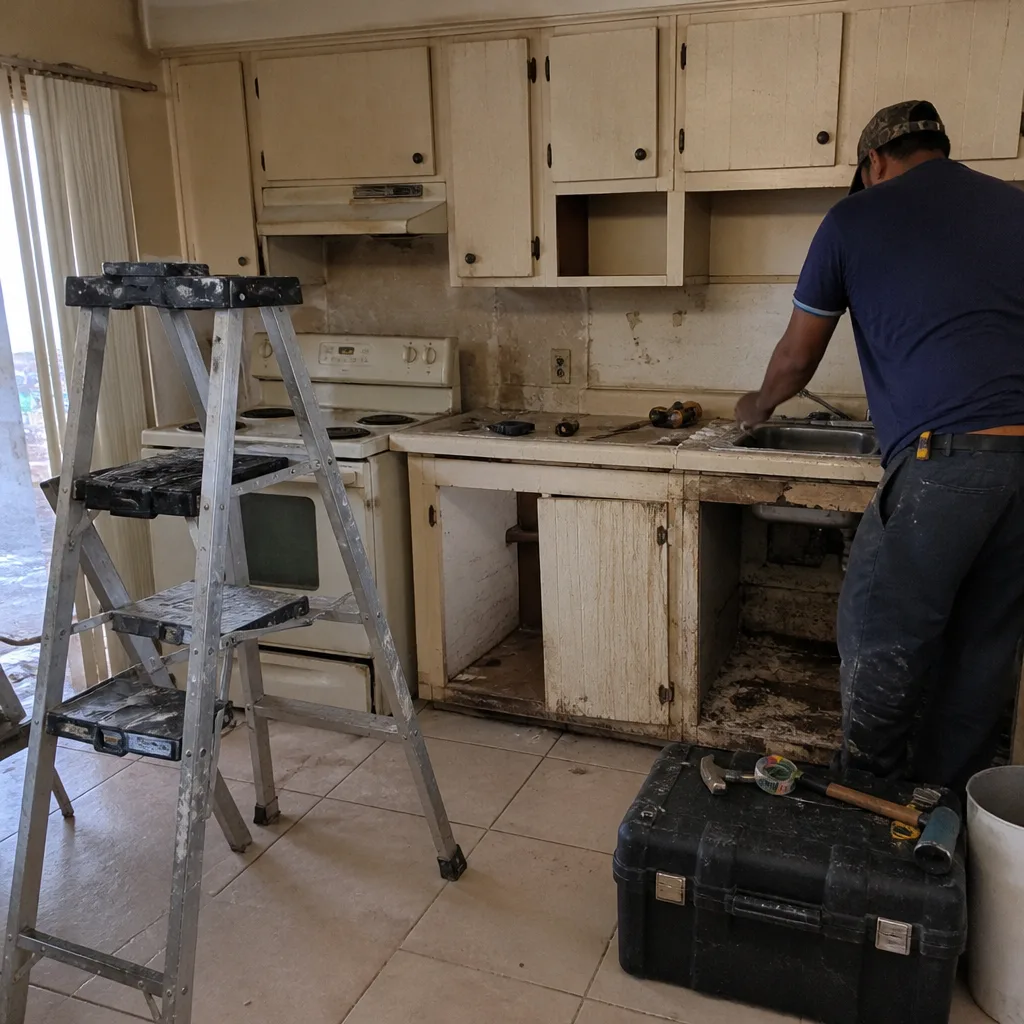
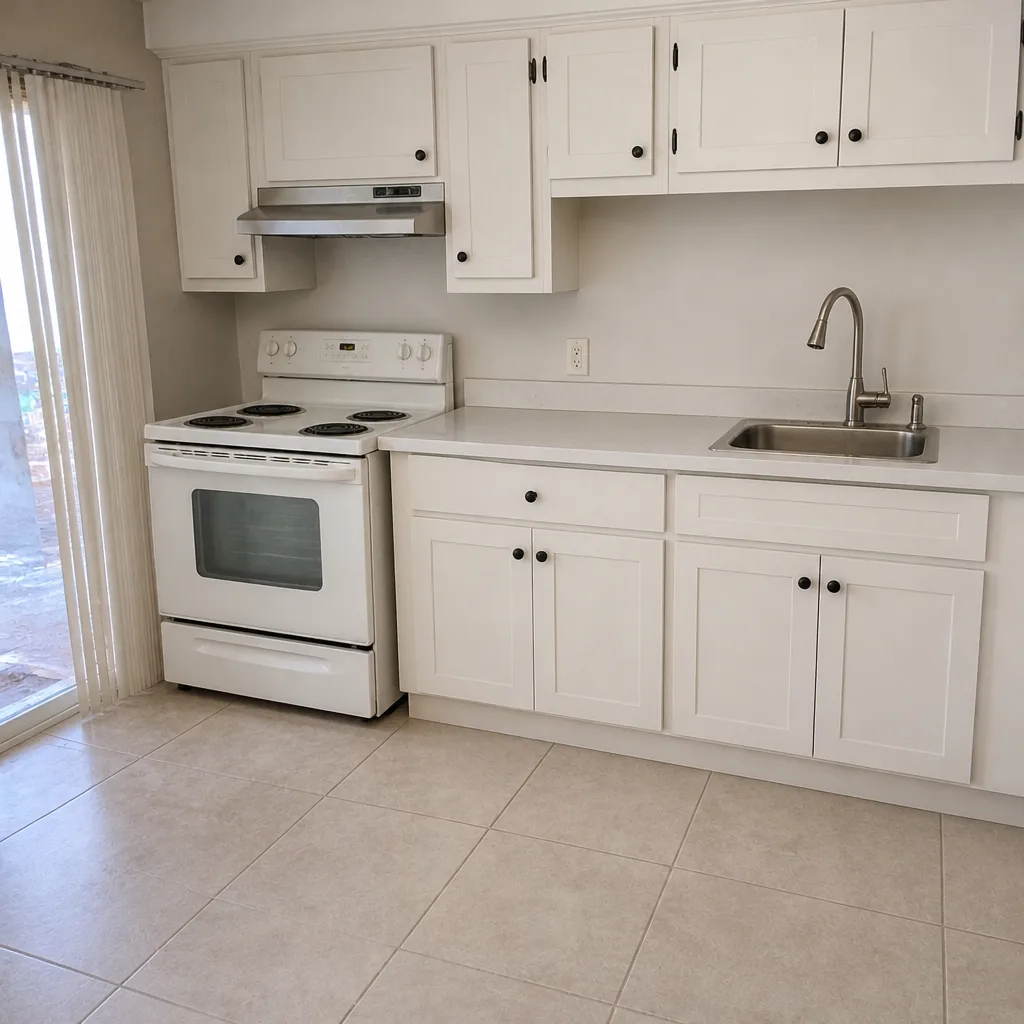
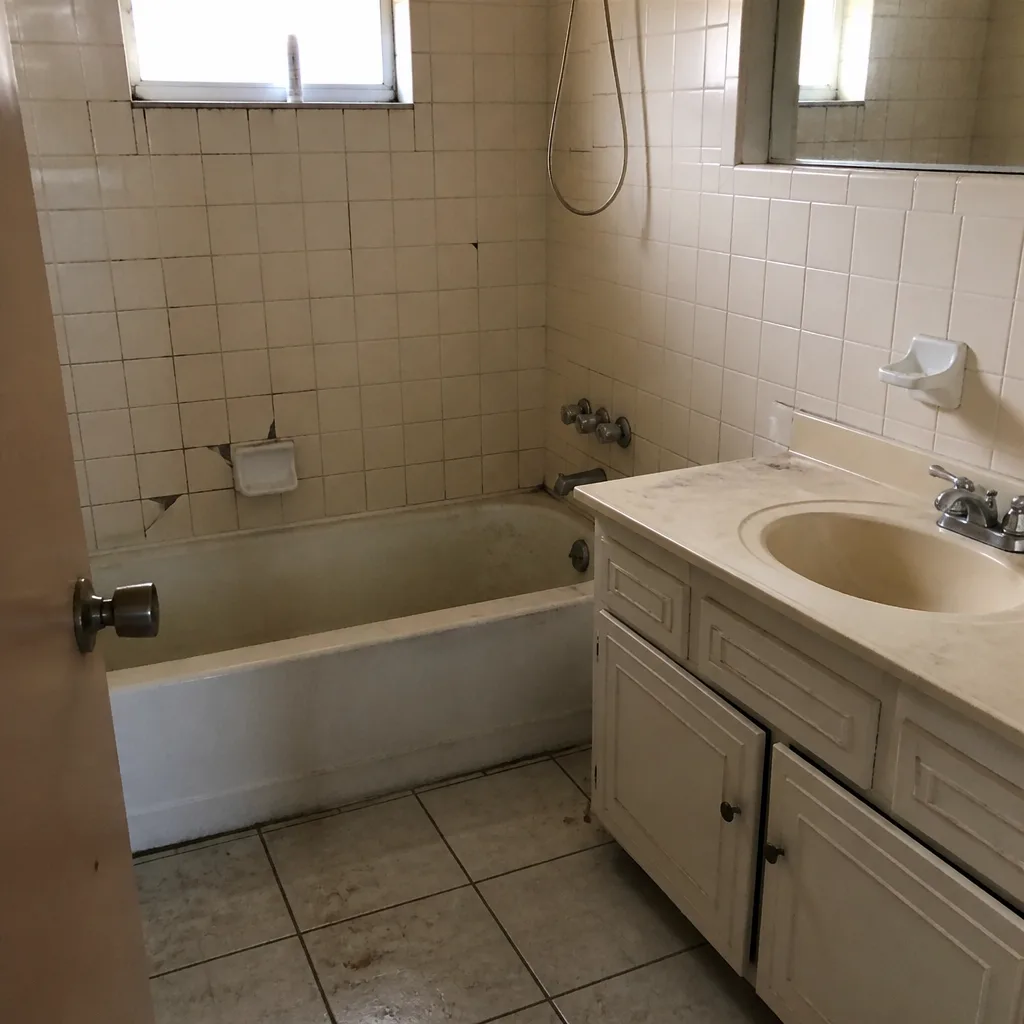
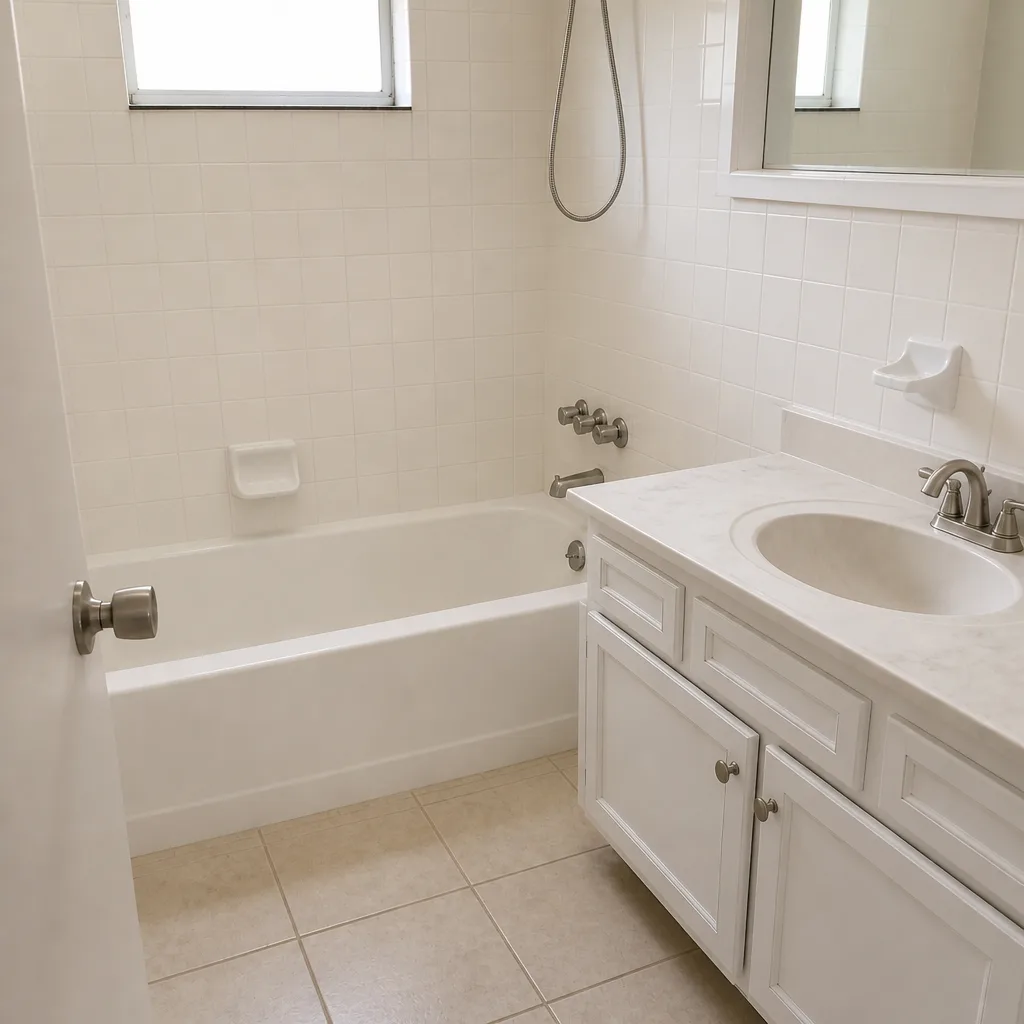
See the difference
 Before
 After
 Before
 After
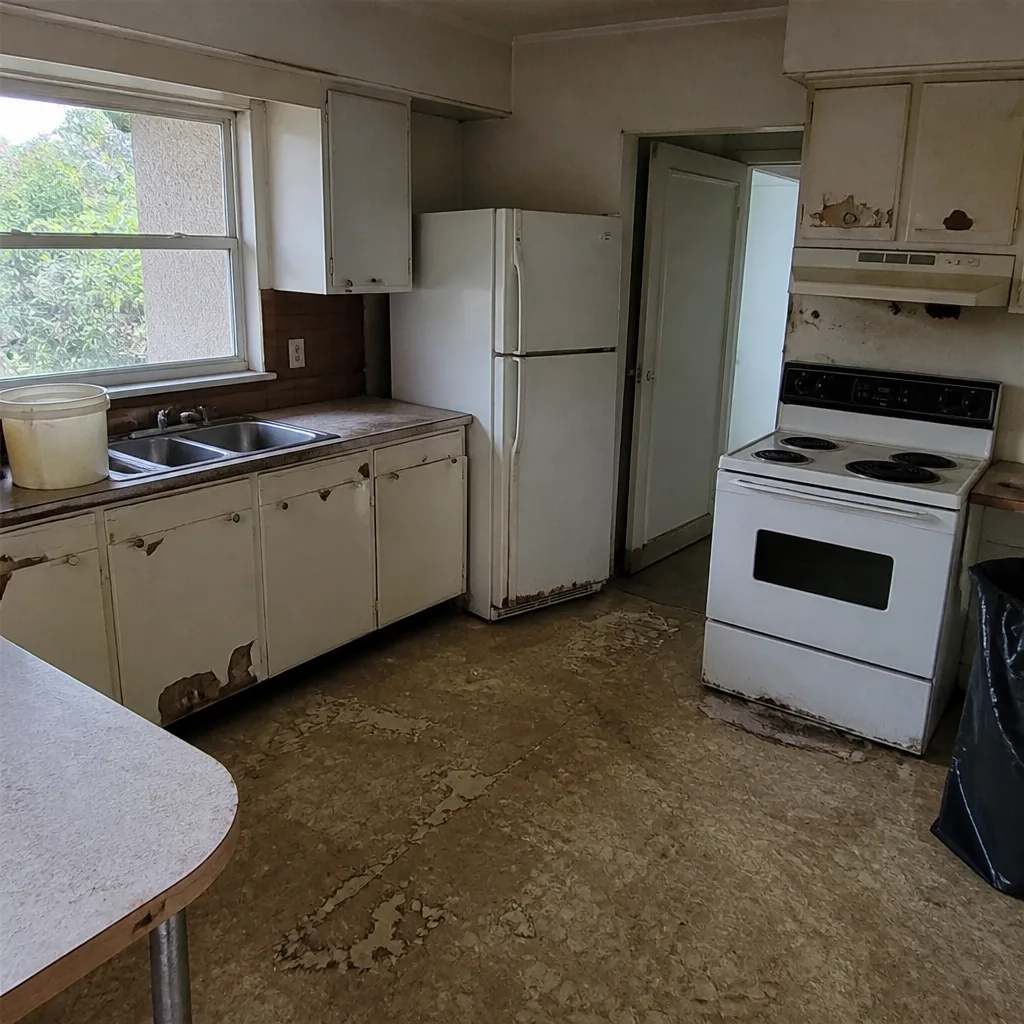 Before
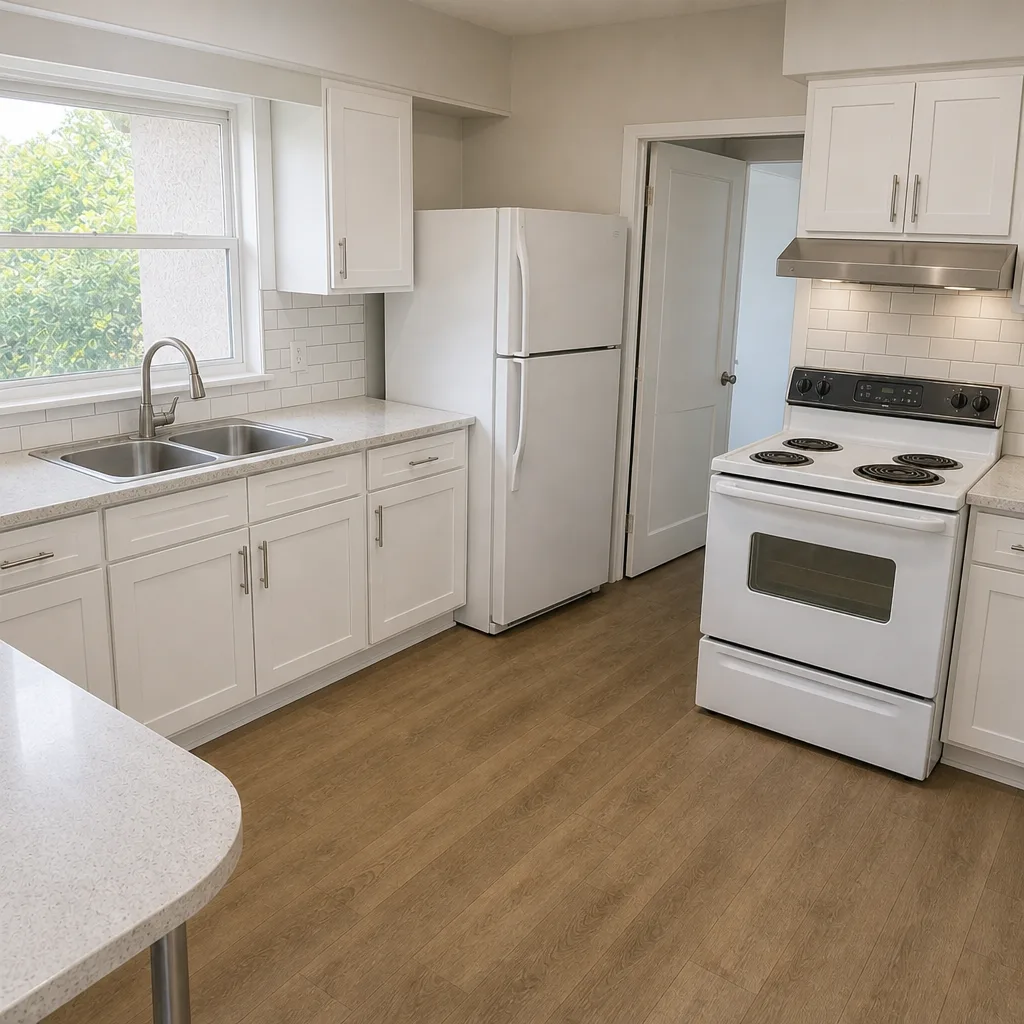 After
When to Call a Professional
Call a professional when the water is winning, the frame is moving, an impact pane is cracked, or the hardware is part of a rated assembly. If any of these are true, a repair that fixes the symptom will cost you more than the diagnosis. Those signs mean a trained professional should look at it before you spend a dollar; these are the jobs where a wrong-handed fix is unsafe or voids your assembly, so we don’t give step-by-step do-it-yourself instructions for them. A cracked impact pane, water entering a wall, and any rated door hardware belong in that category. Groundwork Construction Co. of North Miami Beach offers free estimates in North Miami Beach, and our technicians have up to 12 years of experience: call (844) 797-4868.
Frequently Asked Questions
That’s the frame moving, not the latch failing. North Miami Beach’s wet-season humidity swells wood and expands vinyl and aluminum, so a door that latches fine in the dry months binds in summer. Replacing the latch won’t help; the jamb or the slab needs adjusting, or the frame needs rebuilding. Call (844) 797-4868 for an exact quote on the diagnosis and fix, and estimates are free.
No. If the moisture wipes off from inside the room, it’s an interior humidity or ventilation issue, not a window failure. If the fog is trapped between the panes and can’t be wiped, the seal has failed. In South Florida’s UV load, that failure happens years before the warranty literature suggests. A glass-only swap on many units is far cheaper than a full replacement. Call us for a free estimate so you price the right job.
Not with a standard unrated part. Impact doors and windows are rated as a complete assembly, and a replacement latch or handle that doesn’t match the original spec can void the rating and your wind insurance credit. Match the tested design exactly or have a professional confirm it. We stock and specify rated hardware for impact assemblies and can verify yours; call (844) 797-4868.
It depends entirely on which category you’re in. A hardware swap or weatherstrip replacement is a small job; a failed insulated unit on many windows can be swapped as glass only; a water-leak repair that opens the wall is where the number climbs. The only way to quote it honestly is to diagnose the root cause first. Our estimates are free and itemized, so you see the line items instead of a lump sum. Call (844) 797-4868.
No, on a fixed-price job. We quote upfront pricing with no surprises, and the number you see is the number you pay. The only time a price legitimately changes is when a diagnosis turns up a problem that wasn’t visible before work began, and we tell you that before proceeding, in writing. That’s the whole point of diagnosing before you spend. Call (844) 797-4868 for a free estimate.
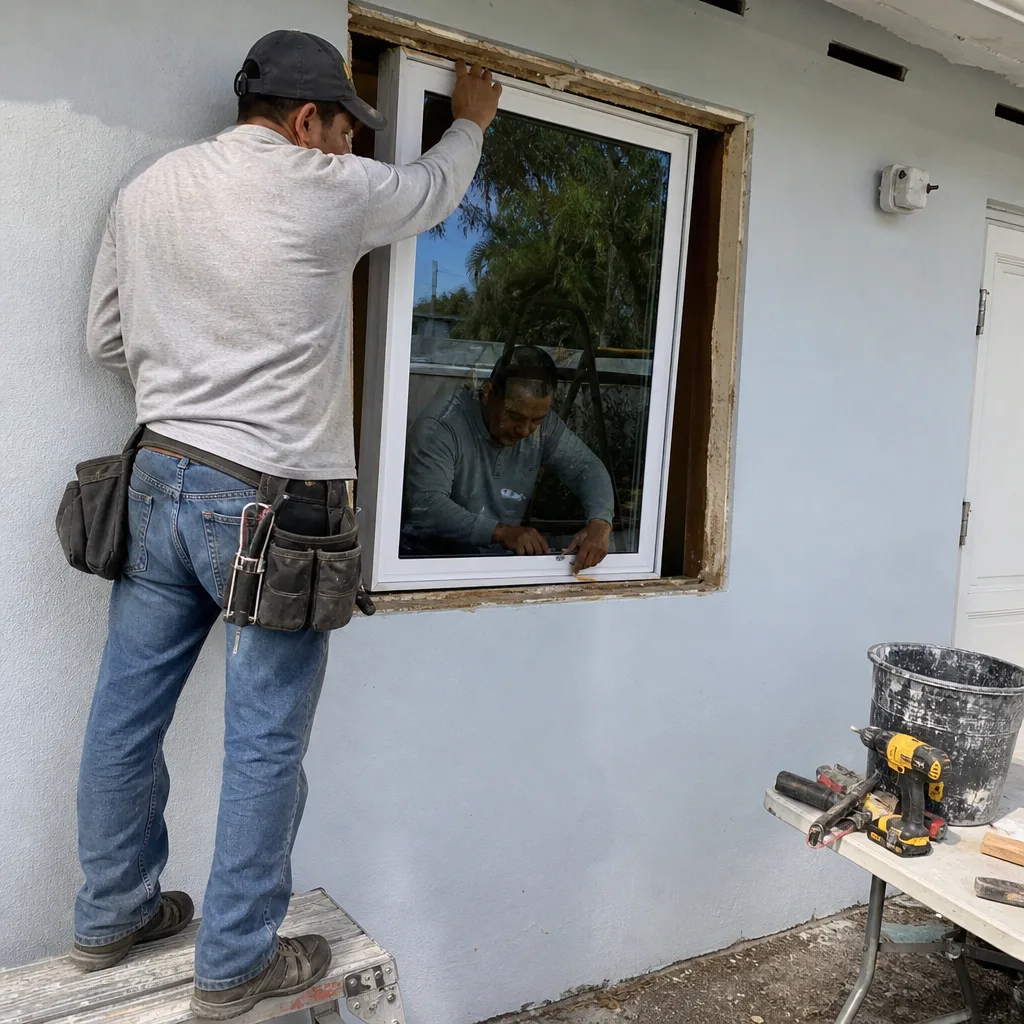
Yes. We pull permits and have inspections passed on every window and door replacement we do. Florida’s impact and opening protection rules are enforced at inspection, and a replacement done without it leaves you with an unverified assembly and a problem at resale. Getting the permit and passing the inspection is part of the job, not an extra. Call (844) 797-4868 to schedule your free estimate.
The Bottom Line
Almost every window and door problem you’ll meet in North Miami Beach has a root cause you can find: worn hardware, a frame that moved with the humidity, or an installation that was wrong from the start. Sort the problem into the right bucket before spending, and you fix the right thing the first time. Salt air and UV make the timeline here shorter than the national guides suggest, so pay attention to corrosion and fogged glass. When water, movement, or a broken seal shows up, repair becomes replacement, and the math is on the side of doing it once. A seasonal check is the cheapest insurance you have. And when it’s time for a professional diagnosis, the 730-Day Done Right Promise is your backstop for two full years of workmanship.
Ready to Fix It the First Time?
Groundwork Construction Co. of North Miami Beach helps homeowners diagnose before they spend, with upfront pricing, no surprises, and a 730-Day Done Right Promise on every window and door project. If a repair has turned into a replacement, you’ll get a straight answer and a written, itemized estimate, free. Call (844) 797-4868 to schedule your free estimate, or reach us any time, day or night, and a live person will answer.
Written by the team at Groundwork Construction Co. of North Miami Beach.