Last updated November 17, 2026



Free written scope consultation - allowances, timeline, and change-order rules on paper before a single trade is scheduled
DIY vs Professional Fence Installation: What’s Safe to Do Yourself
The most common DIY fence mistake in South Florida isn’t bad carpentry. It’s setting posts without pulling a permit, then finding out during a home sale that unpermitted fence work in a flood zone can trigger a mandatory removal or a costly after-the-fact inspection. The carpentry you can often fix. The permit paper trail and the footing under a wind-rated fence are where weekend projects turn into five-figure corrections. In this guide we’ll draw the line clearly: which fence tasks are genuinely safe for a capable homeowner, which ones look manageable until they aren’t, and how North Miami Beach’s soil, flood zones, and wind-load rules change the math.
Quick Answer
Low-risk DIY fence work is cosmetic and hardware-level: replacing panels on posts that are already solid, staining and sealing wood, adjusting a sagging gate, and swapping hinges or latches. Anything that touches the ground, the property line, the permit file, or the wind-load rating – new post footings, full installs, fence height changes, and anything near an easement – belongs with a licensed professional. In North Miami Beach, that distinction matters more than in most of the country because our sandy soil, flood zones, and High Velocity Hurricane Zone requirements don’t forgive a footing that was guessed at.
Styles & brands we work with
- Kitchen remodeling
- Bathroom remodeling
- Home additions & ADU
- Roofing
- Windows & doors
- Driveway & pavers
- Fence
Table of Contents
- The Permit Reality for Fence Installation in North Miami Beach
- Which DIY Fence Tasks Carry Real Risk in South Florida
- What’s Genuinely Low-Risk for a Capable Homeowner
- How to Spec a Post Footing for South Florida Soil
- Wind-Load Compliance and HVHZ Requirements
- Property Line Verification and Surveys
- DIY vs Professional Fence Installation: The Real Cost Comparison
- The Breakeven Math: When DIY Stops Paying Off
The Permit Reality for Fence Installation in North Miami Beach
Not every fence in North Miami Beach needs a permit, but the ones that do are the ones people skip. In general, a simple replacement of pickets or panels on existing, permitted posts typically doesn’t require a new permit. A brand-new fence, a fence that changes height, a fence that moves location, or a fence around a swimming pool almost always does. Pool barriers are the strictest category: Florida’s residential pool safety code requires a compliant barrier, and the fence height, gate self-latching, and picket spacing are all inspected.
Here’s what actually happens when unpermitted fence work is discovered:
- During a home sale: A title search or buyer inspection flags a fence that doesn’t match permitted records. In North Miami Beach’s flood zones (AE and VE areas near the Intracoastal and the canals), lenders and insurers ask harder questions. A closing can be held up until the fence is either permitted retroactively or removed.
- After-the-fact inspection: The city can require you to open a permit after the fact, expose footings, and pass inspection – often more expensive than doing it right the first time, because now the fence is already standing.
- Insurance exposure: A non-compliant pool barrier or a fence that doesn’t meet wind-load ratings can create coverage disputes if a storm claim involves the fence line.
- Neighbor disputes: An unpermitted fence that encroaches on an easement or a property line turns a friendly neighbor into a legal problem.
We’ve watched this play out in North Miami Beach more than once. The pattern is always the same: a homeowner saves $400 on a permit, then spends $2,000 or more untangling it at closing. The permit fee itself is small compared to the cost of an unpermitted fence sitting in your property records at the wrong time. Our Fence Installation in North Miami Beach service handles permit pull and inspection as part of the job, which is one reason we recommend it as the baseline before you pick up a shovel.
Which DIY Fence Tasks Carry Real Risk in South Florida
South Florida is a specific environment, and it doesn’t grade on a curve. The four categories below are where a confident homeowner most often gets in over their head in North Miami Beach and the surrounding neighborhoods like Ojus, Skylake, and Eastern Shores.
1. New post footings in sandy soil
Our soil is largely sandy, drainable, and often sits over a high water table. That combination is fine for a properly engineered footing and terrible for a shallow one. A post set 18 inches deep in a bag of quick-set concrete feels solid in March and leans after the first tropical system. The depth and diameter that actually hold are covered in the footing section below, but the short version is this: it’s not a place to eyeball.
2. Wind-load compliance
Most of Miami-Dade and Broward sits inside the High Velocity Hurricane Zone. That means fence materials, post spacing, embedment depth, and connections must meet a wind-load standard, and the standard is not the same as a fence built to a generic national diagram. A fence that looks fine on a calm day can be a projectile risk in a named storm if the connections and footings weren’t spec’d for our wind speeds.
3. Property line verification
You can’t pull a permit on a fence you can’t legally place. In denser North Miami Beach blocks, lot lines are not always where the grass suggests. Building on a neighbor’s parcel or an easement means removal – no exceptions, no negotiation. A survey is the only clean answer.
4. Permit navigation
Which fences need permits, which inspections apply, how pool barriers are treated: this changes across municipalities. Getting it wrong means starting over.
What’s Genuinely Low-Risk for a Capable Homeowner
Plenty of fence work is safe to do yourself, and we’d rather tell you which work to keep than pretend everything requires a contractor. If you’re reasonably handy and the fence posts themselves are sound, these jobs stay in DIY territory:
- Panel and picket replacement on existing, solid posts. If the posts are plumb and the rails are intact, swapping a cracked or rotted panel is straightforward and doesn’t touch the footing or the permit record.
- Staining and sealing wood fences. This is maintenance, not construction. It also matters in our climate: UV and humidity chew through unprotected wood faster than in drier parts of the country, so a fresh seal coat every year or two extends the life of a fence you already have.
- Gate hinge and latch adjustment. A sagging gate is usually a hinge or post-sag issue, not a rebuild. Tightening or replacing hinges is a Saturday job.
- Hardware replacement. Loose screws, rusted brackets, gate springs on a pool gate that still self-latches correctly. Note: if the pool gate self-latching mechanism is what’s failing, that affects the safety barrier and is worth a professional look.
- Loose board tightening and re-nailing. Cosmetic fix-ups that keep the fence looking solid without disturbing structure.
The common thread: none of this touches the ground, the property line, the height, the permit file, or the wind-load rating. The moment any of those come into play, the risk curve steepens fast.
How to Spec a Post Footing for South Florida Soil
Here’s the important part up front: this section explains what a correct footing looks like so you can evaluate a bid or check an existing fence – not so you can install one. Setting structural fence posts in South Florida’s sandy, high-water-table soil is real engineering, and a failed post can mean a fence coming down in a storm. If you’re planning a new fence, have it engineered and permitted.
What to look for and ask about:
- Embedment depth below grade. The depth isn’t a single number that works for every fence. It depends on fence height, wind exposure, material weight, and soil conditions. Ask the contractor to state the embedment depth on the quote and to justify it against the wind-load requirement for the property.
- Footing diameter versus post size. A post sitting in a footing barely wider than itself is relying on the post, not the concrete, for lateral support. A correct footing has enough diameter around the post to resist racking in a storm.
- Drainage and water table. In parts of North Miami Beach the water table is high enough that a hole can fill before concrete sets. That changes the mix and the approach. This is exactly the condition a generic “dig a hole, pour a bag” plan ignores.
- Concrete crown above grade. The footing should slope away from the post so water doesn’t pool at the base. Pooling rots posts from the ground up.
- Connection to the fence frame. Posts, rails, and pickets are a system. Post embedment without proper rail connections still racks loose in wind.
If the contractor you’re evaluating can’t tell you the embedment depth and footing diameter without looking it up, that’s a warning sign. Our bids spell it out line by line with no-hassle upfront pricing, so you know what you’re paying for.
Wind-Load Compliance and HVHZ Requirements
Wind-load compliance is the part of fence work that DIY guides routinely ignore, and it’s the part our climate insists on. Miami-Dade and Broward are in the High Velocity Hurricane Zone, the strictest wind standard in the country. Fence products, fasteners, and installation methods in this zone should be rated to a design wind speed, and the fence has to be built to that rating – not just look sturdy.
- Product ratings matter. Not every fence brand or model carries an HVHZ wind rating. Quality manufacturers publish these ratings. We spec fences from vetted partners because the rating is documented, not implied.
- Post spacing affects wind-load capacity. Wider post spacing means longer unsupported panels, which catch more wind. HVHZ-compliant installs tighten spacing and use heavier connections where needed.
- Connections fail first. In storms, fences usually let go at the fasteners and hardware before the panels themselves. Rated brackets and proper screws are not optional in our wind zone.
- Insurance and inspection. A pool barrier fence that also serves as a safety barrier has to pass wind and safety inspection. An unrated fence is a problem for both.
Where this becomes a real DIY risk is when a homeowner installs a fence spec’d for a calmer region. The fence looks right, but on paper and in a storm it’s not rated for where it stands. Groundwork’s fence installations come with documented compliance, backed by the 730-Day Done Right Promise – built to last, backed in writing.
Property Line Verification and Surveys
This one is boring and it’s the one people most regret skipping. A fence on the wrong side of a property line is not a small fix. In a dense North Miami Beach block, you can be talking about removing a whole run, plus a neighbor relationship. A survey costs a few hundred dollars in our market and is the only reliable answer to where the line actually is.
What a proper pre-install check involves:
- Pull a current survey. Many recent homebuyers already have one in their closing packet. If yours is older or the lot has changed, order a new one.
- Check for easements. Utility easements and drainage easements run through many North Miami Beach lots, particularly near the canals. A fence inside an easement can be ordered removed by the utility or city, permit or not.
- Confirm with the neighbor before the first post goes in. A friendly conversation before work starts prevents a dispute after.
- Check the city’s right-of-way. Corner lots and lots near the Intracoastal often have a right-of-way setback that limits where a fence can legally sit.
None of this is a skill test – it’s paperwork and forethought. If you’re installing a fence yourself in North Miami Beach, this is the step to slow down on. If you’d rather hand it to someone, we handle it before any material gets delivered.
DIY vs Professional Fence Installation: The Real Cost Comparison
DIY fence cost comparisons usually quote materials only and ignore the parts that actually show up on the credit card statement. Here’s the honest version for a typical residential fence in North Miami Beach. These are market ranges, not fixed quotes, and a specific property’s numbers depend on length, material, and existing conditions.
- Materials (wood privacy fence): roughly $18-$35 per linear foot for the fence itself.
- Materials (aluminum or vinyl): roughly $28-$55 per linear foot, higher at the top end for HVHZ-rated product.
- Permit fees: typically $150-$500 for a fence permit in North Miami Beach, depending on scope and whether a pool barrier is involved. Extra for re-inspection if a footing fails.
- Post-hole digging: sand, roots, and old concrete make this the biggest hidden time sink. Hand-dug holes can take a full day for a moderate run, faster only if you own a good auger.
- Tool rental: auger or posthole digger, level, string line, concrete mixing tools – $80-$250 if you don’t already own them.
- Concrete and hardware: $200-$500 depending on post count, depth, and rated connectors.
- Waste from mistakes: a miscut panel or a post that fails inspection is material you buy twice. Skilled tradespeople make fewer of these mistakes, but not none.
- Survey fee: $300-$600 if you don’t have a current one. Skipping it is not a savings; it’s a liability you carry.
A professionally installed wood privacy fence typically runs $30-$55 per linear foot all-in in North Miami Beach, and aluminum or vinyl runs higher. The gap between a real DIY total and a professional bid is often smaller than homeowners assume – especially after you count an after-the-fact inspection fee or a re-run of a fence line that got the footing wrong.
The Breakeven Math: When DIY Stops Paying Off
Here’s the honest arithmetic. For a short, low-wind-exposed run of panels added to existing posts, DIY wins easily – it’s a few hours and a small material bill. For a full new install in North Miami Beach, DIY gets complicated because you’re paying for tools you’ll use once, driving back to the yard for hardware, and absorbing the risk that a footing fails inspection.
In our experience, the breakeven tends to land around 80-120 linear feet of new fence. Below that, a confident homeowner often comes out ahead. Above that, the time, permits, survey, and rework risk start to make the professional bid cheaper in real money and in the value of your own weekends. That’s not a sales point – it’s a fair line. We’ve seen plenty of homeowners do a great job on a short DIY run and plenty more who wished they hadn’t started a full build themselves.
When you’re ready to compare, our estimate is a real number – no change orders after work starts. Our Driveway & Pavers in North Miami Beach projects follow the same upfront-pricing approach, and homeowners who pair a new driveway with a fence install save on mobilization.
Common Mistakes to Avoid
- Skipping the survey. In North Miami Beach’s older dense lots, a fence built to where the grass looks like the line is a removal waiting to happen. One measured survey prevents it.
- Setting posts without a permit. Unpermitted fence work shows up at closing, and in flood zones it’s a lender and insurer problem too. The permit is cheaper than the discovery.
- Using an unrated fence product in the HVHZ. A fence spec’d for a calmer region isn’t rated for our wind speeds. Look for a documented wind-load rating on the product and the installation method.
- Shallow footings in sandy soil. A footing that holds in a calm week can rack loose in a storm. The depth and diameter need to be spec’d to our conditions, not estimated.
- Fence inside an easement. Many North Miami Beach lots near the canals have utility or drainage easements. A fence in the wrong place can be ordered out, no permit or not.
- Ignoring the pool barrier code. A pool fence that fails self-latching or height rules isn’t just non-compliant – it’s a safety problem and an insurance liability.
- Assuming hand-digging will be quick. Sandy soil sounds easy until you hit roots, buried concrete from an old fence, or a water table that fills the hole. Budget the time or rent an auger.
See the difference
 Before
 After
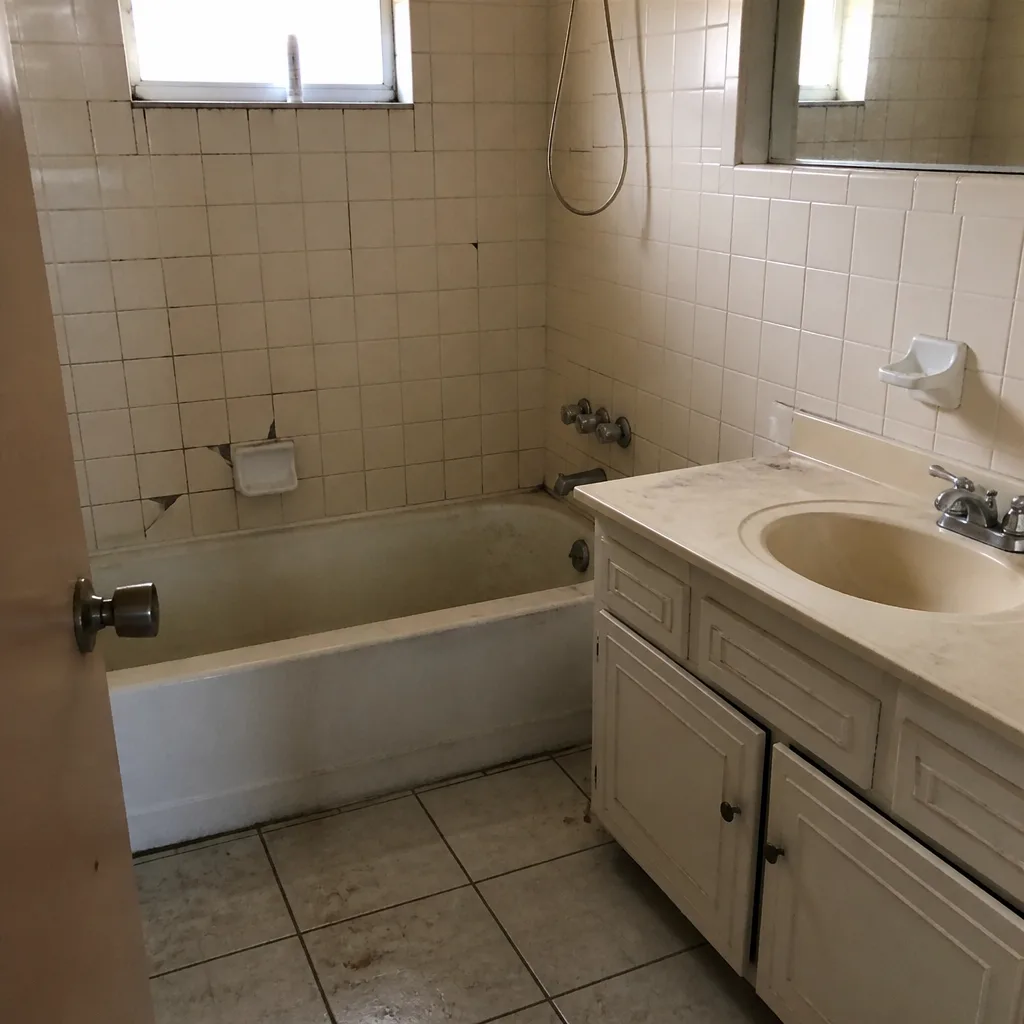 Before
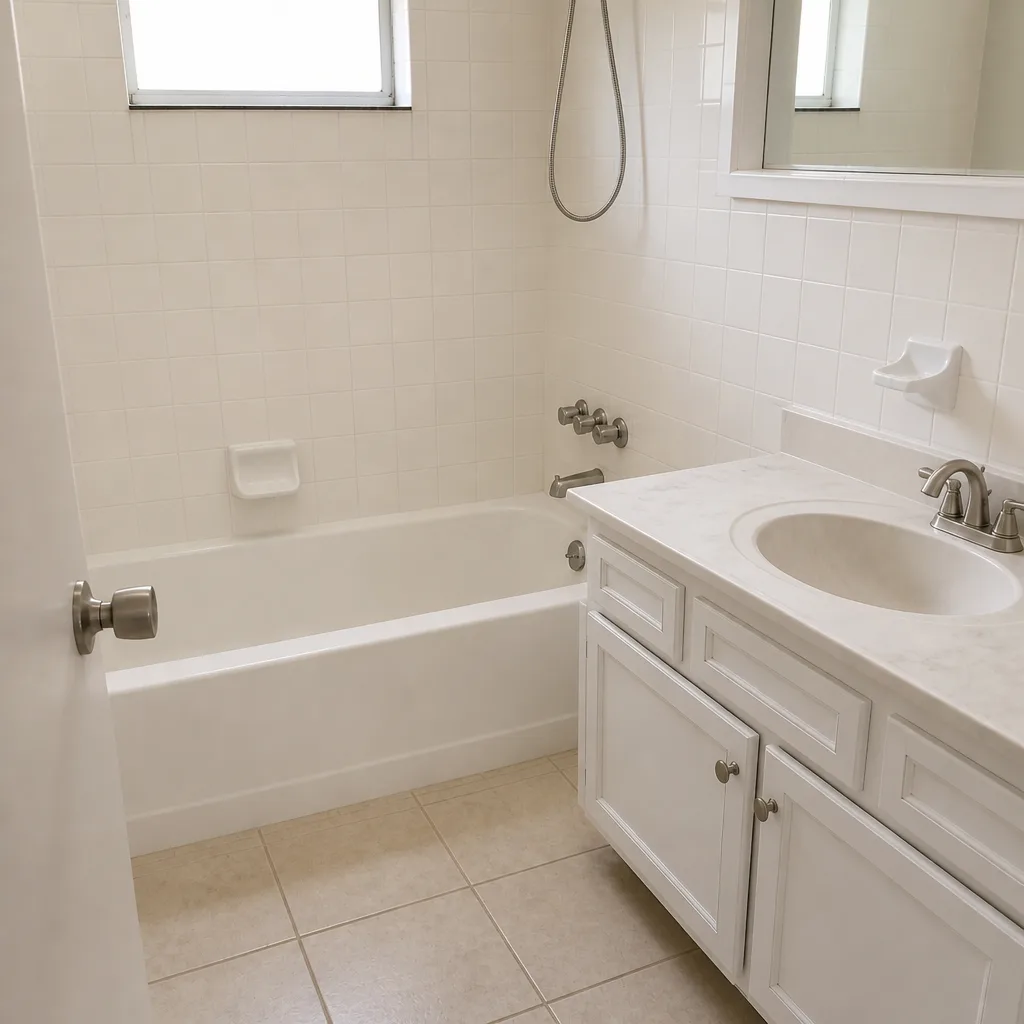 After
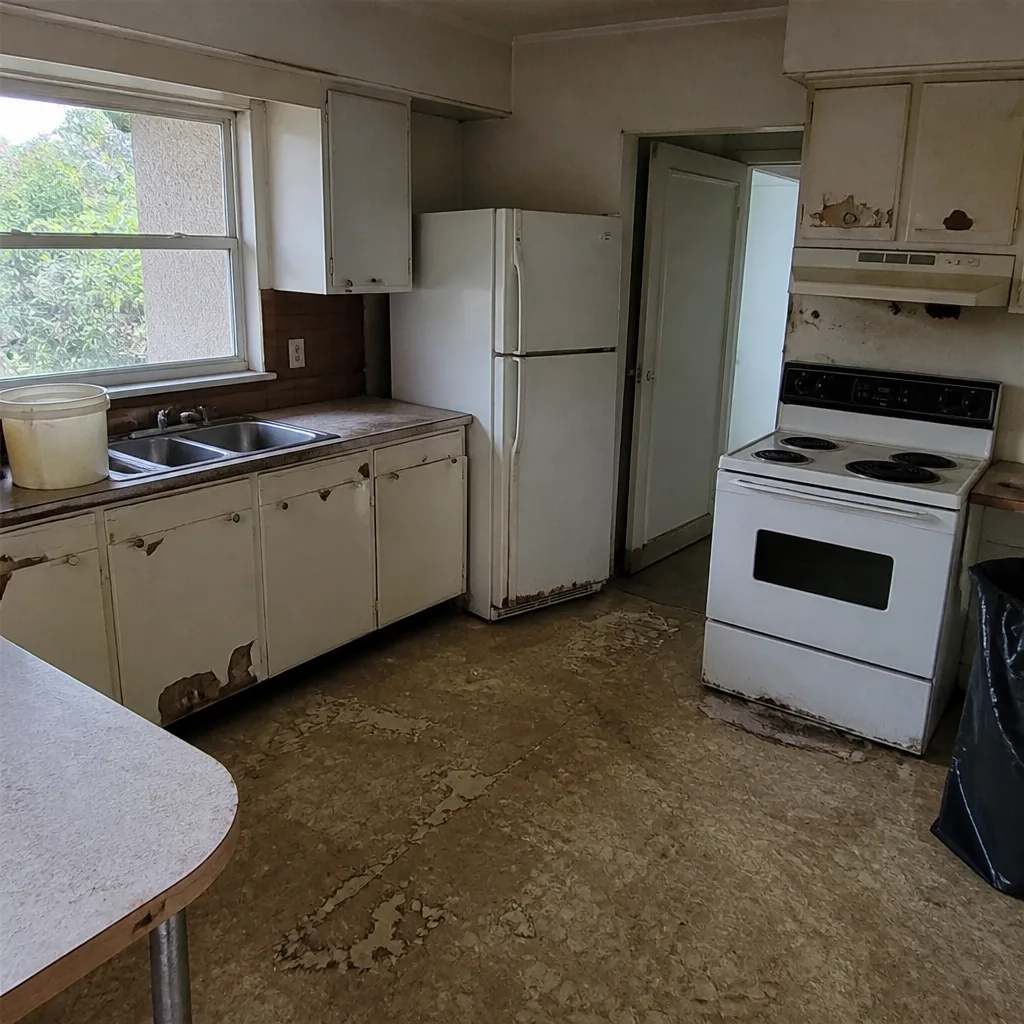 Before
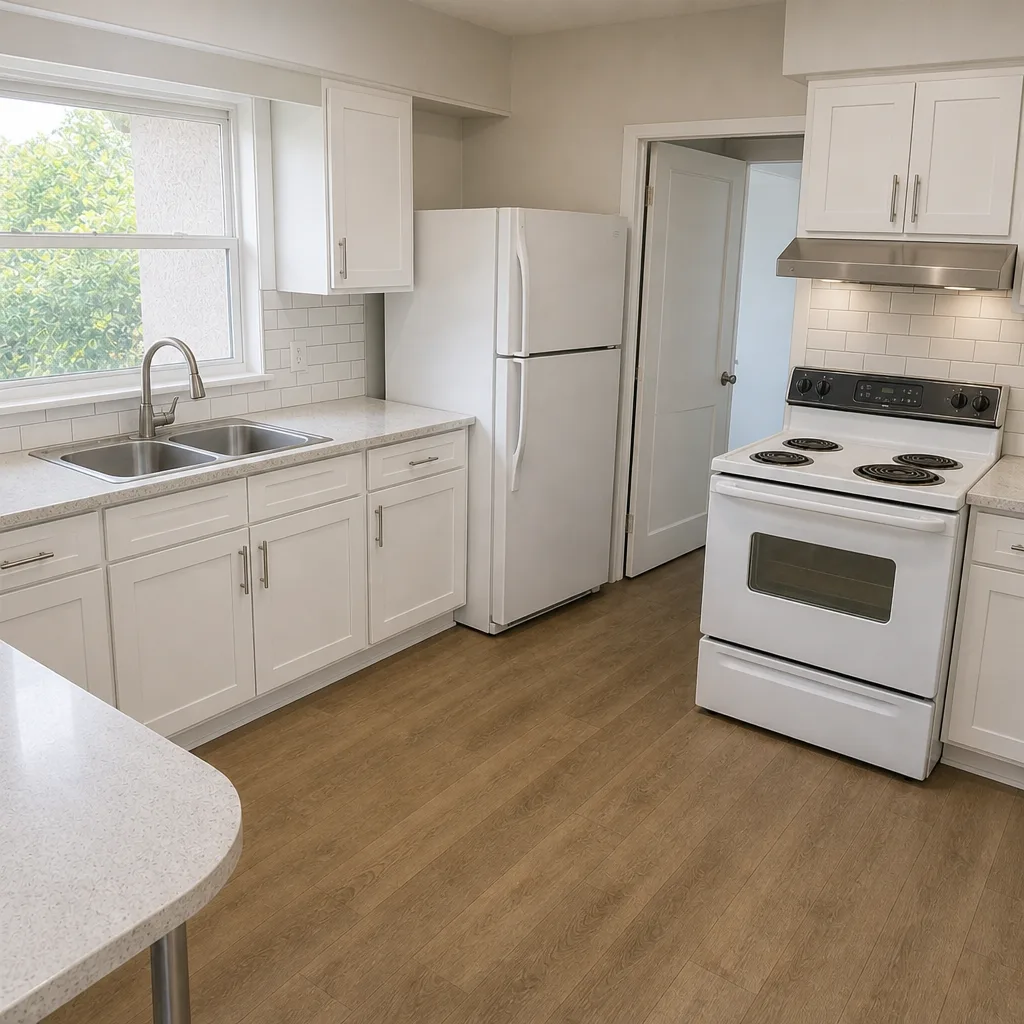 After
When to Call a Professional
Call a professional any time your project touches the ground (post footings in North Miami Beach soil), the property line (any survey question, easement, or right-of-way), the wind-load rating (HVHZ product and installation), the permit file (any new or modified fence), or the pool barrier code. Those five triggers account for the overwhelming majority of fence-work regret we see. Also call if you’re pairing the fence with other scope – a rebuilt driveway, a new gate system, or an addition that changes the yard layout. Groundwork Construction Co. of North Miami Beach offers free estimates in North Miami Beach – call (844) 797-4868. We pull permits, pass inspection, and back the work with the 730-Day Done Right Promise.
Frequently Asked Questions
Yes – a new fence, a fence that changes height or location, and any pool barrier fence in North Miami Beach almost always require a permit and inspection. Replacing panels or pickets on existing, permitted posts typically doesn’t. The permit cost is small compared to an after-the-fact inspection or a closing hold. Call (844) 797-4868 for a free estimate that includes permit handling.
Yes, for cosmetic and hardware-level work: replacing panels, staining, adjusting a gate, and swapping hardware on existing solid posts. New post footings, property line placement, HVHZ wind-load compliance, and pool barrier fences are the categories where we’d recommend a licensed professional. The risk isn’t the carpentry – it’s the footing, the permit, and the wind rating.
The correct depth depends on fence height, wind exposure, material weight, and specific soil conditions – there isn’t a single number that applies to every fence in North Miami Beach. The right approach is to have the footing spec’d against the wind-load requirement for the property, with the depth and diameter documented. A good contractor will put it on the bid in writing.
The sale can be held up. Title searches and buyer inspections flag fences that don’t match permitted records, and in North Miami Beach’s flood zones lenders and insurers ask harder questions. The fix is usually a retroactive permit and inspection, which costs more than doing it right up front because the fence is already standing.
For short runs (roughly under 80-120 linear feet) on existing posts, DIY is often cheaper. For a full new install, the professional bid is usually competitive once you count permit fees, survey, survey-driven layout, tool rental, material waste, and rework risk. DIY wins on small repairs, not on full builds in HVHZ territory.
Yes. Fences in an easement, on a neighbor’s property, or in violation of the city right-of-way can be ordered removed regardless of permits. An HOA can enforce its own rules on top of that. A survey and a pre-check with your HOA before any work starts is the cheap step that prevents an expensive one. Call (844) 797-4868 for a free estimate in North Miami Beach.
The Bottom Line
The safe-DIY list is short and specific: panels on solid posts, stain and seal, gate adjustments, and hardware. Everything that touches the ground, the property line, the permit file, the wind-load rating, or the pool barrier code belongs with a licensed professional – especially in North Miami Beach, where sandy soil, flood zones, and HVHZ rules mean “it looks fine” isn’t the same as “it will hold.” Whether you do the light work yourself or hand off the full build, get the footing depth and permit path documented in writing before anything gets dug. That’s the difference between a fence you forget about and one that finds you at closing. Groundwork Construction Co. of North Miami Beach handles the full install, permit, and inspection as one job with upfront pricing. See our Groundwork Construction Co. of North Miami Beach home page for our full scope, and explore our Home Additions & ADU in North Miami Beach work if your fence is part of a bigger yard or property change. Groundwork Construction Co. has proudly served local communities since 2014, backed by brand partners like James Hardie and Tuff Shed across our trades, and every project is covered by the 730-Day Done Right Promise. Our technicians have up to 12 years of experience, and calls are answered by a live person 24/7. Call (844) 797-4868 for your free estimate.
Written by the team at Groundwork Construction Co. of North Miami Beach.