Last updated November 17, 2026





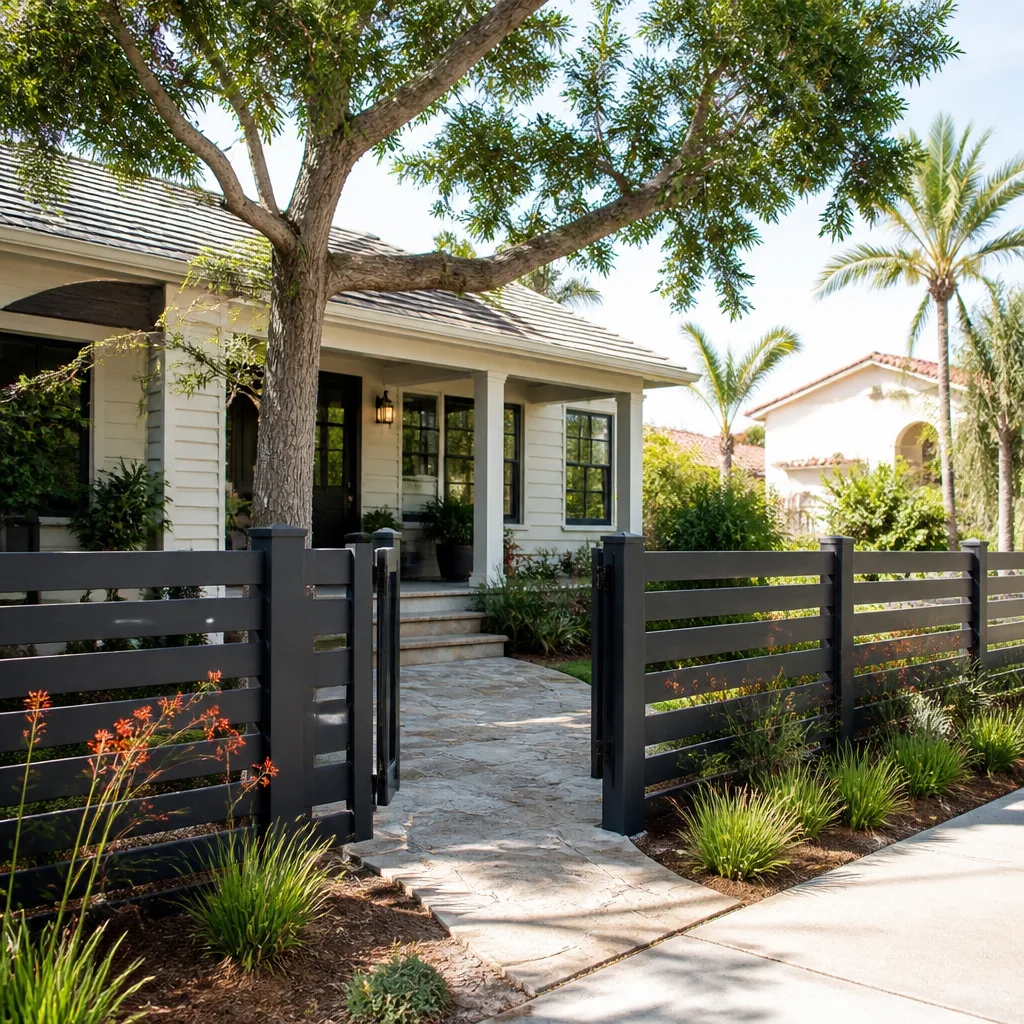

Free written scope consultation - allowances, timeline, and change-order rules on paper before a single trade is scheduled
How to Hire a Construction Contractor in North Miami Beach: A Step-by-Step Guide
Florida’s contractor licensing database lists dozens of active certified and registered contractors working in North Miami Beach. But a license only proves someone passed a state exam and paid a fee. It says nothing about whether they’ve built anything worth living in, whether they carry the right insurance for Miami-Dade work, or whether they’ll pull a permit when the job actually needs one. The real vetting begins after you’ve confirmed they’re legal. What follows is the due-diligence process we’d walk our own families through: how to read a license record for red flags, what insurance certificates actually matter here, what a real permit history looks like, and how to write a contract and payment schedule that keep leverage on your side from the first day to the final walkthrough.
Quick Answer
To hire a construction contractor in North Miami Beach, verify the contractor’s license and complaint history in the Florida DBPR database, confirm their insurance certificate names a Miami-Dade project address and your name as certificate holder, pull their permit history from the city’s building department, then put lien-protection clauses and a milestone-based payment schedule in a written contract before any work begins. Skip any of those four steps and you’re gambling with a five- or six-figure investment in one of the most code-sensitive, storm-exposed housing markets in the country.
Styles & brands we work with
- Kitchen remodeling
- Bathroom remodeling
- Home additions & ADU
- Roofing
- Windows & doors
- Driveway & pavers
- Fence
Table of Contents
- Step 1: Pull and Read the Contractor’s Actual License Record
- Step 2: Verify Insurance Certificates That Actually Count in Miami-Dade County
- Step 3: Check What Their Permit History Really Says
- Step 4: Write a Contract That Protects You Under Florida Statute 713
- Step 5: Structure Payments That Keep Leverage in Your Hands
- Step 6: Lock Down Scope, Materials, and Change-Order Rules
- What’s Different About Building in North Miami Beach Specifically
- Step 7: Verify the Work as It Happens (Not Just at the End)
Step 1: Pull and Read the Contractor’s Actual License Record
Every legitimate contractor in Florida holds either a state certified license or a registered license through the Department of Business and Professional Regulation. The DBPR maintains a free public database (dbpronline.com) where you can search by business name, individual name, or license number. Before you let anyone quote you, run that search. What you’re looking for goes far beyond a green “active” status.
A clean record shows an active license with no complaints, no citations, no administrative fines, and a classification that actually matches your project type. A “General Contractor” or “Building Contractor” license covers the broad scope of a home addition. A specialty license like roofing or windows is scoped tightly to that trade and cannot legally pull permits for a full structural remodel. If you’re adding a rear addition or converting part of a garage into an ADU, you need a license that covers the full scope, not one that leaves your structural work unpermitted and your foundation pad unsigned.
Click into the “Complaints” and “Disciplinary Actions” tabs on the license record. This is where the truth lives. Florida logs every public complaint and every disciplinary action taken against a licensee, including citations, probation, restitution orders, and license suspensions. A contractor can pass an exam with flying colors and still have three unresolved complaints on the record from the last two years. That history never shows up on their website, and it almost never shows up on their Google Business Profile either.
- License status: Active, current, and not expired. An “inactive” or “delinquent” license means the contractor can’t legally work.
- Classification: Certified or registered, and matched to your project type (CGC or CBC for general work, CCC for roofing, CAC for HVAC).
- Complaint history: Any unresolved or recently resolved complaints in the last 36 months – factor those into your decision.
- Disciplinary actions: Citations, restitution, fines, or suspensions are serious in this state.
- Qualifier name: The individual whose name the license rests on. If the license qualifier has left the company, the license may be invalid for the company doing the work.
When the license checks out on paper, ask the contractor to show you the physical license and photo ID at the estimate visit. If the name on the license doesn’t match the name on the truck and the contract, you have a real problem. Our own team can point you to licensing records on any job we quote – that transparency is part of the Groundwork Construction Co. of North Miami Beach home service standard.
Step 2: Verify Insurance Certificates That Actually Count in Miami-Dade County
Here’s a step most hiring guides skip entirely: a standard certificate of insurance issued to a contractor working out of Broward, Palm Beach, or Orange County is not sufficient proof for Miami-Dade work. Florida contractors need two distinct policies – general liability and workers’ compensation – and both must be active with the carriers named in the state record. A certificate from another county may still be valid, but the coverage limits and endorsements Miami-Dade requires for permitted work are what matter here.
Ask for the certificate of insurance (COI) directly from the contractor’s insurance agent, not from the contractor. Anyone can generate a plausible-looking certificate with a desktop program. The carrier’s agent can email it to you directly with a live certificate and a matching policy number. Verify two things: that the certificateholder line shows your name and your property address, and that the coverage dates include the full span of your project, not just the start date.
Look for these specific limits and endorsements on the certificate:
- General liability: At least $1 million per occurrence, $2 million aggregate – this is the Florida baseline for permitted residential work.
- Workers’ compensation: Florida law requires it for any contractor with four or more employees in the construction trades. If a contractor has one or two full-time employees, they may be legally exempt, but a certificate with a workers’ comp waiver means any injury at your house becomes your liability exposure through your homeowner’s policy.
- Additional insured endorsement: Ask to be named as additional insured on the general liability policy. This costs the contractor nothing and protects you if a subcontractor damages your neighbor’s property.
- Subcontractor coverage: If the general contractor uses subs for roofing, electrical, or plumbing, confirm each sub carries their own policies or that the general contractor’s policy includes a subcontractor endorsement.
In our experience across North Miami Beach projects, the most common insurance gap is the workers’ comp certificate that quietly lapses between quoted coverage and actual coverage. Always verify it within 30 days of the start date, and again at project inception. A lapse means if a crew member gets hurt on your property, your homeowner’s insurance gets the first phone call.
Step 3: Check What Their Permit History Really Says
North Miami Beach requires permits for nearly all structural, electrical, plumbing, and mechanical work, plus substantial window and door replacements, roofing, patio enclosures, and any hardscape tied to a foundation or drainage plan. The city’s building department website lets you search by address, contractor name, or permit number. Pull up their record and count three things: how many permits they’ve pulled in the city, whether those permits show “final inspection passed” or “open,” and whether any open permits have been sitting without activity for more than 90 days.
A contractor with a real North Miami Beach project history will have permits that close out with final city inspections. A contractor with 40 permits over five years that all show final passes is running a professional operation. A contractor with permits that sit “open” for a year or more, or a builder who consistently talks you out of pulling permits, is telling you something. Unpermitted work matters in North Miami Beach more than in most markets because wind mitigation and roof certification from the city’s building department are what insurance carriers use to set policy premiums. A bathroom remodel that felt cheaper without a permit can cost you a premium increase of several hundred dollars a year, every year, until it’s corrected.
Here’s what a healthy permit history looks like, and what a red-flag history looks like:
Healthy Permit History
- Permits are pulled before work starts, in the contractor’s licensed name.
- Each permit has scheduled inspections logged, with passed results and a final closing date.
- Active permits reflect projects currently in progress in the metropolitan area.
- Roof, window, and structural work all appear as separate scoped permits.
Red-Flag Permit History
- Permits pulled under one company name and closed under another (license borrowing).
- Doors and windows installed without a permit under the “no permit needed for replacement” line, which is false in Miami-Dade for impact-rated units.
- Active permits with no inspection activity logged for six months or more.
- No permit history in North Miami Beach or any adjacent city, but years of “local experience” claimed on a brochure.
For Home Additions & ADU in North Miami Beach, permit history is even more critical, because zoning setbacks, flood elevation certificates, and root-damage inspections through the city are mandatory for any structural addition. A contractor who hasn’t pulled and closed an ADU or addition permit in the city has never navigated the review process here, and you’ll be paying for their learning curve.
Step 4: Write a Contract That Protects You Under Florida Statute 713
Florida Statute 713 governs construction liens. Under that statute, contractors, subcontractors, and material suppliers can place a lien on your property if they aren’t paid, even if you’ve already paid the general contractor in full. The statute exists to protect the supplier – but it also gives you tools to protect yourself, and those tools only work if they’re written into your contract before work begins.
The single most important clause is the Notice to Owner requirement. A subcontractor or supplier who is not directly contracted with you must serve a Notice to Owner within 45 days of starting work. If they do, they preserve their right to lien. If they don’t serve it, they generally lose the right to lien on your property. Ask for copies of every Notice to Owner served on your job, and log the dates. If nobody has served a Notice to Owner by day 30, either the sub isn’t protecting their rights or the general contractor hasn’t told you the full sub-list. Either way, you want to know.
Beyond the Notice to Owner, ask that the contract include:
- A lien waiver for every payment. Each payment you make should be accompanied by a conditional or unconditional lien waiver from each sub and supplier, signed and notarized. Conditional waivers become unconditional when the check clears.
- A final release of lien at project close, signed by the general contractor and every sub and supplier listed on the job.
- A “No Lien” clause for any sub who fails to serve a timely Notice to Owner. If they didn’t protect their rights, the contract should state they have no right to lien – and the general contractor should indemnify you if they do.
- A clause requiring the general contractor to disclose all subs and suppliers within 10 days of the contract signing.
- A provision that unapproved lien claims are the general contractor’s legal and financial responsibility, not yours.
Most contractor templates omit all of this. If the contractor pushes back on any of it, that’s information. A legitimate, licensed, insured contractor doesn’t object to lien-protection clauses because they weren’t planning to default on their subcontractors anyway. Our contracts at Fence Installation in North Miami Beach and every other project line include this language as standard.
Step 5: Structure Payments That Keep Leverage in Your Hands
Florida law caps the amount a contractor can ask for as a down payment at 10 percent, and that cap exists because contractors used to routinely ask for 40 or 50 percent deposits and disappear. But most payment disputes don’t come from the down payment – they come from front-loaded schedules that pay the contractor far faster than they actually complete work. A fair payment schedule matches money to completed, inspected phases of work, not to the calendar.
Here’s a milestone-based structure that we use and that keeps leverage with the homeowner without shorting the contractor’s cash flow:
- 10% at contract signing, no more. This is the legal maximum and is enough to secure materials. If they ask for 30% or 40%, walk.
- 10% at permit issuance and demolition start. Once the permit is pulled and the crew is actually tearing out, the contractor has skin in the game.
- 20% at rough-in completion and rough inspection passed. The city inspector has seen the plumbing and electrical; you have photographic evidence.
- 20% at drywall complete and paint start. Halfway money should mean halfway done, with the hardest phase (rough-in) already passed inspection.
- 25% at fixtures and finish install complete, final inspection passed.
- 15% retained at final walkthrough. This holdback matters. It’s the money that ensures punch-list items get finished and the final lien releases get delivered.
That schedule keeps the contractor on the job. It’s not adversarial – it’s fair. A legitimate contractor makes a real profit at 100 percent completion and doesn’t need to front-load. A contractor who demands 50 percent at signing is telling you they have a cash-flow problem, and their cash-flow problem becomes your project risk.
Two more rules worth writing into any North Miami Beach contract: no payments by cash unless you get a signed receipt with a job-specific invoice number, and no payments before an inspection or milestone is actually verified. If a contractor asks for “advance for materials” mid-project, that’s a tell that they’re funding the next job with your money.
Step 6: Lock Down Scope, Materials, and Change-Order Rules
Vague scope is where most homeowner-contractor disputes originate, and it’s genuinely avoidable. The contract should list every material by brand, model, and specification – not “ceramic tile” but “KraftMaid Maple Chardonnay cabinet in the kitchen, American Standard Cadet 3 toilet in the bath,” or “GAF Timberline HDZ shingles in Charcoal.” Named manufacturers matter because they lock the contractor to a known quality standard and give you a basis for comparison when other bids come in.
The change-order clause is the second scope issue to nail down. A change order is any modification to the original scope – adding a window, upgrading to quartz, moving a wall. The clause should specify:
- Change orders must be in writing, signed by both parties, before the work is performed. Verbal changes don’t count and aren’t enforceable.
- Change orders aren’t permitted during “progress billing rush” periods. This is an industry trap. Some contractors push a dozen changes into the last week of the job to pad out the final invoice, then argue the rates were customary. Write that change orders must be agreed 10 business days before the affected work begins.
- Change-order pricing must be itemized – labor, materials, sub costs – not a single lump “extra work” line.
- Any change order over $2,500 requires your written approval at least 48 hours in advance.
Materials substitutions should require your written consent too. On a Miami-Dade roof, a change from GAF to a no-name shingle can cost you your wind mitigation certification and insurance premium. On a Driveway & Pavers in North Miami Beach installation, substituting a cheaper paver brand changes the base prep requirements and drainage plan. The brand name in the contract isn’t a preference; it’s a spec.
What’s Different About Building in North Miami Beach Specifically
Some of the due-diligence variables in this guide apply to any contractor anywhere. Others are specific to this city and county, and they’re the ones that separate a real North Miami Beach operation from a contractor who drives in from outside.
Wind-borne debris region. North Miami Beach sits inside Miami-Dade’s High-Velocity Hurricane Zone (HVHZ). Every window, door, and roof product must carry a Miami-Dade NOA (Notice of Acceptance) product approval number. A contractor quoting a window replacement without NOA documentation is quoting an unpermitted installation – and if it gets inspected, it fails. Our team is fluent in the NOA product libraries from ECO Window Systems, ViewLux, and Mr-Glass, and can show you the exact product approval for any quoted unit.
Flood zone and elevation certificates. Large parts of North Miami Beach – including sections of the Eastern Shores and Sunny Isles corridor – fall in FEMA flood zones where any structural addition requires an elevation certificate, and where finished floor heights must meet base flood elevation (BFE) plus freeboard. A contractor who hasn’t pulled a residential elevation certificate and worked with a surveyor in this city is going to discover that requirement six weeks into your addition.
Salt air and UV exposure. Exterior materials age faster here than almost anywhere else in Florida. Wood fences need marine-grade fasteners and treated lumber; exterior paint and stucco need UV-stable finishes; roof underlayment degrades faster against the salt air. When you’re evaluating a bid, ask the contractor to name specific products and lifespan expectations for this climate. If they can’t, they haven’t built here.
Seasonal rain patterns and hurricane season. Exterior work in North Miami Beach is close to impossible from June through October without a real weather-plan contingency. Roof replacements, fence installations, and paving are typically scheduled for the window between November and May. A contractor who quotes you a four-week roof in July without discussing the weather contingency in writing is quoting a fantasy. Our own scheduling plan builds in that reality.
Contractor density and referral pressure. There are hundreds of licensed contractors serving Miami-Dade. The competition is real, which is good for you – but it also means any contractor without a verified permit history in the city is likely a visitor to your market, not a fixture in it.
Step 7: Verify the Work as It Happens (Not Just at the End)
The contract is the map. Verification is the drive. On any North Miami Beach project of real scope, plan to be present for four scheduled checkpoints: demolition complete, rough-in inspectable, drywall complete, and final walkthrough. You don’t need to be there every day. You do need to see the work at those moments, because problems caught before drywall are cheap and problems caught after drywall are not.
Take photos at each checkpoint. Get copies of each inspection result from the city as it comes in. Keep a written log of every verbal exchange that changed the plan. If the contractor says something that contradicts the contract, follow up by email the same day with “Per our conversation, I understand you to be saying X. Please confirm.” The email thread becomes the legal record if a dispute arises.
Verify at completion:
- Final inspection passes from the city for each scoped permit.
- Signed final lien releases from every sub and supplier listed on the job.
- Warranty documents for every product installed – GAF’s shingle warranty, Therma-Tru’s door warranty, manufacturer paperwork for every major product.
- As-built drawings marked with any field changes from the signed plans.
- Written workmanship warranty in hand, not just promised on a brochure.
This is also why written workmanship guarantees matter, and why we point to our 730-Day Done Right Promise – if it’s not done right, we make it right. That’s a written commitment that follows the job for two full years, not a verbal promise that expires at handoff.
Common Mistakes to Avoid
- Hiring the lowest bid without reading the scope. In North Miami Beach, a bid that’s $15,000 under the next quote is usually under by exactly the cost of the permits, the NOA-compliant impact windows, or the wind-mitigation moisture barrier – costs that surface at the end, when you have no leverage.
- Accepting a certificate of insurance emailed by the contractor. Always get it directly from the carrier’s insurance agent. We’ve seen fake COIs in this market, and the homeowner finds out when their property is named in a claim.
- Not pulling the contractor’s DBPR complaint history. A clean license is not the same as a clean record. Always click into the disciplinary and complaint tabs before signing.
- Skipping the permit for a “small” bathroom or window replacement. In Miami-Dade, impact window and door replacements require permits even if the existing opening doesn’t change size. Unpermitted impact work means you lose the wind mitigation credit that funds your insurance discount.
- Front-loading the payment schedule. A 30 percent or 50 percent deposit is illegal in Florida and is a strong signal the contractor is using your money to fund another job.
- Letting change orders slide verbally. Every verbal change, in a Miami-Dade permitting climate, is a change that may need a permit revision. If the revision isn’t documented, the final inspection fails.
- Ignoring lien releases at project close. Even a homeowner fully paid to the general contractor can be liened by a subcontractor who never got paid. Signed lien releases from every sub and supplier close this risk.
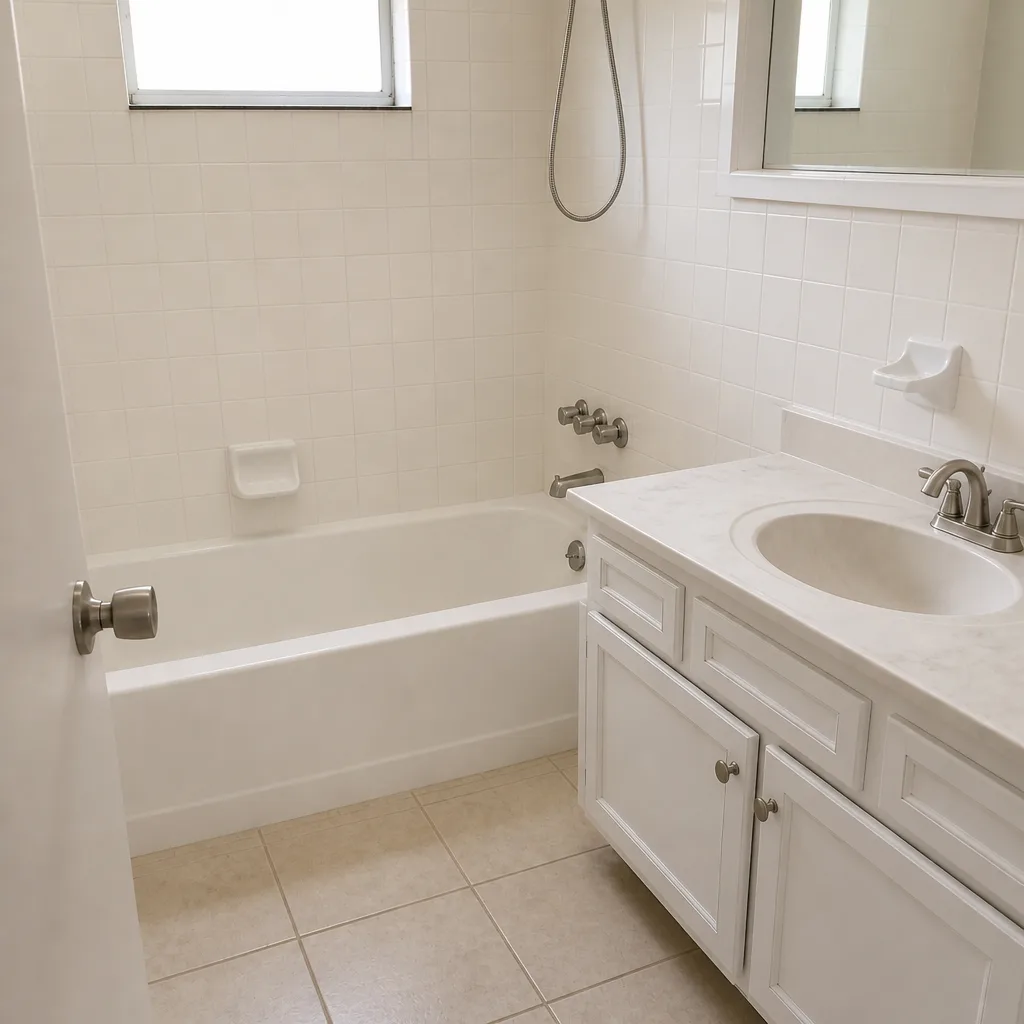
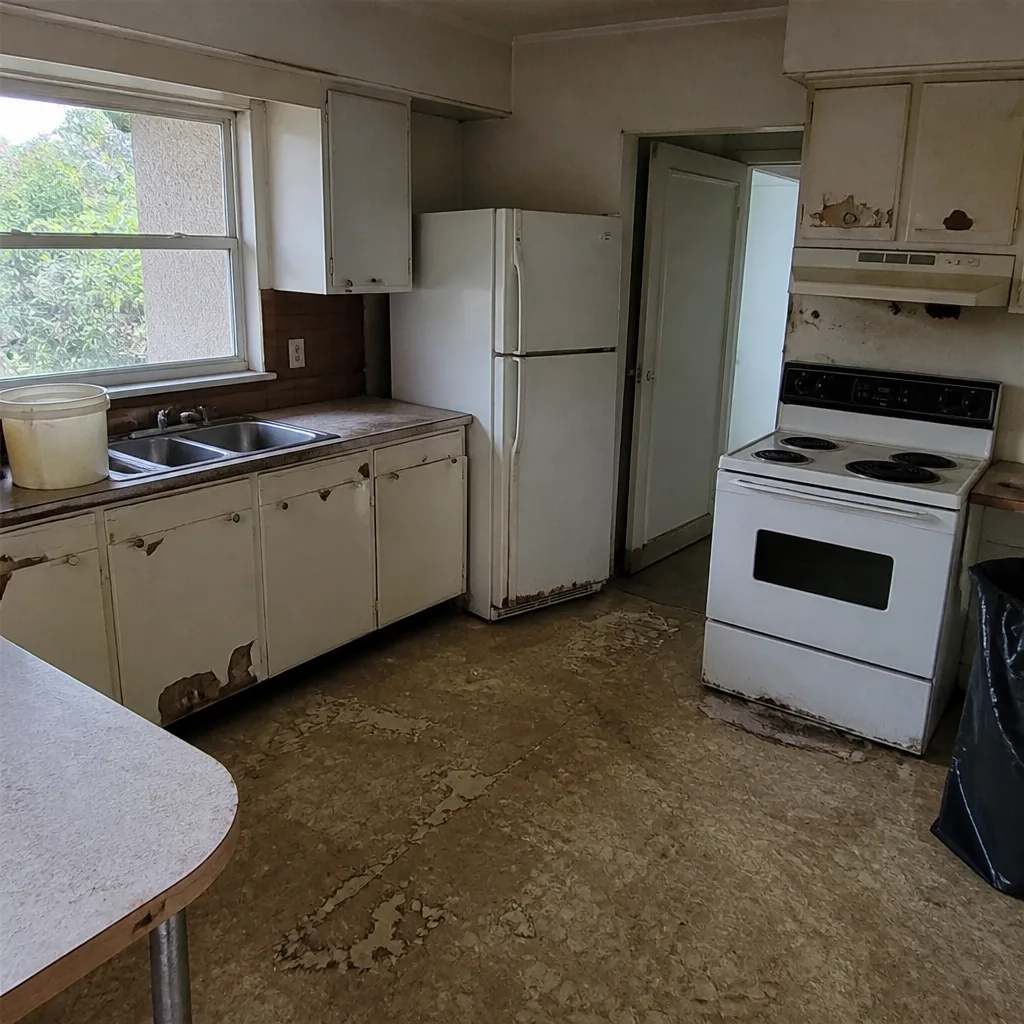
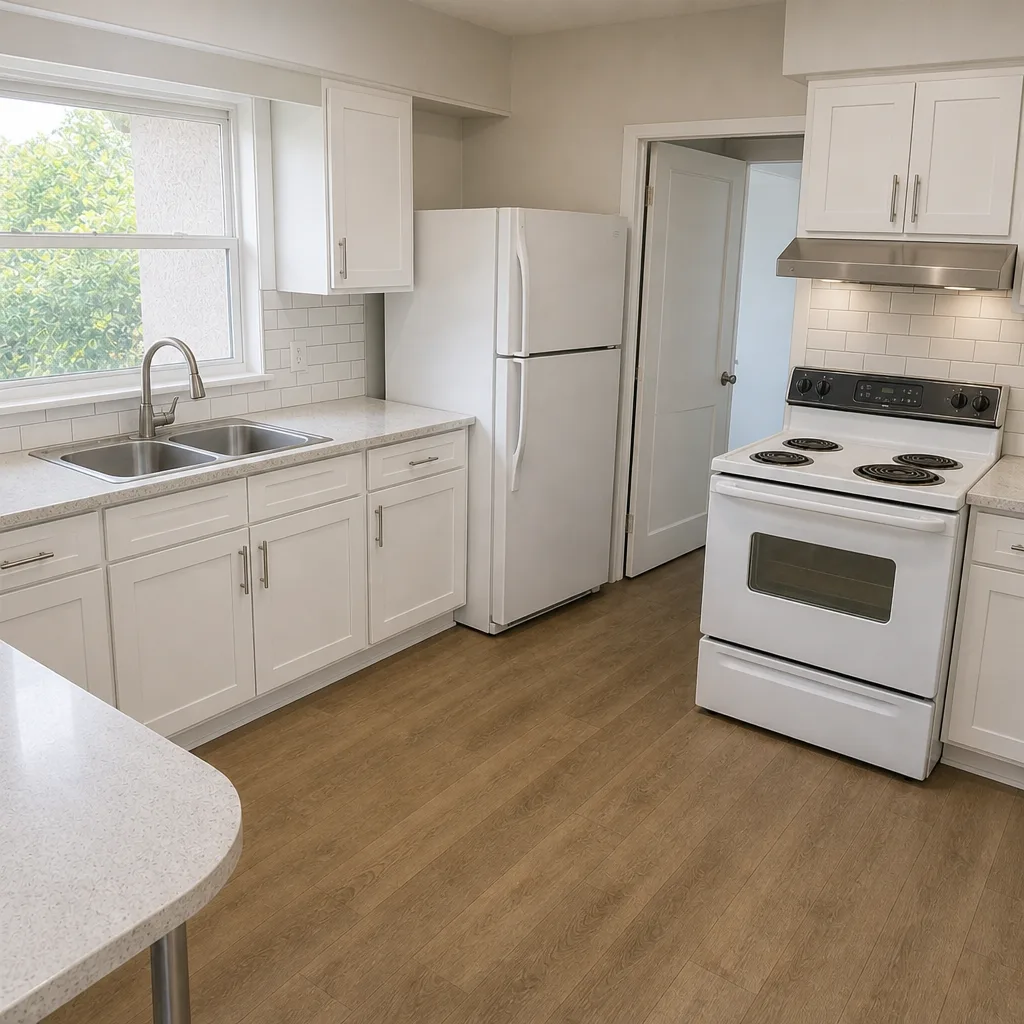
See the difference
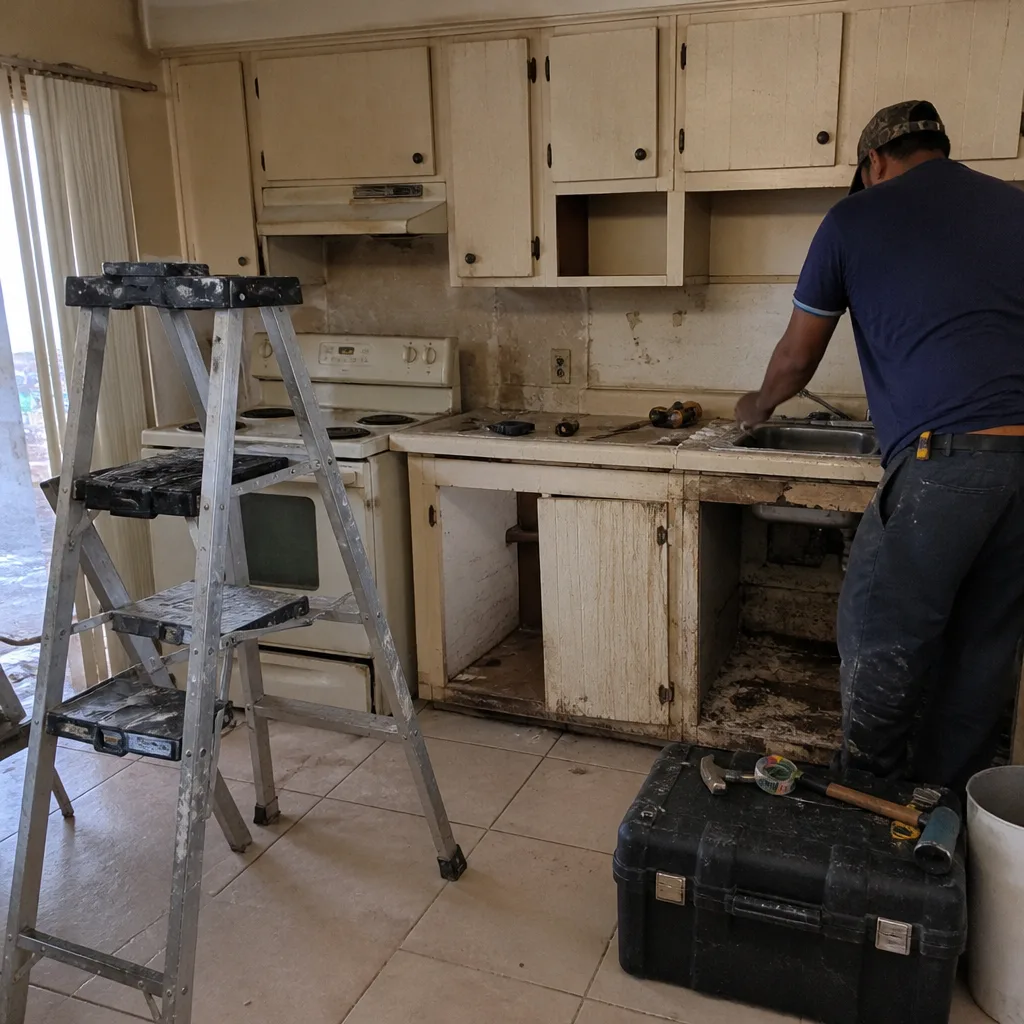 Before
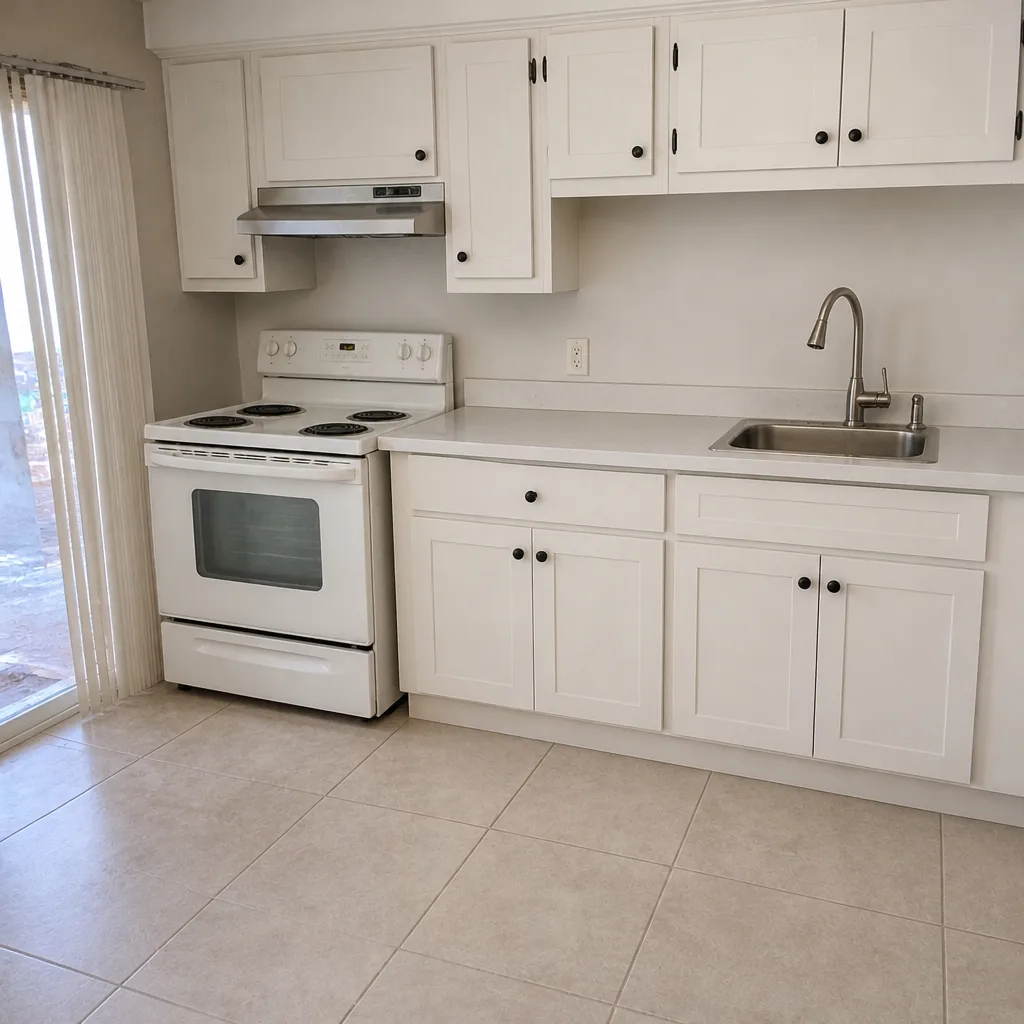 After
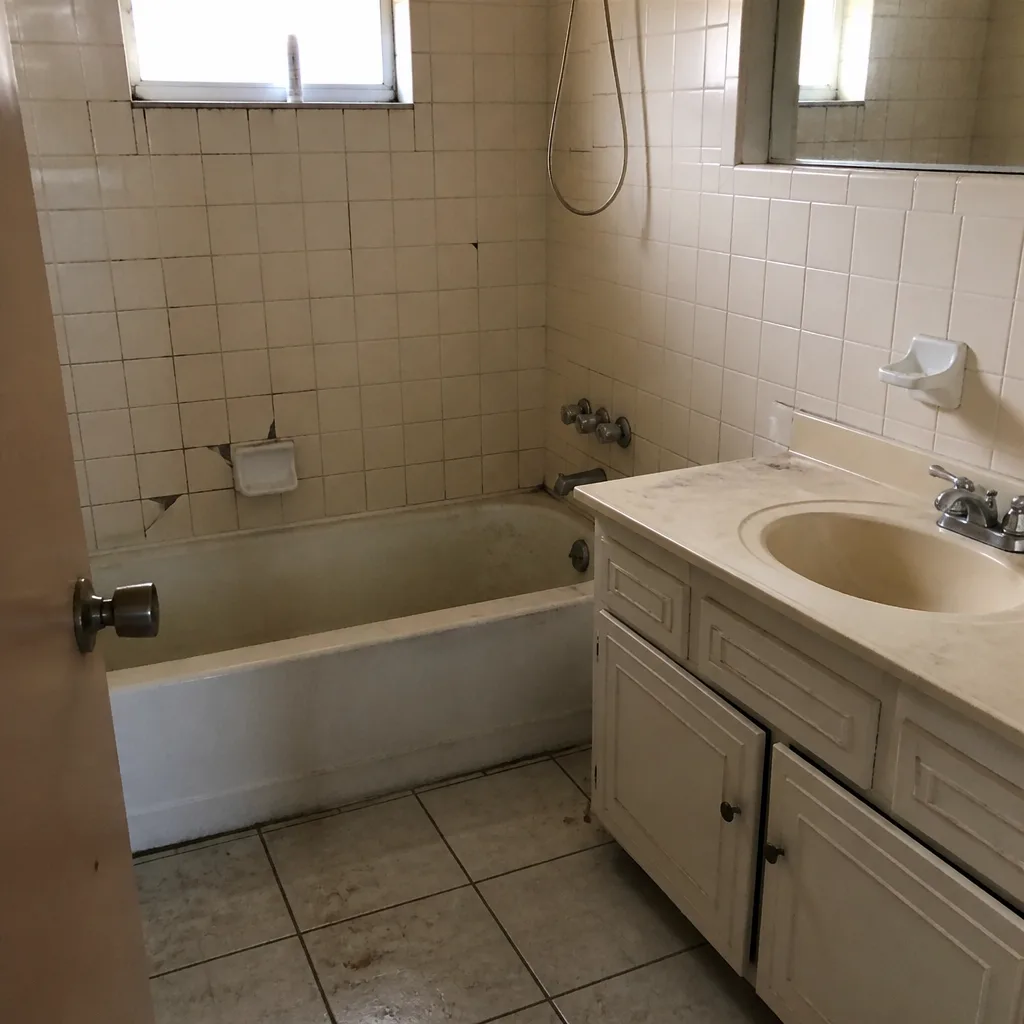 Before
 After
 Before
 After
When to Call a Professional
Some steps in this guide you can do yourself. Pulling the DBPR record, verifying a certificate of insurance, requesting permit history from the city – these are things an attentive homeowner can and should do. But a few scenarios need a licensed contractor and a real contract from the first day, because the due-diligence burden is too heavy to carry alone: any structural work, any roof replacement inside the HVHZ, any window or door installation that requires a Miami-Dade NOA product approval, any electrical or plumbing rough-in, and any addition or ADU with a footprint change. If your North Miami Beach project involves any of those, you want a contractor who answers calls, shows up documented, and puts terms in writing. We offer free project estimates and design consultations in North Miami Beach – call (844) 797-4868 for a quote with a real number on it.
Frequently Asked Questions

Search the contractor’s name or license number at dbpronline.com, the Florida Department of Business and Professional Regulation’s public database. Confirm the license status is Active, the classification matches your project type (a certified general contractor covers additions and remodels; a roofing contractor is scoped to roofing only), and check the Complaints and Disciplinary Actions tabs for a full history before you sign anything. Call (844) 797-4868 if you want us to walk you through the process on any quote you’re weighing.
Miami-Dade County requires general liability coverage of at least $1 million per occurrence and $2 million aggregate, and workers’ compensation coverage with no exemption for contractors with four or more employees in the construction trades. Verify the certificate of insurance comes directly from the contractor’s insurance agent, not from the contractor, and confirm your name and your project address appear as certificateholder. Get a second copy at project start to confirm nothing has lapsed. Call (844) 797-4868 for a free estimate with our current insurance documents.
Yes. North Miami Beach sits inside the High-Velocity Hurricane Zone, and any window or door replacement – even a like-for-like size replacement – requires a permit and a product with a Miami-Dade NOA product approval number. Unpermitted window work can void your wind mitigation credit and cost you hundreds of dollars a year in insurance premium until it’s corrected. Our team quotes every window with the NOA documentation attached – call (844) 797-4868 to see the paperwork before you decide.
Florida law caps the contractor’s down payment at 10 percent of the contract price, and no legitimate contractor needs more. A fair payment schedule ties the remaining 90 percent to verified milestones: rough-in inspection passed, drywall complete, and final walkthrough with 15 percent retained until punch-list items are complete and final lien releases are signed. If a contractor asks for 30 or 40 percent up front, that’s a cash-flow problem you don’t want to inherit. Call (844) 797-4868 for a free estimate with a written milestone schedule.
Two risks stand out. First, an out-of-county contractor is often unfamiliar with Miami-Dade’s HVHZ product approval requirements and flood zone elevation certificates, which means a failed inspection or a six-week delay somewhere in the middle of your project. Second, their insurance certificates may not reflect the coverage limits Miami-Dade requires for permitted residential work. A Broward COI naming Broward project coverage is not sufficient proof for a North Miami Beach job. Call (844) 797-4868 for a free estimate with a team that works in the city.
Require your contract to specify that every subcontractor and supplier must serve a Notice to Owner within 45 days of starting work (Florida Statute 713), and that no payment is made without a signed, notarized lien waiver from each sub and supplier. Retain final lien releases at job close as a condition of the final 15 percent holdback. A contractor who objects to those terms has told you something important. Call (844) 797-4868 for a free estimate with standard lien-protection language already in our contracts.
The Bottom Line
Hiring a contractor in North Miami Beach is due diligence, not comparison shopping. The four checks that matter most – a clean DBPR license and complaint record, a real certificate of insurance from the carrier, an active permit history in the city, and a contract with lien-protection clauses and milestone-based payments – will filter out most of the contractors worth filtering out. The contractor left standing at the end of that process is the one you can trust with a six-figure project. Our own team runs these checks on every quote we hand out because the alternative – a homeowner who found out the truth at inspection time – is a story we’ve heard too many times. Licensed, insured, permitted, and backed by a 730-Day Done Right Promise, we offer free project estimates and design consultations in North Miami Beach – call (844) 797-4868 to get your project priced with real numbers and real terms.
Written by the team at Groundwork Construction Co. of North Miami Beach.